
How to Choose the IP Protection Grade for Bathroom Lamp? Class of Protection in Lighting!
How to choose the right IP rating for a bathroom? Choosing a lamp for a wet area requires knowing the IP rating. Find out what markings provide water and dust protection to make your lighting safe and durable. Check out the key zones in your bathroom and choose the perfect lamps!
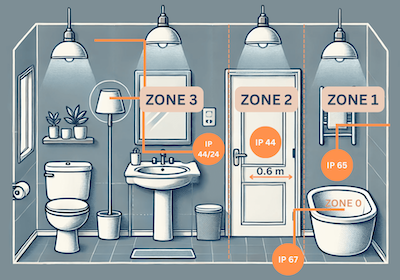
Table of Contents
- What does the IP Protection Grade mean?
- Why is the IP Protection Class so important?
- Which IP to Choose?
- How to Read the IP Code?
- What is the Minimum IP Grade for a Bathroom?
- Zones of Protection
- Types of IP Protection for Bathroom
- Summary
What does the IP degree of protection mean?
When choosing lamps for the bathroom, a key consideration is the appropriate IP rating. IP, or International Protection, indicates the degree of protection of the device against solid objects and water. The IP symbol consists of two digits - the first indicates the degree of protection against solid objects (such as dust), and the second against water. In a bathroom, where moisture and water are the order of the day, the right IP rating is essential for the safety and longevity of the lighting.
Why is IP rating so important?
In a bathroom where moisture and water are ubiquitous, the right IP rating is crucial. Protection against water ingress and solids ensures safety and longevity of lighting. The minimum degree of protection for bathrooms is IP44, which protects against water drops and dust.
Which IP to choose?
Choosing the right IP depends on where the lighting is installed. Always check the degree of protection requirements for a specific zone in the bathroom. Remember that the right protection class ensures not only the safety of use, but also a longer life of the device.
How to Read the IP Code?
The IP code consists of two digits:
- The first digit indicates the degree of protection against solid objects (dust, foreign bodies)
- The second digit indicates the degree of protection against water.
For example, IP44 means that the lamp is protected against solid objects larger than 1 mm and against water splashes from any direction. In the bathroom, we usually use lamps with IP44, IP55, IP65 or higher.
What is the minimum IP rating for the bathroom?
IP20 means protection against solid objects larger than 12 mm, but no protection against water. In the bathroom, where moisture and water splashes are common, the IP20 protection rating is insufficient. Lack of water protection makes devices with this degree of protection vulnerable, posing a risk of electric shock and damage to the device itself. The same applies to degrees IP21, IP23, but also IP43 - the second digit in the IP code must always be greater than 4 to ensure adequate protection from water. Therefore, for safety and durability of bathroom lighting, choose lamps with at least IP24.
Protection Zones
There are several zones in the bathroom that determine the level of exposure to water and moisture, which is crucial when choosing the right electrical appliances with the right IP rating.
- Zone 0
The interior of a bathtub or shower tray, where appliances must be completely waterproof, and the minimum required degree of protection is IP67.
- Zone 1
Includes the area above the bathtub or shower tray up to a height of 2.25 meters from the floor. Here the required degree of protection is at least IP65, as the devices are exposed to direct contact with water.
- Zone 2
The area extending 0.6 m around the bath or shower and up to a height of 2.25 m from the floor, where the equipment should have a protection rating of at least IP44, protecting against water splashing in from different directions.
- Zone 3
Encompasses the rest of the bathroom, requires a minimum IP24 rating, but IP44 is recommended for additional safety, as appliances may be exposed to moisture and occasional water splashes. A good understanding of these zones is key to ensuring the safe use and durability of bathroom electrical systems.
Types of IP Protection for Bathroom
Depending on the installation location, we choose the appropriate IP rating. Here are some examples:
IP24
Suitable for areas away from direct contact with water, such as ceilings or walls outside the direct spray zone. This means that the lamp has protection against foreign objects larger than 12 mm and against water splashed from any direction.
IP44
Suitable for areas exposed to splashing water, such as over a sink or near a bathtub. Lamps with this degree of protection provide protection against solid objects larger than 1 mm and against water splashed from any direction.


IP54
Protects against limited ingress of dust and against water splashed from any direction. Ideal for wetter areas in the bathroom, such as around the shower (but not directly under the water spray) and in dusty areas.



IP65
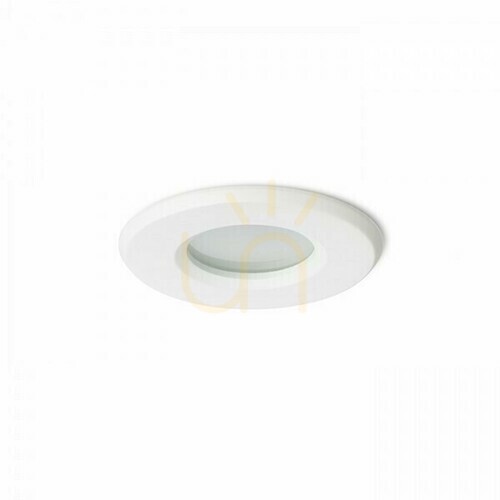
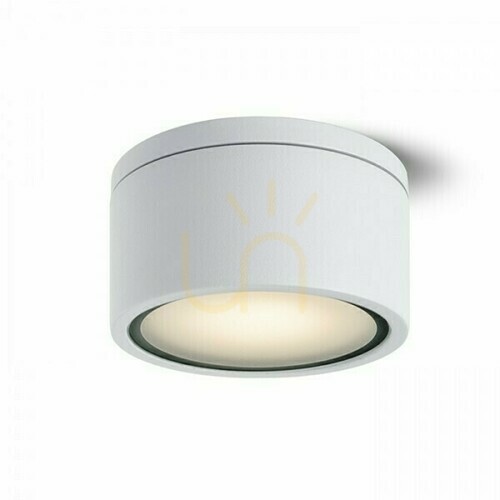
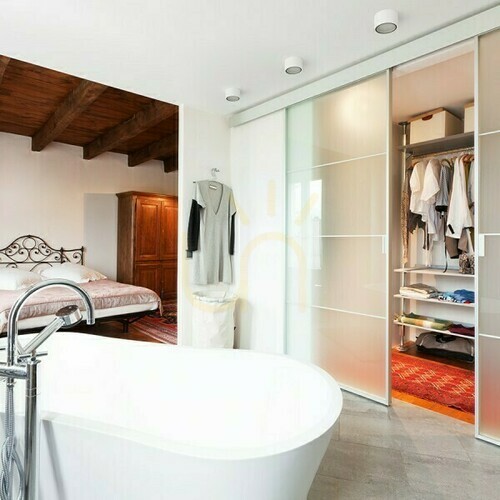
Provides protection against dust and pressurized water spray, making it suitable for installation in shower enclosures. Lamps with this degree of protection are completely dustproof and protected from pressurized planing water. It can be used in zone 1 of the bathroom, that is, directly in the shower and around the bathtub, where it is exposed to direct contact with water.




IP66
Protects against dust and strong water jets. Suitable for areas where there is direct contact with high-pressure water. Ideal for areas where there is a risk of intense dust and strong water jets.


IP67
Provides full protection against dust and short-term immersion in water. Used in areas with a very high risk of immersion in water, such as. In shower trays.

IP68
Offers the highest degree of protection - total dust-proof and protection against prolonged immersion in water. For unique applications where appliances can be submerged in water for extended periods of time, though rarely found in typical bathrooms.
Summary
The right IP rating for a bathroom is crucial for safety and longevity of lighting. Choose LED lights for the bathroom according to the International Protection Rating standard to ensure protection against water and solids. This will ensure that your lighting will work reliably for many years, while ensuring the safety of use.
Now that you know the importance of proper IP rating, you can confidently choose lamps for your bathroom, ensuring safety and comfort of use. In case you need to delve deeper into the topic of IP protection degrees, feel free to check out our blog post on the topic and contact our specialists!
Victoria


Maybe you will be interested in products from these categories?
Bathroom Lamps
Tags & Blog Categories