Low-voltage garden lights run on 12 V or 24 V instead of mains power. A transformer or driver near the house converts the supply, and from there a thin, safe cable runs out to spike spotlights, bollards and in-ground lights. The result is a garden lighting scheme that is easier to lay, easier to change and much safer around children, pets and spades.
What low-voltage lights are available
-
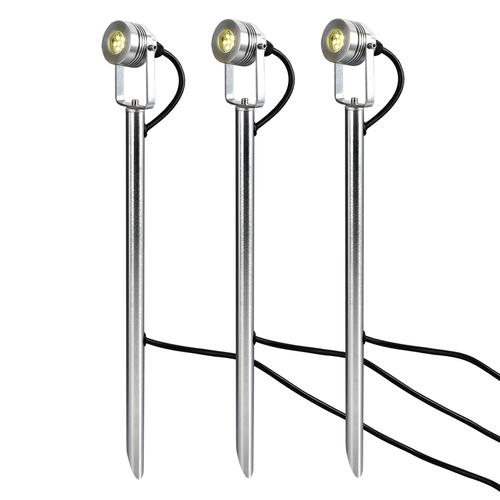
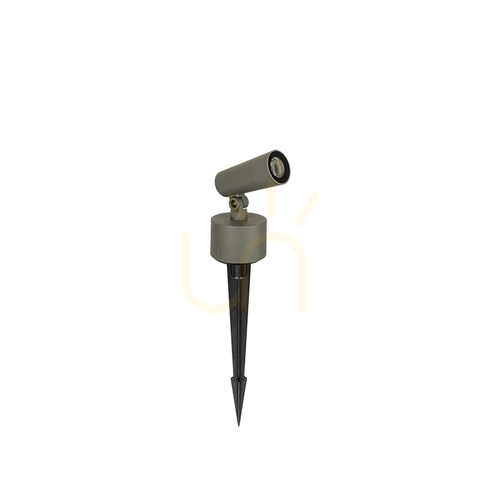
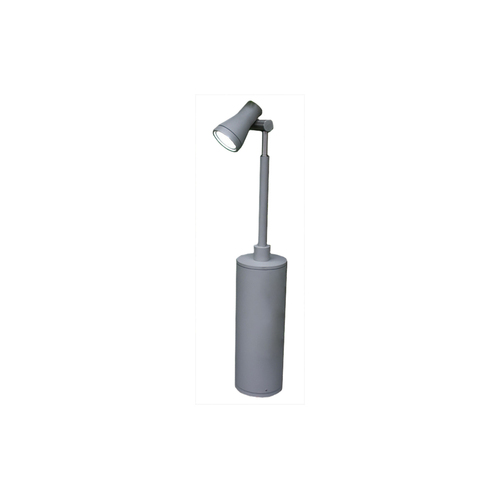
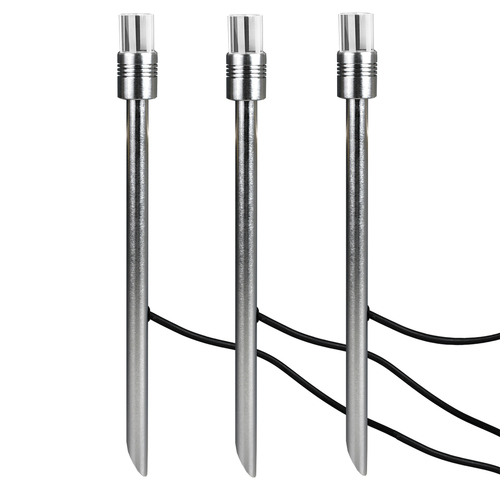
Spike spotlights. Small adjustable heads on a ground spike, for lighting a tree, a shrub or a wall from below. Narrow beams pick out one feature; wider ones wash a bed with light.
-
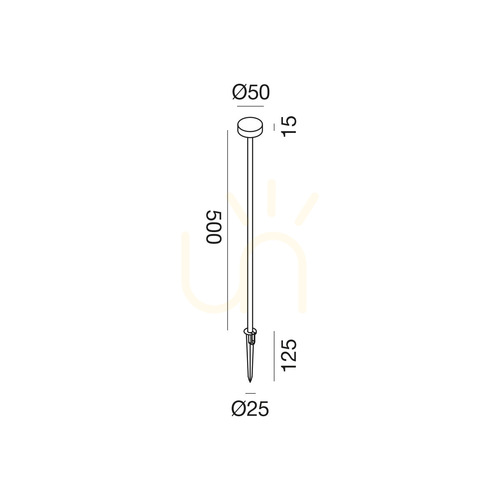
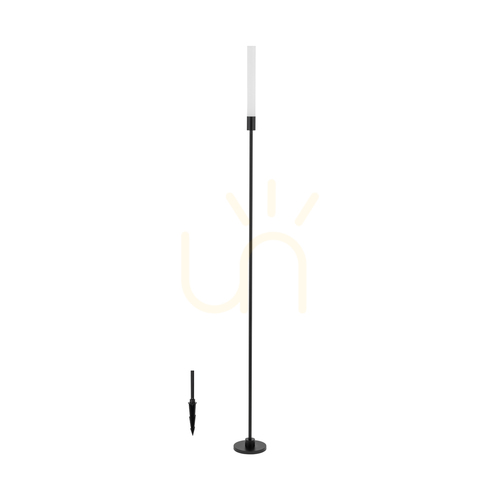
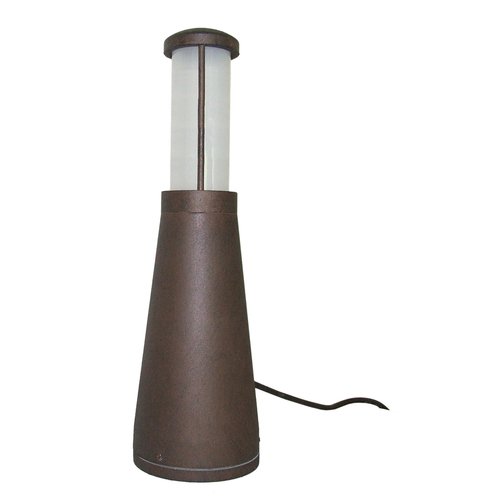
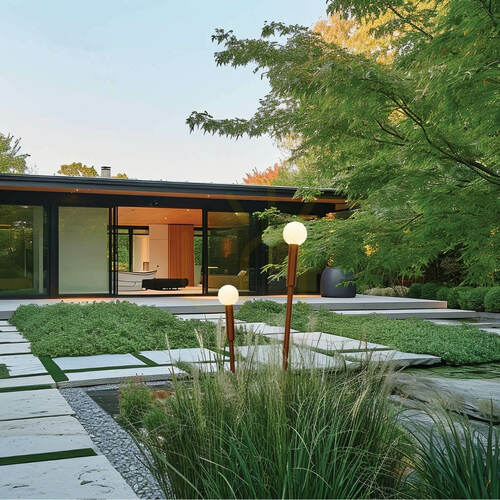
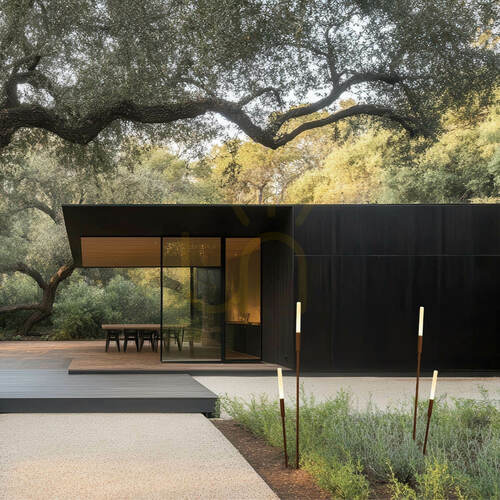
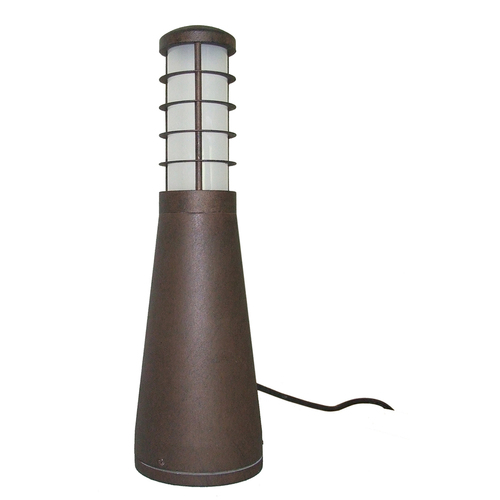
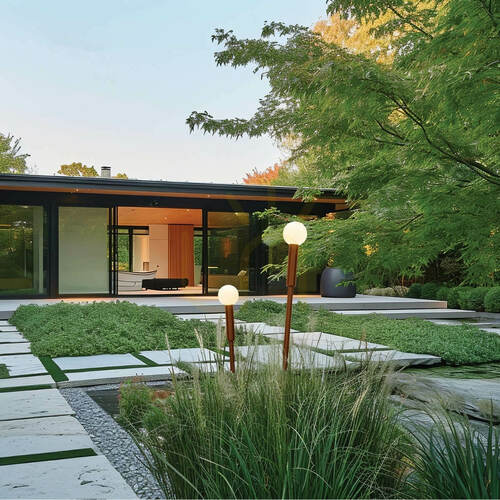
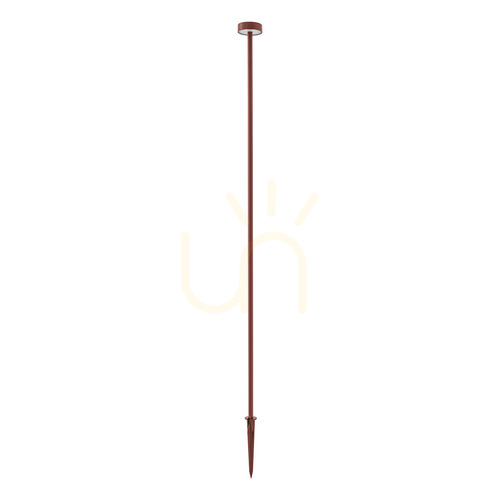
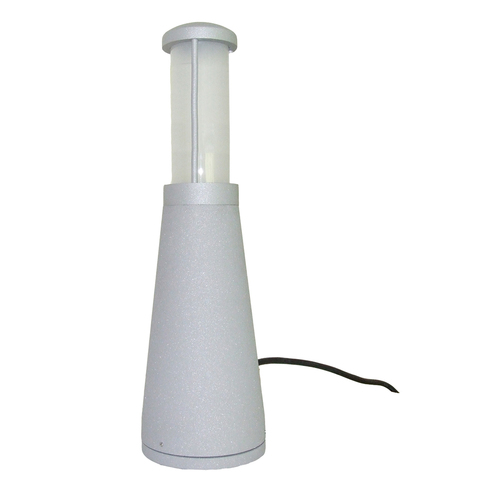
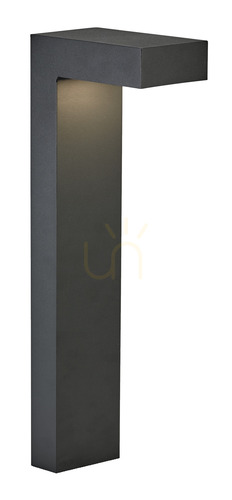
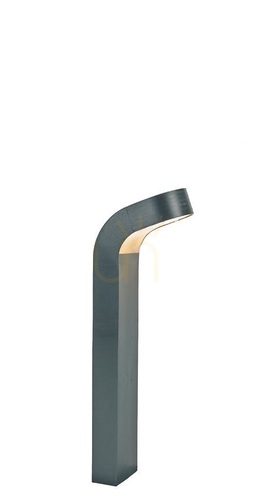
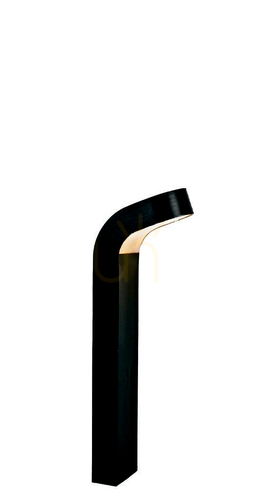
Bollards. Posts of around 50–85 cm along a path or drive. Designs that throw light only downwards keep the night sky dark and do not dazzle.
-
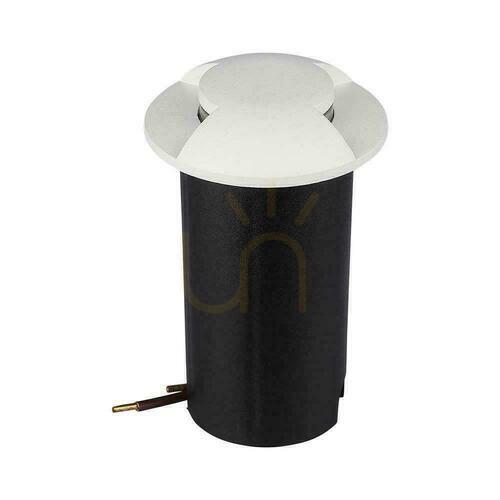
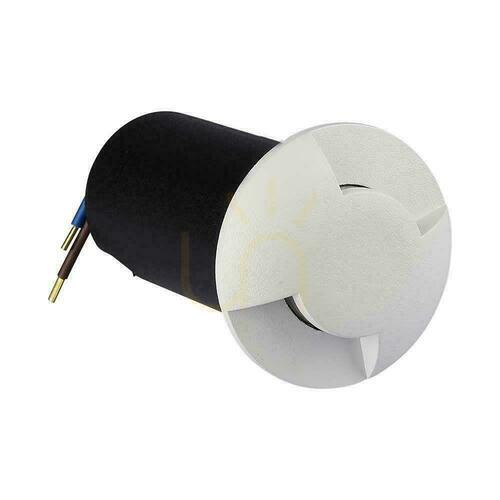
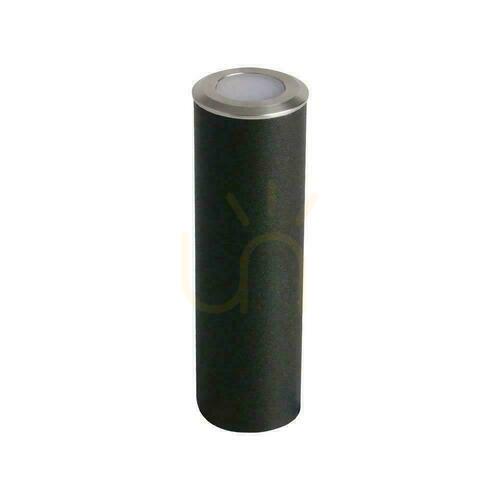
In-ground and deck lights. Flush lights set into paving, decking or a step, often IP67 and sometimes rated to be driven over. One-way, two-way and four-way versions mark edges and corners.
-
Starter kits. A set of spotlights or deck lights with spikes, cable and a plug-in transformer: the simplest way to try garden lighting before planning a full scheme.
-
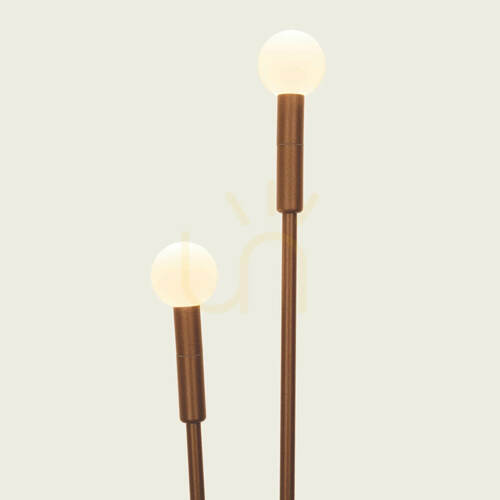
Decorative fittings. Bronze, copper and brass spotlights and pagoda lights that age to a soft patina and blend into planting.
12 V or 24 V?
Both are safety extra-low voltage. The difference is how far the current can travel. At low voltage the current is high, so cable losses matter: on a long 12 V run the last lights glow noticeably dimmer than the first. 24 V carries the same power with half the current, so runs can be longer or cables thinner. Never mix the two on one supply: 12 V and 24 V lamps each need their own transformer or driver.
| Aspect |
12 V systems |
24 V systems |
| Typical use |
Kits, deck lights, small beds and patios |
Larger gardens, paths with several bollards |
| Cable run |
Short runs, a few to around 10 m before voltage drop shows |
Longer runs on the same cable size |
| Power supply |
Plug-in transformer, often included in kits |
Constant-voltage driver, usually bought separately |
Planning the scheme
Add up the wattage of every light on a circuit and choose a transformer or driver with about 10–20% spare capacity. If the lights are spread out, place the power supply in the middle of the run, split the garden into two circuits or use a thicker cable rather than one long daisy chain. Some bollards have terminals that let you loop the cable from one fitting to the next, which keeps the layout tidy. Think about light colour too: warm white of 2700–3000 K flatters plants, wood and stone.
Installation
The low-voltage side is simple to lay: the cable can run shallow under bark, gravel or turf, and spikes can be moved as the planting grows. Protect the cable from lawnmowers and garden forks, ideally in a duct along a bed edge. Use outdoor-rated junction boxes for any joints. The mains side is different: an outdoor socket, a new circuit or a hard-wired driver must be installed by a qualified electrician.
Care
Wipe lenses and glass a few times a year so dirt and limescale do not dim the light. Re-aim spotlights after strimming, check that spikes stand straight after frost, and clear leaves from in-ground lights so they do not trap moisture or heat.
Frequently asked questions
Why are the lights at the end of my run dimmer?
Voltage drop. The longer and thinner the cable, the more voltage is lost. Shorten the run, use a heavier cable, feed the circuit from the middle or add a second transformer.
Can I install low-voltage garden lighting myself?
The low-voltage cable and lights, yes. Anything connected to 230 V, including a fixed driver or a new outdoor socket, is a job for a qualified electrician.
Do 24 V lights work with a 12 V transformer?
No. Always use a power supply matching the voltage marked on the lights, and check whether they need a constant-voltage driver.
For more ideas, browse the whole low voltage garden lighting section.