Lamp bases for choosing your own shade
A separate lamp base lets you choose the structure and shade as two parts of one design. You might want a sculptural table lamp on a sideboard, a quieter shape beside a bed, or a floor stand that keeps the table clear. The base sets the position, footprint and much of the character; the shade helps determine the finished proportions and light distribution. Select them together, even when you buy them separately.
In this category, a lamp base means the body or stand intended to be completed with a separate shade. It is different from a replacement mounting plate, an outdoor post foundation or a bare lamp holder. Check each product's contents for its cable, switch, shade-retaining parts and light source. A styled image of the finished arrangement does not establish that a shade or bulb is supplied with the base.
Start with the shade if you already have one
An existing shade can be a useful starting point, provided its fitting and condition are suitable. Identify how it attaches, where the fitting sits within it, and the dimensions of that fitting. A shade designed for a pendant may not sit correctly on a table base, even when both mention the same lamp cap. The supporting ring and its position are part of the mechanical design rather than merely a matter of style.
An E27 holder takes the corresponding bulb cap; that label does not describe every dimension of the shade attachment. Compare the shade fitting with the base drawing and the manufacturer's recommended combinations. Where a reducer is permitted, it must be appropriate for those particular components. A reducer cannot correct an unsuitable attachment arrangement or make a damaged frame stable.
Allow space for the shade above the body as well. A broad ceramic shoulder, a short neck or a tall holder can change where the shade sits. Its lower edge should not happen to rest on the decorative body instead of the intended support. The chosen bulb also needs to fit inside the shade with the clearances required for the complete assembly.
Table bases and floor stands need different measurements
For a table lamp, begin with the furniture: its height, usable surface and the other objects nearby. A base on a low bedside cabinet has a different relationship to eye level from the same base on a tall sideboard. Consider the position of the lower shade opening when seated. A bulb that remains directly visible can be uncomfortable even when the unlit lamp looks well proportioned.
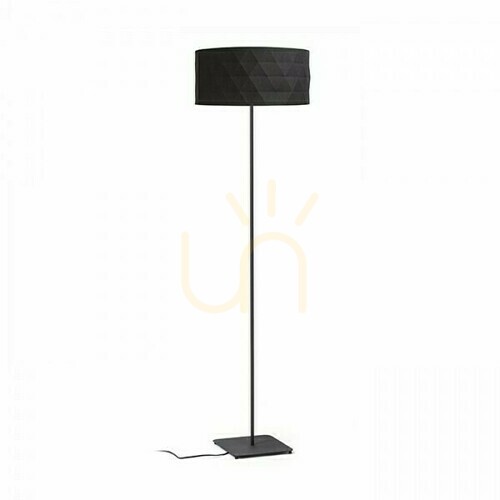
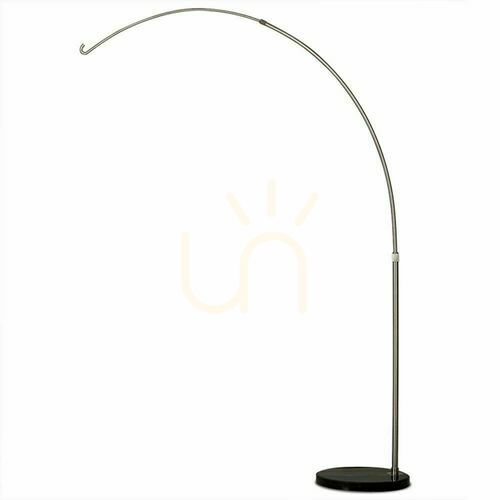
For a floor stand, measure the space around the chair or sofa, not just the height available. A slim column may still have a wide foot, while a tripod occupies the area between its legs as well as the points touching the floor. Look at the actual footprint and cable route. A visually open structure does not necessarily fit into a narrow gap beside furniture.
If a base offers height adjustment, read its stated range and the way the shade is supported. Adjustment can help position the light, but it does not establish compatibility with an arbitrary shade. It can also affect cable routing and switch access. Plan around the positions you intend to use rather than the most flattering position in a product photograph.
Understand the height of the completed lamp
A base measurement may include the holder or stop at a different point on the body. The shade's attachment is also set at a particular height inside its frame. As a result, simply adding base height to shade height may give the wrong overall dimension. A drawing showing the attachment level is more useful when planning clearance under a shelf or beside a picture.
Shade width deserves the same attention. On a small bedside table, a broad shade can overhang the edge or block access to everyday items. A very small shade on a wide body may create a different balance from the one you intended. There is no single proportion that suits every base: shape, neck height, furniture and viewing distance all contribute.
A simple outline of the proposed shade size above the furniture can help test the arrangement. Check drawer opening, nearby curtains and access to the switch. For a pair of lamps, compare the complete assembled heights rather than base heights alone. Matching dimensions do not always place the bulbs or shade edges at the same level when the attachment arrangements differ.
| Base style or feature |
Useful design role |
What to measure |
| Compact table base |
A distinct object on a bedside cabinet or sideboard |
Body footprint and the space needed above for the shade |
| Slender table stand |
A lighter outline with more emphasis on the shade |
Foot size, attachment height and switch access |
| Floor stand |
Light beside seating without occupying a tabletop |
Finished height, floor footprint and lead route |
| Tripod structure |
An open shape visible around and between its legs |
Full leg spread and clear space around the stand |
| Adjustable height |
Positioning within the base's intended range |
Adjustment limits and the resulting shade position |
Material, surface and visual weight
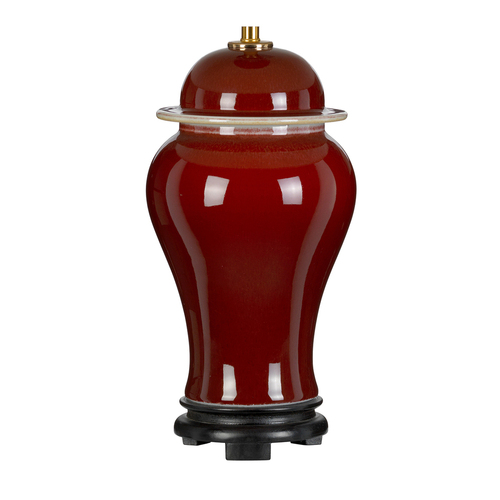
Ceramic and terracotta bases give the body a strong presence, especially where a rounded or textured form remains visible below a simple shade. Decide whether the shade should continue that quiet surface or provide a deliberate change in colour or texture. Timber introduces its own grain when the product is genuinely made from wood; a wood-effect finish is a different specification.
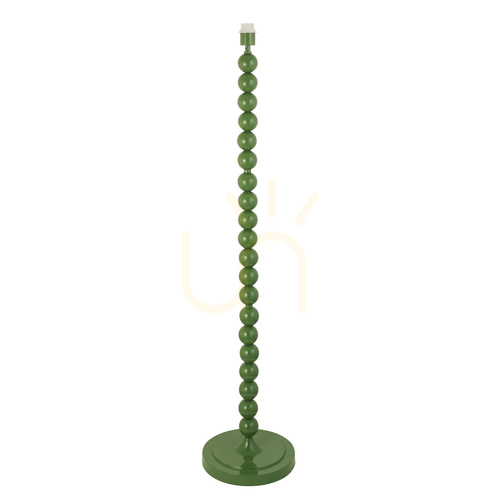
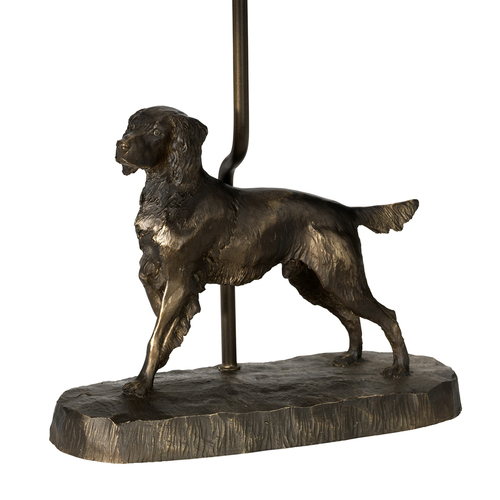
A metal stand can provide a narrow line or a more substantial decorative shape. Read material and finish separately. A brass-coloured surface does not necessarily mean solid brass, and a chrome appearance does not describe all of the structural parts. Glossy surfaces reflect the surrounding room differently from matt ones, which is useful to consider beside mirrors, picture frames and polished furniture.
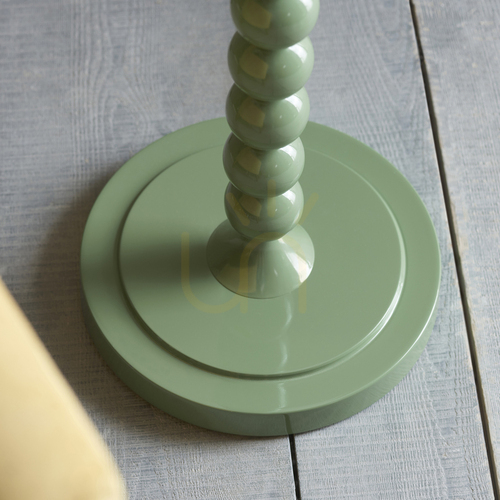
Material alone cannot establish stability. Weight distribution, contact area, height and the selected shade all contribute. A heavy but tall body and a light-looking stand with a designed foot may behave differently. Follow the intended assembly and place it on a level surface. Do not use an uneven cable route under the foot or improvised supports to compensate for an unsuitable position.
What the shade and bulb contribute to the light
A base with a replaceable bulb does not have one fixed light output or colour temperature. Those depend on the source you select, while the shade changes how light reaches the room. A pale translucent fabric can spread light through its sides differently from a darker, more opaque lining. The actual construction matters; the general material name is not enough to predict the result.
For reading, look at the relationship between the bulb, shade opening, page and your usual sitting position. For background light beside a sofa, a less exposed source and a gentler distribution may be preferable. A decorative base is not automatically a reading lamp, and a large shade does not guarantee an even wash of light. Judge the finished arrangement according to its purpose.
The shade's interior colour can affect the perceived character of the light. Select bulb brightness using lumens and choose colour temperature for the room's use, then consider the shade around it. A neutral-looking shade when switched off may not look identical when illuminated. The base is the support for this combination rather than a guarantee of a particular lighting effect.
Bulb limits and controls
Use the cap type, bulb dimensions and permitted ratings stated for both base and shade. A maximum wattage is a limit, not a target consumption. If the components impose different restrictions, the complete lamp must satisfy both. A large decorative bulb may have the correct cap yet lack the necessary space inside a particular shade.
LED bulbs still produce heat, so the relevant clearance and enclosure conditions remain important. A low power figure alone does not establish that any LED can be placed in any shade. Read the bulb and fitting instructions together. Comparing lumens is more useful for brightness than treating a wattage equivalent as a complete account of the finished lamp.
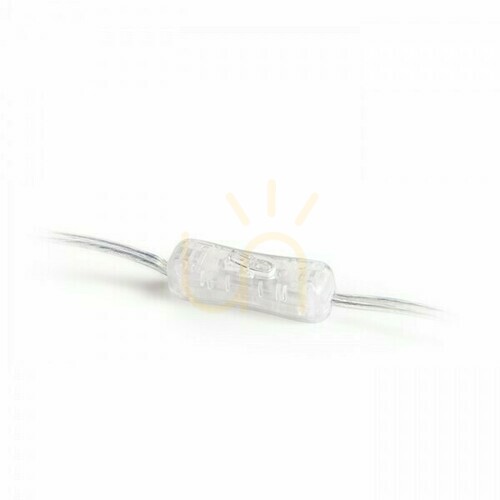
A cable switch, holder switch or foot switch determines where you operate the lamp; it does not automatically provide dimming. Dimming requires a suitable source and compatible control arrangement. Likewise, a USB outlet, where a particular base includes one, has its own specified capability. It does not mean every device will charge quickly or that the lamp itself is cordless.
Plan everyday access and the cable route
Check the lead length from its actual exit point to the intended supply, and note where the switch lies along it. A foot switch behind a sofa may be less convenient than it appears in an isolated product image. Avoid a taut lead or a loop crossing a walkway. A section hidden behind a cabinet still needs space so the furniture does not crush it.
Think about the objects that share the surface. A wide shade can restrict access to a clock, book or drawer; a low switch may be difficult to reach behind a tall body. These practical checks are more useful than selecting a base from height alone. A lamp should suit the space in normal use, including the way you reach and move around it.
Updating a lamp without replacing every part
A separate shade makes a later change possible, but the new combination needs the same compatibility checks as the first one. Recheck the fitting, dimensions, clearances and permitted source whenever you change shade. Reusing an older shade also calls for inspecting its ring and frame. A distorted attachment is not made suitable simply by adding a spare reducer.
Use the base in the environment stated by its maker. An indoor model is not automatically suitable for a covered patio or a wet area; metal construction does not prove weather resistance. Follow the protection rating and instructions for the whole assembly. For care, disconnect the supply and use the method suitable for the finish rather than assuming that ceramic, timber and plated metal take the same treatment.
Shade replacement should follow the intended mechanical assembly, without improvised changes to the wiring or holder. If a cable, switch or connection is damaged, changing the decorative parts does not repair it. Have electrical work and assessment carried out by someone with the appropriate competence. The benefit of a separate base is a planned choice of compatible parts, not a need to modify unsuitable ones.
Questions about lamp bases
Does a lamp base come with its shade?
This category concerns bases intended for a separately chosen shade. Check the individual contents for the precise supply, including bulb, lead and retaining parts. A photograph may show a completed design for illustration. It is the stated contents that establish which components belong to the base purchase.
Will every E27 shade fit an E27 base?
No. E27 identifies the bulb cap accepted by the holder. The shade needs the correct attachment dimensions, orientation and space around the body as well. Compare the drawings and recommended combinations. A shared cap description is insufficient to guarantee a stable mechanical fit.
How do I work out the finished height?
Find the shade attachment level on both parts and check which sections the quoted base height includes. The shade and base may overlap, so their heights do not always add directly. Relate the complete lamp to the furniture and seated eye level, especially beside a bed or armchair.
Is a heavier base always more stable?
Weight is only one consideration. Height, support area, weight distribution and shade choice all affect the assembled lamp. Use the maker's intended combination on a suitable level surface. The width of a decorative body may also differ from the part that actually rests on the furniture.
Can any base-only lamp be dimmed?
Being sold without a shade says nothing about dimming. The light source and control must support the intended method, and an ordinary on/off switch is not a dimmer. Check the particular base, source and control arrangement before adding a separate regulator or assuming a feature is built in.
What does the maximum wattage mean?
It limits the permitted source rather than prescribing the lamp's normal consumption. Observe the restrictions of both shade and base and check bulb size as well. Use lumens to compare brightness. LED sources still need the thermal and enclosure conditions specified for the complete fitting.
Can I use a shade from an old pendant?
Only if its attachment and orientation suit the new base and the other requirements match. A pendant shade can have its fitting at a different point within the frame. Check its condition and the intended support instead of assuming that the same bulb cap makes the parts interchangeable.
Can a floor base be used on a sheltered terrace?
Only where the specific product is intended for those conditions. A roof does not remove moisture or every outdoor influence. Check the protection rating and complete assembly requirements. A metal frame and a decorative shade do not by themselves establish suitability for outdoor use.
For the other parts of a coordinated lamp, explore our lighting accessories and compare their requirements with those of the chosen base and shade.