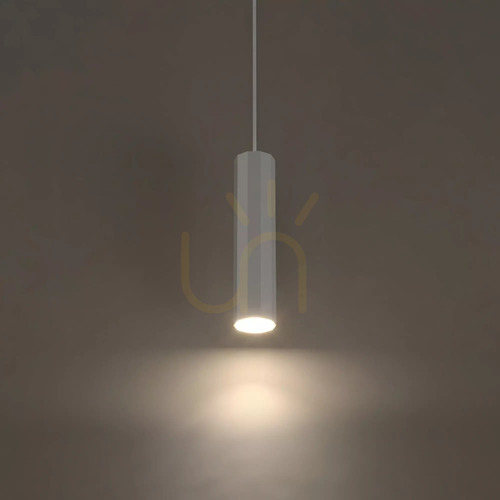
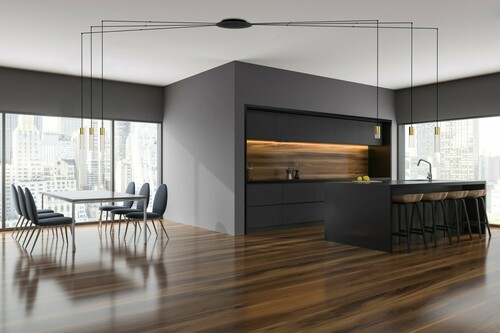
Nowodvorski CAMELEON is a modular pendant lighting system: instead of buying a finished light, you choose a shade, the cable that holds the lampholder, and the ceiling canopy separately, then put them together. The result can be a single pendant over a bedside table, a straight row over a kitchen island, or a cluster of a dozen drops in a stairwell – all built from the same family of parts.
Because every part is sold on its own, it is worth understanding what goes with what before you order. A shade on its own does not light up; it needs a suspension and a canopy to become a working lamp.
The four parts of a CAMELEON pendant
-
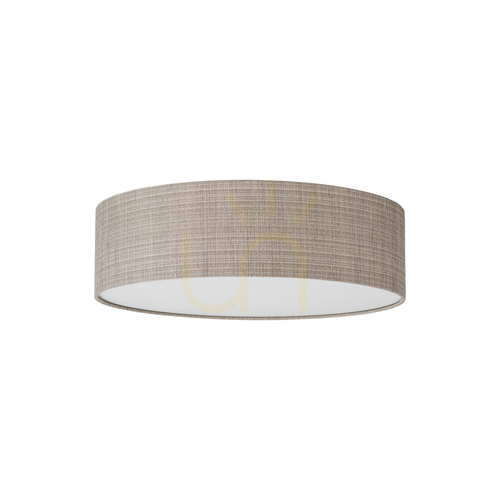
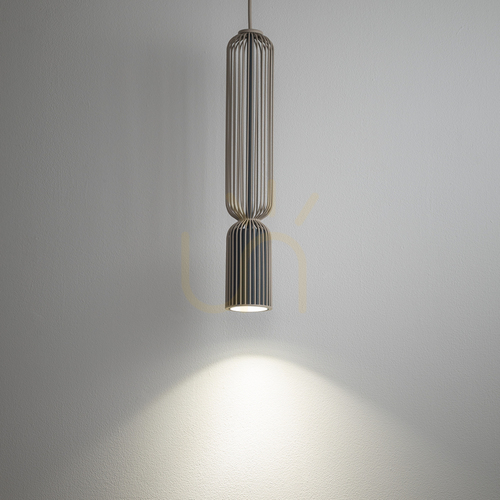
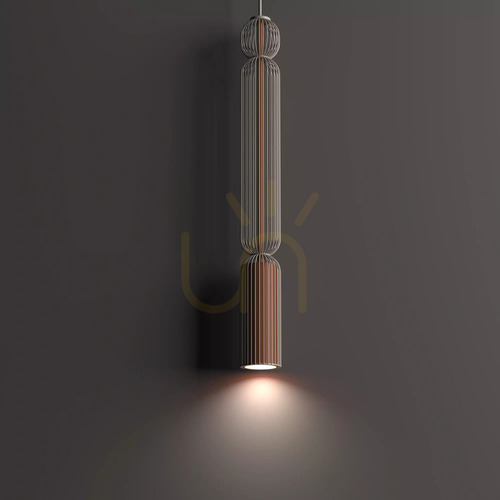
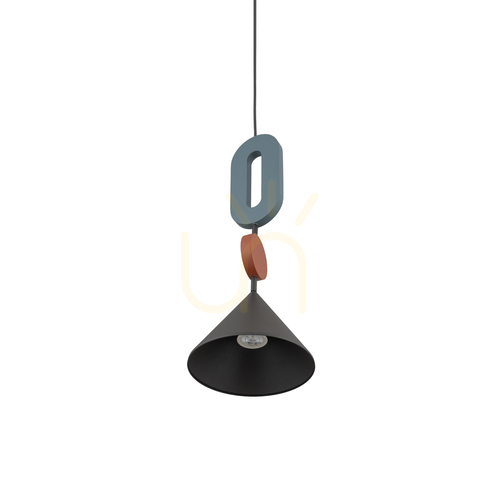
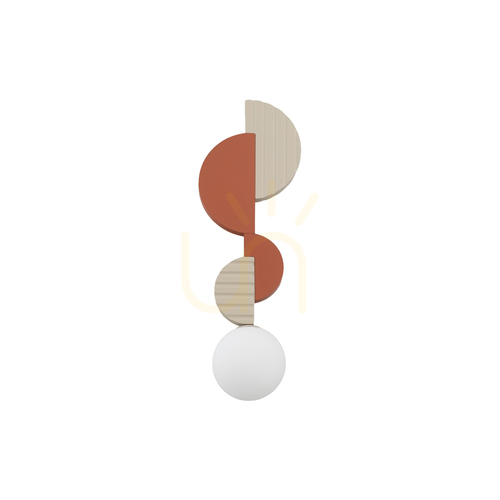
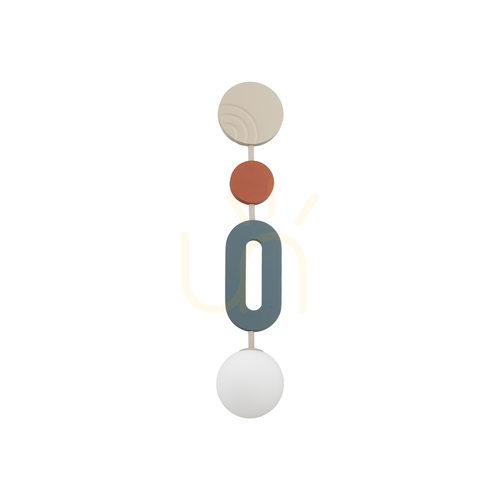
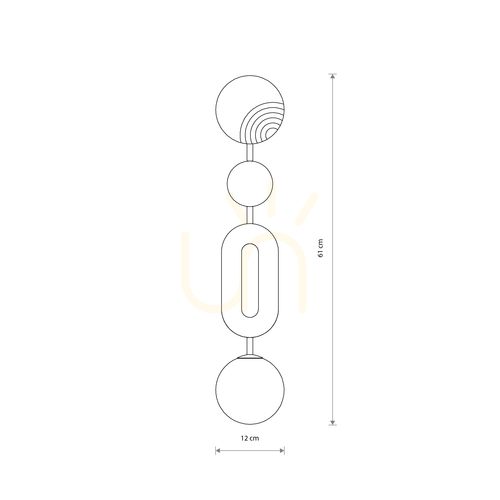
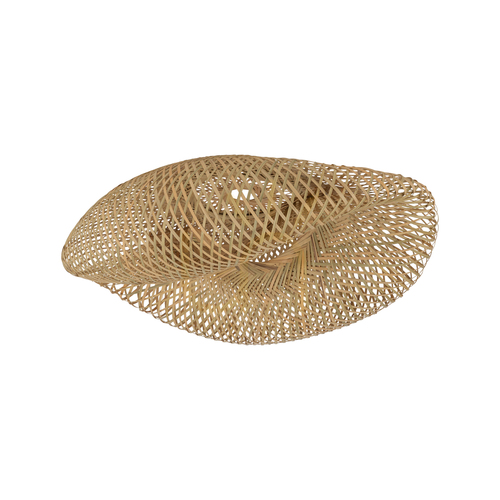
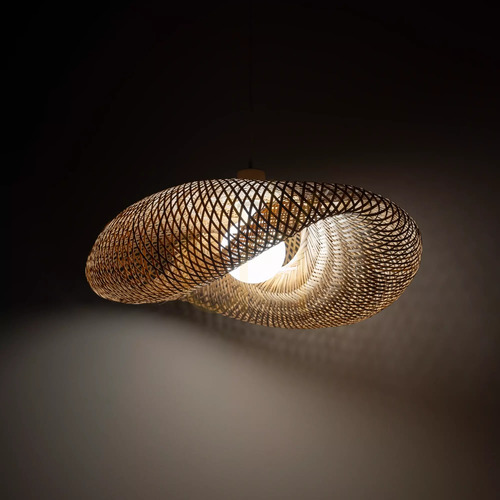
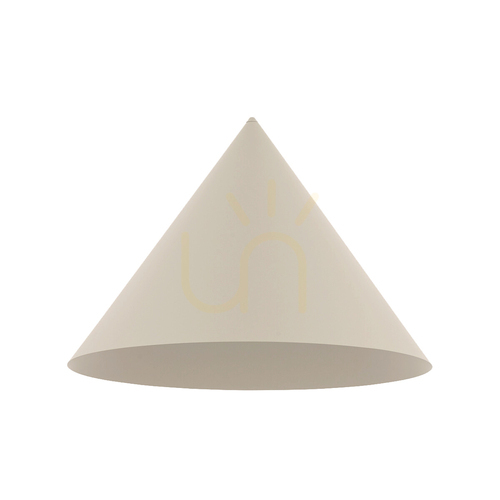
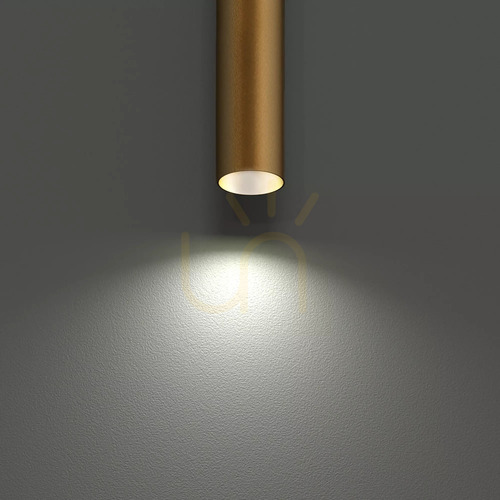
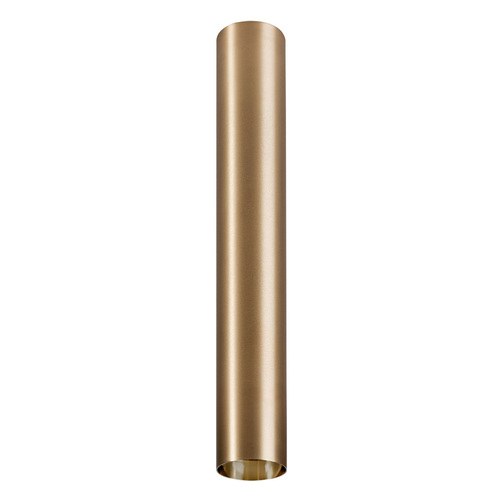
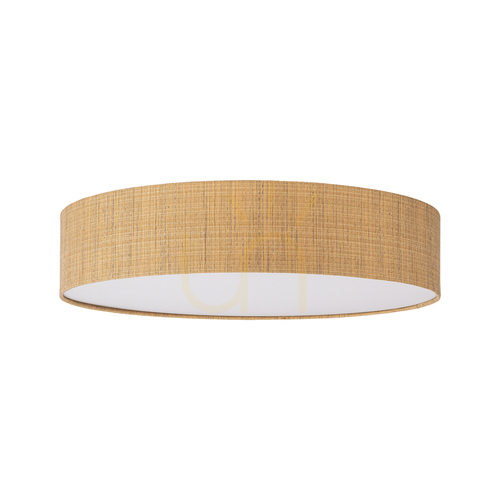
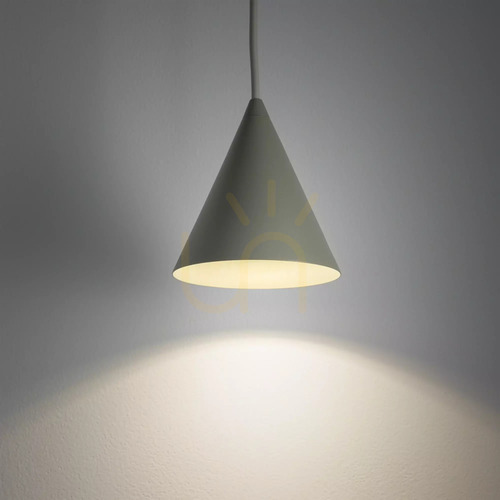
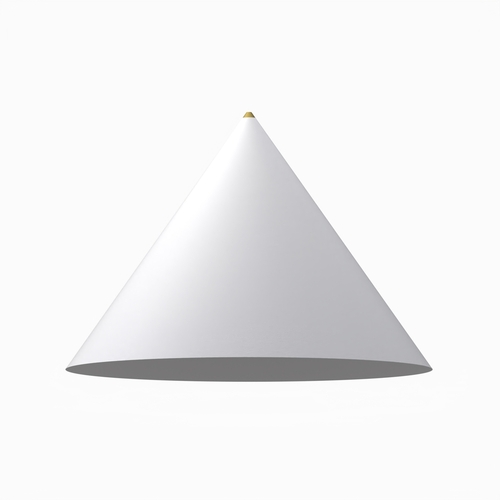
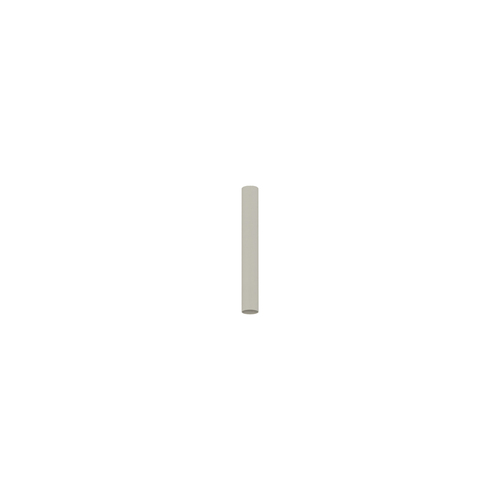
Shade or fitting – the part you see. Shapes run from small glass globes and cones to large fabric drums, open frames, metal domes and brass pieces, in many colours and sizes.
-
Suspension – a cable ending in a lampholder. This is what decides the bulb: E27, GU10 or G9, depending on the shade.
-
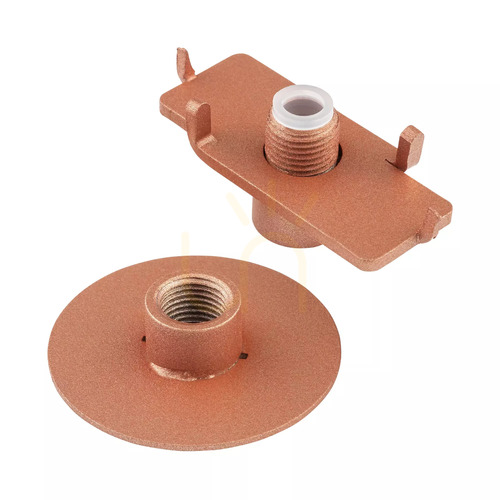
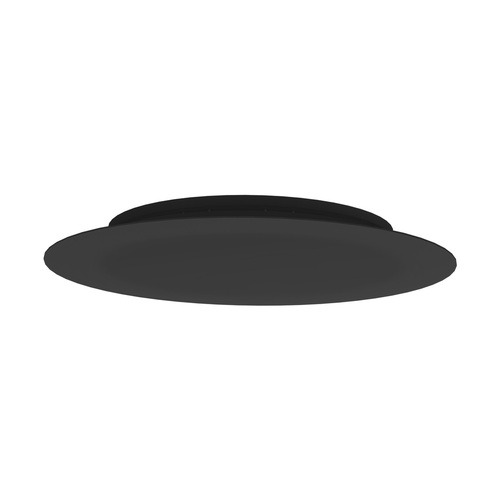
Canopy – the box on the ceiling that hides the connection. There are single canopies for one pendant, long and round canopies for several pendants hanging straight down, and canopies for layouts where cables run across the ceiling before they drop.
-
Mounting accessories – small holders that change the cable's direction on the ceiling or stop it sagging. You only need them when cables travel horizontally; the maker suggests a holder roughly every 0.5 m.
How to plan a set
| Layout |
What you need |
| One pendant from one ceiling point |
shade + suspension with the matching lampholder + single canopy |
| Row over a table or kitchen island |
several shades and suspensions + a long multi-pendant canopy |
| Cluster at different heights |
several shades and suspensions + round multi-pendant canopy (up to 12 drops) |
| Pendants spread across the ceiling from one point |
canopy for horizontal layouts + mounting accessories along each cable |
Always check which lampholder a shade is designed for: some shade families accept two options, and some slim glass shapes take GU10 rather than E27. Cables and canopies come in finishes such as black, white, chrome, black-brass, beige and grey, so the hardware can disappear against the ceiling or become part of the look.
Installation
CAMELEON pendants run on 230 V, so the canopy should be connected by a qualified electrician. Multi-pendant canopies are generally intended for class II, double-insulated fittings without an earth; check the canopy's instructions against the shades you have chosen. Suspensions come in set lengths, so choose each one for the drop you want – hanging shades at different heights is what gives a cluster its depth.
A practical advantage of a modular system is that it can change with the room: you can swap a shade for another shape later, or replace a glass shade with fabric, without rewiring the ceiling, as long as the new shade takes the same lampholder as the suspension already in place.
Frequently asked questions
Which pendant light fitting parts do I need?
For each drop: one shade and one suspension with the right lampholder. For the ceiling: one canopy sized for the number of drops, plus mounting accessories if cables run across the ceiling.
Can I build a cluster pendant for a stairwell?
Yes. A round multi-pendant canopy with cables of different lengths creates a cascading cluster that suits a stairwell or double-height hallway.
How high should pendants hang over a kitchen island?
A common guide is around 75–85 cm between the worktop and the bottom of the shade, so light falls on the surface without blocking the view across the island.
Do the shades include a bulb or lampholder?
No. The shade is a component; the lampholder comes with the suspension, and the bulb is bought separately to match it.
Start with the shape you like in Cameleon lampshades and fixtures, then pick the matching cable from Cameleon suspensions.