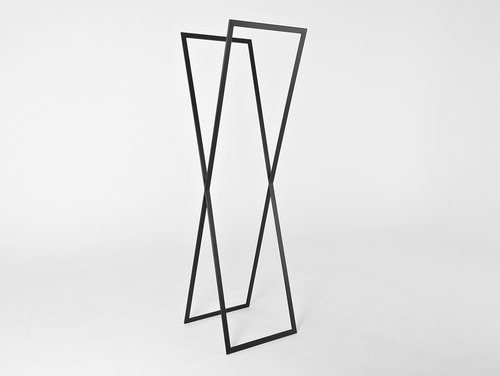
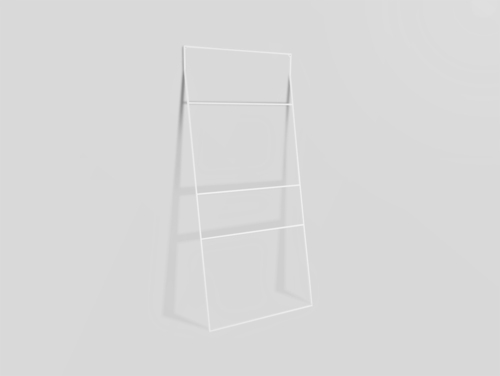
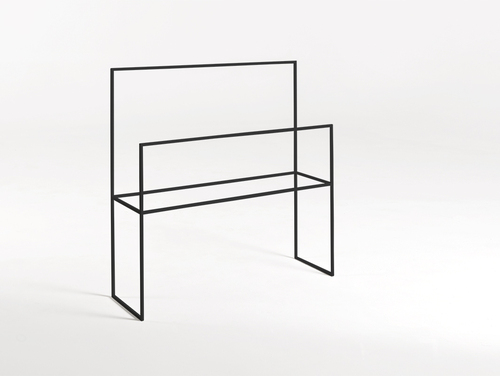
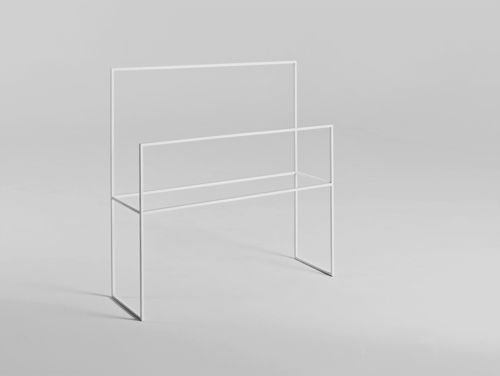
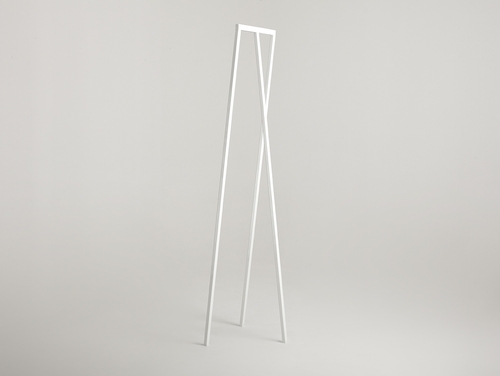
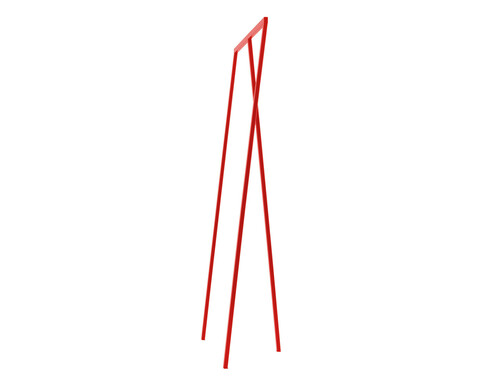
Coat stands give coats, bags and hats a place of their own by the front door, so they stop piling up on the banister and the back of a chair. A freestanding stand needs no drilling and moves with you; a hall stand adds a shelf for shoes, and a clothes rail on wheels takes over when a wardrobe is full or the guest room needs somewhere to hang things.
Which suits you comes down to how much floor space you have and what you need to hang – a few everyday jackets, or a whole season's clothes.
Types of coat stand
-
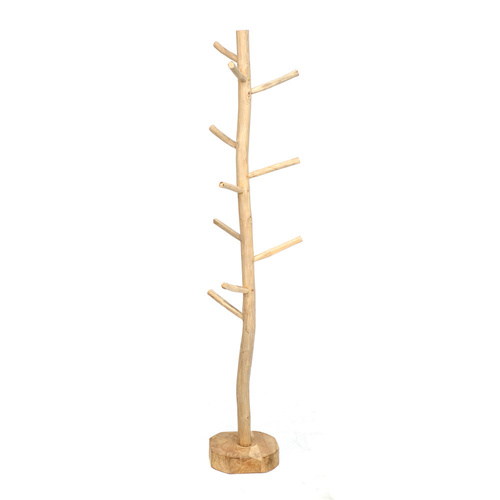
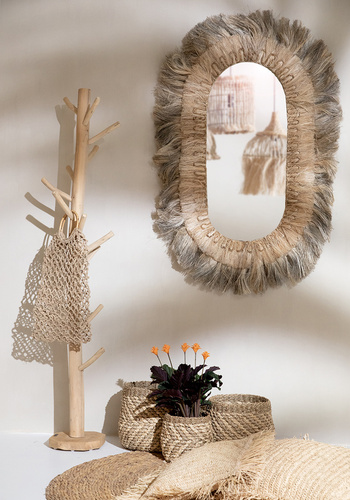
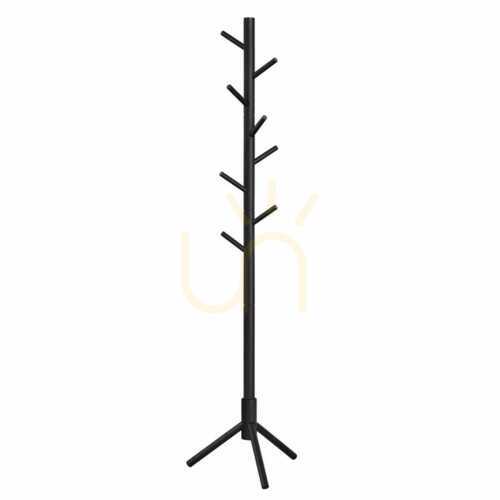
Freestanding coat stands – a central pole or frame with hooks at the top, sometimes with an umbrella holder near the base. Compact enough for a narrow hallway.
-
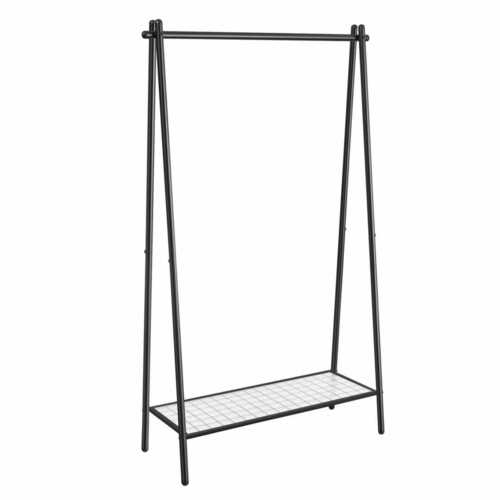
Hall stands – a frame with hooks or a hanging bar above and a shoe shelf or bench below, so the whole entrance routine happens in one place.
-
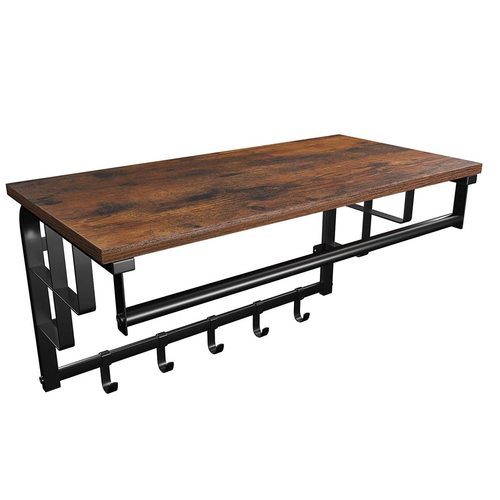
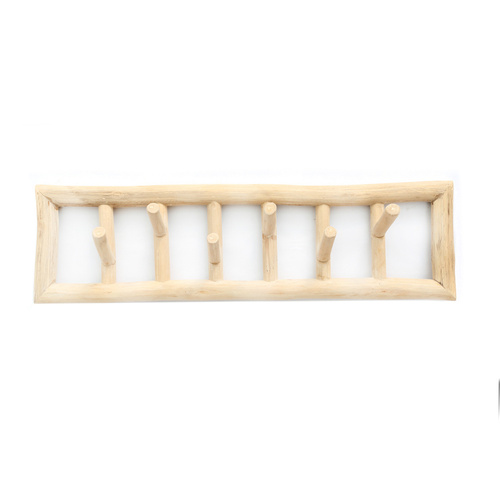
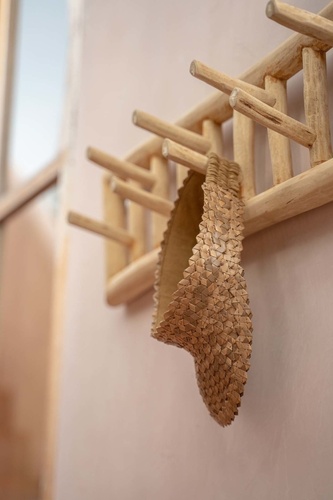
Wall-mounted coat racks – a row of hooks, often with a shelf above for hats and gloves. They keep the floor clear in the tightest spaces.
-
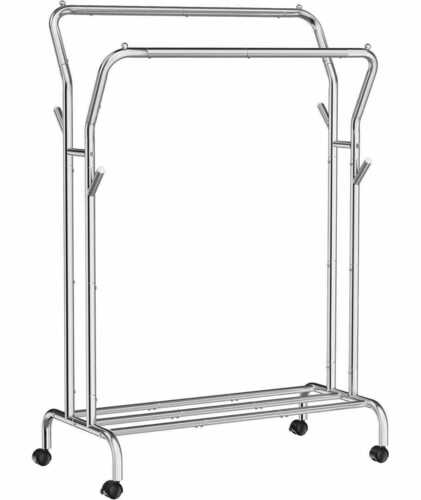
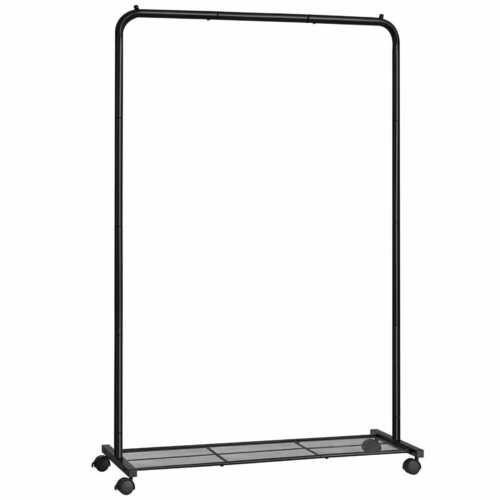
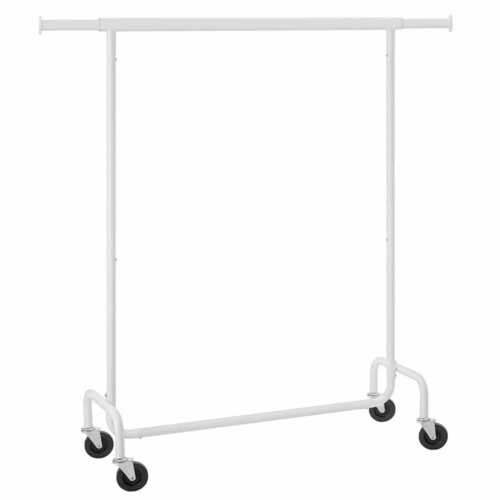
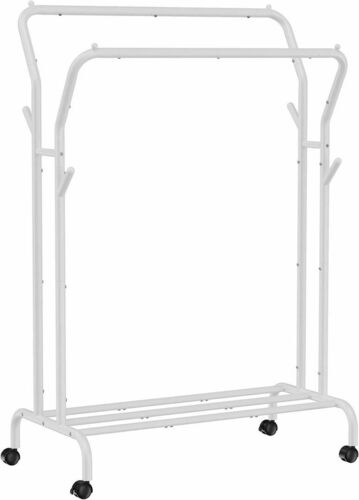
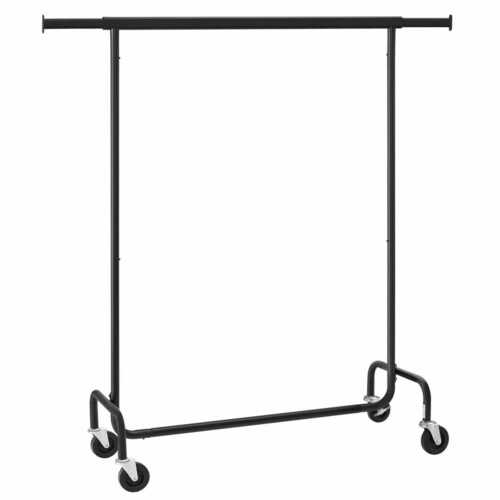
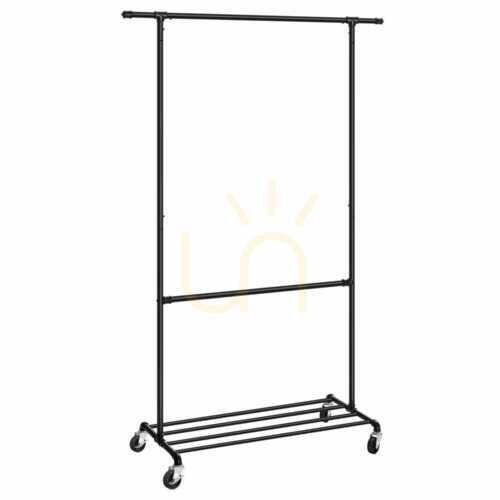
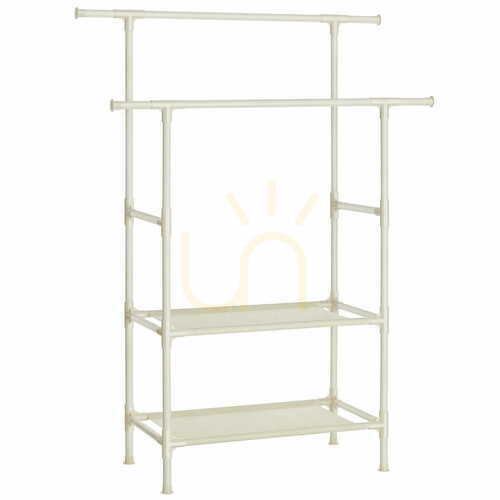
Clothes rails on wheels – a hanging rail on castors, single or double, often with shelves at the bottom for shoes and boxes. A favourite for bedrooms, box rooms, studios and pop-up shops.
Materials range from powder-coated black or white steel, which suits industrial and modern interiors, to wood, bamboo and rattan for a warmer, natural look.
How to choose
| Feature |
Typical values |
Tip |
| Height |
coat stands around 170–190 cm; rails often adjustable from about 95 to 170 cm |
Long coats need the hooks or rail high enough to hang clear of the floor. |
| Rail length |
roughly 80–170 cm |
Allow about 2–3 cm of rail per shirt and more for winter coats. |
| Load |
varies widely by design |
Check the stated maximum, especially for double rails filled with heavy coats. |
| Castors |
usually four, often two lockable |
Locking wheels stop a loaded rail rolling away. |
| Hooks |
from four to a dozen or more |
Hooks at two heights let children hang their own coats. |
Placement and stability
A coat stand should stand near the door but out of the way of its swing, with enough room for someone to take a coat off without bumping into it. Hang weight evenly around the stand – a single heavy coat on one side is what tips a stand over. If the stand or hall unit comes with a wall fixing, use it, particularly in a home with children or pets.
Rails with rubber-coated or textured bars keep hangers from sliding into one end. In a damp porch or utility room, choose steel with a powder coating or a sealed finish.
Assembly and care
Many stands and rails arrive flat-packed and assemble with the tools supplied. Check and re-tighten the screws now and then, as the joints loosen with daily loading. Wipe metal with a damp cloth, and treat bare wood with oil occasionally.
Frequently asked questions
What is a coat hanger stand called?
Usually a coat stand or hat and coat stand when it has hooks, and a clothes rail or garment rail when it has a bar for hangers. A hall stand combines hooks with a shoe shelf or bench.
Which coat stand is best for a small hallway?
A slim freestanding stand with a small base, or a wall rack with hooks and a shelf. Both take up much less floor than a hall stand.
Is a heavy-duty coat stand worth it?
If the stand will carry winter coats and bags for a whole family, yes – a heavier base and thicker steel stay steady when the hooks are full.
Can a clothes rail replace a wardrobe?
For many people, yes. A double rail with a bottom shelf holds a surprising amount, and on wheels it can be moved for cleaning.
For the rest of the hallway, see organizers and other furniture accessories.