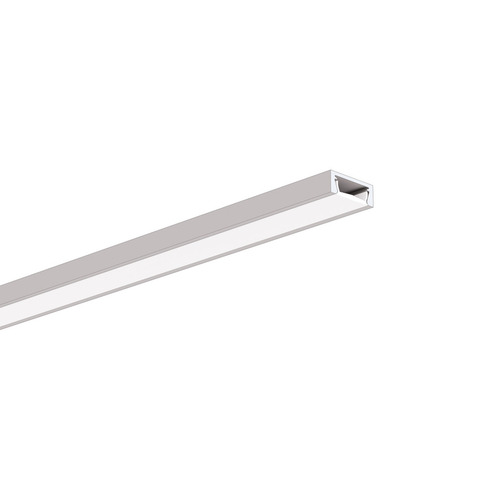
LED profiles are, usually aluminum, mounting elements that play a key role in LED strip installations. Their task is not only to improve aesthetics, but also to provide adequate cooling and protection for delicate lighting components. Thanks to the use of LED profiles, lighting lasts longer and looks much better - both in modern apartments and commercial spaces.
Modern interior design is difficult to imagine without LED profiles - they have become a standard in lighting design. They allow you to create a subtle yet striking light that emphasizes the character of the space. They are used in many places, such as:
-
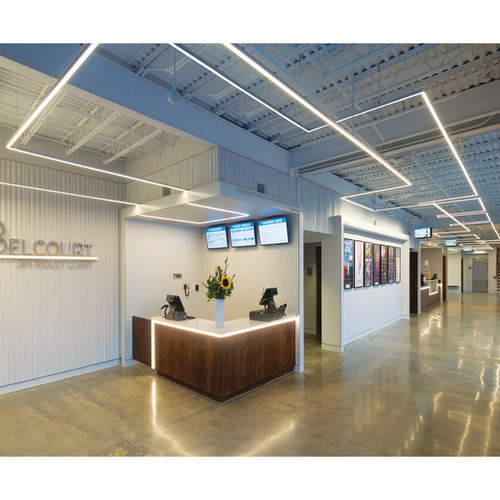
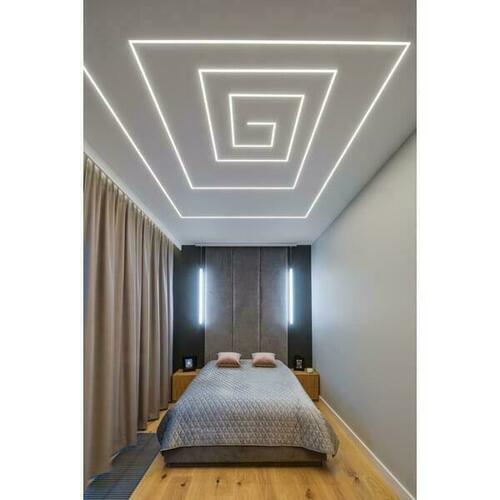
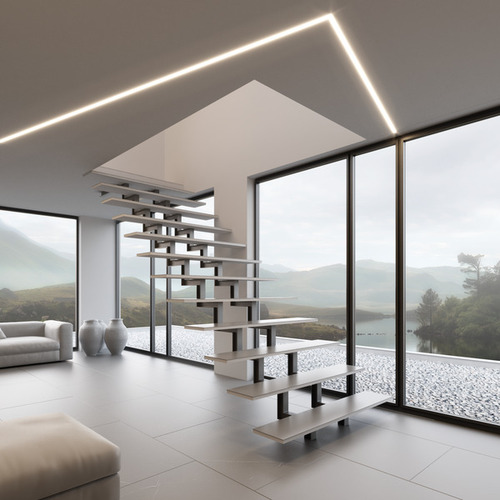
Suspended ceilings - create striking lines of light and highlight the interior architecture,
-
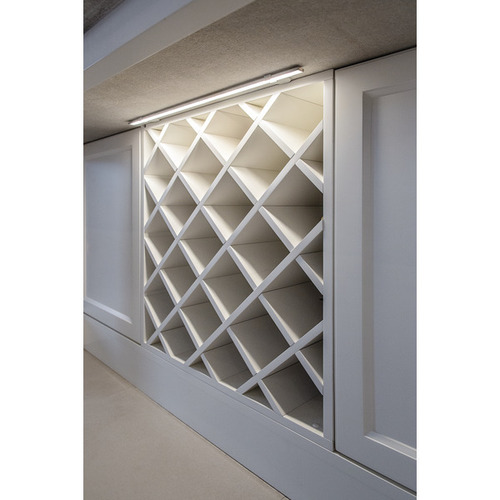
Kitchen furniture - provide functional and decorative lighting for countertops,
-
Offices and commercial spaces - improve work comfort and interior aesthetics,
-
Hotels and shopping malls - build atmosphere and attract customers' attention.
LED profiles are available in many shapes and sizes - from simple, minimalist forms to more decorative variants. As a result, they can be easily matched to any style of interior, whether it is dominated by modern, classic or industrial.
What are aluminum LED profiles and what are they used for
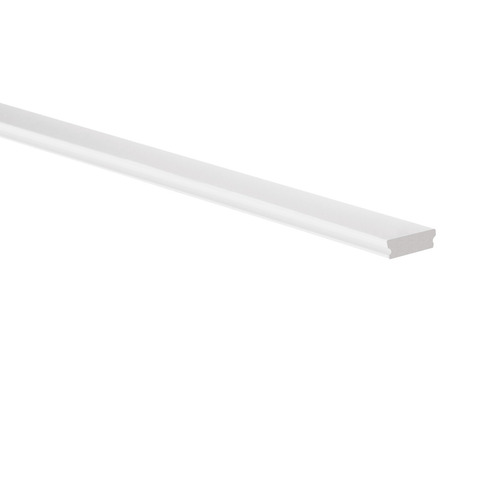
LED profiles are aluminum strips, in which we place the LED strip and then plug it with a lampshade, which diffuses the light and adds aesthetics. They play a key role in LED strip-based lighting systems.
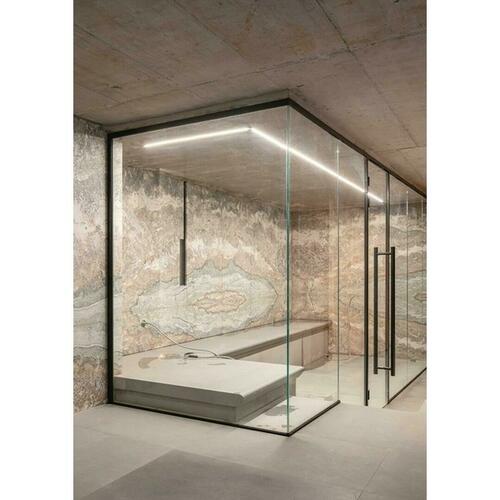
Modern lighting designs increasingly use LED profiles to achieve subtle yet striking lighting effects. They are used not only in homes, but also in commercial spaces such as:
-
offices - to improve work comfort and interior aesthetics,
-
hotels - to create a cozy or elegant atmosphere,
-
shopping malls - to emphasize display and modern design.
The variety of shapes and sizes of LED profiles makes them adaptable to any design idea.
Functions of LED profiles in lighting installations
LED profiles combine functionality and aesthetics, becoming an indispensable element of modern lighting systems. Their main functions are:
-
Even dispersion of light - elimination of shadows and reflections,
-
Directing light - precise illumination of selected zones, e.g.. kitchen countertops,
-
Creating lines of light - emphasizing the geometry of the interior and giving it character,
-
Improving user comfort - a consistent and pleasant visual effect.
Advantages of using aluminum profiles for LED strips
Choosing aluminum profiles for LED strips is an investment in durability, safety and aesthetics. Aluminum has a number of properties that make it an ideal material for this type of application:
-
Effective heat dissipation - prevents LED strips from overheating and extends their life,
-
Lightweight and relatively soft - lower price, due to lower production costs
-
No corrosion - aluminum does not rust, so that after insulating the interior, we can mount profiles in areas prone to flooding without problems,
-
Mechanical protection - protection against dust, moisture and damage,
-
Universal design - fits a variety of interior styles, from industrial to Scandinavian,
-
Aesthetic finish - hiding mounting elements and wires.
Aluminum profiles work especially well in places where lighting operates for many hours a day, such as kitchens, offices and stores.
Main types of LED profiles
LED profiles are versatile lighting solutions. They can act as subtle backlighting for furniture or be a striking design element. Among the most popular models are:
-
Surface-mounted profiles - a simple solution that meets not only for renovations!
-
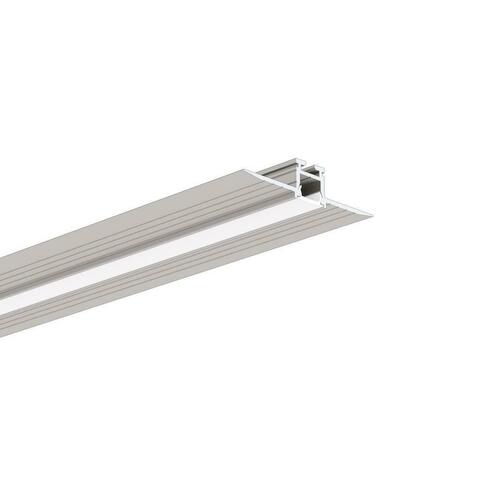
Flush profiles - ideal for installation in walls and ceilings, creating a uniform line of light.
-
Furniture profiles - slim and unobtrusive, perfectly matching kitchen, closet or store display.
-
G-K profiles - designed for installation in gypsum cardboard, allowing you to create striking light strips.
-
Architectural profiles - robust and larger, designed for public spaces, where durability and distinctive design count.
Each of these types offers unique design possibilities, combining modern technology with aesthetics. Thus, LED profiles become not only a source of light, but also an important element of interior design.
LED profile for furniture: lighting inside furniture
LED furniture profiles are an elegant and practical solution for discreet lighting inside furniture. Thanks to their slender form, they can be installed in the cutters, which allows you to hide the light source and achieve a modern visual effect.
Their advantages are:
-
Aesthetics - the light does not dominate, but subtly emphasizes the form of the furniture.
-
Functionality - illumination of a kitchen worktop, the interior of a closet, a relaxation area in a bedroom or a jewelry display at a jeweler's.
-
Integration with furniture - more and more manufacturers are including LED profiles already at the design stage, often using recessed profiles, hiding them perfectly.
This is not just a trend, but the direction of furniture development. Smart lighting systems are becoming an integral part of modern furniture, enhancing its functionality and aesthetics.
LED G-K profiles: installation in plasterboard
G-K profiles are designed for installation in plasterboard. Their design with wide wings makes it easy to engage the plaster, resulting in a smooth, uniform surface with no visible joints.
Key features of G-K profiles:
-
"light from nowhere "effect - light appears to flow directly from the wall or ceiling.
-
Aesthetics and modernity - ideal for minimalist and futuristic arrangements.
-
Functionality - they can delineate zones in offices without the need to build partitions.
-
Ease of integration - they work perfectly with suspended ceiling systems.
Architects and interior designers are increasingly turning to this solution, seeing it as a way to create modern, functional spaces.
Architectural LED profiles: solutions for commercial projects
Architectural profiles are solutions dedicated to large spaces, where not only appearance, but also durability and functionality matter. Their sturdy construction and larger size make it possible to create impressive high-powered light installations that become an integral part of architecture - both indoor and outdoor.
In commercial spaces such as shopping malls, hotels and office buildings, these profiles can serve multiple functions:
-
Functional lighting - they provide adequate illumination of usable space.
-
Decorative element - they emphasize the character of the interior and build atmosphere.
-
Information carrier - light lines can indicate the direction of movement or act as signage.
-
Integration with building management systems - allow the creation of interactive lighting scenarios.
This is no longer just a vision of the future - it is a reality that is changing the way we perceive light in public spaces.
LED profiles: construction and application
Flush Mount Profiles
LED profiles are a modern solution mounted directly in walls, ceilings or floors, so that the entire installation remains almost invisible. The effect? A minimalist form and visual order that catches the eye and emphasizes the character of the interior.
This is the perfect solution for spaces where every detail counts - especially in minimalist arrangements. The key stage is the installation of the flush profile - precise seating determines the aesthetics of the entire installation. Without careful installation, you will not achieve the desired effect.
Choice of profile depending on the installation
Type of profile
Mounting
Advantages
Disadvantages
Profiles with flange
Recessed into the plasterboard or plaster, they have a masking flange.
Profiles without flange (shadow gap)
Recessed after precision milling, starter + putty
Corner profiles
Installation in wall-to-ceiling, wall-to-wall or wall-to-floor angles
Profiles for concrete
Driven/glued in before plastering or screeding
Cassette systems
Factory assembly cassette to frame
-
Larger cassette size
-
Requires supporting rack
Comparison of surface mounted LED profiles
Surface-mounted profiles are a simple and universal solution for quick installation of LED strips on the surface of walls or ceilings. With a variety of shapes and sizes, it's easy to match the style of the interior. Often chosen where there is no possibility or space for recessed installation, but you want a quick and aesthetically pleasing result.
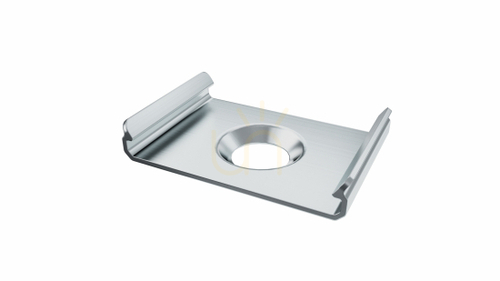
Surface-mounted profiles are mounted as standard with screws, dowels or dedicated clips. For narrow, "mini" variants, you can skip the drilling and stick them directly on double-sided tape. Hanging profiles additionally require suspension points and steel cables, as well as the supply of power cable.
Standard (U-profile)
Universal shape and good heat distribution make U-profile the most popular solution. They provide a solid embedding of the LED strip and an easy finish - just mount the profile, insert the strip and the lampshade. They come in both full-size and "mini" versions.
Advantages:
Disadvantages:
Corner surface-mounted
Designed for installation at the junction of a wall-ceiling or two walls, usually at a 45° angle. It creates a subtle line of light right at the edge, adding lightness and elegance to the interior.
Advantages:
Disadvantages:
Surface mounted round
Is an oval profile that softly diffuses light, giving it a more decorative, almost lamp-like character. It is perfect for modernist or loft arrangements.
Advantages:
Disadvantages:
Square / decorative
Simple lines and modular design allow you to combine multiple segments into custom compositions.
Advantages:
Disadvantages:
-
Higher cost
-
More assembly components
Suspended profiles
Suspended profile on steel cables or wires, with adjustable overhang length. Ideal where you want to highlight an LED luminaire as a decorative interior feature or stylishly illuminate, for example, a work surface.
Advantages:
-
Adjustable height
-
Strong visual effect
Disadvantages:
Profile color variants: anodized, lacquered, raw
LED profiles are available in a variety of finishes to perfectly match the style of the interior. Choosing the right type affects not only the aesthetics, but also the durability of the installation:
-
Anodized profile - covered with an elegant, protective coating that protects against corrosion. Available in many shades, it is ideal for visible installations where visual impact matters.
-
Raw profile - non-anodized, designed mainly for technical buildings. It works well where appearance doesn't matter and functionality counts.
-
Lacquered profile - thanks to the palette of available lacquers, you can compose the profile in any arrangement.
Black recessed LED profile in modern arrangements
Black flush profile is gaining popularity in modern interior designs - and it is hardly surprising. The deep matte black creates a striking contrast with bright surfaces, giving the space elegance and character.
It is not only a source of light, but also a subtle decorative element that can dominate a space without being too ostentatious. In minimalist interiors, where every detail matters, the black profile can become a key compositional accent.
Accessories for LED profiles
LED profile accessories are inconspicuous but key elements of any modern lighting installation. Among the major components are:
-
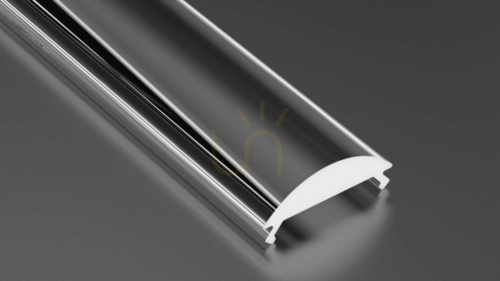
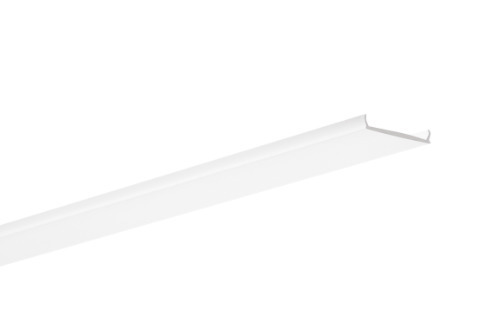
Shades - shape the character of the light and affect its dispersion,
-
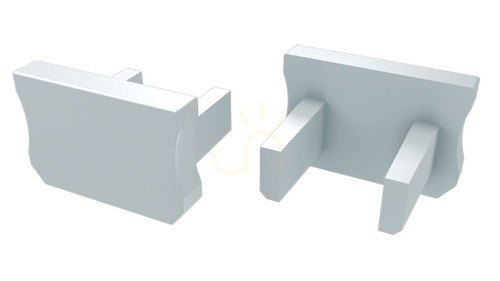
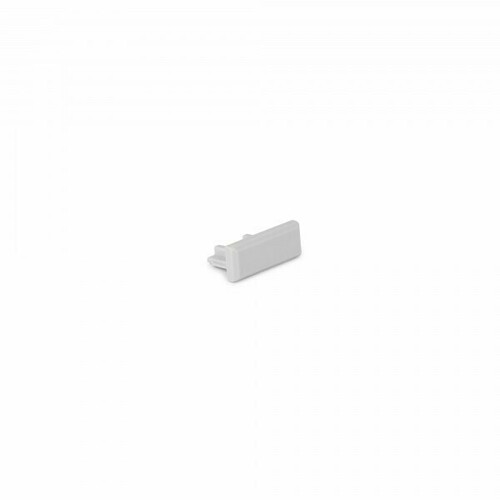
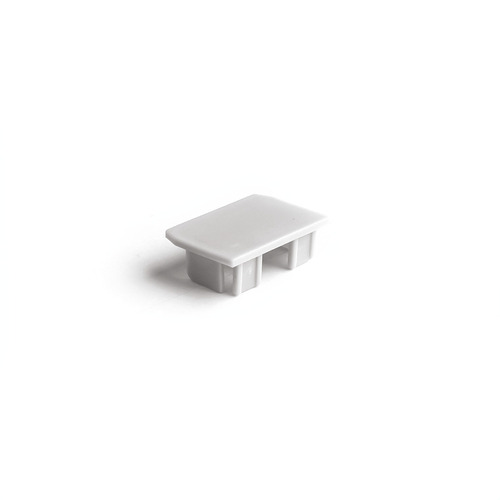
Caps - provide an aesthetic finish to the profile,
-
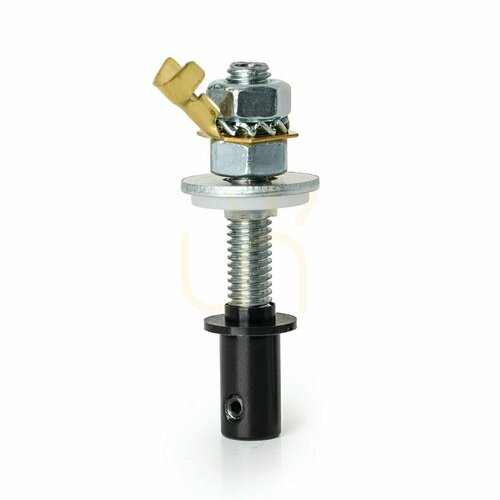
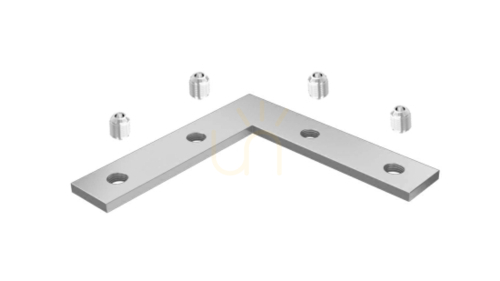
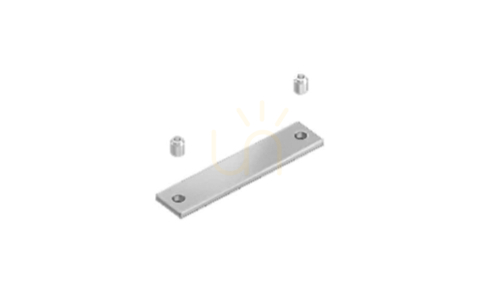
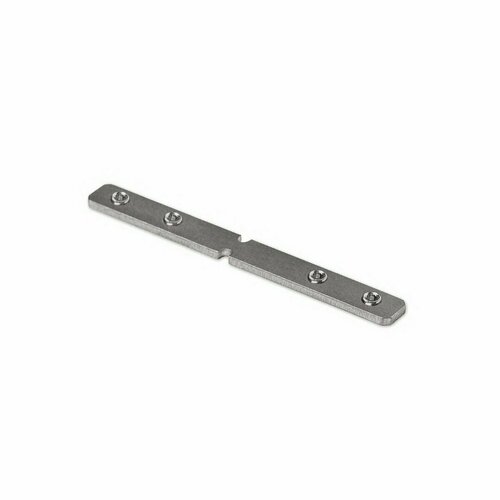
Mounting elements - guarantee the stability and safety of the installation.
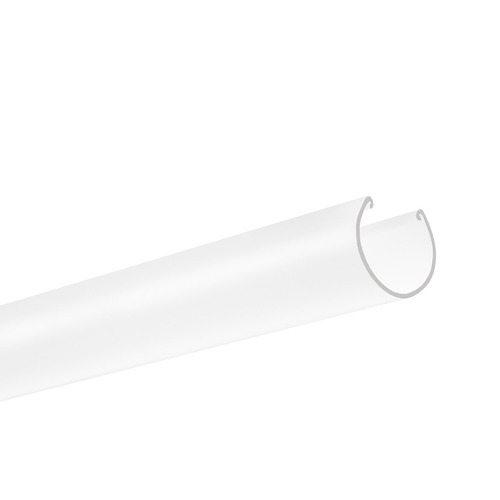
Shades: milky, transparent and lenticular
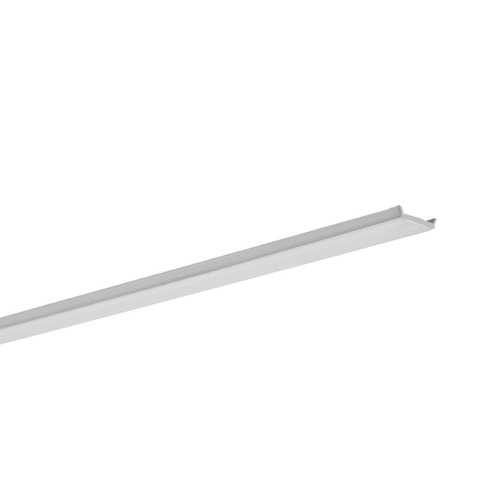
Lampshades for LED profiles perform not only a protective function - they are first of all tools for modeling light and building interior atmosphere. Each type of lampshade offers different optical and aesthetic qualities:
Type of lampshade
Characteristics
Application
Milky
Matt surface, even light diffusion
Bedrooms, living rooms, relaxation areas - where subtlety counts
Transparent
Transmits almost 100% of light, without scattering
Kitchens, offices, workshops - wherever maximum brightness is needed
Lenticular
Focuses light in one direction, increases its range
Task lighting - worktops, display cases, lighting accents
Black
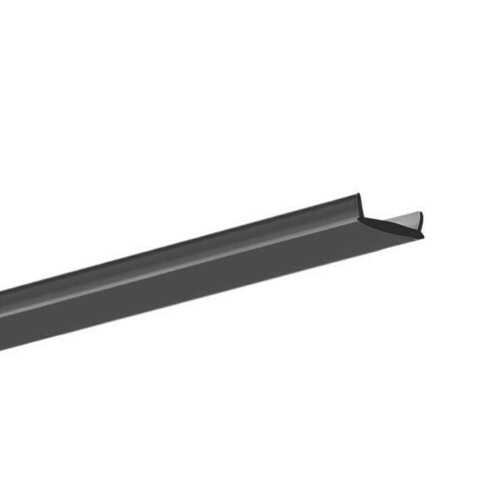
Black shade lets little light through, however, allows to hide installation in black ceilings or walls
Unobtrusive decorative lighting - where appearance and perfect fit are most important
Choosing the right lampshade allows not only to achieve the desired lighting effect, but also to emphasize the character of the interior. Narrow LED profiles with a well-chosen lampshade can completely transform a space, giving it a modern and functional dimension.
Installation of LED profiles
Installation of LED profiles gives you a wide range of arrangement possibilities - it all depends on the effect you want to achieve and the place of installation. The key is to choose the right method that will ensure not only aesthetics, but also the durability of the entire structure.
The most commonly used installation methods are:
-
Mounting glue - ideal for invisible installations, ensures permanent adhesion to the surface.
-
Springs - allow quick installation and removal, especially useful in suspended ceilings.
-
Screws - guarantee a solid fix, especially in areas subject to shock or moisture.
Choosing the right mounting method is the first step to creating not only impressive, but also practical lighting. It is the details that determine the final result.
Installation techniques for flush-mounted profiles
If you dream of modern, almost invisible lighting, flush mounting will be the ideal solution. It works especially well in plasterboard ceilings and walls.
The most commonly used techniques are:
-
Mounting glue - provides a permanent and aesthetically pleasing fixing with no visible parts.
-
Mountingsprings - allows quick installation and easy removal, which is practical for possible rearrangements.
The end result? The LED profile blends into the surface, creating a uniform line of light - with no visible fixings. This is a subtle but very elegant solution.
Installation in G-K panels and furniture
Installation of LED profiles in drywall or furniture requires more precision, but the end result can impress. In furniture, recessed profiles are perfect for elegant illumination of shelves, display cases or drawers.
Example of application:
-
In the kitchen - gentle illumination of the worktop, which does not dominate the space, but enriches it.
-
In the living room - illumination of alcoves or shelves, which creates a cozy atmosphere.
-
In the dressing room - functional and aesthetically pleasing lighting of drawers and shelves.
-
In the bathroom - a subtle light at the mirror or in the shower area.
Choosing the right way to install
The final decision should take into account not only the technical requirements, but also the style of the entire arrangement. Light is not just a function - it is an element that can completely transform a space.
LED profiles vs. LED strips
LED profiles and LED strips create modern, functional and aesthetic lighting solutions that completely change the approach to light arrangement. LED profile, usually made of aluminum, effectively protects the tape and dissipates heat. This makes LED strips suitable both as a subtle decoration and as a practical source of light - in the kitchen, office or store window.
Selection of LED tape for profile
Choosing the right LED strip for the profile is not only a matter of technical parameters, but also an aesthetic decision.
When choosing an LED strip, it is worth paying attention to several key aspects:
-
Width of the tape - it must be matched to the profile to ensure stable installation and aesthetic appearance.
-
Light output - selected depending on the function of the lighting: decorative, working or general.
-
Light color - warm, neutral or cold, depending on the nature of the interior and the desired effect.
-
Distance of LEDs - too much distance will make separate points of light visible, instead of a line, despite the use of a cover.
Cooling and protection of the LED strip in the profile
Effective cooling and protection of the LED strip is the key to its longevity. LED lighting profile, not only elegantly hides the light source, but most importantly, effectively dissipates heat. This is especially important in areas where lighting operates intensively and for long periods of time - such as kitchens and office spaces.
The profiles also offer protection from the elements, making them ideal for spaces that require durability and reliability, such as:
-
Traffic routes - where lighting needs to be durable and resistant to damage.
-
Commercial spaces - where aesthetics and functionality go hand in hand.
-
High-traffic areas - where reliability and safety matter.
Application of LED profiles in interior design
LED profiles also serve as a practical source of light. They work well as spot lighting, decorative lighting, or even main lighting - improving visibility and comfort in everyday use. These luminous lines add elegance and a modern touch to the space. Their growing popularity indicates that they are becoming an integral part of modern interior design.
Decorative and spot lighting
Among the most common applications of LED profiles, decorative and spot lighting dominate. The LED profile for decorative lighting allows you to create unique lighting effects that bring out an interior's most interesting features - from architectural details to design elements. This combination of functionality and aesthetics offers great design possibilities:
-
Gentle streaks of light - ideal for building a mood in the living room or bedroom,
-
Distinctiveaccents - to highlight specific zones or design elements,
-
Lighting effects - creating dynamic compositions in modern interiors,
-
Highlighting details - such as.. alcoves, shelves or paintings.
When it comes to spotlighting, precision matters. LED profiles are perfect for areas that require precise lighting - such as the kitchen, bathroom or home office. For example:
-
Under-cabinet LED profiles in the kitchen - effectively illuminates the work surface, making it easier to prepare meals,
-
Mirror lighting in the bathroom - provides even light without shadows,
-
Workstation lighting - improves comfort and concentration in the home office.
Wall, ceiling and floor lighting
LED profiles also offer a wide range of options for wall, ceiling and floor lighting. LED profile for floor lighting is a modern solution to create subtle yet striking lines of light in the floor. This type of installation:
-
Emphasize the modern character of the interior,
-
Improve safety - especially in corridors, stairs and transition areas,
-
Facilitate orientation in dark rooms,
-
They create striking light paths in public and private spaces.
Wall and ceiling lighting with the use of LED profiles allows you to build mood and emphasize the architectural qualities of the interior. With a variety of mounting methods, the light can be perfectly tailored to individual needs.
LED profiles in commercial and office spaces
LED profile for office lighting is an effective way to improve working conditions:
-
Improved ergonomics - proper lighting reduces eye fatigue,
-
Improved concentration - light affects focus and efficiency,
-
Mental comfort - friendly light improves the well-being of employees,
-
Aesthetics of the space - modern LED profiles increase the prestige of the office.
In commercial spaces, light is becoming a marketing tool. LED profiles attract attention, display products and build a shopping atmosphere. Application examples:
-
Dynamic store window lighting - draws the eye of passersby,
-
Shelf and display backlighting - highlights products,
-
Zoned store interior lighting - directs customer attention to selected areas,
-
Creating a shopping atmosphere - light influences emotions and purchasing decisions.
LED technology is no longer just an add-on - it is becoming a key element of sales strategy and building customer experience.
How to choose the right LED profile for your project
A well-chosen LED profile can completely transform the character of a space, affecting how light interacts with its surroundings. Each lighting project has its own characteristics, so it is important that the LED profile is tailored to both your expectations and the conditions of the room.
What should you pay attention to when choosing? Three aspects are key:
-
Mounting method - determines the technical possibilities of installation,
-
Place of installation - affects the choice of material and resistance of the profile,
-
Lighting effect - determines the mood and function of the lighting.
It is these three elements that form the foundation of well-designed lighting. And what will the future bring? It is difficult to predict, but one thing is certain - LED technology is not slowing down. And that really makes you happy!
Selection criteria: installation type, installation location, lighting effect
Want to make a good choice of LED profile for your interior? Start with the basics - that is, how to install. It determines where and how you mount the profile. The most common solutions are:
-
Flush-mounted profiles - ideal for a "clean" line of light, with no visible mounting components,
-
Furniture profiles - great for kitchens, dressing rooms or under cabinets, where precise, pinpoint light is important,
-
Profiles for building in plasterboard - perfect for integrationinto modern wall and ceiling systems.
The next step is where to install. You will approach ceiling mounting differently, wall mounting differently, and floor mounting differently.. Each location requires a different approach, both in terms of profile design and its resistance to:
-
moisture,
-
dust,
-
mechanical damage.
If you want the profile to be almost invisible - choose a color and material that will blend into the background. On the other hand, if you care about the decorative effect - bet on contrast and distinctive design that catches the eye and gives character.
Finally - the lighting effect. Think about what you need:
-
Soft, atmospheric backlighting - perfect for a bedroom or living room,
-
Strong, functional work light - will work well in the kitchen, office or bathroom.
The choice of LED profile should go hand in hand with what you want to achieve. An example? In the living room, a profile with a milky cover that diffuses light and creates a cozy atmosphere will work great.
The most common mistakes when selecting an LED profile
In theory, the choice of LED profile seems simple. In practice? Well, it varies. It is not difficult to make mistakes that can spoil the whole effect. Here are the most common ones:
-
Wrong installation method - e.g.. you want to install a flush profile, but you do not have enough space in the ceiling. The result? Structural alterations or aesthetic compromises.
-
Failure to take site specifics into account - e.g.. profiles for plasterboard installation will not work well in furniture, where compactness and ease of installation are important.
-
Poor assessment of technical conditions - lack of resistance to moisture in the bathroom or kitchen can lead to damage to the installation.
-
Lack of planning of the lighting effect - ill-considered selection of the profile can result in too harsh or too weak light.
Trends in design with LED profiles
Modern interiors are increasingly daring to use innovative technologies, and one of the hottest trends in recent years is LED profiles. These systems significantly enhance the aesthetics of the space while increasing its usability.
Among the dominant directions in design stand out:
-
Minimalist light lines - simple, elegant forms that bring order and modernity,
-
Integrated LED systems - comprehensive solutions that combine lighting and decorative functions.
Both of these approaches work well in both residential and commercial spaces - from apartments to offices to hotels. LED technology continues to develop, and its role in interior design will only grow.
Minimalist light lines in modern interiors
Minimalism in lighting is gaining popularity, and LED profiles are becoming an integral part of it. Subtle lines of light, incorporated into walls or ceilings, create elegant, orderly spaces. Thanks to them, light can be precisely guided, highlighting architectural details and giving the interior an individual character.
An example? Backlighting along the corridor not only makes it easier to navigate after dark, but also adds a modern touch to the interior. Importantly, such light does not dominate the space - it harmoniously complements it. This type of solution will become a standard - as it combines style, energy efficiency and comfort.