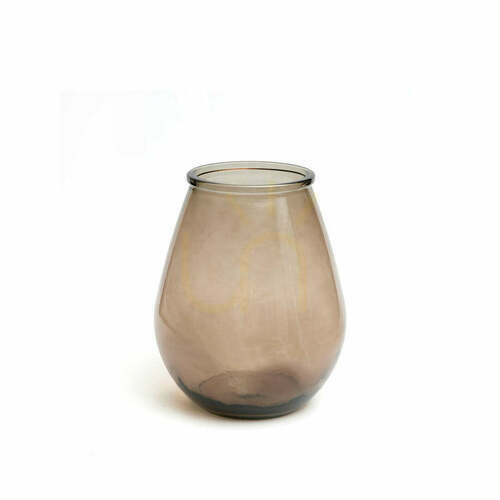
Vases for flowers, dried stems and a display of their own
Vases give flowers and branches a place in a room, but they can also work as objects in their own right. A small bud vase on a bedside table does a different job from a broad vessel on a sideboard or a tall arrangement beside a fireplace. Start with what you want to put in it, where it will stand and whether it needs to hold water. Those three decisions make it easier to judge shape, size and material.
The right vase supports the arrangement without making it awkward to use the surrounding space. On a dining table, that means leaving room for place settings and conversation. On a shelf, it means checking depth and clearance. Colour and texture then help decide whether the vessel quietly accompanies the flowers or becomes the main focus.
Choose the arrangement before the silhouette
A vase for fresh flowers needs to be suitable for water and practical to clean. A vessel for dried stems can put more emphasis on surface and shape, although a tall or spreading arrangement still needs a steady base. For one stem, a narrow neck may provide useful support; a generous bouquet needs enough room for the stems to open naturally.
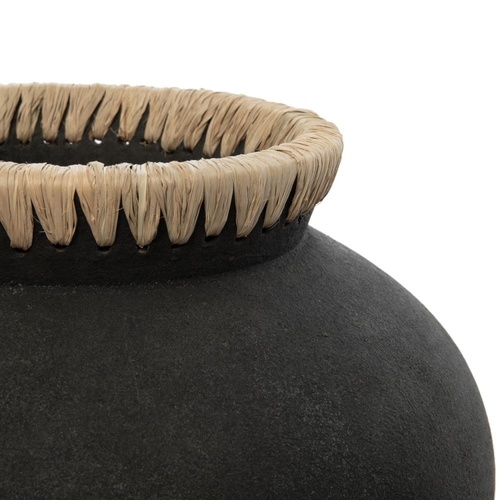
Decorative ceramics, terracotta and vessels with woven details may be intended for dry displays only. The material name does not establish watertightness. Check the intended use of the specific piece before filling it. If an inner vessel is specified, its fit and the way it can be removed for cleaning matter too.
Think about the empty vase as well as the filled one. Will it still look right when the flowers are removed? Can it move from a dining table to a shelf, or does its scale call for a permanent place? A shape that works with several simple arrangements can be easier to live with than one chosen for a single elaborate display.
Glass, ceramics and textured finishes
Glass vases
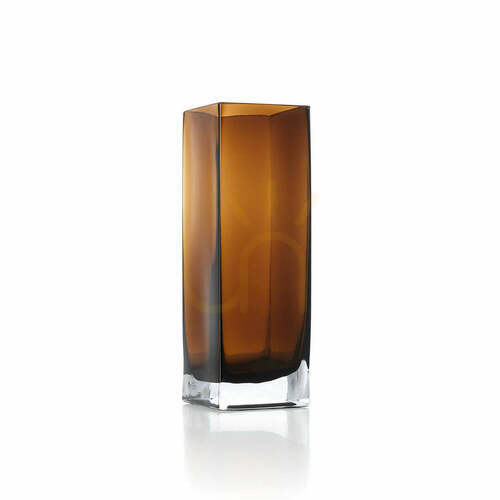
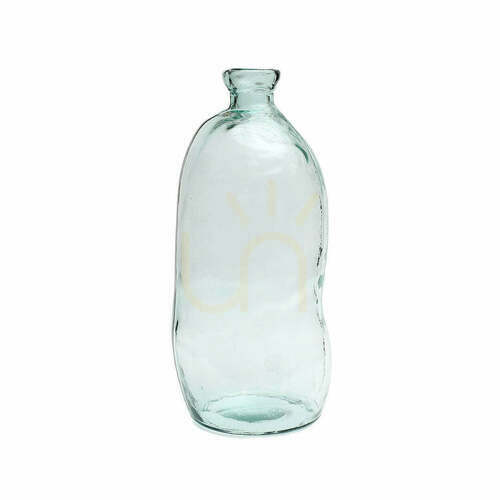
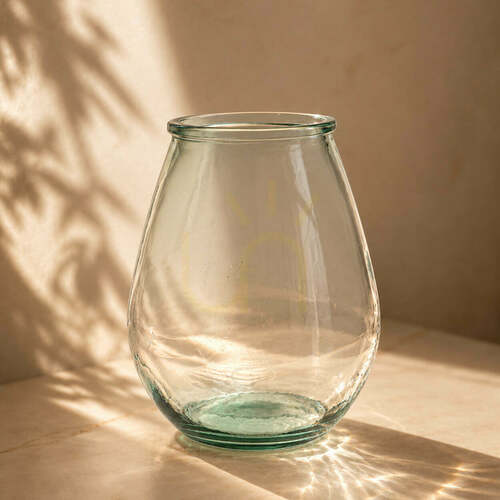
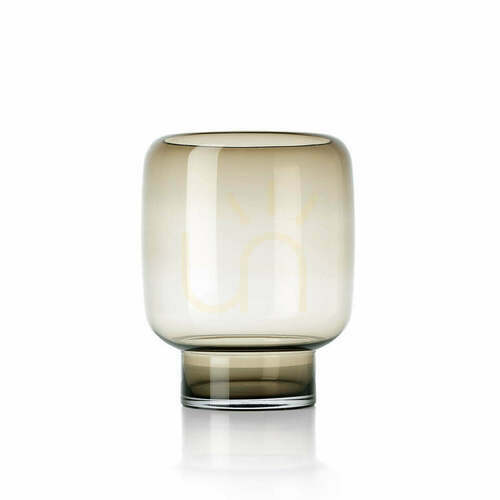
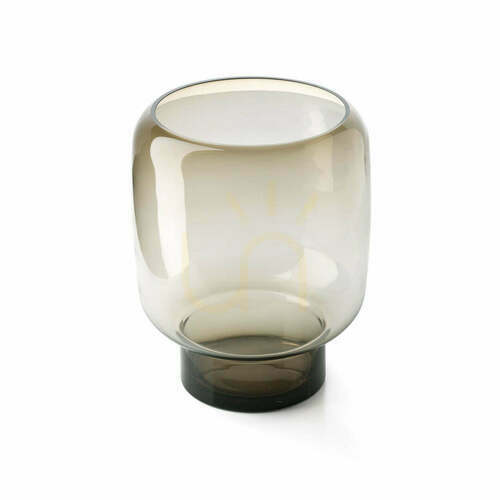
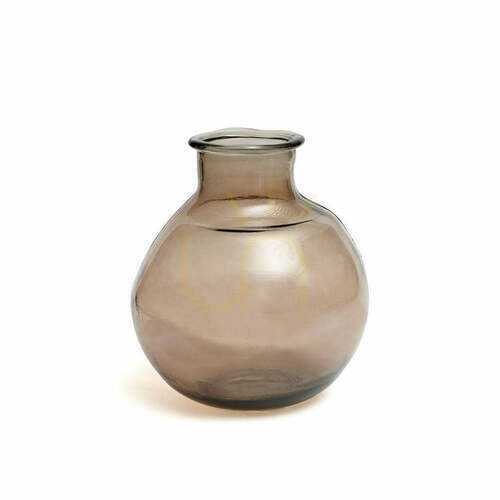
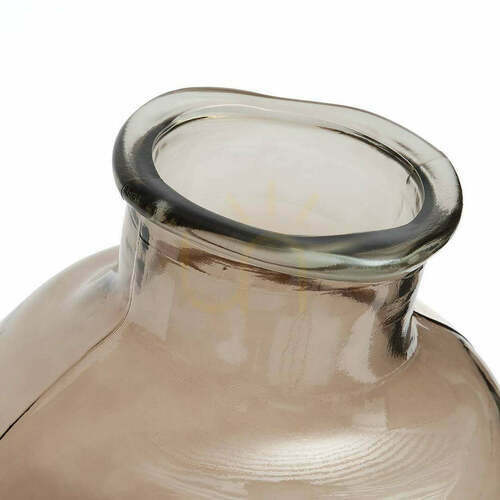
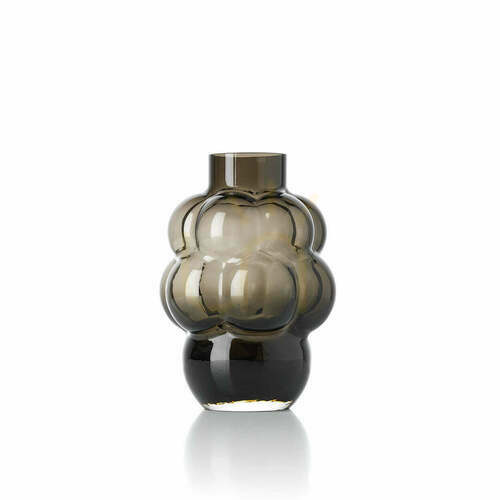
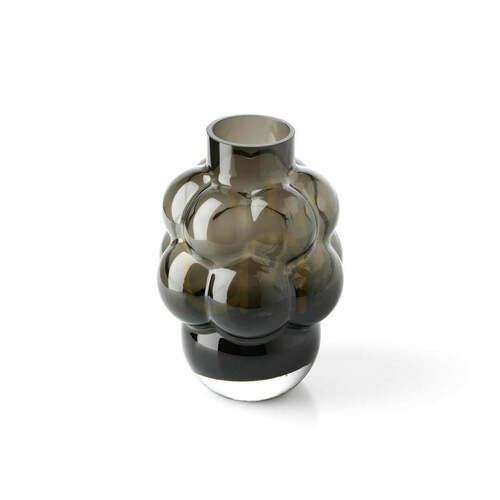
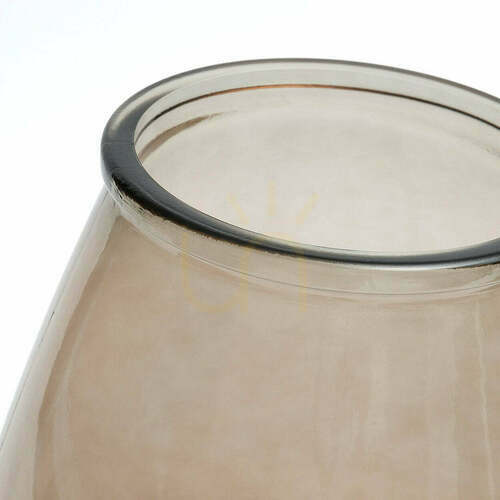
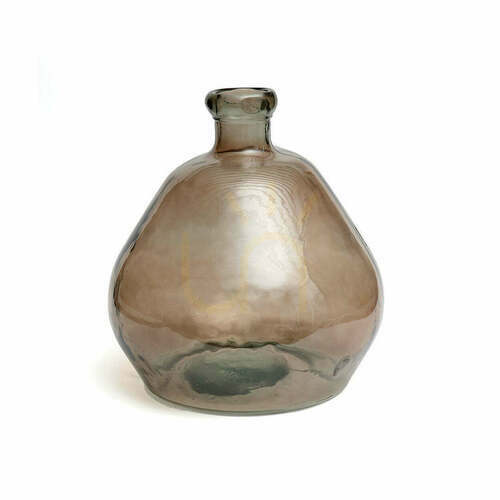
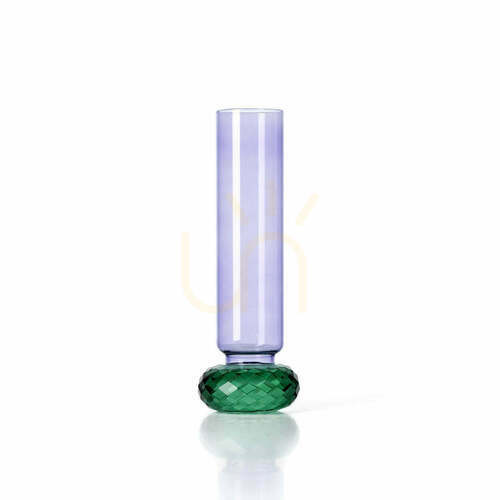
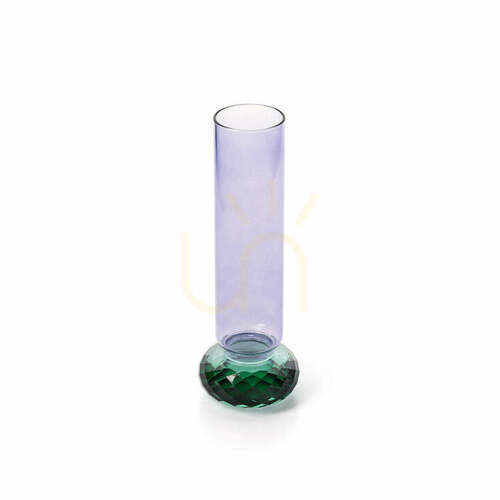
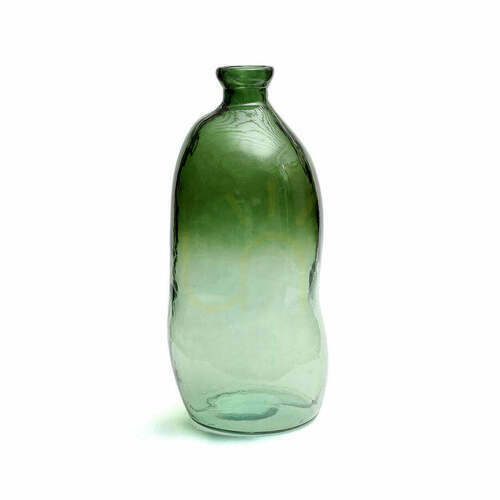
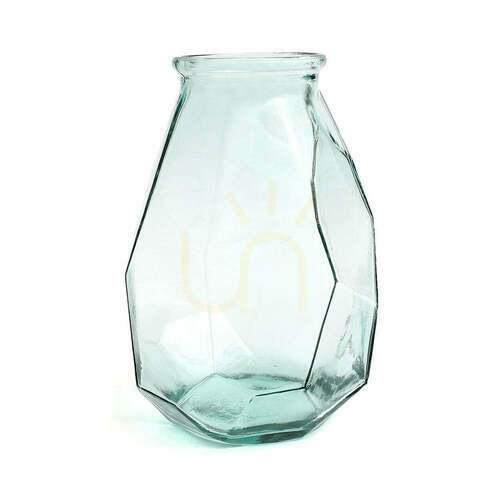
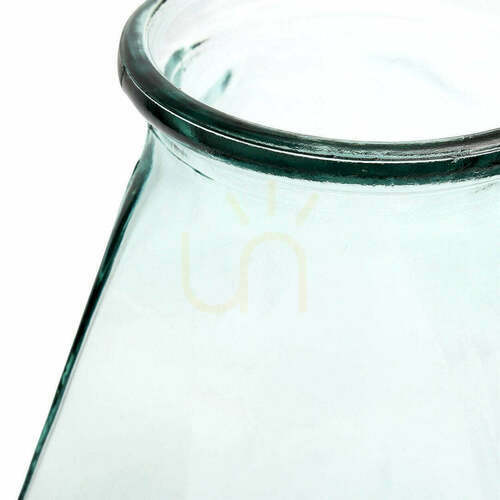
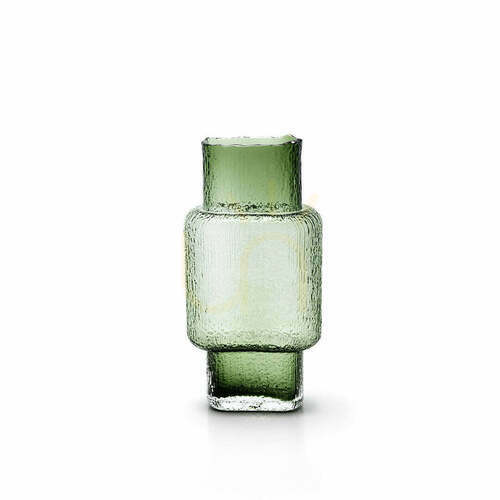
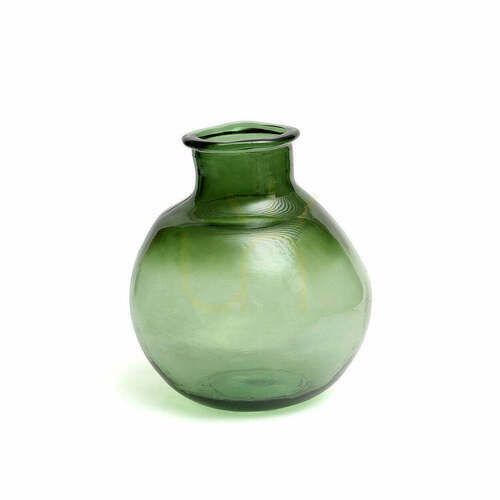
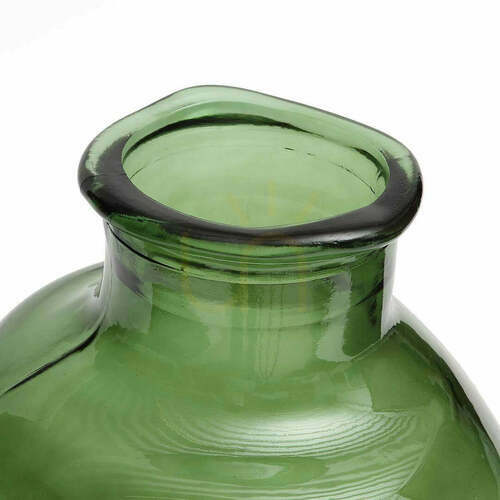
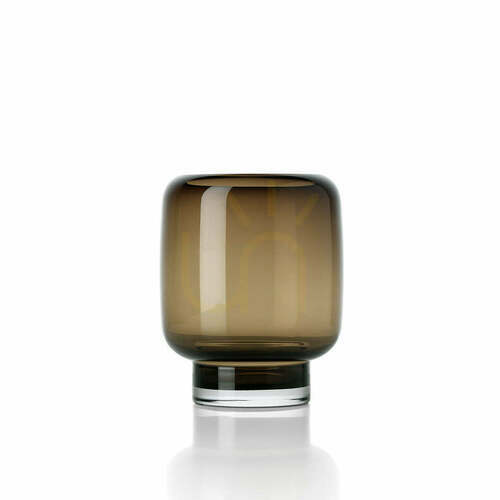
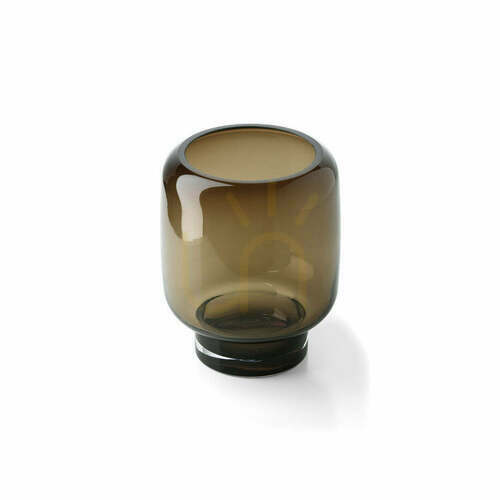
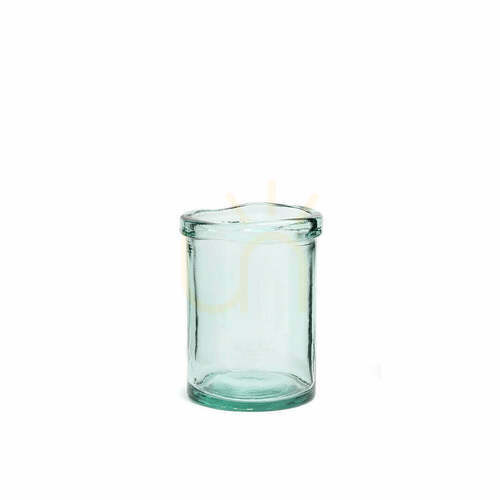
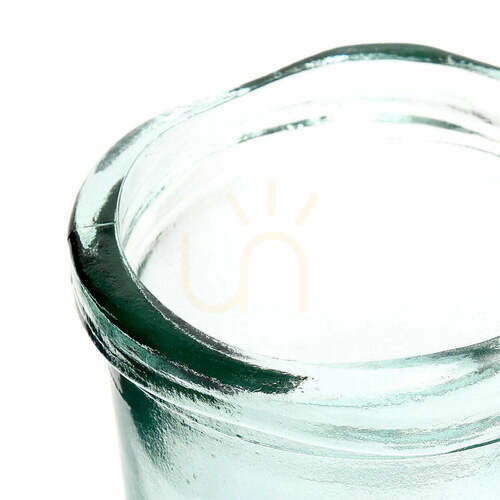
Clear glass keeps the stems visible and makes the arrangement feel visually open. It also shows cloudy water and residue, so cleaning becomes part of the presentation. Coloured glass can give the vase more presence against a pale wall while still allowing some light through. Transparency does not tell you how heavy the base is or how thick the walls are.
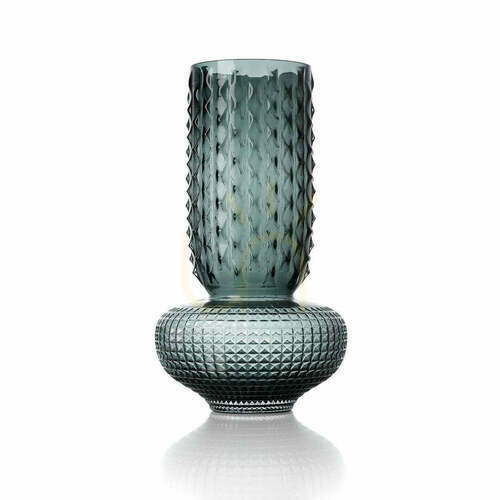
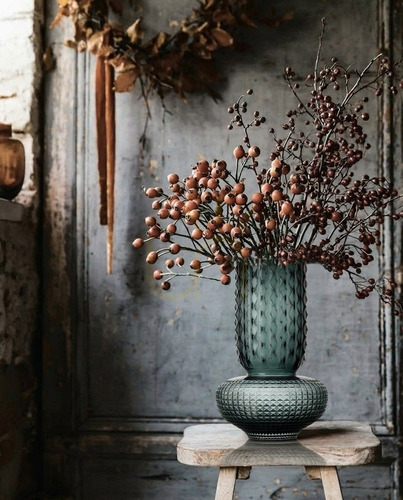
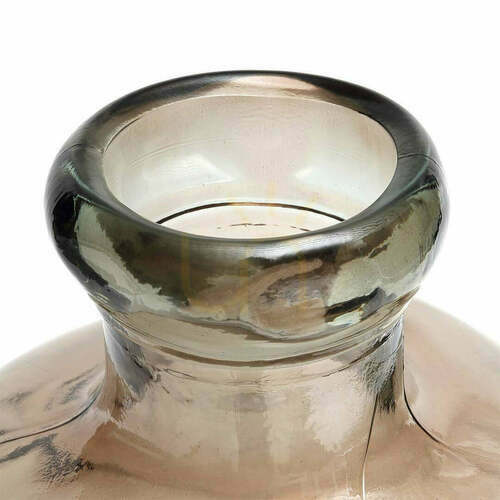
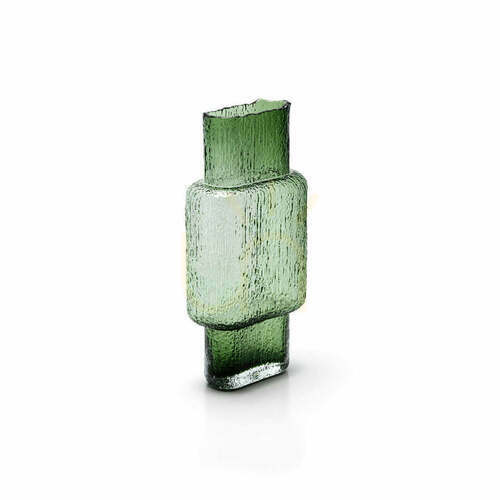
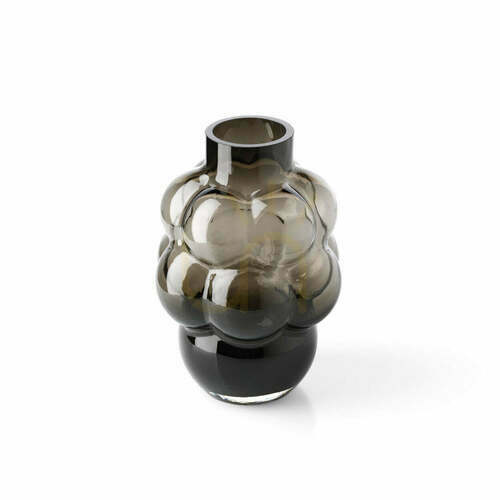
Ribbing and moulded detail change the way light catches the surface. They can make a simple shape more noticeable without relying on a strong colour. Check how easily the inside can be reached and whether the outer finish has any special care requirements. A narrow bottle neck can be attractive but less convenient for frequent flower changes.
Ceramic and stoneware vases
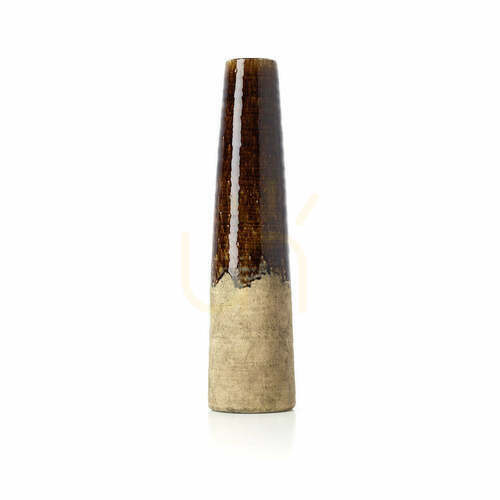
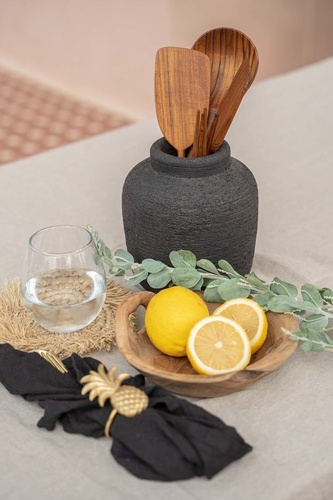
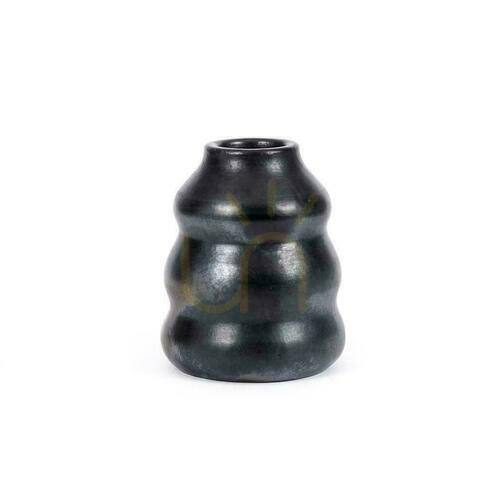
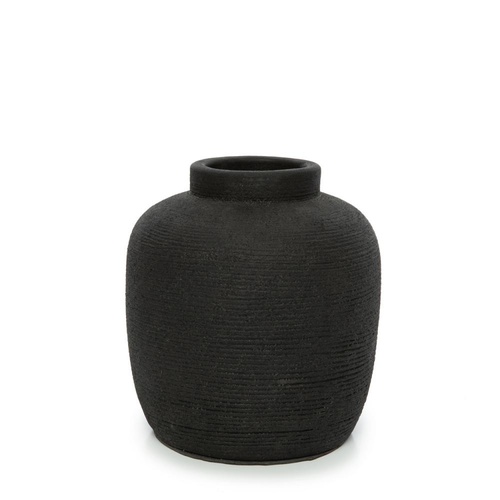
Opaque materials draw attention to the outline, glaze and texture of the vessel. A matt surface has a softer visual presence than a reflective glaze, even when the colour and proportions are similar. Stoneware is part of the wider ceramic family; the name alone does not describe every finish or cleaning requirement.
Whether a ceramic vase can hold water depends on its construction and intended use. An unglazed or porous-looking surface calls for a careful check of the product information. Avoid assuming that a decorative vessel is suitable for fresh flowers simply because it has the familiar vase shape.
Terracotta and mixed materials
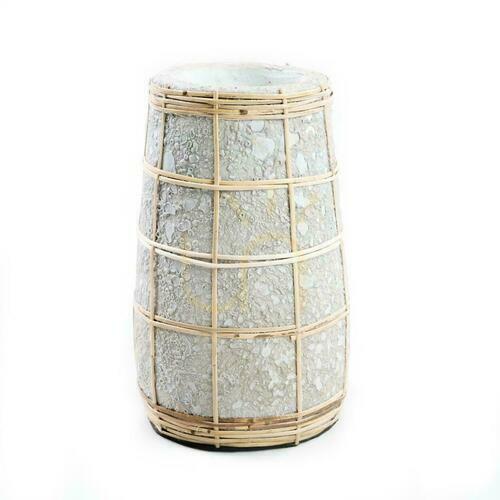
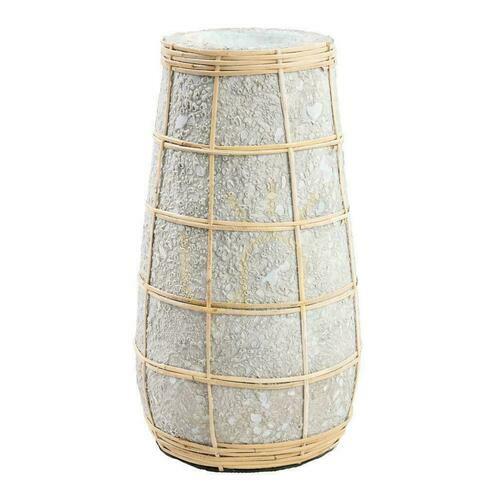
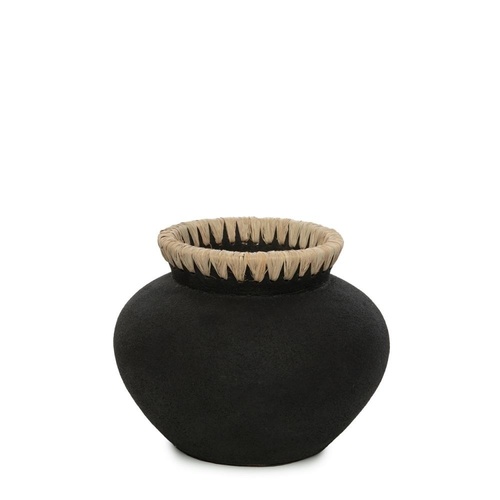
Terracotta, natural fibres and woven details bring a different kind of texture to a display. The visible outer material may differ from the body inside. Establish which part does the practical work and which part is decorative. A woven collar or applied detail can also change how the vase should be handled and dusted.
| Material or finish |
What it contributes visually |
What to check |
| Clear glass |
Visible stems and an open, light appearance |
Cleaning access, care instructions and the stability of the base. |
| Coloured or textured glass |
Colour, reflections and a less direct view inside |
Any coating or surface-care restrictions. |
| Ceramic and stoneware |
A strong outline with matt, glazed or textured surfaces |
The specific piece's suitability for water and its interior finish. |
| Terracotta and porous finishes |
An earthy surface with visible texture |
Whether the vessel is intended for dry arrangements and how to protect the surface beneath it. |
| Mixed materials and woven details |
Additional depth and decorative detail |
The inner construction and separate care needs of each material. |
The opening matters as much as the overall size
The neck controls how the stems sit together. A narrow opening can hold a small number of stems upright, while a wider mouth allows a fuller bouquet to spread. Too little room can crowd the stems; too much can leave a sparse arrangement leaning outward. The widest part of the vase is therefore not the measurement that tells you how much space the bouquet has at the top.
A bottle shape can support a single branch without needing a large bunch to fill it. A rounded body with a narrower neck offers a different balance of volume and support. Cylindrical shapes give a clean vertical line, while low, open vessels suit arrangements that spread across a surface. Match the form to how you like to arrange flowers rather than treating every bouquet the same way.
The base deserves its own check. Long branches and asymmetric arrangements can shift the centre of gravity well beyond the neck. A tall vase is not automatically stable simply because it looks substantial. Water or decorative filling should not be relied on to rescue a vessel that is badly suited to the arrangement or its position.
Judge the complete height, including the flowers
A vase measuring 20 cm high can become a much taller feature once branches are added. Consider that total outline from the place where it will usually be seen. On a mantelpiece, check how it relates to a mirror or picture above. Under a shelf, allow room for the arrangement as well as for lifting the vessel out comfortably.
There is no single proportion that suits every flower. Fine stems and heavy flower heads need different support. A useful way to assess a vase is to picture where the stems leave its rim: should they stay close together, fan out or form a loose upright group? That decision makes the height and neck width more meaningful.
Measure the footprint too. The base and the widest part of the body may differ considerably. A sideboard can offer a generous display area, while a narrow console may not support the same vessel comfortably. Check that the whole base rests securely on the surface and that projecting foliage will not catch as people pass.
| Position or arrangement |
Priority |
Useful extra measurement |
| Dining table in everyday use |
Clear sightlines and room for plates and glasses |
The total height and spread of the flowers. |
| Shelf or narrow console |
A secure footprint and enough clearance |
The deepest part of the vase and space for removing it. |
| One stem or a branch |
Support at the neck and a stable base |
The opening and the weight carried above it. |
| Full bouquet |
Room for the intended spread of stems |
The mouth width rather than only the body diameter. |
| Tall floor display |
Stability and a clear route through the room |
The complete outline, including projecting branches. |
Styling a sideboard, shelf or mantel
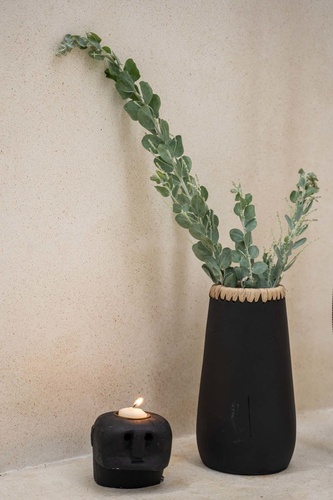
A neutral vase can let the flowers carry the colour. A dark silhouette stands out against a pale wall, while a light vessel becomes more distinct on darker furniture. Look at the finish under both daylight and the lighting used in the evening. Gloss and texture can change the balance of the display as the light moves.
In a room with patterned fabrics or busy shelving, a simple outline can be easier to place. Against a quiet background, a sculptural shape or deeply textured surface has room to be noticed. It does not need to repeat every colour in the room. A relationship with one material or colour can be enough to make the arrangement feel considered.
For a group of vases, start with a shared feature such as material, finish or colour. Vary their scale and leave space between the shapes. An odd number is a styling option rather than a requirement; what matters is how the group reads from the usual viewpoint. Check it without flowers before adding several competing arrangements.
Fresh flowers and dry displays
Fresh flowers call for a vessel approved for water and an interior that can be kept clean. A very narrow neck can make residue harder to reach, which matters if you change bouquets often. Position the display away from avoidable heat and strong direct sunlight. The vase's decorative role should work alongside the care needs of the flowers.
Dried grasses and branches make use of vessels intended for dry decoration. Although the stems may be light, their spread can be wide, so the balance of the complete display still matters. Avoid forcing thick branches through a tight opening. The arrangement should be easy to remove when it is time to dust or change it.
Faux stems can help you explore proportions without needing water. Check that any hard or wired ends will not damage the interior finish. Decorative filling should suit the vessel and remain removable. Do not let a permanent-looking arrangement make routine care impractical.
Care, handling and the surface underneath
Support the body and base when moving a vase. A narrow neck, decorative handle or woven detail may not be intended to carry its full weight. A water-filled vessel can weigh considerably more than it appears to. Remove loose display pieces and make sure the grip is secure before lifting it.
On timber furniture, check the underside and the recommended protection against moisture or abrasion. Any protective mat should remain steady and suit the base. Keep tall arrangements away from the edges of walkways, where a passing sleeve or bag could catch a branch. Floor placement needs the same attention to everyday movement.
Follow the care instructions for the particular finish. Glass or ceramic construction alone is not dishwasher approval. Applied colours, gilded details, natural fibres and mixed materials can need gentler treatment. Avoid abrasive cleaning and sudden temperature changes unless the product instructions specifically allow the method being considered.
Questions about choosing vases
Can every decorative vase hold water?
No. Some are intended only for dry displays. Check the stated use and inner construction of the specific piece. The words ceramic or terracotta do not establish watertightness, and a familiar shape is not enough to confirm it.
What makes a good vase for a single stem?
A narrower opening can support a single stem without a large bunch around it. It still needs enough room for the stem and a stable base. For a long or angled branch, consider the balance of the whole arrangement.
How do I choose a vase for a large bouquet?
Look for room at the mouth for the stems to spread as intended. Check height, stability and water suitability as well. A wide body does not necessarily mean a wide opening, so compare both measurements.
Are ceramic vases always watertight?
No. Construction, internal finish and intended use vary. Use the manufacturer's information for that vessel rather than assuming that every ceramic surface can contain water.
Which vase works on a dining table?
Choose one that leaves useful space for dining and a clear view of the people opposite once the flowers are added. Several small vessels and one tall bouquet create different layouts. Judge the arrangement while the table is set for normal use.
Can a vase be displayed without flowers?
Yes. Shape, texture and colour can be enough to make it a decorative object. Give the silhouette some space so it can be read clearly, particularly if the surface or form is distinctive.
Can vases go in the dishwasher?
Only where the product's care instructions allow it. The base material does not describe every coating or detail. Check decorative finishes and mixed materials separately before choosing a cleaning method.
How can I arrange several vases together?
Use one shared feature and vary the proportions. Leave space between the vessels and look at the group from its usual viewing position. It should still feel balanced when the flowers are removed.
Choose vases around the stems, the setting and the care they need, then refine the colour and finish. Find related pieces for the room among our interior decorations.