Ceiling lighting - how to choose the perfect lamp for any interior?
Modern interiors are difficult to imagine without a well-planned light. It is the ceiling lighting that most determines how we perceive a room - whether it is cozy, elegant, bright and functional, or rather dark and uncomfortable for daily use. A well-chosen ceiling lamp can completely change the proportions of the room, emphasize the advantages of the arrangement, hide its shortcomings and create an atmosphere in which we simply feel good. In contrast, haphazardly chosen ceiling lamps often make even a beautiful interior look flat and unimpressive.
Choosing a particular model is worth starting with an analysis of your needs. A different ceiling light will work in the living room, another in the bedroom, another in the kitchen, hallway or bathroom. You need to consider the size of the room, the height of the room, the color scheme of the walls, the amount of daylight, and how the householders actually use the space in question. Only then can you consider whether a classic pendant ceiling lamp, a low ceiling plafond, modern LED ceiling plafonds, or perhaps several smaller fixtures placed in different parts of the ceiling would be a better solution.
Ceiling lamp and interior style - from classic to minimalist.
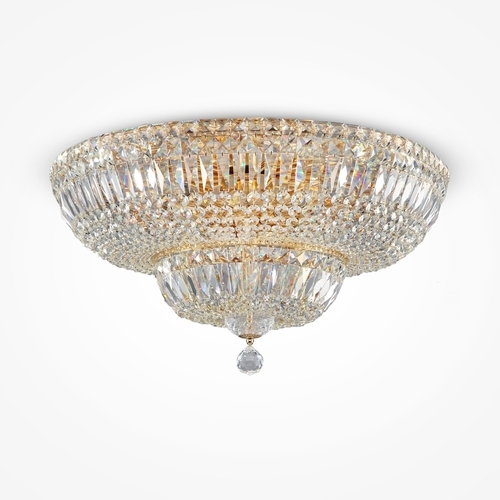
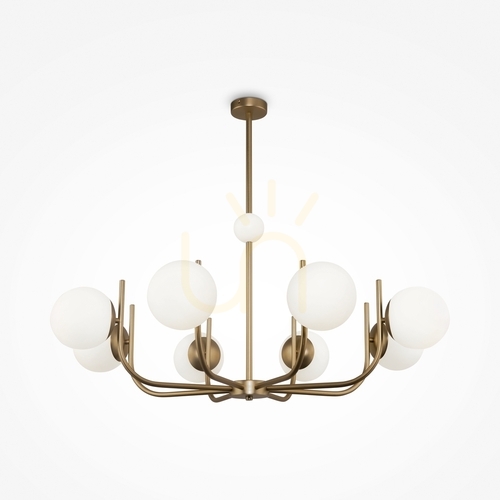
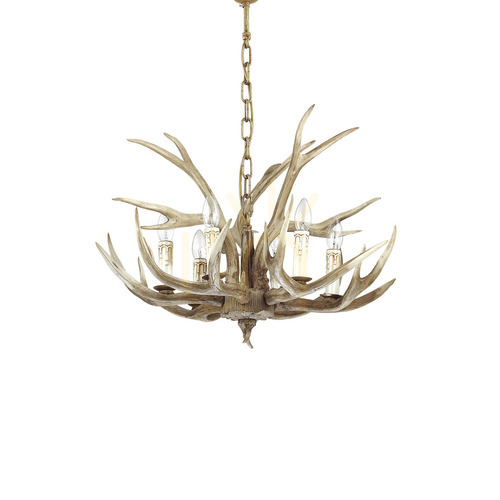
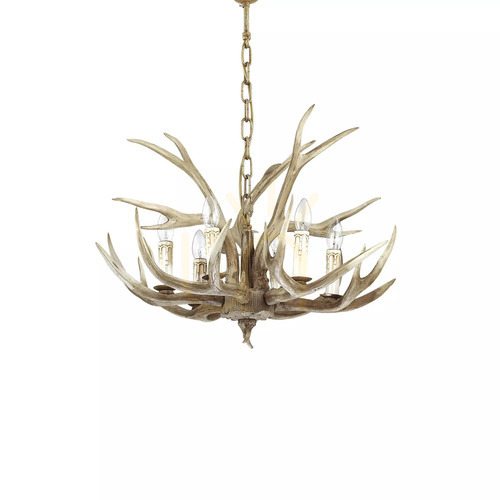
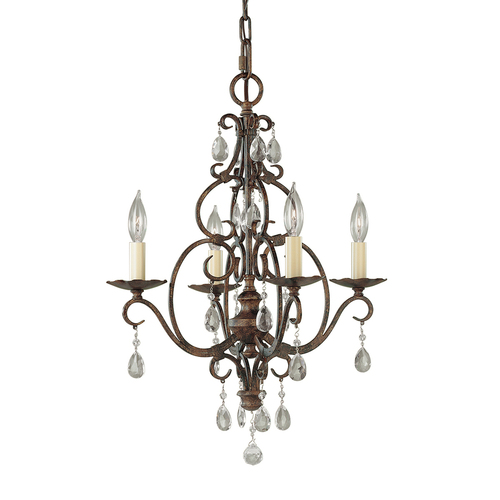
The first step in choosing lighting is to match it with the arrangement of the. A ceiling lamp is not only a source of light, but also an important design element - visible from anywhere in the room. A decorative pendant ceiling lamp with several arms, inspired by a chandelier, will work well in a classic living room. This form will emphasize the elegant character of furniture, stucco or heavy curtains, while providing strong general light.
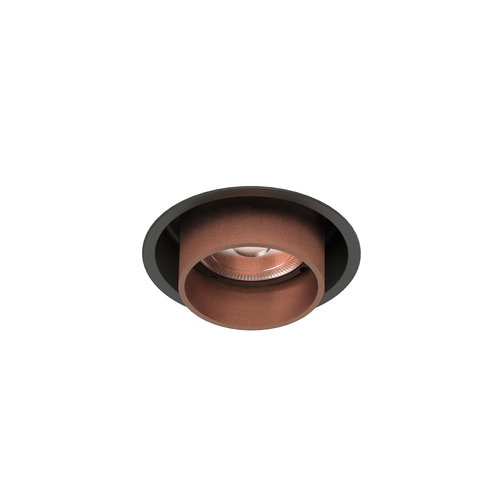
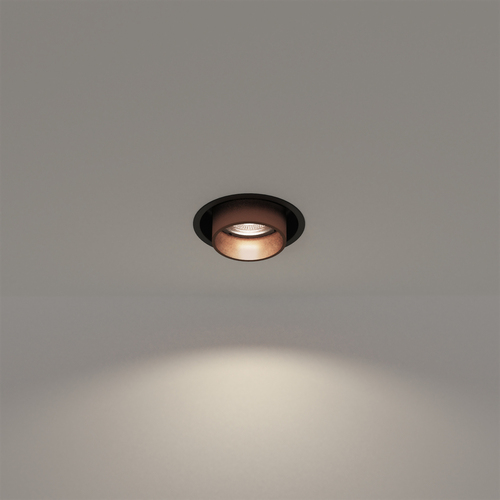
In more modern spaces, simple, geometric ceiling lamps - for example, metal LED hoops, round plafonds, minimalist moldings and discreet, built-in spotlights in the ceiling - often look better. Scandinavian interiors will love subtle, bright fixtures. Here a bright ceiling plafond with a smooth, milky shade, which evenly distributes light throughout the room, will find a good match.
On the other hand, the recently fashionable loft arrangements are keen on black ceiling lamps, metal structures on arms or fixtures with visible decorative bulbs. In such spaces, ceiling lighting becomes a strong accent that draws the eye and builds the character of the interior. In the glamour style, ceiling lamps with crystals, gold details and a shiny finish look great, while in the boho or japanese trend - fixtures made of natural materials, such as wicker, rattan or wood.
Also, do not forget that ceiling lamps should harmonize not only with the furniture, but also with other light sources in the house. If there are wall sconces, floor lamps, bedside lamps or LED strips in the room, it is a good idea to take care of at least one common theme - the color of the metal, the type of glass, the shape of the lampshade. This will ensure that the entire lighting of ceilings and walls is perceived as a coherent whole, rather than a random collection of lamps.
Ceiling lighting and the size and height of the room
Another important criterion is the proportions of the room. A large living room in a single-family home will require a very different approach than a low hallway in an apartment in a block of apartments. In tall rooms you can afford more elaborate forms - a pendant ceiling lamp with a long suspension, several lampshades at different levels, or even cascading compositions. In such interiors, the light falling from above beautifully models the space and emphasizes its representative character, while creating an atmosphere known from elegant hotels.
In low rooms, especially in corridors and small bedrooms, it is better to bet on ceiling plafonds. A small ceiling plafond adheres to the ceiling, does not take up valuable space and reduces the risk of household members snagging their heads on the lamp. At the same time, modern flat LED ceiling lights can provide a lot of light, so you do not need to worry that the interior will be underexposed.
In long, narrow corridors, a good solution is to install several plafonds at equal intervals - such ceiling lighting will evenly illuminate the entire space and eliminate unpleasant shadows. In medium and large rooms, a combination of different types of fixtures often works best. For example, in the living room, a ceiling lamp hanging over the coffee table and a discreet ceiling plafond closer to the entrance can be used simultaneously. This will give you several lighting scenes: strong general light, cozy zonal lighting, or a striking composition when all the ceiling lamps work simultaneously.
In the bedroom, on the other hand, the combination of plafond and soft side light will create an interior ideal for reading, relaxation and peaceful falling asleep. Properly selected ceiling lighting makes even a small room appear more spacious and harmonious.
Types of ceiling lights - an overview of the most popular solutions.
Under the term "ceiling lighting" there are many different products that differ not only in appearance, but also in function. It is worth learning about the most popular types, so that you can consciously decide which will best meet the needs of your household and fit into a particular arrangement.
Pendant ceiling lamp
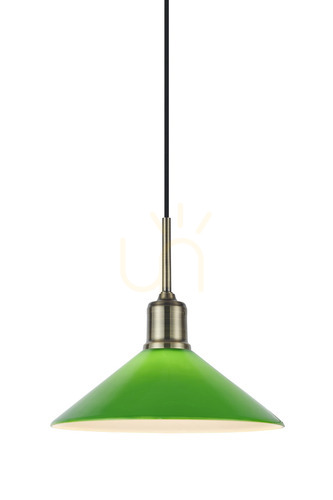
This is the most common type of decorative lighting. The pendant ceiling lamp is suspended from a wire, cable or tube and is lower than the plane of the ceiling. This concentrates its light in a specific zone - for example, over a dining room table, coffee table or kitchen island. A model with a single shade will work well in smaller rooms, while a pendant ceiling lamp with several shades or arms will be ideal for larger living rooms.
An interesting solution is also to hang several identical fixtures in a row, which allows you to optically organize the space and emphasize its length. Modern arrangements also often use groups of three different lampshades to create an eye-catching composition over the table.
Ceiling plafond
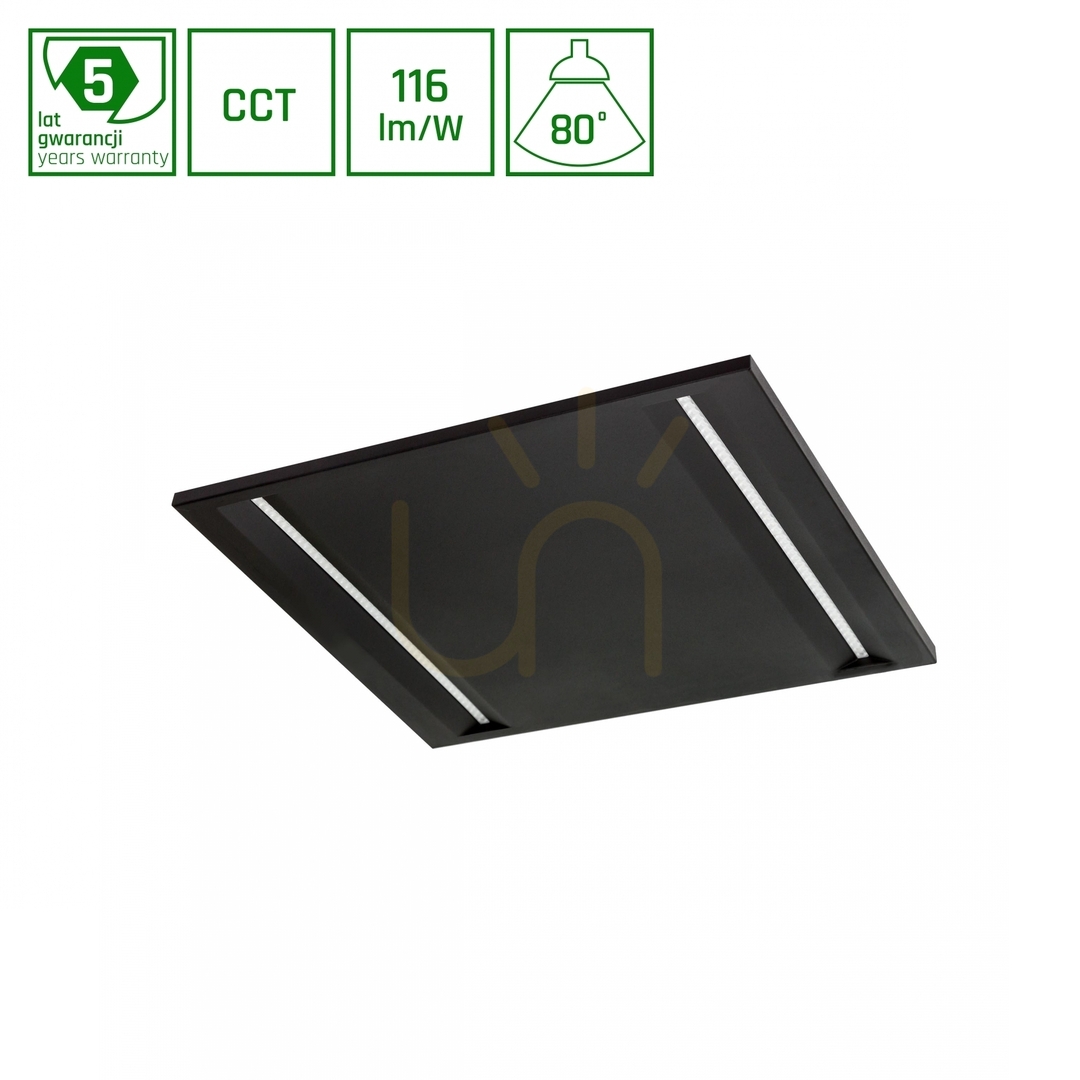
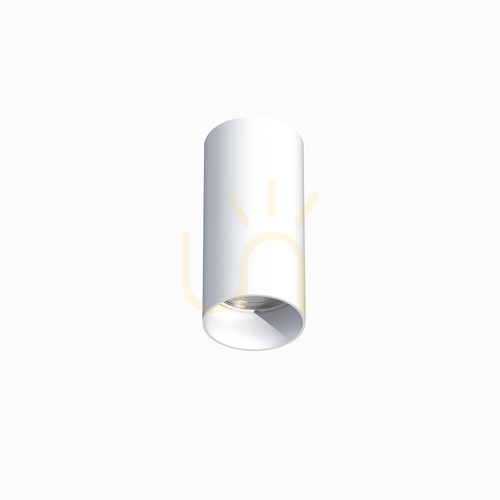
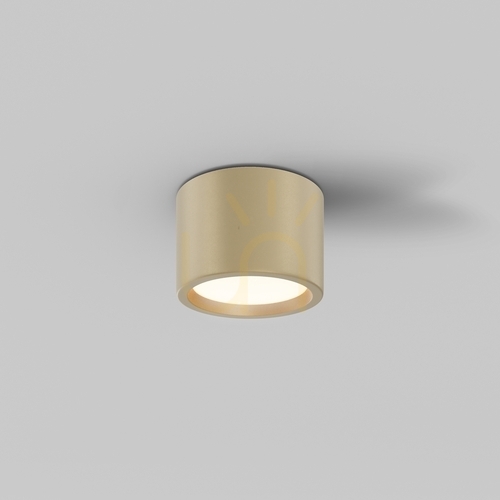
A ceiling plafond is a luminaire that adheres directly to the ceiling or protrudes from it only a few centimeters. It is perfect for low interiors where a traditional pendant ceiling lamp could get in the way. Ceiling plafonds can take the form of classic round shades, minimalist squares, decorative forms made of fabric or glass, as well as super-slim LED panels.
Increasingly, ceiling plafonds also offer color-changing and dimming functions, allowing you to adjust the ceiling light to suit your current mood with a single click. This is an ideal option e.g.. for the living room or bedroom, where once we need a bright light for cleaning, and at other times a moody twilight.
Ceiling spotlights and spotlights
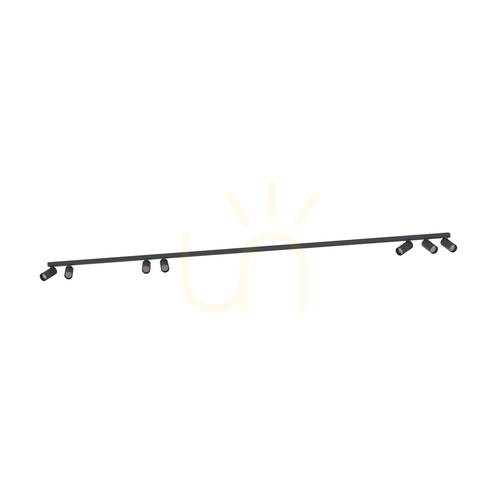
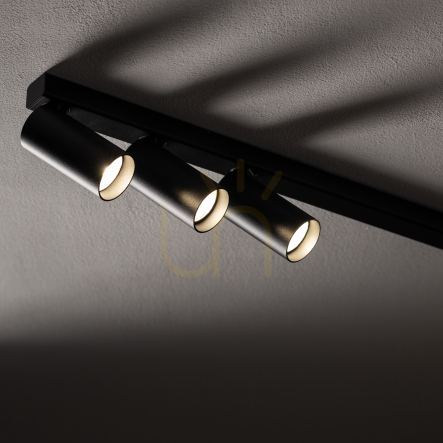
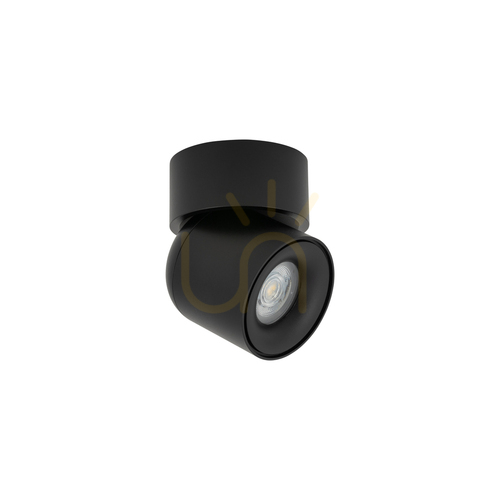
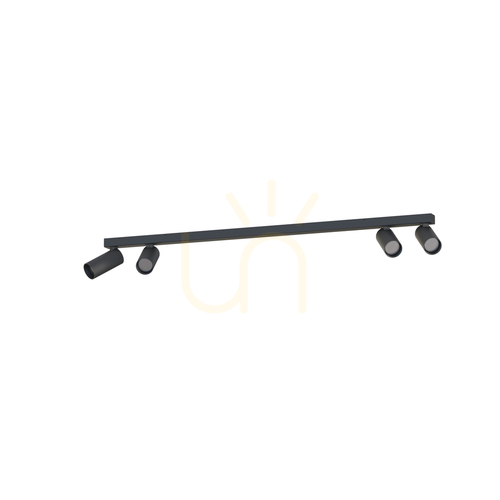
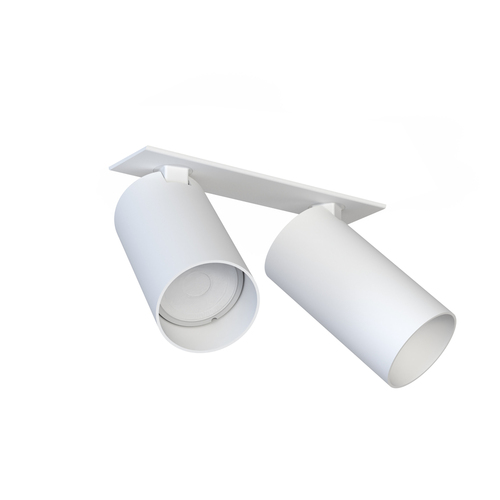
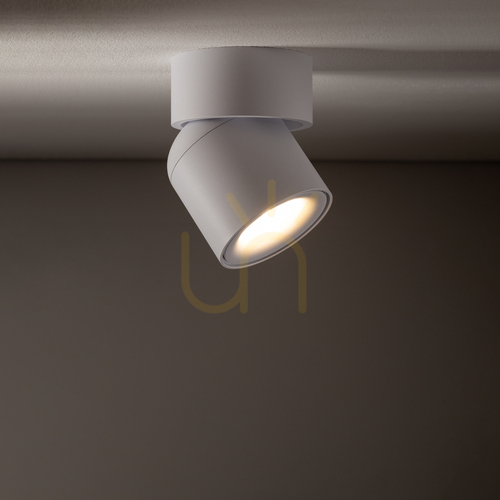
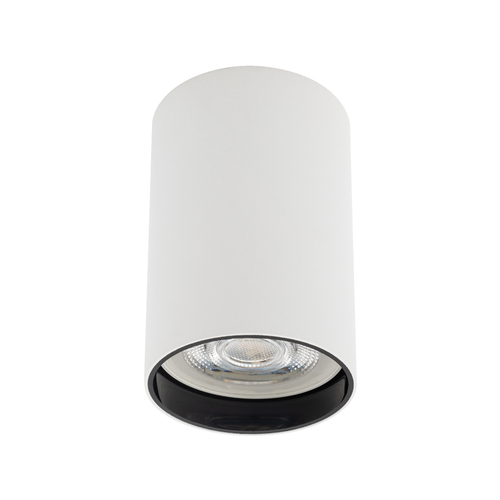
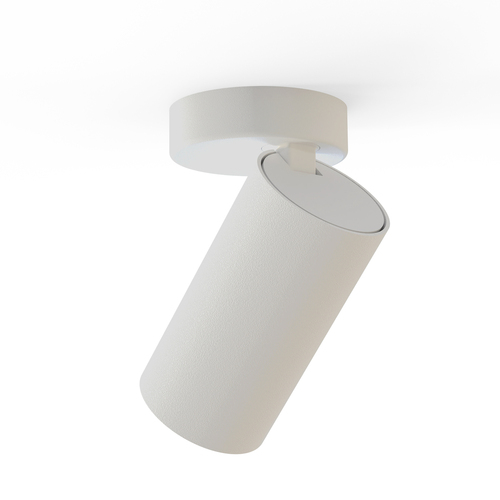
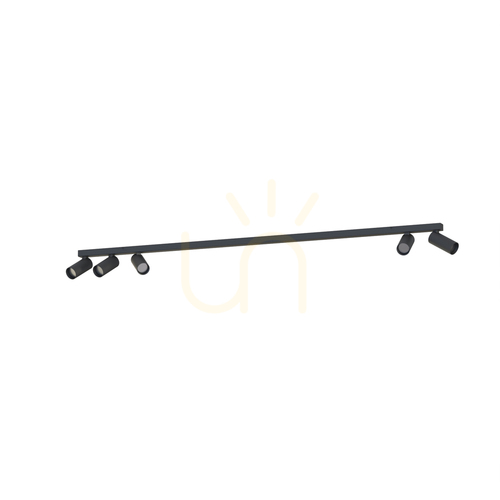
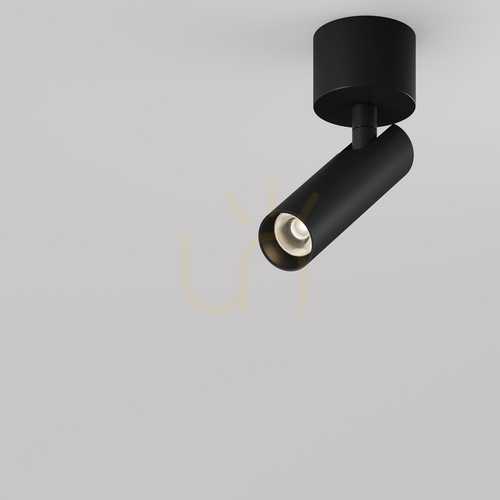
These are ideal where we want to direct light to selected parts of the room. Ceiling spotlights allow you to illuminate paintings on walls, shelves, worktops or decorative niches. Most often they are mounted on rails or slats, so you can freely change the direction of light as needed. Such ceiling lamps create flexible ceiling lights that are easily modified when you rearrange furniture or add new decorations.
Lamps with integrated LED
An increasing number of ceiling lamp models have integrated LED light sources. This means that the LEDs are built into the fixture and there is no need to mount a traditional bulb. The advantage of such a solution is very high energy efficiency, long life and the possibility of achieving effects that cannot be achieved with classic lamps.
Flat panels, thin rims or luminous lines are examples of modern ceiling lighting, which almost blends with the architecture of the interior, creating a uniform, orderly composition. In many models, we can control the color and intensity of the light with a remote control or app.
Ceiling lighting in the living room - the heart of home lighting
The living room is the room where we spend the most time and where we most often receive guests. Not surprisingly, this is where ceiling lighting is of particular importance. A well-planned light system makes the living room a place to relax, meet, work and play at the same time. To achieve such an effect, it is worth combining several types of fixtures and thinking about how the ceiling lamp will fit into the overall arrangement.
A decorative pendant ceiling lamp often appears in the central area - for example, over the coffee table or above the main seating area. It is the one that catches the eye upon entering the room and defines its style. If the living room is large, at the same time it is worth using a ceiling plafond closer to the entrance or in the circulation area. This will ensure that the entire space is evenly lit, and the ceiling lamps will create a cohesive composition. In addition, wall lamps and floor lamps will allow you to build a mood for the evening.
It is worth remembering that the ceiling lighting in the living room should allow you to change the mood depending on the situation. Bright light will come in handy during family gatherings, cleaning or table work. In the evening, when we want to relax, a softer, warmer glow will work better. Therefore, ceiling lamps with dimmable or color-changing capabilities are a good option. Combined with wall sconces and standing lamps, this gives great freedom of light arrangement, and ceiling lighting becomes a real climate-building tool.
Ceiling lighting in the bedroom - coziness and relaxation.
In the bedroom, the most important thing is an atmosphere conducive to relaxation. Too harsh, cold light will make the interior unfriendly, so here it is particularly important to choose the right colors and power. A soft ceiling lamp can provide general light for cleaning, dressing or packing a suitcase, but on a day-to-day basis we are more likely to use soft spots by the bed.
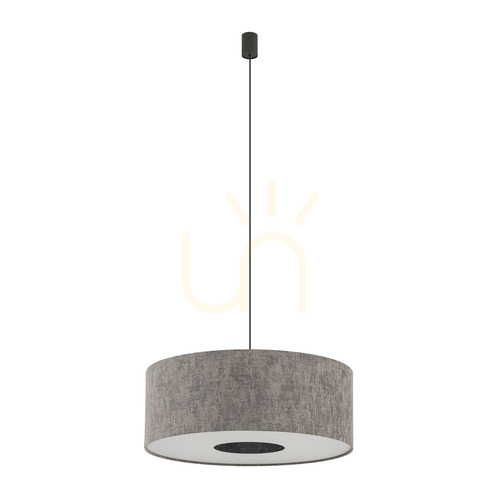
Pendant ceiling lamps hanging on either side of the bed, in place of traditional bedside lamps, are an increasingly fashionable option. Such ceiling lighting gives the bedroom a hotel-like feel, while freeing up space on the nightstands. In taller rooms, a small pendant ceiling lamp with a textile shade that softly diffuses the light will work well. In lower bedrooms, a low ceiling plafond will be better, which will not visually lower the ceiling, and at the same time will take care of comfortable vision in the evening and in the morning.
Kitchen and dining room - practical ceiling lighting
The kitchen is a place where the functionality of lighting is of great importance. Here it is important not only how the ceiling lamp looks, but especially whether it provides enough light on the work surface, at the cooktop and sink. In kitchens, a combination is often used: general ceiling lights and under-cabinet lighting. Above the kitchen island or table, a pendant ceiling lamp is ideal - single or in the form of several lampshades aligned in a line, which perfectly emphasizes the length of the countertop.
In the dining room, the focal point is the table. Here the pendant ceiling lamp should be selected not only for style, but also for the size of the countertop. A lamp that is too small will look disproportionate, and one that is too large can overwhelm the space. It is also worth ensuring that the height can be adjusted, so that the light does not glare into the eyes of those who are seated. In larger rooms, an interesting alternative is to hang two or three smaller ceiling lamps instead of one large one - such ceiling lighting looks very modern and allows to evenly illuminate the entire table area.
Bathroom and corridor - ceiling lighting for special tasks.
In the bathroom, the ceiling lamp must meet additional technical requirements. Due to moisture and the possibility of splashing, an adequate IP rating is particularly important. In areas exposed to water, special fixtures that are resistant to moisture are used. Ceiling plafonds with increased protection are ideal above a shower stall or adjacent to a bathtub. At the same time, it is worth ensuring that the ceiling lighting harmonizes with the lamps near the mirror, so that the whole will be not only safe, but also aesthetically pleasing and comfortable on a daily basis.
Corridors, dressing rooms and vestibules are the places where ceiling plafonds most often reign supreme. This is where compact size, good light output and reliability come into play. Ceiling lighting in these rooms does not have to be overly decorative, but when you choose an interesting ceiling plafond with an original texture or geometry, even a small hallway can gain a unique character. Well-designed ceiling lamps make the entrance to the house bright, welcoming and functional.
Light color, power and energy efficiency - technical aspects of choosing a ceiling lamp
In addition to aesthetics, when choosing a lamp, it is worth keeping in mind technical parameters. They determine whether the ceiling lighting will be pleasant to use on a daily basis. Key issues are light color, wattage and the type of sources used.
For rest rooms, the most common choice is a warm light color, conducive to relaxation. In the kitchen, bathroom and workplace, a neutral color will also work well, which reflects colors well and makes it easier to perform precise tasks. It is worth noting whether the ceiling lamp is suitable for replaceable bulbs or has an integrated LED. Both solutions have advantages - incandescent bulbs are easy to replace, while LED ceiling lights are extremely energy-efficient and often offer additional features such as color or brightness control.
In the context of energy bills, the choice of energy-efficient sources is actually a standard today. Modern ceiling lights allow you to combine a striking look with low power consumption. If you have multiple rooms and numerous ceiling lights in your home, the difference on your bill can be really noticeable. An additional step towards saving money are smart control systems - thanks to them, you can conveniently turn off ceiling lights in unused rooms or program lighting scenes for different times of the day, matching the rhythm of the household members.
Where to buy modern ceiling lights?
When looking for the perfect lighting, it is worth betting on a store that offers a wide selection of products and reliable technical descriptions. This makes it easier to choose a ceiling lamp for a particular interior, compare parameters and see what additional features a particular model has. Online stores allow you to conveniently filter ceiling lamps by color, style, material, number of light points or type of light source. This makes it easy to choose both a decorative chandelier and a simple plafond for the hallway or bathroom.
It is also worth noting the possibility of personalization. For some models, the customer can choose the color of the design, the type of fabric on the lampshade or the length of the suspension. As a result, the ceiling lamp better fits into an individual interior design. This is especially important in rooms where every detail matters - for example, in a representative living room, an elegant dining room or a bedroom refined in every detail.
Summary - how to consciously choose ceiling lighting?
When deciding on a purchase, it is worth remembering that a single ceiling lamp rarely solves all lighting needs. The key is a well-thought-out plan: analyzing the function of the room, matching the style of the fixture to the arrangement, choosing the right type of lamp(pendant ceiling lamp, ceiling plafond, spotlights, LED panel), and paying attention to technical parameters. Well-planned ceiling lighting will make your home not only beautiful, but most importantly comfortable for daily living.
Ceiling lamps are an investment for years. Thanks to the huge selection of models, it is easy to match them with a classic, modern, industrial or Scandinavian interior. Whether you choose a discreet ceiling plafond for your hallway or a striking lamp over your dining room table, remember that ceiling lights are meant not only to shine, but also to create a mood. Consciously selected ceiling lamps will become a complement to your arrangement and will make you eager to turn on the light every day, enjoying a pleasant, tailored space for your home.