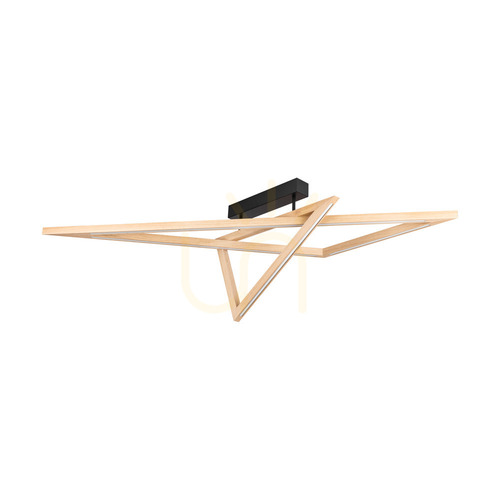
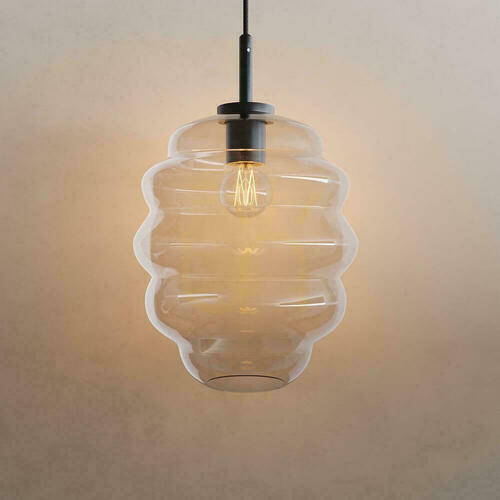
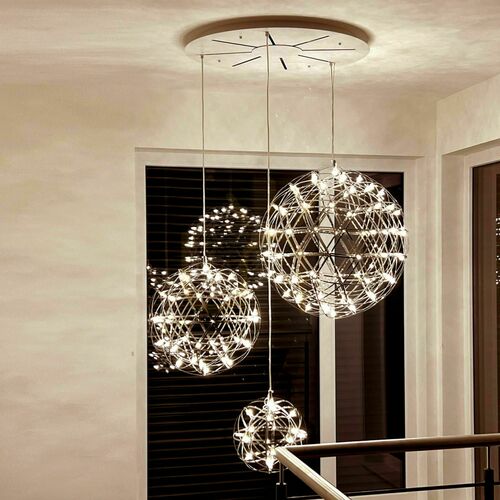
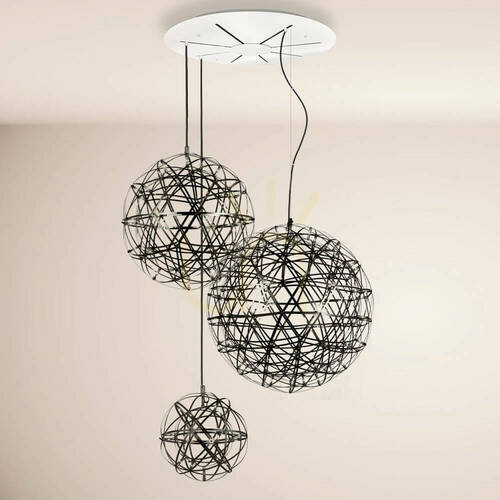
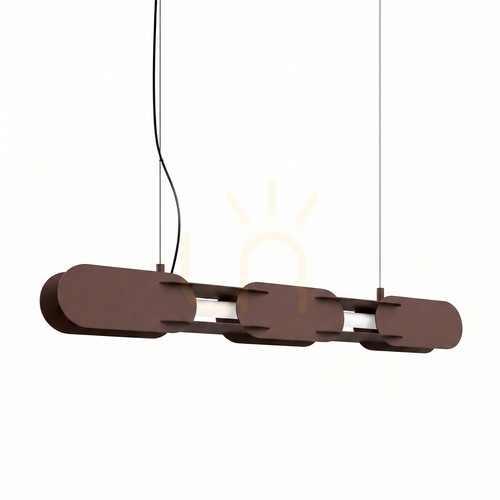
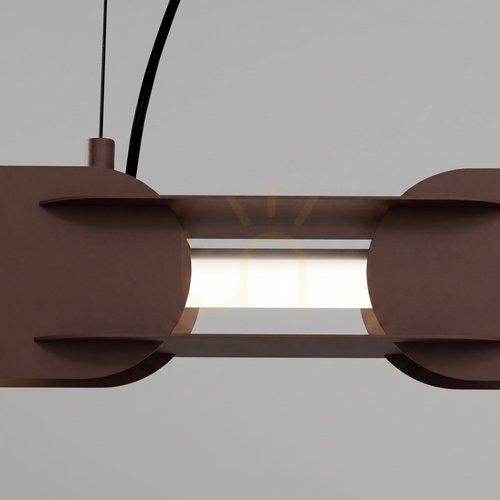
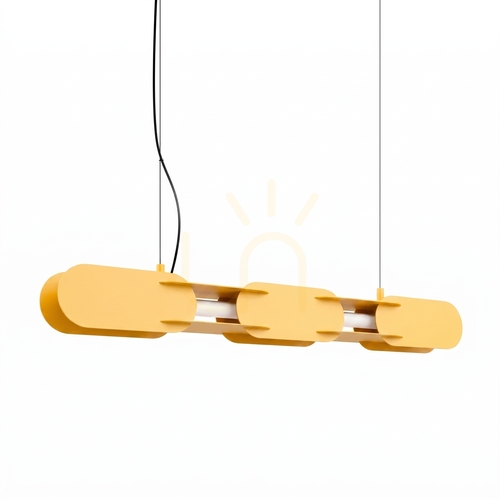
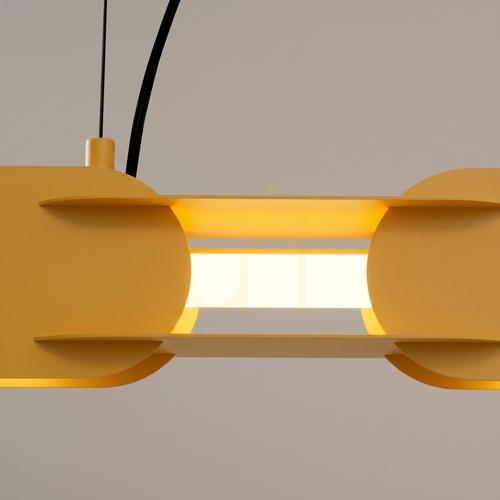
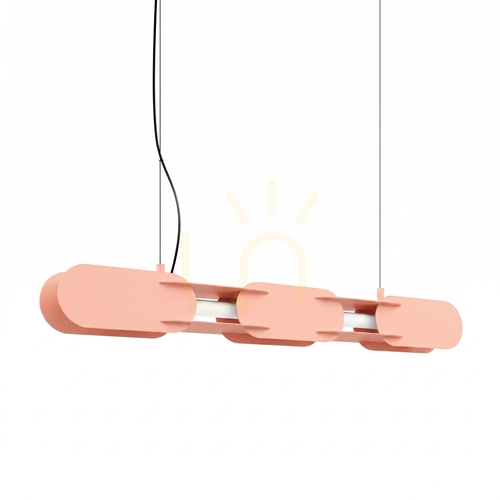
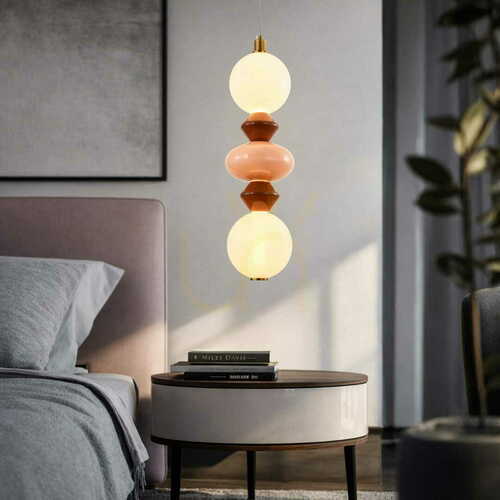
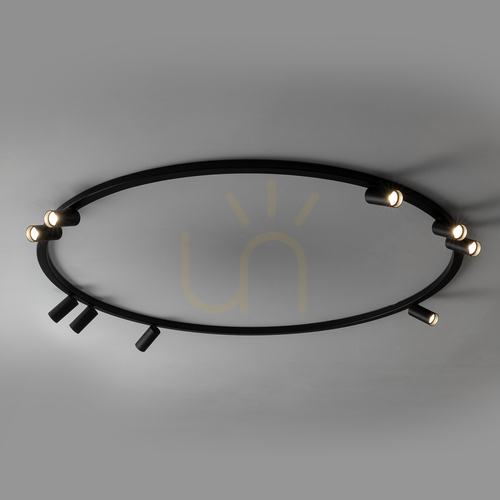
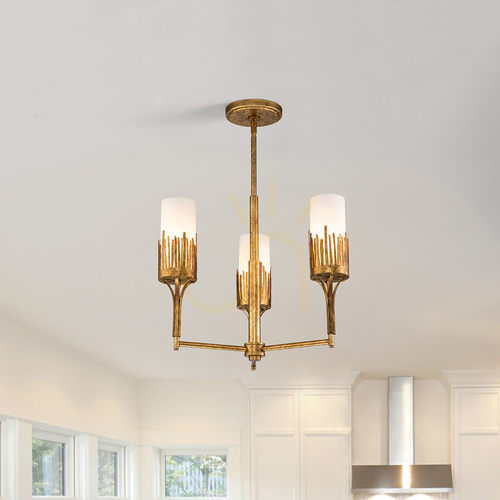
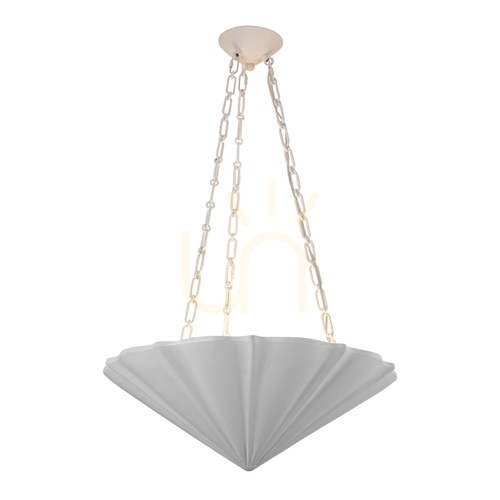
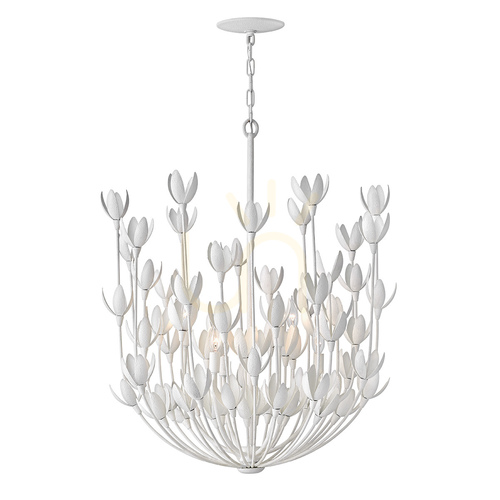
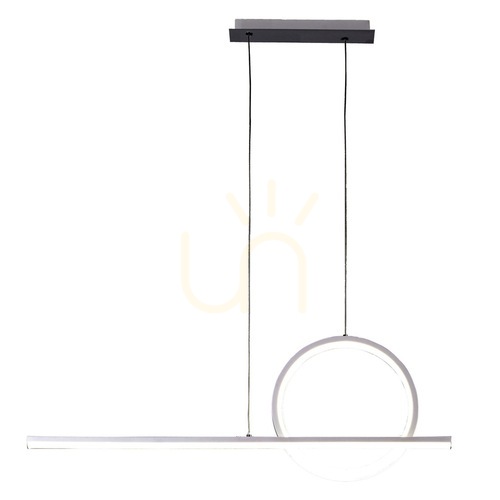
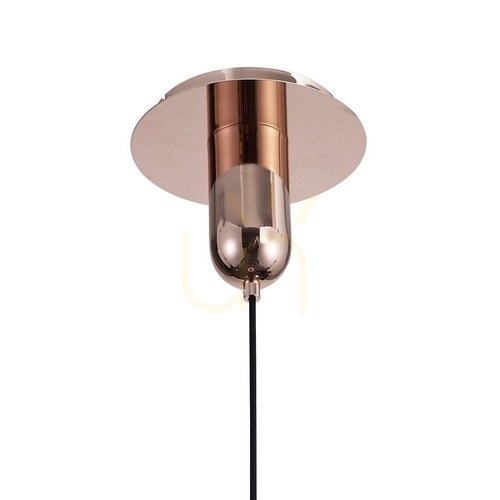
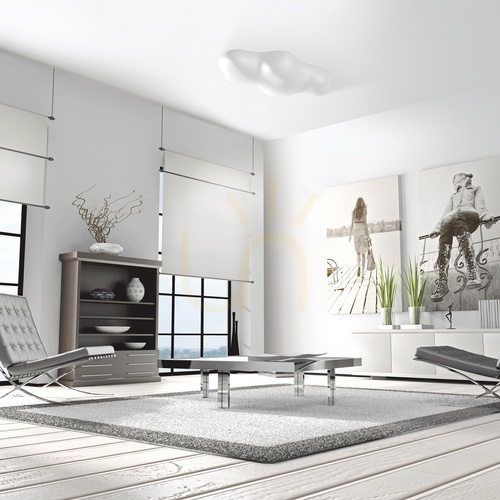
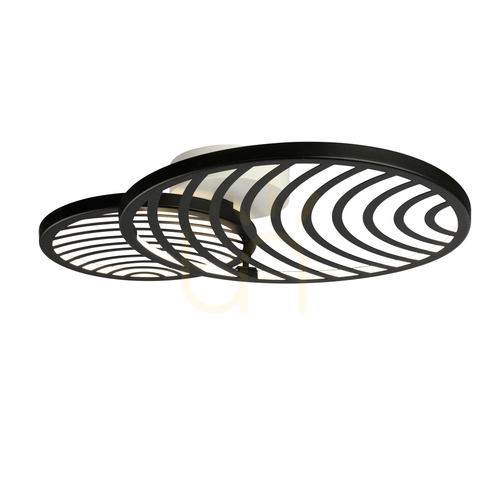
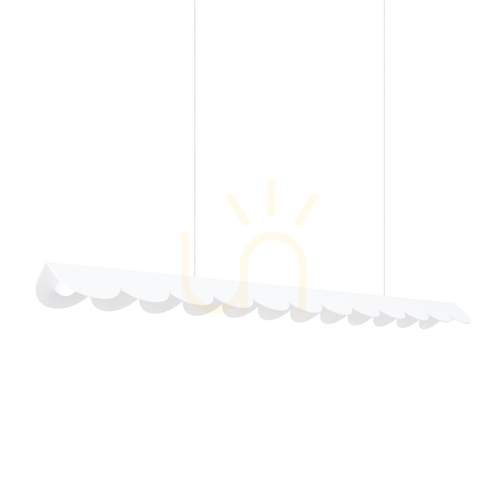
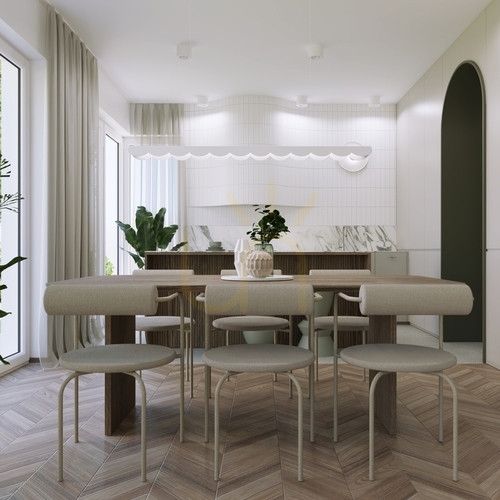
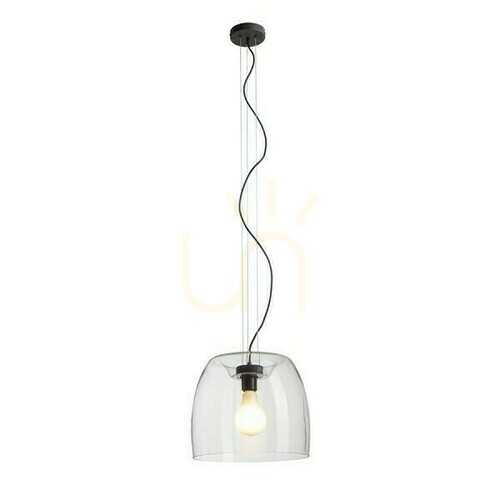
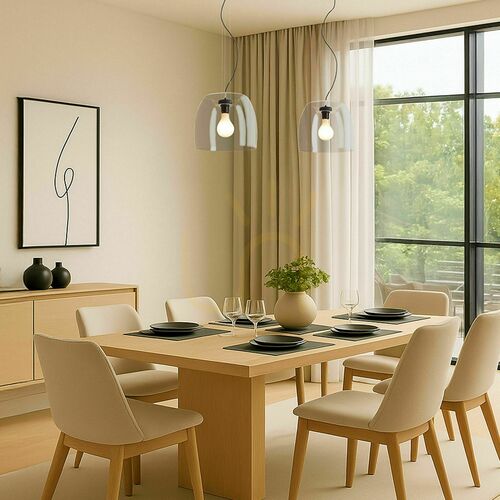
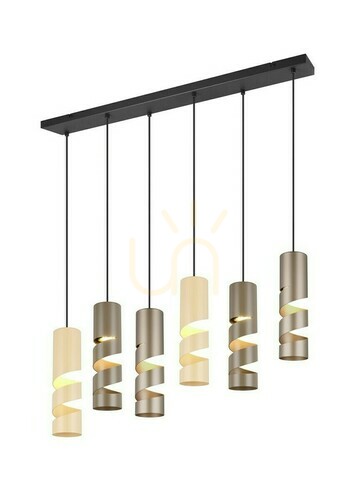
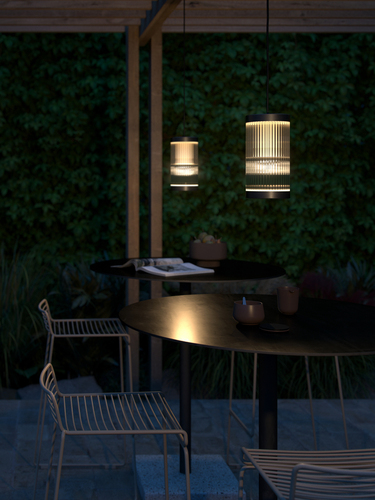
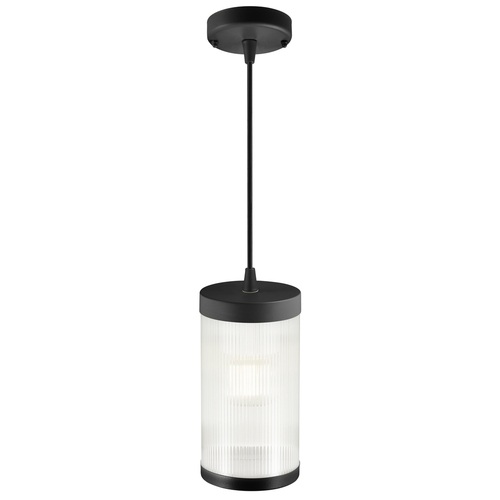
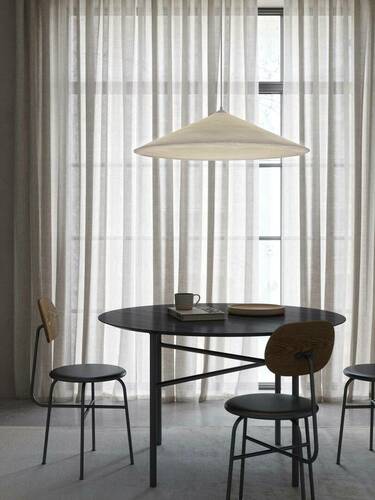
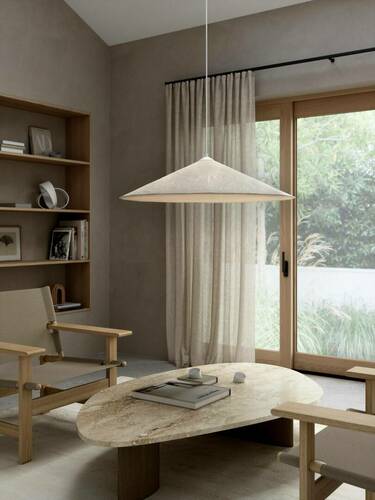
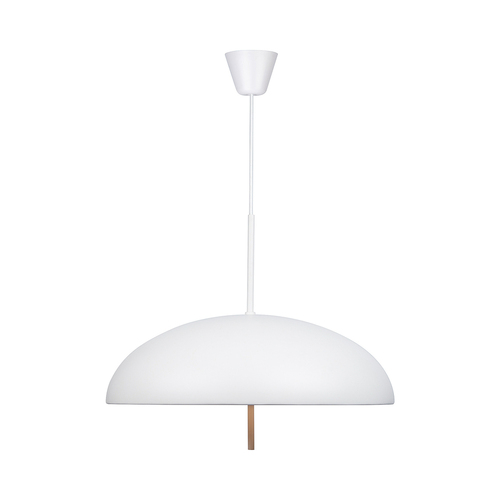
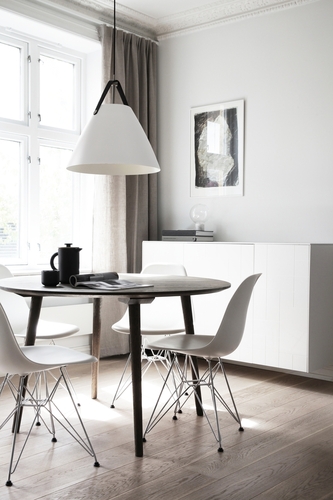
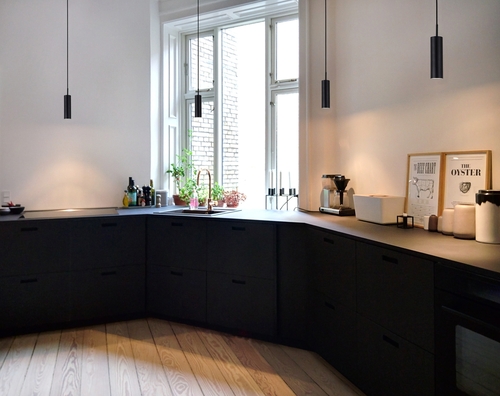
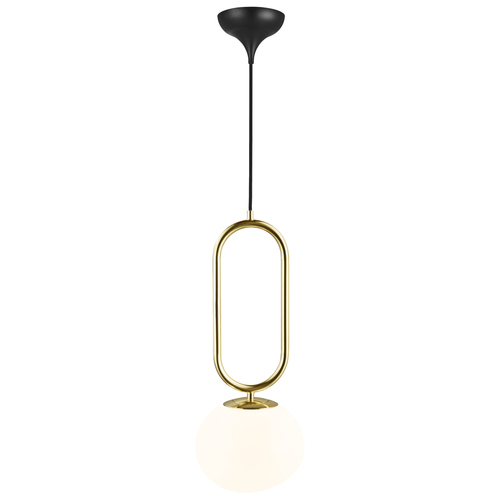
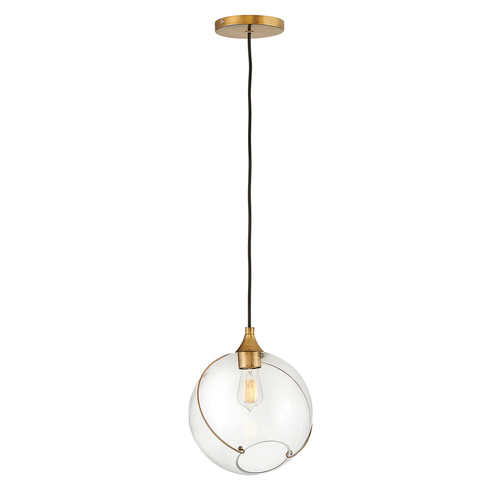
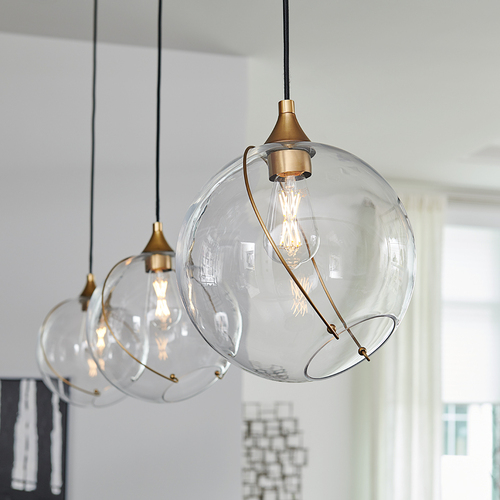
Design ceiling lights is a starting point rather than a product type. Everything that hangs from or sits on a ceiling lands in this category, and the four families inside it behave so differently that the useful question is not which one looks best in a photograph but which one your ceiling and your room can take. Get that decision right and the authorship question — whose drawing, which manufacturer, licensed or copied — becomes the easy part.
Four families, one ceiling
What each overhead type asks of the room
| Type |
Typical drop |
Ceiling it wants |
What it is for |
| Pendant, single |
Adjustable, commonly 30 to 150 cm |
2.5 m and above, or any height when it hangs over a table |
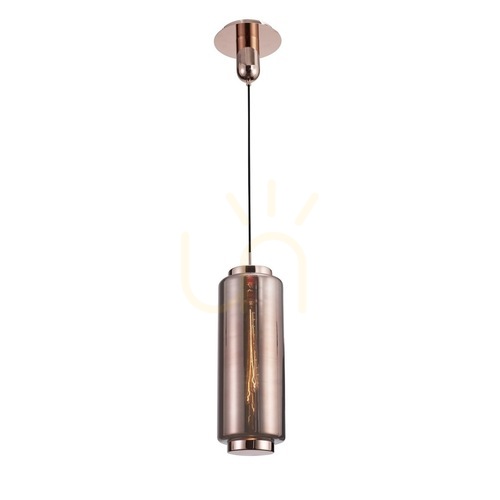
Aimed light on a defined surface: dining table, island, side table |
| Chandelier or multi-light |
40 to 120 cm, more in a stairwell |
2.7 m and above for the middle of a room |
The room's centrepiece, spreading light from several sources at once |
| Flush and semi-flush |
0 to 30 cm |
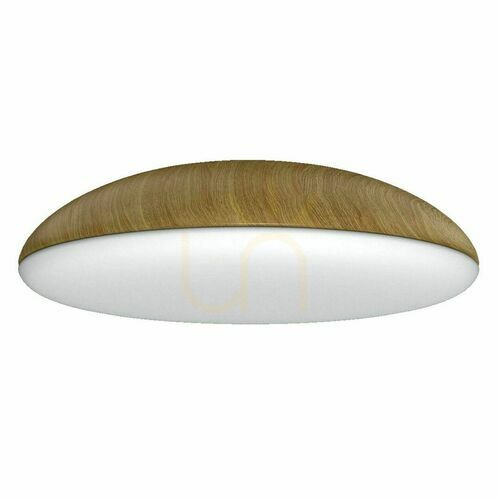
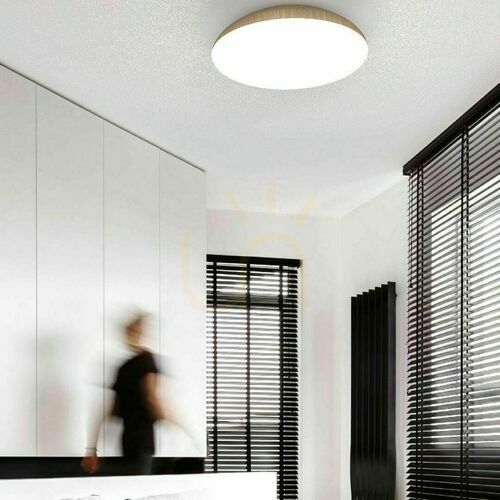
Any ceiling, and the only sane answer under 2.4 m |
Circulation and general light where heads pass underneath |
| Track and directional |
Surface-mounted, low profile |
Any ceiling |
Aiming light at walls, art and worktops rather than at the floor |
The ceiling-height decision
Measure the ceiling before anything else. The number changes the answer completely.
Under 2.4 m
Nothing hangs in a walking route. A flush or semi-flush fitting is not the compromise here, it is the correct specification, and a semi-flush that drops 15 to 25 cm reads far less like a builder's fitting than a flat disc. A pendant is still allowed directly over a table, because nobody walks there.
2.5 to 2.7 m
The common case in newer apartments. Pendants work, provided the bottom of the shade stays at least 2.1 m above the floor anywhere people move. Over a dining table you have the room to hang properly — around 70 to 90 cm between the tabletop and the bottom of the shade, nearer 75 cm at the lower ceiling.
2.8 m and above
Older buildings, and the height where a multi-light fitting stops looking oversized. A single small pendant on a long flex in a 3 m room looks stranded; either raise the shade diameter, hang three in a row, or choose a fitting with visible mass.
Stairwells and double-height spaces
Measure from the highest tread the fitting passes over, not from the floor below, and keep the lowest point at 2.1 m above that tread. Then ask how you will change a lamp, because that answer determines whether you can live with the fitting at all.
Sizing, in numbers you can check with a tape
-
Over a rectangular dining table: shade width roughly one third to one half of the table width. Wider than half and people at the ends sit outside the light.
-
Over a round table: about one third of the table diameter.
-
For the middle of a room: add the room's length and width in metres and read the result as centimetres of fitting diameter. A 4 by 5 m room takes something around 90 cm across. It is a rough guide, and it is far better than guessing from a photograph on a white background.
-
Over a kitchen island: 75 to 85 cm above the worktop, pendants 60 to 75 cm apart, and no closer than 30 cm to each end of the island.
Where the authorship actually lives
Overhead is where the twentieth century's lighting designers concentrated, because the ceiling is where the glare problem is worst. Poul Henningsen's multi-shade system, developed from the mid-1920s, exists so that a bulb hung at head height in a low Danish room never shows itself: the shades are set on a logarithmic spiral so every ray is reflected at least once before it reaches the table. Alvar Aalto's brass bell of 1937 does the same job with one stepped rim. Gino Sarfatti's cascade of exposed bulbs on thin brass arms, drawn in 1958, took the opposite position and made the bare source the whole point. The flush end of the category has far fewer named designs, simply because there is less to draw — which is worth knowing before you spend a long evening hunting for one.
Practical checks before you buy
-
Fixing. Confirm what the ceiling is. A plasterboard ceiling takes a light fitting on a bar or a proper cavity anchor, not on a plug meant for masonry, and a heavy multi-light fitting needs a joist or a bracket fixed to one.
-
Weight and the rose. Multi-light fittings are heavier than they look. The existing ceiling rose is a connection point, not a structural fixing.
-
Shortening. Rod-suspended fittings shorten by removing rods, in fixed increments; cable-suspended ones shorten anywhere. That difference decides whether the fitting can hang where you want it.
-
Lamp access. An upward-facing shade over a stairwell is a job with a tower, not a chair. Integrated LED modules avoid lamp changes but eventually need the whole fitting or a service part.
-
Source. E27, E14, G9 and GU10 on 230 V cover most of what is sold here. Where the bulb is visible, buy a frosted or long-filament lamp; a bare high-brightness lamp overhead is the fastest way to make a good fitting unpleasant.
Questions people ask
One central fitting, or several?
One fitting in the middle of a ceiling lights the floor and leaves the walls dark, which is why rooms lit that way feel smaller than they are. A centre fitting plus two lamps at the edges of the room, on separate switches, beats any single fitting at any price.
Can a pendant go over a sofa or a bed?
Yes, and it is one of the better uses of a small pendant — a pair at 130 to 150 cm above the floor beside a bed frees both bedside tables. Keep them out of the path you take when you sit up.
Does a low ceiling rule out a proper design piece?
No, it rules out a long drop. Look at flat and shallow-domed fittings and at wall lights, which cost you no headroom at all — see design wall lights.
Which type page should I go to next?
By fitting: design pendant lights for a single suspended shade, design chandeliers for multi-light centrepieces, and designer ceiling lights for flush and semi-flush mounts. If you are furnishing to a period instead of an author, ceiling lights art deco and mid century ceiling lights cover the same ceiling by decade.