An outdoor light is only as steady as the thing it stands on. Garden light mounts are the hidden parts that hold a bollard upright in the lawn, put a wall light round the corner of the house or let a post-top lantern sit on a pole it was not originally made for. This section gathers ground spikes, concrete anchors, mounting adapters, pole reducers, corner brackets and wall spacers for outdoor luminaires.
Types of mount
-
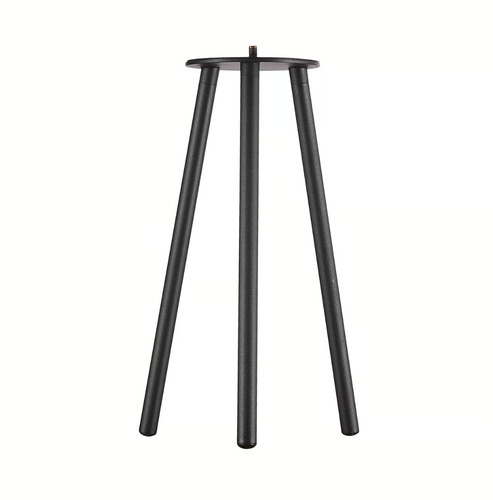
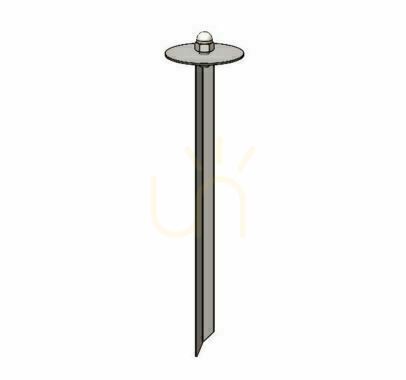
Ground spikes. A pointed stake, usually 30–45 cm long, that you push or tap into soil. For spotlights and small garden lamps that you may want to move as the planting grows.
-
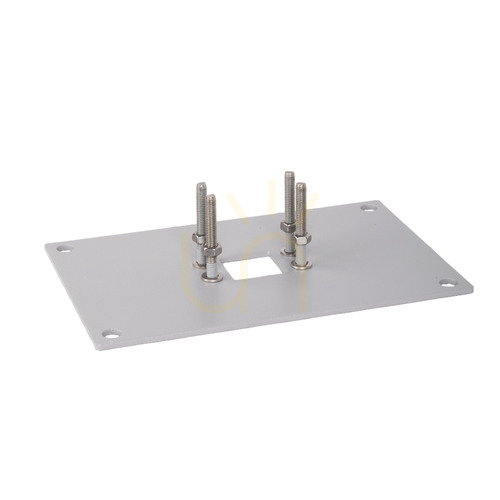
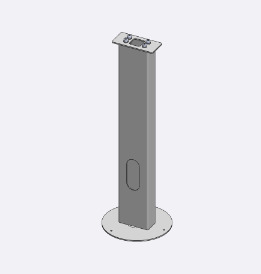
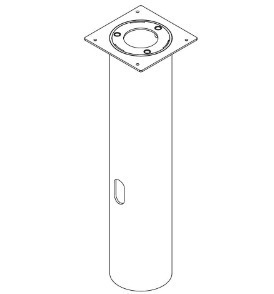
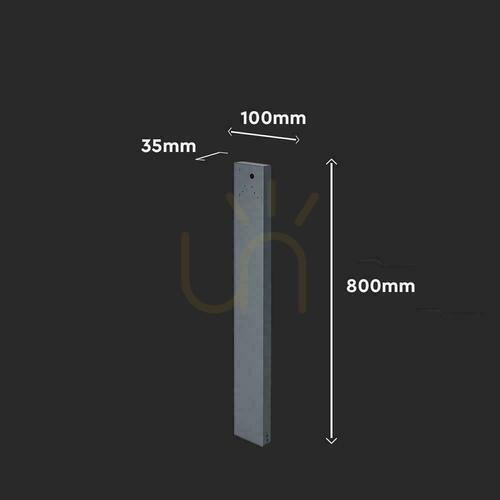
Ground and concrete anchors. A galvanised steel tube or frame with a plate at the top that is set into a concrete footing. The bollard or park light bolts onto the plate, so it stands firm for years and can be removed for maintenance.
-
Mounting adapters. Intermediate plates that match a particular bollard to a particular anchor or foundation.
-
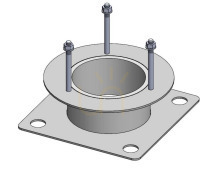
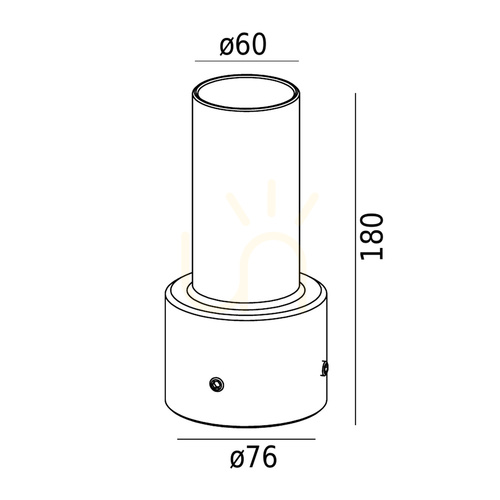
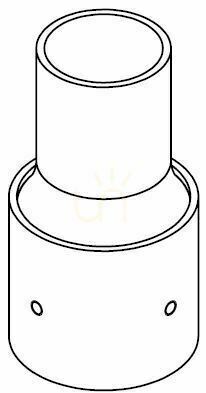
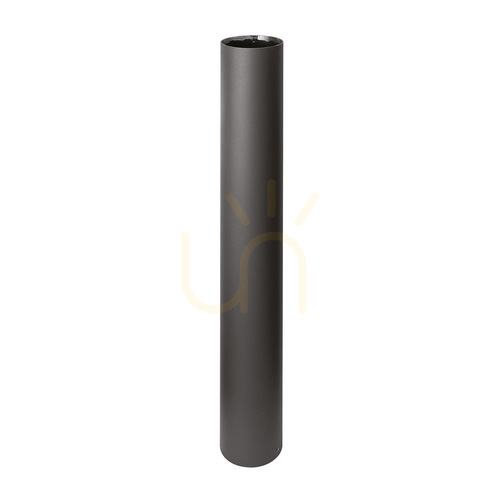
Pole adapters and reducers. Sleeves that let a post-top luminaire made for one pole diameter, often Ø 60 mm, sit on a wider pole such as Ø 76 mm, or clamps that fix a lamp to the side of a pole.
-
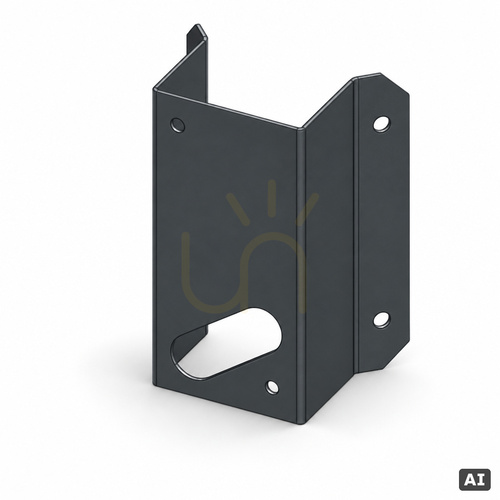
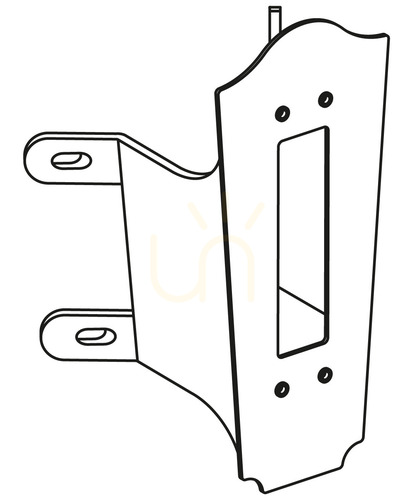
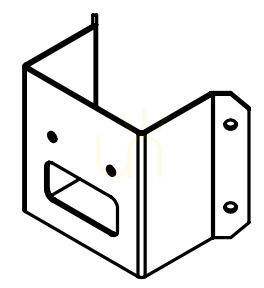
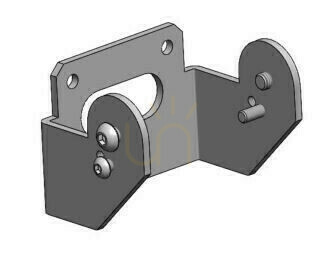
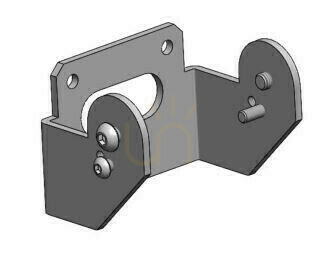
Corner brackets and wall spacers. Brackets for an external corner of a building, plates that cover an uneven wall, and spacers that hold a wall light away from cladding or a gutter.
How to choose a mount
| Situation |
Usual solution |
| Spotlight or small lamp in a flower bed |
Ground spike |
| Bollard or path light along a drive or paving |
Concrete or ground anchor set in a footing |
| Lamp post or park light |
Anchor plus the adapter specified for that luminaire |
| Post-top lantern on an existing pole |
Pole adapter or reducer matched to both diameters |
| Wall light on a corner of the house |
Corner bracket |
Mounts are often made for named luminaire families, and the fixing plate, bolt spacing and tube diameter are designed around them. Check the compatibility list on the mount’s product page against the model of your lamp, and for pole adapters check both diameters: the spigot the lamp slides onto and the pole underneath. Finishes are usually given as RAL colours, such as black 9005, graphite 7016 or silver-grey 9006, so you can match the lamp exactly; hot-dip galvanised parts stay bare metal.
Installing a ground anchor
Before digging, check for buried pipes and cables. A typical footing for a bollard is a hole about 40 cm deep and 30–40 cm across, filled with concrete around the anchor so its top plate sits level with the finished paving or turf. Loose or sandy soil calls for a larger footing. The supply cable usually runs to the anchor in a protective duct, buried around 50 cm deep and led into the anchor. Let the concrete cure before bolting the lamp on. Any mains connection outdoors must be made by a qualified electrician using cable rated for burial.
Care and durability
Hot-dip galvanised steel is coated in zinc inside and out, which is why it suits parts that sit in wet soil or concrete. Powder-coated brackets need only a wipe; touch up any chip in the paint before winter so rust does not creep under the coating. Every spring, check that spikes have not tilted after frost and that bolts on anchors and pole adapters are still tight.
Frequently asked questions
How deep should a bollard foundation be?
For a garden bollard, around 40 cm is common, but follow the depth given in the anchor’s instructions: tall park lights and posts need deeper footings, often with a quarter to a third of the pole in the ground.
Ground spike or concrete anchor?
A spike is quick and movable but can lean in soft soil. A concrete anchor takes more work once and then holds the light firmly, which matters for anything that people might brush against.
Why would I need a corner bracket?
To place a wall light on the external corner of a building, where it can light two sides at once, for example a drive and a side path.
Choose the light itself among bollard lights and outdoor wall lights.