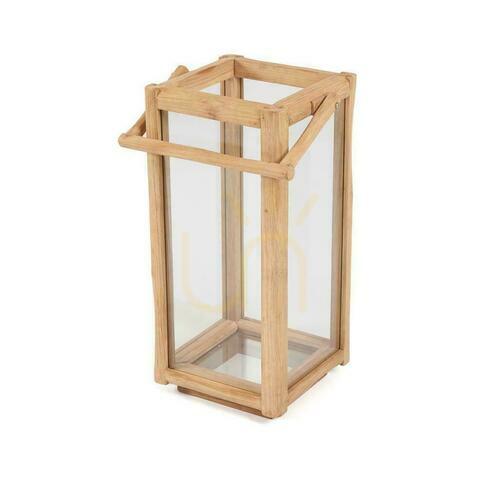
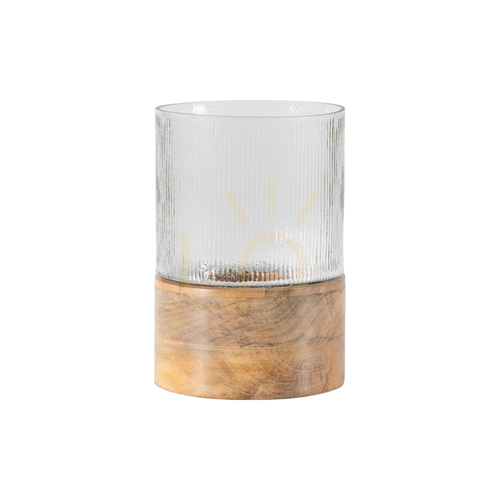
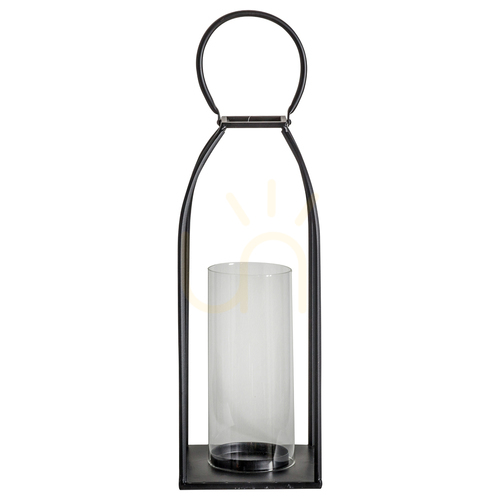
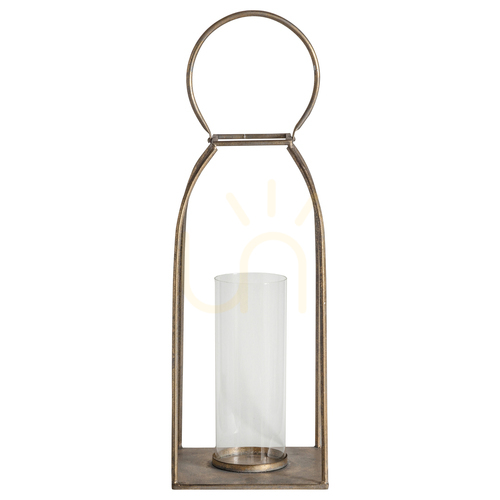
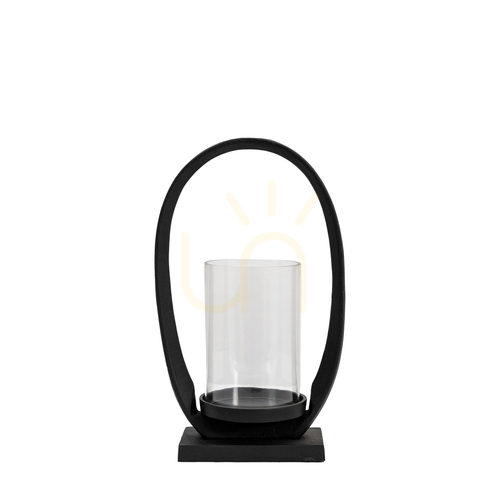
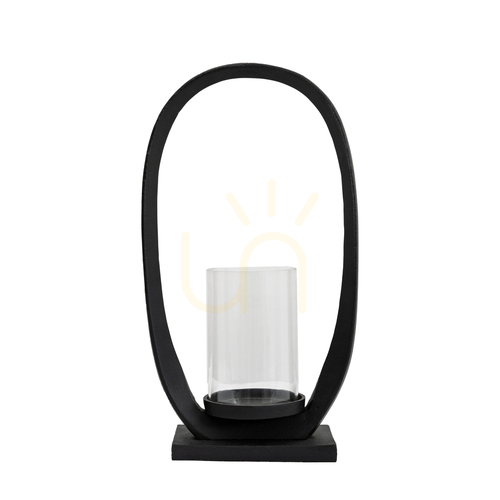
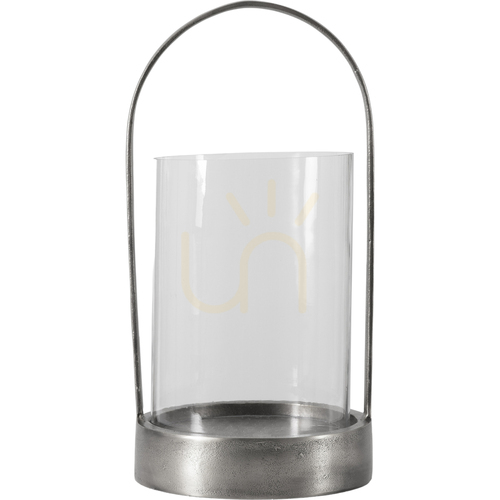
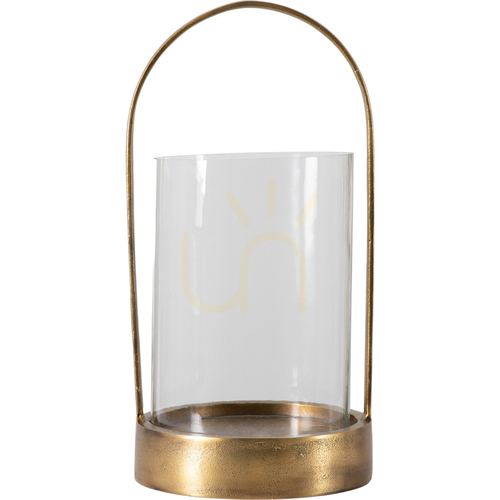
Decorative lanterns frame candlelight or an electrical imitation of a flame in glass, metal, wood or woven material. They create a small, atmospheric feature on a table, shelf, floor or patio. Start with the light source you want to use, then check the usable space inside the lantern, its stability and how easily you can reach the controls or candle.
A traditional lantern with a handle and glass panels is only one version of the idea. Open hurricane candle holders use a glass cylinder, sometimes supported by a simple frame. Both differ from a permanently installed garden lamp: their main role is decorative, and they should not automatically be relied on to light steps or a path.
Choose the candle before choosing the lantern
A tealight, pillar candle and LED candle need different amounts of room. Compare the lantern's internal base, available height and opening, rather than relying on the overall width. A large outer frame can still have a narrow door. The light source should be easy to put in and take out without forcing the glass or tilting the frame against it.
For a real flame, the lantern must be designed for that use. Follow the requirements for both the candle and the holder, including ventilation and clearance above and around the flame. A glass enclosure may reduce air movement near the wick, but it does not remove heat or make a burning candle suitable for unattended use.
An LED candle gives a candle-like effect without an open flame. Size and access still matter: a switch underneath a small candle can be awkward at the bottom of a tall cylinder. Check its permitted environment too. Putting an indoor LED candle inside a decorative lantern does not automatically make the combination suitable for rain.
Hurricane lanterns, glazed frames and woven designs
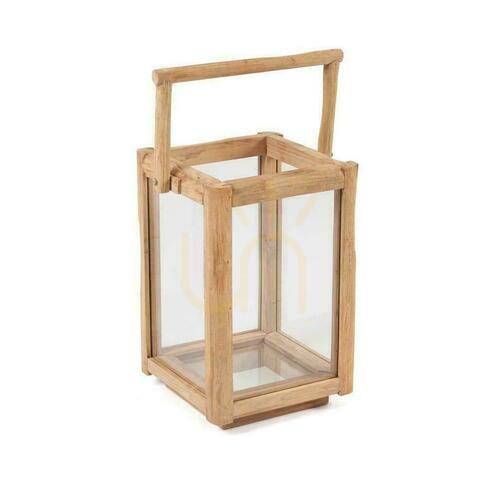
Glazed lanterns with a door
A framed lantern gives the light a defined outline. A door can make everyday use and cleaning easier, provided it opens wide enough. Look at the latch, hinges and the way the glass is secured. If the handle folds, check its position when raised as well as lowered; this changes the overall height and the space needed above the lantern.
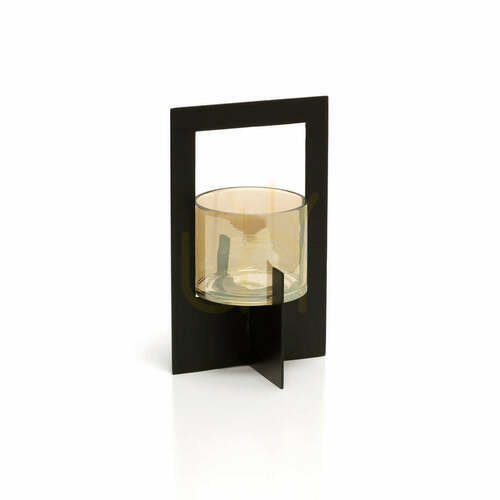
Open glass hurricane candle holders
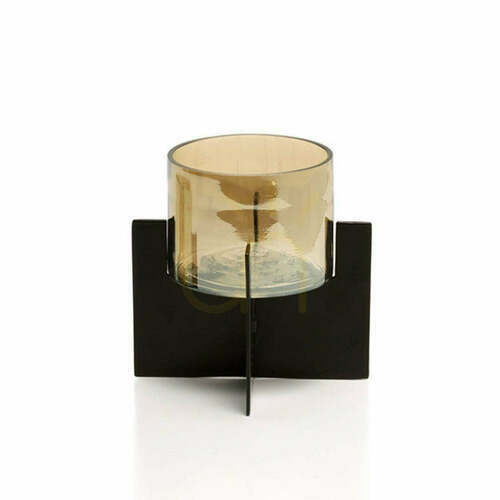
A hurricane surrounds the candle with a glass sleeve or cylinder while leaving the top open. It keeps the source visible and adds reflections, with a base that may be made from wood or metal. Check how the glass sits on its support. A part that appears removable in a photograph should only be lifted out if the product is designed for that handling.
Bamboo, wood and woven lanterns
Natural materials add texture even with the light switched off. Open weaving can cast patterns, while denser construction partly conceals the source. The appearance does not establish whether a real candle is allowed. Some decorative designs need an electrical light only; others use a particular inner holder. Follow the complete product's instructions.
Portable electric lanterns
A lantern with its own LED source is a complete electrical product rather than an empty holder. Compare its power supply, switch position and any brightness controls. Battery, rechargeable and mains-powered designs have different practical requirements. Check the supplied lead or plug as well as the intended location for use and charging.
Materials: what changes in everyday use?
| Material or construction |
Visual effect |
Practical detail to check |
| Clear glass |
An open view of the candle and its reflections |
Support, edges and access for cleaning |
| Metal and glass |
A defined frame, from simple to traditional |
Glazing fixings, door movement and surface care |
| Wood and glass |
Natural texture and a visible structural outline |
Permitted location and treatment of the wood |
| Bamboo or woven material |
Texture and patterned shadows |
The approved light source and protection from moisture |
| Glass cylinder in a frame |
A light outline around a visible central candle |
How the cylinder is seated and whether removal is intended |
Metal does not provide a blanket guarantee of all-weather use. The material, coating, joints and care instructions all make a difference. A wooden lantern can work as a decorative feature during an evening on a suitable patio and still need dry storage afterwards. Assess the finished item rather than assuming that all products made from one material behave alike.
A weathered finish or deliberate patina is a visual treatment, not an instruction to ignore future changes. Polished surfaces also need suitable cleaning. Check the guidance before using abrasive products or treating a coating, especially where metal meets glass or wood.
Match the size to the surface and the view
Measure the intended footprint with a piece of paper on the table, sill or floor. Check the full height, including the handle where relevant, and the room needed to open the door. A lantern should be practical to use in its chosen position, without repeatedly moving nearby objects.
On a dining table, look at the height from a seated position. Leave a clear view between people and enough usable space for plates and serving dishes. On a window sill, the whole base needs support and the window should remain usable. Beside a cabinet, account for drawers and doors opening into the space.
| Location |
Most useful check |
What to avoid |
| Dining table |
Height and remaining table space |
A frame that blocks conversation or serving |
| Window sill |
Base depth and window movement |
A base partly hanging over the edge |
| Shelf |
Access from above or through a door |
A position where the light source cannot be reached comfortably |
| Floor beside furniture |
Stability and the normal walking route |
A protruding handle or base in the path |
| Patio |
Approved conditions and a suitable surface |
Assuming that glass panels make every lantern weatherproof |
Decorative candle lanterns indoors
A lantern can define a quieter corner of a living room or add a small feature to a hallway. Its light is usually intended for atmosphere, rather than the controlled illumination needed for reading or work. The frame and candle remain visible during the day, so choose a finish that sits comfortably alongside the surrounding furniture.
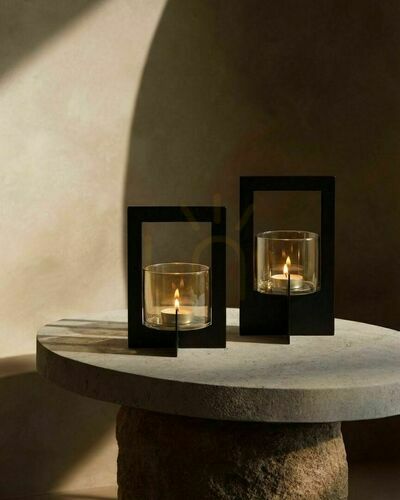
A black frame creates a clearer outline against a pale background. Natural wood adds its own surface detail, while reflective metals pick up highlights. Tinted glass can change the perceived colour of a candle or LED imitation. Consider the complete effect rather than choosing only the colour of the outer frame.
For a real candle, the location must meet the required clearances from curtains, furniture and other objects. Do not assume a shelf is suitable simply because the lantern physically fits under it. The heat and ventilation requirements of the permitted light source still apply.
Patio lanterns and outdoor placement
Outdoor use brings moisture, wind and changing temperatures. Check that the lantern and its light source are intended for the planned conditions. An overhang may offer some shelter, but it does not turn a product restricted to indoor use into an outdoor one. Read any instructions about bringing the lantern in after use or protecting its finish.
Glass panels may shield part of the light source from moving air, but they do not establish stability in every wind. Use the manufacturer's intended support or fixing method. Adding unrelated weight can alter ventilation or the way the glass rests, so an improvised arrangement should not be treated as equivalent to a designed fixing.
For an electric lantern, check the complete setup. IP20 offers no protection against water; IP44 does not mean the item can be immersed. An adaptor or charging connection may have different requirements from the lamp body. If you insert a separate LED candle, its own outdoor approval needs to be checked independently.
Build a group without crowding the light
Different heights can make an arrangement feel less rigid than a line of identical objects. Repeat one feature, such as a dark frame, natural texture or a similar candle colour, to keep the group connected. There is no need to fill every gap. A clear background helps each outline remain visible after dark.
Each lantern needs a stable position of its own. Do not lean one against another or place them so closely that a door or handle strikes the next frame. Leave room to operate every light source. If the interior is used for a decorative arrangement, any filling must suit the light source and the product's intended use.
Twigs, paper and fabric should not be placed near an open flame just because a styled photograph suggests the idea. An arrangement based on an approved electrical light can be different, but it still needs space for controls and must not conflict with the device's instructions.
LED candles, timers and access to the switch
LED candles can use a gently changing light or a moving piece that resembles a flame. The effect may be very clear through transparent glass and less apparent behind a textured or tinted sleeve. Think about viewing distance as well as the colour of the candle body. The point is a suitable atmosphere, not simply choosing the most noticeable effect.
A timer or compatible remote can be helpful in a tall hurricane holder. Check how a timer cycle starts, whether it repeats and what happens after a battery change. Remote controls are not universally interchangeable. If you already use a remote with another candle, do not assume it will operate the new one.
Handles, hanging and moving a lantern
A handle can be intended for carrying, hanging or appearance alone. Verify its stated role before suspending the lantern. The fixing point and surrounding space must suit the weight and the way the lantern will be used. A photograph of a similar shape hanging from a hook does not confirm that every handle is designed to carry the load.
Extinguish a real candle and allow the lantern to cool as directed before moving it. Glass, metal and the handle can become hot. With an electrical design, check for a connected lead before lifting so that the connector is not pulled or caught. Practical handling details deserve as much attention as the overall decorative style.
Cleaning glass and caring for the frame
Switch off, disconnect where necessary and allow the parts to cool. Remove the light source or glass only if the construction permits it. Avoid sudden temperature changes to glass. Follow an appropriate method for wax removal rather than scraping the base or panels with a tool that could damage them.
Fingerprints and a film on clear glass often become more visible once a light is on. Gentle regular cleaning helps keep the original appearance. Woven material, coated metal and wood need different treatment from a glass panel. Do not soak the whole frame unless that method is expressly suitable, and keep liquid away from electrical openings and battery compartments.
Storage between uses
Store the lantern clean and dry, protecting glass from contact with the frame or other objects. A folding handle should not press against a delicate panel. Keep electrical inserts and their appropriate charging accessories together and clearly identified. Remove batteries for a long break if the instructions advise it.
Before using the lantern again, check the base, hinges, glass fixings and any wiring. Moving it from an indoor setting to a patio calls for another check of the permitted conditions. Successful use in a dry room does not establish suitability for permanent outdoor exposure.
Questions about decorative lanterns
What is the difference between a lantern and a candle holder?
A lantern normally frames or partly encloses the light, often with glass. A simple holder may only support a candle. Look at the actual construction and approved use rather than relying on the name.
Can every decorative lantern hold a real candle?
No. Some are designed only for electrical lighting. A real flame requires a suitable construction, clearances and ventilation in accordance with the instructions.
Does glass make a lantern safe in any wind?
No. It may reduce air movement near the candle, but it does not guarantee the stability of the lantern or suitability for all outdoor conditions.
How do I check whether a pillar candle will fit?
Measure the usable inner base, internal height and the opening used to insert it. The lantern's outside dimensions do not establish the permitted candle size.
Can a metal lantern stay outside all year?
Only if the particular product is intended for that use. Materials, coatings and joints have different care requirements, so metal alone is not a weatherproofing promise.
Does a handle mean a lantern can be hung up?
Not necessarily. Check the handle's intended function and use a suitable fixing point. The lighting conditions and required clearances must still be met.
What can I use where there is no socket nearby?
A suitable LED candle or a lantern designed for battery or rechargeable use. Match its size, controls and intended environment to the lantern and location.
Can a lantern replace a garden path light?
Its purpose is generally decorative. Provide any necessary lighting for safe movement on paths and steps with products designed for that function.
Choose a lantern with room for its intended light and a position that makes daily use simple. For a candle-like effect without an open flame, compare LED candles by size and control options.