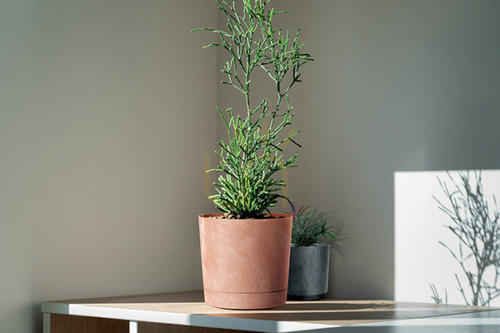
Medium plant pots are the workhorses of a home: big enough for a healthy monstera, peace lily or rosemary bush, small enough to move around a room or a balcony when the light changes. As a rough guide, “medium” means a pot about 20–30 cm across and similar in height, holding somewhere between 5 and 20 litres of compost.
Materials and what they mean for your plants
The material decides how much a pot weighs, how fast the compost dries out and whether it can stay outside over winter.
-
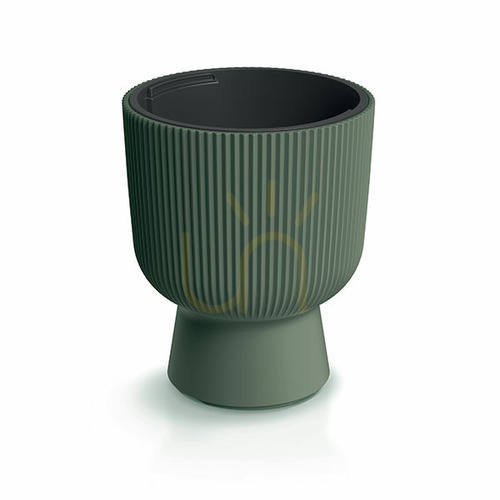
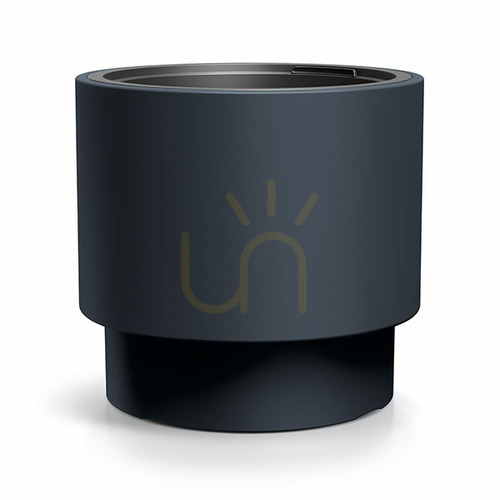
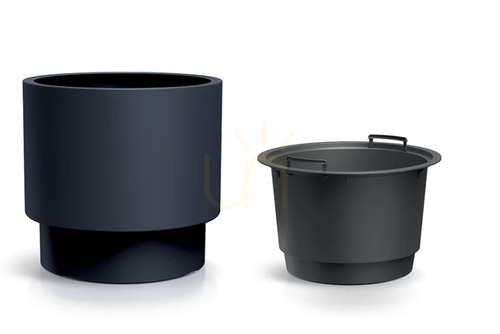
Plastic. Light, easy to clean and slow to dry out. Good outdoor versions are UV-stabilised and frost-proof, and concrete-effect finishes give the look of stone at a fraction of the weight.
-
Concrete. Heavy and stable, so tall plants do not tip over. It suits modern and industrial rooms and soaks up a little moisture.
-
Stoneware and terracotta. Glazed stoneware holds water well and comes in deep colours; unglazed terracotta breathes and dries quickly, which cacti and Mediterranean herbs love. Some come with wooden stands that lift the plant off the floor.
-
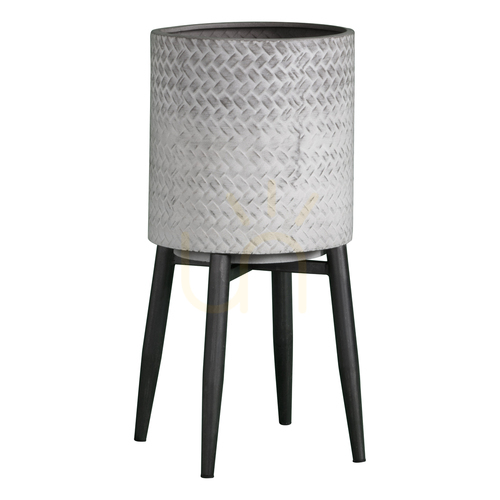
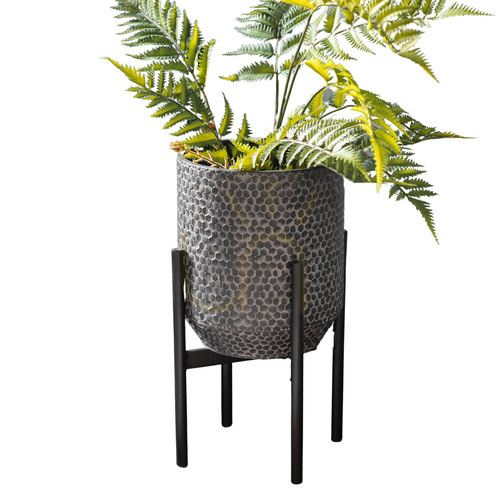
Metal. Slim walls and a crisp outline. Often used as an outer cover, with the plant left in its plastic nursery pot inside.
-
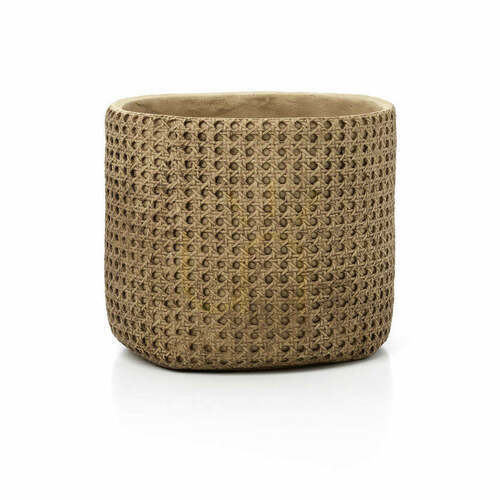
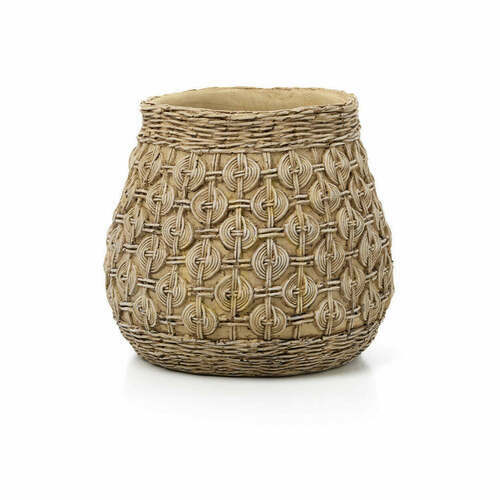
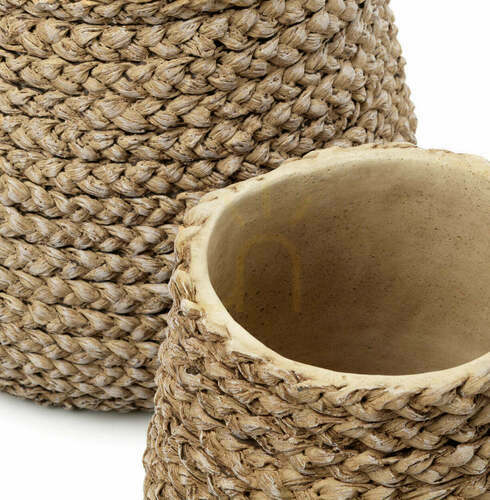
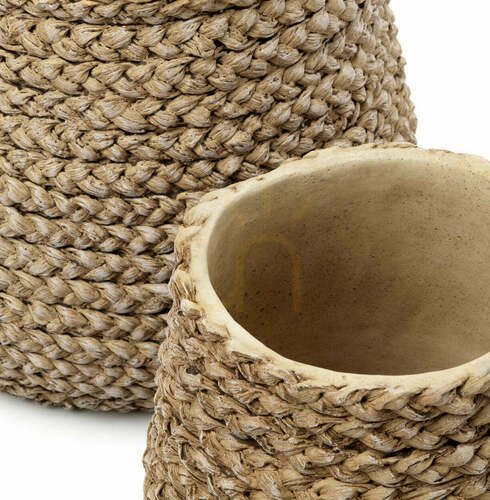
Woven and braided looks. Natural, textured surfaces that soften a corner and suit boho, coastal and Scandinavian rooms.
-
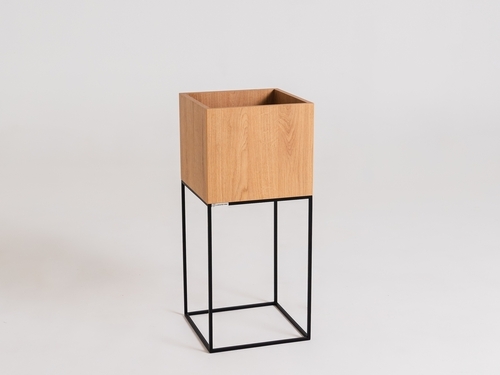
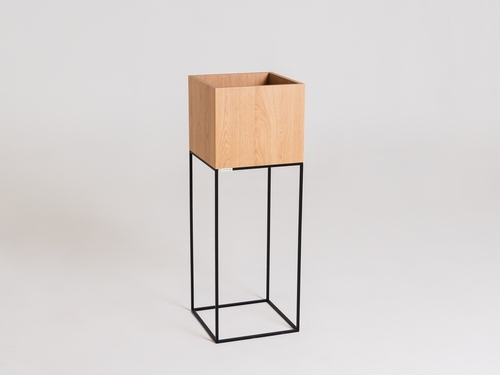
Planter covers. Tall columns with an oak-effect board in a metal frame that hide a plain pot. No soil goes into them, which protects the board from damp.
Choosing the right size
Measure the root ball, not the leaves. The new pot should be 2–4 cm wider than the plant’s current pot; much bigger and the extra compost stays wet, which invites root rot.
| Top diameter |
Rough volume |
Suits |
| 20 cm |
about 5–6 litres |
Pothos, snake plants, herbs, small ferns |
| 25 cm |
about 10–12 litres |
Peace lilies, calatheas, young fiddle-leaf figs |
| 30 cm |
about 18–20 litres |
Monstera, rubber plants, small olive or citrus trees, balcony flowers |
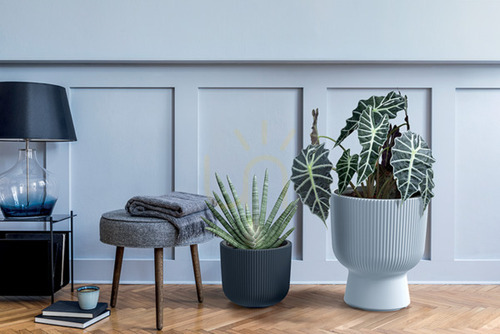
Height matters as much as width. Deep pots suit plants with long roots and look right under tall foliage, while low, wide bowls suit succulents and trailing plants.
Indoors, outdoors and placement
Check the product description for “frost-proof” before leaving a pot out over winter. Terracotta and many ceramics can crack when wet compost freezes inside them. Indoors, a pot without a drainage hole works as a decorative outer pot: keep the plant in a plastic liner pot, and tip out any water left in the bottom after watering. Group two or three pots of different heights for a fuller look on a windowsill or patio.
Care and common mistakes
A drainage hole matters more than a layer of gravel: crocks or pebbles at the bottom do not stop the compost staying wet, so empty the saucer after watering. Wipe pots with a damp cloth, and scrub outdoor ones with mild soapy water at the end of the season. The most common mistakes are overpotting, forgetting a saucer under a pot with a drainage hole, and watering straight into a decorative cover that has no outlet.
Frequently asked questions
What size is a medium plant pot?
Shops differ, but most treat 20–40 cm in height and width as medium, with 20–30 cm across the top being the most common size for houseplants.
Do medium pots need a drainage hole?
The pot the plant grows in should have one. If the outer pot has none, use it as a cover with a liner pot inside.
Can plant pots stay outside in winter?
Only those described as frost-proof. Plastic and concrete usually cope; unglazed clay is the most likely to crack.
What is a plant pot cover?
A decorative outer container with no soil in it. The plant stays in its own pot inside, so you can lift it out to water and drain it.
For other sizes, see small flower pots and large flower pots.