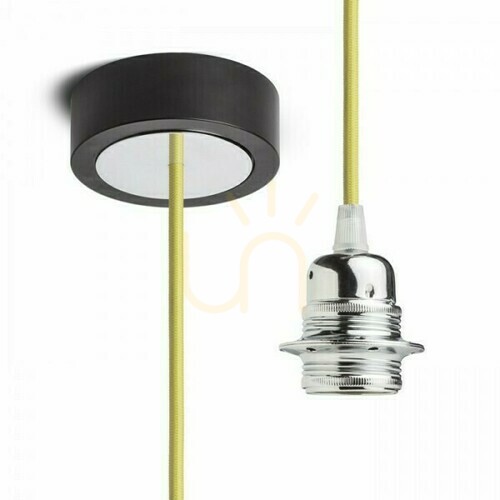
A lampshade on its own is only half a lamp. To light it you need the other half: a pendant set to hang it from the ceiling, a table or floor base to stand it on, or a canopy that brings several shades together over a dining table. This section gathers those lampshade fittings, so you can pair a shade you love with exactly the cable, finish and height your room needs.
What you will find here
-
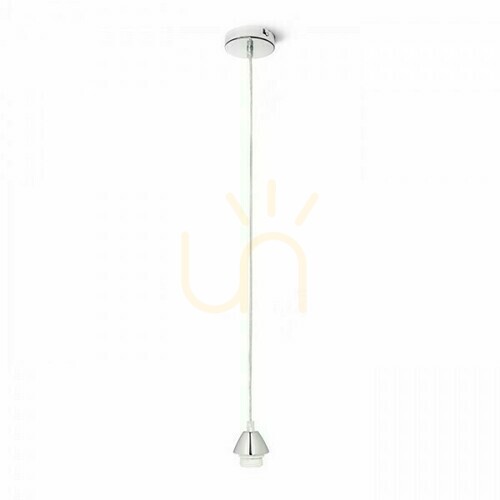
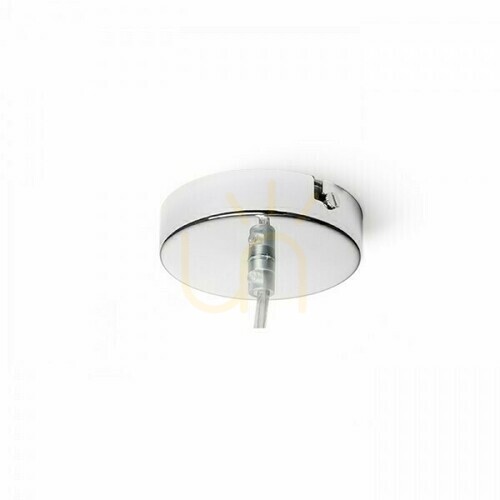
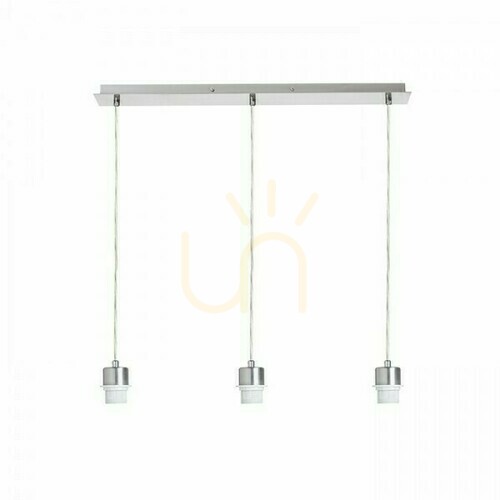
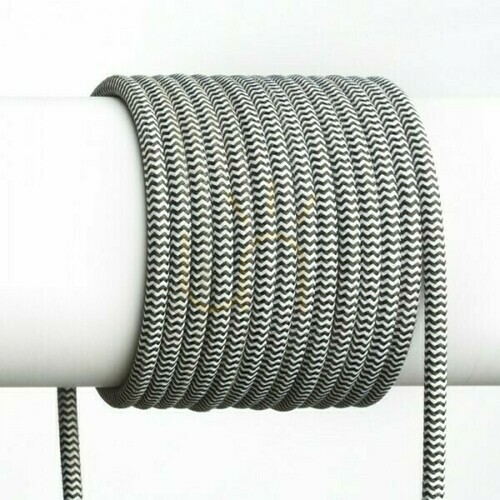
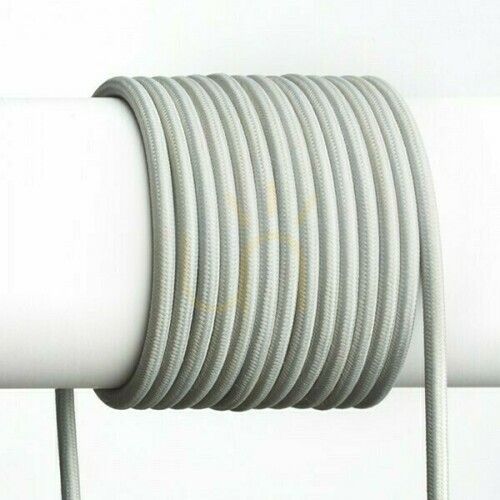
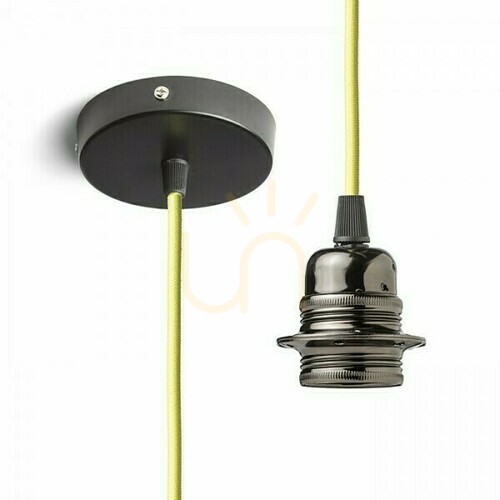
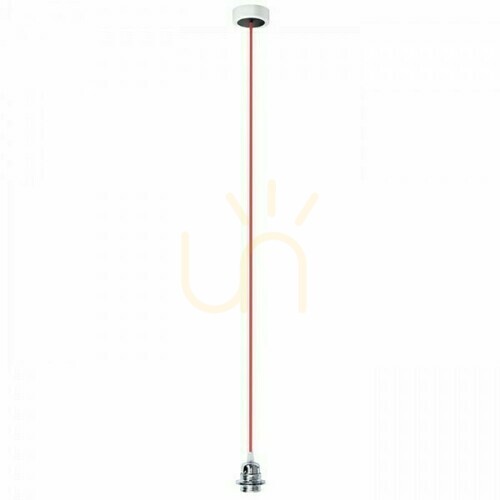
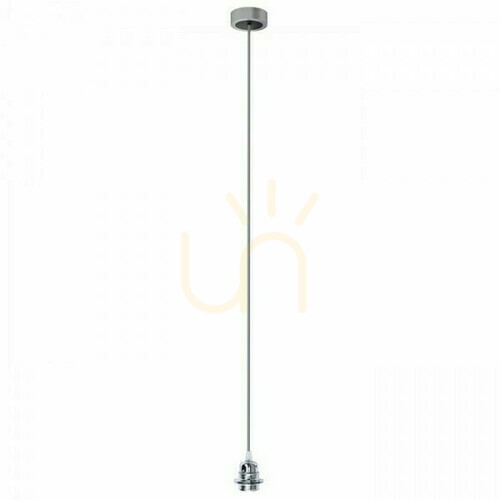
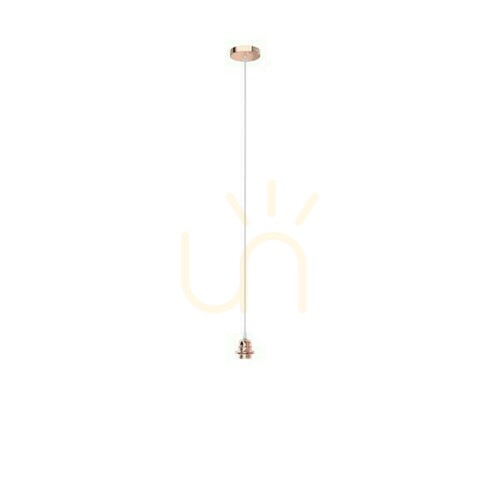
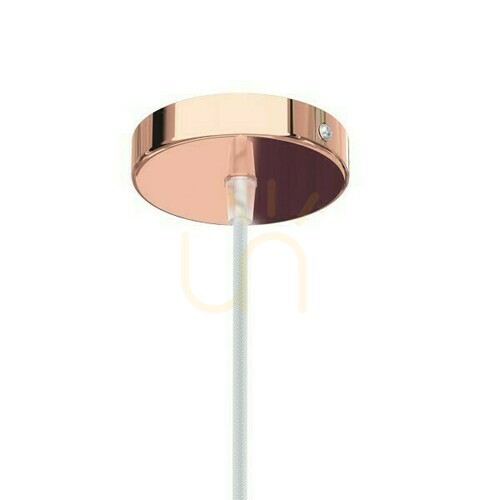
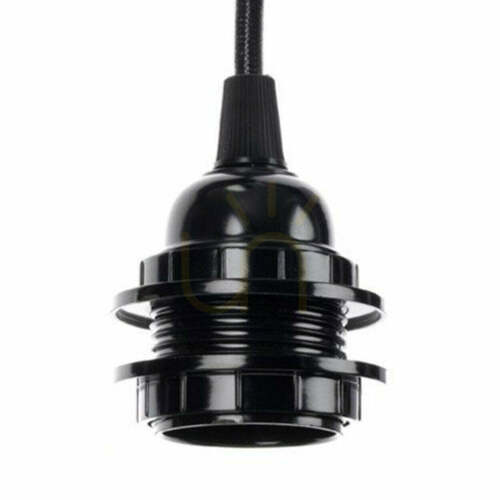
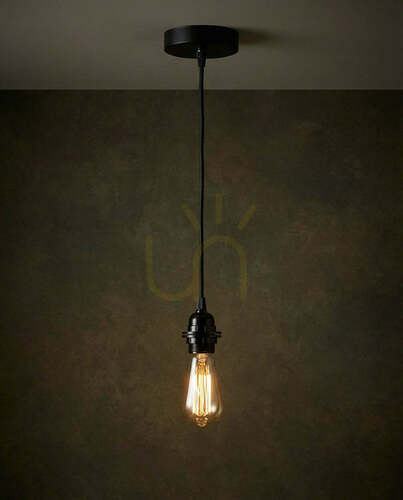
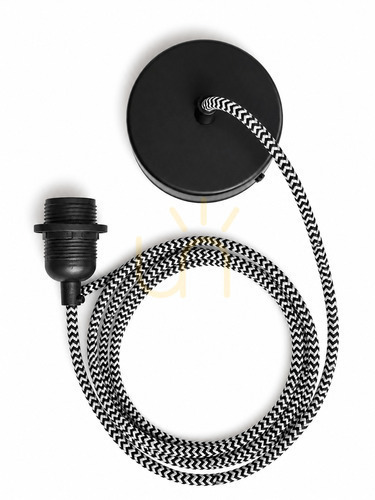
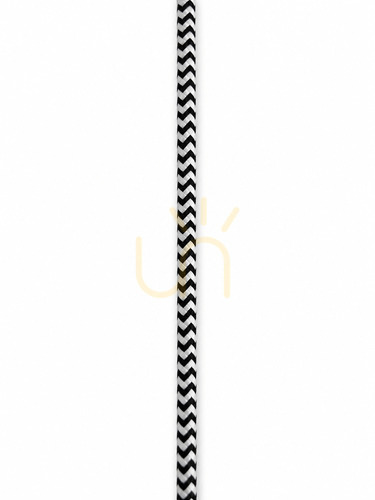
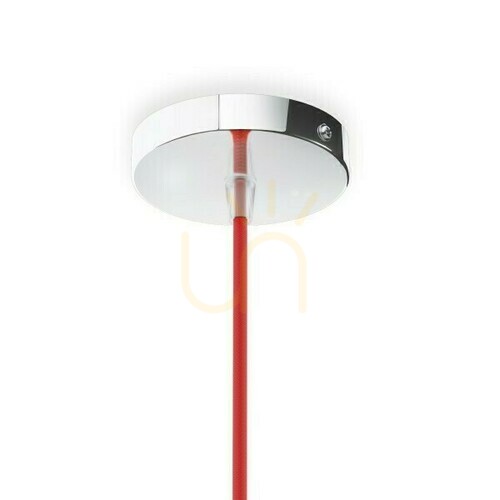
Pendant sets. A ceiling cup, a length of cable and an E27 lampholder with a ring for the shade. Cables come in plain and textile-covered versions in many colours, and the canopies in chrome, copper, black or white.
-
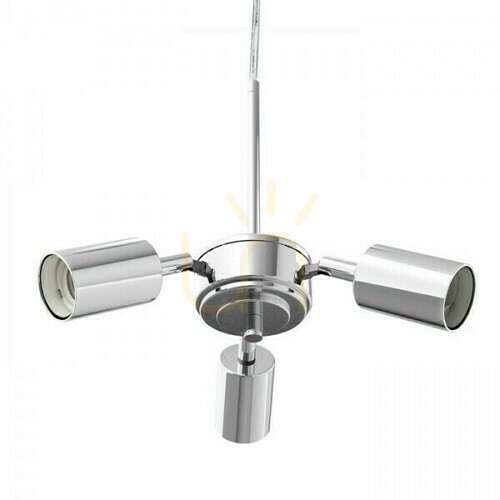
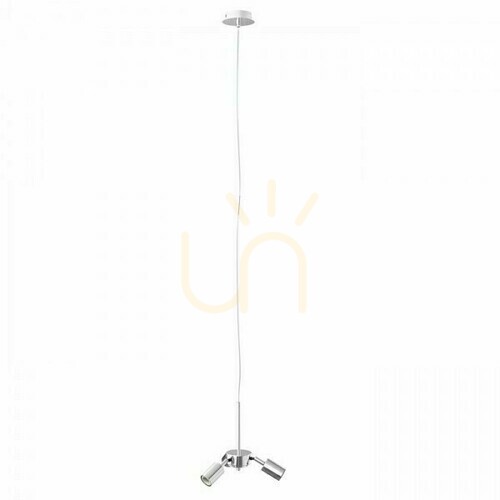
Multi-outlet ceiling canopies. A single round or square plate with three, six or more cable outlets, so a cluster of pendants hangs from one connection point instead of a row of separate roses.
-
Ceiling bases for large shades. A frame with several lampholders that sits inside a long or wide shade and spreads the light evenly along it.
-
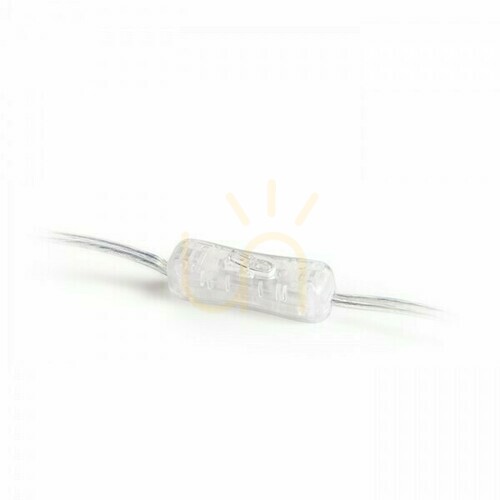
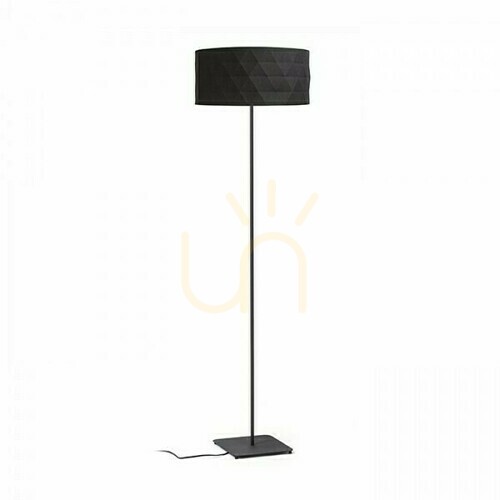
Table and floor lamp bases. Wood, bamboo, chrome, nickel or black-and-brass stands with a lampholder ready for a shade, often with an in-line switch on the cable.
-
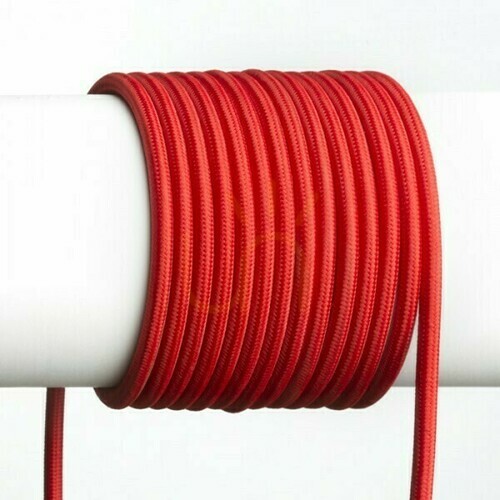
Textile cable by the metre. Fabric-covered flex for making or rewiring your own pendants.
How to match a fitting to your shade
First check how the shade attaches. Most shades have a metal ring at the top or in the middle that sits on the lampholder. The ring has to match the holder: an E27 ring fits a large screw holder, an E14 ring a small one. Shades sold for bayonet holders often come with a reducer ring, which you leave out on E27. Pendant shades usually hang on a gimbal ring that lets them stay level even if the holder tilts.
| Question |
What to look for |
| Ring and holder |
E27 shade ring on an E27 holder; E14 on E14 |
| Shade size on a table or floor base |
Shade diameter roughly equal to the base height, or 5–10 cm less |
| Shade height on a table base |
For a 40 cm base, a shade about 20–25 cm tall usually looks right |
| Bulb wattage |
Some sets and bases allow only 15 W per holder, which in practice means an LED bulb |
Shade frames vary between makers. A ceiling base built for a particular long shade will not fit every wide shade, so compare the spacing of the holders with the inner frame of your shade before ordering.
Choosing the cable length and finish
Over a dining table, the bottom of a pendant usually sits 60–80 cm above the tabletop; in a hallway it needs to clear heads comfortably. Measure from the ceiling to that point and add the height of the shade. Finish is the other half of the decision: a red or lime cable becomes a feature in itself, while white on a white ceiling disappears. Brass and copper canopies warm up a fabric or rattan shade; chrome and black look crisper with glass and metal.
Installation and safety
Table and floor bases simply plug in. Pendant sets, ceiling canopies and anything wired to the lighting circuit should be connected by a qualified electrician, who can also shorten a cable to the length you want. Use bulbs no stronger than the rating printed on the holder, and pick LED bulbs for fabric and paper shades: they stay cool and will not scorch the material.
Frequently asked questions
Which lampshade ring do I need?
One that matches your lampholder. Look at the bulb thread: a large screw thread is E27, a small one E14. If the shade comes with a reducer ring and your holder is E27, take the reducer out.
Can I hang a table lamp shade from the ceiling?
Only if it has a ring that suits a pendant holder. A shade that rests on a table-lamp harp or clip is not made to be suspended and may tip or slip.
How heavy a shade can a pendant set hold?
Check the maximum load on the product page. Simple cord sets are often rated for around 1–2 kg, which is plenty for most fabric, paper and rattan shades. A large glass or metal shade can weigh more than that, so weigh it before you choose the set.
Still looking for the shade itself? Browse the lampshades.