
How to Clean and Refresh Lampshades – Fabric, Paper, Rattan and Glass
Dust on a lampshade acts like a filter: it swallows up to a third of the light, cools the colour towards grey and makes even the prettiest lamp look tired. The good news is that in most cases a few minutes and a soft cloth are all it takes – as long as you match the method to the material. Because what saves a glass shade will ruin a paper one, and water that won’t harm fabric can permanently deform rattan. In this guide we show you step by step how to clean a lampshade of every material – fabric and linen, paper, rattan and wicker, and glass – how to remove dust and stains and how to refresh a yellowed shade, and when it’s cheaper and wiser to simply replace it.

Table of contents
- Before you start: safety and how often to clean
- Dusting – the first step for every material
- Fabric and linen shades
- Paper shades
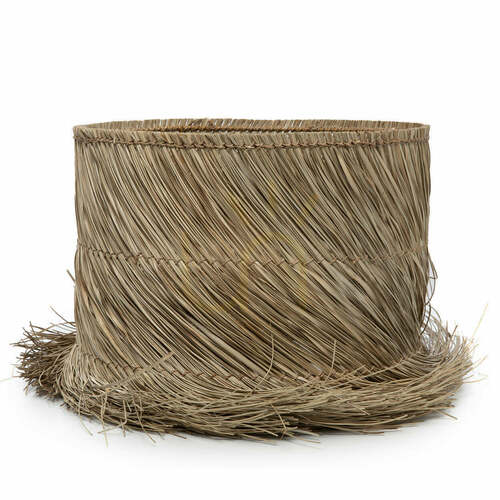
- Rattan, wicker and seagrass
- Glass shades
- Metal shades and frames
- Removing stains and yellowing
- Refreshing yellowed garden shades
- When to replace instead of clean
- Summary
Before you start: safety and how often to clean
Two rules that protect both you and the lamp:
- Switch off the power and let the bulb cool down. A damp cloth and a warm socket are a bad pairing. With a table or floor lamp, pull the plug; with a ceiling light, flip the breaker.
- Take the shade off the lamp. Clean it separately, on a soft towel, never “on the lamp” – you’ll avoid flooding the socket and the pressure that bends the frame.
How often? Dust it every 1–2 weeks while you tidy up – it takes a dozen seconds and means a deep clean is barely ever needed. Wet washing (where the material allows it) should be done once or twice a year, or when a stain appears. Regular dusting is the most important habit in this guide: dirt that doesn’t get a chance to grind in comes off without water and without risk.
Dusting – the first step for every material
Whatever the material, you begin the same way: by removing dust dry. You have three proven tools:
- A vacuum cleaner with a soft brush on the lowest power – run the nozzle top to bottom without pressing. The fastest and safest method for fabric, paper and wickerwork.
- A soft dusting brush – for delicate shades and decorative details where the vacuum is too aggressive.
- A lint roller – brilliant on fabric: it lifts dust, hair and pet fur in one pass. For smooth cotton and linen shades.
Only once the loose dust is gone do you move on to the method for that particular material. Dry dusting first is crucial – if you wipe a dusty fabric while wet, you’ll turn the dust into mud and grind streaks into the weave.
Fabric and linen shades
Fabric – cotton, polycotton, chintz, linen – is the most common shade material and, happily, fairly forgiving to clean.
- Vacuum or run a lint roller over the whole surface, including the inside, where dust settles unnoticed.
- Spot-treat stains. Mix lukewarm water with a drop of a mild cleaner (dish soap or wool-wash). Dampen a white, non-dyeing cloth in it, wring it out hard – it should be barely damp – and work the stain from the edge inwards so you don’t spread the ring.
- Don’t soak the glue. The biggest risk with fabric is the seams: the shade’s rim and the join at the frame are often glued. Excess water dissolves the glue and the fabric starts lifting off the ring. So work with a damp, not wet, cloth and steer clear of the edges.
- Dry away from the radiator. Stand the shade to dry in an airy spot at room temperature. Put it back only when completely dry – damp fabric on a warm bulb smells musty and attracts dust.
Tip: with a light linen that has greyed evenly over the years (rather than from a single stain), replacing the shade often looks better than washing – a natural weave is hard to wash back to its original white.
Paper shades
Paper – including the popular rice-paper and parchment shades – follows one iron rule: clean dry only. Water leaves permanent ripples and marks, and soaked paper wrinkles and comes unstuck.
- Dust with a soft brush or a vacuum on minimum power, always in one direction.
- Marks and smudges (e.g. from fingers) can be lifted gently with a white pencil eraser or a dry melamine sponge, brushing the surface without pressing.
- Never use water or liquid products. If a paper shade is stained right through or has yellowed from the heat of the bulb, it is a material that is, in this sense, disposable: cheaper and quicker to replace than to rescue.
Prevention works best here: a paper shade dusted weekly can look like new for years. And one more thing – in a paper shade use only LED bulbs with a low operating temperature; a hot halogen or an oversized bulb is the most common cause of yellowing and scorching.
Rattan, wicker and seagrass
Woven shades are fashionable and beautiful, but the most sensitive to moisture – soaked rattan warps and cracks as it dries.
- Vacuum the openwork with a soft brush or the vacuum, getting into the hollows of the weave. That’s 90% of the job – in wickerwork the dust gathers mainly in the gaps.
- Harder-to-reach spots can be cleaned with a dry toothbrush – it fits perfectly between the strands.
- Only if needed, wipe with a barely damp cloth carrying a drop of cleaner, immediately picking up the moisture with a dry cloth. No soaking, spraying or scrubbing.
- Dry thoroughly, ideally in a draught, away from the radiator. Rattan dried too abruptly can crack just as it does when soaked.
The natural material shifts shade in the sun over time – that’s part of its charm, not a flaw. If the weave does start unravelling or has snapped, it is a decorative element that is replaced as a whole.
Glass shades
Glass is the one material you can wash in water – and the one that gains most from cleaning, because dirt on glass shows immediately as a haze.
- Opal and clear shades wash in lukewarm water with a little dish soap and a soft sponge. Rinse in clean water and wipe dry with a microfibre or linen cloth – that’s what decides whether streaks remain.
- Hard-water deposits and limescale (common in bathrooms and kitchens) come off with a 1:1 water-and-vinegar solution. Leave it briefly, wipe, rinse.
- Smoked and amber glass clean the same way, but avoid powders and abrasive creams – a scratched surface goes dull and loses its effect.
- Tiffany-style stained glass should be wiped only with a slightly damp cloth; don’t soak the soldered joints or use aggressive chemicals that attack the patina.
The universal rule: no wire wool or aggressive gels. A soft cloth and a mild cleaner are enough, and glass can’t be “scrubbed clean” without scratches.
Metal shades and frames
Metal industrial shades and shade frames clean quickly; you just need to match the cleaner to the finish:
- Lacquered and enamelled metal – a soft cloth dampened with soapy water, then wiped dry so no streaks remain.
- Chrome and steel – microfibre lifts fingerprints; stubborn smudges come off with a drop of vinegar on the cloth.
- Raw and patinated finishes (brass, copper, matt black) – careful here: aggressive polishes strip the patina that is part of the style. A dry or barely damp cloth is enough.
Always wipe metal dry – moisture left in the folds of a frame is a straight road to rust and discolouration.
Removing stains and yellowing
A few typical problems and what works on them:
- Grease (kitchen). On fabric – lukewarm water with dish soap, spot-treated. On glass – the same, but you can wash the whole shade. On paper – sadly, usually beyond saving.
- Water marks and rings on fabric appear when a stain dries unevenly. The trick is to clean the whole surface with a slightly damp cloth, not a single spot – then no boundary is left.
- Yellowing from nicotine or heat. On glass and metal it comes off with water and vinegar. On fabric and paper the yellowing eats into the material and is usually permanent – a signal to replace the shade.
- Insects inside a garden shade – take the shade off, shake it out, wash it (glass) or blow it out and vacuum (plastic), checking the seals while you’re at it.
The golden rule with any stain: test the cleaner first in a hidden spot (on the inside, by the frame). Better to lose a centimetre at the edge than to discolour the front of the shade.
Refreshing yellowed garden shades
Plastic and acrylic shades on garden lamps – globes, bollards, outdoor wall lights – yellow and dull over time from sun and rain. Light dullness and grime wash off with water and a mild detergent and a soft sponge; a water-and-vinegar solution helps with water deposits and green algae film. Permanent UV yellowing of the plastic, however, can’t be “wiped out” – it’s a change in the material itself.
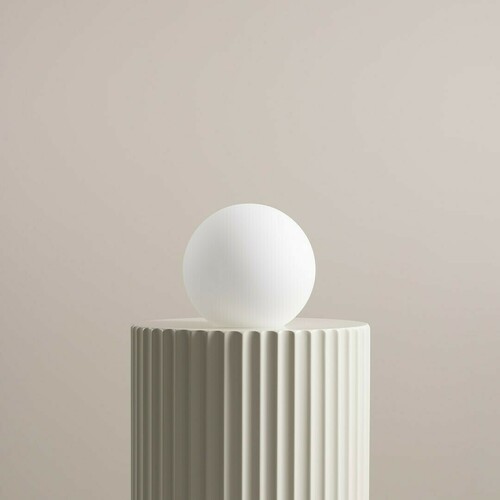
Here prevention at purchase counts: our LUNA BALL shades are made of UV-resistant plastic, so they don’t yellow in the sun the way cheap shades do and keep their white for years. If your old garden globe shade is irreversibly yellowed or cracked, replacing just the shade – without touching the post or the wiring – takes a few minutes:


When to replace instead of clean
Cleaning makes sense as long as the material is healthy. But there are situations where a new shade is a better idea than yet another rescue attempt:
- Fabric has greyed evenly, has permanent water marks or is lifting off the frame at glued edges.
- Paper has yellowed, rippled from moisture or scorched from the bulb.
- Wickerwork is unravelling or has cracked.
- The frame is bent or corroded.
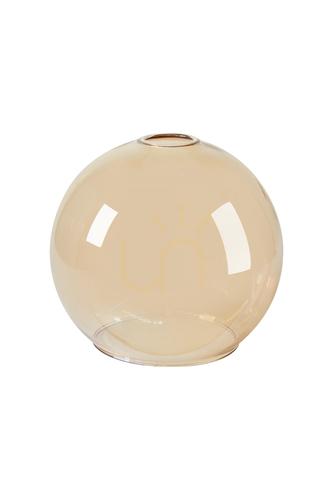
The good news: if the lamp base itself is fine, you replace only the shade – the socket and stand stay. It’s the cheapest lamp makeover you can buy, and a great moment to change the style too: from smooth fabric to boho wicker or to opal glass. You’ll find the full choice of shades and lampshades in the Lampshades category, and frames, reducer rings and cords for building a lamp yourself in Accessories for Lampshades.





Summary
The whole art comes down to matching the method to the material. Fabric and linen: vacuum, spot-wipe with a barely damp cloth, avoid glued edges. Paper: dry only – brush and eraser, never water. Rattan and wicker: vacuum the weave, a barely damp cloth if needed and thorough drying. Glass: can be washed in water, vinegar for limescale, microfibre for streaks. Metal: soapy water and a wipe dry, careful with patina. Above it all, one rule: dusting regularly every week means a deep clean is almost never needed. And when the material really is beyond saving, replacing just the shade from the Lampshades category gives a lamp a second life in minutes.
Przemysław Doliński


Maybe you will be interested in products from these categories?
Lampshades, Accessories for Lampshades
Tags & Blog Categories