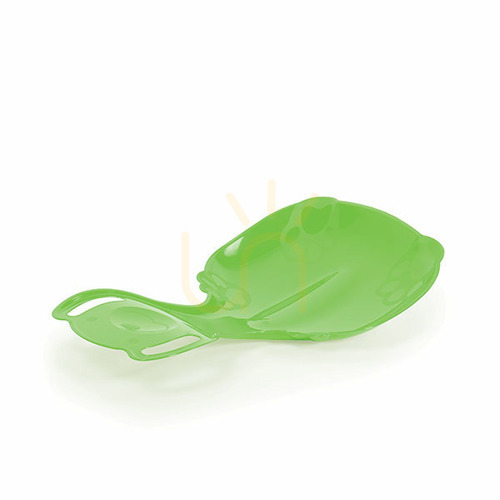
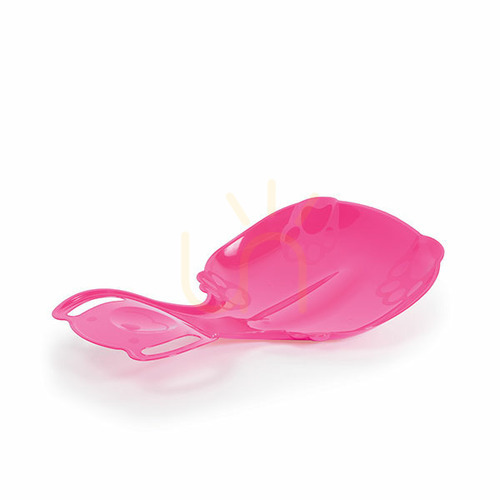
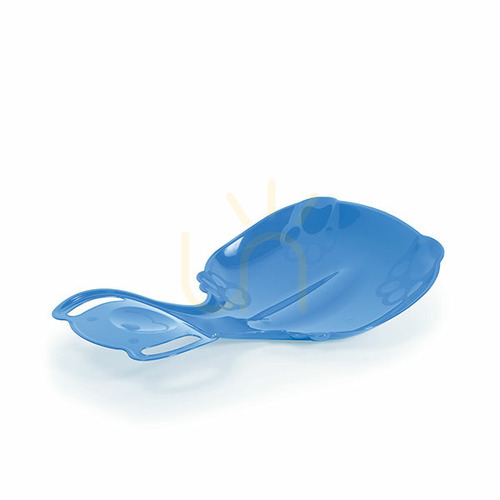
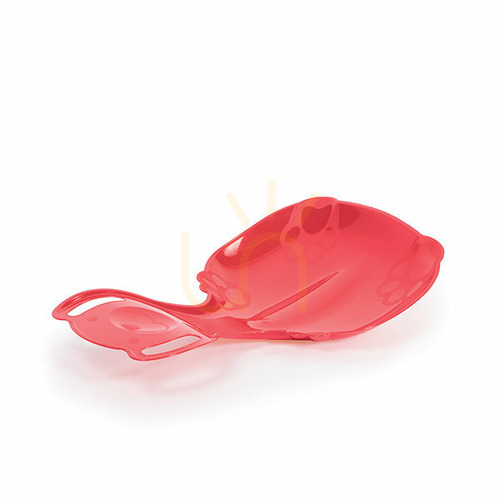
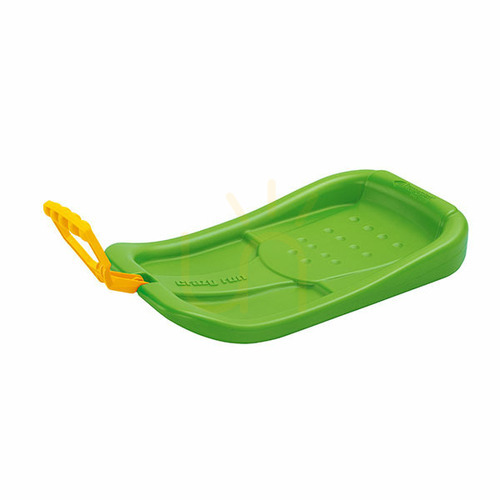
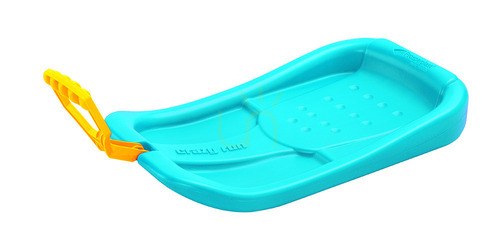
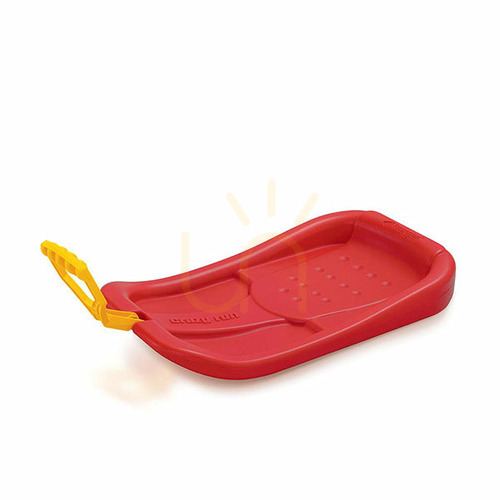
A good sledge turns a snowy park into an afternoon out. For children, the easiest way in is a light plastic sledge or snow slider: tough, easy to carry back up the hill and quick to get going on even a gentle slope. Two common shapes, a flat slider and a moulded seat sledge with a backrest, suit different ages and different hills.
Snow sliders and seat sledges
-
Snow slider – a small, flat disc or tray of plastic that you sit on, often called a bum sledge. It weighs next to nothing, fits under an arm or in a rucksack, and spins and twists on the way down, which is half the fun. There is no steering, so it is best on short, open slopes.
-
Moulded seat sledge – a one-piece plastic sledge without runners, with a deep seat, a backrest and a handle to hold on to. The rider sits lower and more securely, so it suits younger children who are still finding their balance.
Wooden runner sledges and inflatable tubes are the other familiar types. Runner sledges are fastest on packed snow and ice but heavier to pull; tubes are soft to sit on but need a clear run-out because they are hard to stop.
Choosing a sledge for your child
| Age |
What works |
Tip |
| Toddlers |
Seat sledge with backrest, pulled on the flat |
Rides on slopes only with an adult |
| Around 4–7 |
Seat sledge or slider on gentle slopes |
Choose a bright colour that is easy to spot |
| 8 and older |
Snow slider for speed and spins |
Teach them to stop with their heels |
Check the maximum load on the product page, especially if a parent wants a go too. Lighter sledges are easier to drag uphill, which matters more than you might think after the tenth run. Brightly coloured plastic is also easier to find when it ends up in a snowdrift.
Where and how to sledge safely
Pick a slope with a long, flat run-out, well away from roads, car parks, trees, fences and water. Before the first run, walk the hill and look for hidden rocks or ice. Children should go down feet first and sitting up, never head first, and one at a time on a busy slope. Teach them to roll off sideways if they lose control and to move out of the way at the bottom straight away. A helmet, waterproof gloves and snow trousers make the whole outing safer and warmer, and an adult should always be watching.
Care and storage
Plastic sledges need little looking after. Knock off the snow and let them dry before putting them away, and check the base for cracks or sharp edges at the start of each winter. Store them out of direct sunlight, as UV light makes some plastics brittle over the years. Never pull a plastic sledge across tarmac or gravel; it scratches the base and slows the sledge down on snow.
FAQ
What age can a child sledge on their own?
Most children can manage a small slope alone from about five or six, as long as an adult is watching from the bottom. Younger children should ride with an adult or be pulled on the flat.
Is a snow slider safe for children?
On a short, gentle slope with a clear run-out, yes. A slider has no brakes or steering, so it is not the right choice for steep or crowded hills.
Can adults use a plastic sledge?
Small sliders and children’s seat sledges are made for children’s weight. Check the maximum load before an adult sits on one.
For more ways to play outside when the snow comes, browse winter toys.