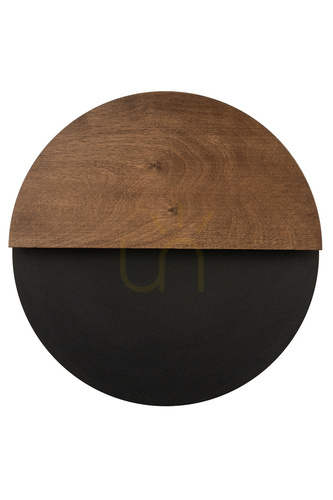
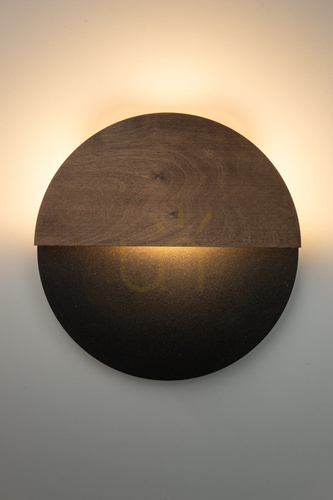
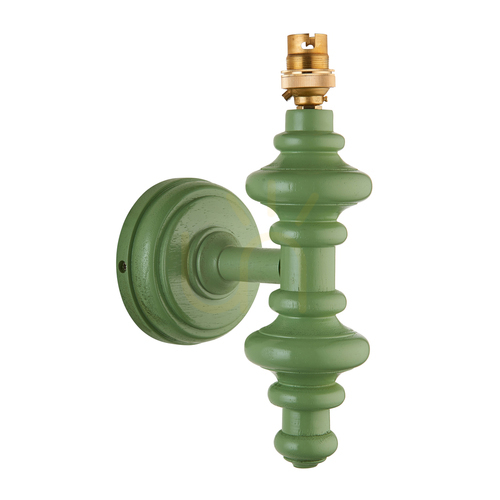
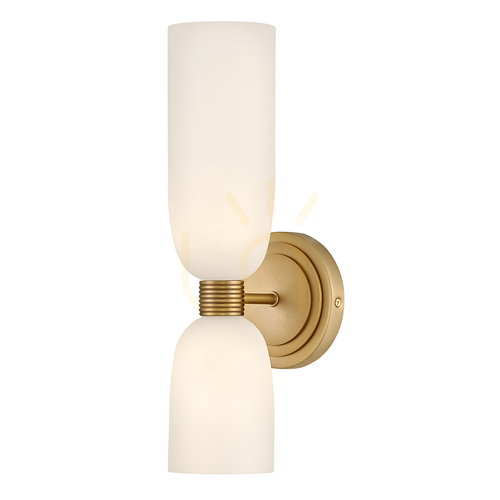
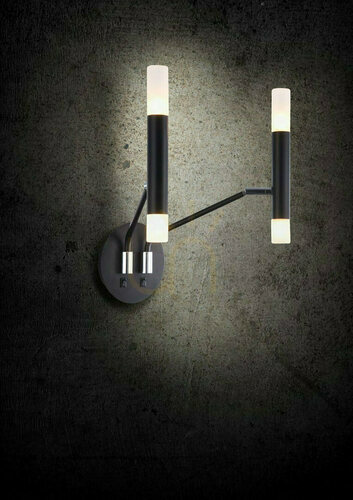
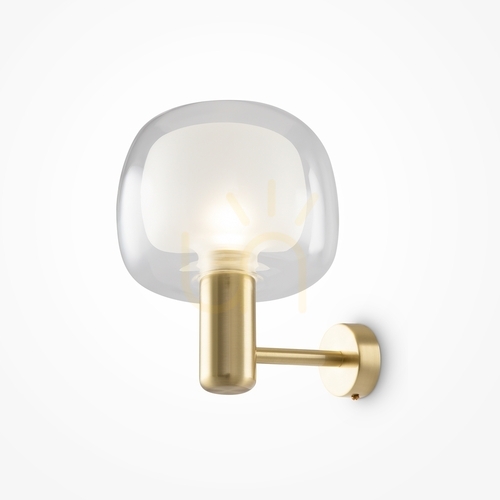
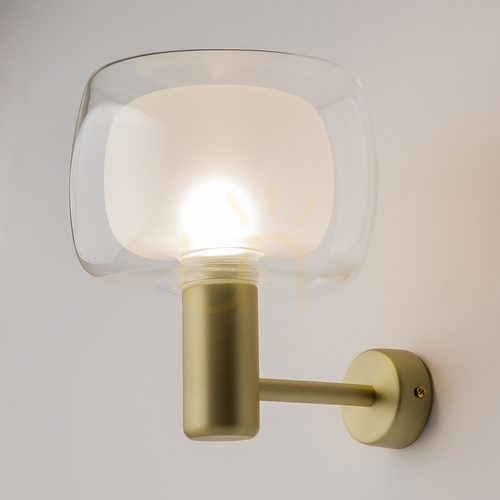
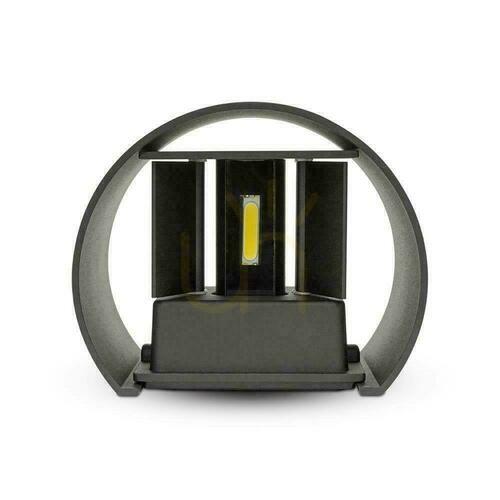
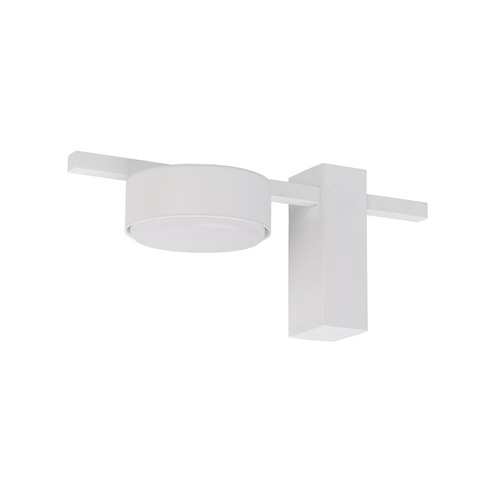
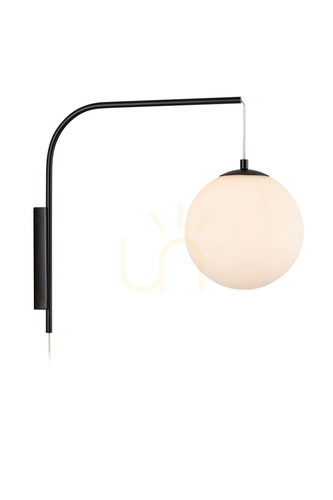
Discover the Versatility and Style of Wall Lamps
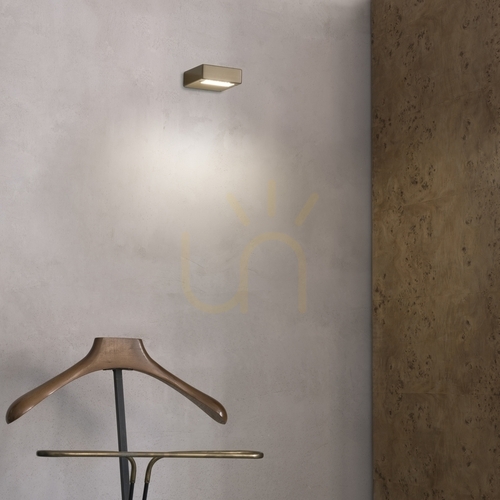
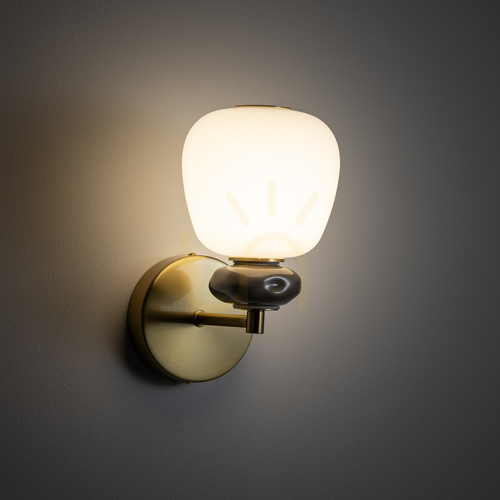
Wall lamps, also known as wall lights or wall sconces, have become an essential element of modern interior design. Their unique combination of functionality and decorative appeal allows homeowners, designers, and businesses alike to enhance their spaces with ambient, task, and accent lighting. Wall lamps are available in a myriad of styles, shapes, sizes, and finishes, making them an adaptable choice for virtually any room or arrangement. Whether you’re looking to create a cozy reading nook, highlight a piece of art, brighten a hallway, or add a touch of elegance to your living room, wall lamps offer a solution that’s both practical and stylish.
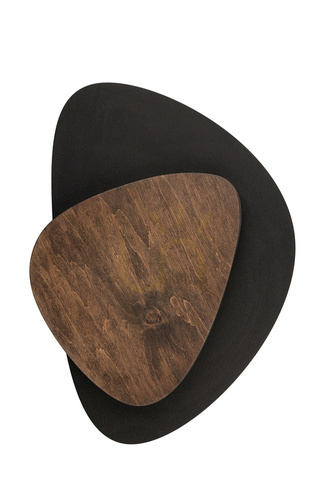
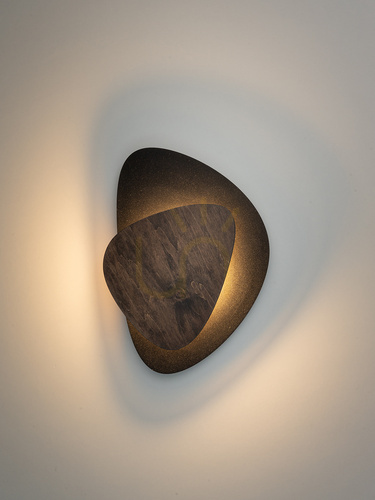
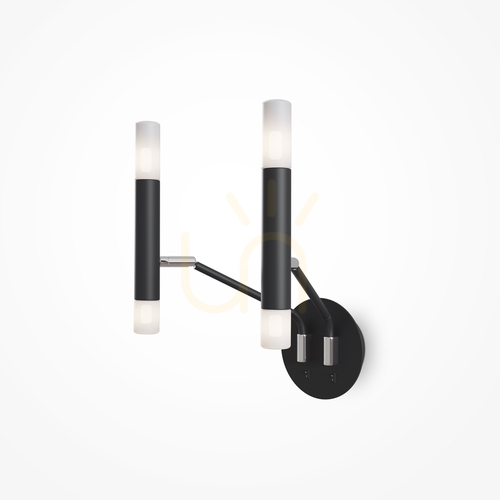
With advances in lighting technology and design, the options for wall lighting have expanded dramatically. Today’s wall lamps range from minimalist LED wall lights and sleek contemporary fixtures to ornate vintage sconces and art-deco inspired designs. You’ll find everything from plug-in wall lamps for easy installation, to hardwired wall lights for a seamless look. Explore our curated collection and discover how wall lamps can transform your home or business with style, warmth, and character.
Why Choose Wall Lamps for Your Home or Business?
Wall lamps stand out among lighting fixtures for their ability to deliver both direct and indirect illumination without taking up valuable floor or table space. By mounting lights onto the wall, you can maximize your floor plan, create visual interest at eye level, and enhance the overall ambiance of a space. This makes wall sconces a go-to lighting solution for a range of environments—from bedrooms and living rooms, to hallways, kitchens, bathrooms, and even offices or hospitality venues.
The design flexibility of wall lamps means they can function as primary lighting sources, as supplementary accent lamps, or as dedicated task lights. For instance, in bedrooms, wall lamps are often used as reading lights flanking a bed, allowing for focused lighting without clutter on the bedside table. In entryways or stairwells, wall sconces can provide the soft, welcoming glow that greets guests. In bathrooms, specially rated wall lamps deliver crucial vanity lighting while resisting moisture and humidity. The possibilities are as diverse as your needs and preferences.
What are Wall Lamps and How Do They Differ From Ceiling Lights?
Wall lamps are fixtures designed to be mounted on walls rather than hanging from the ceiling. Unlike ceiling lights, which typically illuminate a room from above, wall lamps provide light that is distributed horizontally or at an angle, often accentuating architectural features, artwork, or furniture. Wall lamps can deliver both ambient lighting to boost overall room brightness and targeted task lighting for specific activities such as reading, grooming, or working.
Whereas ceiling lights often serve as the primary source of illumination, wall lamps excel as supplementary lighting, enabling you to layer light and avoid harsh shadows. This layering creates a more nuanced, comfortable, and inviting atmosphere. Additionally, wall lamps are ideal for spaces where ceiling mounting is impractical or where a room requires localized lighting without the intrusion of cords or floor lamps. In summary, wall lamps distinguish themselves through flexible placement, the ability to create ambiance, and their inherently decorative nature.
Where Can Wall Lamps Be Used Most Effectively?
Wall lamps excel in a variety of residential and commercial settings. With advancements in design and manufacturing, they are no longer limited to traditional spaces like corridors or above paintings. Here are some ideas for effective wall lamp placement:
-
Living Rooms: Use pairs of wall sconces on either side of a fireplace, artwork, or television to create symmetry and balance, while providing ambient or accent lighting.
-
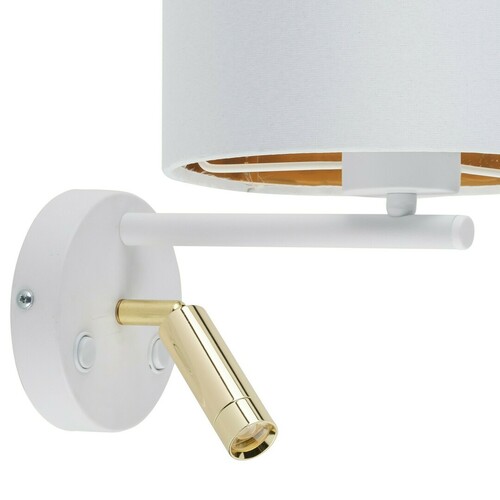
Bedrooms: Replace bedside table lamps with adjustable wall-mounted reading lights to save space and reduce clutter. Wall lamps with swing arms offer flexibility for directing light where you need it.
-
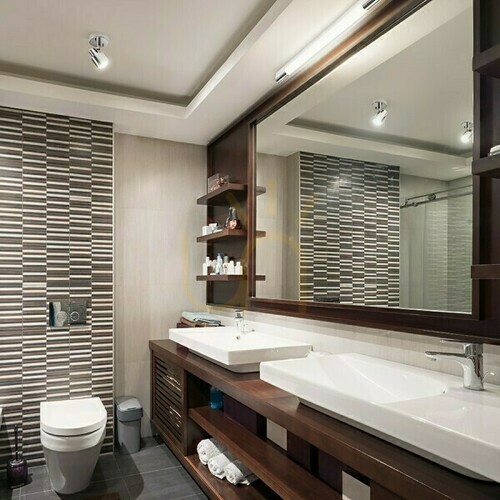
Bathrooms: Frame your vanity mirror with wall lights for even, shadow-free illumination ideal for grooming tasks. Ensure that fixtures have the proper IP rating to withstand bathroom humidity.
-
Hallways and Stairwells: Line long corridors or staircases with evenly spaced wall sconces for safety, orientation, and visual continuity.
-
Dining Areas: Position wall lamps to highlight buffet tables or feature walls, adding an inviting, layered glow that enhances dinner parties or family meals.
-
Work Spaces: Install wall-mounted task lights above desks, workbenches, or studies for focused illumination without compromising worktop space.
-
Entryways: Wall lamps can warmly illuminate doorways and vestibules, making your home feel safe and welcoming to visitors or residents alike.
-
Commercial Spaces: Restaurants, hotels, offices, and galleries often incorporate decorative wall lighting to enhance ambiance, highlight décor, and reinforce brand identity.
What Types of Wall Lamps are Available?
The wall lamp category includes a diverse array of fixture styles and functionalities. Understanding the main types can help inform your choice:
-
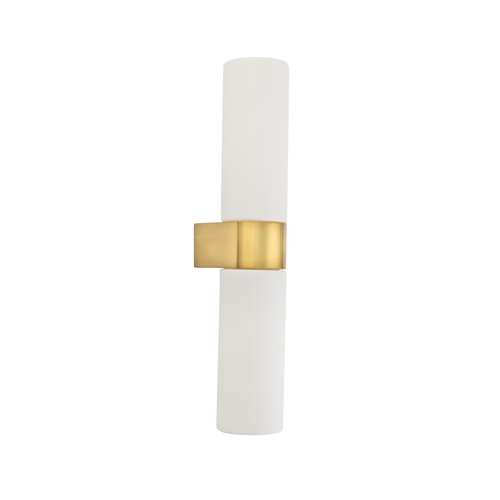
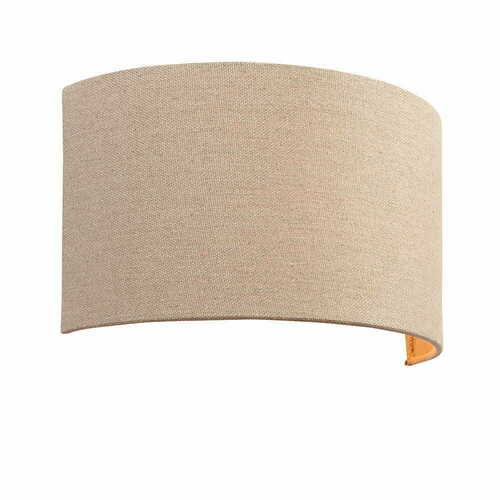
Sconces: Traditionally, sconces are wall-mounted lights with decorative design elements. Available in both single and multi-bulb versions, they can feature fabric, glass, or metal shades and are usually hardwired for a clean, seamless appearance.
-
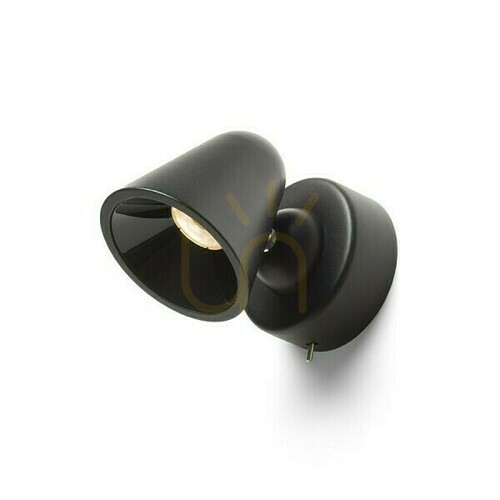
Reading and Task Lights: These wall-mounted fixtures often feature adjustable arms or pivoting heads, allowing users to direct a focused beam of light exactly where it’s needed—for reading, crafting, or working.
-
Picture Lights: Designed to highlight artwork, photographs, or other wall-mounted décor, picture wall lamps typically mount directly above or to the side of the object they are illuminating.
-
Uplighters and Downlighters: Wall lamps designed to cast light exclusively upward or downward create dramatic lighting effects, emphasize textures, and accent walls or ceilings artfully.
-
Plug-in vs. Hardwired: Plug-in wall lamps can be installed with minimal effort, ideal for renters or those seeking flexibility. Hardwired options offer a more permanent, streamlined solution for long-term projects.
-
Interior vs. Outdoor Wall Lamps: While interior wall lamps focus on enhancing indoor spaces, outdoor-rated models are built to resist weather and provide security and curb appeal to gardens, patios, or entryways.
Each of these types can be found in styles ranging from modern minimalist to ornate classic, each designed to complement different interior themes or exterior aesthetics.
How to Select the Best Wall Lamps for Your Space?
When choosing wall lamps, there are several factors to consider in order to achieve both optimal lighting and a cohesive design:
-
Purpose and Placement: Start by identifying the primary function—is it for general illumination, reading, accenting a feature, or creating ambiance? The placement should suit the purpose (e.g., at eye level for artwork, higher for indirect light).
-
Size and Scale: The fixture should be proportionate to the wall and the surrounding furniture. Large, dramatic sconces work well in spacious rooms, while smaller, more understated fixtures are perfect for compact spaces.
-
Style and Finish: Consider the existing décor. Chrome, black, and white finishes suit modern aesthetics, while brass, bronze, and glass details fit classic or vintage interiors. Choose a design that complements or tastefully contrasts with your room’s style.
-
Lighting Direction: Decide whether you need upward, downward, or multidirectional lighting. Upward-facing wall lamps tend to provide softer, ambient light, while downward-facing lights are suited for focused, task-oriented illumination.
-
Installation Type: Hardwired wall lamps require electrical wiring and professional installation but offer a clean look. Plug-in models are easy to install but require a nearby wall outlet.
-
Bulb Type and Brightness: LED wall lights are energy-efficient, long-lasting, and available in a range of color temperatures. Always check the brightness (measured in lumens) and color rendering (CRI) to ensure the lamp meets your needs.
-
Room Conditions: For bathrooms or outdoor spaces, ensure your chosen fixture is appropriately IP-rated for moisture and weather resistance.
Taking these factors into account will ensure your wall lamps provide both the form and function you desire, while integrating beautifully into your living or working environment.
How Do You Install Wall Lamps?
Wall lamp installation varies depending on the model and intended use. Plug-in wall sconces are the easiest—they simply mount to the wall with screws and plug into a standard power outlet, often requiring only minimal tools. This option is favored in rental properties or where frequent relocation is likely. Hardwired wall lamps, on the other hand, require connecting to the building’s electrical circuits, sometimes needing a new electrical box or wiring. For safety and compliance with electrical codes, hardwired installation should be performed by a qualified electrician.
Before installation, it’s important to confirm the ideal mounting height and distance from furniture or architectural features. As a general guideline, the center of most wall sconces should be about 1.5 to 1.7 meters (60 to 68 inches) from the floor, but adaptations may be made based on fixture size or use case (e.g., reading lights positioned for optimal reach above a bed).
What is the Best Height to Mount Wall Lamps?
The optimal mounting height for wall lamps depends on their function and the layout of the room. As a general rule, for ambient or accent lighting, the center of the fixture should be approximately 150-170 cm (60-68 inches) above the floor. In hallways or living areas, this height ensures the lamp is at or just above eye level for most adults, providing even illumination and visual comfort.
When installing bedside wall lights, aim for placement so that the beam falls directly on your reading material when reclining—typically 30-50 cm (12-20 inches) above the mattress or about shoulder height when sitting up. For picture lights, install so the beam covers the artwork evenly. Always consider any obstructions, such as headboards or shelves, and adjust accordingly to prevent glare or awkward shadows.
Are Wall Lamps Energy Efficient?
Modern wall lamps often use energy-efficient lighting technology, especially LED (Light Emitting Diode) bulbs. LEDs are favored for their long lifespan, low heat output, and minimal energy consumption compared to traditional incandescent or halogen bulbs. Many wall sconces now come equipped with integrated LED modules, eliminating bulb replacement and enhancing fixture longevity. When selecting wall lamps, look for products labeled as “LED compatible” or “integrated LED” to ensure maximum energy efficiency and lower utility costs.
Using dimmable wall lights or pairing with smart home lighting controls can further enhance efficiency, allowing you to adjust brightness levels for different moods, reduce energy use, and extend the fixture’s service life. Replacing outdated lamps with new LED wall sconces is an effective way to modernize your lighting while promoting sustainability.
How Can Wall Lamps Enhance Interior Design?
Wall lamps are not just functional—they are a powerful interior design tool. The right wall light can transform an ordinary space into something extraordinary. With their unique ability to emphasize textures, create focal points, and add vertical interest, wall lamps are widely used by designers to set moods and highlight architectural details. A pair of art deco sconces can evoke luxury and nostalgia in a hallway, while minimalist LED strips provide sleek, contemporary edge to a modern living area.
The range of finishes and materials available—from matte black metal to brushed brass, smoked glass, and ceramic—ensures that wall lamps complement or contrast attractively with your existing décor. They can act as standalone statement pieces, or as supporting players that round out a layered lighting scheme, creating harmony and cohesion in any design narrative. Whether aiming for industrial chic, bohemian warmth, urban minimalism, or classic sophistication, wall lamps help bring your vision to life.
Can Wall Lamps Be Used as Main Lighting?
Wall lamps can be used as the main lighting source in certain situations, particularly in smaller or more focused spaces. For example, a series of wall sconces in a hallway, bathroom, or powder room can provide ample illumination without the need for overhead fixtures. In larger rooms, wall lamps are most often used in conjunction with ceiling lights, floor lamps, or table lamps, forming part of a layered lighting plan that combines ambient, task, and accent lighting for a balanced effect.
For main lighting, select wall fixtures with higher lumen outputs or consider combining multiple sconces spaced evenly along the walls for uniform brightness. Pairing directional or adjustable wall lamps with dimmers also enables you to tailor lighting levels to different activities and times of day. While wall lamps alone may not suffice for lighting open-plan areas or large rooms, they are invaluable in supplementing and enriching your overall lighting scheme.
What Maintenance is Required for Wall Lamps?
Wall lamps are generally easy to maintain, requiring only periodic dusting and cleaning. Use a soft cloth or feather duster to remove dust from the fixture’s surface and shades. For glass shades or components, a damp cloth with mild soap can keep them sparkling. Always ensure the power is switched off before cleaning or performing any maintenance.
For fixtures with replaceable bulbs, LED bulbs are favored for their minimal maintenance requirements, as they may last tens of thousands of hours before needing replacement. For hardwired fixtures, check occasionally that all screws and mounting hardware remain tight and secure. For outdoor wall lamps, more frequent cleaning may be needed to remove weather-related debris or insects. Following manufacturer maintenance guidelines ensures your wall lamps remain functional and looking their best for years to come.
What Styles of Wall Lamps Are Most Popular?
With a huge variety of wall lamps on the market, several styles consistently capture homeowner and designer interest:
-
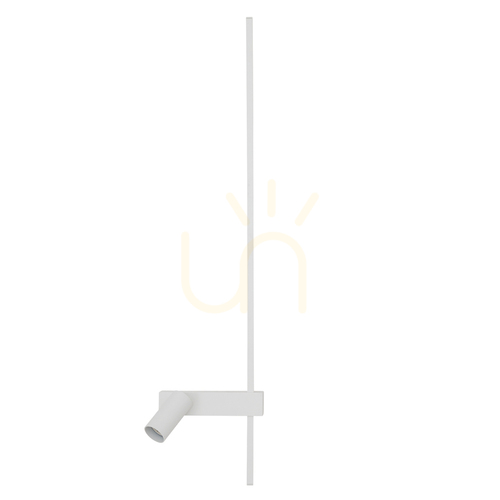
Modern and Minimalist: Clean lines, geometric shapes, and neutral finishes like black, white, chrome, or brushed nickel define this look. Integrated LED wall lights are especially popular in contemporary settings.
-
Industrial: Rugged metals, exposed bulbs, and utilitarian forms lend a raw, urban edge that works beautifully in lofts or converted spaces.
-
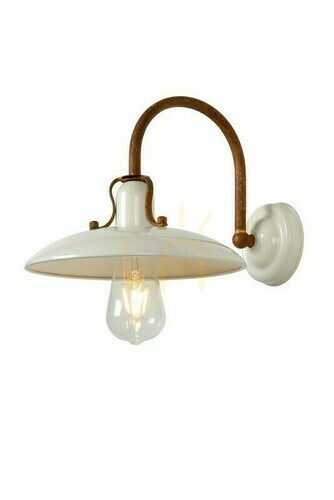
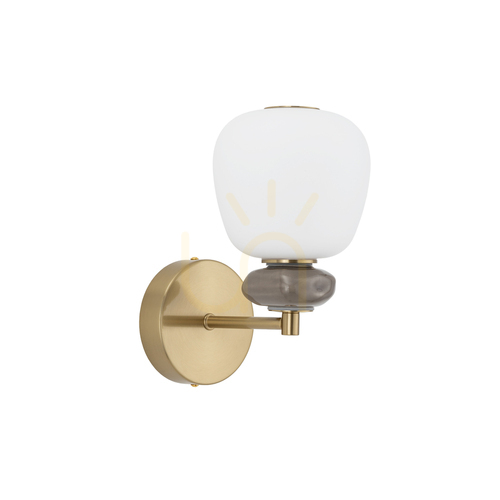
Vintage and Retro: Inspired by mid-century or art deco design, these lamps feature brass accents, ornate glass, or distinctive silhouettes for a touch of glamour or nostalgia.
-
Classic and Traditional: Timeless designs with fabric shades, elegant scrollwork, and warm metallic finishes are ideal for period homes or formal interiors.
-
Rustic and Farmhouse: Wood, wrought iron, and distressed details offer cozy, natural charm that complements country, cottage, or Scandinavian décor.
-
Scandinavian: Emphasizes simplicity, function, and warmth with pale wood, soft tones, and understated shapes.
With so many choices, it’s easy to find a wall lamp that perfectly matches your personal taste and the character of your space.
Can Wall Lamps Be Dimmed?
Many wall lamps are compatible with dimmer switches or feature built-in dimming functionality. Dimmable wall lamps allow you to control the brightness effortlessly, creating the right mood for any situation—from bright, invigorating light for daily tasks to soft, intimate lighting for evenings. To take advantage of this feature, use compatible dimmable light bulbs (such as dimmable LEDs) and ensure that your electrical system includes appropriate dimmer switches. Some plug-in or smart wall lamps offer touch or remote dimming control for added convenience.
Are There Smart Wall Lamps?
Yes, the rise of smart home technology has introduced a selection of smart wall lamps and sconces. These fixtures can be controlled via smartphone apps, voice commands (using assistants like Alexa or Google Assistant), or through home automation systems. Features include remote on/off, color temperature adjustment, scheduling, dimming, and sometimes even integration with motion detectors or security alarms. Smart LED wall lamps are perfect for those seeking advanced convenience, energy savings, and a customizable lighting environment.
How to Match Wall Lamps with Other Lighting Fixtures?
For a cohesive lighting design, coordinate your wall lamps with existing ceiling lights, table lamps, and floor lamps. Match or complement finishes and materials for a harmonious look; for example, use brushed brass throughout for understated elegance, or combine black and chrome for a modern vibe. Pay attention to the style—while mixing styles can work for eclectic spaces, maintaining a consistent theme simplifies the overall appearance.
Layered lighting is key for versatile illumination: use wall lamps to add soft, ambient light where overhead lighting is too harsh, or to highlight architectural features. Consider the color and warmth of the bulbs as well—consistent color temperatures will ensure a unified feel throughout the room.
What Should You Consider When Shopping for Wall Lamps Online?
When purchasing wall lamps from an online shop, pay close attention to product details and technical specifications. Important considerations include:
-
Size and Dimensions: Check wall lamp measurements to ensure they fit your space—pay attention to projection from the wall, shade diameter, and overall height.
-
Mounting Style: Confirm whether the lamp is plug-in or hardwired, and whether required mounting hardware is included.
-
Bulb Requirements: Look for information on bulb types, wattage limits, and compatibility (LED, incandescent, halogen, etc.).
-
IP Ratings: For bathroom or outdoor wall lamps, verify the IP (Ingress Protection) rating for moisture and dust resistance.
-
User Reviews: Browsing reviews can provide insights on build quality, installation difficulty, and light output.
-
Return Policy: Understand return and exchange options for hassle-free shopping.
Also, check product photos from multiple angles and, where possible, see the lamp in an interior context for a realistic sense of scale and appearance.
Conclusion: Illuminate Every Space with the Perfect Wall Lamp
Wall lamps are a dynamic solution for every lighting challenge—fusing form, beauty, and functionality. Whether you seek the subtle glow of decorative sconces, adjustability for task lighting, or the energy-saving performance of modern LED wall lamps, there’s a style and specification to suit every project. Integrating wall lamps into your lighting scheme brings depth, warmth, and personality to your environment. Browse our collection to find the ideal wall lights to brighten, enhance, and inspire your living or professional space, and experience the difference that expertly chosen lighting can make.