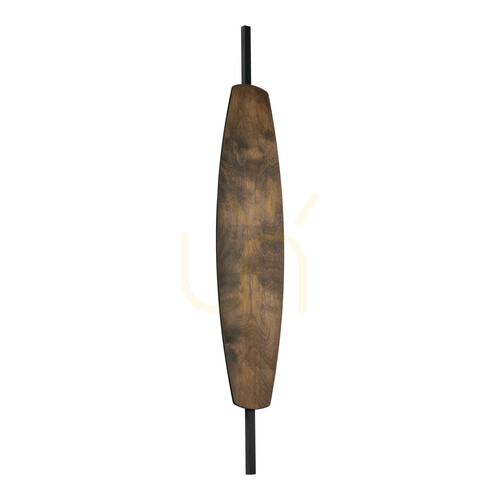
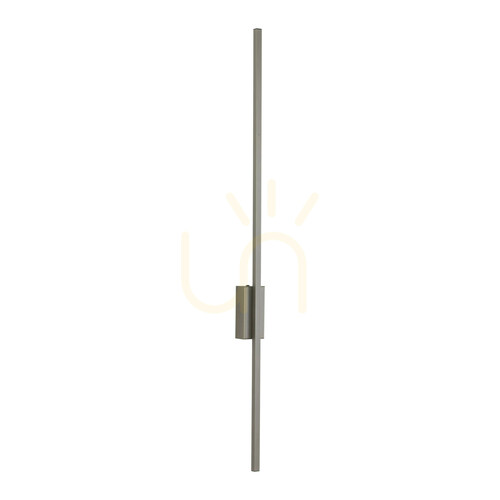
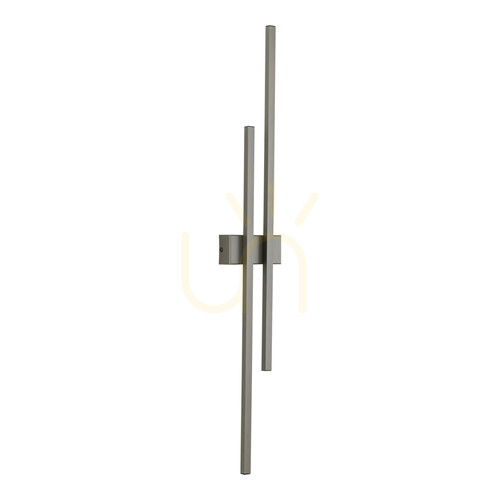
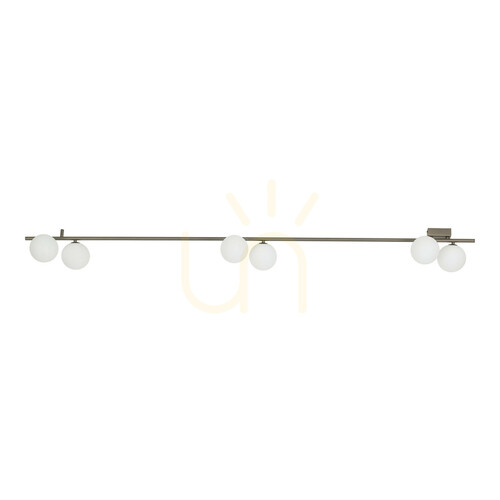
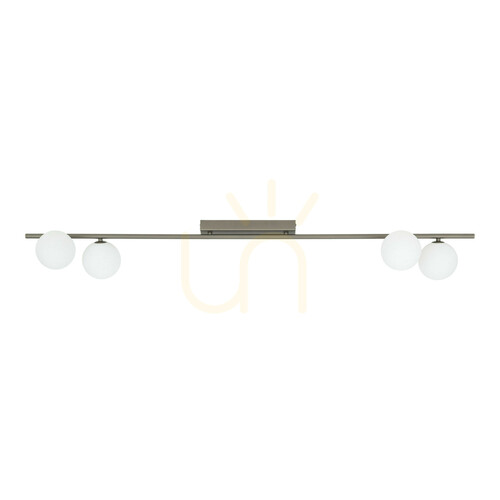
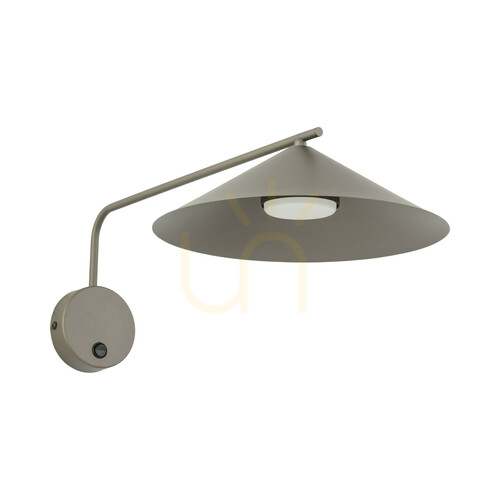
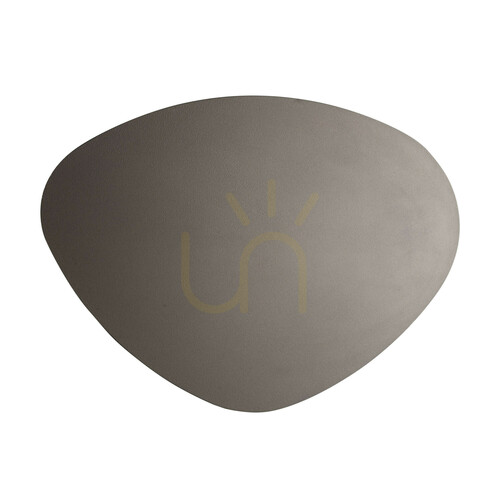
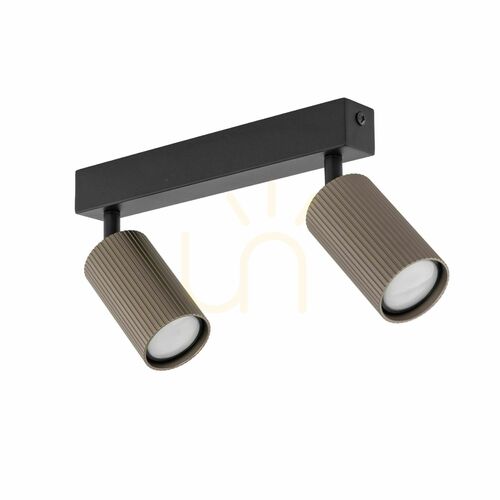
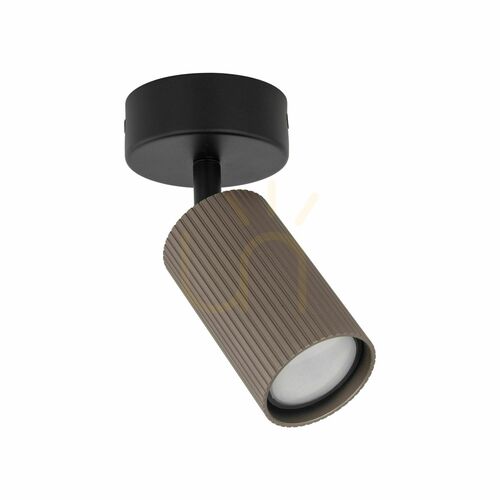
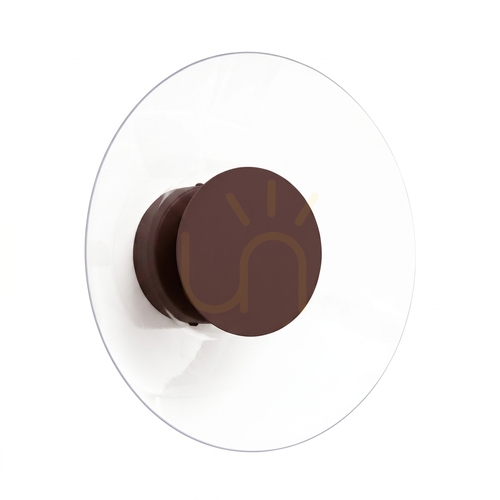
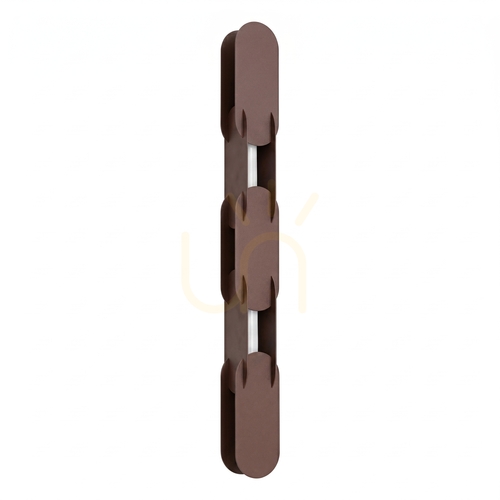
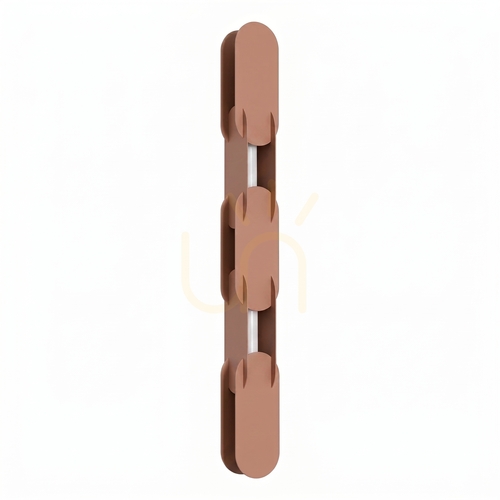
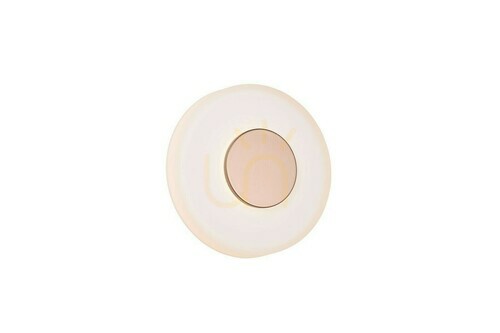
Brown wall lamps - elegance and functionality in one
Bronze wall lamps are a category of wall lighting that is gaining ground year after year in the design of apartments, houses and commercial spaces. Brown - a color associated with natural wood, earth and warmth - combines neutrality with coziness, so it works well in both austere, minimalist compositions and in classic, decorative interiors. By choosing a bronze wall sconce, you can highlight the architecture of the wall, expose the textures and colors of materials, and build coherent light scenes that enhance the comfort of the space. It is a practical, aesthetic and timeless solution - it combines the function of lighting with the role of discreet decoration.
Why exactly bronze? Key advantages of the color scheme
Brown fixtures bring softness and balance to the interior. In contrast to cool white, steel gray or black, they act as a "visual damper" - they soften sharp lines, warm the perception and deepen the impression of coziness. With light-colored walls they create an elegant contrast, with wood - a coherent, natural whole, and with stone, concrete or brick - a mature, balanced duo. Brown wall sconces correspond well with many popular color palettes: beiges and sands emphasize mellowness, navy blue and bottle green add nobility, and graphite conquers the modern character of the arrangement.
The brown color is also practical. The matte and satin finishes are less likely to show fine scratches and fingerprints, which is conducive to use in corridors, stairwells, restaurants or hotels. Thanks to this, brown wall sconces maintain an aesthetic appearance for a long time, even with intensive use.
What interiors are brown wall sconces suitable for?
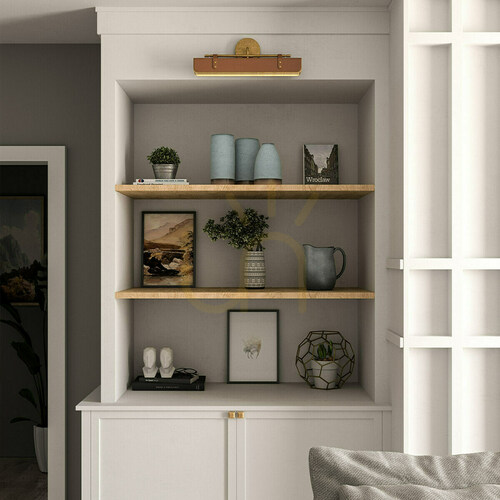
The use of brown wall sconces is extremely wide. In the living room they will work well as mood lighting - they will enhance the texture of wallpaper, brick or decorative plaster, subtly illuminate the picture gallery or bookshelf. In the bedroom, a pair of fixtures on either side of the bed will replace traditional bedside lamps, freeing up table space and providing comfortable light for reading. In the dining room, bronze wall lamps will help build an intimate atmosphere for evening meals; in the kitchen - over the countertop or at the island - they will illuminate work zones and add softness to the interior.
In the stairwell and corridor, bronze wall sconces improve the safety of walking after dark and organize the rhythm of the space. In the bathroom - near the mirror and in the washbasin area - they will bring a warm tone of light (provided you choose models with the appropriate tightness class). In the home office and offices, they will work well as task luminaires that do not cause glare on the monitor screen and emphasize the professional character of the place.
Industrial interiors are particularly "fond" of bronze in metallic or patinated versions, often in duet with black, graphite and glass. Modern and minimalist arrangements will appreciate matte finishes and simple forms, while boho and eco styles - combinations with plaid, rattan and light wood.
How to choose the best brown wall sconces for your home?
Start with the function. If you are looking for mood light, choose fixtures with fabric or milk glass shades - they will diffuse the stream and soften shadows. For reading, working or illuminating mirrors, wall lamps with directional light and adjustable arm will work well. Pay attention to the distribution: luminaires shining upwards build a cozy mood and optically raise the ceiling, luminaires shining downwards are more task-oriented, and bi-directional ones create a decorative "feather" effect on the wall.
Material matters. Metal bronze wall sconces guarantee durability and easy care; models combining metal with wood or glass add elegance and deepen the material effect. Versions with a visible bulb (filament or LED filament) will go well with industrial and vintage styles. If the luminaire is to work intensively, consider an integrated LED module - this means longer life, lower energy consumption and full control over color and intensity.
What to follow when choosing the material and style of a wall lamp?
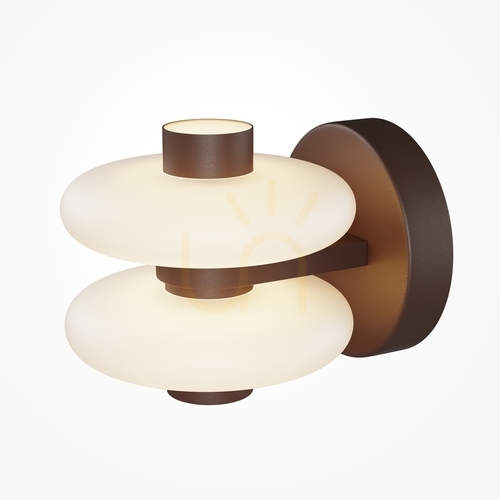
Match the shade of brown to the interior palette. Warm sugar browns (caramel, toffee) will warm up Scandinavian whites and beiges; deep espresso and walnut tones look great with navy blue, bottle green and black. Matte and satin are more "user-friendly" (less visible imprints), gloss conquers the glamour effect. In the details, pay attention to the combinations of metal and glass (milky, smoky, prismatic), perforations, spherical shades, textile lampshades - each of these elements makes the fixture more distinctive and supports a particular style.
In the style category you will find both classic and retro forms, as well as geometric minimalism. Variants reminiscent of the 1970s are popular. i 80. - with smoked glass and soft shapes - and fixtures with a raw, technical look for lofts. For modern classic and glamour, choose models with milky glass and golden accents; for boho - brown + rattan or linen; for japandi - matte brown + light wood and simple, functional detail.
How to choose the number and placement of brown wall sconces?
In a long corridor, assume a rhythm every 1.8-2.2 m and a height of 150-170 cm (counting from the floor to the center of the fixture). On the staircase, avoid shadows in the steps - arrange the fixtures alternately (every mezzanine) or in a series, taking care to distribute the light evenly. In the living room and bedroom, a pair of wall sconces on the sides of the bed, a painting or an alcove is often enough - for mood and reading. In the bathroom, the best effect is to install two fixtures on the sides of the mirror (at eye level) instead of one lamp above the mirror - this minimizes shadows on the face.
When planning the number of luminaires, also count the lumens. For supplementary lighting, assume indicatively 100-200 lm/m², for precision tasks 300-500 lm in the work zone. In practice: a single wall sconce of 400-800 lm is enough as an accent, and a set of 2-3 fixtures of this power will effectively build a moody light scene in a medium-sized room.
What bulbs and LED modules will work well for brown wall sconces?
The most pleasant color for a leisure space is warm white 2700-3000 K - it brings out the texture of wood, fabrics and plaster, and in the evening it does not tire the eye. For work and makeup, choose a neutral 3000-4000 K - it renders colors more faithfully and promotes concentration. Popular caps are E14 and E27; in industrial and retro fixtures, LED filament bulbs (G95, ST64, A60 bulbs) are great, combining the "incandescent" look with energy efficiency.
More and more models offer dimming (traditional or via app). "Dimmable" allows you to change the mood with a single gesture: bright light for cleaning, twilight for relaxing. If you are concerned about consistency with other sources in the home, look for a high CRI (min. 80, preferably 90+) - better color rendering translates into a more natural appearance of fabrics, plants and leather.
Care and maintenance - how to take care of brown wall lamps?
The basis is regular vacuuming with a soft microfiber cloth. Wipe metal parts gently with a damp cloth with a little mild detergent and dry to avoid streaks. Avoid abrasives - they can dull the coating. Care for wood with furniture preparations; wash glass lampshades in lukewarm water with a small amount of liquid, then wipe thoroughly dry. Periodically check the fixture mounting and the condition of the wires - it's a safety issue.
In fixtures with fabric lampshades, vacuum the fabric gently; remove more difficult dirt with a sponge slightly moistened with soapy water, avoiding excess moisture. If the bronze wall sconce works in the kitchen, take care of regular cleaning from grease deposits, especially near the cooking area.
Trends 2025 - what do designers choose?
Several strong trends have dominated in recent seasons. Minimalist tubes and lighting panels in bronze and brass go well with smooth plaster walls. Retro motifs are making a comeback: smoked glass, spherical lampshades, gently wavy edges. In lofts - raw, technical forms with visible fixtures and "hardware" detailing. In the trend of eco and japanese - the juxtaposition of brown with light wood, rattan and linen, with an emphasis on soft spread and muted colors.
The SMART category is growing dynamically: app-controlled LED sources, light scenes, integration with motion sensors and schedules. Brown fixtures - thanks to the neutrality of the color - are the ideal "carrier" for such systems: they fit in with the decor, while allowing flexible, intelligent light management.
Where can brown wall sconces be used? Examples from practice
Living room: two wall sconces with milky shades on the sides of the TV bookcase - 2700 K color, dimmable - they create a "frame" of the composition and reduce the contrast between the screen and the wall.
Bedroom: a pair of luminaires with a movable arm and an on/off switch at the shade - on each side of the bed - allows you to read without turning on the main lamp; color 2700-3000 K, 400-600 lm per side.
Dining room: decorative sconces above the buffet or dresser complement the light of the pendant lamp and highlight the tableware; smoked glass + bronze = elegant, "restaurant" effect.
Corridor and stairs: small, enclosed luminaires every 2 meters, with motion sensor and night schedule; minimal light after midnight makes it easy to move around without waking up householders.
Bathroom: two IP44 wall lamps on the sides of the mirror, milky glass, neutral color 3000-3500 K - no shadows under the eyes and more faithful skin colors.
Home office: directional wall sconce above the desk positioned so as not to cause reflections on the monitor; CRI 90+ and color 3000-3500 K promote work comfort.
Installation in practice - heights, spacing, safety
Although the installation of bronze wall sconces is no different from the installation of other fixtures, it is worth sticking to a few rules. Always disconnect power before working. Determine the course of the wires and securely fasten the luminaire to the wall; in plasterboard, use dedicated dowels. Mounting height of 150-170 cm works well in most corridors and living rooms, but next to the bed, lower the fixture so that the stream does not glaring in the eyes when sitting down.
In bathrooms, respect safety zones and required IP. At the mirror, keep the lampshades as close to the face line as possible to avoid harsh shadows. In stairways, remember to illuminate the steps evenly; more frequent, smaller spots are better than infrequent, very bright lamps that create "holes" in brightness.
What are the advantages of brown fixtures over other colors?
Brown provides a sense of depth and "softness" that white, black or cool metals sometimes lack. In practice, it is more forgiving of signs of use and rearrangement changes - when you replace the carpet, curtains or upholstery, the brown wall sconce rarely clashes with the new color palette. Matte and satin coatings are also graceful to care for - they don't show fingerprints as easily as chrome does. This is a good choice "for years" that does not become obsolete with changes in fashion.
The most popular styles and solutions
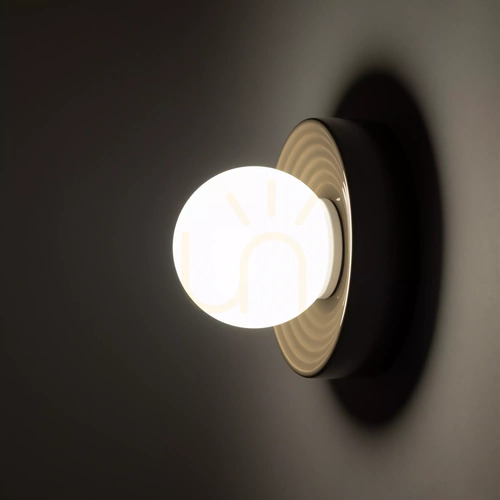
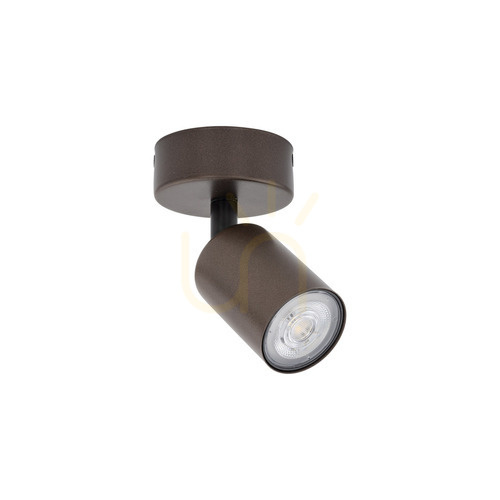
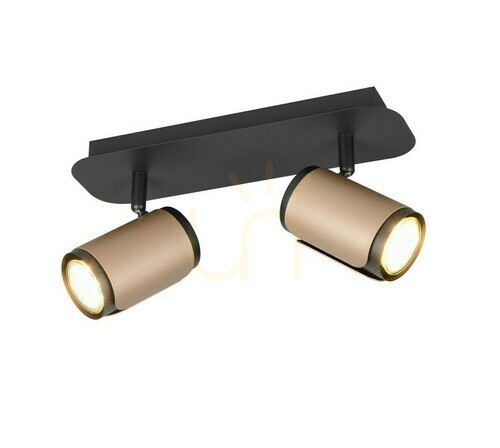
Industrial spotlights with adjustment, retro-balls made of milky glass, classic lamps with fabric lampshade, minimalist LED tubes, as well as "2-in-1" fixtures - wall lamp + reading frame - are the most common choices today. Versions with milky glass reduce glare and give an even distribution of brightness; smoked glass builds mood and harks back to the 1970s; filament "Edison bulbs" in exposed fixtures reinforce the industrial and vintage character.
More and more manufacturers are offering whole families of lighting in the same finish: wall sconces, ceiling lamps, pendant lamps and table lamps - this makes it easier to build cohesive, consistent arrangements.
How do you match fixtures to an existing interior design?
Start by analyzing the material base. If you have a lot of wood - choose a brown that is close in tone or deliberately contrasting (e.g.. dark brown by light oak). In cool, modern interiors, bet on matte and simple geometry. In glamour and modern classic - milky glass, golden details and light curves. In eco and boho - combine brown with natural textures and fabrics.
Keep the metals consistent: if brushed brass dominates the apartment, choose bronze sconces with tones similar to "old gold"; when black metal reigns supreme, reach for patinated bronze or dark satin. Such small details determine the final impression.
The most common mistakes in the selection and installation - and how to avoid them
Too cold color of light in the relaxation area (5000-6500 K) - the space becomes "office-like". Choose 2700-3000 K.
One lamp over the mirror - creates shadows under the eyes. Two sconces on the sides are better.
Too few spots in the hallway - instead of even brightness, "holes" are created. Plan denser but weaker.
Chaos in metal finishes - a mix of chrome, brass and bronze. Keep one color family.
Glare on the stairs - too high and too bright points. Use smaller fixtures, closer to the steps.
FAQ - short answers to the most common questions.
Can bronze wall sconces act as the main lighting?
Yes, if you plan the right number of fixtures and luminous flux. Most often, however, they act as a supplemental or zone light.
What color of light will be best for the bedroom?
Warm white 2700-3000 K - promotes relaxation and does not tire the eyes.
Do brown fixtures go well with white walls?
Yes - they create an elegant contrast and warm the perception of the room.
Are brown wall sconces suitable for bathrooms?
Yes, choose models with increased tightness (min.. IP44) and moisture-resistant materials.
How to clean bronze wall lamps?
Soft cloth, mild detergent, thoroughly dry the lampshades; avoid abrasive cleaners.
Summary - why bet on bronze wall fixtures?
Brown wall sconces combine what we expect from modern lighting: aesthetics, durability and comfort of use. They bring calm and balance to the interior, while being neutral enough to harmonize with many trends - from minimalism to loft to modern classic and boho. If you want a light that works for you every day and "ages" with your home in a beautiful way, a bronze wall sconce will be a sensible and long-term choice.
Color study and material combinations
Combining bronze with wood
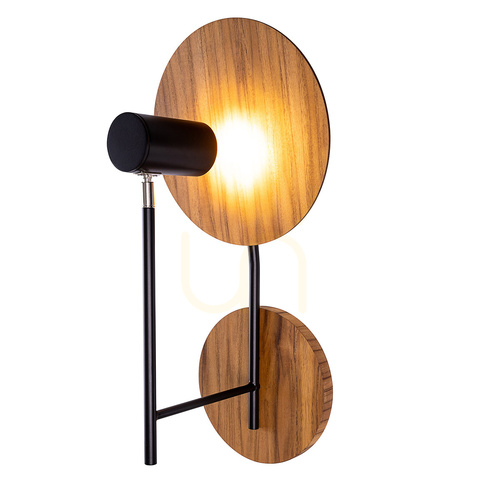
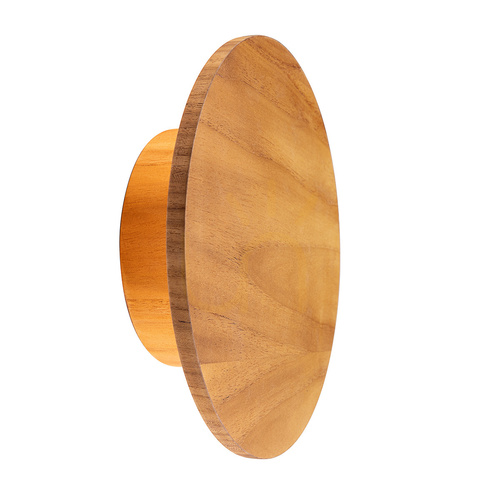
Bronze and wood are an obvious duo, but worth specifying. Light oak and ash like satiny, soft browns; walnut and rosewood like darker, deeper tones. If there are different shades of wood in the interior, brown fixtures tie them together in a coherent whole. The matte coating of the wall sconce can "calm down" too strong grain, while the gloss adds elegance.
Bronze and stone
With calacatta marble, subtle browns (satin) work better, while with granite or slate - bolder, darkened shades. In the bathrooms, bronze sconces with milk glass soften the contrast between the gloss of the tiles and the black of the fixtures.
Brown and fabrics
Woollen plaids, linen curtains, bouclé - all these textures perfectly "catch" warm light. A bronze wall lamp with a fabric shade will additionally filter the color, which gives the most pleasant effect in the bedroom and living room.
Micro guide to each room
Living room
Two or three mood luminaires (400-600 lm each) spaced so as not to duplicate the light of the ceiling lamp. One task light fixture by the reading chair, preferably with dimming.
Bedroom
On either side of the bed, fixtures with their own switches. Avoid a direct view of the light source from a lying position. The 2700 K color is conducive to tranquility.
Kitchen
Luminaires outside the vapor and steam zone. If you're installing over a countertop - consider LED profile under-cabinet + brown accent wall lamp for visual consistency.
Bathroom
Pay attention to humidity and IP zones. Two sconces by the mirror will improve the comfort of daily grooming.
Hallway and stairs
Think rhythm and safety. Better more weak points than fewer very bright ones. Motion sensors and night schedule are practical additions.
Home office
Directional source positioned to the side of the dominant hand (so as not to make a shadow). CRI 90+ will make it easier to work with color samples and documents.
Parameters to pay attention to
Luminous flux (lm) - tells you the amount of light; choose according to function and square footage.
Color (CCT, K) - 2700-3000 K for relaxation, 3000-4000 K for work.
CRI - the higher, the more faithful the colors; minimum 80, recommended 90+.
Angle of illumination - in narrow corridors a wider angle is better, in reading - a focused angle.
IP - in bathrooms and kitchens, pay attention to moisture resistance.
Extension: economy and ecology
Modern LED sources consume up to 6-8 times less energy than traditional incandescent bulbs, and their service life is counted in tens of thousands of hours. Brown wall lamps with LED module reduce frequent source replacements, and thoughtful light scenes (dimming, sensors) further reduce consumption.
Extension: checklist before you buy
1. Function: mood, task, accent?
2. Material and finish: matte/satin/gloss; metal, glass, wood?
3. Color and CRI: 2700-3000 K / 3000-4000 K; CRI 80/90+?
4. Mounting: height, substrate, IP zones, plant access?
5. Service: source access, shade cleaning, replacement parts?