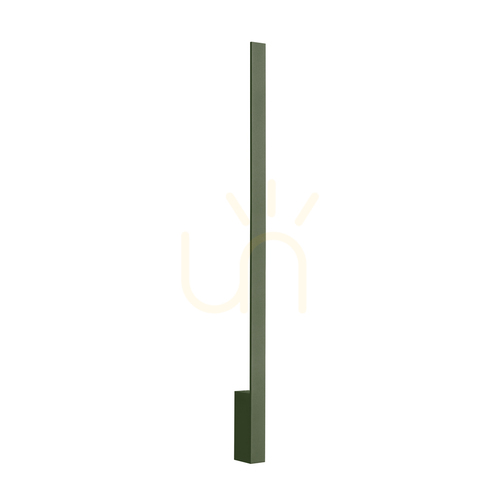
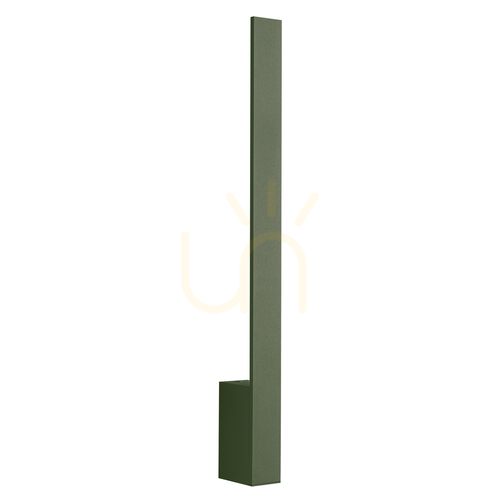
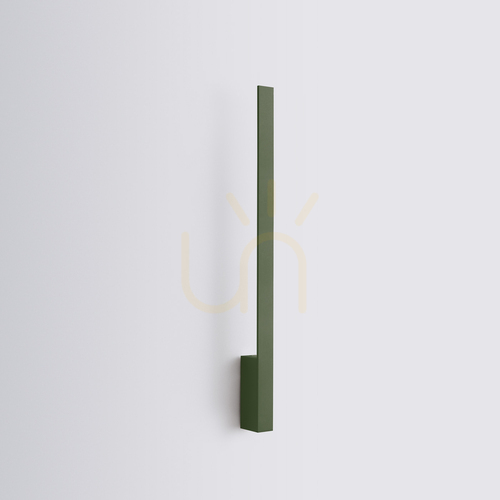
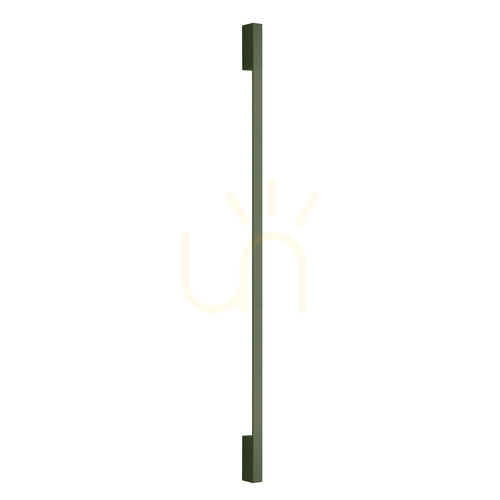
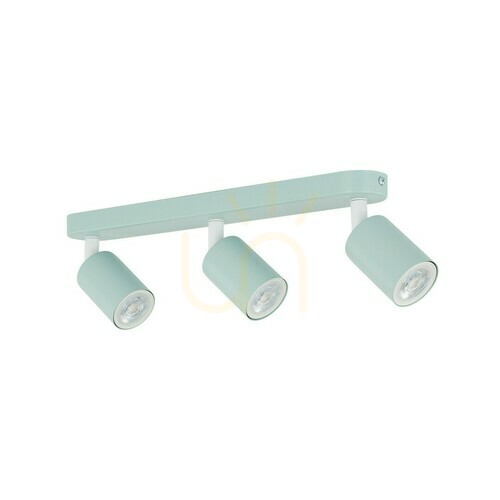
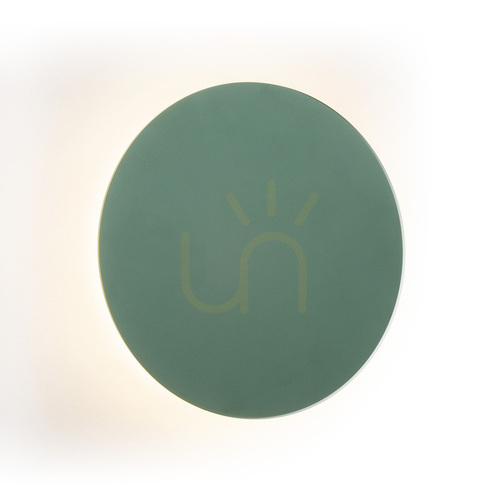
Green wall lamps - a complete guide to style, functionality and selection
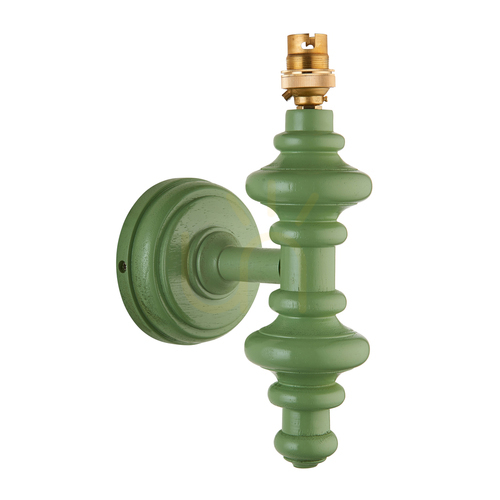
Green wall lamps are one of the most graceful lighting solutions you can introduce into your home, apartment or commercial space. The green hue is associated with nature, balance and tranquility, so green wall sconces effectively build a comfortable mood, while providing a full-fledged decorative accent. For many people, it is the first choice when they want to subtly refresh the arrangement without a general overhaul: just replace a neutral wall lamp with a model in bottle or olive green to give the wall depth and character. In this guide, you'll find everything you need to know before ordering a green wall sconce: from the psychology of the color, to styles and materials, to practical hints on light source selection, color, installation and care.
1) Why green in particular? The psychology of color in practice
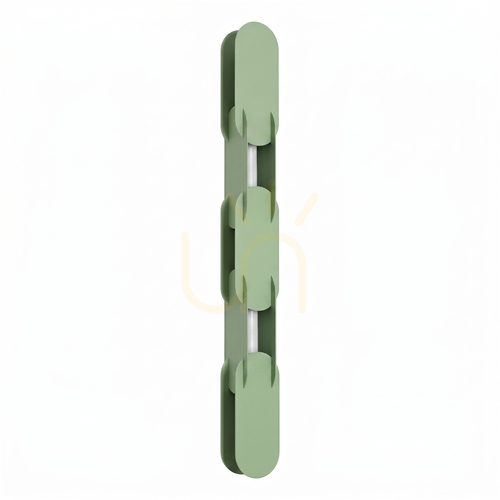
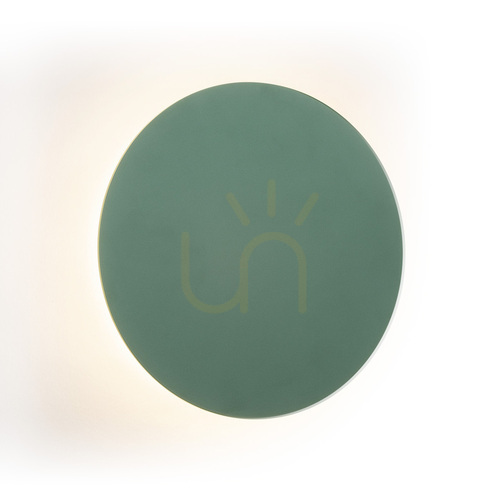
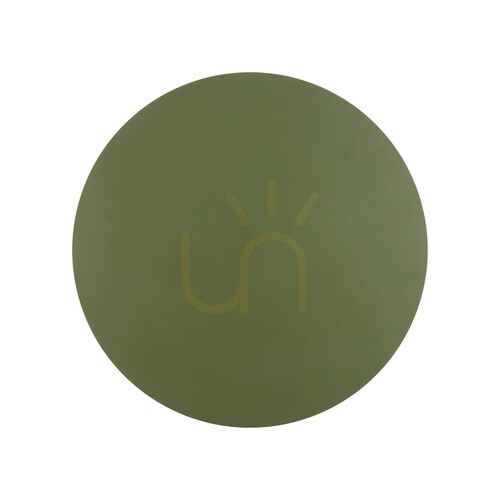
Green has for years been regarded as a soothing color, conducive to concentration and relaxation. It's a shade that naturally fits into the eco trend and the "biophilic design" trend. When we introduce green wall sconces into an arrangement, we add visual balance to it; the light spreading around a green fixture builds a calm, fresh atmosphere. Green wall lamps work well with earth colors, wood, stone, rattan, and precious metals in warm finishes (brass, brushed gold). Importantly, the green color has a wide range - from sage, to olive, to deep bottle green - making it easy to choose a model for the target interior climate.
2) Green wall sconces vs. design solutions - what does it go with?
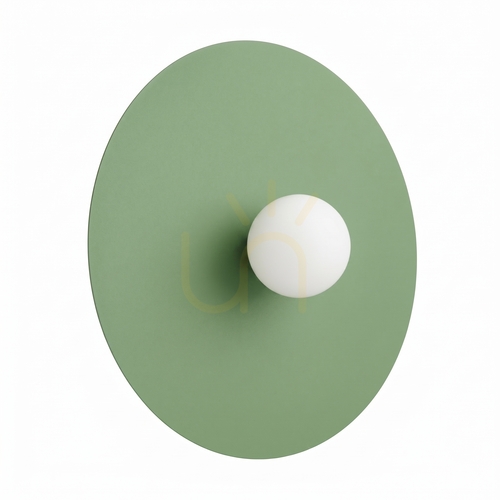
- Scandinavian and japanese: here soft sage or pistachio, matte finishes and simple solids work best. The green wall lamp creates a soft counterpoint to white, gray and natural wood.
- Loft and soft-loft: darker green acts as a "noble patina". Combine the "green lampshade wall sconce" with smoked glass or powder-coated metal, and you'll get an industrial but balanced effect.
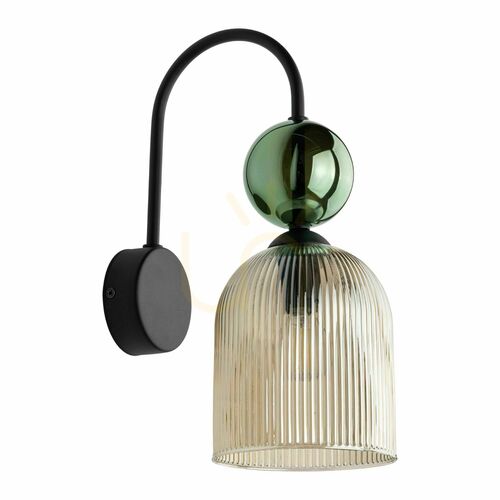
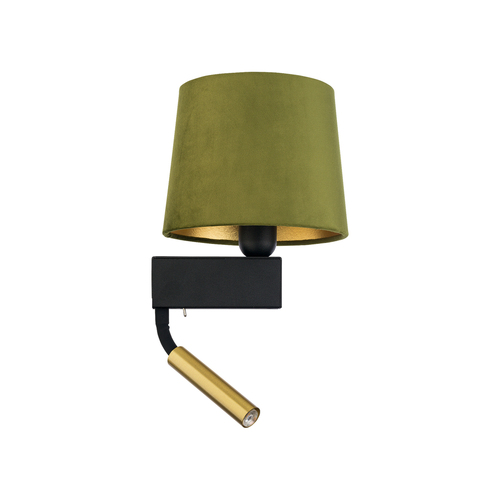
- Modern classic and glamour: in these aesthetics, green sconces play well with brass, marble and velour. Choose the "green lampshade wall lamp" with a velvet lampshade or jade glass, and you will get a composition with a touch of hotel elegance.
- Boho and urban jungle: the green wall lamp becomes a bridge between plants and textiles. Choose natural fabric lampshades, plaids and wooden elements to warm up the atmosphere.
3) Materials and finishes - durability, care, visual effect
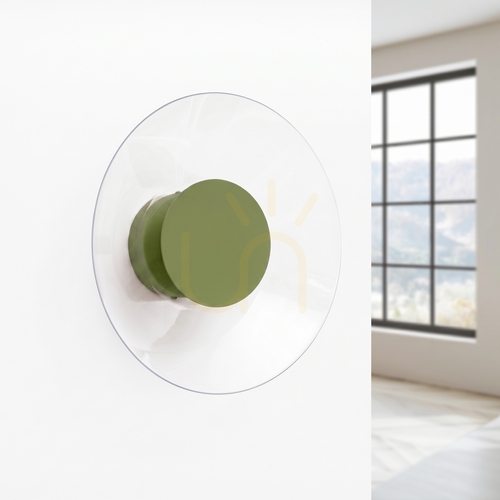
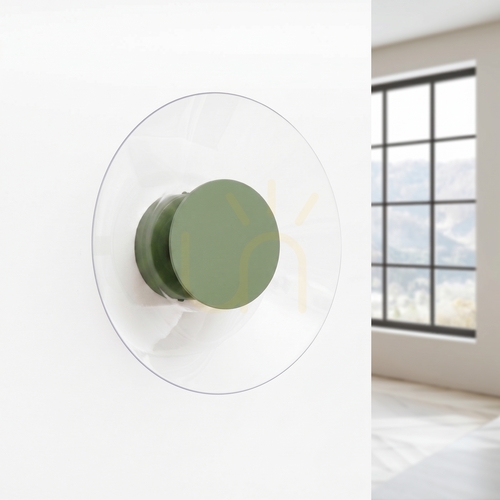
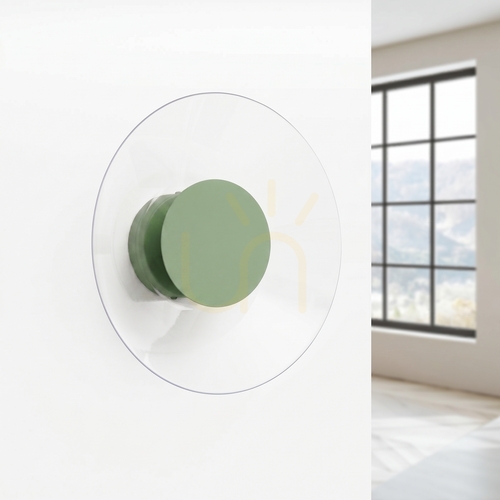
Green wall sconces are usually created from metal (powder-coated steel, aluminum), glass, ceramic and fabric. Finishes can be matte (more resistant to minor scratches and prints) or glossy (light reflection enhances the "wow" effect). "Wall lamp green shade" made of glass - transparent, milky or tinted - gently diffuses the stream and increases eye comfort. Textile lampshades (linen, velour, cotton) create soft, moody light. Ceramics in an olive shade are a good choice for kitchens and bathrooms: they are easy to clean, resistant to temperature changes and humidity.
4) Where will green sconces work well? Room and commercial applications
- Living room: a green wall sconce above the sofa, next to a wall gallery or next to a bookcase warms up the relaxation area and accentuates textures (brick, paneling, textured plaster). "Green wall lamps" in pairs on both sides of the dresser create a symmetrical, hotel-like composition.
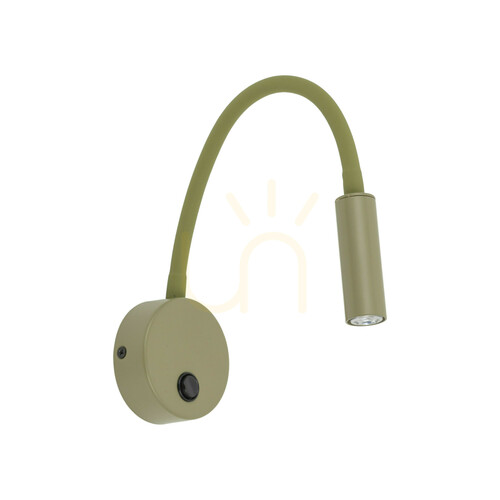
- Bedroom: models with adjustable lighting direction are a convenient alternative to bedside lamps. A warm hue (2700-3000 K) promotes tranquility; a neutral one (4000 K) is useful for reading.
- Hallways and stairways: passageways require light that is even and safe. Green wall lamps placed every few steps improve orientation after dark and add character.
- Study and home office: "green wall lamp" with a GU10 or E27 fixture and a narrow angle of illumination will help highlight the work zone without overexposing the background.
- Catering and hotels: "green wall sconces" build a memorable atmosphere, and the emerald or bottle-colored detail looks prestigious against wood, velvet and stone.
5) Light sources - LED, E27, GU10 and the parameters that matter.
When deciding on a green wall lamp, choose the light source consciously. The most popular are LED bulbs (E27, E14, GU10) - economical, durable, with instant start. Pay attention to: color temperature (2700-3000 K for relaxation; 3500-4000 K for daily activities), angle of illumination (narrow for accent, wide for diffusion), CRI color rendering index (the higher, the more natural colors-especially important with fabrics and art). If you need a subtle flare, a "wall lamp green shade" made of milk glass will combine aesthetics and functionality.
6) Color and light scenarios - how to plan layered lighting
A good interior is a mix of general, task and accent lighting. Green wall sconces work especially well as accent light: they bring out textures and colors, organize zones (reading, talking, relaxing). It is worth using dimmers (dimmer) to change the atmosphere from functional to atmospheric in one move. In the corridor or above the stairs, consider models with a motion sensor - they save energy and increase the safety of users.
7) Proportions, height and distances - practical rules for selection
- Scale: in small rooms choose graceful "green sconces" with a shade of up to 20-25 cm; in spacious living rooms you can afford larger, sculptural forms.
- Height: typically 150-170 cm from the floor; above the backrest of the sofa - slightly lower to avoid glare. Over the bedside table - so that the light beam does not shine into the eyes, but on the book.
- Distances: in the hallway, repeat the fixtures every 2.0-2.5 m; at the painting, adjust the distance to the width of the artwork to get even illumination without harsh shadows.
8) Green wall sconces in the kitchen and dining room - function vs.. decor
Green color combines well with wood, stone, brushed steel and zellige tiles. "Green lampshade" over the countertop or herb shelf will emphasize the idea of "kitchen close to nature".. In the dining room, green wall sconces on the sides of the mirror or sideboard will complement the pendant lamp, warm the perception of the space and help separate a cozy dining area.
9) Bathroom and wet zones - what to pay attention to
For the bathroom, choose luminaires with increased tightness. "Green sconce" mounted on the sides of the mirror (symmetrically) will evenly illuminate the face, facilitate makeup and shaving. Milky glass shades will cancel out shadows and reflections. Green accents work well with terrazzo, stone-textured stoneware and fixtures in a brushed gold finish.
10) Detail in color - how to juxtapose with the interior palette
Green sconces play beautifully with white, ivory, beige, sand, greige, as well as navy blue, rust and terra cotta. If the base is a cool gray, choose a warmer, olive-colored frame that will "warm up" the composition. In monochromes, bet on the contrast of textures: "sconce green lampshade" made of velour will dull the light, while glass will subtly diffuse it.
11) Scenarios for commercial spaces
- Restaurants and cafes: "wall sconces green" reinforce the story of seasonality and nature. In VIP areas, dark bottle shades with gold will work well.
- Hotels: corridors and lobbies gain coziness when they are rhythmized by warm light and deep green accents. In guest rooms, a green sconce by the headrest is an elegant boutique standard.
- Retail and offices: "green wall sconce" at rest areas reduces visual stress, and in showrooms builds a premium look without over-decoration.
12) Sustainable choice - quality, service, long life cycle
It's worth betting on luminaires with replaceable LED sources, solid powder coating and recycled components. Sustainable "green sconces" reduce replacements and therefore waste. Pay attention to the availability of spare parts and the length of the warranty - these are real indicators of quality.
13) Care and cleaning - how to take care of the appearance and light
For metal: a soft microfiber cloth, without abrasive detergents. For glass: glass cleaner or a solution of water and vinegar, wipe gently and dry. For fabrics: vacuuming with an upholstery brush and spot cleaning with foam. Regular maintenance (tightening of screws, replacement of sources) will extend the life of the luminaire and maintain an even light output.
14) The most common mistakes and how to avoid them
- Too bright a color in the relaxation area - choose 2700-3000 K for the bedroom and living room.
- Wrong proportions - a wall lamp that is too large in a narrow hallway will overwhelm; adjust the diameter of the shade and the overhang.
- Lack of dimming - light that can't be "calmed down" is sometimes tiring after dark.
- Wrong angle of illumination - the accent falls outside the decoration or creates harsh shadows. Test the setup before final installation.
15) Sample combinations - quick inspirations
- "Green sconce" + oak + linen curtains + light jute rug - Scandinavian lightness.
- "Green wall lamp shade" with velour + brass + carrara marble - modern classic with claw.
- "Green wall sconces" on a background of brick + black accessories + smoked glass - soft loft.
- "Green wall sconces" + potted plants + rattan + terracotta - urban jungle/boho.
16) Green wall sconces vs. art and photographs
Want to highlight a painting or artwork? Choose a narrow angle of illumination (e.g.. 24-36°), warm color temperature and high CRI. "Wall lamp green shade" made of milk glass will soften reflections, and the color of the fixture will be a visual frame for the display.
17) FAQ - frequently asked questions.
- Does "wall lamp green" fit in small interiors? Yes, provided the scale and matte finish are maintained; dark bottle green will add depth without visually reducing the wall.
- How to choose a "wall lamp green shade" for a bedroom? Choose an adjustable and dimmable model; opt for a fabric or glass shade for soft, non-glare light.
- Will "green wall sconces" work well in the office? Yes - in lounge areas, by the bookcase or in the study, where the balance between concentration and tranquility matters.
- How to maintain consistency? Repeat the details: the green shade of the fixture, plants, pillows, coverings; instead, vary the textures and proportions.
18) Step by step - how to buy and not regret it
1. Measure and photograph the wall, record the width and height and the adjacent furniture.
2. Identify the function: accent, reading, communication lighting.
3. Choose the style and material: metal, glass, fabric, ceramic; matte or gloss.
4. Select source: E27 or GU10/LED, color temperature, angle and CRI.
5. Check dimming capability and compatibility with fixtures.
6. Plan the installation: height, distances, concealment of the cable.
7. Take care of service and warranty; it's a signal of quality and safety.
19) Green as an investment in well-being
In light of well-being research, there is increasing talk about the impact of color and light on daily comfort. "Green wall lamps" are a simple yet effective way to bring an element of nature into the interior: soothing, promoting concentration and relaxation. That's why a green wall sconce works so well in a bedroom, child's room, reading area or home office.
20) A mini-dictionary of terms related to light selection
CRI - color rendering index; the higher it is, the more naturally you see colors. CCT (Kelvin) - color temperature; 2700 K is warm, 4000 K neutral. Angle of light - width of light cone; narrow for accent, wide for background. Dimmer - intensity controller; allows you to smoothly change the light scenario.
21) Checklist before installation
- Did you choose the right type of source (E27/LED/GUI0) and its wattage?
- Will the height not blind the household members when seated?
- Are dimming and compatible fixtures provided?
- Does the finish (matte/gloss) match the textures in the room?
- Is the "sconce green shade" easy to clean and resistant to the conditions in the area?
22) Example light color scenarios
- Bedroom: 2700-3000 K, low flux, fabric shade - warm and soft.
- Living room: 3000-3500 K, medium flux, milk glass - versatile and moody.
- Corridor: 3000-4000 K, motion sensor - safe and economical.
- Cabinet: 3500-4000 K, high CRI - comfort for reading and creative work.
23) Trends worth knowing
- Matte brass + bottle green - a premium duo.
- Jade stained glass + minimalist frame - sculptural lightness.
- Fabric lampshades in shades of herbs - sage, rosemary, thyme.
- "Green sconces" smart - control of color and intensity in the app.
24) Green wall sconces vs. photography and video conferencing
If your background in the frame happens to be "flat", introduce a "green sconce" with a soft sidelight. You'll get silhouette separation from the background and a more professional image without additional studio lights.
25) Why it's worth it - summary of benefits
"Green wall sconces" bring natural tranquility to the interior, improve the legibility of zones, enhance aesthetics and allow you to shape the mood with light. With the number of forms available - from simple cylinders to elegant "wall lamp green shade" in velour or glass - it's easy to match the fixture to any style and budget. Whether you are arranging a new home or want to refresh one corner, a green wall sconce is an investment that pays off in everyday comfort and timeless design.
26) Call to action - how to go from inspiration to action.
Make a list of requirements, photograph the wall, determine the style and palette, choose a light source, check dimensions, plan installation and dimming. And then choose "green sconces" that you really like - let the light work for you day after day.
APPENDIX - extended inspiration and case studies
Case 1: Living room in modern classic style
The base is cream walls, stucco and oak parquet flooring. "Wall lamp green lampshade" made of bottle shade velour hangs on both sides of the picture above the dresser. The warm 3000 K and high CRI enhance the colors of the canvas, while the brass details of the frame and fixture create a cohesive set of. The result: elegance and coziness without glamour.
Case 2: Soft-loft with brick and black metal
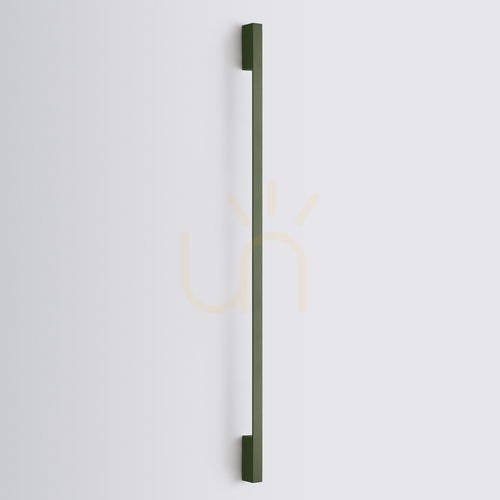
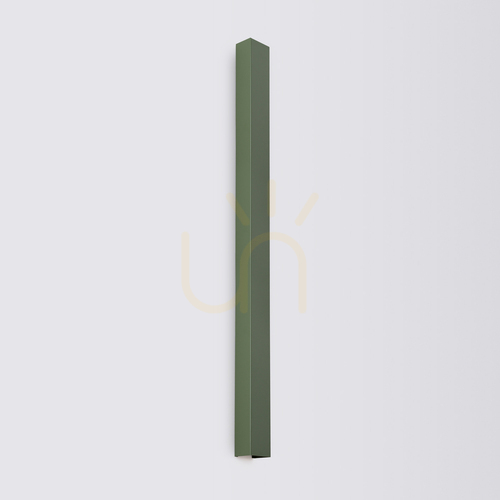
Cylindrical shaped "green sconces" were fixed on the historic brick wall. A matte olive finish warms the coolness of the metal and smoked glass in the rest of the interior. The 36° lighting angle accentuates the texture of the wall, creating spectacular chiaroscuro in the evenings.
Case 3: Bedroom japandi
Light base, ash wood, linen and cotton. "Green wall lamp" with E27 fixture and linen shade provides soft light for reading. A bedside dimmer lets you change the mood from functional to meditative with a single gesture.
Case 4: Hotel lobby
Bottle-shaped "wall sconces green" rhythmize the long wall of the lounge. The combination with marble and brass builds a premium effect; guests find their way easily, and the space becomes more "human."
Case 5: Home office
"Green wall lamp" with a milky glass tube is mounted above a document shelf. Neutral 4000 K and high CRI make it easy to work without tiring eyesight. Green setting alleviates visual stress during online meetings.
Expert advice - quick lifehacks
- Always check how the "green sconce" looks in daylight and artificial light - the shade can vary.
- If the room is dominated by a cool palette, choose a warmer green (olive, moss) and a warm 3000 K.
- In wall galleries, use a narrower lighting angle so as not to spill light beyond the display.
- For small interiors, choose fixtures with a light, optically "thin" frame - you will avoid the effect of heaviness.
- "Wall lamp green shade" made of glass is worth cleaning more often - dust weakens the flux and changes the character of the light.
Expanded dictionary
- Lumen (lm) - the amount of light emitted by the source; the more, the brighter.
- Watts (W) - power consumption, in LEDs does not directly indicate brightness; see lumens.
- IP - waterproof rating; for bathrooms, choose higher values in areas exposed to moisture.
- Flicker - flicker, the absence of which improves visual comfort and video quality.