Illuminate Every Space with Lighting Posts: The Ultimate Guide
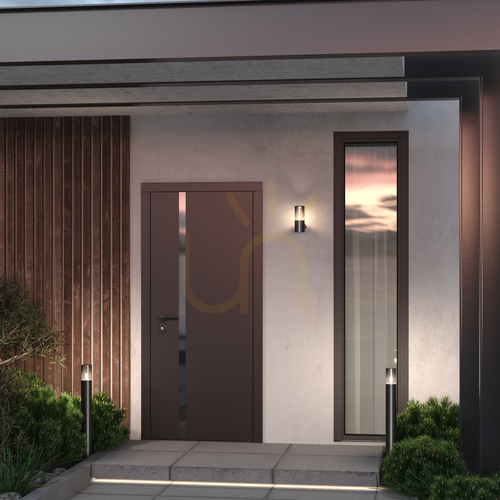
Lighting posts, also known as lamp posts or bollard lights, have become an essential element in outdoor lighting design. Whether you're aiming to brighten a garden pathway, secure a driveway, or enhance curb appeal, lighting posts serve a practical and decorative role in countless residential and commercial outdoor settings. Designed to be both functional and stylish, lighting posts make it possible to transform dark outdoor environments into safe, inviting spaces that stand out both day and night.
Are you seeking to upgrade your outdoor lighting? Explore our comprehensive Lighting Posts category and discover why these fixtures are a top choice for property owners and landscape designers around the world. With a range of styles, materials, and power options, our collection caters to varying aesthetic tastes and performance needs. The right lighting posts can boost property value, increase safety, and underscore the architectural beauty of your surroundings.
What Are Lighting Posts?
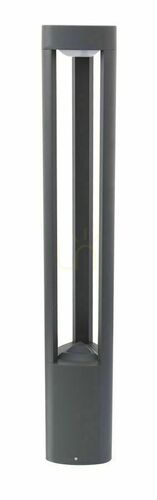
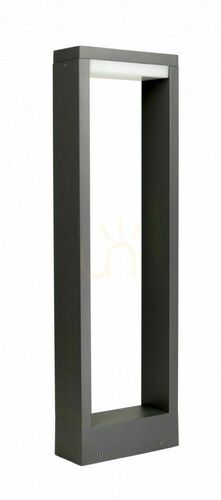
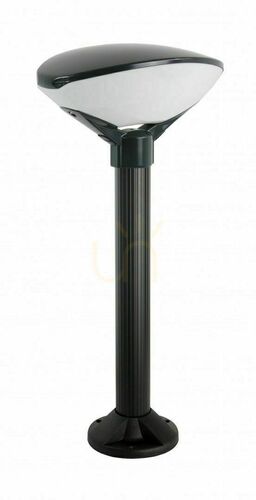
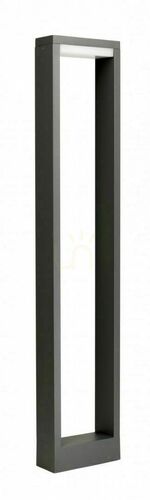
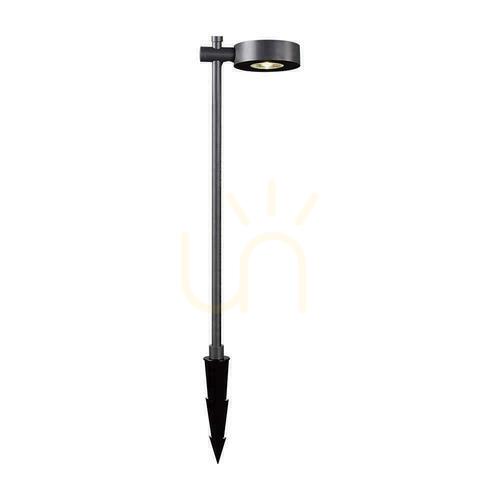
Lighting posts are vertical fixtures designed to provide elevated illumination. Usually ranging from around 1 meter to over 3 meters in height, lighting posts are commonly installed along driveways, walkways, gardens, commercial exteriors, and public pathways. Their elevated placement allows for wider light distribution, effectively covering large outdoor areas compared to ground-level path lights. They are available in various forms, such as classic Victorian-inspired lamp posts, modern aluminum bollards, solar-powered lights, and ornate decorative posts.
The versatility of lighting posts makes them suitable for private gardens, urban parks, plazas, pedestrian zones, hotels, commercial complexes, and municipal projects. Many lighting posts are engineered with weather-resistant materials — such as stainless steel, aluminum, cast iron, brass, or heavy-duty plastic — ensuring durability even in harsh climates. Depending on the model, lighting posts may be powered by electricity (hardwired), solar energy, or batteries, making them adaptable to various installation environments.
Why Should You Use Lighting Posts Outdoors?
Outdoor lighting plays a key role in shaping ambiance and safety. Lighting posts, in particular, offer a suite of advantages:
-
Enhanced Visibility: They safely guide footsteps along walkways, garden paths, and driveways, reducing accident risks and making places more navigable after dark.
-
Security Upgrade: A well-illuminated property deters potential intruders and creates a sense of protection. Lighting posts eliminate shadowy corners and blind spots.
-
Visual Appeal: Choose from ornate traditional designs or sleek minimalistic lines to complement your home's exterior, garden landscaping, or business facade.
-
Energy Efficiency: Modern lighting posts are often powered by LEDs or solar panels, resulting in low running costs and smaller environmental impacts.
-
Property Value: Attractive and purposeful outdoor lighting can significantly boost the perceived value and desirability of properties.
From hospitality venues to private courtyards, lighting posts blend practicality with style, setting the perfect nighttime mood and maximizing outdoor enjoyment year-round.
Which Types of Lighting Posts Are Available?
The Lighting Posts category encompasses several popular designs to accommodate different functions and aesthetics:
-
Traditional Lamp Posts: Feature distinctive lantern heads, ornate metalwork, and historic charm. Commonly used in heritage gardens, public squares, and classic home exteriors.
-
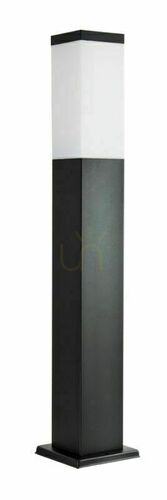
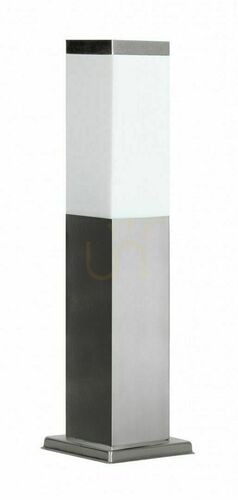
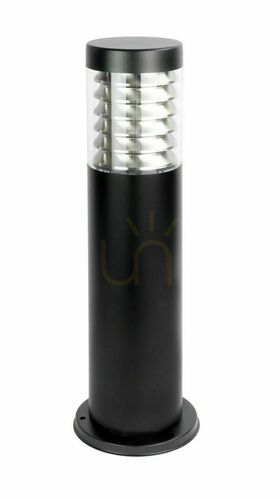
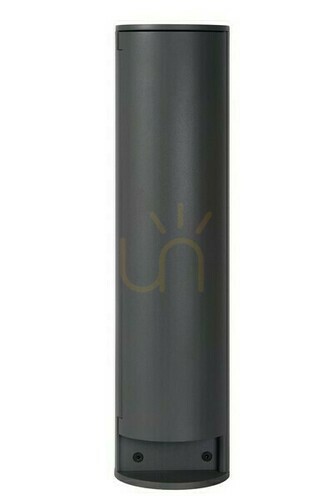
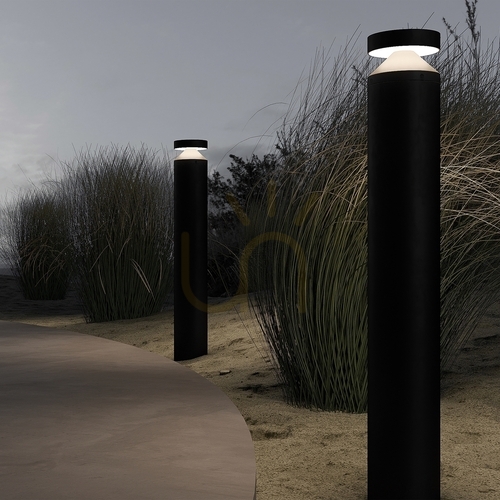
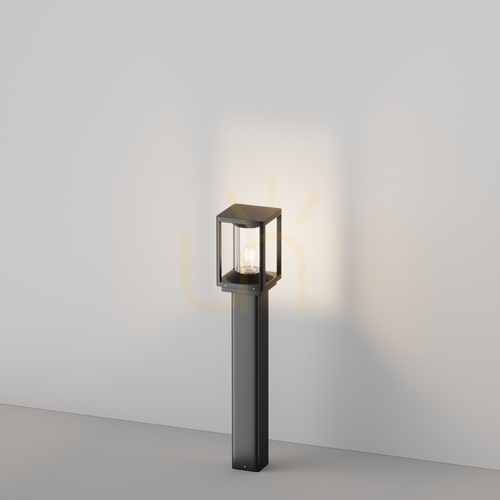
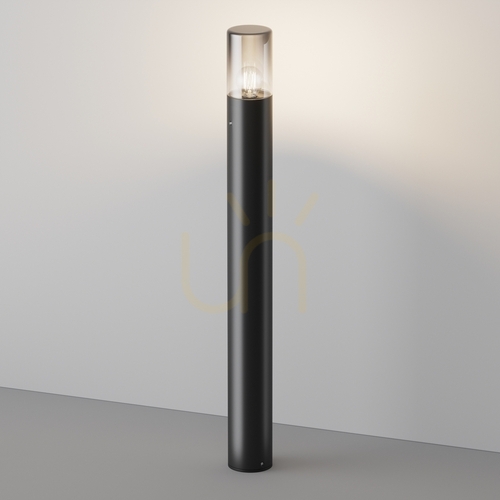
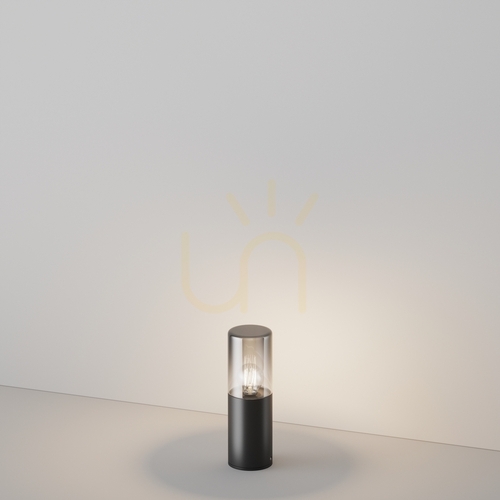
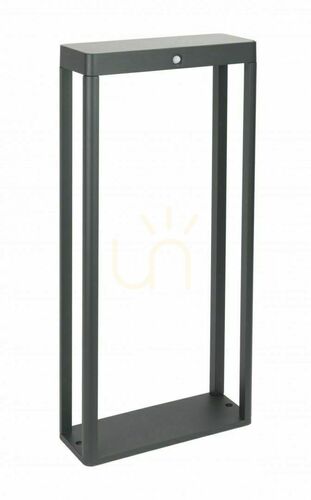
Bollard Lights: Sturdy, short posts typically under 1.5 meters, offering focused side-emitting beams — ideal for paths, garden borders, and driveways.
-
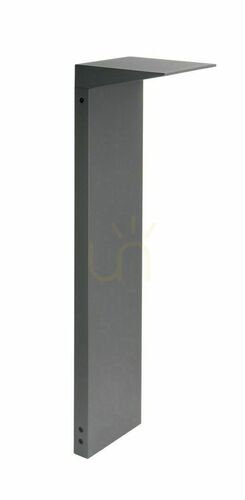
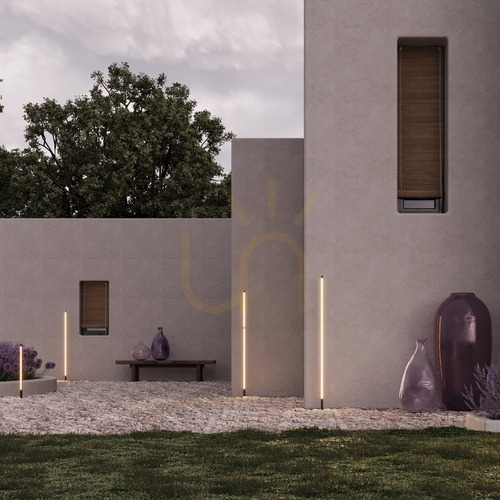
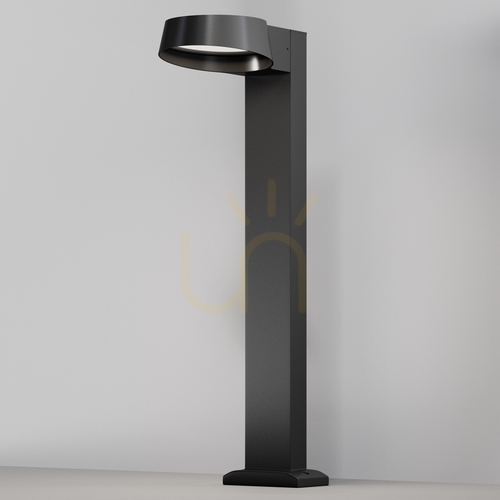
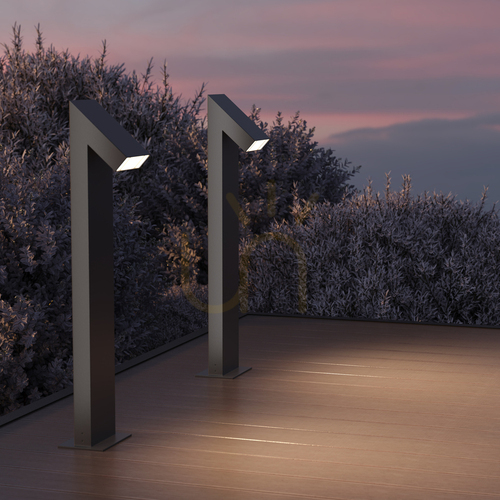
Contemporary Post Lights: Emphasize clean lines, geometric shapes, and modern materials like brushed aluminum or frosted glass for a sleek, understated look. Perfect for modern landscaping and commercial properties.
-
Solar Lamp Posts: Fitted with integrated solar panels and rechargeable batteries, these require no electrical wiring, making installation easy and eco-friendly.
-
Smart Lighting Posts: Designed for integration with smart home systems, allowing for automation, remote control, color changes, and scheduling via apps or voice commands.
Choosing the right style depends on the location, the desired level of illumination, and your personal design goals.
How Are Lighting Posts Installed?
Lighting post installation methods vary depending on whether the lights are solar, battery-operated, or hardwired. Here are some general steps and recommendations:
-
Location planning: Map out your outdoor space and identify where lighting posts will provide both optimal coverage and aesthetic balance. Consider lighting posts for either side of a path, lining a driveway, marking garden perimeters, or defining property borders.
-
Foundation: Most posts require a firm foundation, like a concrete base or sturdy mounting plate, to keep them upright and stable, especially in areas exposed to wind or vandalism.
-
Electrical wiring: Hardwired lighting posts need safe routing of underground electrical cables from a central power source. Hiring a licensed electrician is generally recommended for safety and compliance with local codes.
-
Solar and battery options: Solar lamp posts require positioning in areas that receive sufficient daily sunlight to maximize their charging capacity. Battery options may be suitable for temporary installations or places where wiring is not feasible.
-
Spacing: Position posts typically 2 to 4 meters apart for continuous path illumination. Bollard lights are often spaced more closely, while taller posts for larger areas may be further apart.
Aesthetics, safety, and functional lighting coverage should guide your installation layout. Most lighting posts come with detailed instructions for assembly and mounting, but professional installation may ensure longevity and correct operation in complex scenarios.
What Materials Are Best for Lighting Posts?
Choosing the right material is crucial for longevity and appearance. Common materials for lighting posts include:
-
Aluminum: Lightweight, naturally rust-resistant, and available in many finishes. Suitable for coastal or humid regions.
-
Stainless steel: Highly durable and corrosion-resistant, offers a modern appeal but may require occasional polishing to prevent watermarks.
-
Cast iron: Classic choice for ornate, heritage-style posts. Extremely sturdy but heavy and needs a protective coating to resist rust.
-
Brass or bronze: Offers luxury and timeless appeal, ages beautifully but is pricier.
-
Plastic or resin composites: Affordable, low-maintenance, and available in various looks, though less robust than metal alternatives.
The intended setting and design goal, as well as weather conditions in your region, should inform your material selection. Metal posts with powder coating or special finishes offer added weather resistance.
What Types of Bulbs Are Used in Lighting Posts?
Lighting posts typically use bulbs such as:
-
LED Bulbs: The most popular modern choice, LEDs provide very high illumination with low power consumption, minimal heat, and extensive lifespan.
-
Incandescent Bulbs: Traditional but less efficient, found in older lamp posts; provide warm, soft light but require more frequent replacement.
-
Compact Fluorescent (CFL): More efficient than incandescent, but less common due to the rise of LED technology.
-
Smart Bulbs: Wi-Fi or Bluetooth-enabled, allowing users to set schedules, adjust brightness, or change color temperature remotely.
LED bulbs are preferred for their energy savings, longevity (often rated over 25,000 hours), and wide assortment of color temperatures from warm white to cool daylight. Always check the fixture’s maximum wattage rating before replacing bulbs.
Where Should Lighting Posts Be Used?
Lighting posts are extremely versatile and can be integrated into many different outdoor environments:
-
Driveways and Entryways: Mark the way and prevent accidents with consistent, clear illumination for vehicles and pedestrians.
-
Walkways and Garden Paths: Safely guide movement through outdoor spaces while highlighting landscaping features.
-
Parks and Public Spaces: Create secure, welcoming environments for visitors in communal areas.
-
Commercial Properties: Increase safety, curb appeal, and brand impression in business complexes, parking areas, and hospitality venues.
-
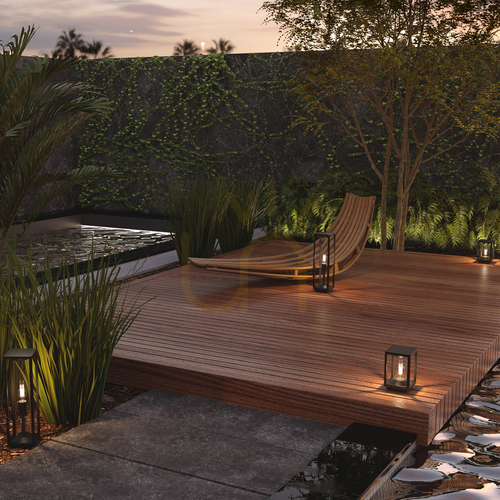
Residential Yards and Gardens: Frame patios, seating zones, water features, or garden beds for staying outdoors after dark.
The adaptability of lighting posts means they are as useful for private residences as they are for municipal and commercial installations. Their strategic placement can transform the usability and atmosphere of any property.
How Do Lighting Posts Help Improve Security?
Lighting posts significantly enhance outdoor security in several ways:
-
Deterrence: Thieves and vandals are less likely to target well-lit properties, as increased visibility heightens the risk of detection.
-
Eliminating Blind Spots: By brightening dark corners or underlit sections of paths and entrances, posts ensure there's nowhere for unwanted visitors to hide.
-
Improved Surveillance: Well-lit environments boost the effectiveness of security cameras and make foot traffic easier to monitor.
-
Community Safety: In public and communal settings, lighting posts contribute to a collective sense of security for all users after sunset.
Combined with motion sensors and smart controls, lighting posts can be an integral component of modern, comprehensive security strategies for homes and businesses alike.
What Maintenance Do Lighting Posts Require?
To keep lighting posts operating at their best, routine maintenance is vital:
-
Cleaning: Remove dirt, cobwebs, and insect debris from fixtures to prevent reduced light output. Non-abrasive cleaners preserve surface finishes.
-
Inspection: Periodically check for physical damage, loose bolts, and corrosion, especially after adverse weather events.
-
Bulb Replacement: Swap out burnt-out or aging bulbs promptly to maintain proper illumination across your property.
-
Electrical Checks: For wired posts, occasional inspection of wiring and connectors helps prevent shorts or power failures.
-
Battery and Solar Maintenance: For solar-powered posts, clean solar panels regularly and check battery health periodically for optimal performance.
Most lighting posts are designed for minimal maintenance, especially those with sealed electronics and corrosion-resistant coatings. Regular upkeep maximizes the life span and visual appeal of your outdoor lighting system.
How Energy Efficient Are Modern Lighting Posts?
Efficiency is a major priority in today's outdoor lighting solutions. Many lighting posts now feature:
-
LED Technology: Consumes up to 80% less power than incandescent or halogen bulbs while delivering the same or greater brightness.
-
Solar Power: Reduces dependence on mains electricity, running entirely on renewable solar energy.
-
Light Sensors: Automated daylight sensors switch lights on at dusk and off at dawn, conserving energy during daylight hours.
-
Motion Detectors: Activate lighting in response to movement, further decreasing unnecessary usage.
Choosing energy-efficient lighting posts can significantly cut energy bills and your overall carbon footprint, especially when illuminating large areas or commercial sites.
How Do I Select the Right Lighting Posts for My Space?
Identifying the ideal lighting posts for your property starts with a few important considerations:
-
Purpose: Define the main role — is it for functionality (safety, guidance, security), structure illumination (highlighting garden features), or pure decoration?
-
Design and Style: Match the lighting post style with the surrounding architecture and landscape theme. Traditional, contemporary, rustic, and minimalist designs all evoke distinct moods.
-
Height: Consider taller posts for covering large open areas; shorter bollards are best for paths and low border lighting.
-
Light Output: Decide on lumen output and beam angle for desired brightness and coverage. Softer glows create ambiance, while powerful beams improve security and visibility.
-
Power Source: Evaluate wiring feasibility. If hardwiring is not practical, solar-powered or battery-operated posts may be better options.
-
Material and Finish: Select materials that offer both weather protection and visual harmony with other exterior elements.
A thoughtful mix of fixture styles and placements often results in the most visually pleasing and functional outdoor lighting design.
What Are the Latest Trends in Lighting Posts?
Outdoor lighting design continues to evolve. Key trends in lighting posts include:
-
Smart Integration: Wi-Fi enabled lighting posts that sync with home automation systems for scheduling, dimming, and color changes.
-
Sustainable Materials: Eco-conscious consumers are turning to recycled metals, bamboo, or low-impact composites.
-
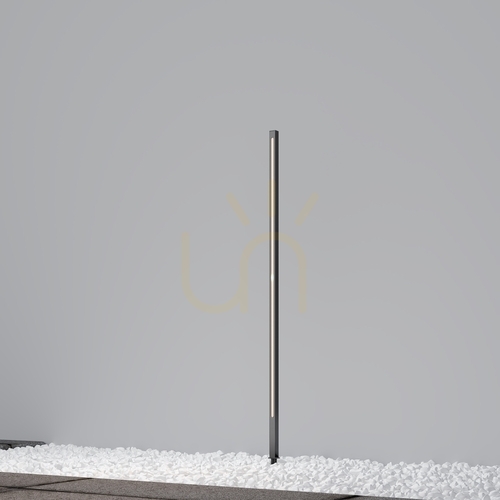
Architectural Minimalism: Simple geometric shapes, hidden fixtures, and unobtrusive forms that highlight landscaping rather than distracting from it.
-
Vintage Resurgence: Classic Victorian and Edwardian lamp post designs remain popular for heritage homes and picturesque gardens.
-
Hybrid Solar-Electric Systems: Fixtures that combine grid electricity and solar for maximum reliability and efficiency.
Incorporating these trends can help future-proof your outdoor lighting investment while giving your property distinctive, modern curb appeal.
How Durable Are Outdoor Lighting Posts?
Well-made lighting posts are engineered to withstand the rigors of outdoor environments. Durable lighting posts feature:
-
Weather-Resistant Coatings: Powder-coated or galvanized surfaces protect against rain, snow, UV rays, and salt air.
-
Impact-Resistant Construction: Sturdy poles and reinforced bases ward off accidental damage from vehicles, wildlife, or vandalism.
-
Sealed Electronics: Waterproof and dustproof seals guard bulbs and electrical components against moisture intrusion and corrosion.
-
Temperature Tolerance: Designed to operate in extreme heat and cold for year-round performance.
Higher quality models may include warranties for added peace of mind and reliability, ensuring your investment stands the test of time.
How Do Lighting Posts Enhance Curb Appeal?
Lighting posts contribute to a welcoming, upscale impression by:
-
Showcasing Landscape Features: Accentuate flower beds, trees, sculptures, and architectural elements that might otherwise go unnoticed after dusk.
-
Framing Entrances: Bold posts on either side of a driveway or entry gate can provide a 'grand entrance' effect, increasing the perceived value of your property.
-
Adding Nighttime Interest: Soft glows and dramatic shadows introduce new dimensions to landscapes that are invisible during the day.
-
Extending Living Spaces: Well-lit patios, gazebos, or entertainment areas invite use even after dark, boosting the usability and enjoyment of outdoor zones.
With a vast variety of finishes — from sleek matte black and brushed steel to antique bronze and classic white — lighting posts are among the easiest upgrades for boosting evening curb appeal.
How Affordable Are Lighting Posts?
There’s a lighting post solution for nearly every budget. Costs can vary based on several factors:
-
Material: Plastic and aluminum models are generally more affordable, while brass, bronze, and cast iron carry premium price tags.
-
Lighting Technology: Solar-powered and LED options may require a higher upfront investment but save on running costs over time.
-
Design Complexity: Ornate or custom-designed fixtures cost more than minimalist or utilitarian models.
-
Features: Posts with smart controls or advanced sensors generally cost more than standard models.
Strategic planning and careful selection allow homeowners and businesses alike to create impactful outdoor lighting schemes within their desired spending range. Remember to factor in not only initial costs but also long-term energy savings and reduced maintenance expenses.
Are Lighting Posts Weatherproof?
Most outdoor lighting posts are specifically built for weather resistance. Key weatherproofing features include:
-
IP Ratings: Fixtures marked with an IP rating (Ingress Protection) guarantee resistance to moisture, dust, and insects. An IP65 rating is typical for outdoor fixtures.
-
Resilient Materials: Anodized, coated metals and UV-stabilized plastics ensure protection against sun, wind, rain, snow, and even corrosive coastal air.
-
Waterproof Seals: Well-sealed lamp heads and bases prevent rain or irrigation water ingress, which can cause short circuits.
Proper installation — including secure mounting and correct cable routing — is essential to maximize weather resistance and avoid common failures.
A World of Possibilities with Lighting Posts
Lighting posts unlock the potential of your property’s outdoor spaces after dark. They bring together safety, security, and unparalleled aesthetics, with modern technology offering more choices than ever before. Whether you’re illuminating a meandering path, securing your home’s entrance, or creating visual drama in a landscape, the right lighting posts act as both practical solutions and standout style features.
Explore a curated range of lighting posts, review options tailored to your specific needs, and enjoy the benefits of lasting beauty and safety throughout every season.