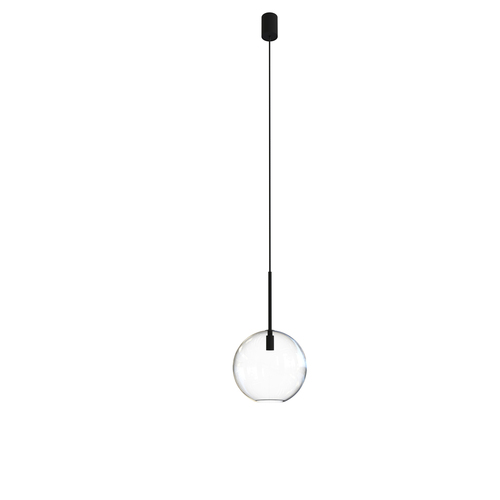
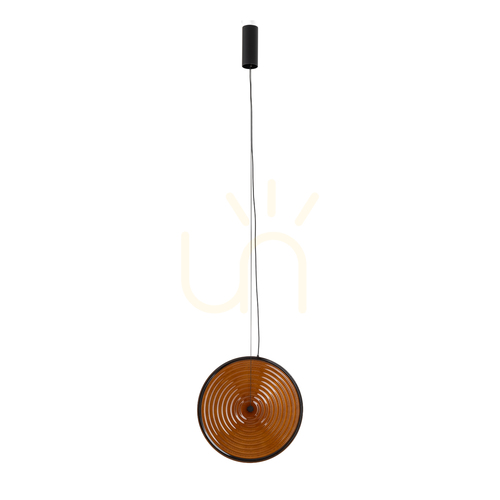
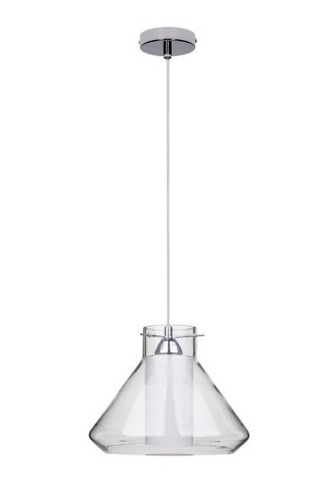
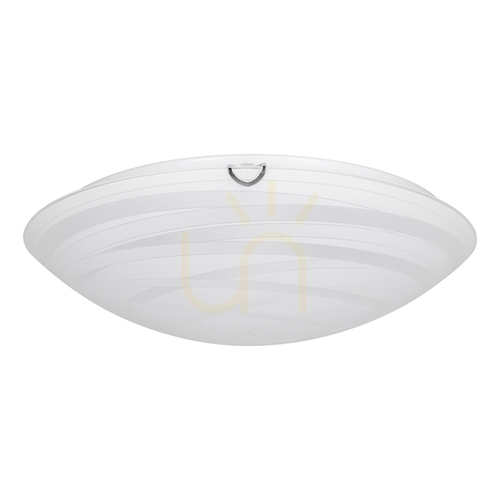
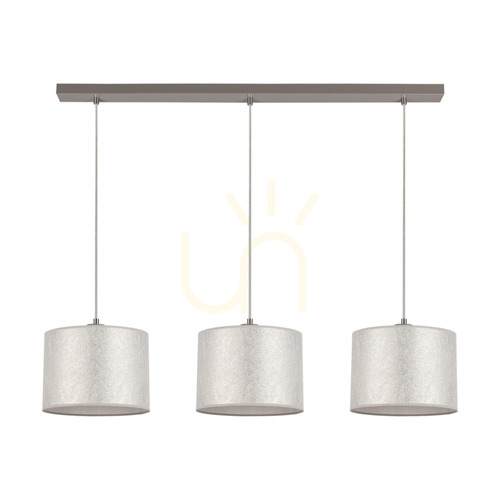
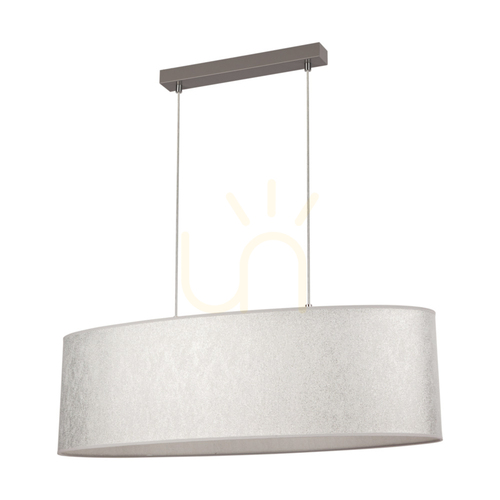
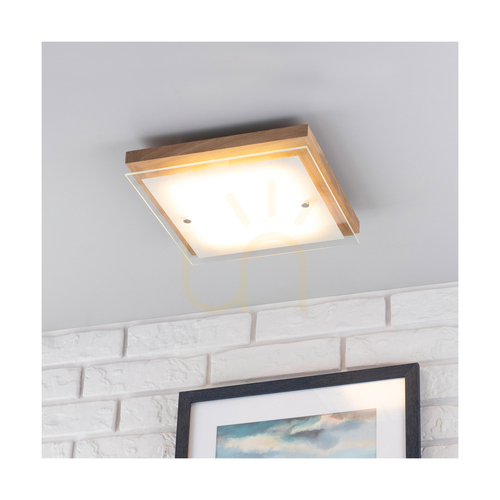
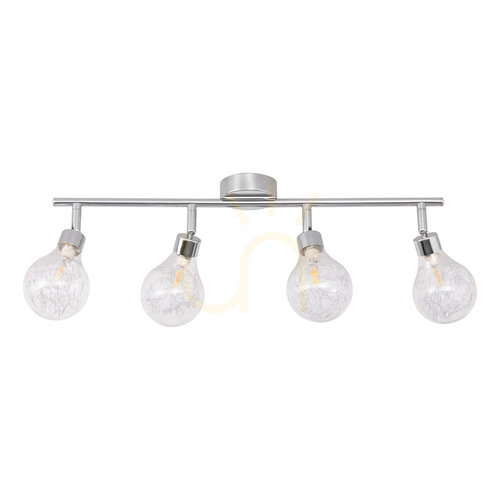
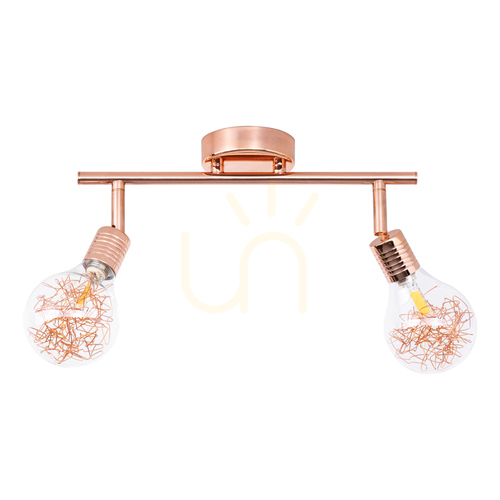
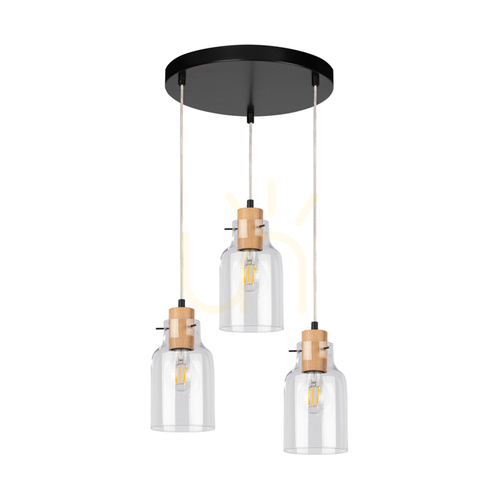
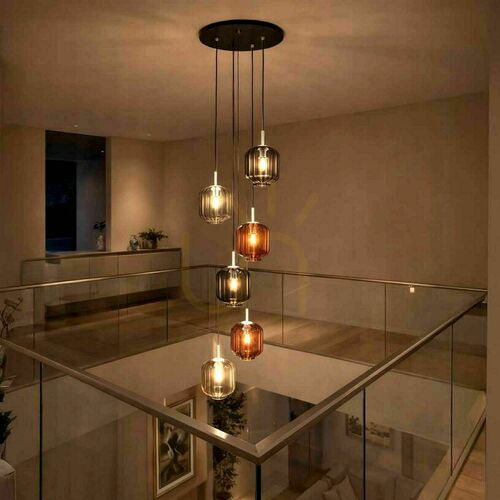
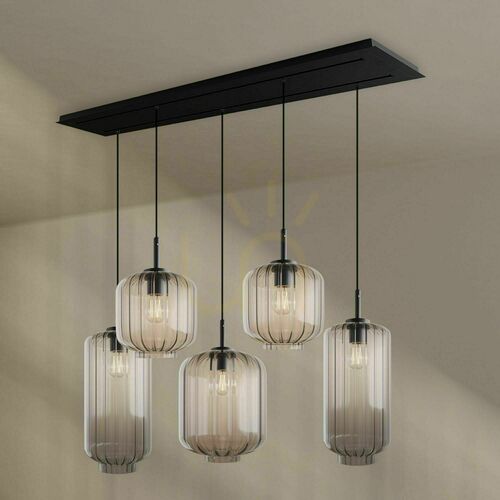
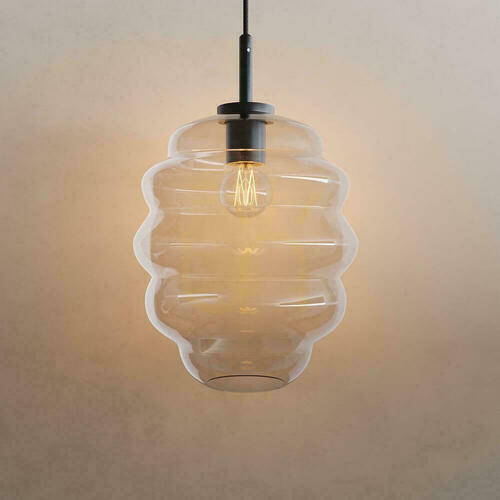
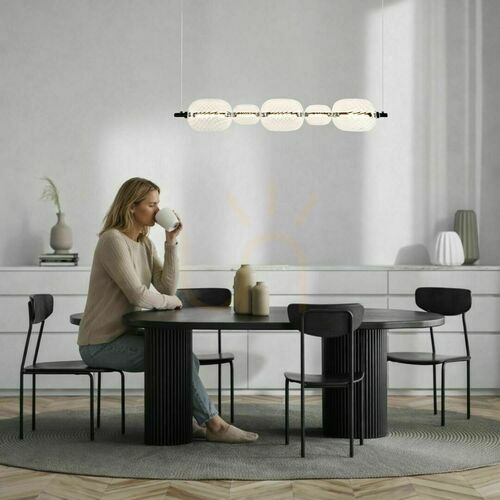
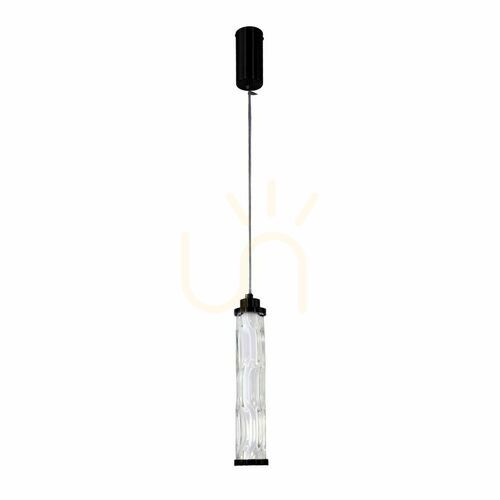
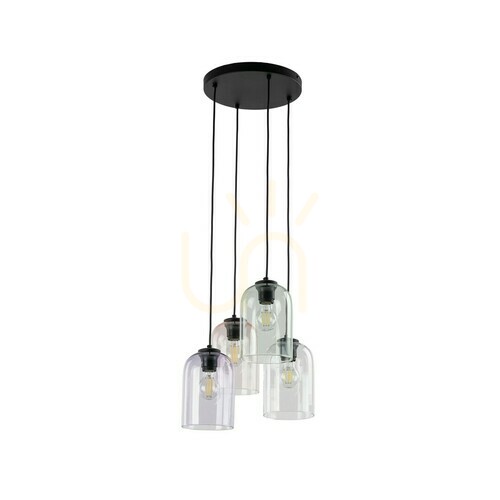
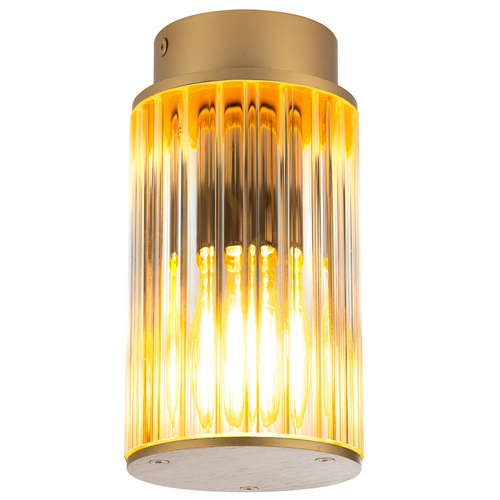
A transparent ceiling light hides nothing, which makes it the one category where the lamp you screw in is part of the design rather than a consumable. Clear glass or clear acrylic shows you the shape of the fitting and the shape of the bulb, and very little else — so both have to be right.
The bulb is the design
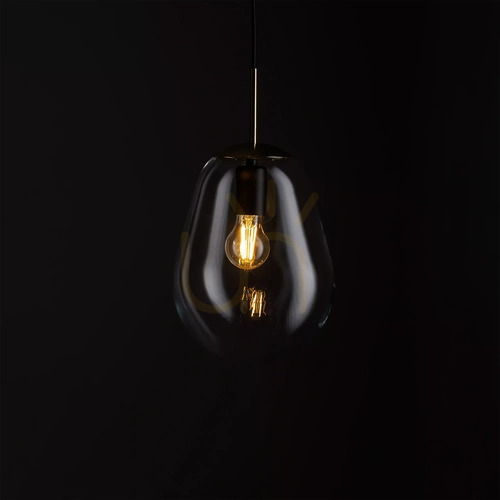
Behind clear glass, a bare LED chip-on-board module looks like exactly what it is. Use a decorative filament lamp instead: a globe, a tube or a squirrel-cage at a warm 2,200-2,700 K, with the filament pattern facing into the room. Dimmable versions are worth the extra, because a visible filament at full output is bright enough to leave an after-image.
Glare, and where it stops being a problem
Clear shades put the full luminance of the source in your field of view. That is fine above eye level in a stairwell, or over a table you look across rather than up at. It is unpleasant in a bedroom or a child's room, where people lie down and look straight up. If the room is one you look up in, choose a clear shade with a frosted or opal inner cylinder: you keep the transparency and lose the hot spot.
Visual lightness in a small room
Transparent fittings earn their place in low or narrow rooms. A clear glass dome in a 2.3 m hallway occupies volume without visually filling it, so the ceiling still reads as continuous. A solid opaque shade of the same diameter in the same hallway makes the ceiling feel lower than it is. That is the real argument for clear glass, more than any styling one.
Glass, acrylic and what shows
-
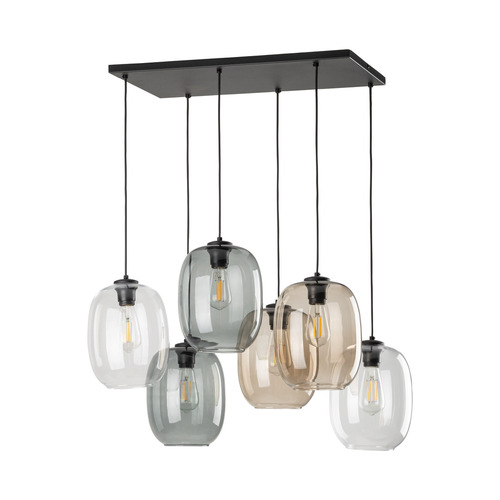
Clear glass — optically the crispest, heavier, and it stays clear; it does not yellow.
-
Clear acrylic — light and safe overhead, but it scratches, and older sheet can yellow under UV.
-
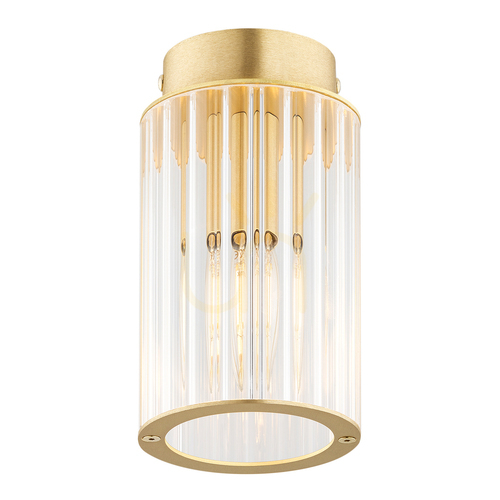
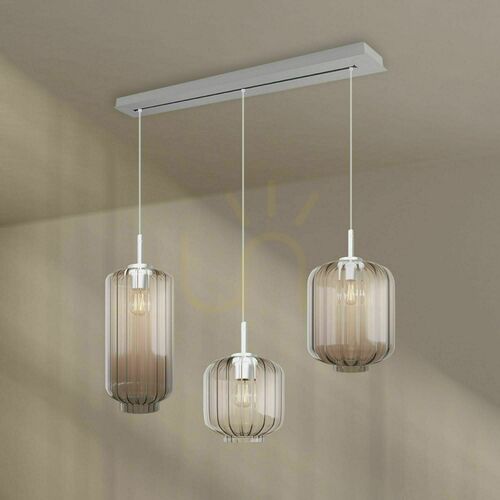
Ribbed and fluted clear glass — breaks the source into repeated highlights, taking the edge off glare while staying transparent.
- Every fingerprint, dead insect and film of dust is visible on all of them. Plan on cleaning it more often than an opal shade.
Frequently asked
Is a transparent ceiling light bright enough?
It loses almost nothing to the shade, so the lumen figure on the lamp is what reaches the room. The limit is comfort, not output.
What bulb should I use?
A dimmable filament LED at 2,200-2,700 K, chosen for the shape of its filament as much as for its output.
Does clear acrylic yellow?
Cast acrylic with UV stabilisation holds up well indoors. Cheap extruded sheet near a sunny window can yellow within a few years.
For a clear shade hanging lower over a table, see the pendant lights.