Illuminate Your Sanctuary with Bedroom Lamps
Discover the transformative power of bedroom lamps and turn your bedroom into a sanctuary of comfort, style, and tranquility. Bedroom lamps are more than just functional lighting—they are essential elements that shape your personal oasis, elevate its ambiance, and reflect your unique taste. From bedside table lamps to wall sconces and statement floor lamps, the right lighting solution can redefine the mood, functionality, and visual appeal of your restful retreat. Whether your aesthetic leans toward modern minimalism, timeless elegance, boho chic, or vintage sophistication, our curated collection offers a dazzling spectrum of choices for every individual and every bedroom.
Why Do Bedroom Lamps Matter?
Lighting is one of the most important aspects of any interior, but in the bedroom, it becomes crucial. The right bedroom lamp does more than illuminate; it nurtures a cozy atmosphere, soothes your senses, and helps you unwind after a long day. Effective bedroom lighting balances practical requirements—like reading or dressing—with the need for relaxing, sleep-conducive illumination. Soft, warm glows create an inviting escape, while bolder designs add visual intrigue and personality to your space. Choosing the ideal bedroom lamp means considering both style and utility, from lamp size and shape to the brightness and color temperature of the light it delivers.
What Types of Bedroom Lamps Are Available?
The term "bedroom lamps" encompasses a diverse range of lighting fixtures, each serving distinct roles and aesthetics within your sleeping area. The following are some of the most popular types:
-
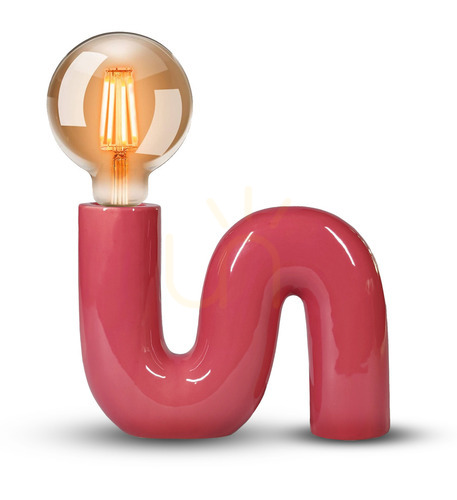
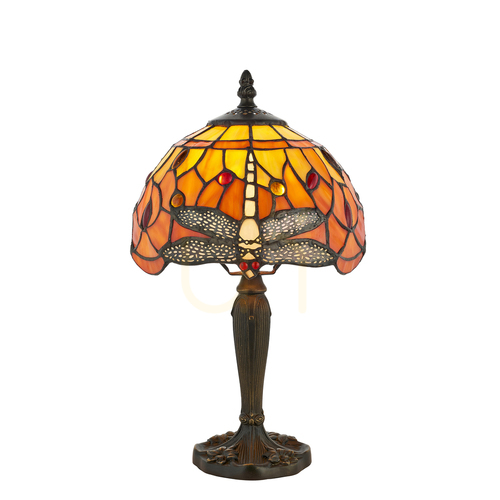
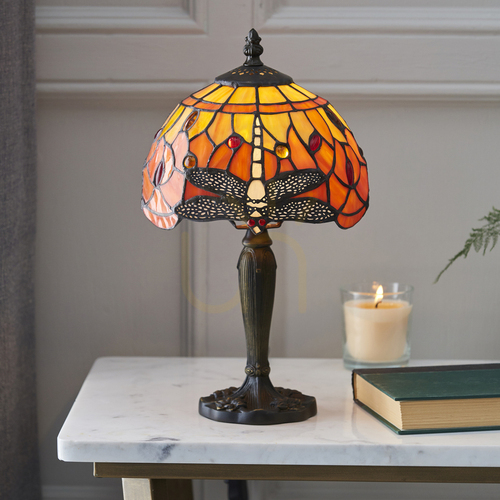
Bedside Table Lamps: Compact and versatile, bedside lamps for bedrooms are designed for nightstands or tables. They offer task lighting for reading and an ambient glow for a soothing bedtime routine.
-
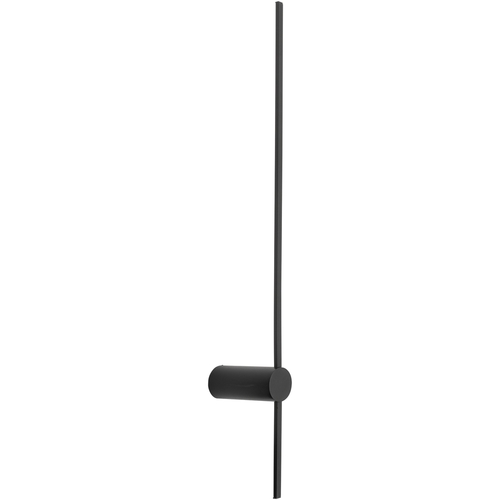
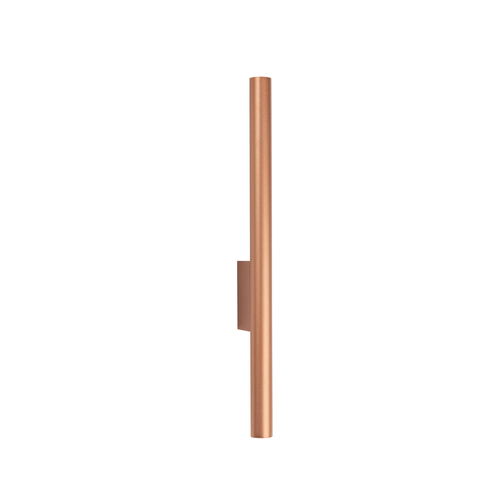
Wall Lamps and Sconces: Mounted fixtures save space and provide focused illumination, ideal for those who prefer uncluttered surfaces, or wish to add accent lighting near the headboard.
-
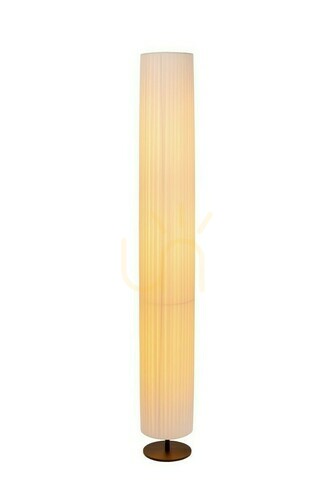
Floor Lamps: Standing bedroom floor lamps are perfect for adding height, drama, and additional light control in larger spaces or near reading chairs and dressing areas.
-
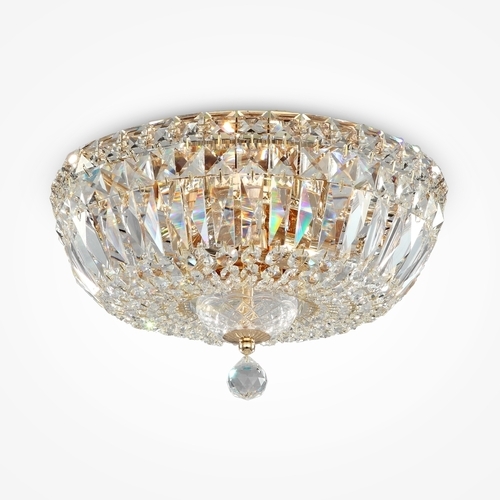
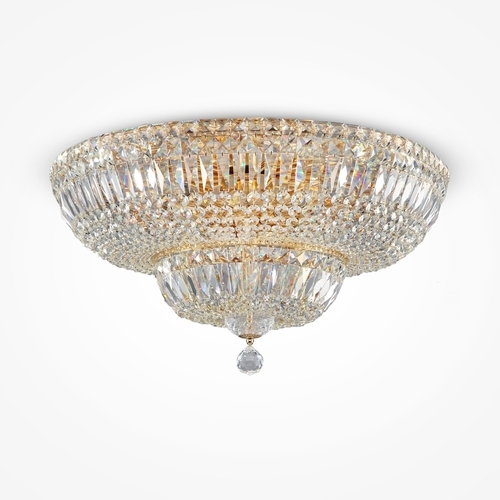
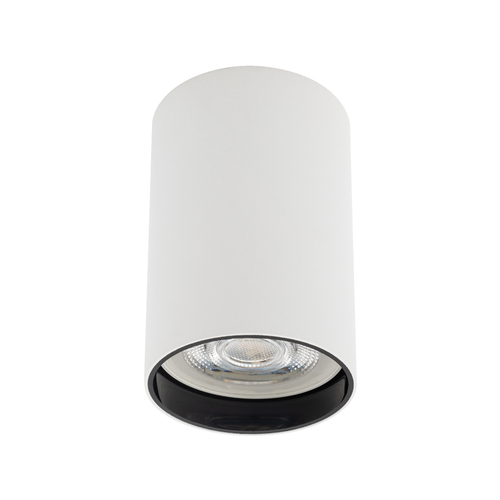
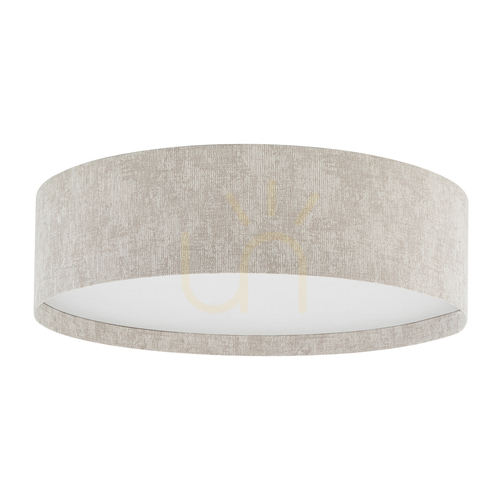
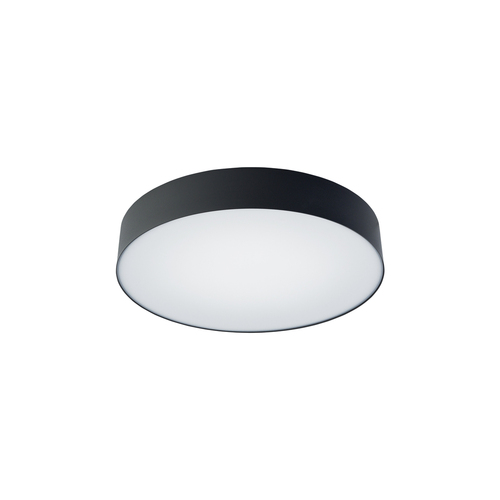
Ceiling Lamps and Chandeliers: Overhead lights provide general lighting, while decorative chandeliers can become statement pieces that enhance the room’s architecture and elegance.
-
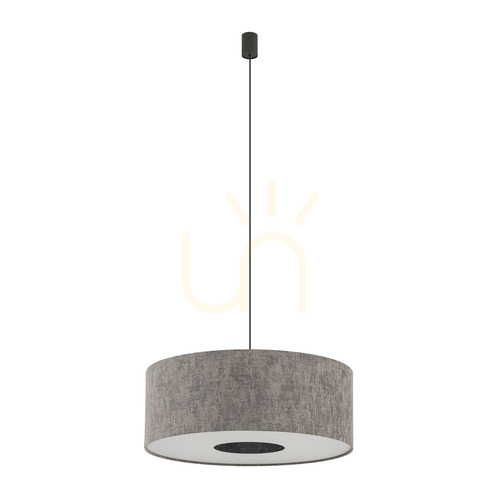
Pendant Lamps: Hanging pendant lights bring contemporary flair to the bedroom, often used above nightstands or in the center of the room for a sophisticated finish.
-
Clip-On Lamps: Ideal for bunk beds, small bedrooms, or temporary setups, these lamps can be attached to headboards or shelves for flexible illumination.
How Do I Choose the Right Bedroom Lamp?
Selecting the perfect lamp for a bedroom starts with understanding your needs and preferences. Consider the following factors:
-
Room Size and Layout: Evaluate your bedroom’s dimensions to select lamps that provide adequate light without overwhelming the space.
-
Purpose and Placement: Are you looking for ambient lighting, task lighting for reading, or accent lighting to highlight décor? Placement—bedside, wall, floor, or ceiling—will dictate your choice.
-
Lamp Style and Design: From sleek metal finishes and contemporary geometric shapes to ornate, classic bases with fabric shades, select bedroom lamps that complement your furnishings and color palette.
-
Bulb Type and Light Quality: Warm white LED bulbs are preferred for bedrooms due to their soft, restful glow, while smart bulbs allow for adjustable color and brightness to suit your changing moods.
-
Convenience Features: Consider dimmable options, touch controls, or USB charging ports for added functionality and comfort.
Should I Use Warm or Cool Lighting in the Bedroom?
Lighting color temperature is key to bedroom ambiance. Generally, warm white light (2700K–3000K) is highly recommended for bedrooms because it produces a soft, inviting glow that promotes relaxation and restfulness. Cool white or daylight bulbs, while excellent for task-heavy spaces like kitchens or offices, can be too harsh for comfortable bedtime routines. When in doubt, opt for warm-toned bulbs for your bedroom lamps, or invest in smart lamps with variable color temperatures. This way, you can tailor your lighting for different times of day or activities, from invigorating mornings to peaceful evenings.
What’s the Best Placement for Bedroom Lamps?
For optimal functionality and balance, bedside lamps should be positioned so that their base is level with your mattress. This setup ensures direct but gentle light for reading or relaxing without casting harsh shadows. If your nightstands are small or you want to save space, wall-mounted lamps or sconces on either side of the bed are excellent alternatives. Floor lamps can occupy corners or areas near a cozy chair to create reading nooks, while pendant lights offer a modern twist when hung above bedside tables. Try to achieve layered lighting: combine ambient, task, and accent lamps to create a versatile and dimmable setup tailored to every moment and mood.
What Styles of Bedroom Lamps Are On Trend?
Today’s bedroom lamps reflect a wide range of design trends, so there’s something to match every taste and décor style:
-
Mid-Century Modern: Look for clean lines, wooden accents, and retro shades in rich or muted colors.
-
Industrial and Minimalist: Matte black finishes, exposed bulbs, and simple geometric forms create urban chic appeal.
-
Art Deco and Glam: Touches of gold, metallic bases, bold shapes, and textured glass or crystal bring luxury and drama to any bedroom.
-
Bohemian and Rustic: Natural materials like rattan, wood, and linen; handwoven shades; and earthy tones foster warmth and relaxation.
-
Contemporary Elegance: Sleek profiles, polished metals, and integrated smart technology for effortless convenience and style.
-
Classic and Traditional: Ornate bases, ceramic or porcelain features, fabric shades, and neutral palettes for timeless charm.
No matter your personal style, bedroom lamps offer endless opportunities for creative expression and functional beauty.
How Do I Match Bedroom Lamps to My Décor?
The secret to cohesive bedroom lighting is harmonizing your lamps with the room’s color scheme, furnishings, and overall vibe. Complement dominant color palettes—soft pastels, bold statement walls, or neutral layers—with lamp bases and shades that echo similar tones. For eclectic interiors, mix and match lamp shapes and finishes for a personalized, collected look. Opt for metallic, glass, or stone finishes for a touch of sophistication, or use textured shades to add softness and interest. Symmetry can bring calm to traditional setups—think matching lamps on either side of the bed—while asymmetrical arrangements feel fresh and modern. Don't be afraid to pair vintage-inspired bedroom lamps with contemporary décor for a visually dynamic space that feels curated and unique.
Are There Space-Saving Bedroom Lamp Options?
Absolutely! For smaller bedrooms or minimalist looks, explore wall-mounted lamps, sleek floor lamps, or pendant lights. Wall sconces and swing-arm lamps free up valuable tabletop space, and can double as both ambient and task lighting. Slim-profile lamps and integrated LED strip lights can be tucked into headboards, shelves, or behind mirrors to add illumination without crowding surfaces. Clip-on lamps, flexible gooseneck designs, or even built-in charging night lights can keep your space clutter-free while delivering optimal light where you need it most.
How Bright Should Bedroom Lamps Be?
Bedroom lamps typically work best within a brightness range of 400–850 lumens per fixture, which is sufficient for reading, relaxing, and moving around safely without being overwhelming. For ambient or general lighting, aim for softer light or dimmable bulbs so you can easily adjust brightness throughout the evening. Task lighting, such as a lamp for bedtime reading, may require slightly higher lumen output for clearer illumination. Always choose lamps with adjustable settings or compatible with dimmable bulbs to customize your bedroom lighting experience.
What Materials Are Best for Bedroom Lamps?
The best material for your bedroom lamp largely depends on your design preferences and lifestyle. Popular options include:
-
Ceramic and Porcelain: Offer a timeless, refined look; available in a variety of colors and patterns to complement any décor.
-
Metal: (Brass, gold, black, chrome) Durable and modern; perfect for both classic and contemporary interiors.
-
Wood and Rattan: Bring warmth and organic texture, ideal for rustic, bohemian, or Scandinavian-inspired bedrooms.
-
Glass and Crystal: Create drama and glamour; ideal for decorative statement lamps or crystal chandeliers.
-
Fabric Shades: Diffuse light and add softness, color, or patterned detail to your bedside setup.
Choose lamp materials that resonate with your design vision and withstand your daily routines for lasting enjoyment.
Are Smart Bedroom Lamps Worth It?
Smart bedroom lamps have become increasingly popular due to their convenience, flexibility, and cutting-edge features. With built-in wireless connectivity, touch controls, voice assistant compatibility, and fully adjustable color temperatures, smart lamps let you personalize your room’s atmosphere at any time. Set schedules to mimic natural sunrise for an easier wake-up, create gentle dimming before sleep, or select ‘reading’ or ‘romantic’ scenes at a tap. If you seek seamless integration of technology into your bedroom, smart lamps offer a versatile and stylish solution.
Can Bedroom Lamps Improve Sleep Quality?
Bright LED lights or cool-toned lighting can suppress melatonin production and disrupt sleep cycles. That’s why choosing bedroom lamps with warm, dimmable bulbs is important for relaxation and quality rest. Many sleep experts recommend layering soft lighting with the ability to adjust brightness, allowing your eyes and mind to slowly unwind before bed. Reading lamps with focused, non-glare light also help prevent eye strain and keep your sleep environment calm and comfortable. The right bedroom lamp setup can significantly support healthy nighttime routines and restful slumber.
How to Clean and Maintain Bedroom Lamps?
Proper care extends the life and appearance of your bedroom lamps. Dust lamp bases and shades regularly with a soft, dry cloth; fabric shades can be vacuumed gently with a brush attachment. Remove stubborn stains with a lightly dampened cloth, but avoid soaking wiring or electrical components. For glass or crystal lamps, use streak-free glass cleaner and a soft towel. Be sure to turn off and unplug lamps before any thorough cleaning. Replace bulbs as needed and check wiring for safety if you notice flickering or dimming over time.
Are Bedroom Lamps Energy Efficient?
Today’s energy-efficient lamp options abound, thanks to the growth of LED technology and advanced lighting controls. LED bulbs use up to 80% less energy than incandescent models and can last up to 25 times longer, making them ideal for bedroom use. Many modern lamps are compatible with energy-saving bulbs, and smart lighting systems offer motion sensors, timers, and dimming settings for reduced energy consumption. Choosing energy-efficient lamps not only lowers your environmental impact but helps reduce utility bills over time.
Can I Use Bedroom Lamps in Other Rooms?
While designed with sleep spaces in mind, most bedroom lamps are versatile enough for use in living rooms, home offices, hallways, or guest rooms. Portable table lamps, floor lights, and stylish wall sconces can easily migrate wherever you need supplementary lighting or decorative accents. Unique lamp designs add character and warmth to reading nooks, entryways, or even covered outdoor seating areas. Always consider the specific lighting needs and style of each space when repurposing a bedroom lamp elsewhere in your home.
Are Wall Lamps Better Than Table Lamps for Bedrooms?
The choice between wall lamps and table lamps is highly personal and depends on your space, needs, and aesthetic. Wall-mounted lamps and sconces save surface space, create a tailored look, and can be angled for ideal task or accent lighting. They’re perfect for minimalist bedrooms, small spaces, or where outlets are conveniently positioned near the bed. Table lamps, on the other hand, offer mobility, easy plug-and-use installation, and a broader range of designs and shade styles. If flexibility and frequent rearrangement are important, opt for a classic bedside lamp; otherwise, enjoy the sophistication and clean lines wall lamps provide.
How Many Lamps Does a Bedroom Need?
Layered lighting is often recommended for bedrooms: combine ambient, task, and accent lighting for maximum versatility and comfort. A typical layout might include a central ceiling lamp or chandelier for general illumination, paired with two bedside table lamps or wall sconces for reading. Add a floor lamp in a corner or an accent lamp atop a dresser for extra warmth and visual interest. Consider your daily routines and the room’s scale—a minimalist look may need just one or two well-placed fixtures, while a larger bedroom benefits from several coordinated sources of light.
What Safety Tips Should I Consider When Choosing Bedroom Lamps?
Always select lamps that comply with safety standards and electrical regulations. Check cord and plug quality, especially for older or vintage lamps. Place lamps on stable surfaces away from flammable materials such as curtains or bedding. Don’t overload outlets with multiple lamps or high-wattage bulbs, and ensure that wall-mounted lamps are securely installed. If you have children or pets, look for lamps with sturdy bases and avoid easily tipped or breakable designs. Proper placement and routine inspections ensure a safe, well-lit bedroom environment.
What Are Popular Colors for Bedroom Lamps?
Trending colors for bedroom lamps include classic whites, beiges, and soft grays for calming ambiance, as well as black or metallics (gold, brass, chrome) for a touch of sophistication. Natural shades like wood, rattan, and earthy terracotta pair well with bohemian or coastal themes. Don’t shy away from bolder colors—emerald, navy, or blush—for accent lamps that add personality and highlight your décor. Consider translucent glass for diffused illumination or statement crystal for extra sparkle and glamour.
How Can I Layer Lighting in My Bedroom?
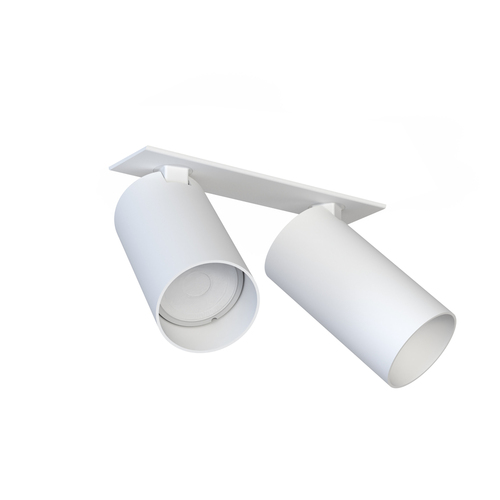
Layering lighting means using several types of lamps to achieve balanced illumination. Combine an overhead light (such as a pendant or flush-mount fixture) for general brightness, wall lamps or sconces for mood lighting, and bedside lamps for reading or personal tasks. Accent lights—spotlights, LED strips, or decorative table lamps—enhance architectural features, art, or collections. The result is a bedroom that’s adaptable, visually interesting, and completely tailored to your routines.
What Are Some Creative Ways to Use Bedroom Lamps?
Think beyond the nightstand! Place a tall arc floor lamp behind a comfy chair for a reading nook. Install a pair of pendant lamps over floating bedside tables for modern style and symmetry. Use smart LED strips behind headboards for ambient halos, or mount decorative wall sconces as feature art. Cluster mini table lamps in varying heights for playful contrast, or use color-changing smart bulbs to set relaxing blue or energizing yellow tones. Your bedroom is your canvas—use lamps as both light sources and works of art.
Conclusion: Your Bedroom, Perfectly Lit
Bedroom lamps are not mere accessories; they’re essential tools for crafting a comfortable, beautiful, and restful space uniquely yours. From choosing between bedside table lamps and wall sconces to balancing form and function, the right bedroom lamp brings together style, comfort, and utility in perfect harmony. Explore materials, colors, and features that reflect your taste, and always prioritize soft, adjustable lighting to nurture your well-being. Whether you’re redecorating, moving in, or simply seeking that finishing touch, bedroom lamps are the key to setting just the right ambiance—one switch at a time.