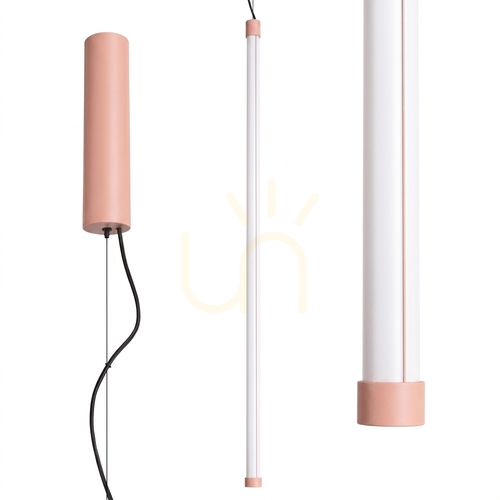
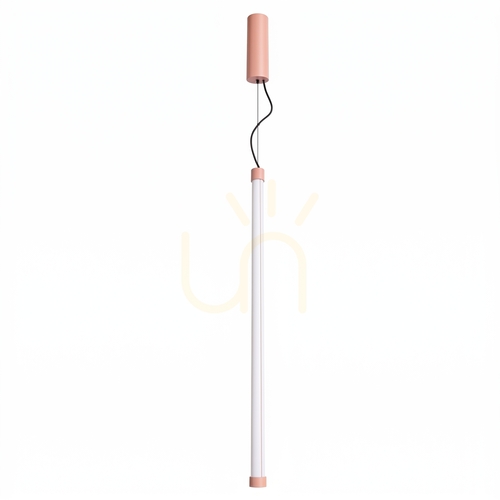
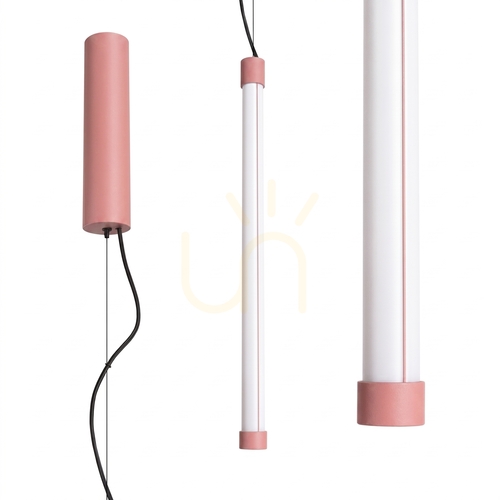
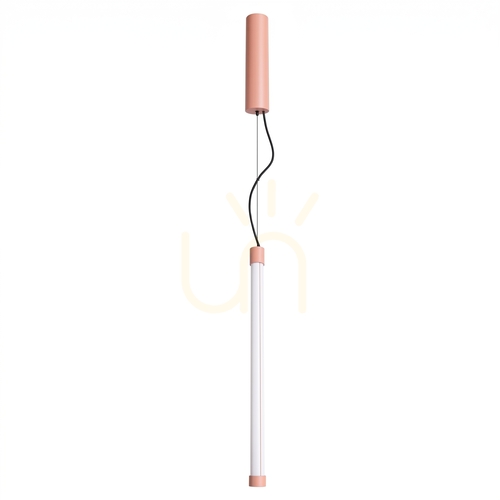
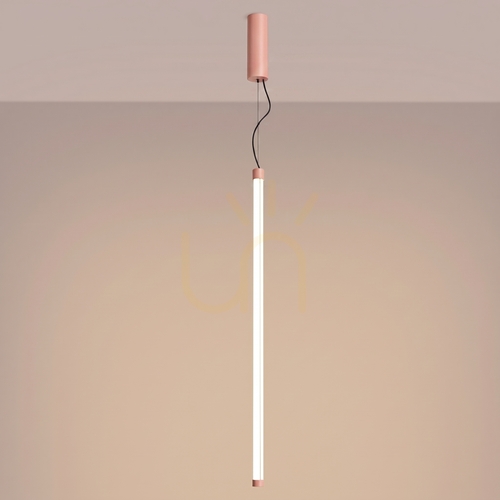
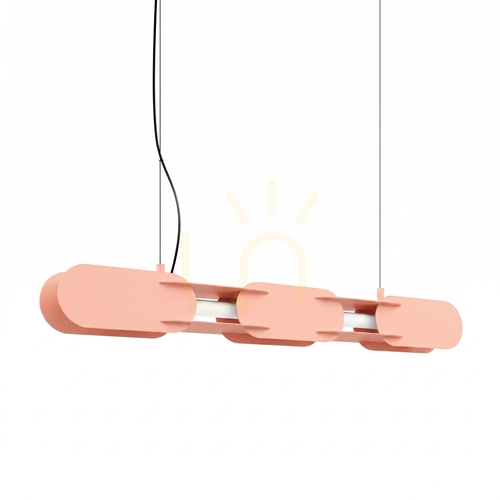
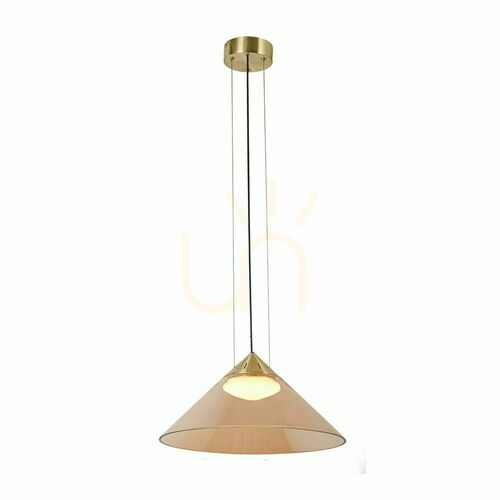
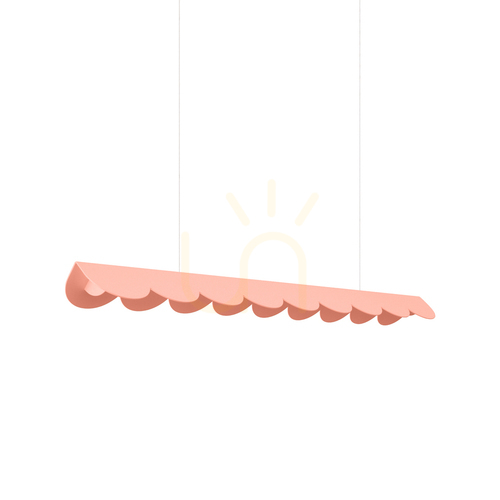
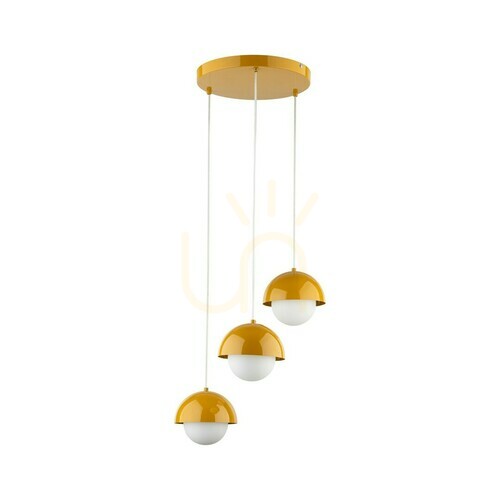
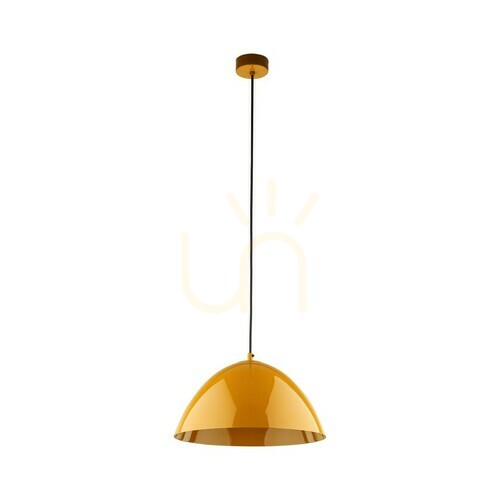
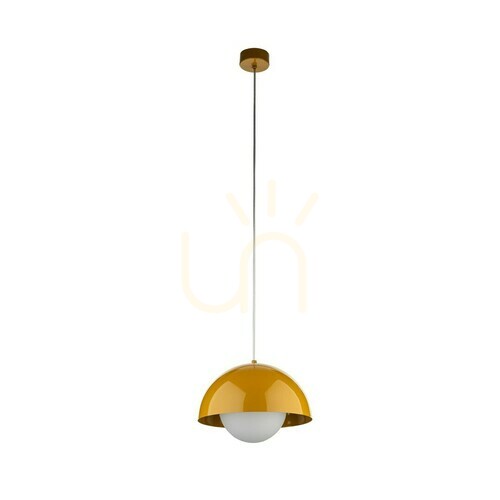
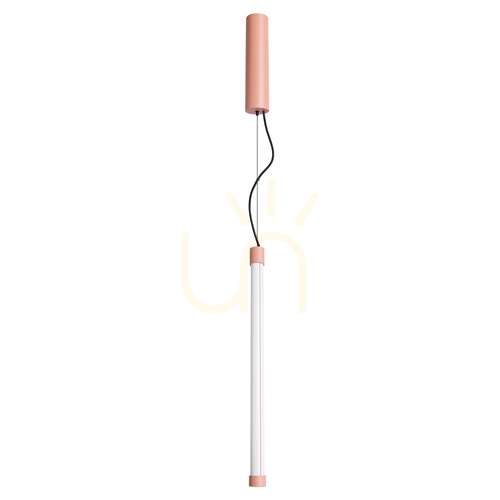
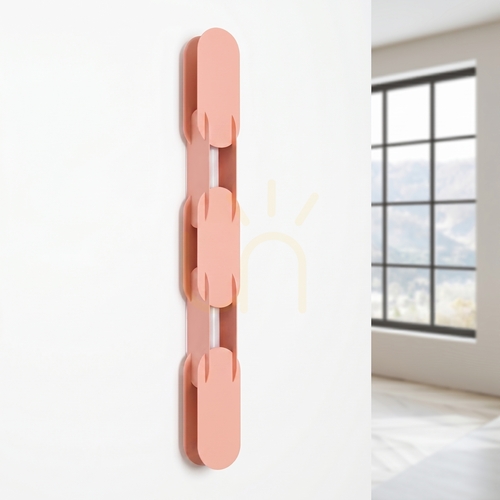
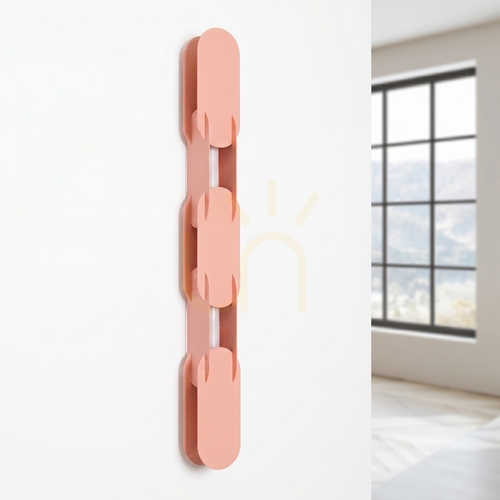
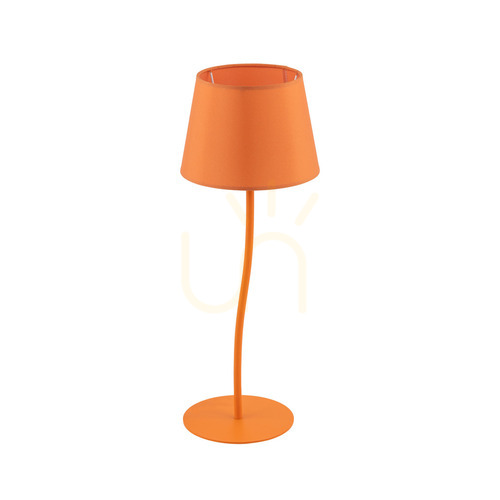
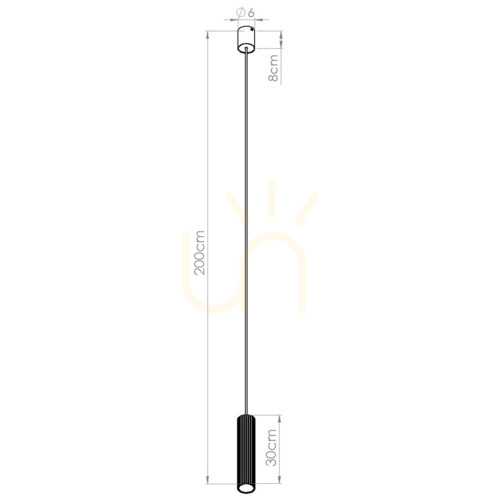
An orange lamp is one of the easiest ways to bring colour into a calm room without repainting, and unlike a cushion in the same shade, it glows. Whether that glow is orange too, or just the lamp itself, depends on what the shade or base is made of, so that is the first thing to decide.
Is orange lighting a thing?
Very much so, though the phrase covers two different ideas. One is an orange lamp: a glazed ceramic base, a painted metal pendant or a tinted glass shade that adds colour to the room. The other is orange light, which comes from the bulb – a very warm 2200 K LED, or a colour-changing smart bulb set to amber. The two overlap only when the lamp has a translucent shade.
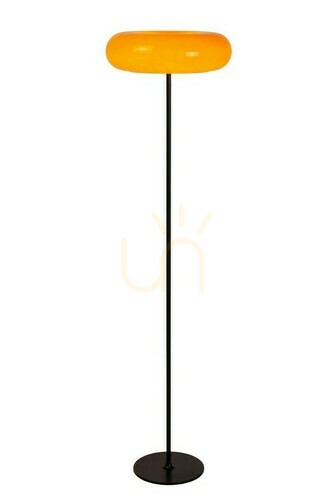
Coloured glass filters out the cooler wavelengths, so a 2700 K bulb behind orange glass looks closer to 2200 K, much like candlelight. The trade-off is colour rendering: blues and greens in the room look flat, and a dense shade can swallow around a third of the useful light. Think of an orange lamp as mood lighting. For reading, chopping or desk work, pair it with something brighter, or choose a painted metal shade with a white interior, which keeps the colour on the outside and the light underneath neutral.
Burnt orange, terracotta or bright seventies orange?
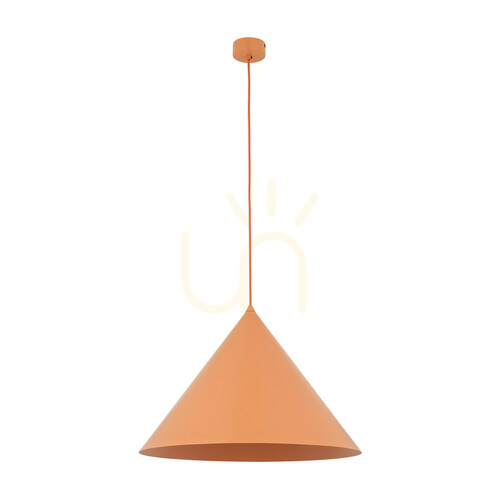
The shade of orange changes how a lamp lives with you. Clear, saturated orange is the strongest seventies signal, especially in glossy plastic or opaline glass. Burnt orange, rust and terracotta carry brown or red, so they read almost as earth tones and sit easily next to oak, walnut, linen and stone. That is why burnt orange ceramic table lamps with a neutral linen shade are such a common sight in British living rooms: the colour is in the base, the light is soft and white. Amber and honey tones belong to glass and give a golden glow; apricot and peach are the gentlest of the family.
A rule of thumb from stylists: one small, saturated orange lamp does more in a quiet room than three large ones. Earthy tones can be repeated, a pair of matching table lamps on a sideboard for instance. For contrast, put orange against navy or deep teal, since blue sits opposite orange on the colour wheel; for a retro look, mix it with olive and mustard.
Choosing by type and room
| Lamp type |
Typical size |
Common fittings |
Where it works |
| Table lamp, ceramic base with fabric shade |
50–70 cm tall |
E27 or B22 |
sideboard, console, living-room side table |
| Bedside lamp |
30–45 cm tall |
E14 (SES) or integrated LED |
bedside table; dimmable is worth it |
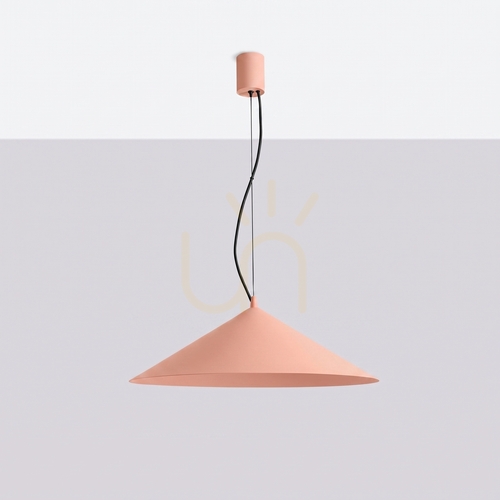
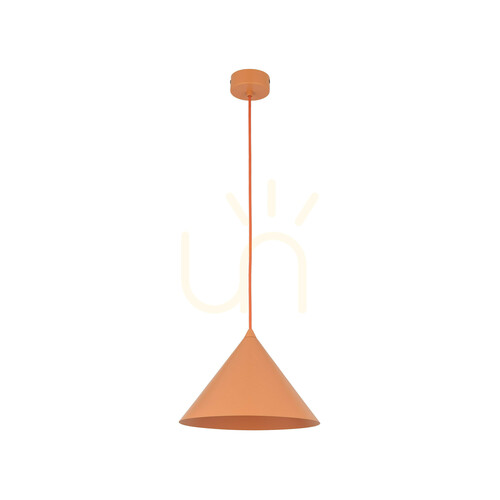
| Ceiling pendant, painted metal |
shade 25–40 cm across |
E27 or B22 |
over a dining table or kitchen island, bottom edge usually 60–80 cm above the top |
| Glass pendant or wall light |
varies |
E27, E14 or G9 |
hallway, landing, bedroom – where mood matters more than brightness |
| Floor lamp |
usually 150–180 cm |
E27 or B22 |
next to an armchair or sofa for reading |
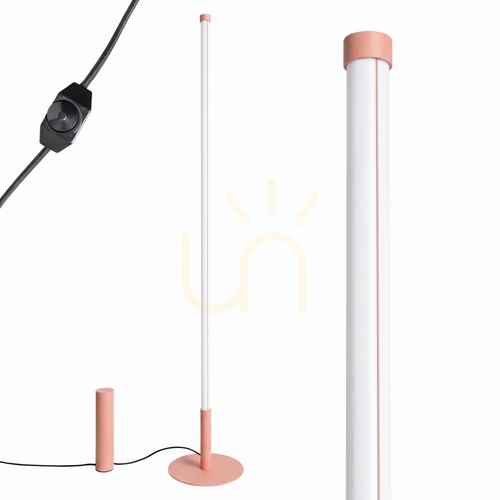
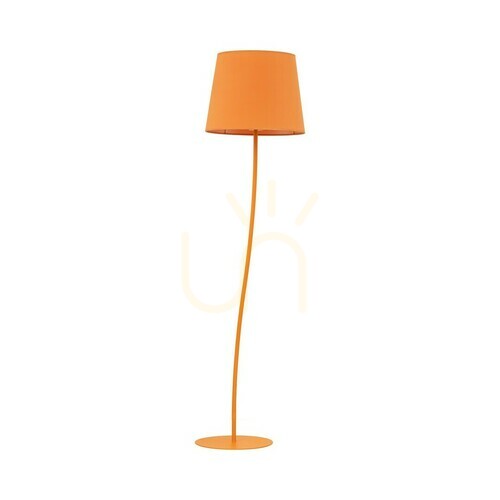
The UK still uses both bayonet (B22) and Edison screw (E27) bulbs, so check the fitting before ordering replacements. Orange floor lamps are rarer than table lamps; a coloured drum shade on an existing base is a perfectly good workaround.
Safety, wiring and care
Table and floor lamps plug straight into a standard three-pin socket. Ceiling pendants and wall lights are hard-wired into the mains, and that work should be done by a qualified electrician to BS 7671. Under a fabric shade, stick to the maximum wattage on the label – LED bulbs run far cooler than old incandescents and are the sensible choice.
- Wipe painted metal and glazed ceramic with a soft dry or barely damp cloth; skip solvents and cream cleaners.
- Take glass shades down, wash them in lukewarm water with a little washing-up liquid and let them dry completely.
- Never use alcohol-based sprays on acrylic, which can cloud or craze.
- Dust fabric shades with a soft brush or a lint roller.
- Strong dyes in fabric and plastic fade in direct sun, so a lamp on a south-facing windowsill will slowly lighten.
FAQs
What is an amber lamp?
Usually a lamp with a shade or base in amber-tinted glass, a honey-coloured cousin of orange. It gives a warm, golden glow rather than a punchy colour, and works well in bedrooms and hallways.
What is the orange mushroom lamp called?
It is generally just called a mushroom lamp: a domed shade sitting on a slim stem, a shape strongly linked to sixties and seventies design. Many current versions are made in glossy plastic, glass or painted metal, often cordless.
Does a burnt orange table lamp suit a modern interior?
Yes. Burnt orange behaves almost like a neutral. Against white, grey or charcoal walls it adds warmth without dating the room.
Will an orange lamp make the room look orange?
Only if the shade is translucent. Tinted glass, thin fabric and acrylic colour the light; painted metal and opaque ceramic keep it white.
Vintage or modern orange table lamp – what is the difference?
Originals from the sixties and seventies may need rewiring and a modern plug before use. New lamps in the same style come ready to use and often take LED bulbs.
Which bulb goes in an orange glass lamp?
A warm white LED, 2700 K or lower, with a frosted finish. Clear filament bulbs can show as bright spots through uneven glass.
For more on lighting every room, see indoor lights. If the golden end of the spectrum appeals, read about amber glass lamps next.