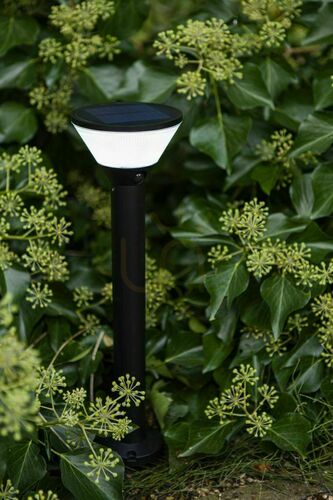
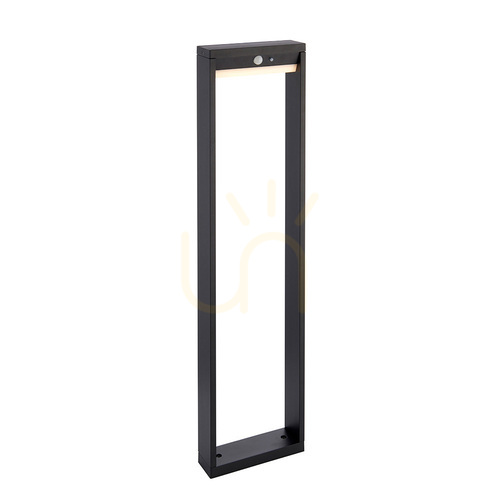
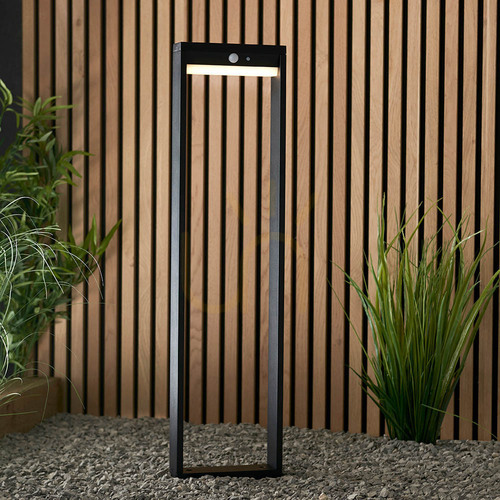
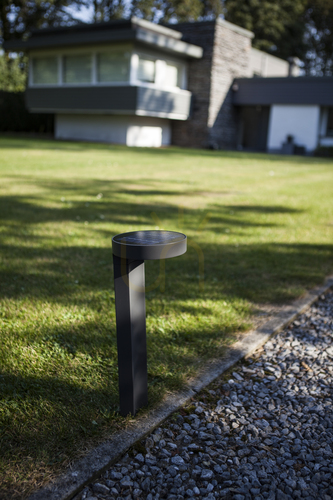
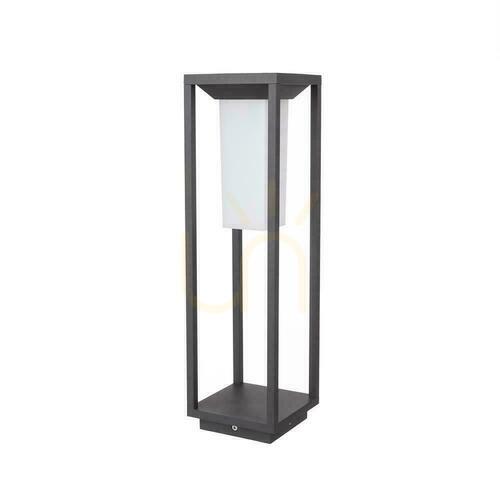
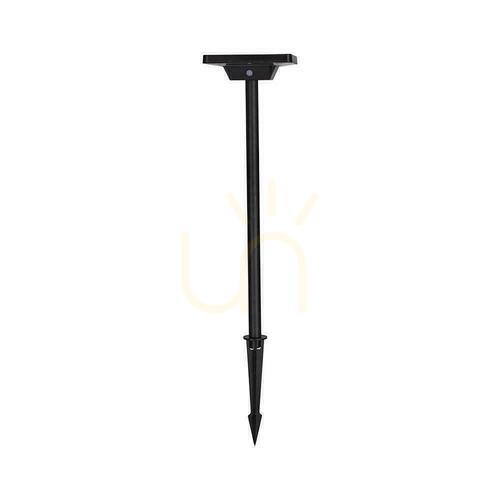
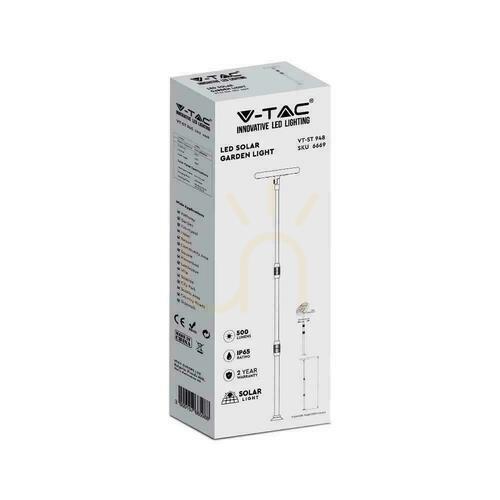
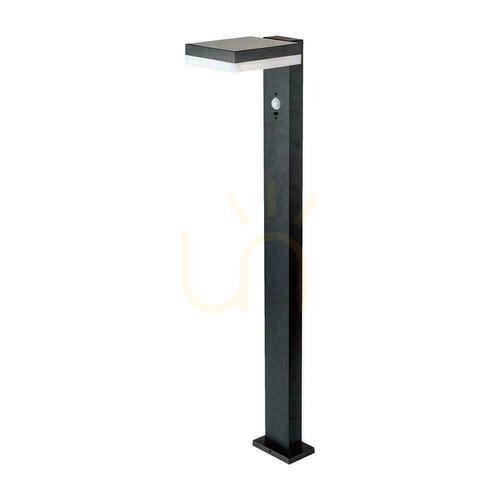
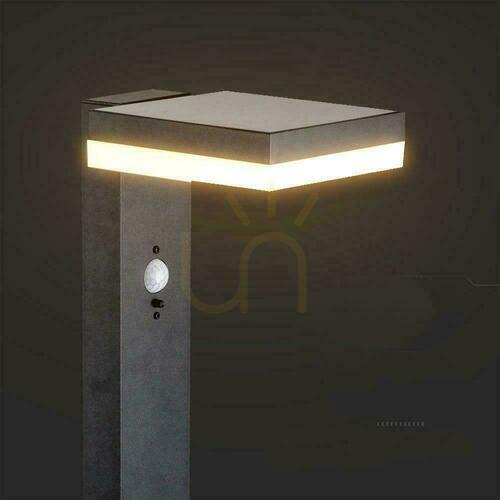
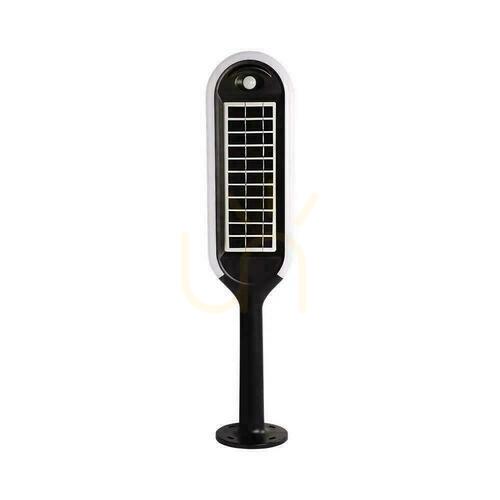
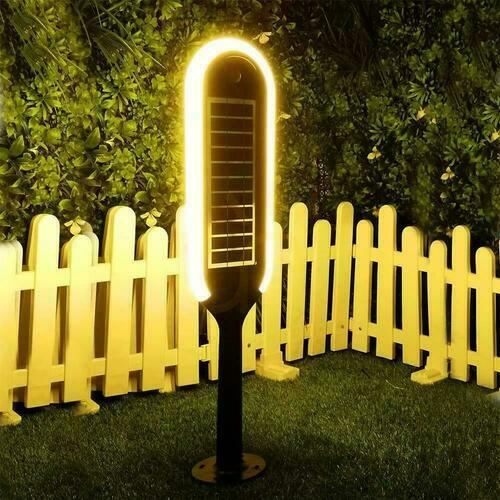
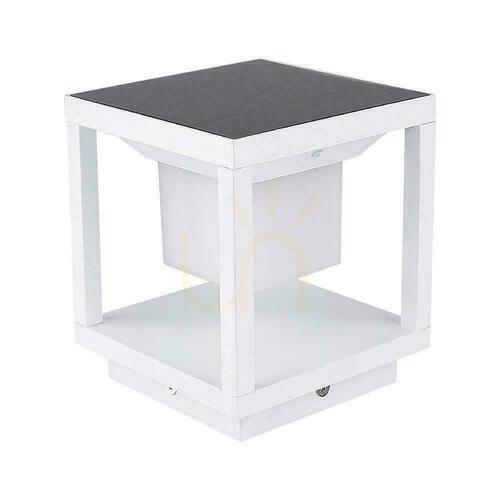
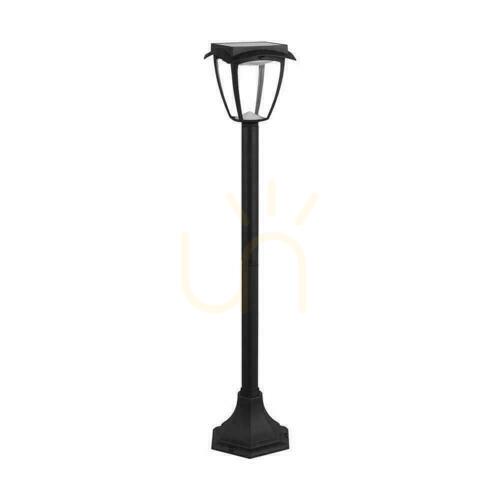
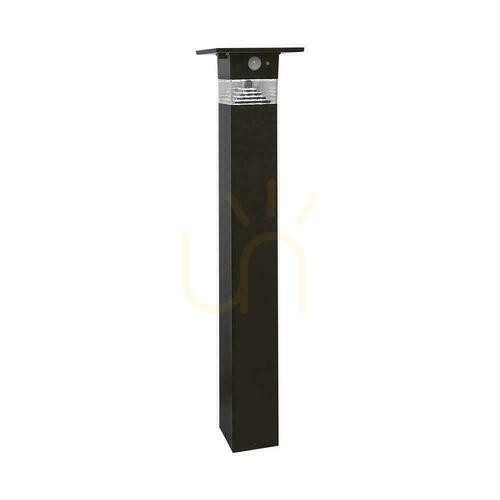
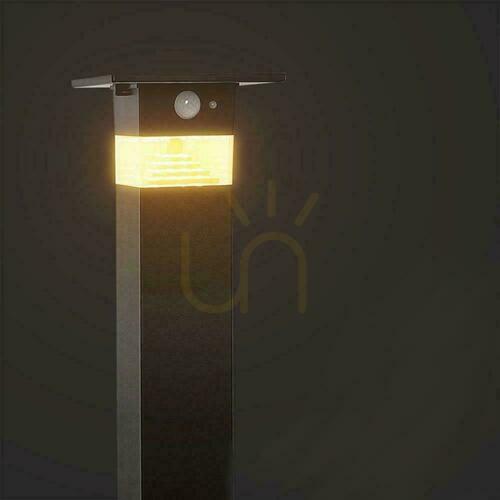
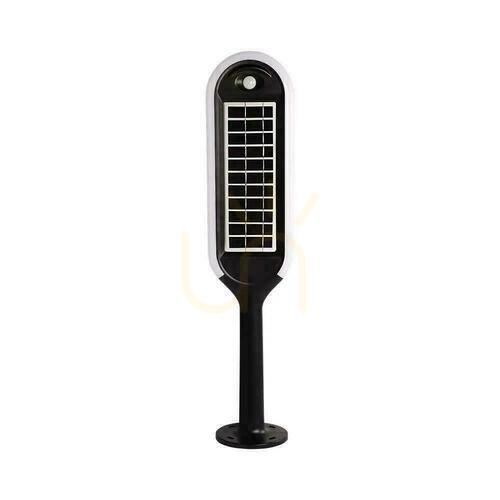
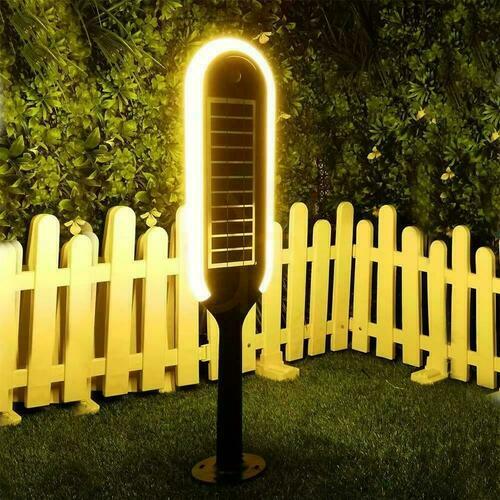
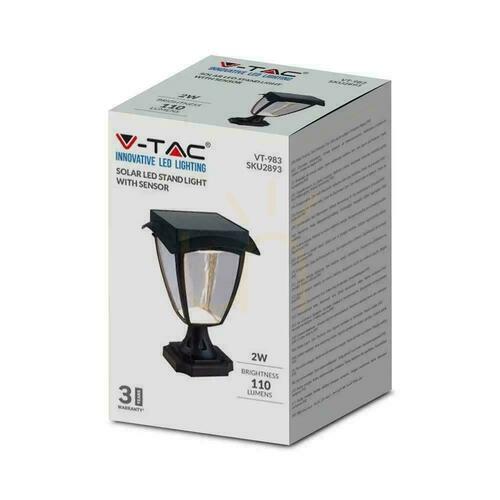
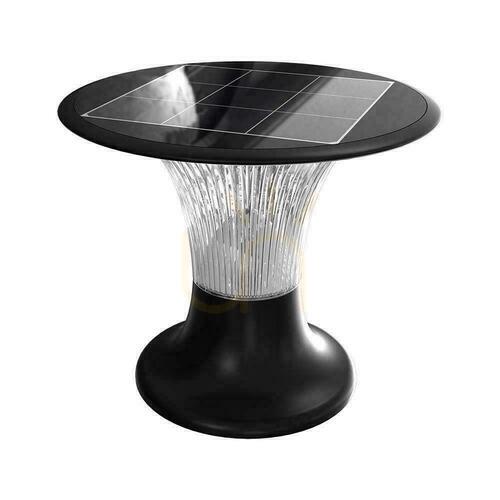
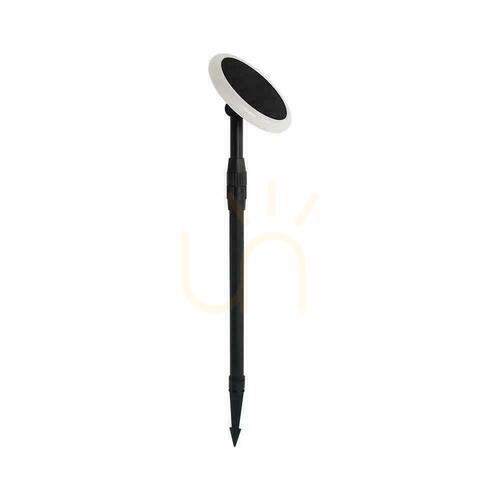
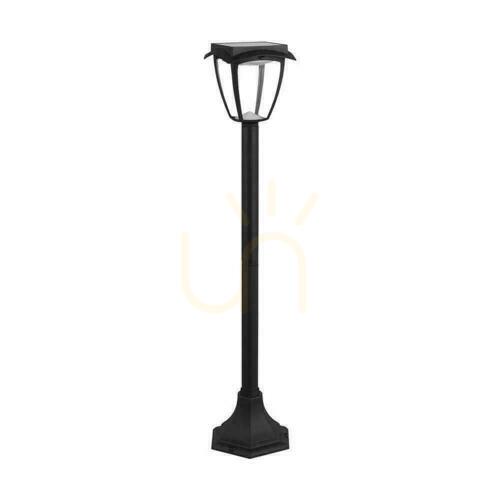
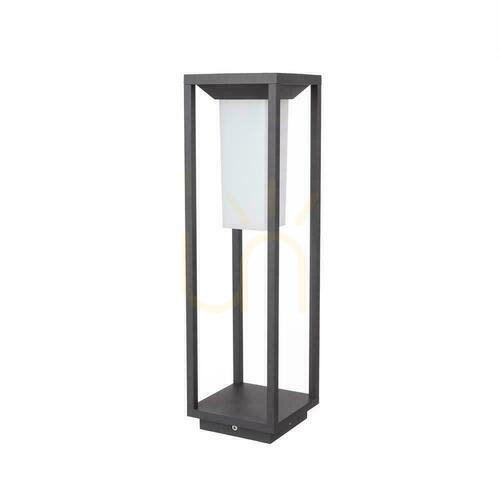
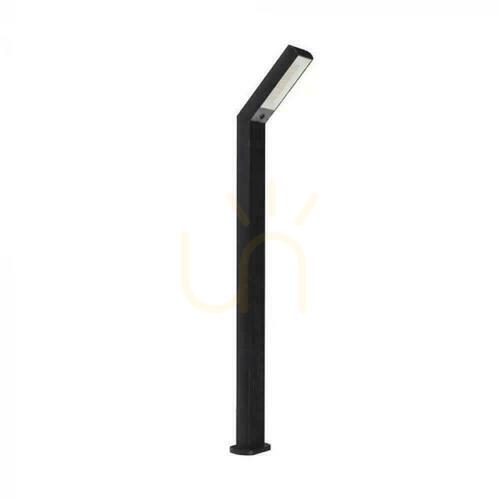
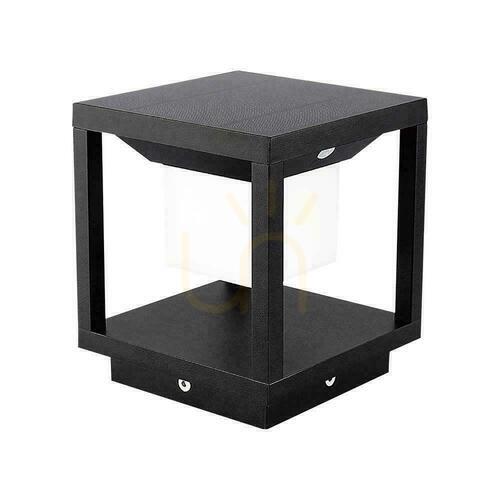
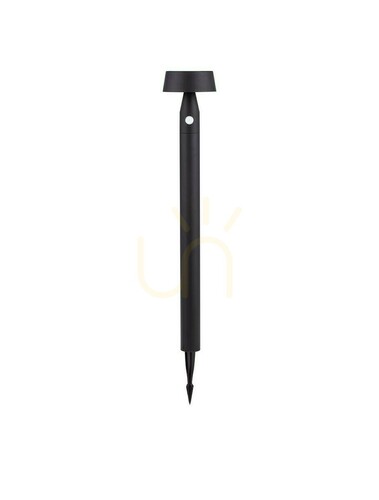
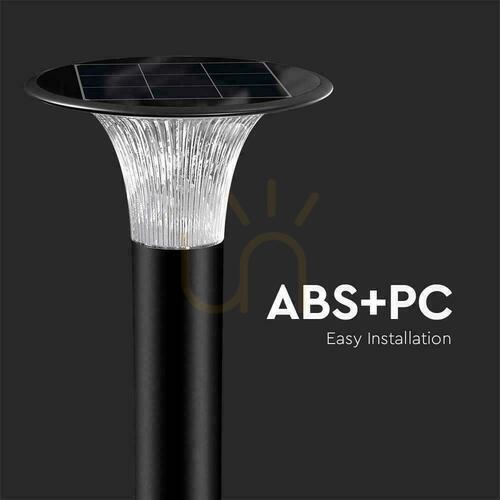
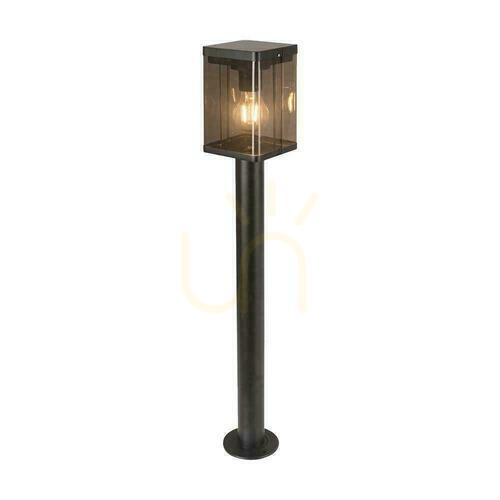
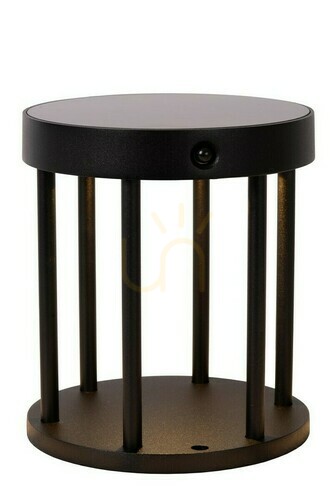
Solar bollard lights are short, sturdy columns – usually somewhere between knee and hip height – with an LED, a rechargeable battery and a small solar panel set into the top cap. They charge through the day and switch themselves on at dusk, so a path, a border or the edge of a drive can be lit without digging a trench or running armoured cable across the garden.
The trade-off is simple: a mains bollard gives the same light every night of the year, while a solar one gives back whatever its panel collected that day. In June that can mean light until dawn. In a grey British December it may mean a couple of hours. Bought with that in mind – and sited in proper sun – solar bollards do a very good job as guide lights – marking edges, steps, gates and the far corners of the garden that cables never reach.
Bollard, post light or post cap?
The names overlap, so it helps to pin them down. A bollard is a self-contained column, typically 30–100 cm tall, standing beside a path on its own spike or base. A solar post light or lamp post is taller – often 1.2 m and more, with a lantern or globe on top – and is meant to light an area rather than an edge. A solar post cap light is a lid with a panel that sits on top of a timber fence or deck post, usually sized for 75 mm or 100 mm square posts – the common 3-inch and 4-inch fence posts. All three run on the same technology; the shape decides where the light ends up.
What to look for
| Where it goes |
Height |
Light output |
Battery |
Protection |
| Border edging, lawn edge |
30–50 cm |
10–50 lumens |
NiMH AA, 600–1200 mAh |
IP44 |
| Garden path, patio edge |
50–80 cm |
50–200 lumens |
lithium-ion, 1500–3500 mAh |
IP44–IP65 |
| Front path, side gate, steps |
80–100 cm |
up to 800 lumens on PIR |
lithium-ion or LiFePO4 |
IP65, IK08 or better where it may get knocked |
| Car parks, shared paths |
around 1 m |
low-level amenity light |
large lithium pack |
IP65 and higher, vandal-resistant |
A warm white of 2700–3000 K is the usual choice for gardens: it is easy on the eye, flatters planting and draws fewer insects than cool white. Neutral white around 4000 K suits steps and paved edges where you want contrast. As for bodies, stainless steel and aluminium shrug off knocks from the mower; plastic will not corrode but cracks more easily, and a stainless body sitting in sea air still needs the odd wipe to stay bright.
Installing on lawn, gravel and paving
-
Lawn and borders – the supplied ground spike, usually 15–20 cm long, is enough in firm soil. Leave it moveable for the first few weeks in case the spot turns out to be too shady.
-
Gravel and sandy soil – a spike alone will lean within a season. Set a small concrete pad or a paving slab under the base and fix to that.
-
Patios, block paving and concrete – choose a model with a base plate and bolt it down with masonry anchors.
-
Spacing – along a path, 2–3 m apart and staggered side to side gives a continuous trail of light. If the bollards only need to show the way, 3–5 m is plenty. Commercial installations often go to 5–10 m.
Getting the best out of a British winter
Most of the UK gets less than eight hours of daylight around the shortest day, and the sun barely clears the fence. The flat panel on top of a bollard also collects leaves, bird droppings and snow. So keep the cap clean, site the bollard where it sees open southern sky, and look for a PIR mode: a bollard that idles at a low glow and brightens only when someone walks past spreads a small charge across a long night.
Frequently asked questions
How do I make outdoor solar lights work properly?
Remove the battery tab or flick the switch to ON, then give the light a full sunny day before judging it. Check the panel gets several hours of direct sun and that no porch light or street lamp is shining on the dusk sensor – it may think it is still daytime.
Are PIR solar bollards worth it?
For a front path, gate or steps, yes. Motion sensing gives a much brighter burst when it matters and saves energy the rest of the night, which keeps the light going longer in winter.
Do I need IP65 solar lights?
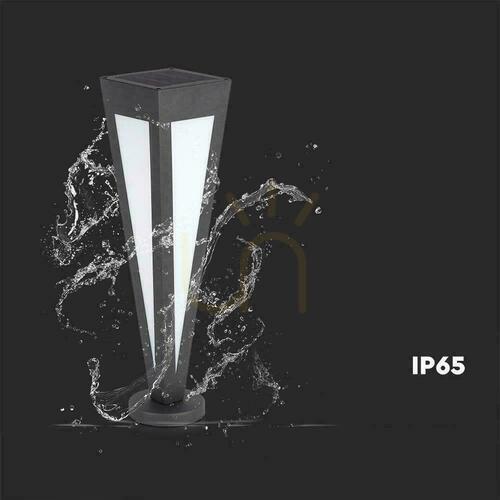
IP44 handles rain in most garden spots. Go for IP65 near sprinklers, ponds or anywhere water can be sprayed at the light, and check that the seal between cap and column is intact each spring.
What are the best solar bollard lights for a long run time?
Look for a larger monocrystalline panel, a lithium battery – LiFePO4 handles summer heat well and lasts for many more charge cycles than NiMH – and a dimmed or PIR mode.
Can I replace the battery?
Usually, yes. NiMH cells tend to last one to three seasons. Fit the same type and voltage with a similar capacity, and never an ordinary alkaline battery.
Should I bring solar bollards in over winter?
Weatherproof models can stay out. If yours use NiMH batteries and the garden sees hard frosts, switching them off and storing them somewhere dry for the darkest weeks will help the batteries last.
If you want a path lit brightly every night regardless of the weather, a mains-powered bollard is the better tool, wired in by a qualified electrician to BS 7671 – more on those under bollard lights. For taller solar lights that light a patio or front garden rather than an edge, read on about solar post lights.