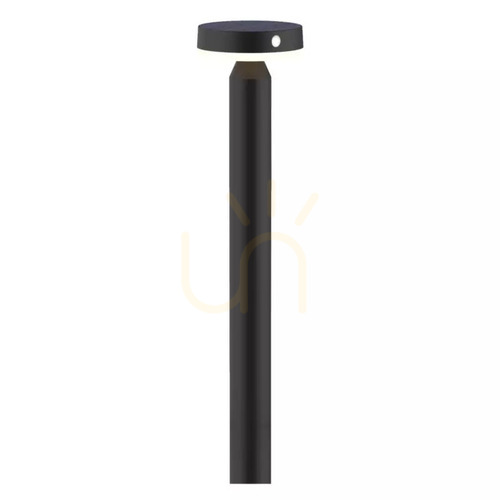
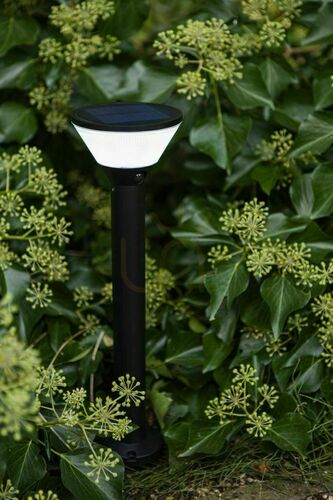
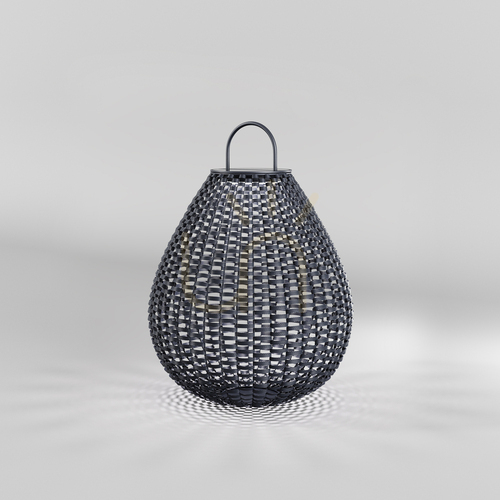
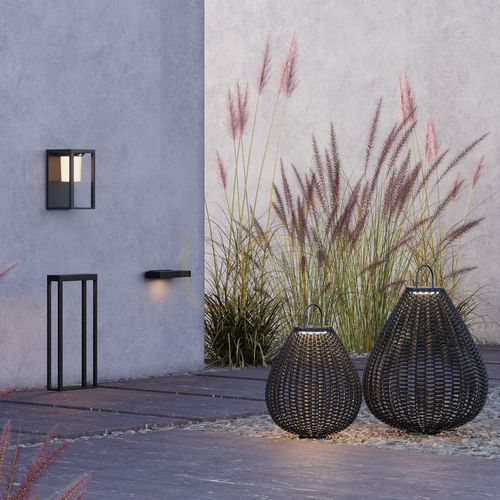
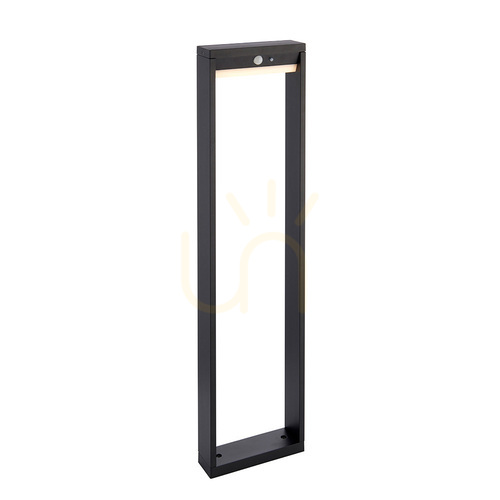
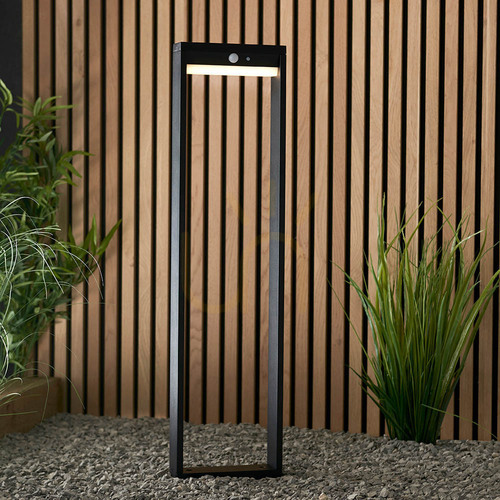
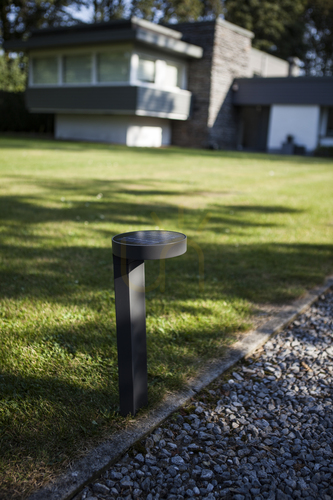
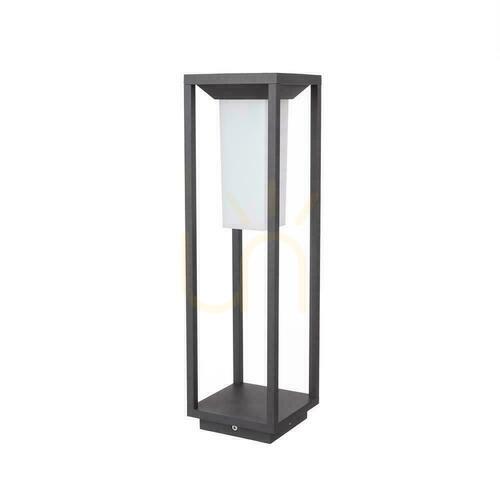
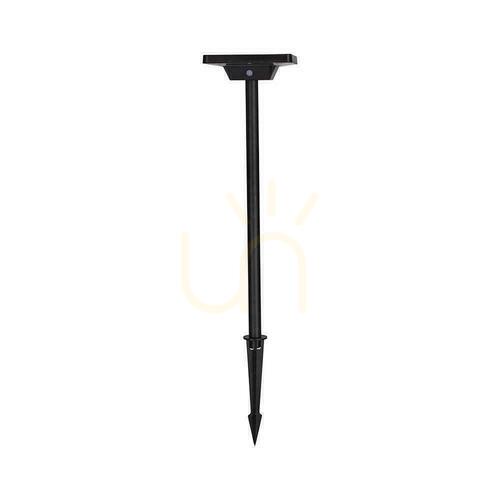
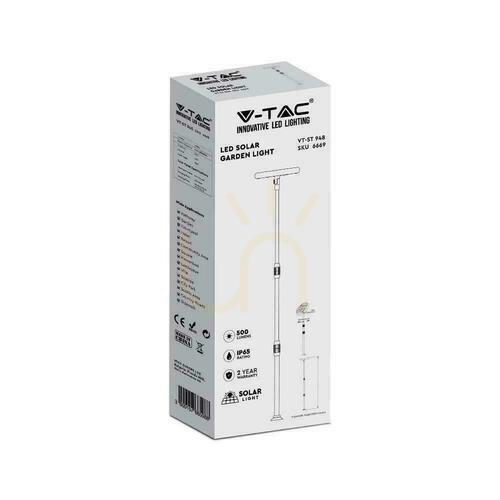
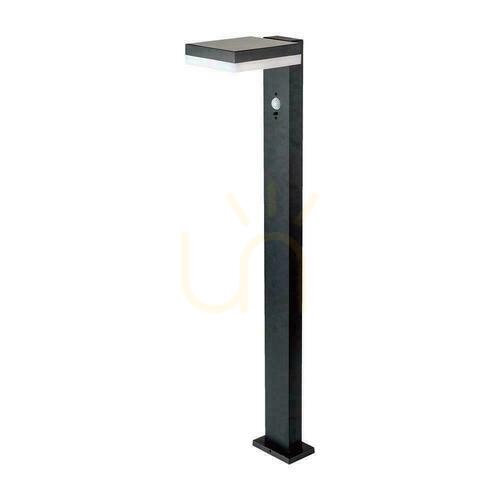
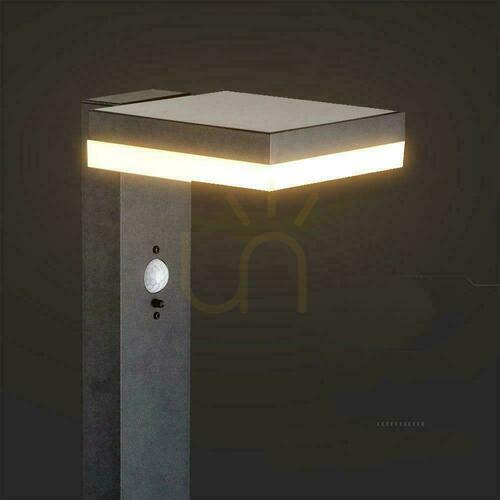
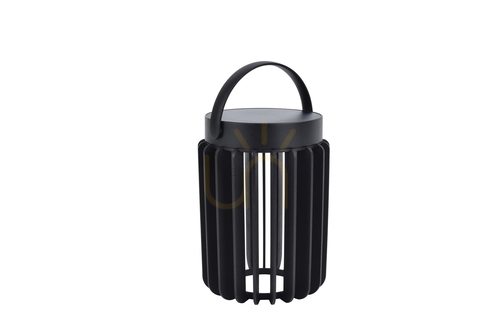
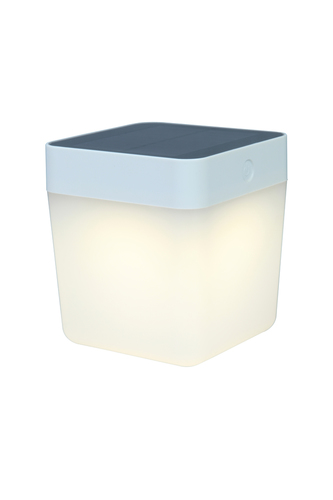
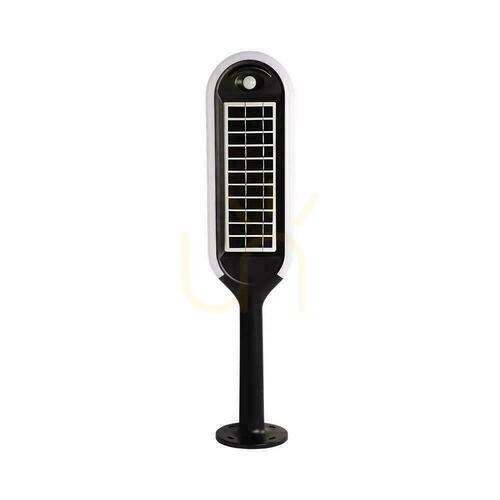
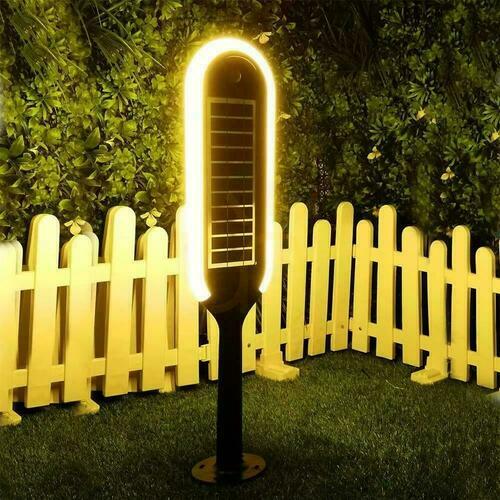
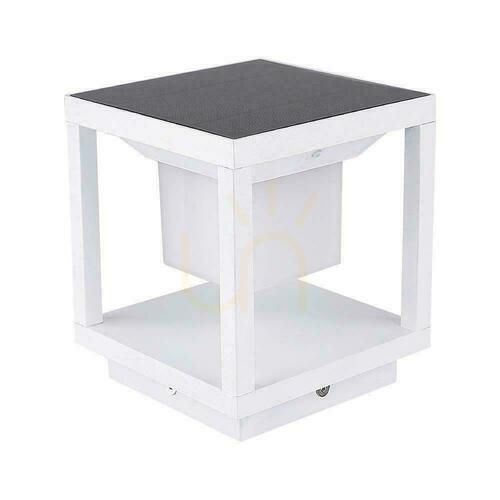
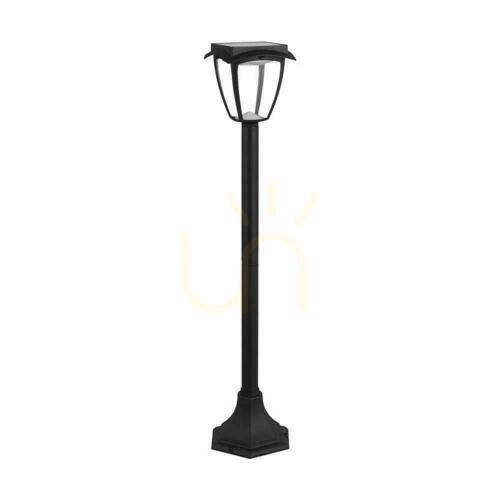
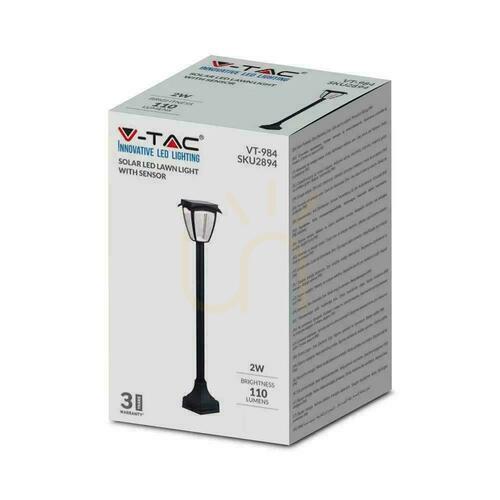
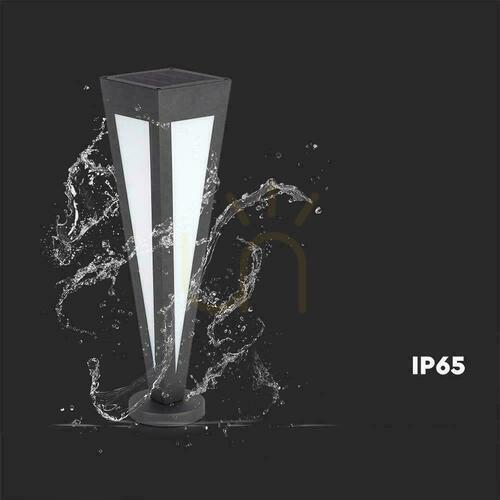
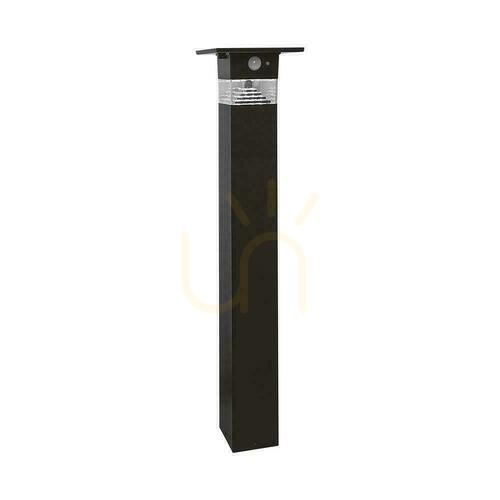
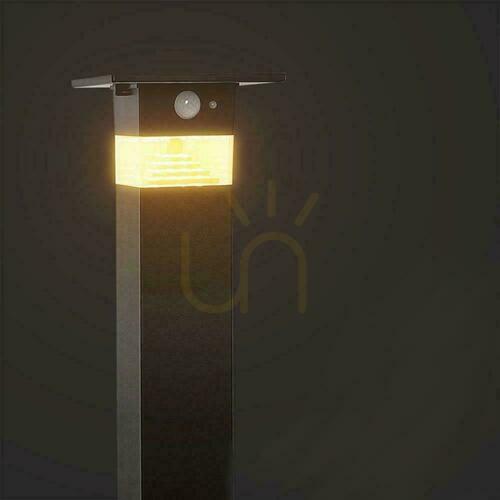
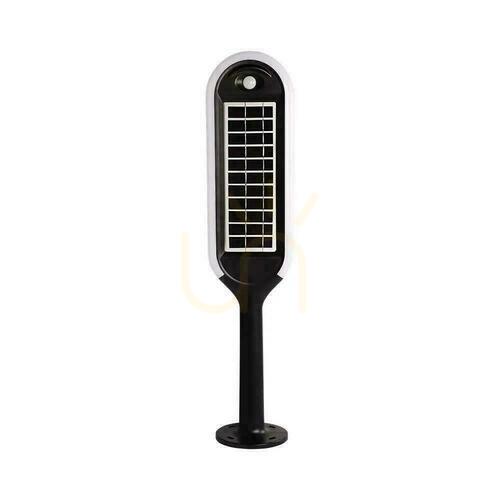
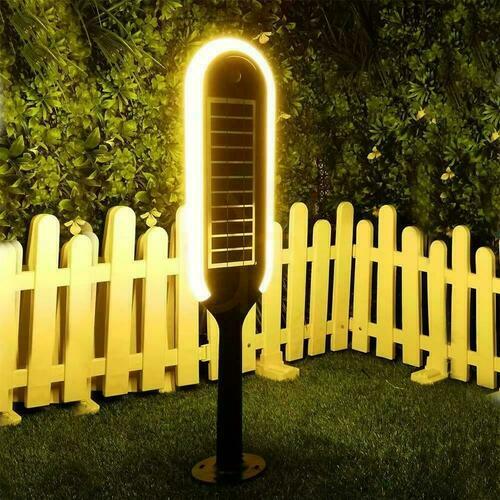
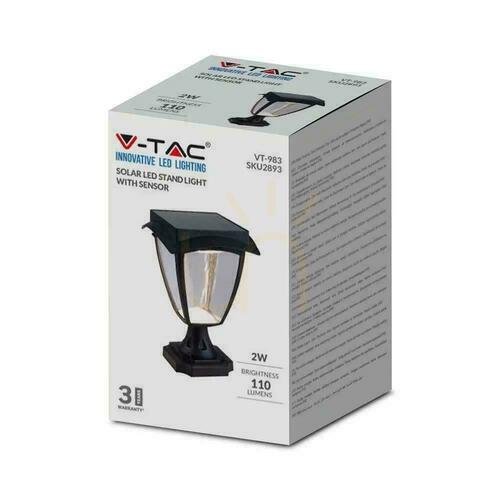
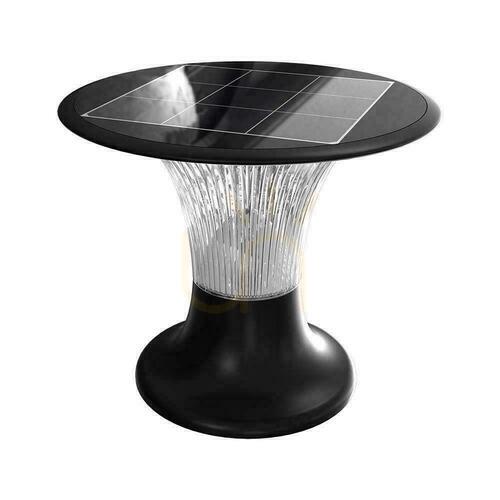
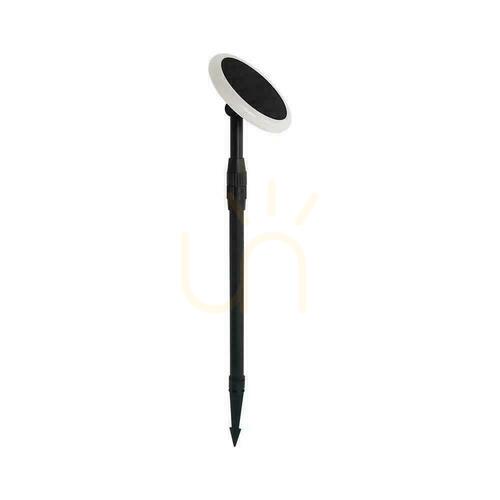
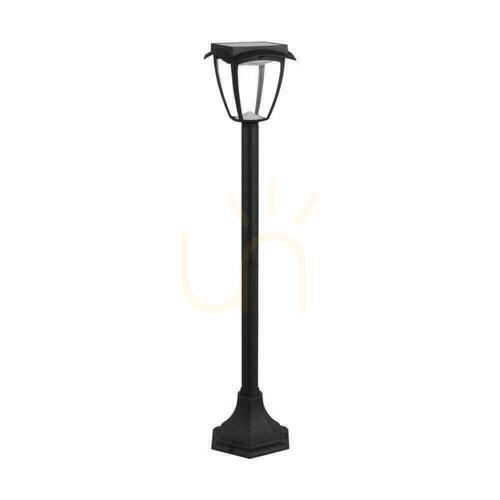
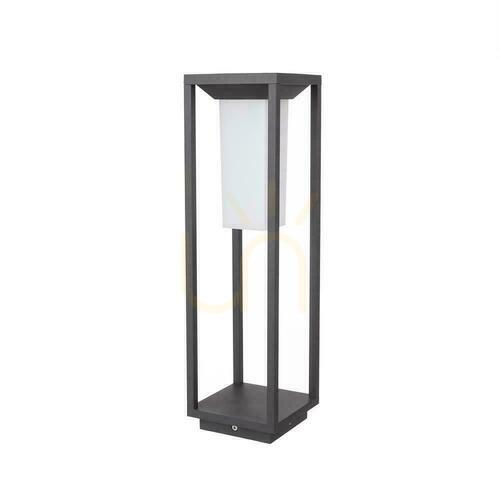
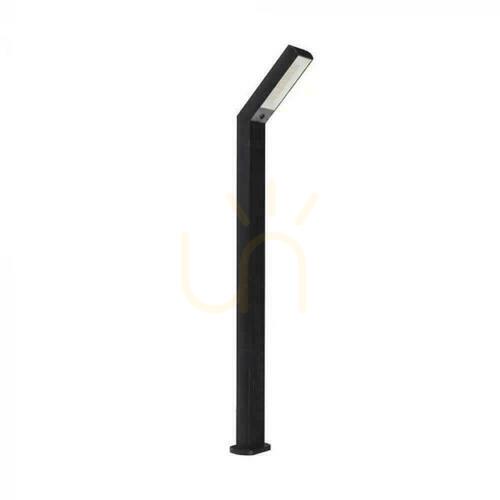
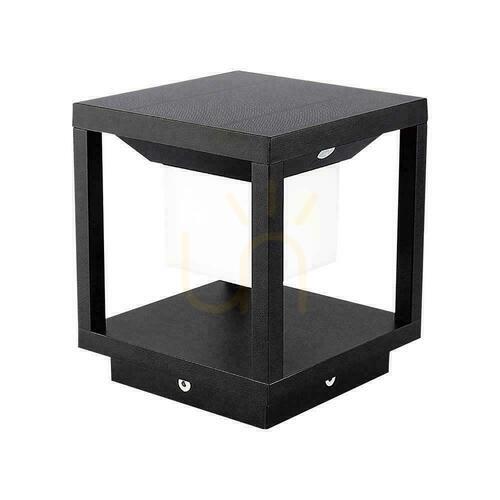
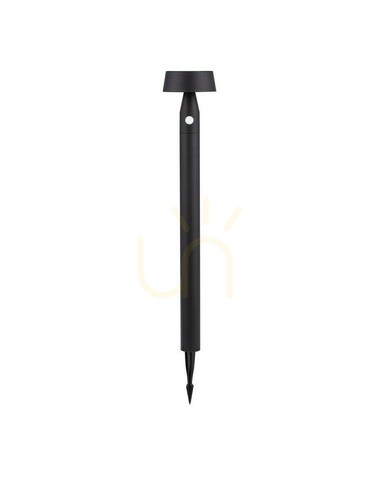
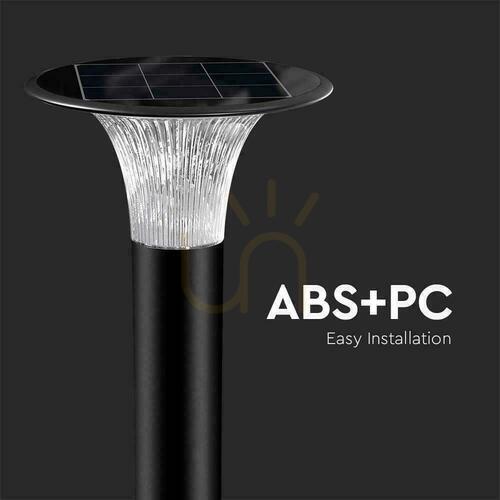
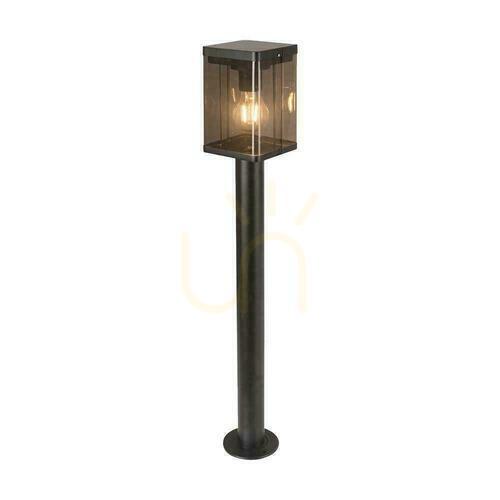
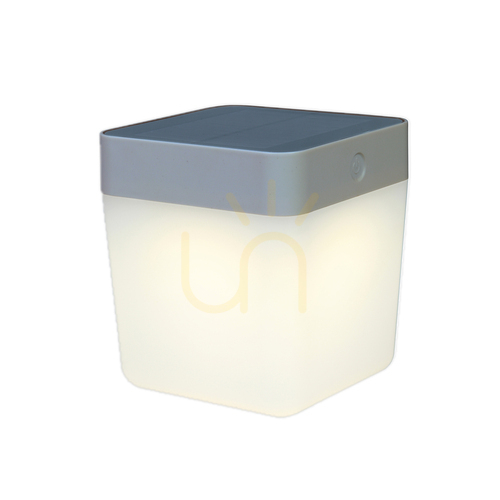
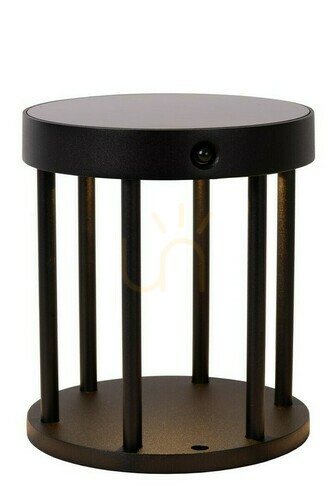
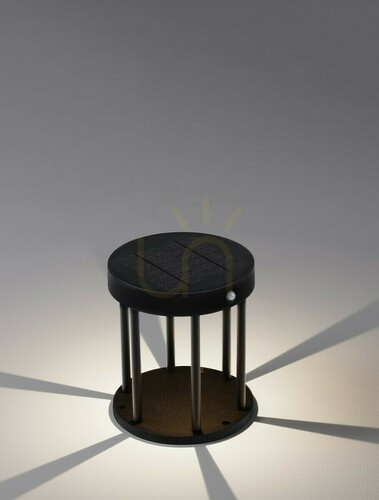
Solar post lights are the tall end of solar garden lights: a lamp on a short stem, a slim column or a lantern-topped post that charges its own battery during the day and switches itself on at dusk. Putting the light on a post changes two things compared with a little stake light pushed into the lawn – the panel sits high, out of reach of grass and leaves, and the light has to travel further to reach the ground, so it needs more stored energy to do a useful job.
No trench, no armoured cable and no electrician means you can put one at the far end of the garden, by the pond or at the bottom of the drive. What you cannot do is ignore the sun. How bright and how long a solar post light shines comes down to three things: hours of direct sun on its panel, the size and type of that panel, and the capacity of the battery inside.
How much sun do they need?
Plan on several hours of direct sunshine on the panel for a full charge – a south-facing spot clear of the house, fences and tree canopy is ideal. On an overcast day the panel still collects some energy from diffuse light, but nowhere near enough for a full night. That is why the same light can run until dawn in June and give up after an hour or two in December, when much of the UK gets well under eight hours of daylight and the sun barely clears the hedge. It is physics, not a fault.
If the best place for the light is in shade, look for a model with a separate panel on a lead, so the panel can sit in the sun a few metres away while the post stands where you want the light.
Choosing the right post light
| What you want |
Typical height |
Light output |
Battery |
IP rating |
| A soft glow along a border or patio edge |
30–50 cm |
5–30 lumens |
NiMH AA, 600–1200 mAh |
IP44 |
| Enough light to walk a path safely |
50–90 cm |
50–200 lumens |
lithium-ion, 1500–3000 mAh |
IP44–IP65 |
| Lighting a front gate, porch steps or driveway |
1–2 m |
200–600 lumens, usually with a PIR sensor |
lithium-ion or LiFePO4, 3000 mAh and up |
IP65 |
A few points that separate lights that last from lights that disappoint:
-
Panel – monocrystalline cells squeeze the most energy out of a given area. A post light with a palm-sized panel and a promise of hundreds of lumens all night is promising more than the panel can collect.
-
Battery – this is the part that wears out first. NiMH cells typically lose noticeable capacity after two or three seasons; lithium iron phosphate (LiFePO4) handles far more charge cycles and copes better with cold. A battery compartment held by screws rather than glue means the light can carry on for years.
-
Modes – constant all night, timed for a few hours after dusk, or dimmed with a jump to full brightness when the sensor picks up movement. The motion mode stretches a winter charge furthest.
-
Build – aluminium, stainless steel and glass age far better than thin plastic, which clouds over in UV and then lets less light out and less sun in.
Setting them up
Short post lights usually come with a ground spike; push it in after rain rather than hammering on the head. Anything taller than about 60 cm catches the wind, especially with a panel on top, so fix it with a base plate bolted to paving or decking, or set it on a small concrete pad. Before the first night, peel the film off the panel, find the on/off switch (often hidden under the head) and give the light a full sunny day to charge. Keep it away from street lights and security lights too, or the dusk sensor will think it is still daytime.
Looking after them through the year
Wipe the panel with a soft, damp cloth every few weeks – pollen, dust and bird droppings cost more charge than most people expect. Mild British winters are often harder on solar lights than a dry frost, because constant wet tests every seal; cheaper plastic lights are best brought into a dry shed or garage over winter, charged and switched off. Sturdier metal lights with lithium batteries can stay out, provided you brush snow off the panel. When a battery or light finally dies, take it to a household recycling centre rather than the bin.
Solar post lights: common questions
How many hours of sun do solar garden lights need?
For a full charge, typically six to eight hours of direct sun on the panel. Less sun still charges the battery, just not fully, so the light runs for a shorter time.
Why do solar lights stop working?
The usual suspects are a worn-out battery, water inside the housing, a dirty panel, or another light confusing the dusk sensor. Try a fresh rechargeable battery of the same type and capacity before giving up on the light.
Can you replace the battery in a solar post light?
In most cases, yes – look under the head or in the base for a compartment holding AA, AAA or 18650 cells. Replace like for like; ordinary non-rechargeable batteries must never go in.
Are waterproof solar garden lights worth the extra?
Yes, for anything standing in an open lawn, near a sprinkler or on an exposed driveway. IP44 handles splashes; IP65 copes with driving rain and hose spray.
Do solar post lights work in winter?
They do, but expect a few hours of light rather than a whole night, and less after a run of grey days. A sensor mode helps the charge last.
Why is my solar light on during the day?
The dusk sensor is covered, dirty or faulty, or the panel sits in deep shade, so the light believes it is night. Clean it and move it into open daylight.
If you need light that stays on all night every night of the year, mains-powered outdoor post lights are the dependable route, installed by a qualified electrician. For other shapes, heights and finishes, start with outdoor floor lamps.