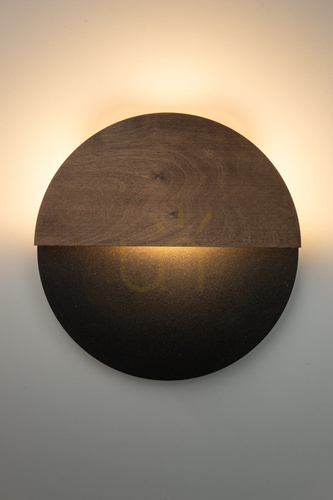
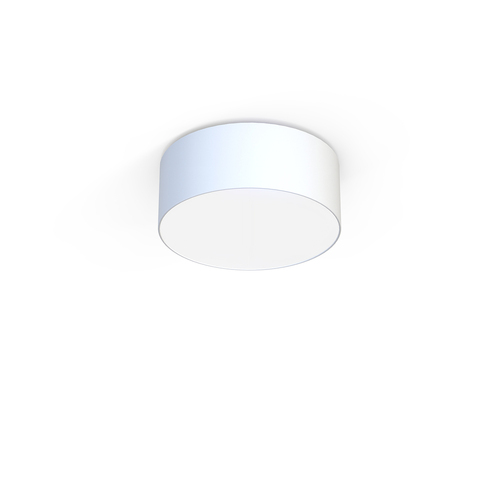
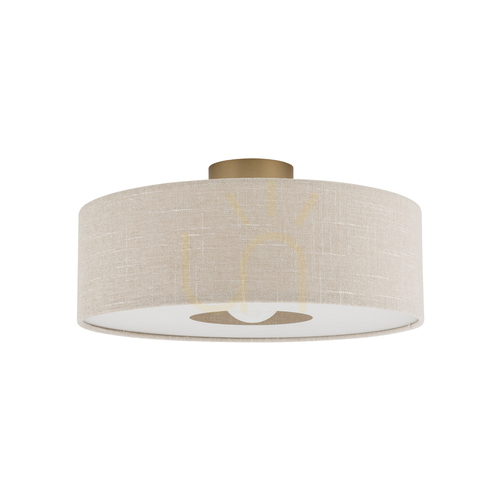
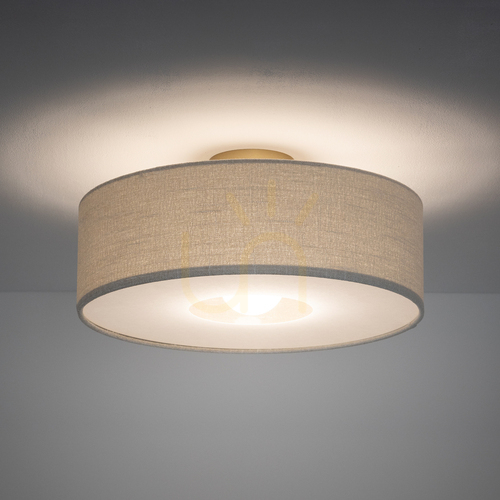
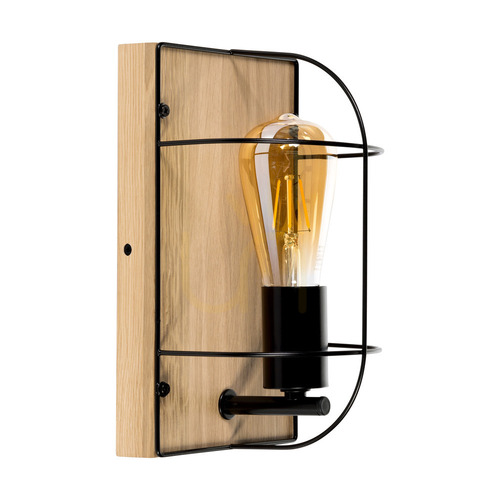
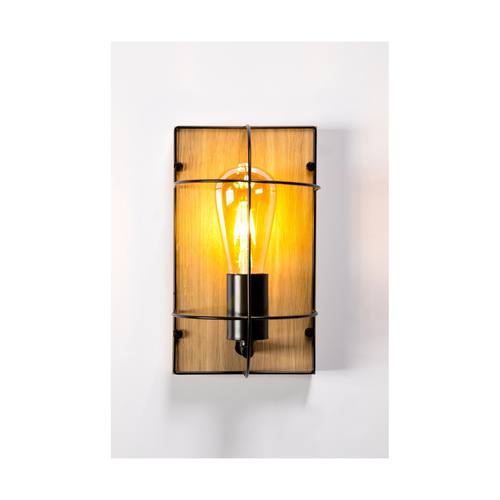
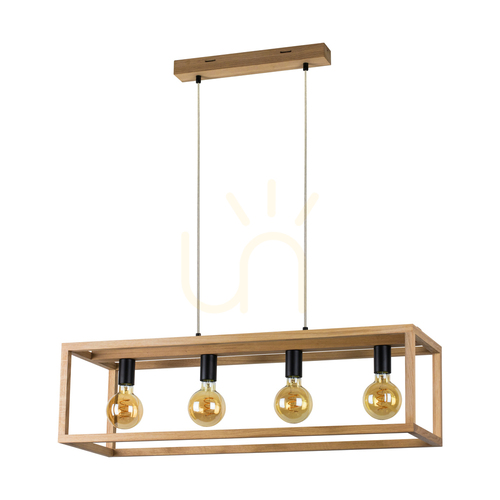
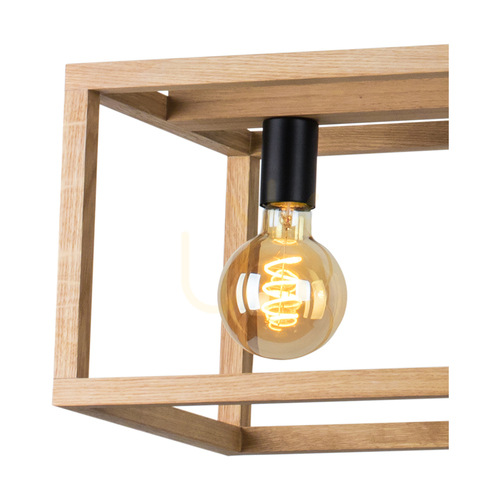
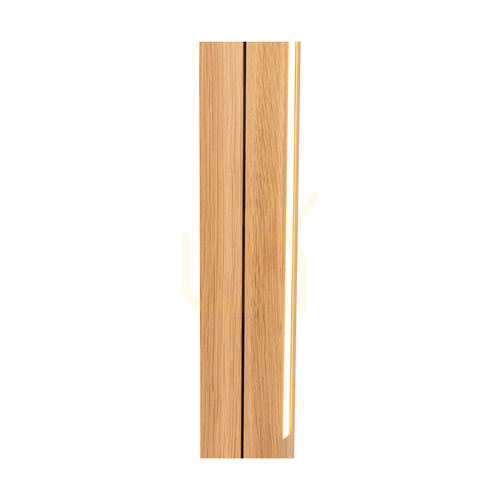
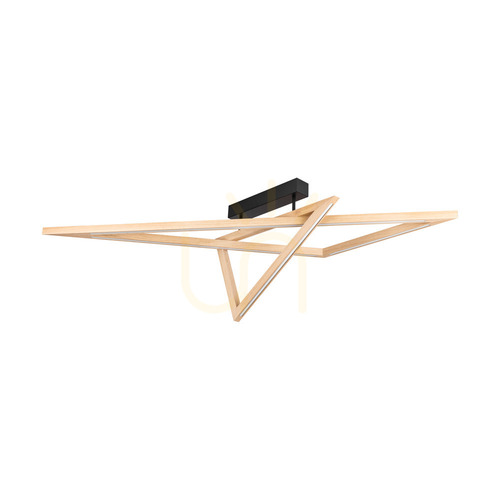
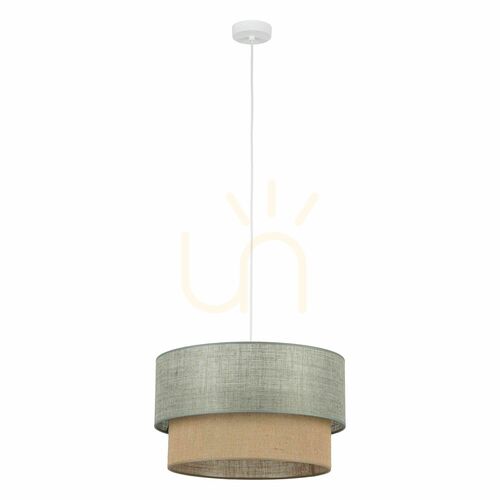
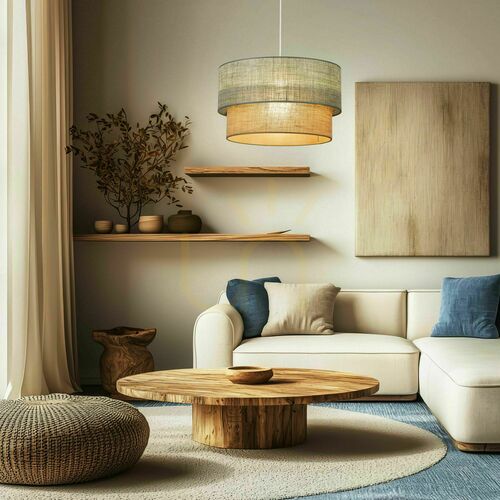
Scandinavian lighting is a set of consistent choices rather than a single silhouette: matt powder-coated steel in white, black or grey, wood left close to its natural colour, shades in linen or jute, muted colour instead of saturated. This filter pulls that handwriting out of the whole indoor range at once, so pendants, ceiling lights, wall lights, floor lamps and bedside lamps sit side by side. That is the useful part — the style holds together when you pick several fitting types together, and falls apart when you buy one statement piece and stop.
Why Nordic rooms use several small sources
The habit comes from the light itself. At those latitudes daylight is cold and short for half the year, so interiors are lit from a number of low, warm points rather than one bright fitting overhead. In practice that means a discreet ceiling light doing the base layer, a floor lamp beside the reading chair, a wall light by the sofa or bed, and a small lamp on a side table. It is also why so many fittings in this idiom look deliberately quiet: they are meant to be one of four, not the only thing you notice.
The material shortlist
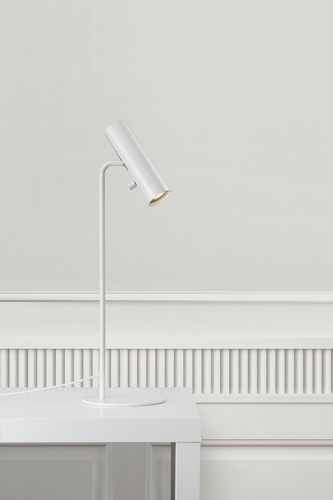
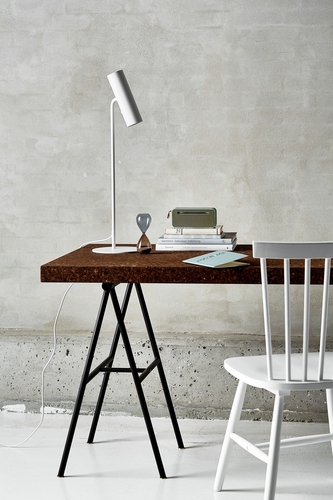
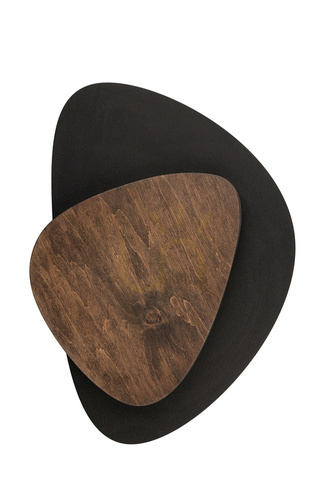
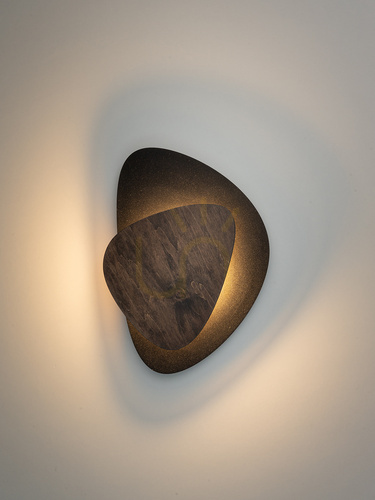
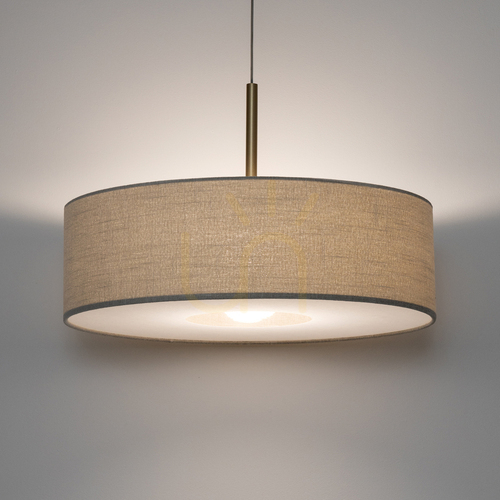
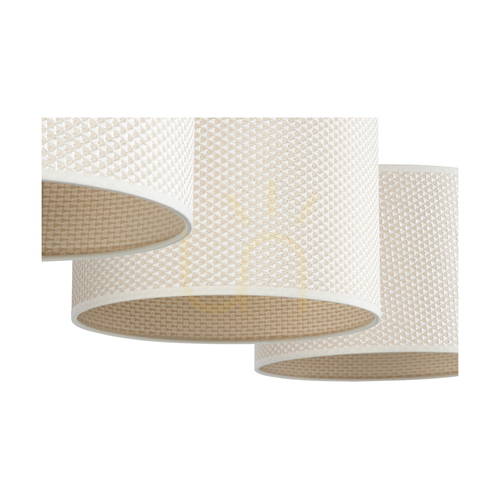
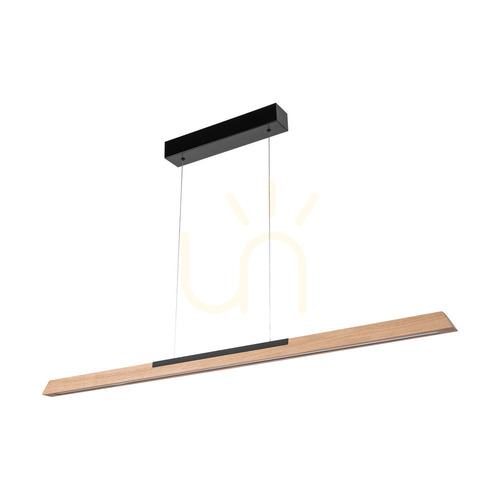
Powder-coated steel draws a hard outline and throws a hard shadow, which is what you want where the fitting has to describe a line — over a table, over an island, beside an armchair. Wood, usually oak or walnut, warms the fitting visually; veneer and solid timber behave differently in damp air, so wood over a sink or in a bathroom is not a neutral choice. A linen shade diffuses more gently than either and absorbs the most light of the three, so plan on a brighter lamp under linen than under glass. Jute braiding on a flex is decorative only, and it greys faster in a kitchen than in a bedroom. Where there is glass it tends to be amber or smoked — the one warm note in an otherwise cool palette.
What the style does to each fitting type
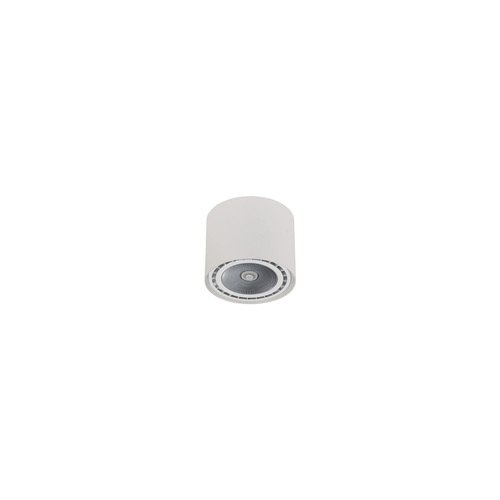
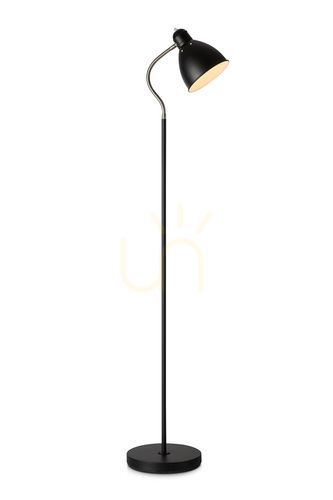
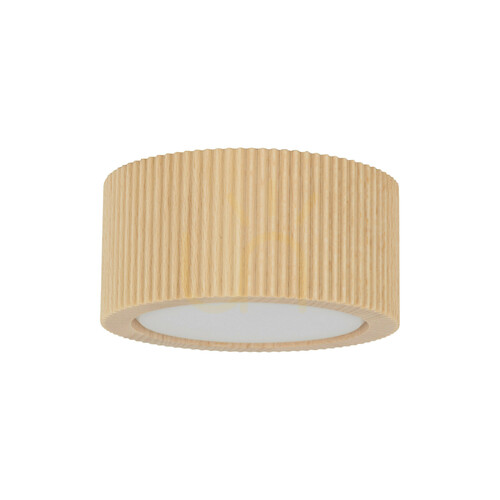
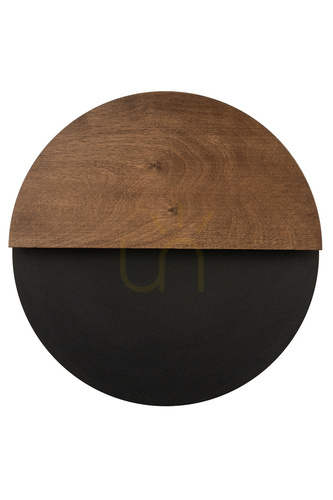
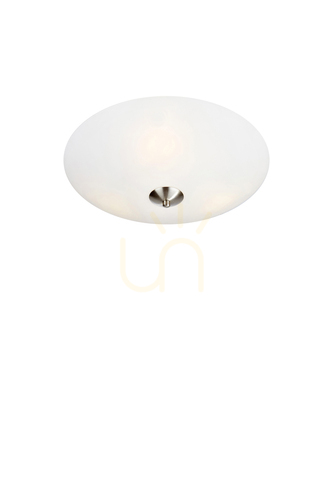
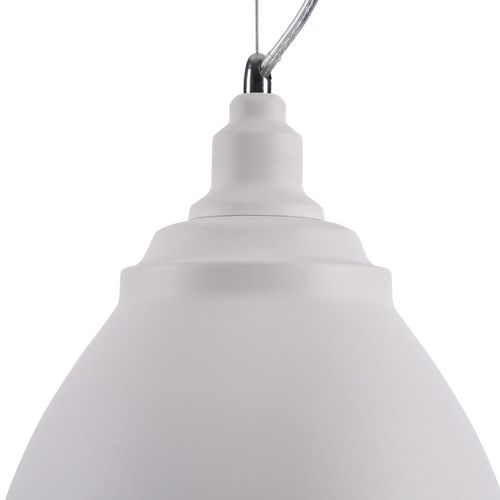
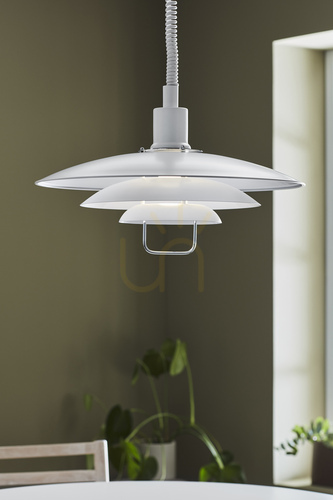
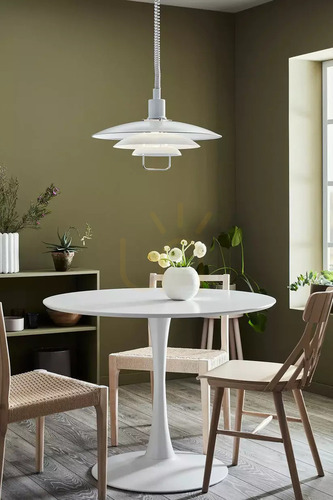
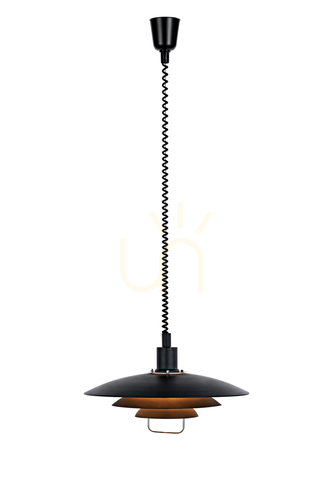
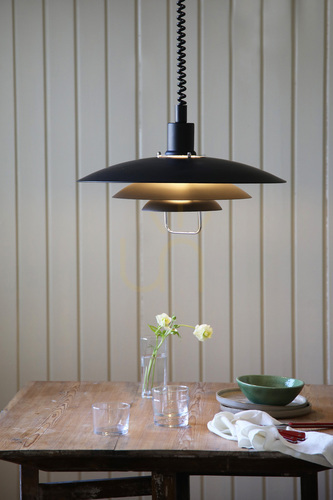
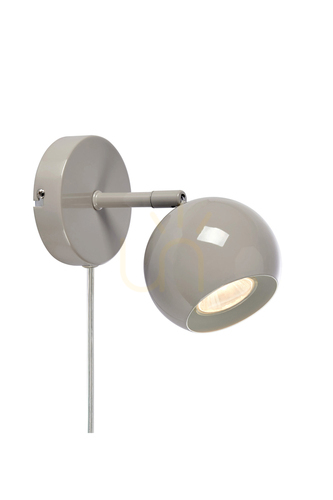
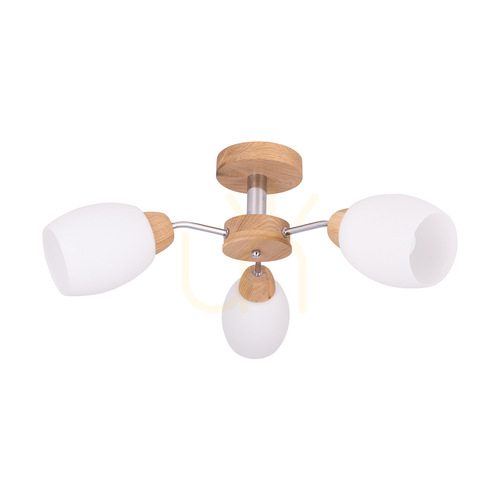
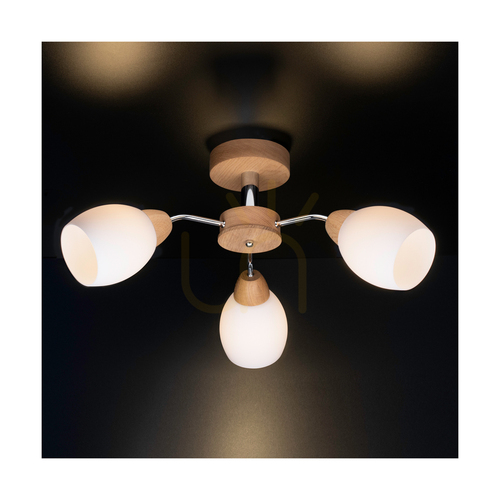
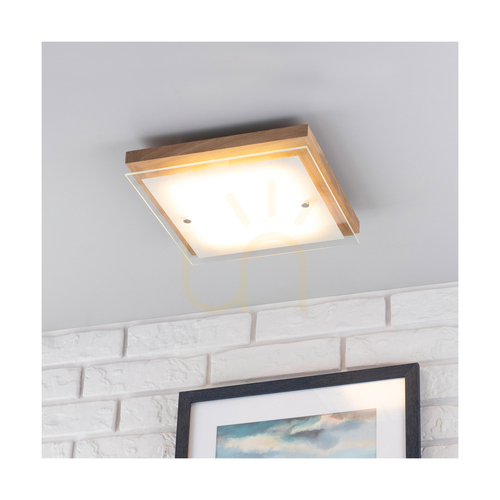
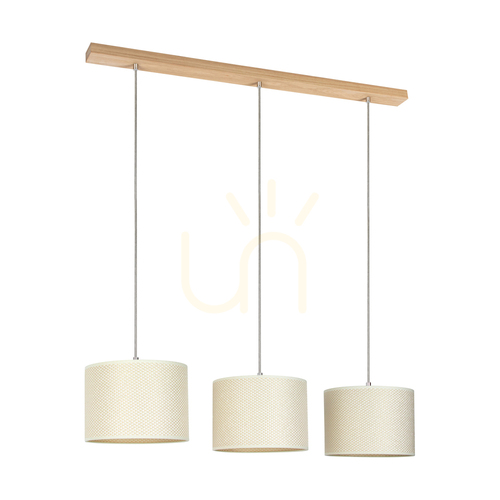
A pendant is the most recognisable form: a dome shade on a long thin flex. Over a dining table, keep the lowest edge 70–80 cm above the top and the diameter at roughly a third of the table width. A ceiling light in this style is intentionally plain — a flat white or wood-trimmed disc whose job is even fill, leaving character to the wall and floor lamps. A wall light here is often functional rather than decorative: an adjustable arm with a GU10 head is a reading light at the bedside, which frees the whole surface of the nightstand and is worth doing in a small bedroom. A floor lamp with a linen shade at around 160–170 cm closes off a seating group; a black adjustable arm does the same job in a more technical register.
Warm white, and why 4000 K breaks it
Around 2700 K is the setting this style was built for. It lifts the yellow out of oak and the beige out of linen; at 4000 K the same room goes grey and reads as an office. If several fittings share a room, keep one colour temperature — a mix of 2700 K and 3000 K is visible on the wall and looks like a mistake rather than a decision. Where the light source is fixed rather than replaceable, the colour temperature comes with the fitting, so check it before ordering a second one to match.
Where the style meets an IP rating
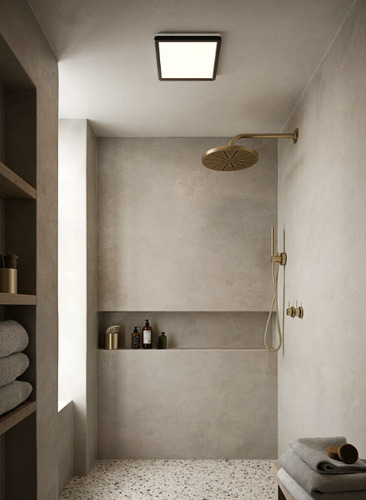
Bathrooms are the one place the aesthetic has to negotiate. A fitting there needs an ingress rating suited to the zone it hangs in, and Nordic manufacturers do make bathroom ceiling and mirror fittings in the same visual language — warm white, sometimes dimmable, with wood-effect trims that survive humidity better than real veneer. Over a worktop the question is direction instead: a shade that throws light straight down puts a bright ring on the counter and leaves the rest of the kitchen dark, while an opal diffuser lights the surroundings too.
Questions we get
How is this different from Japandi?
Palette and quantity of detail. Scandinavian is lighter and happier with white and linen; Japandi starts from the same austerity but removes colour and contrast, favours paper and dark timber, and leaves more empty space. If the calmer version is what you are after, look at the Japandi fittings.
Does it work against dark walls?
Yes, often better than against white — a pale shade only gets its outline once there is a graphite wall behind it. Wood against dark brown is the harder combination, because the two tones merge.
What bulb suits a linen shade?
An E27 with a higher lumen output than you would use behind glass, in warm white. Under an open shade where the bulb is visible, a frosted lamp looks better than a clear one, which draws a hard pattern on the ceiling.