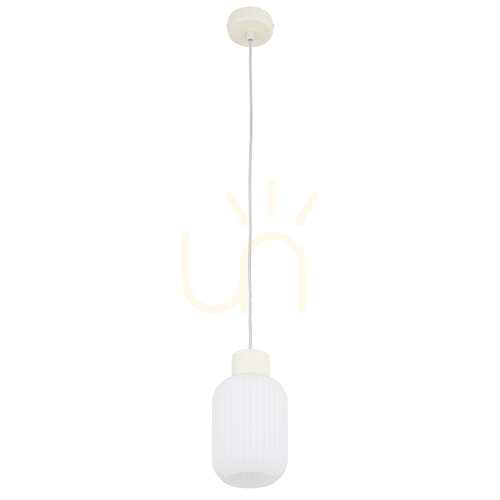
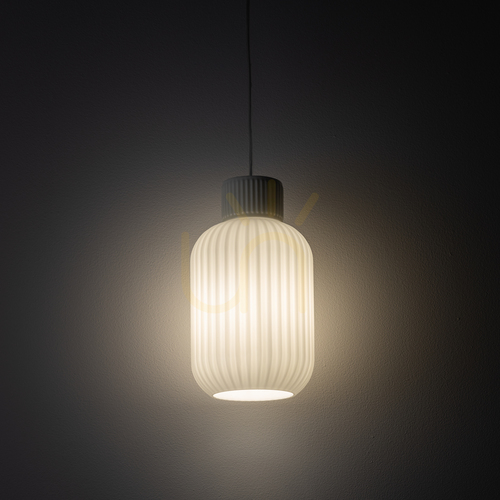
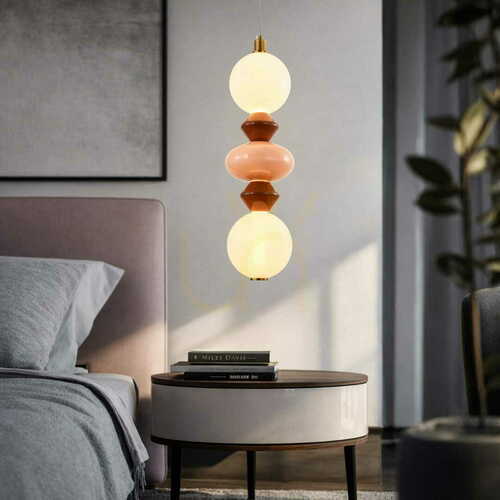
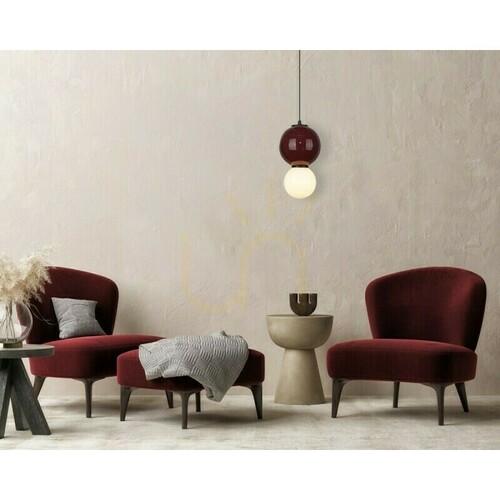
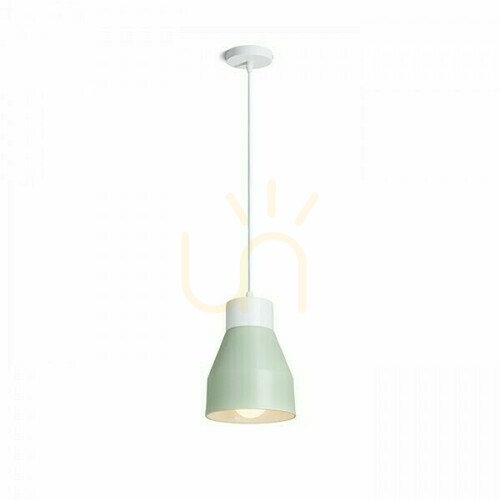
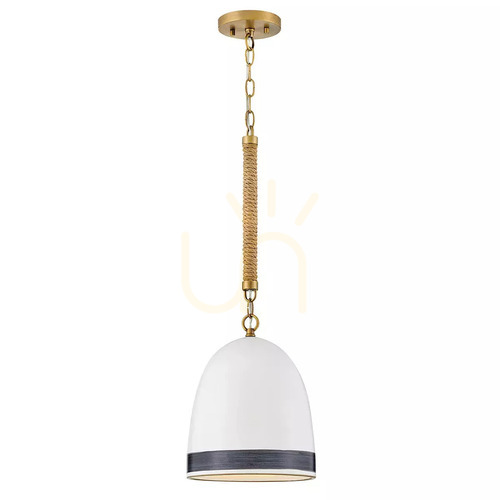
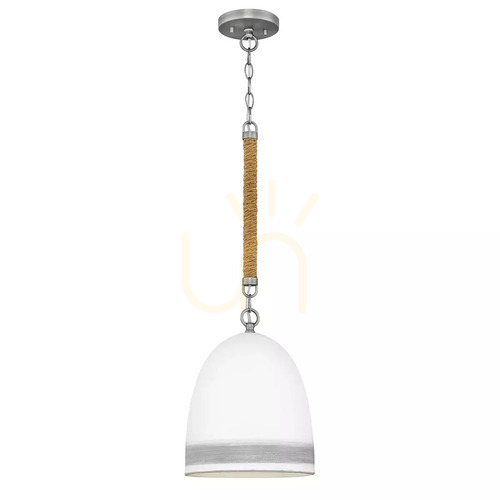
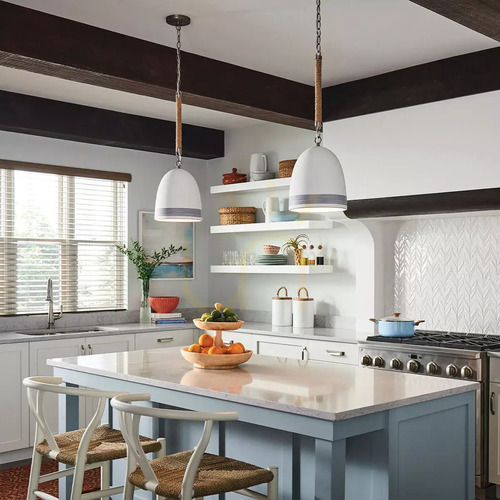
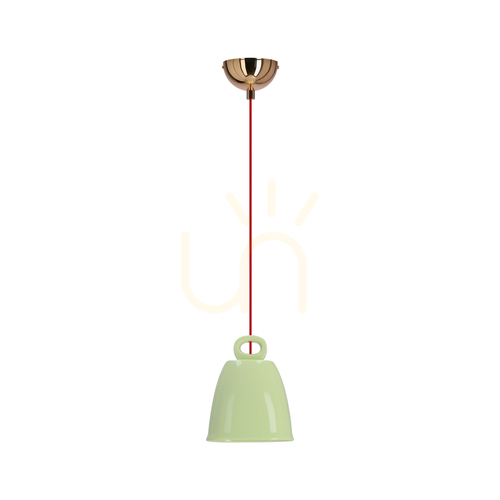
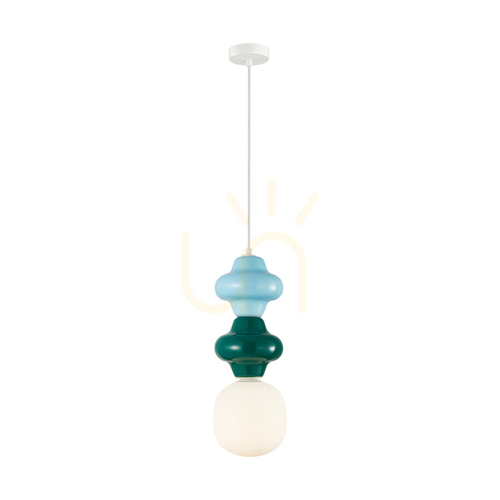
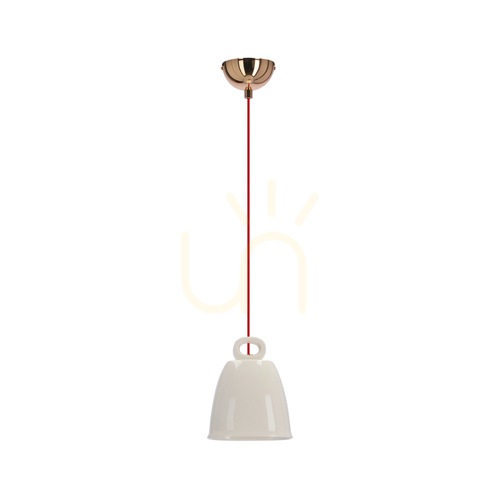
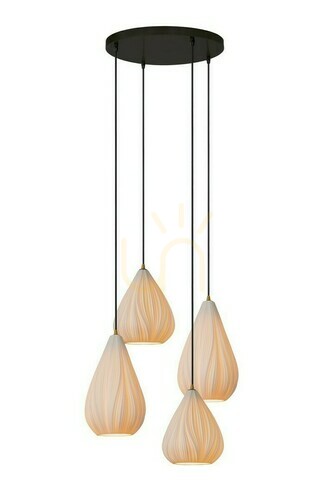
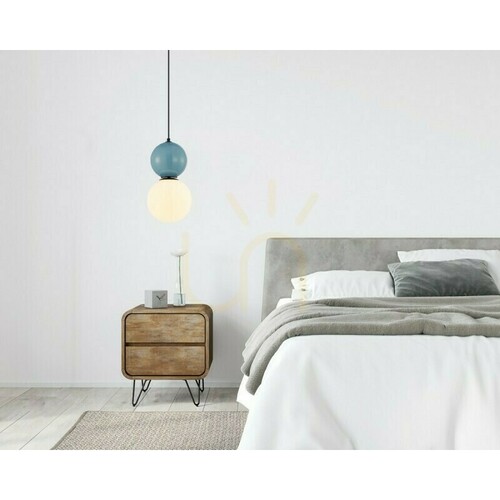
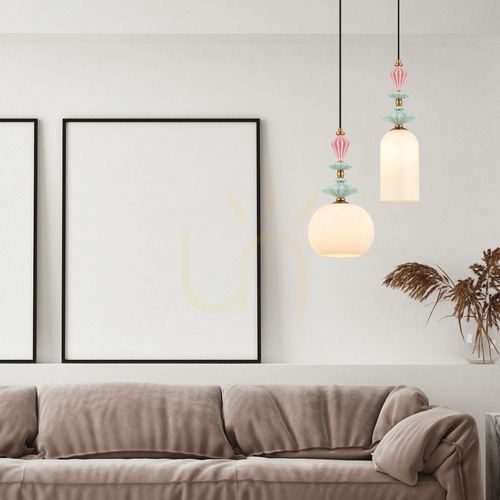
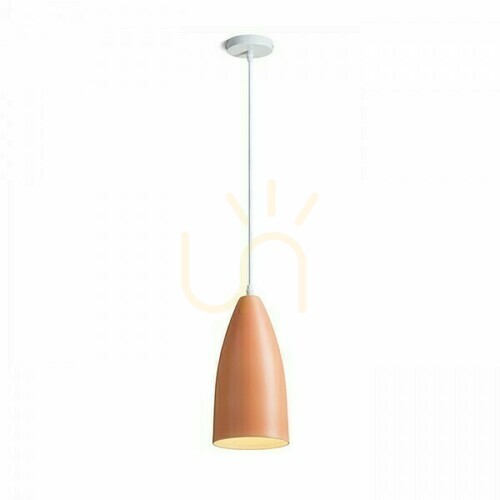
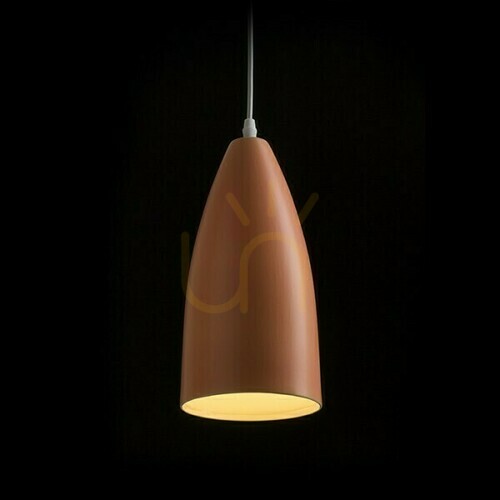
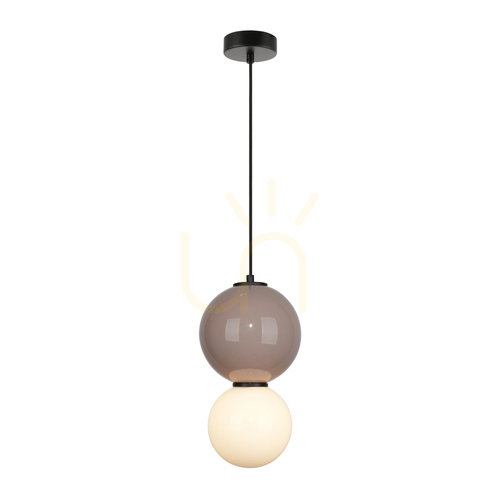
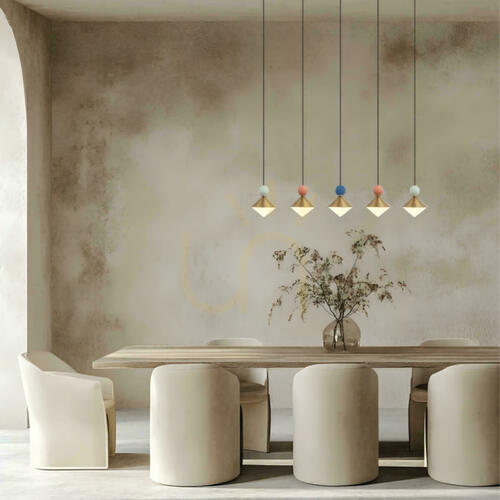
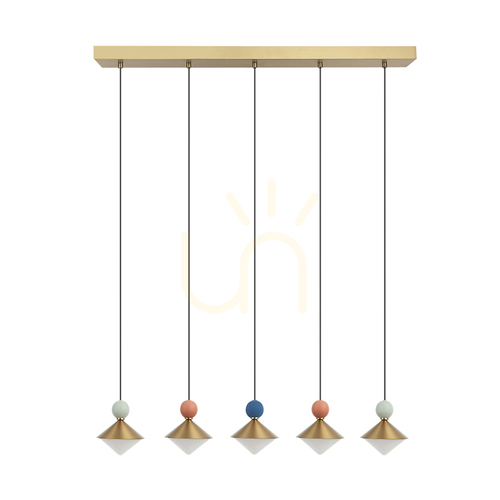
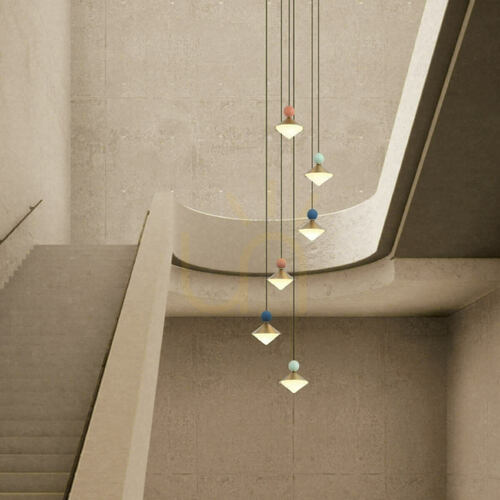
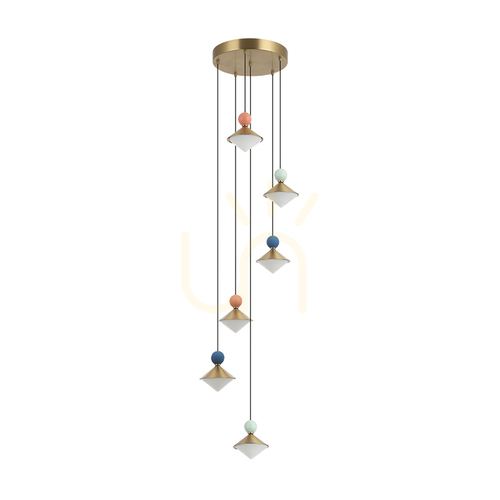
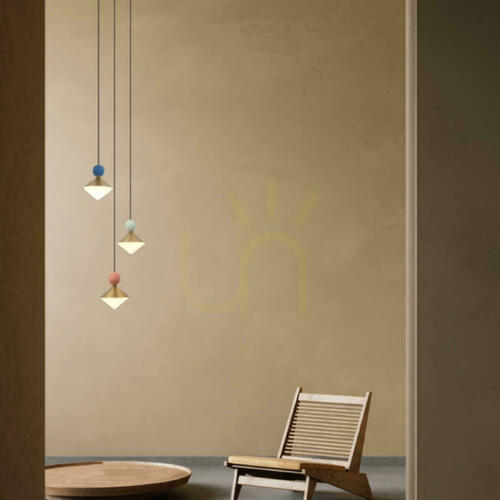
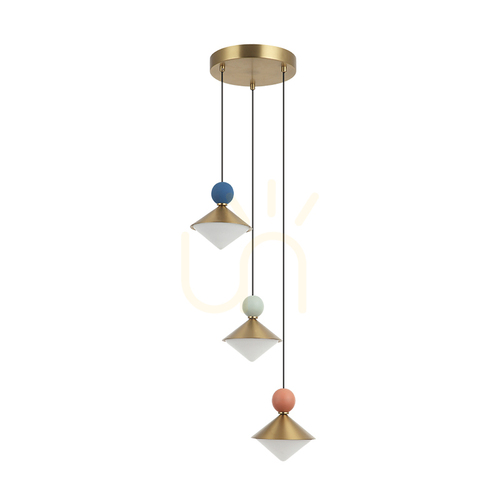
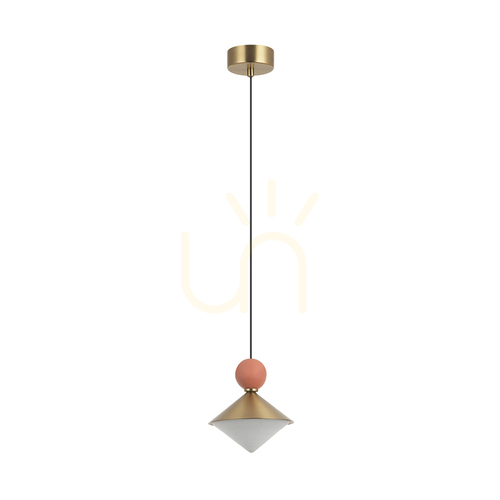
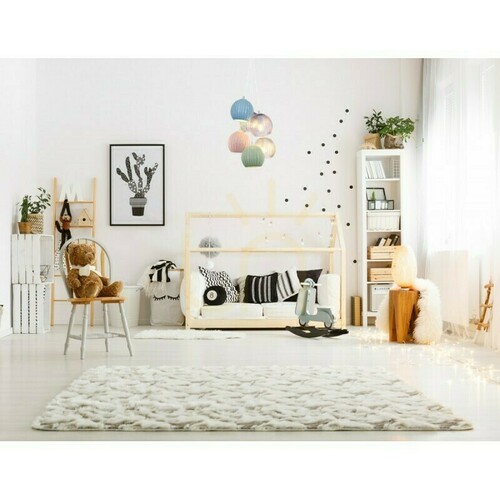
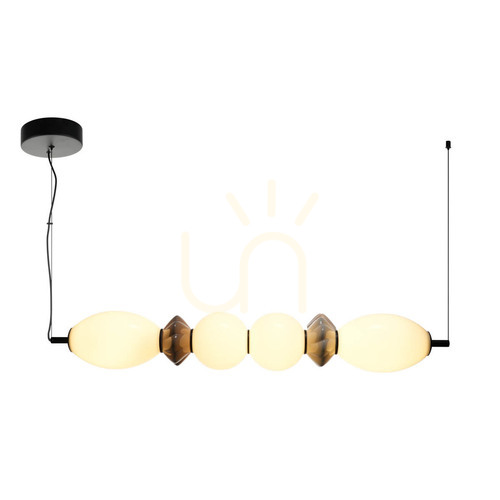
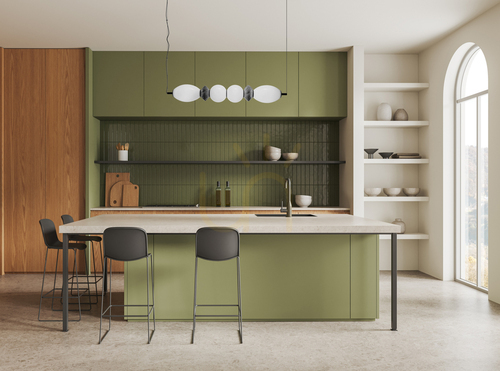
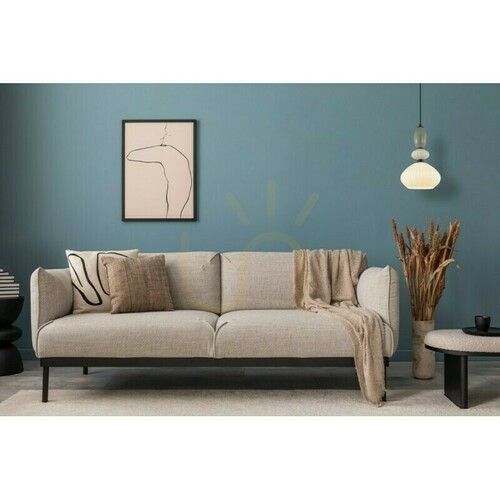
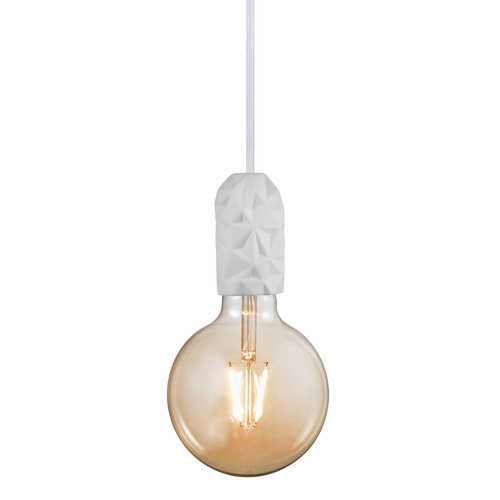
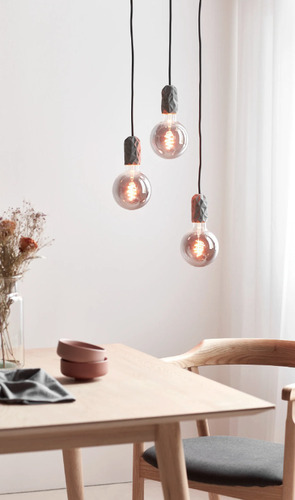
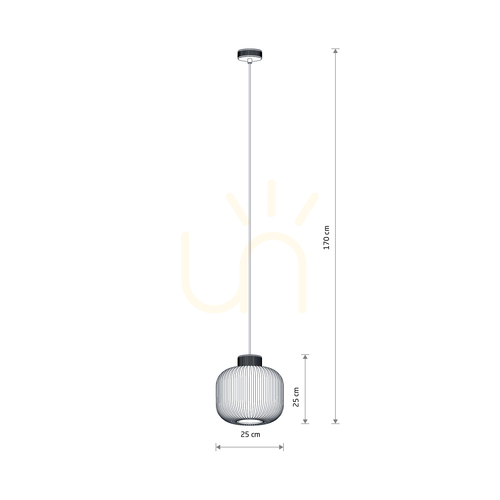
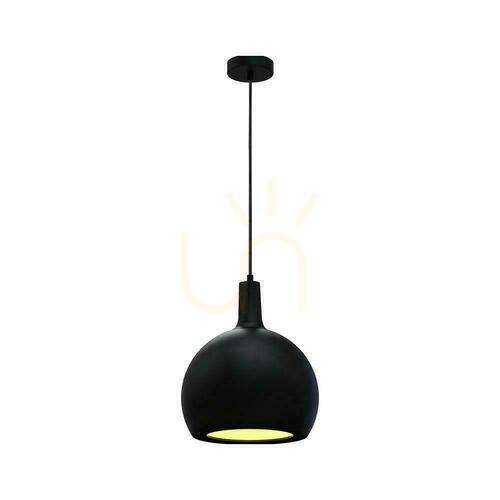
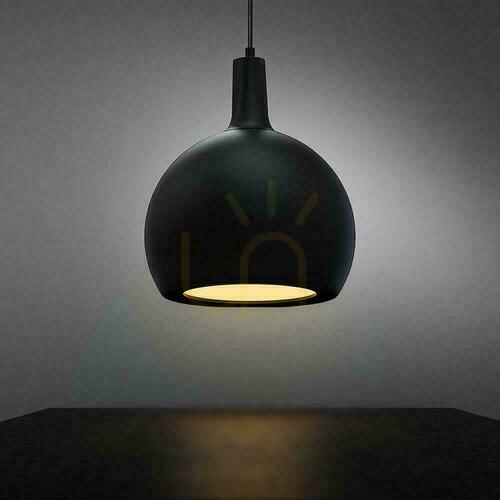
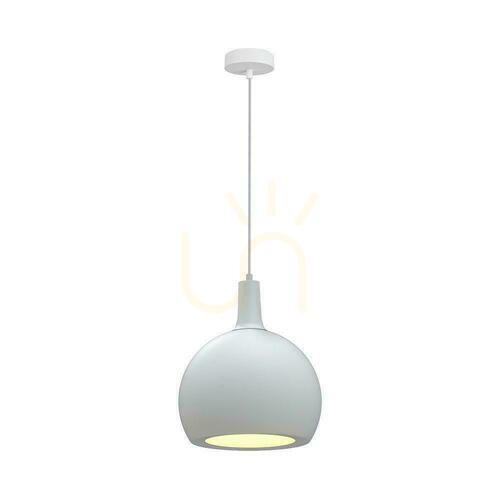
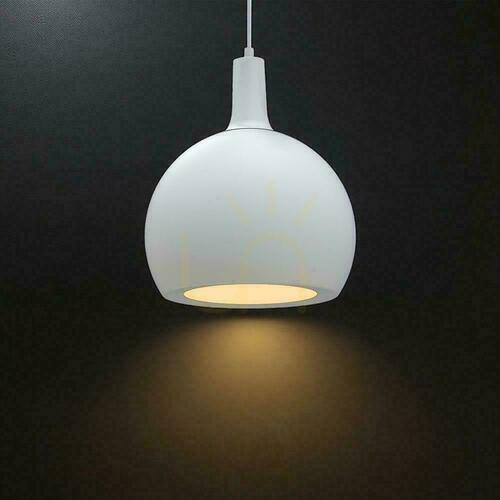
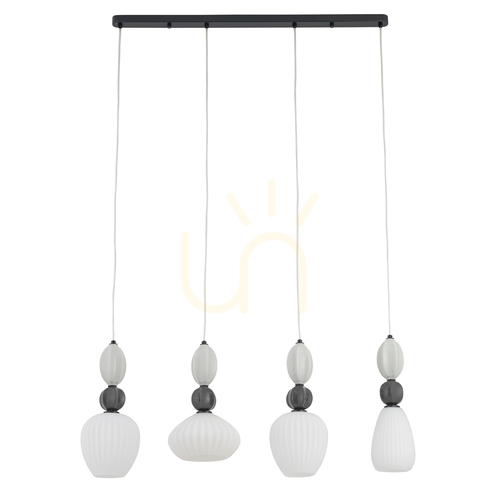
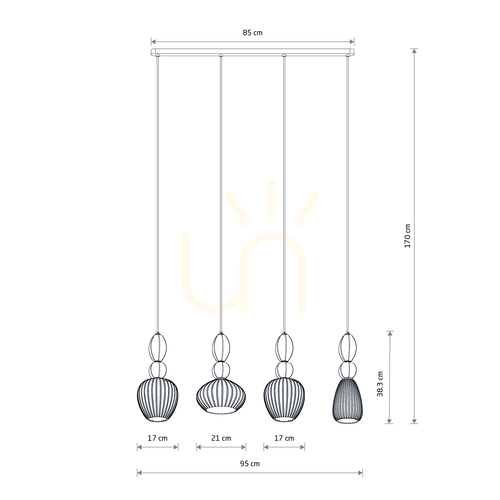
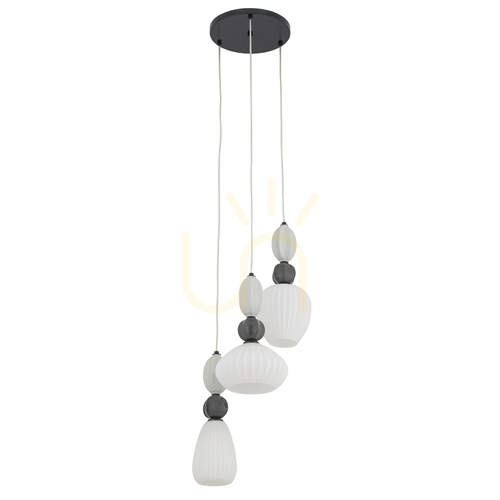
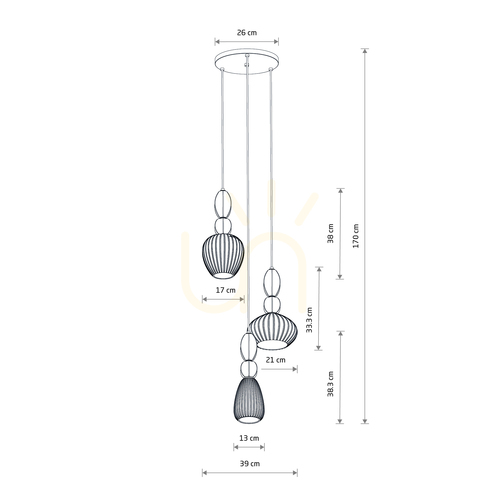
A ceramic pendant light throws its light firmly downwards. The opaque shade cuts glare, while a pale or glazed interior bounces light onto the table below. We stock more than 150 ceramic pendants, including designs from Italux, Luces Exclusivas, Nowodvorski and Zambelis.
How high to hang a ceramic pendant
Because ceramic doesn't let light through, drop height decides how wide the pool of light on your table will be.
| Where |
Gap from bottom of shade |
| Dining table |
60–75 cm (about 24–30 in) above the top |
| Kitchen island |
70–80 cm above the worktop |
| Row of pendants |
60–80 cm apart, at least 30 cm in from the table ends |
| Bedside, instead of a lamp |
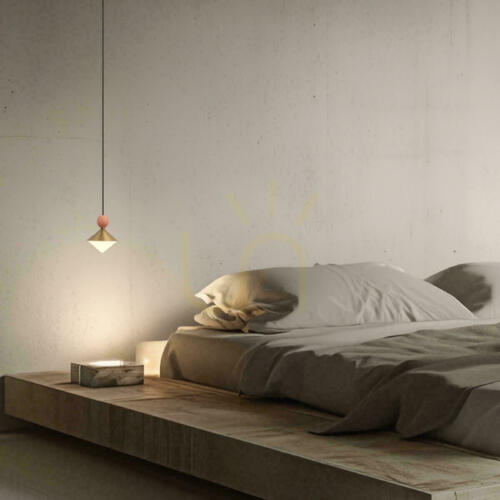
roughly 50–60 cm above the mattress |
A handy rule: the shade should be between a third and half the width of the table, so 30–40 cm for a 90 cm table.
Glazed, matt or bisque?
-
Glazed ceramic – glossy and wipeable, a good fit for kitchens.
-
Matt or unglazed (bisque) – soft texture that suits Scandi and Japandi rooms.
-
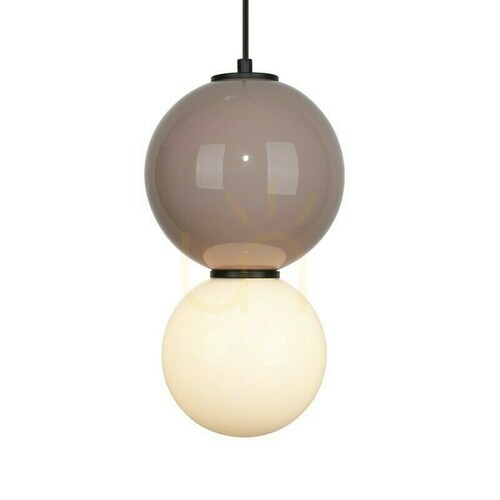
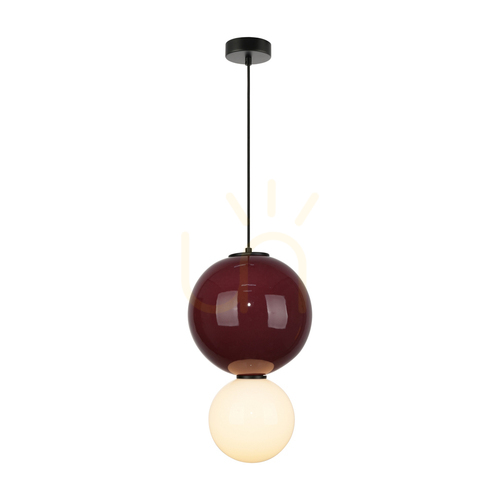
Ceramic mixed with glass or metal – over 120 of our models add glass, which lets a little light spill sideways.
Most take an E27 bulb, plenty use E14, and some have integrated LEDs. Over a dining table, aim for 2700–3000 K and roughly 800–1000 lumens per pendant.
Frequently asked questions
Are ceramic pendants too heavy for a ceiling?
Most ceramic shades weigh from a few hundred grams to 2–3 kg. A standard ceiling hook or a properly fixed ceiling rose on a joist or plasterboard fixing handles that easily.
Does the shade get hot?
Barely, with LED bulbs. Old-style incandescents can warm the ceramic, so always stay within the maximum wattage marked on the lampholder.
How do I clean a ceramic shade?
Wipe glazed ceramic with a damp cloth and a drop of washing-up liquid. Dust matt ceramic with a soft dry brush, as water can leave marks.
See other materials and styles in our pendant lights collection.