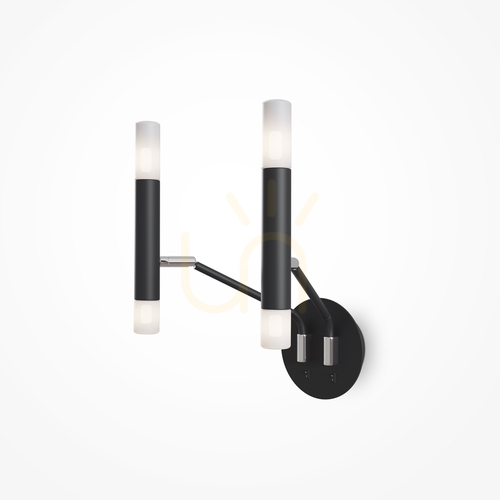
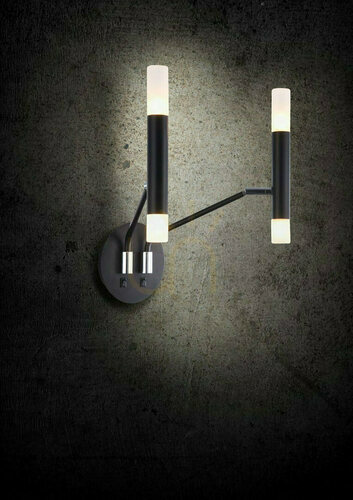
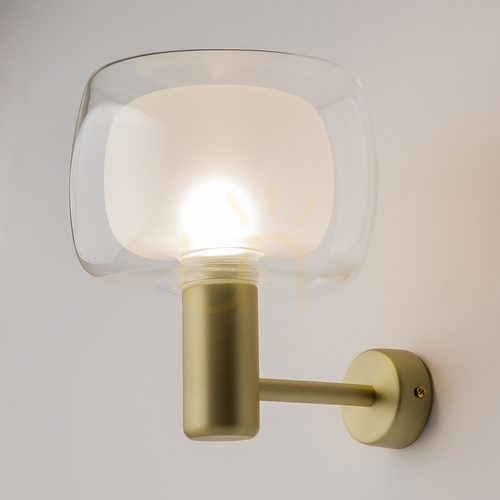
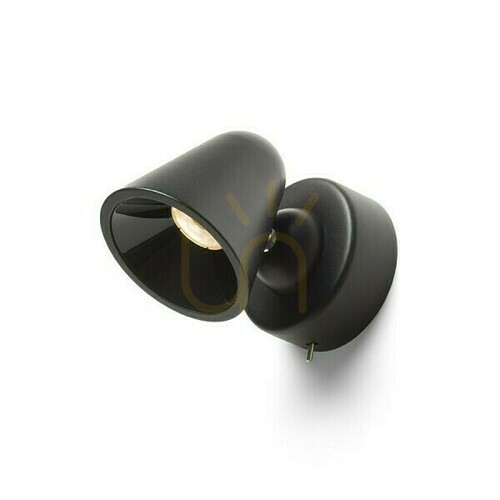
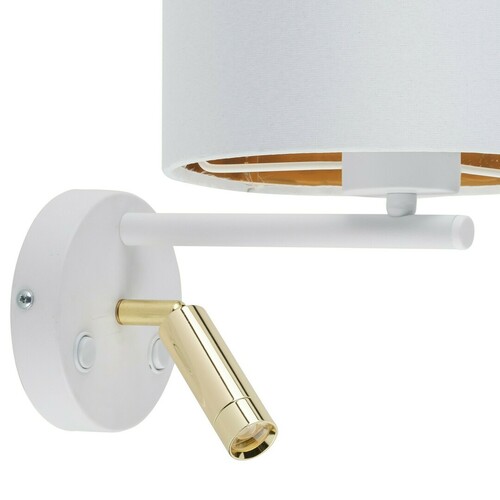
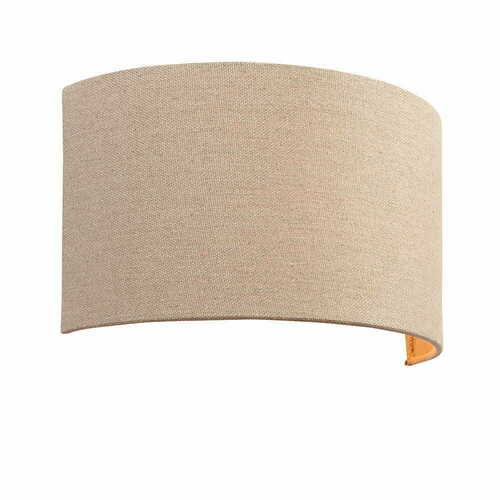
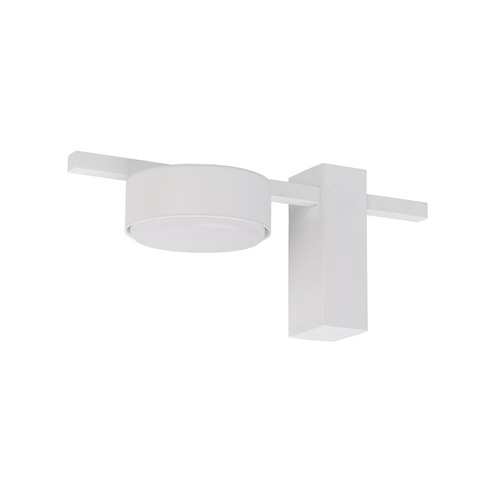
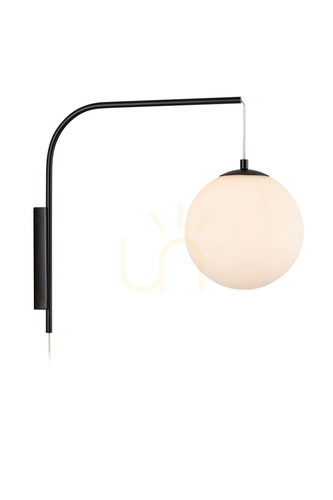
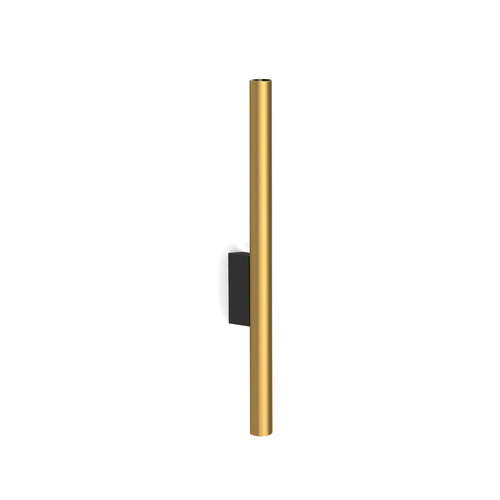
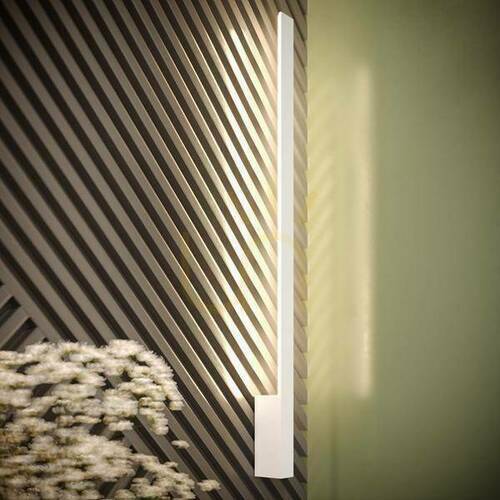
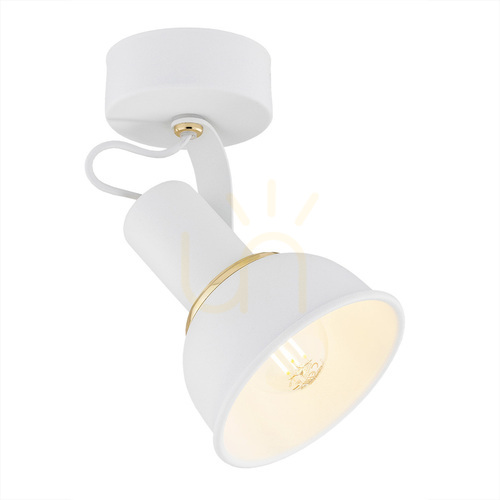
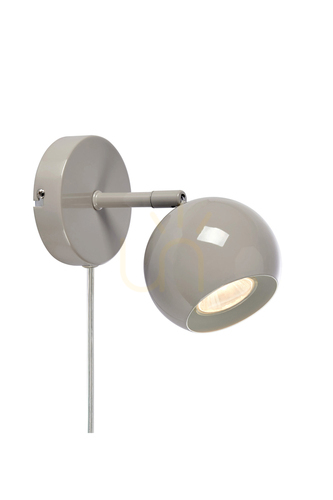
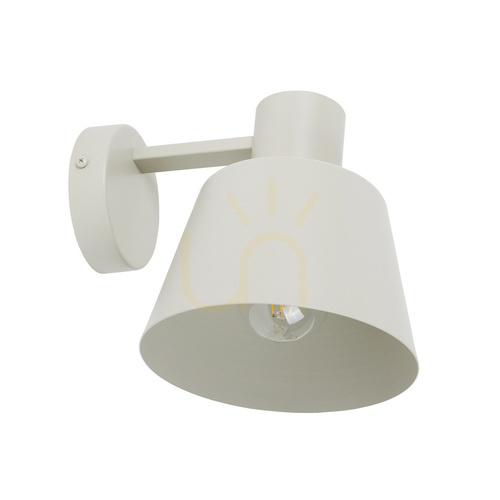
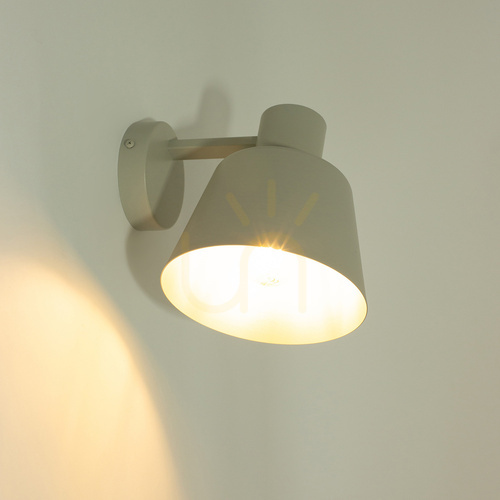
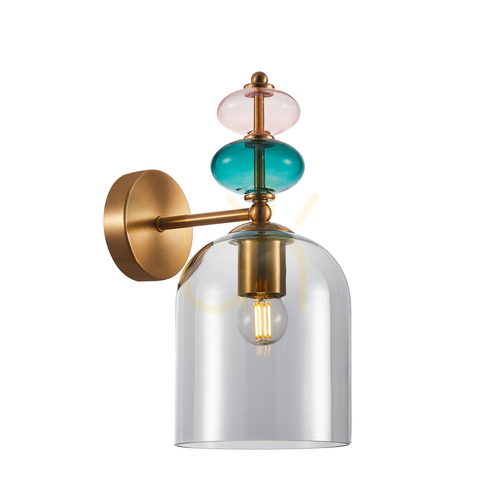
Bedroom wall lights solve the problem bedside table lamps create: they free the surface. A swing-arm fitting on the wall gives you a book light without a lamp base competing with a glass of water, a phone and a paperback.
Mounting height beside a bed
Measure from the mattress top, not the floor. The bottom of the shade wants to sit roughly 50–60 cm above the mattress — about 1.1–1.2 m from the floor for a standard divan. Higher than that and light spills onto your partner's side; lower and you cannot see the page.
FittingHeight above floorNote
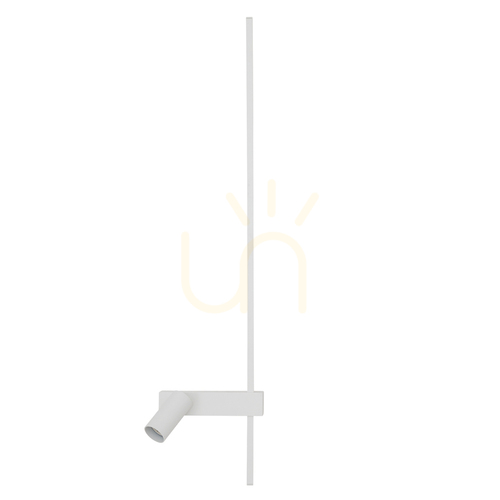
Swing-arm reading light1.1–1.2 mPosition 15–20 cm outside the bed edge
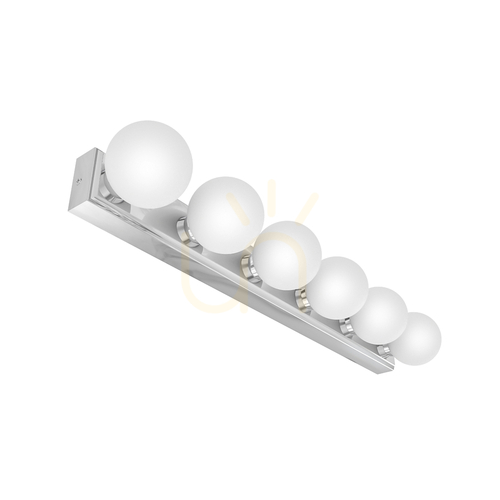
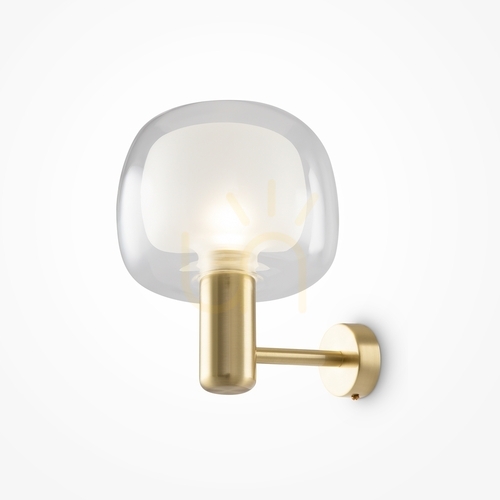
Decorative wall light1.5–1.6 mAmbient only; not enough to read by
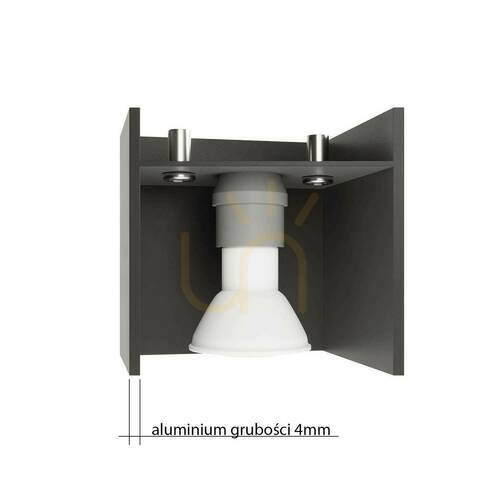
Up-and-down fitting1.5 mDoubles as a soft night-time wash
Individual switching
Each side switched separately, at the fitting. It sounds obvious and it is the single detail most often skipped — a shared switch means one person reading keeps the other awake. Fittings with an integral rocker or pull cord avoid extra wall chasing entirely.
Warm light, narrow beam
2700 K, and a shade that directs light down onto the book rather than across the room. A narrow beam is a feature here, not a limitation. If the fitting is dimmable, better again — a low setting doubles as a night light.
Frequently asked questions
Are wall lights suitable for bedrooms?
They are among the best choices, especially in small bedrooms where bedside tables are tight or absent.
How do I choose bedroom wall lights?
Decide first whether you need to read by them. If yes, pick an adjustable arm and a directional shade; if no, almost any decorative fitting will do.
Can wall lights replace bedside lamps?
Yes. A swing-arm wall light does the same job and clears the table.
See also Bedside Lamps and Ceiling Lights.