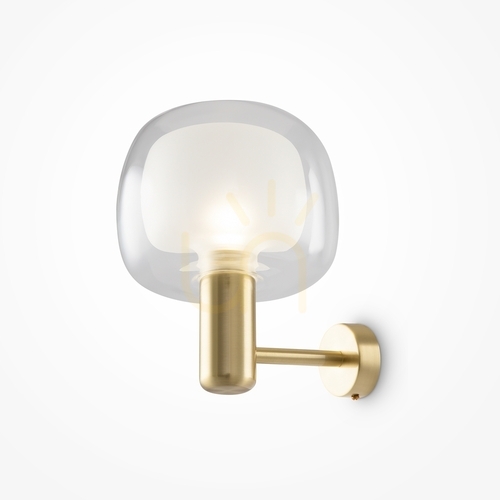
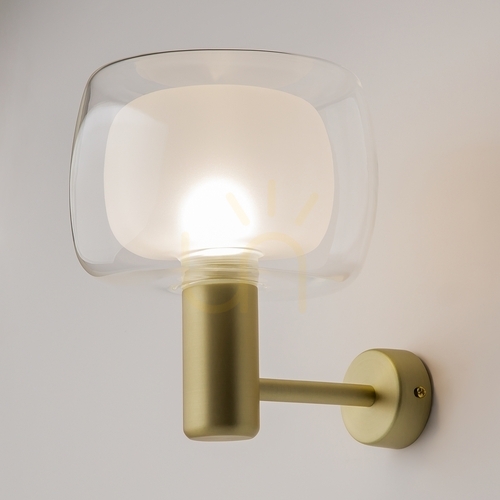
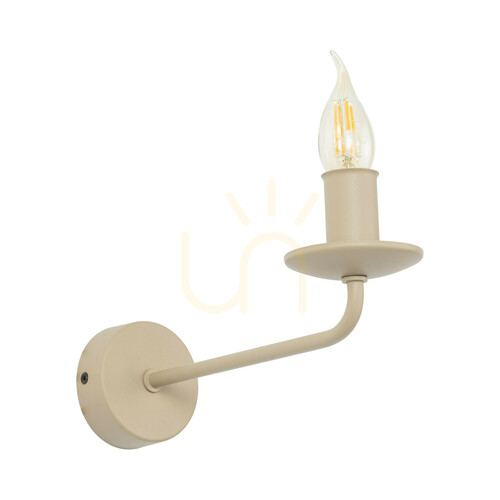
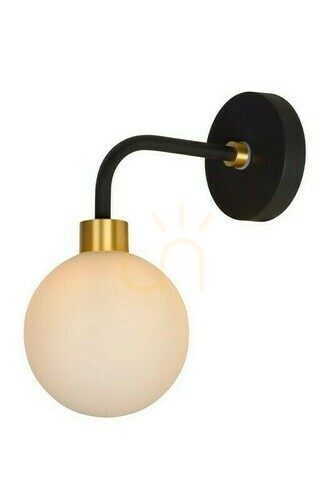
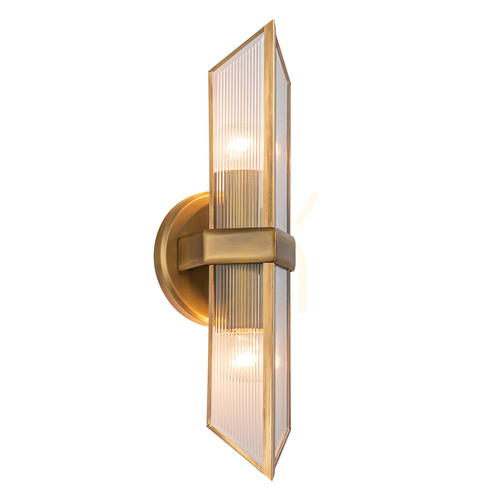
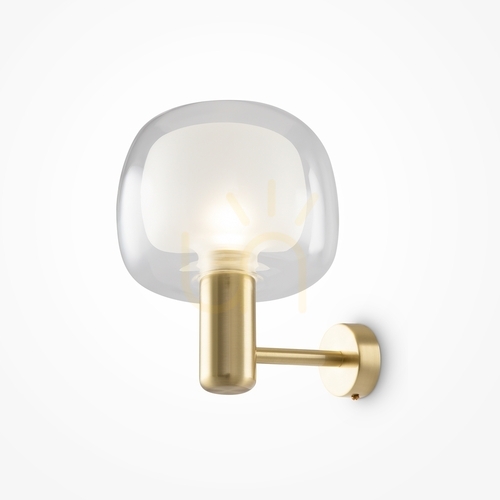
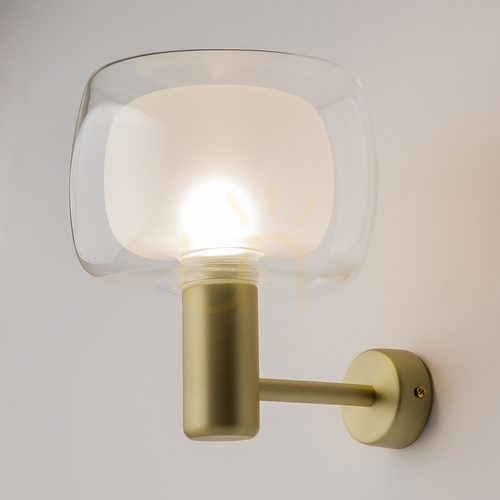
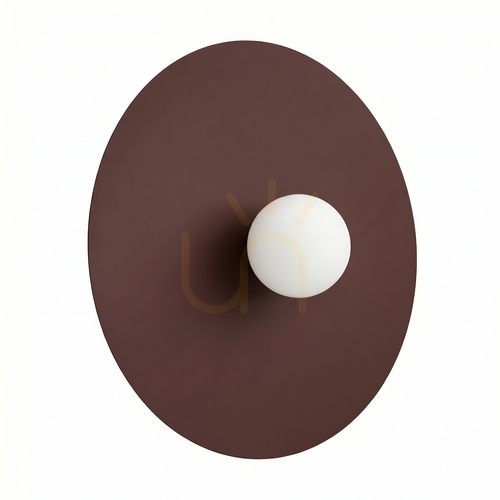
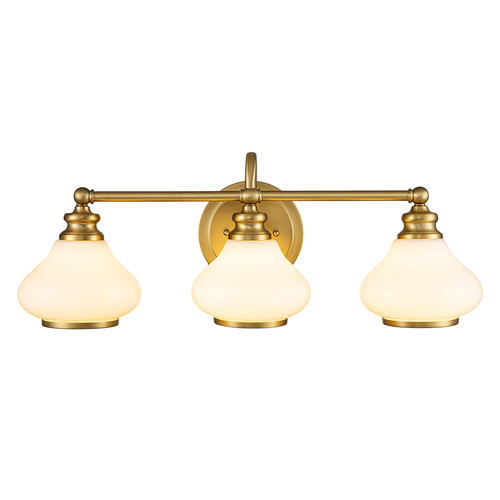
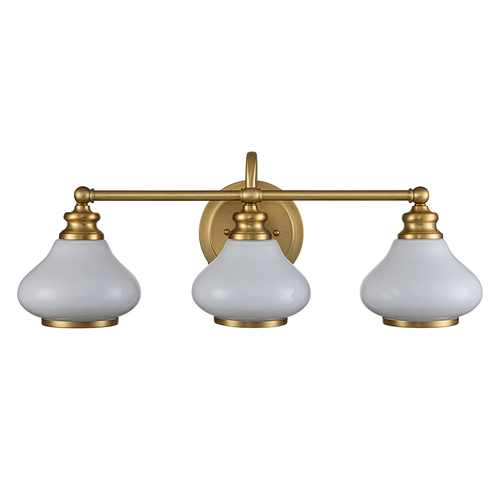
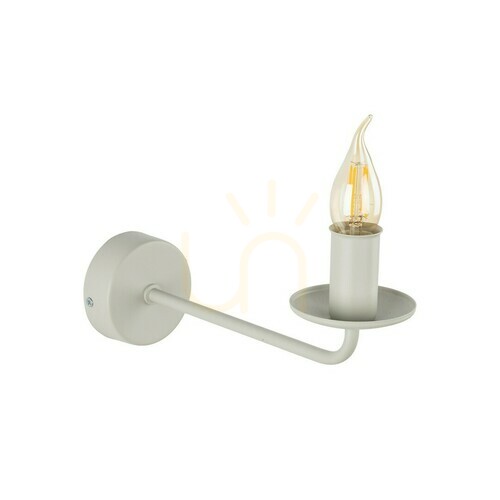
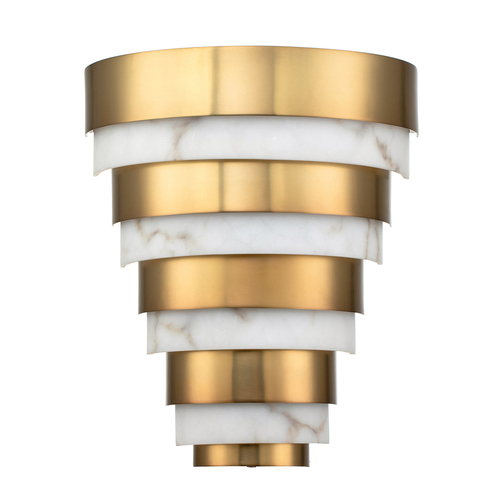
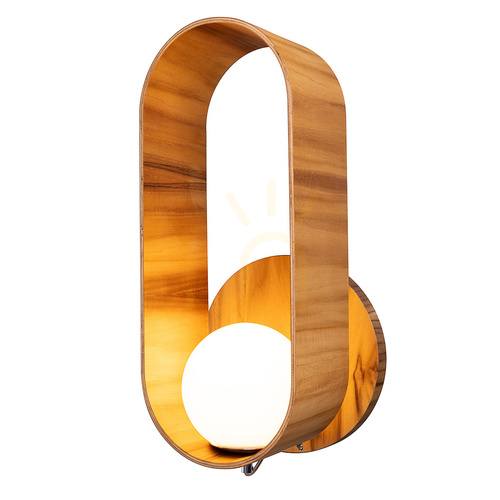
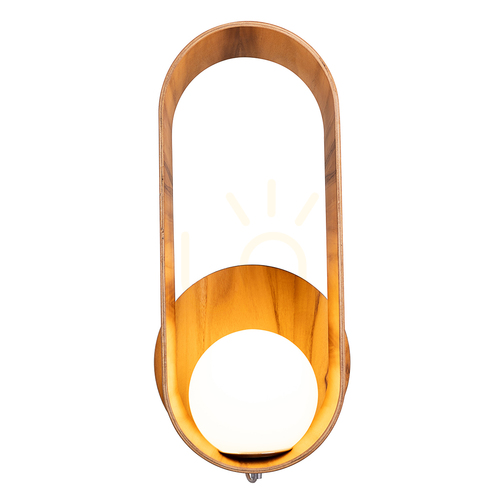
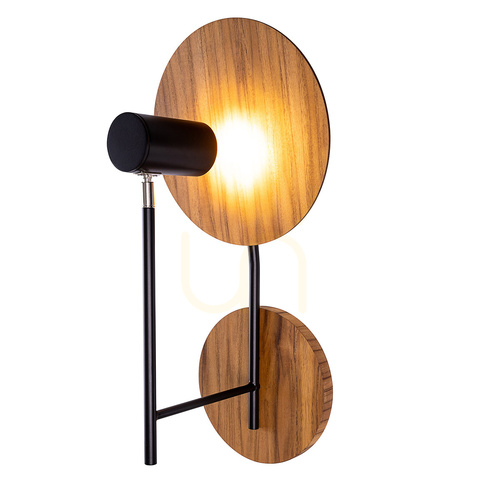
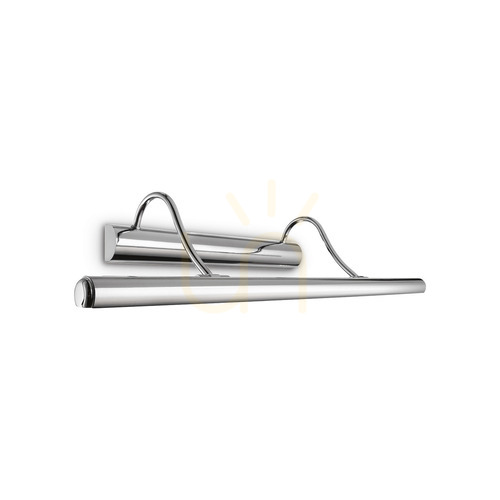
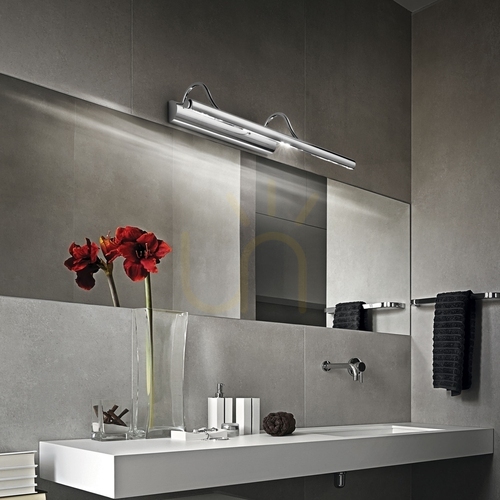
Retro and vintage wall lamps - lighting classics that are returning to favor
In the world of interior design, history likes to come full circle. Trends from decades past are reappearing,
But in a fresher, more functional version. Such is the case with wall lighting in the style of bygone eras:
retro wall sconces and vintage wall sconces. These small lamps can radically change the perception of a space -
warm it up, add nobility and build an atmosphere that you can't achieve with a ceiling lamp alone.
Below you will find a complete guide: what distinguishes a retro wall sconce, how to select it for the style of the interior,
what materials and forms it comes in, what light sources to choose, and finally - how to safely install them to serve for years.
What do we mean by "retro" and "vintage" in lighting?
Although the two terms are sometimes used interchangeably, in practice they mean something slightly different:
- "retro" are new products stylized on old designs. The retro wall lamp is created contemporarily,
but refers to the character of the era: it has the right line of the lampshade, metal texture, colors or details.
- "Vintage" are lamps that are authentically old or faithfully reproduced according to old technologies.
A vintage wall lamp may bear traces of the passage of time, patina, small irregularities in the glass - this is its charm and value.
In practice, many collections combine both tropes: you buy a new lamp, but with a soul. Phrases such as "retro vintage wall sconce" are used today to describe models that perfectly capture the atmosphere of the past, while meeting modern standards, such as "retro vintage wall lamp".. are designed as LED lamps, have a dimming option also have a higher degree of waterproofing.
Why it works. Psychology of light and textures
Sidelight is soft, friendly and builds a sense of depth. When the source appears on the wall,
creates streaks and reflections that warm the space. If we add to this the materials typical of the era -
brass, opal glass, porcelain, wood - we gain the effect of coziness and "homeliness", so needed in modern,
often minimalist interiors. Retro wall sconces do this brilliantly: they introduce rhythm and softly divide zones,
without taking up valuable space.
Style overview: from art déco to mid-century and loft
- 1920s-30s. and art déco: streamlined lines, geometric divisions, nickel-plated or chrome-plated details,
prismatic and milk glass. A retro wall lamp in this aesthetic will be ideal over a console,
next to a mirror or on the side of a headboard.
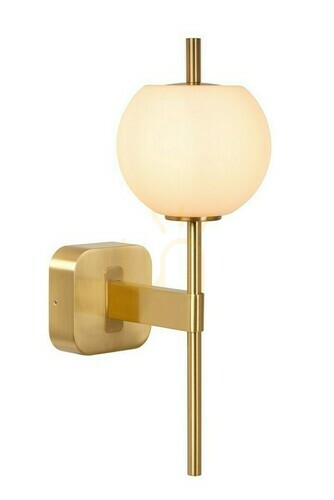
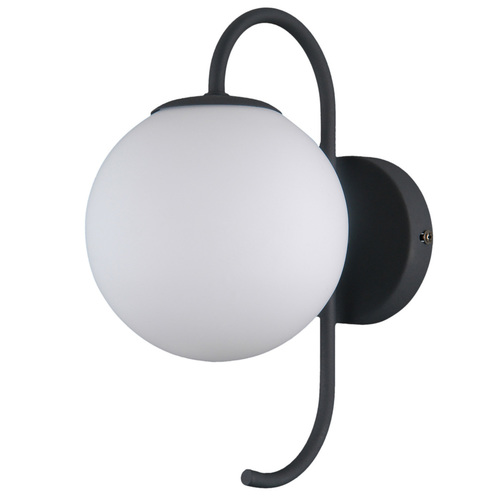
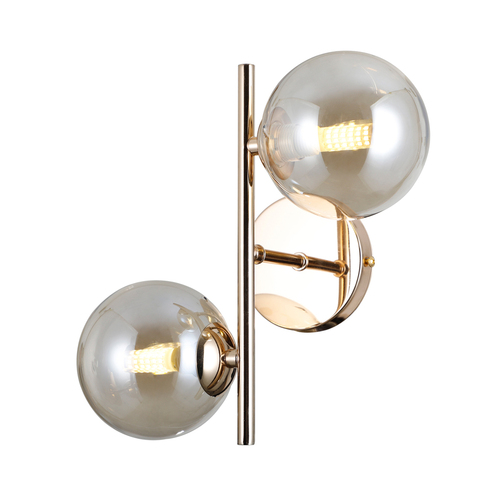
- Bauhaus: simplicity of form, functionality, metal + glass. Retro wall lamp with a spherical shade on a simple tubular frame
is the quintessence of this spirit.
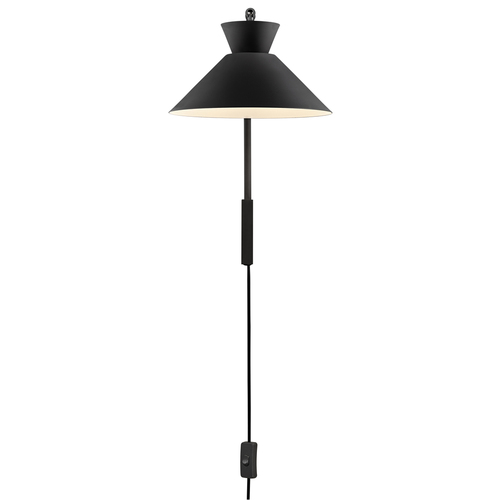
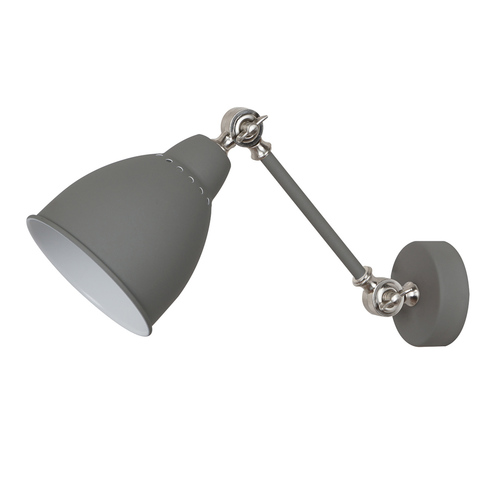
- Mid-century modern (1950s-60s): slender cones, "winged" fixtures, perforations, two-tone finishes.
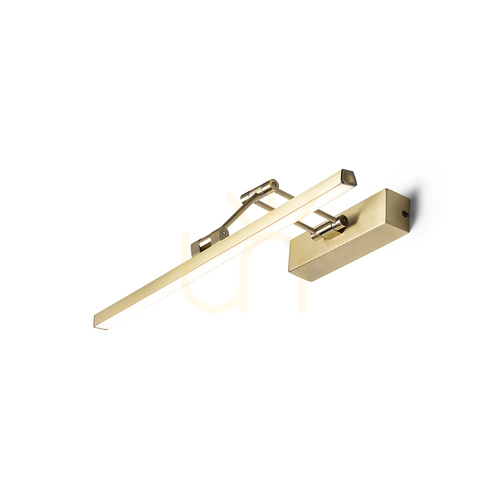
Cranes and adjustable arms are very popular here - a practical yet decorative touch.
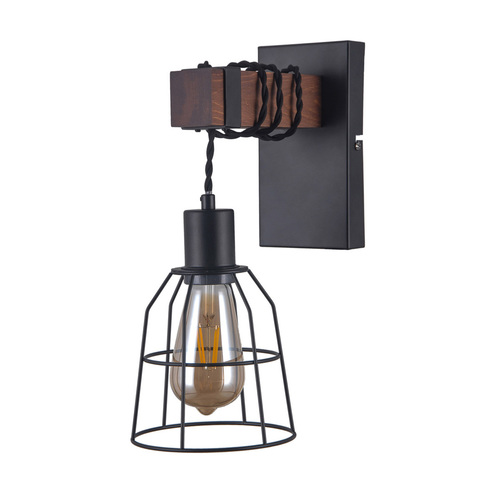
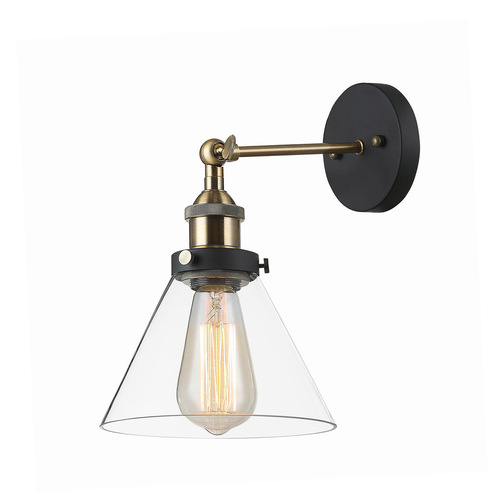
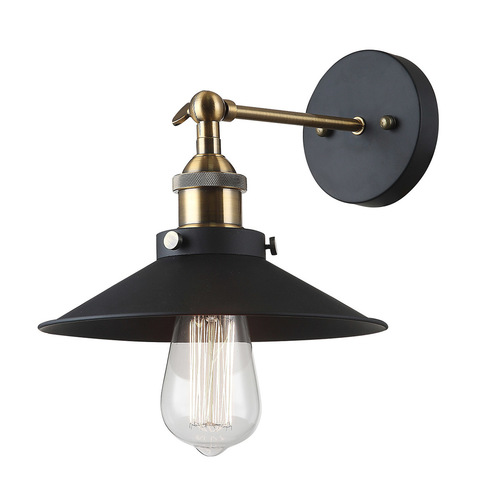
- Industrial and loft: raw metal, aged finishes, exposed screws and crossbars, as well as "cage" type covers.
Manufacturer's name plates, valves, levers - every little detail matters.
Materials and finishes that build atmosphere
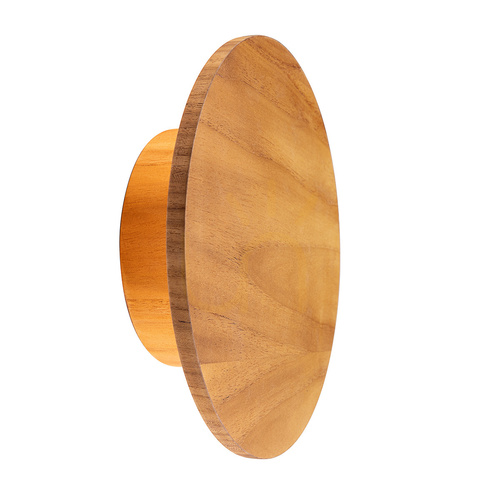
Brass (polished, satin, antique), bronze, powder-coated steel and iron, nickel, chrome, plus opal, prismatic, fluted, tinted "smoked" glass. Rustic and boho models are dominated by wood - oak, walnut,teak. Porcelain bases and enamels in shades of ivory, bottle green or burgundy add authenticity. It is from these ingredients that retro wall sconces and vintage wall sconces with real, tangible texture are created.
Forms and details to look out for
- Spherical lampshades (opal spheres) - softly diffuse light, great for halls and bathrooms.
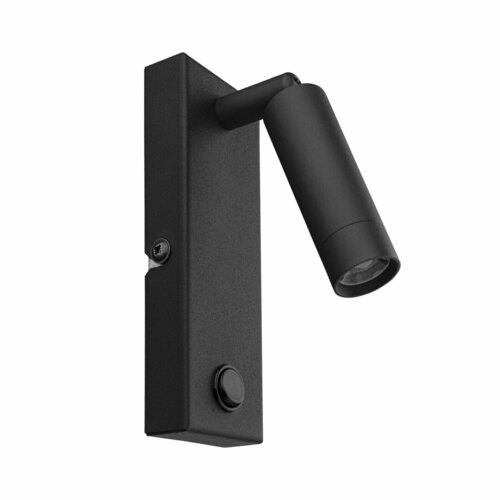
- Cones and "bells" - direct the stream downward or upward; ideal over dressers and as bedside lamps.
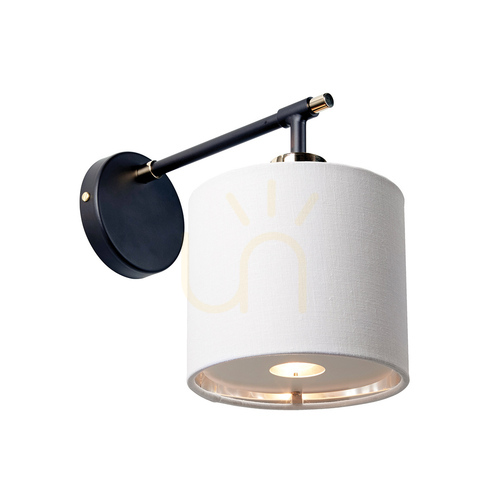
- Cloth lampshades - rattan, linen, silk; in fashionable cylinder and truncated cone shapes.
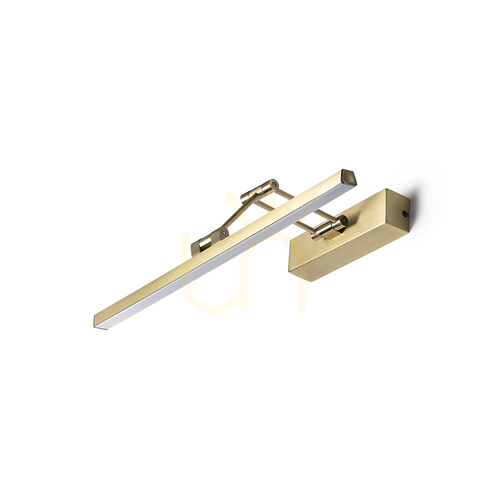
- Adjustable arms and scallops - combine decor with function; make reading and desk work easier.
- Perforations, embossing, knurling (mottling) - small but important signals of the era.
In interiors: how and where to use retro wall sconces?
Living room
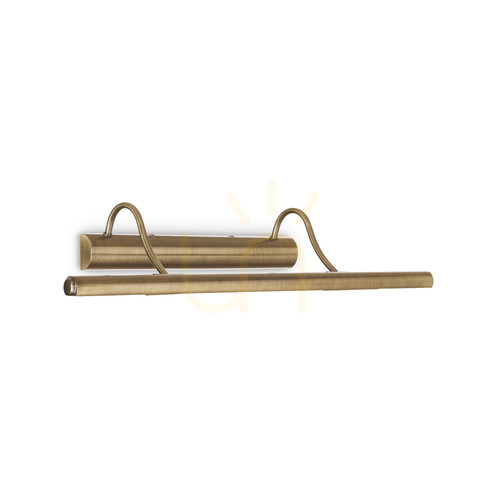
Two lamps on either side of a sofa or bookcase build symmetry and organize the layout. If you choose retro wall sconces with an upward and downward light transmitting shade, you will get the effect of elegant streaks that optically raise the ceiling. By the paintings, the gallery light version of picture strips will work well - they look phenomenal in a vintage atmosphere.
Bedroom
Instead of heavy bedside lamps, bet on cantilevers with a cone or on a retro vintage wall lamp with an opal ball.
You save space on the tables, and the light falls exactly where you need it. If you're reading, look for models with articulation and dimming options.
Kitchen and dining room
A retro wall lamp over a countertop, sideboard or bar will make the work easier and highlight the details of the woodwork.
In the dining room, pairs of wall sconces on either side of a display cabinet or sideboard work well; the warm color of the light brings out the color of the wood and glass.
Bathroom
On the sides of the mirror, symmetrical spherical lampshades on short booms will work well. Remember to choose the right waterproofing - in areas exposed to moisture, choose models with increased IP. A retro wall lamp made of milky glass will give even, skin-beneficial light.
Corridor and staircase
The rhythm of repeated fixtures leads the eye and gives the interior a "hotel" chic look. In narrow passageways, choose shallow models, and on stairs - luminaires with a directed stream that do not dazzle.
Cabinet and commercial space
Vintage wall lamps with numbered dials, porcelain bases or metal mesh build the atmosphere of a studio, cafe, boutique. It is the details that stay in the memory of guests.
Hue, flux, CRI - how to choose light for function
- Hue (CCT): 2700-3000 K (warm) is warming and relaxing; 3500-4000 K (neutral) is versatile for work.
Most retro arrangements look better in warm light.
- Flux: 400-800 lm per spot for mood lighting; 800-1200 lm when sconces are meant to realistically illuminate tasks.
- CRI (color rendering): look for ≥90 to make leather and fabrics look natural, and brass and wood have the right depth.
Light sources: classic look, modern technology
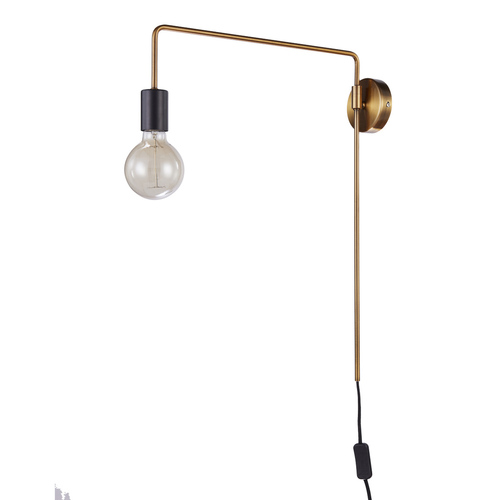
Retro wall lamps and vintage wall sconces combine capably with LEDs. The best performers are filament bulbs
(E27/E14), which visually mimic the old Edison filaments. They give a warm, even light and work with
with dimmers. For fixtures with small shades, G9 and GU10 will work well. If you want to control the mood from the couch, choose the "smart" versions (hue/dim from the app). Keep in mind that not every dimmer fits every LED - check compatibility (leading/lower edge phase dimming).
Degree of waterproofing and safety in the bathroom
In areas prone to splashing, look for models with IP44 or higher. Next to the mirror is usually enough IP44,
in the shower room higher parameters are needed - choose according to the manufacturer's recommendations and standards.
A retro bathroom wall lamp with milky glass will give a soft and in-your-face light - ideal for makeup and shaving.
Installation - step by step
1) Disconnect the power supply at the fuse.
2) Determine the height and spacing - in the bedroom at the headboard usually 110-130 cm from the floor; at the mirror 150-170 cm, depending on the height of the household members.
3) Fasten the mounting plate with appropriate dowels; if in doubt, use chemical anchors for heavier fixtures.
4) Connect the wires according to the diagram; check the grounding (PE) in metal models.
5) Settle the body, screw/attach the shade, install the light source.
6) Turn on the power supply and test. If you are using a dimmer, perform a test on min. 50-100% power to exclude flicker.
Maintenance and cleaning
Remove dust with a soft, dry microfiber cloth. Wash glass with a solution of water with a mild agent;
brass and copper - with preparations designed for precious metals (unless you want to maintain the natural patina). Avoid aggressive detergents and rough sponges. Regular care preserves luster and improves light efficiency.
The most common mistakes and how to avoid them
- Too cold a light color - conflicts with the retro mood; choose warm LEDs.
- Underestimating the number of points - one lamp will not "lift" a large living room; use layering.
- Too large overhangs in narrow hallways - threaten to snag; choose shallow fixtures.
- Lack of dimmer compatibility - results in flickering; check compatibility lists.
- Inappropriate IP in the bathroom - always match the moisture zone.
What to combine with to achieve consistency?
Retro wall lamps and vintage wall sconces are a bridge between eras. In a modern, plain interior they can "warm up" the
geometry and add depth. In lofts they play well with raw concrete and brick. In boho arrangements, add plaid, linen and natural woods; in glamour - crystals and polished metal. Shades of opal glass and satin brass are a duo that practically never goes out of style.
How to buy wisely - checklist
- Style and era you refer to - art déco, mid-century, industrial?
- Material and finish - brass, bronze, chrome, porcelain, enamel, wood.
- Color, flux, CRI - comfort, functionality, color reproduction.
- Power supply and dimming - LED compatibility, type of dimmer.
- Dimensions and overhang - especially important in narrow passageways.
- IP - bathroom and kitchen require increased waterproofing.
- Installation and service - access to shades, easy replacement of sources.
- Warranty and origin - reputable manufacturers, proven components.
Comparison: retro vs.. contemporary minimalism
Retro wall sconce focuses on detail, warmth of materials, history and decoration. Minimalism exposes lines and "cleanliness."
In practice, the two worlds can be combined: smooth walls and simple furniture gain character when precious metals and opal glass appear. On the other hand, interiors full of décor will breathe easier if the retro lamp has a simpler design.
Expanded FAQ section
Do retro wall sconces fit in small apartments?
Yes. Choose shallow models, bright shades and warm colors - they will optically enlarge the space.
What is the difference between a retro and vintage wall lamp?
Retro - a contemporary stylized product; vintage - an authentic or faithful reissue of old designs.
What kind of light bulbs to choose?
LED filament 2700-3000 K, CRI ≥90. For mini lampshades - G9/GU10. For dimming, choose "dimmable" versions.
Are retro wall sconces suitable for bathrooms?
Yes, but choose IP for the moisture zone (usually IP44 or higher) and choose milk glass next to the mirror.
How high to mount near the bed?
Usually 110-130 cm from the floor to the bottom edge of the shade; adjust for the height of the headboard and sitting position.
Can it be controlled from the app?
Yes. Choose "smart" LED sources or integrated modules compatible with popular systems.
How to clean brass?
A soft cloth and a dedicated preparation; if you like patina - just vacuum and wipe dry.
Will retro wall sconces work well in an office?
Yes, especially in offices and representative areas - they build atmosphere and emphasize prestige.
How to combine several models in one apartment?
Keep a common denominator: material (e.g.. brass), glass color (opal) or detail (perforations).
Are retro lamps energy efficient?
The fixtures themselves - it's a matter of source. With LED, they are very economical, durable and cool to work with.
Sample sets for different styles
- Modern classic: a pair of opal globes on satin brass + minimalist chandelier + table lamp with pleated lampshade.
- Loft: retro wall lamp with metal cage, black plafond and tech strips - raw but cozy.
- Mid-century: cones in two colors (cream + brass), dimming and paintings in wooden frames.
- Glamour: vintage wall lamp with crystals, mirrors and accessories in polished brass or chrome.
- Boho: wooden details, linen, rattan and warm 2700 K - soft and natural.
Action plan for renovation
1) Determine the concept of layered lighting (ceiling + wall + table/floor).
2) Lay out electrical points; remember symmetry at the bed and mirror.
3) Select fixtures for color and CRI; write down requirements for LED and dimmers.
4) Order samples of finishes (brass/chrome/wood), compare in real light.
5) Have a professional install, especially in bathrooms and old buildings.
Bottom line - timelessness that works for the climate
Retro wall lamps and vintage wall sconces are not a fashion "for the season". This is a proven way to bring warmth, character
and coziness, and at the same time real functionality. A well-chosen wall lamp in the style of a bygone era
gives rhythm to the space, brings out the textures of the materials, builds the evening scene and does not dominate the interior.
Whether you opt for classic brass and opal glass or raw industrial,
retro wall sconce will repay you with everyday comfort - and compliments from guests.
Advanced guide - how to design light step by step
Living room - functional zones and light scenes
The conversation zone by the sofa needs soft, non-glare side light.
Place two fixtures on either side of the seating area; if you use cones, point them at the wall to reflect the glow.
Vintage wall lamps with opal globes are great when you want an even streaky effect and a "raised" ceiling. In an open living/kitchen space, add a third scene: a retro wall sconce by a bookcase or paintings,
Which builds depth after dark.
Bedroom - ergonomics and relaxation
Symmetry calms - two retro wall sconces at the headboard at a distance of approx.. 60-70 cm from the axis of the bed will make,
that the space will be "arranged". If you read, choose models with adjustable and narrow stream.
Retro wall lamp on a scissor arm combines vintage with convenience; when folded, it does not get in the way. The 2700 K light color is conducive to tranquility, and a dimmer will add smoothness to transitions between modes.
Kitchen - task and mood light
Over the countertop, directional light with GU10 bulbs works best; over the sideboard, warm, diffused light.
A retro wall lamp with a downward-facing bell shade will reduce glare on glossy surfaces. If the sideboard has glazing, a fixture with milk glass will build a cozy glow at dinner time.
Bathroom - face in the best light
Two fixtures on the sides of the mirror (the axis of the source at eye level) give the most even lighting for makeup and shaving. Retro wall sconces with opal sphere or prism improve evenness; avoid cold color,
which ages the complexion. In areas exposed to moisture, select IP according to manufacturer's guidelines.
Stairs and corridor - guiding the eye
A sequence of several luminaires every 2-3 meters creates an elegant rhythm. In narrow corridors, reach for flat bases
and lampshades that do not protrude more than 10-12 cm; this way the retro wall lamp will not be caught in the passage.
Home office - prestige and efficiency
Vintage wall lamps with metal mesh and porcelain base add character to the office.
Use bulbs with CRI ≥90 so that documents and fabrics have natural colors. It is worth introducing a dimmer,
to change the mood between work and meetings.
Ecology and sustainability - conscious choices
Materials
Brass and steel are durable and easy to recycle. Pressed opal glass is scratch-resistant and can be replaced after years due to its standard dimensions. For retro wall lamps and vintage wall sconces, it's a good idea to avoid cheap imitation metal materials; they yellow and lose their luster over time.
Light sources and energy consumption
LED filament 4-8 W replaces traditional 40-60 W.. On an annual basis, the difference in bills is noticeable,
especially when you use scenes in multiple rooms. Dimmers further reduce power consumption and extend the life of LEDs.
Service and parts
Choose brands that offer replacement parts (lamp shades, screws, wire covers). Retro wall sconce with replaceable source is a more "future-proof" choice than an integrated module without service.
History in a nutshell - a brief timeline
- 1900-1920 - porcelain bases, bare filaments, first opal shades.
- 1920-1939 - art déco, nickel-plated details, prismatic glass, symmetry.
- 1940-1959 - functionalism, Bauhaus, spherical lampshades on straight arms.
- 1960-1979 - mid-century, cones, perforations, two-color contrasts.
- 1980-1999 - eclecticism and retro revival; halogen, gilding dominate.
- 2000-Today - reissues and faithful replicas, LED, smart, return to noble materials.
Budget and price shelves
- Economy - painted steel, pressed glass, simple details; good choice for rental and first apartment.
- Medium - satin brass, hand-formed glass, better quality finishes; for target apartments.
- Premium - solid metals, handcrafted, limited series; for investment for years, boutique hotels and residences.
Integration with the smart home
Retro wall lamp does not exclude modern automation. LED smart sources (E27/E14/GU10) allow you to control the color and intensity, and combine scenes with twilight sensors. You can set an "evening" schedule - to light up the lobby and dim the living room - and a "night" mode, in which the light shines at a minimum level, providing soft and comfortable illumination.
Photostyling and display
To make vintage wall sconces look great in photos, avoid too much contrast between the background and the shade.
Matte walls in warm whites or soft beiges will bring out the metal and glass.
Take care to keep the wires tidy and the rosette discreet - the details are visible when you photograph up close.
Ten proven recipes for arranging with wall sconces
- Two opal spheres on the sides of the mirror + warm 2700 K - a bathroom "like from a hotel".
- Long arm tapers by the bed - a nighttime duo for reading.
- Retro wall sconces over the bookcase - soft light and shadows on the spines of books.
- Retro wall lamp on the staircase - directional light, safety and atmosphere.
- Porcelain bases with enamel shades in the kitchen - a note of vintage without overdoing it.
- Metal cages in the loft - durability and austerity, filament bulbs as icing on the cake.
- Vintage wall lamps with crystals in a glamour living room - reflections and depth after dark.
- Juxtaposition of brass with black - mid-century elegance that does not age.
- Retro wall sconce in the hallway + mirror - the impression of more space.
- Retro wall lamp in the study - prestige and focus without aggressive glare.
FAQ
Can I combine different metal finishes?
Yes, but stick to the 70/30 rule: the dominant finish (e.g.. satin brass) + accent (e.g.. black matte).
Then the composition is consistent.
What about the mounting height when the ceilings are very high?
Follow the "line of sight" - 150-170 cm to the center of the lampshade in passageways. With stucco, match the divisions.
How to hide wires in an old wall?
Use a shallow box and masking rosettes; sometimes a surface trim is better - it looks correct in the retro aesthetic.
Can retro wall sconces be the main lighting?
Yes, if you design several of them and complement them with a ceiling lamp. Light should be layered.
What fabrics for lampshades are practical?
Linen and cotton - natural, easy to clean; silk - spectacular, but softer to care for.