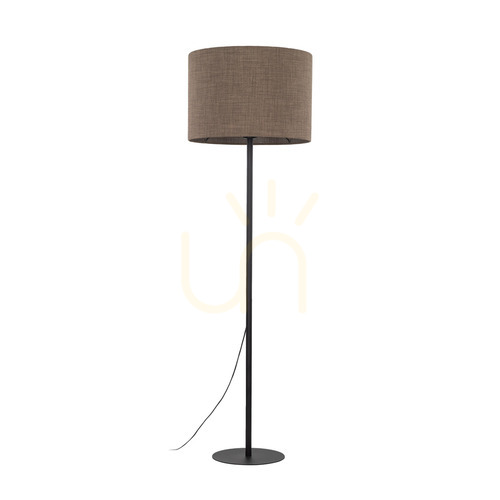
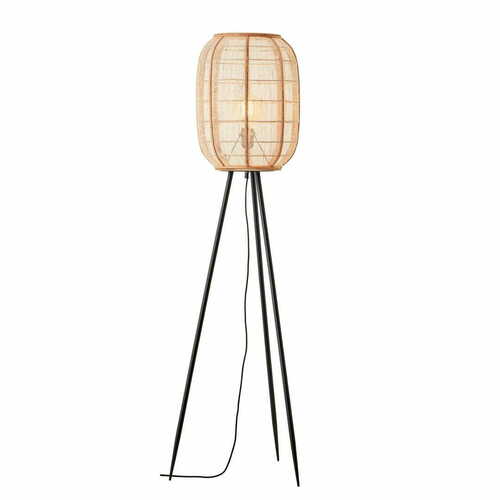
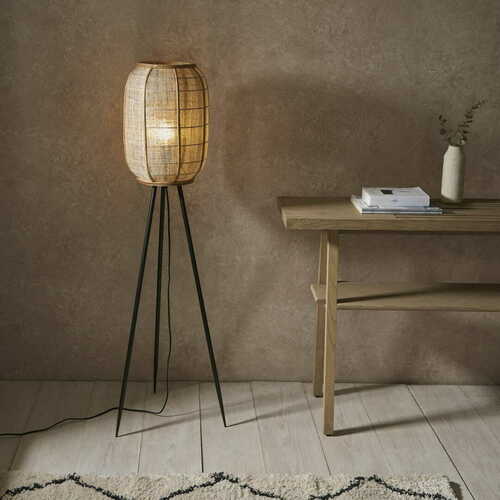
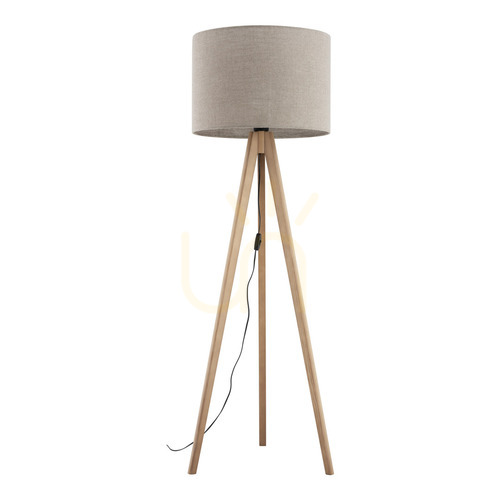
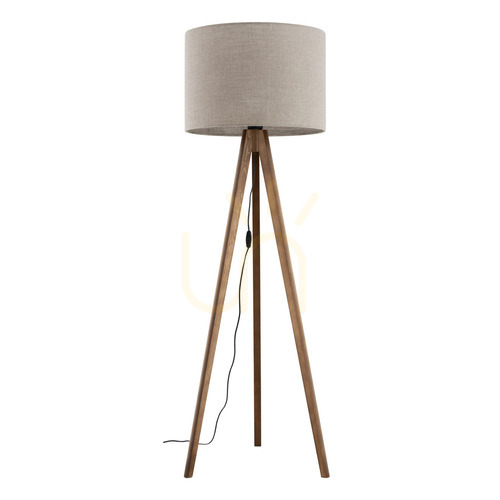
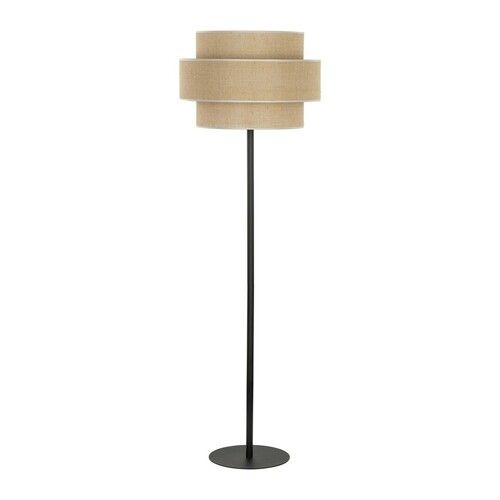
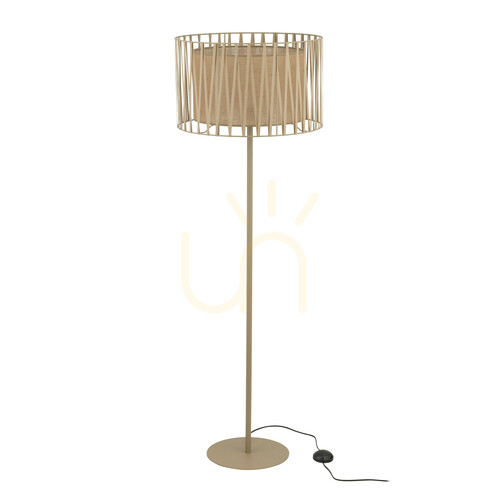
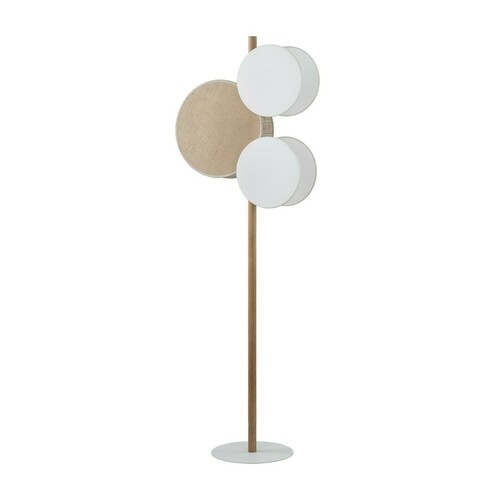
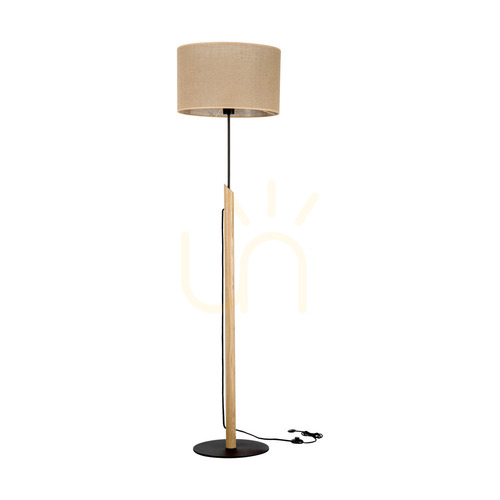
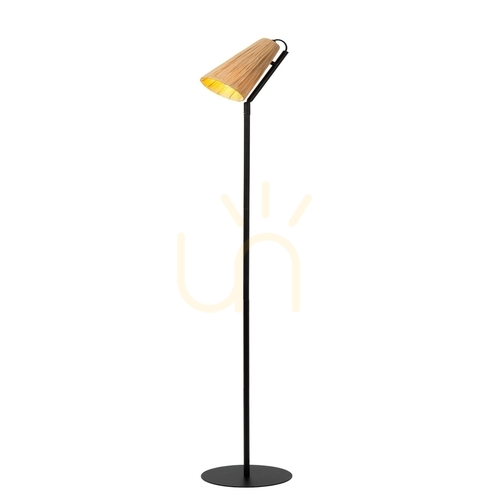
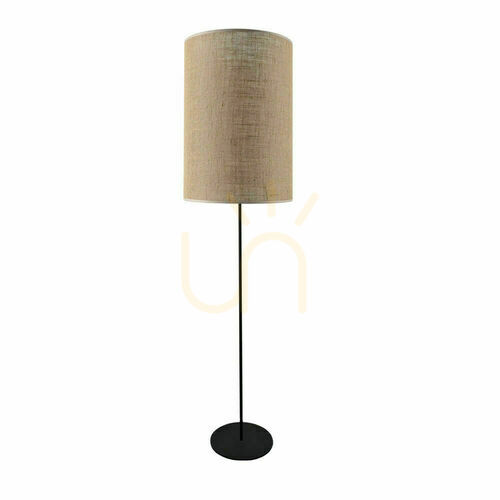
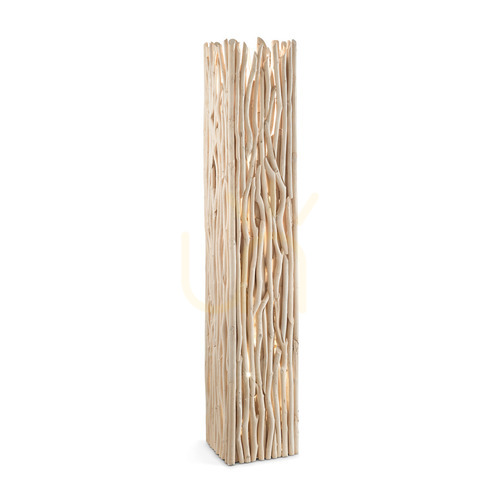
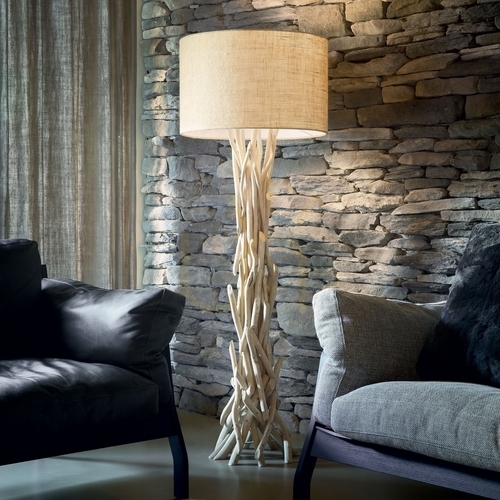
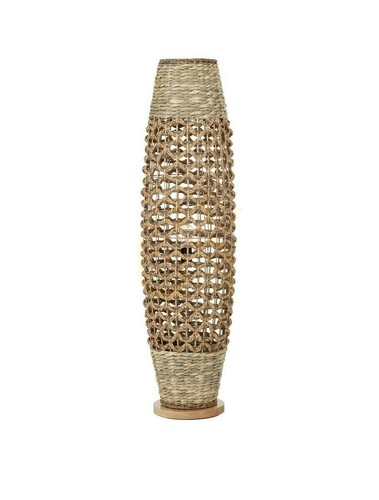
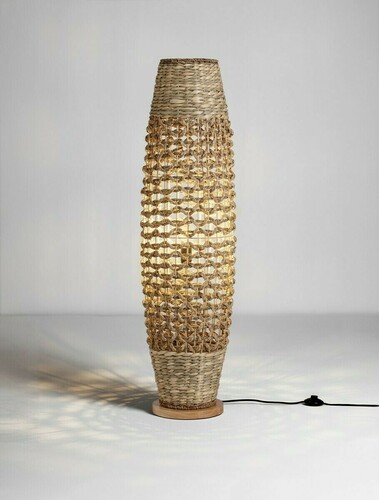
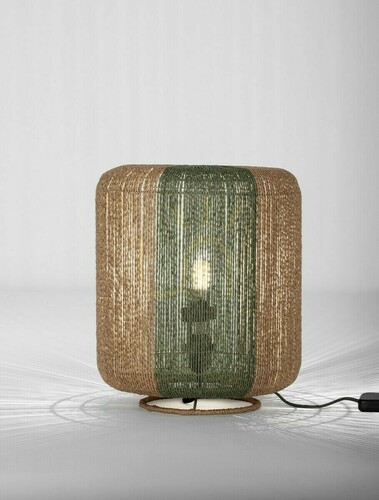
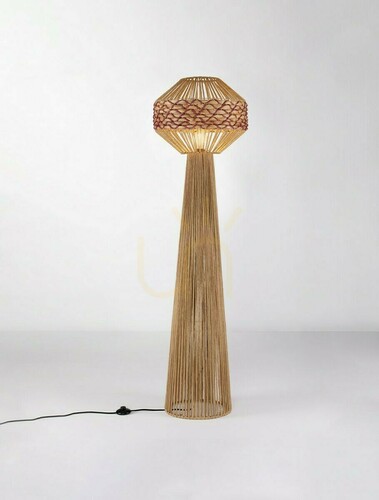
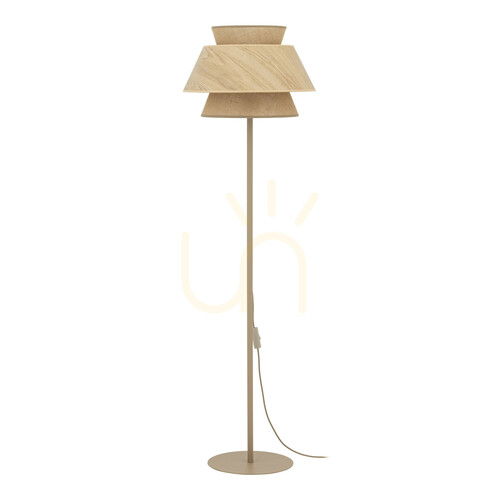
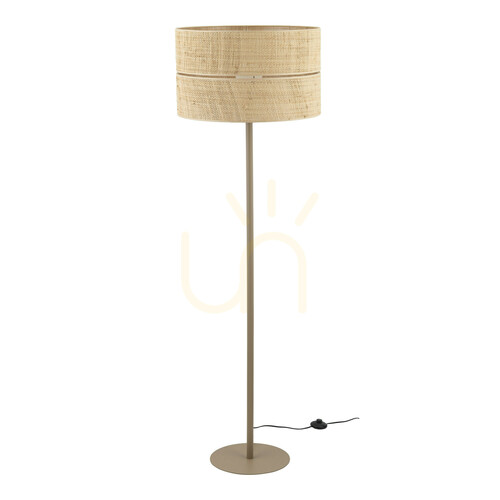
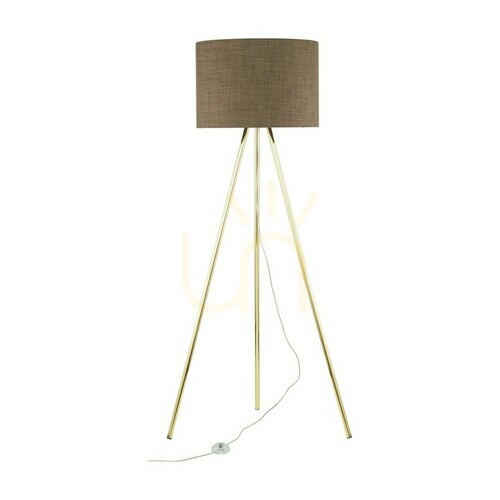
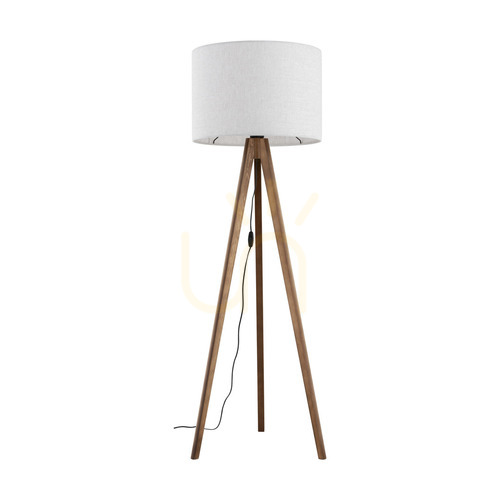
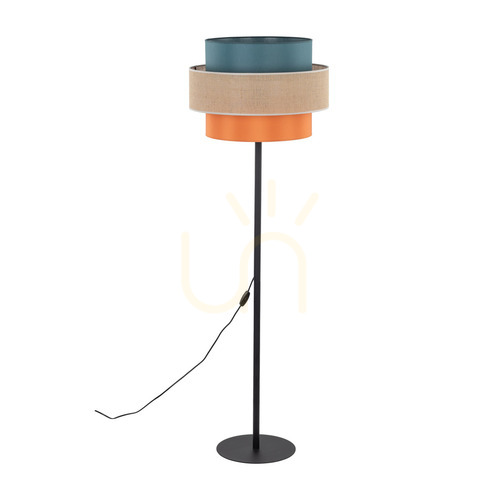
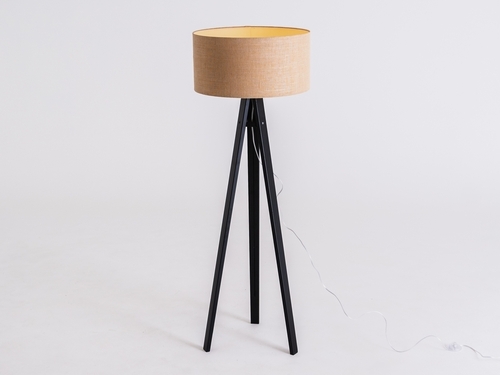
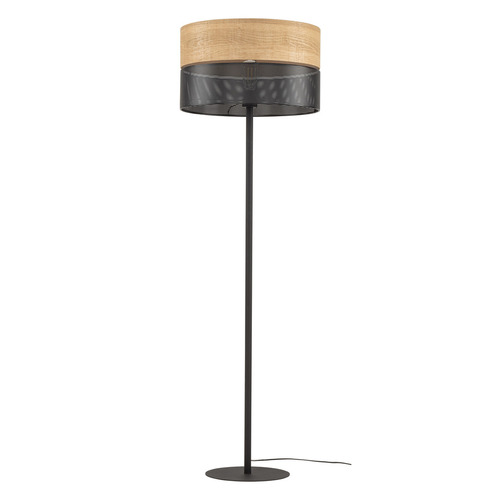
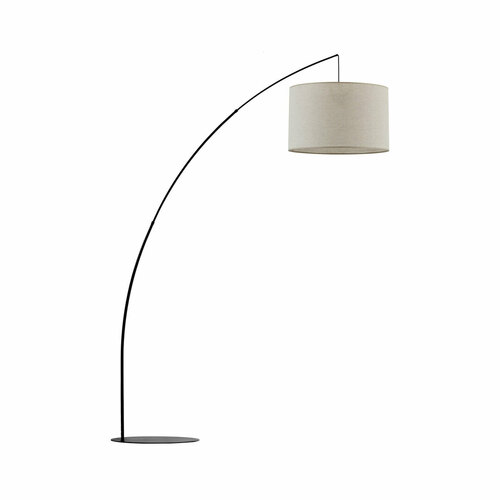
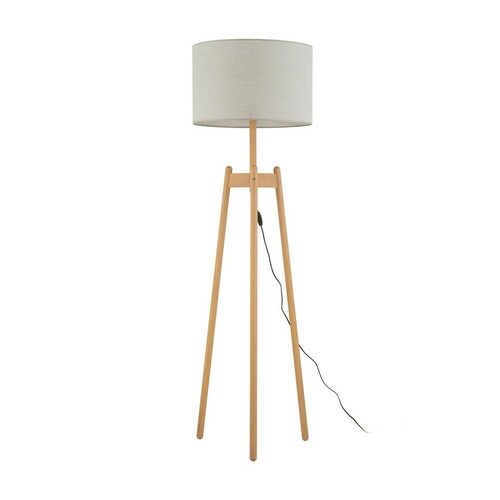
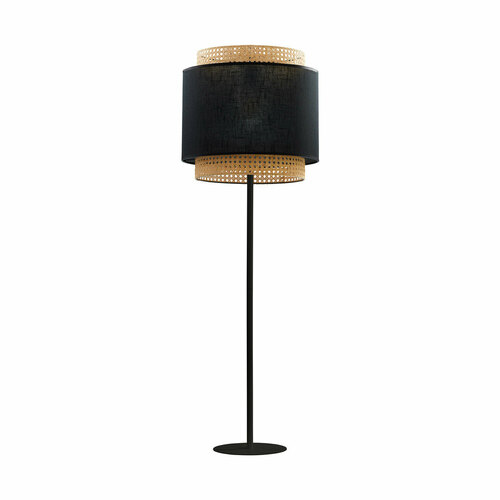
A boho floor lamp pairs a simple stand – a wooden tripod, a slim metal pole or a sweeping arc – with a shade made from something natural and handmade: rattan, bamboo, seagrass, raffia, jute, linen or knotted cotton rope. What the boho look changes is the quality of the light: instead of a crisp white pool, you get a warm glow filtered through weave or fabric, often with a pattern of light and shadow thrown across the walls.
In British homes the style tends to go one of two ways. Coastal boho stays pale and sandy – seagrass, raffia, bleached rattan, a light oak or bamboo tripod – and sits happily next to white walls and linen. Modern boho swaps some of that for a black metal stand and a darker weave, so the texture is there without the beach-house feel. Fringed jute, macramé and paper twine are the bolder end of the family. Whichever way you lean, expect small differences between lamps: hand-woven shades rarely come out identical, even in the same batch.
Which boho look are you after?
“Boho” covers several moods, and the right floor lamp depends on which one your room leans towards. The table below is a rough guide rather than a rulebook.
| Look |
Typical materials |
Light it gives |
Sits well with |
| Modern boho |
Black metal stand, natural or black woven shade |
Focused, calm, less pattern |
Grey sofas, plain walls, industrial touches |
| Natural or coastal |
Pale rattan, seagrass, raffia, light wood tripod |
Soft, sandy glow with a gentle pattern |
Linen, white walls, plenty of plants |
| Vintage boho |
Honey-toned rattan, dark wood, fringed fabric |
Low, amber light |
Leather chairs, rugs, mid-century pieces |
| Maximalist |
Macramé, tassels, feathers, coloured textiles |
Mostly downward, strongly decorative |
Patterned rugs, cushions, gallery walls |
| Japandi crossover |
Bamboo slats, paper, natural linen |
Bright, even, striped shadows |
Low furniture, neutral palettes |
Shape, size and where it stands
Most boho floor lamps stand somewhere around 140–180 cm. A wooden tripod with a fabric drum suits a reading chair or a bedroom and needs about half a metre of floor for its legs. A tall pole with a big woven shade works best in an empty corner, where the pattern can spread over two walls. An arched lamp, usually 180–200 cm tall, reaches over a sofa or coffee table, but it needs a heavy base and clear space for its arm. Small lantern-style lamps of 90–130 cm sit nicely beside a pouffe or a low bed.
Look at the shape of the room before the shape of the lamp. In a through-lounge one lamp seldom reaches both ends, so let a tall woven lamp mark the sofa end and a smaller tripod or table lamp warm the dining end. A bay window is tempting, but a patterned shade shows best against a solid wall, and it should stay a hand’s width clear of curtains. In a new-build with ceilings of around 2.4 m, a 180 cm lamp with a wide basket shade can crowd the room; the taller ceilings of a Victorian terrace take an arc or a big basket shade with ease. If a dog or a toddler shares the space, choose the heavier base over the bigger shade.
Bulbs, brightness and dimming
Start with the lamp holder. Many lamps made for the UK take a B22 bayonet cap, while lamps designed for the wider European market, boho ones included, mostly use an E27 screw, and small shades sometimes E14. Buy the bulb to match rather than relying on an adaptor inside a tight shade. Whatever the cap, choose LED: it gives off far less heat than halogen, which matters under natural fibre, and the maximum wattage printed on the lamp still applies.
Bulb boxes in the UK give brightness in lumens and colour as a name. Warm white, around 2700 K, keeps rattan and jute looking honey-coloured; cool white or daylight turns the same fibres grey. To read beside the lamp, aim for about 800 lm and a fabric or closely woven shade that is open at the bottom – an open weave throws a lovely pattern but leaves the page patchy. Because a woven shade holds back a fair share of its light, plan for it to be one of several warm sources in the room rather than the only one.
A dimmer on the cable, or a plug-in dimmer, paired with a dimmable LED bulb (ideally warm-dim) gives you an evening setting without swapping lamps. A bulb that is not marked dimmable tends to flicker or hum behind a dimmer, so check both parts.
Plugs, safety and care
Check the plug before you buy. A lamp made for the UK comes with a three-pin BS 1363 plug, which holds a fuse – normally 3 A for a lamp. Some lamps sold across Europe arrive with a two-pin Euro plug and an adaptor instead. If you would rather have a fitted UK plug, have a qualified electrician change it, as with any rewiring on a mains lamp.
Natural fibre asks for little, but it dislikes a few things. Steam from a bathroom or a damp utility room warps it, so keep it to living rooms and bedrooms. Sun through a south-facing window bleaches it over the years, and a spot right above a radiator dries rattan out until it cracks. To clean, switch off, let the bulb cool and run a soft brush or the vacuum’s brush nozzle lightly over the weave; never soak it. For a covered patio or a garden room, choose a lamp its maker sells for outdoor use, rated IP44 or higher, which in practice usually means a synthetic weave.
Frequently asked questions
What is the best type of floor lamp for a living room?
Most living rooms benefit from two kinds: a mood lamp in a corner and a task lamp by the chair you read in. A boho lamp with an open weave covers the first job; a tripod with a fabric shade or an arched lamp over the sofa covers the second.
What does a modern boho floor lamp look like?
Usually a slim black or brass metal stand with a woven or linen shade, cleaner lines and fewer tassels. It brings in texture without making a contemporary room look themed.
Are arched boho floor lamps practical?
Yes, if you have the space. They light a sofa or coffee table from above without a ceiling point, but check the reach of the arm and the weight of the base before buying.
Can I use a boho floor lamp in the bedroom?
It works well, especially a lower tripod or lantern with a jute or linen shade. Dim, warm light suits a bedroom, and a woven shade adds a soft pattern on the wall.
What is the difference between vintage boho and retro?
Vintage boho leans on natural materials, fringes and warm wood. Retro usually means bolder shapes, metal and coloured glass borrowed from particular decades.
How many lamps should a living room have?
There is no fixed number, but three or four light sources at different heights is a good starting point for a cosy evening layout.
For lamps in other styles and shapes, browse floor lamps. If you would rather keep your current base and change only the shade, have a look at boho lampshades.