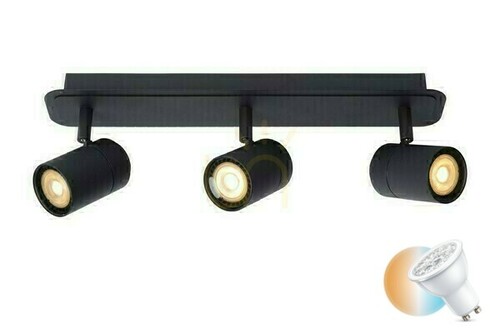
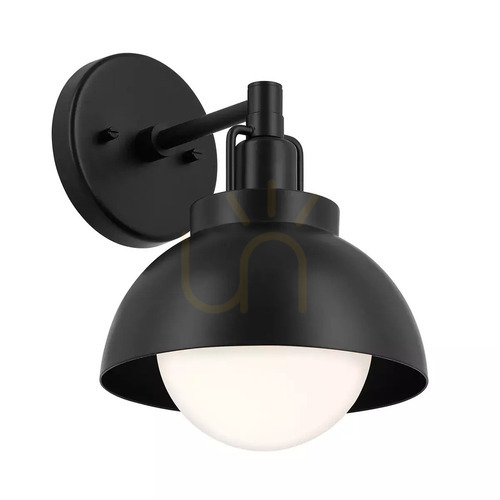
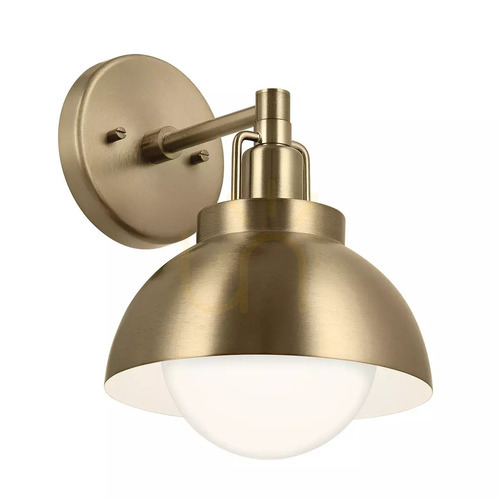
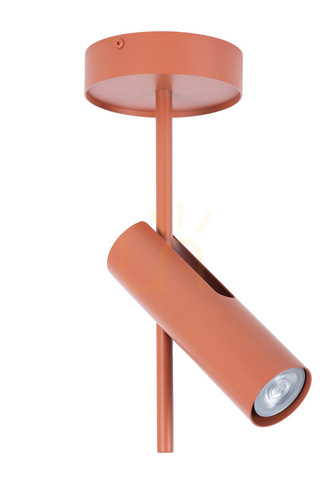
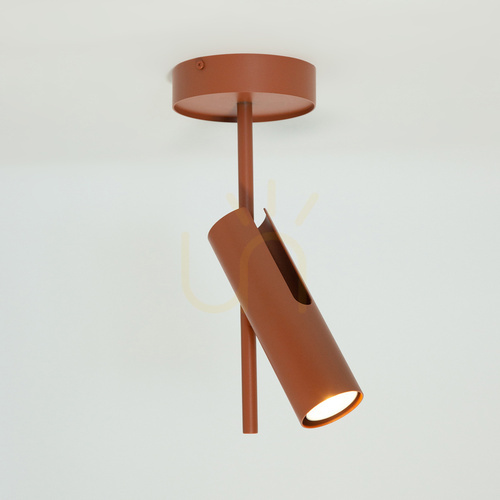
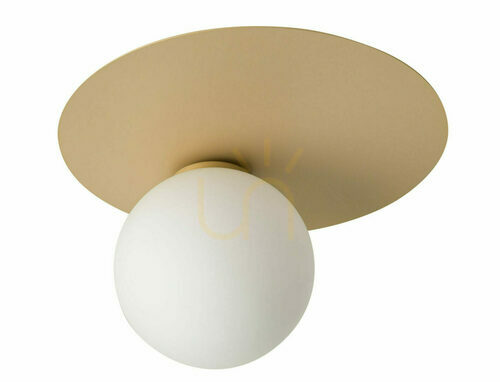
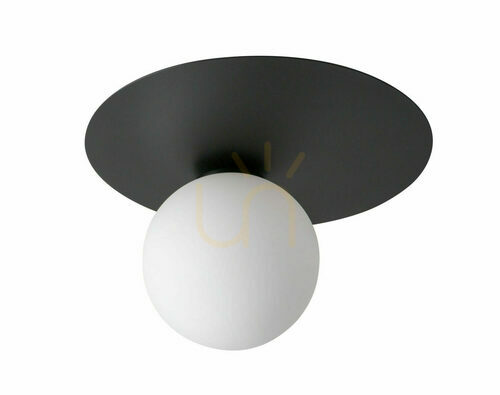
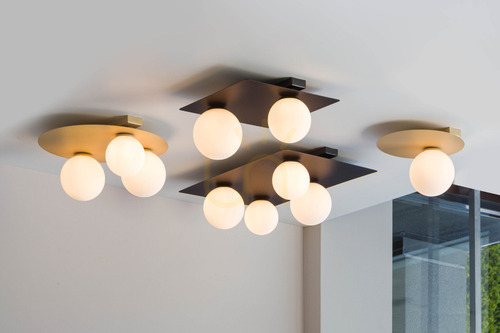
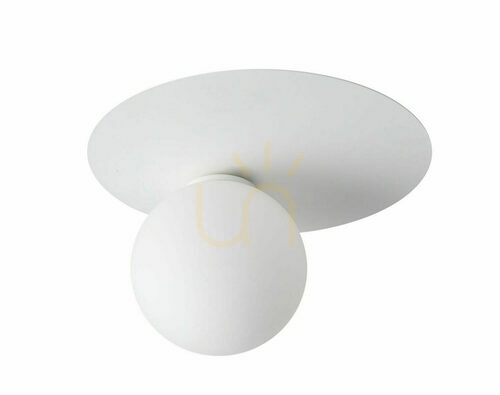
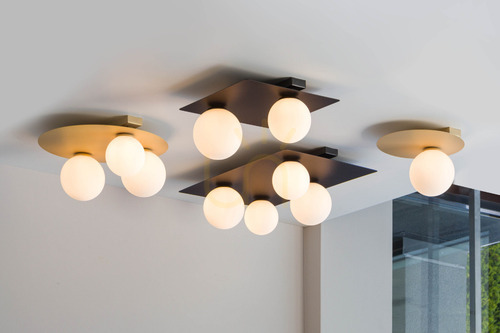
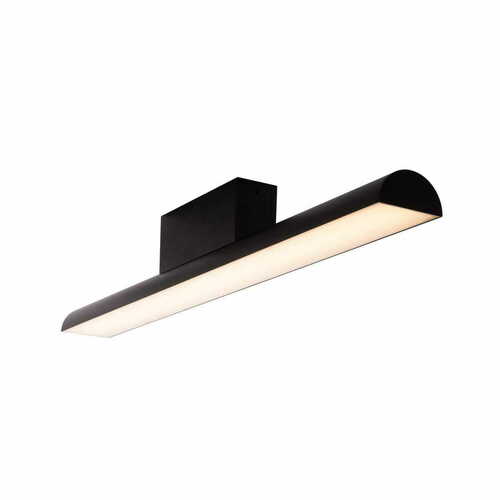
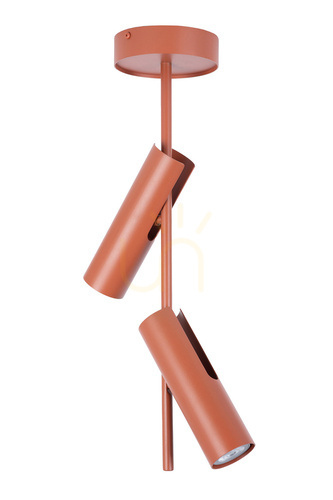
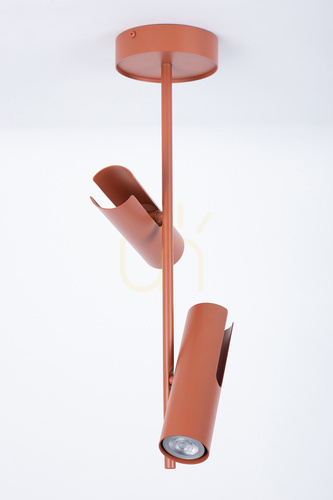
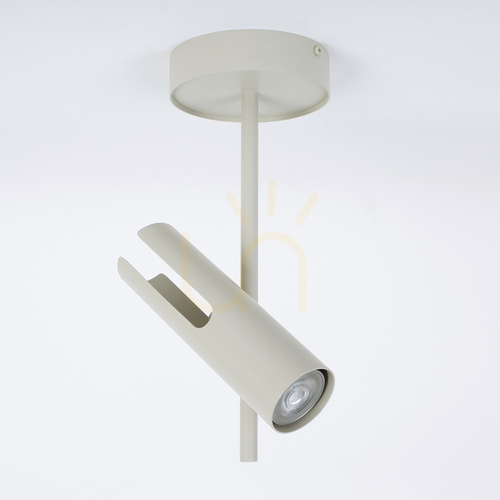
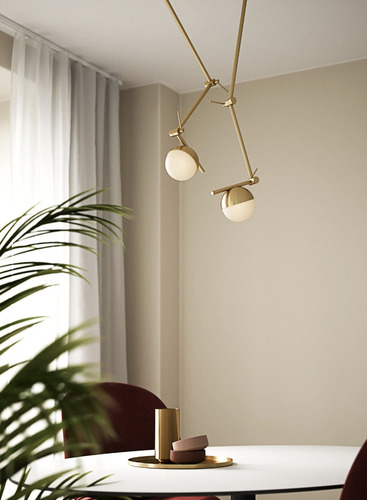
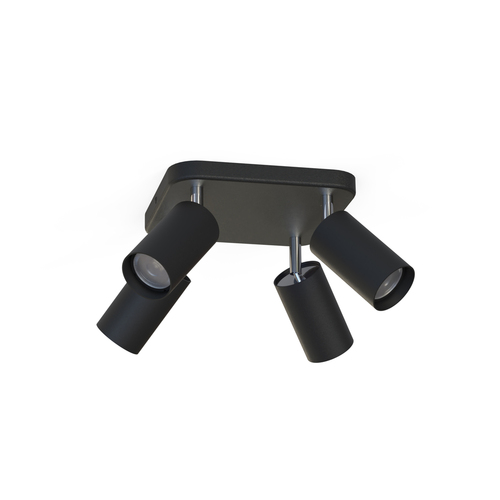
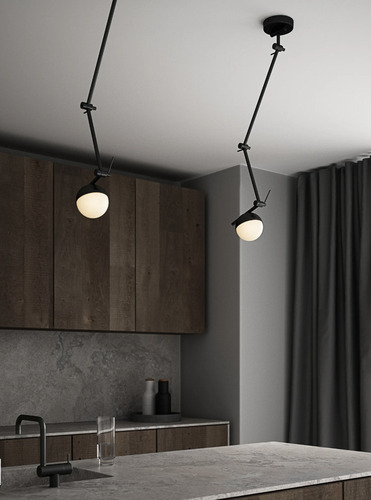
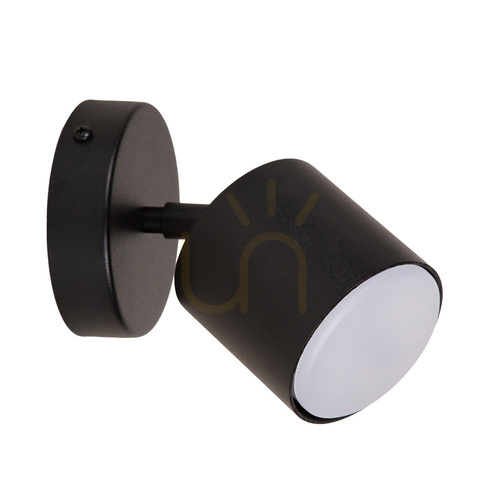
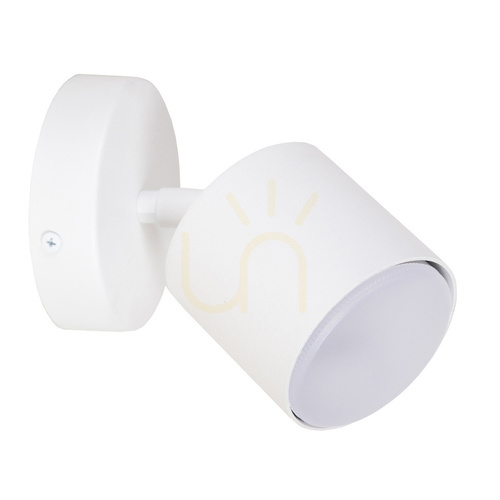
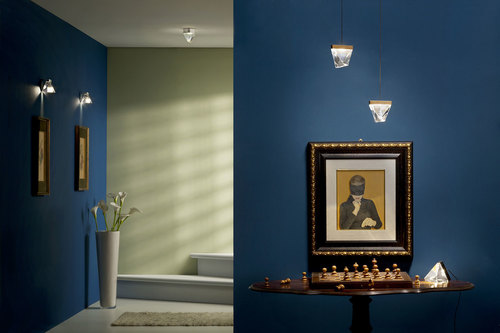
A wall and ceiling light is a flush fitting designed to be mounted either overhead or on a wall, with the same shade and the same soft, all-round glow in both positions. On a wall it sits only a few centimetres proud, so it suits the places where a traditional wall light with an arm or an upturned shade would get knocked or dazzle you: narrow hallways, landings, stairwells, cloakrooms and the space above a bathroom mirror.
The appeal is flexibility. Fit one on the landing ceiling and an identical one halfway down the stairs, and the two read as a set. Move house and the fitting goes with you, ready for whichever surface the new place needs.
Can any ceiling light go on a wall?
Not quite. Only fittings that the manufacturer approves for wall mounting should go there, and the instructions or product data will say “wall/ceiling”. A ceiling-only fitting may hold its diffuser with clips that rely on gravity, or shed heat in a way that only works lying flat. Wall-rated flush fittings usually project 5–12 cm, and the slimmest LED designs stay under 4 cm, which matters in a hallway barely a metre wide.
On the wall, a flush fitting gives broad, even light rather than a pool or a beam. That makes it a good choice for general and guide lighting in small spaces, and a weaker one for reading in bed, where a directional wall light does a better job.
Matching wall and ceiling lights in the living room
Matching sets are a very British habit, and they work: a ceiling fitting in the centre with two wall lights either side of the chimney breast or sofa gives layered light from one design. With flush fittings, the simplest route to a match is to use the same model in both positions. If you mix designs, keep three things consistent – the finish (brushed brass, chrome, matt black, white), the diffuser (opal or clear) and the colour temperature. A 2700 K wall light beside a 4000 K ceiling light looks mismatched however well the metalwork lines up.
Sizing and specification by room
Typical starting points for UK homes with ceilings around 2.4 m:
| Where |
Centre height |
Diameter |
Light output |
Colour temperature |
Protection |
| Hallway or landing |
about 1.8–2.0 m |
20–30 cm |
300–800 lm |
2700–3000 K |
IP20 |
| Stairwell |
about 2.0 m above the stair line |
25–35 cm |
500–1000 lm |
3000–4000 K |
IP20; IK-rated in shared blocks |
| Bathroom, above the mirror |
just above the mirror top |
20–35 cm or linear |
600–1200 lm |
3000–4000 K |
IPX4 minimum in zones 1 and 2 |
| Living room, either side of a fireplace |
about 1.6–1.8 m |
20–30 cm |
300–600 lm |
2700 K |
IP20 |
| Utility room, porch, garage |
about 1.8–2.0 m |
25–35 cm |
800–1500 lm |
4000 K |
IP44–IP65 |
Integrated LED or a bulb holder?
Integrated LED fittings are usually the slimmest and often deliver around 1000–1400 lm from 9–12 W. When the module eventually fades, you replace the module or the whole fitting, depending on the design. Fittings with a lamp holder take E27, E14, G9 or the bayonet B22 still found in many British homes, so you can change brightness and colour with a new bulb. Wall-mounted, the bulb lies on its side inside a closed shade and heat collects at the top, so stick to the maximum wattage on the label – LED bulbs make this a non-issue.
Installation and the rules
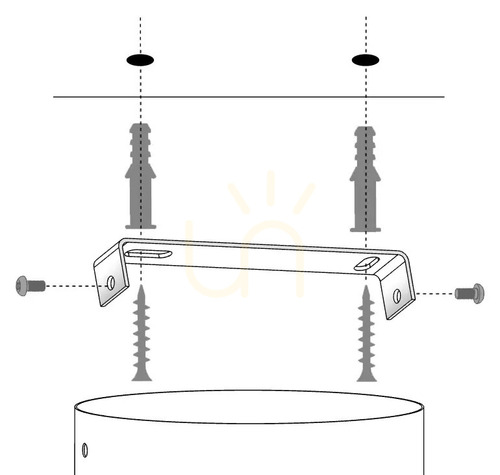
A wall light needs a wall point. Many older UK houses only have a ceiling rose per room, so adding wall lights means running a new cable, ideally chased into the plaster before decorating. The base of the fitting should cover the back box completely – check the backplate size before you buy. Use plugs rated for the wall: standard plugs in brick and block, cavity fixings in plasterboard, especially for glass shades weighing more than a kilo. Wiring work must meet BS 7671, and in England, new circuits and alterations within a bathroom's zones are notifiable under Part P, so use a registered electrician.
In long hallways, space fittings roughly 2–3 m apart at the same height. On stairs, follow the pitch so every tread is lit and nobody walking down looks straight into the light.
Care and common mistakes
- Mounted vertically, a shade collects dust and insects at its lowest edge. Twist-lock or clip-on diffusers come off far more easily than those held by several small screws.
- Clean glass with warm soapy water once the power is off and the fitting has cooled; wipe metal with a barely damp cloth.
- Clear glass with a visible bulb glares at eye level. Opal or frosted diffusers are kinder in a hallway you walk straight towards.
- A motion sensor is rarely something you can add later. If you want hands-free light on the landing, choose a fitting with one built in.
Frequently asked questions
Can a ceiling light go on a wall?
Yes, if it is rated for wall mounting. Check the instructions for “wall/ceiling” before you drill; a ceiling-only flush fitting may not hold its shade securely on its side.
Do wall and ceiling lights need to match?
No, but they should agree. A shared finish and the same colour temperature matter more than identical shapes. Using one flush model in both positions is the easiest way to get it right.
Do I need a qualified electrician to change a light fitting?
A like-for-like swap on an existing point is often within a competent DIYer's reach, but a new wall point, anything in a bathroom zone, or any doubt about the wiring is a job for a registered electrician.
Which wall and ceiling light suits a living room?
A warm 2700 K fitting with an opal or fabric diffuser, dimmable if possible, so the wall lights can carry the evening on their own while the ceiling light stays off.
Can I use a wall and ceiling light in the bathroom?
In zones 1 and 2 around the bath and shower it must be at least IPX4, so look for IP44 or higher. Above a basin mirror outside the zones, IP20 is allowed, though a sealed fitting copes better with steam.
What height should a flush wall light go?
Around 1.8–2.0 m in hallways and on landings, so it sits above eye level. Lower, around 1.6–1.8 m, works for ambient wall lights in a living room.
If you want the same fitting overhead as well, browse flush ceiling lights. For lighting long, narrow spaces and spacing fittings along them, see hallway flush ceiling lights.