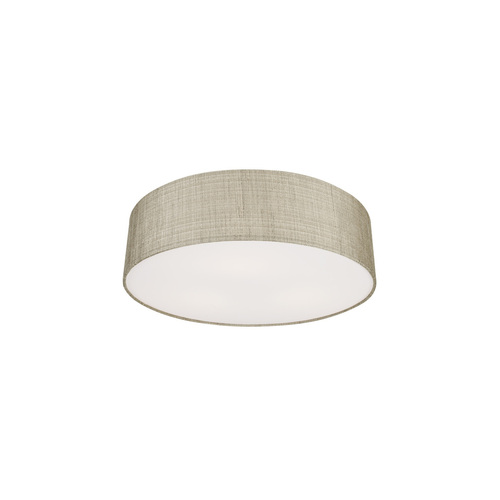
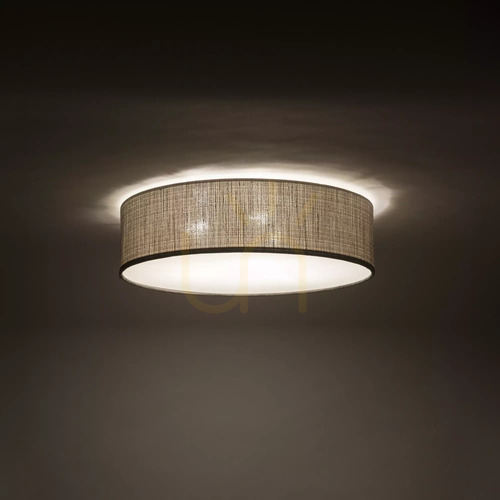
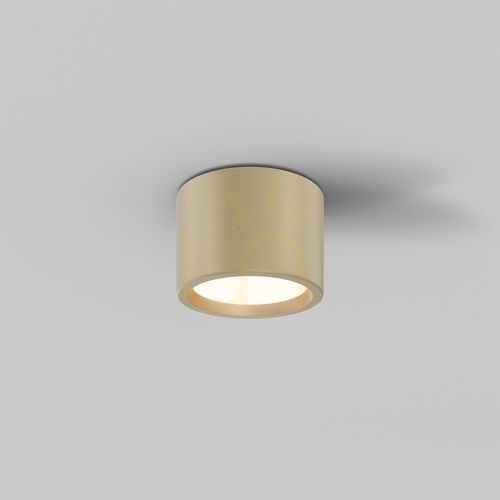
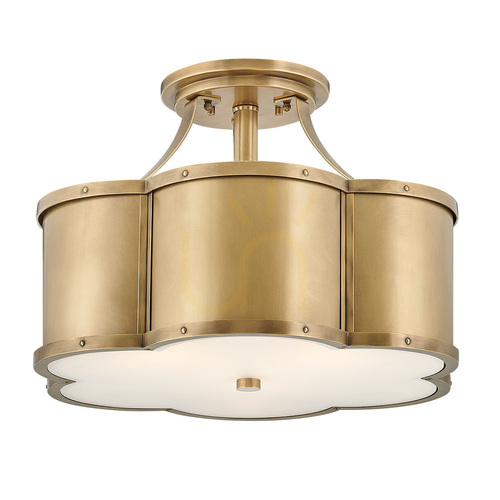
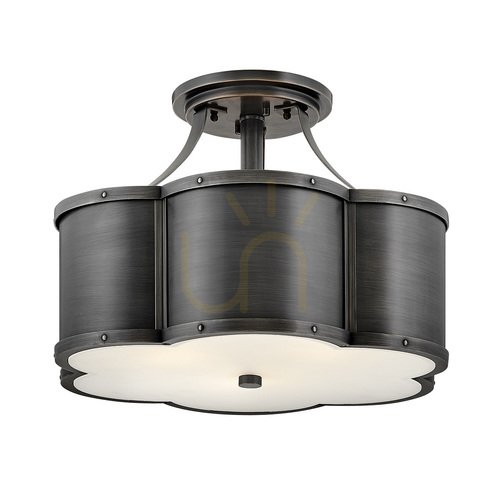
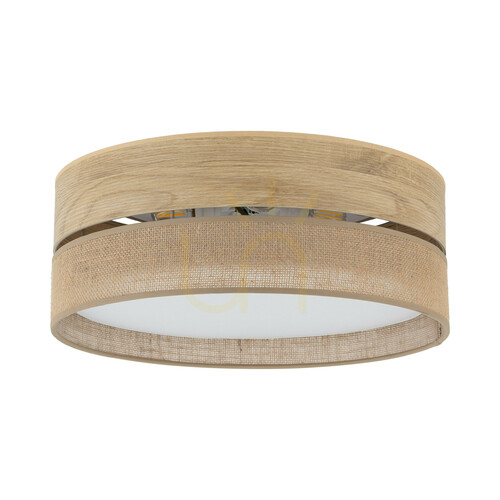
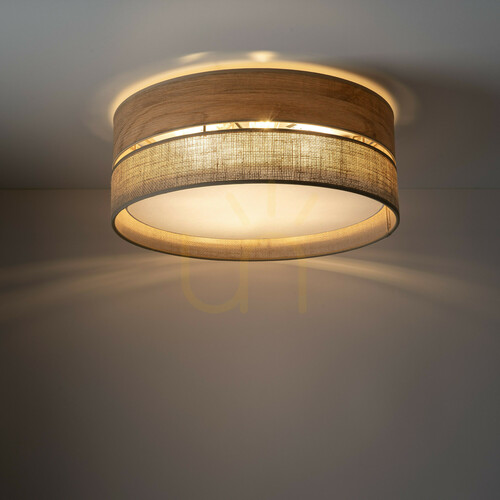
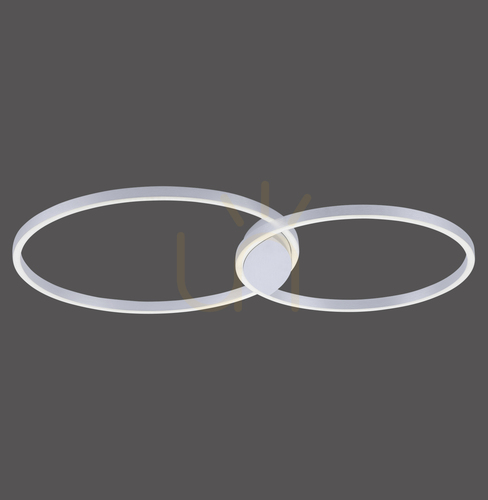
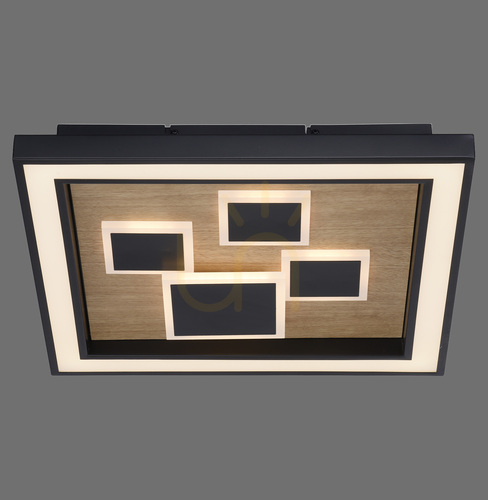
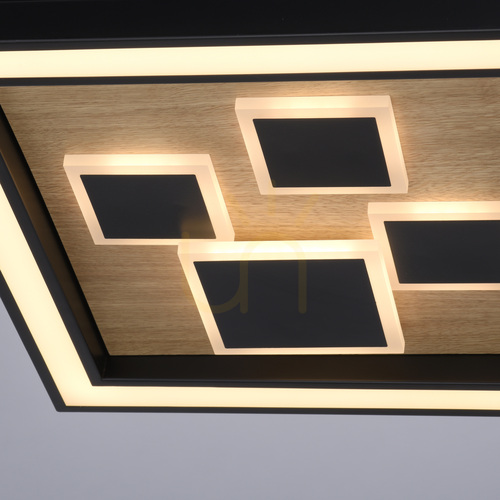
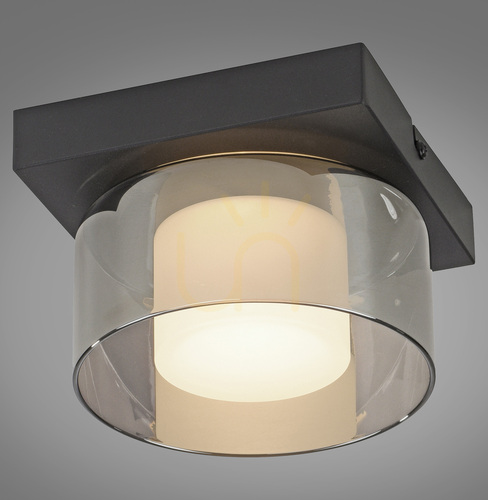
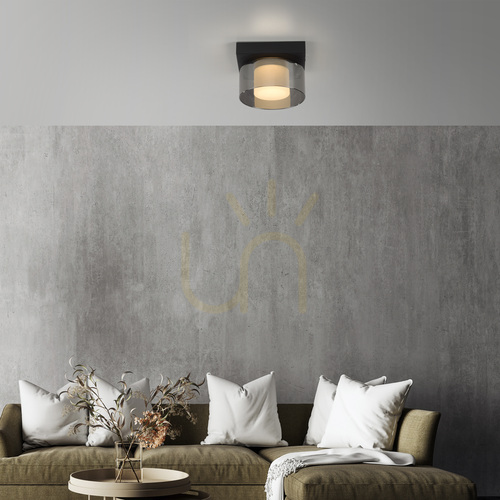
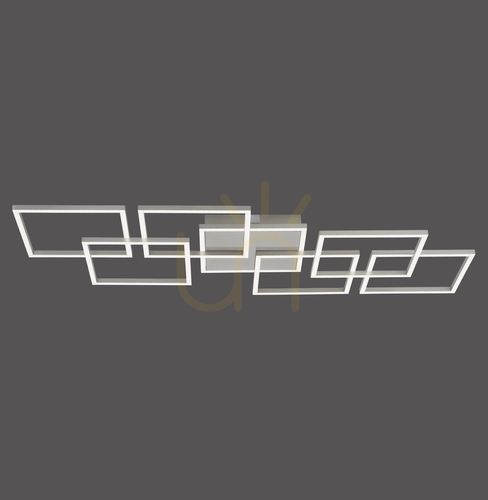
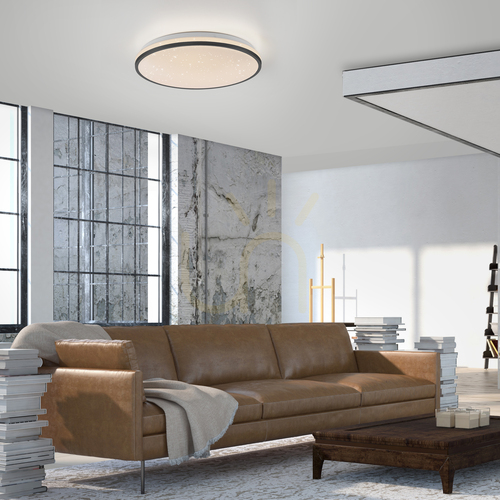
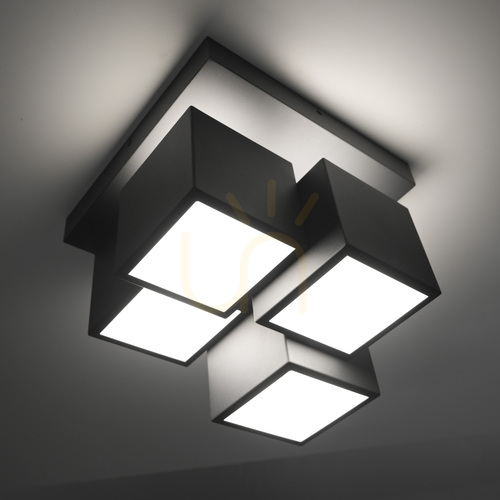
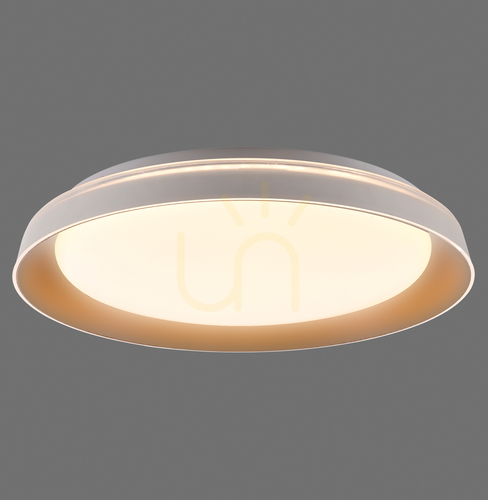
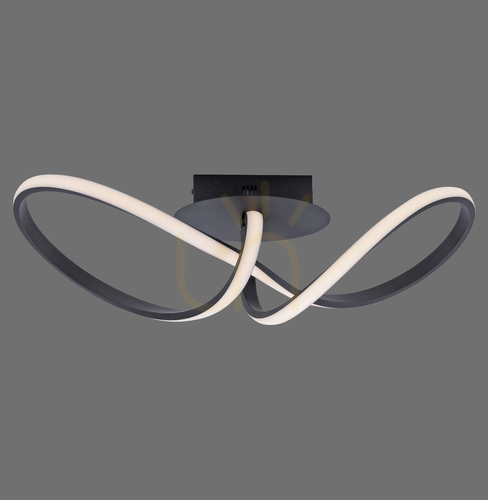
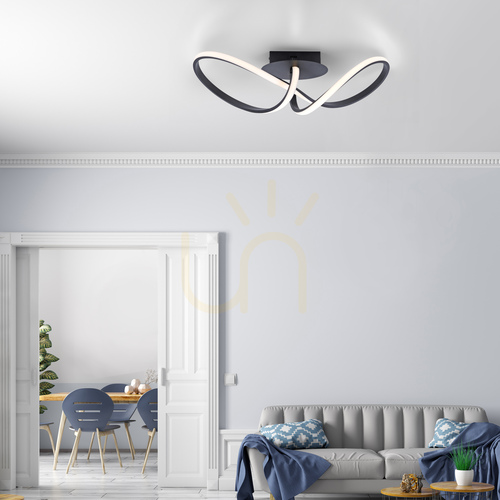
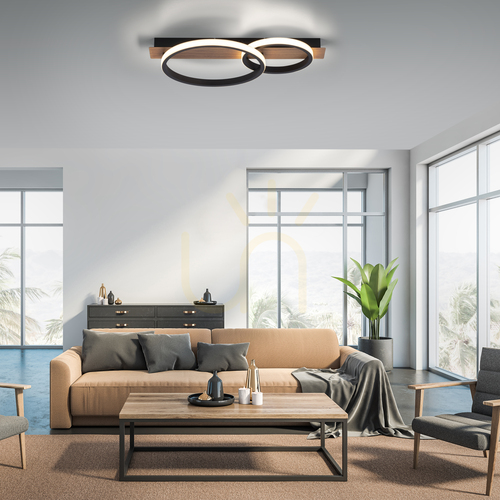
The best hallway ceiling light for most British homes is a flush fitting: it sits tight against the ceiling, lights the whole passage evenly and leaves every centimetre of headroom free. In a narrow hall with a 2.4 m ceiling, a door swinging open and someone carrying a pushchair through, that matters more than any style choice.
A flush light in a living room can be a statement piece. In a hallway it has a tougher brief: welcome you at the front door, light the coats and the mirror without glare, and stay pleasant when someone crosses to the bathroom at 3 am. That changes what to look for – profile depth, diffuser, colour of light, and whether one fitting can cover the length or you need two or three.
Flush, semi-flush or pendant?
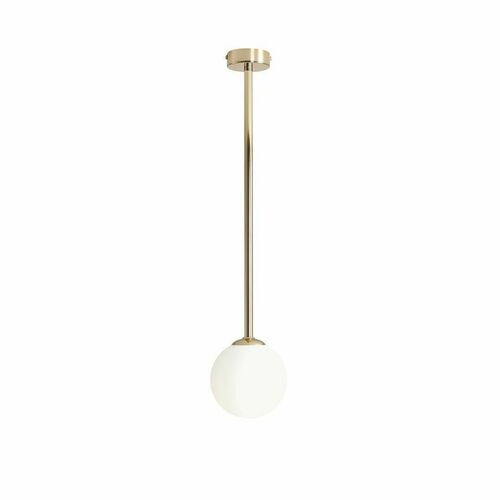
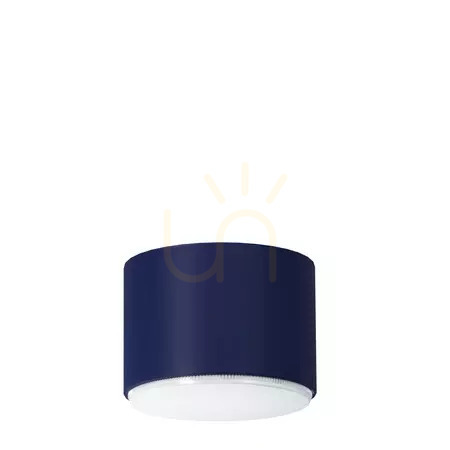
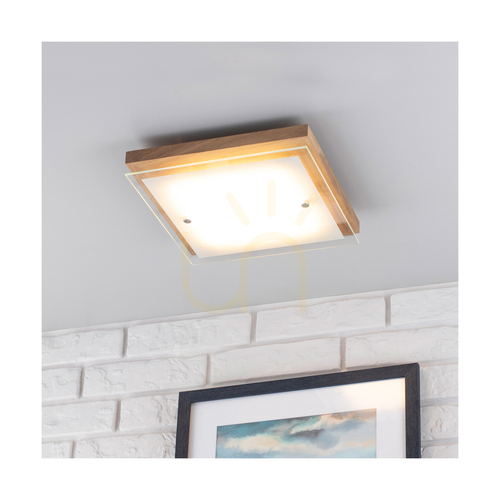
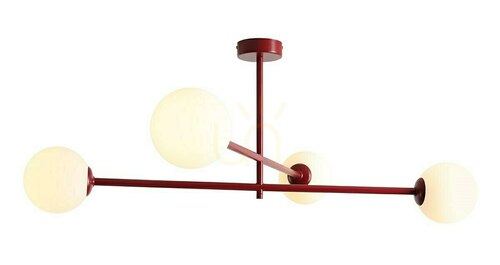
People often ask what lights that sit on the ceiling are called. A flush fitting mounts directly to the ceiling with no gap. A semi-flush fitting hangs a short distance below on a rod or stem, so the shade throws some light back up. A pendant drops on a cable or chain, and a recessed downlight sits inside the ceiling void.
With the typical UK ceiling of around 2.4 m, flush is the safe choice for halls and landings. Semi-flush can work where the ceiling is a little higher. Pendants belong to tall Victorian and Edwardian hallways or a stairwell with real drop height, and even there the bottom of the shade should clear the tallest person in the house comfortably.
Sizing and brightness at a glance
| What to check |
Typical hallway value |
| Ceiling height |
around 2.4 m in most homes – flush; 2.7 m and above – semi-flush or pendant possible |
| Diameter of a round fitting |
25–35 cm in a narrow terrace hall, 40–50 cm in a square entrance hall |
| Long fittings |
around 60–120 cm, mounted along the length of the corridor |
| Brightness |
roughly 100–150 lumens per m²; a 1 × 5 m hall needs about 500–750 lm in total |
| Colour temperature |
2700–3000 K warm white for general light; up to about 4000 K near a mirror |
| Lamp caps |
E27 screw, B22 bayonet, E14, G9, GX53 or integrated LED |
| Spacing for several fittings |
about 1.5–2.5 m apart |
| IP rating |
IP20 inside the house; IP44 for a porch or lobby that gets damp air from outside |
One fitting or several?
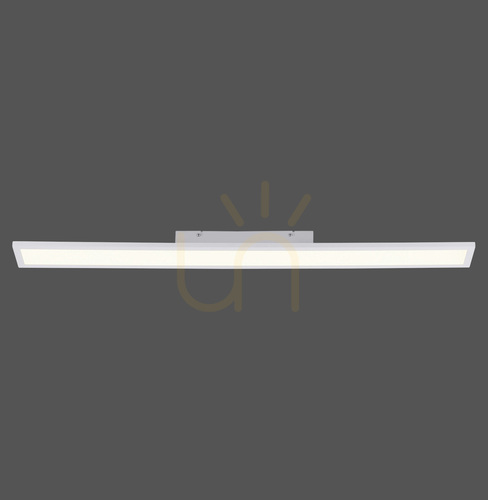
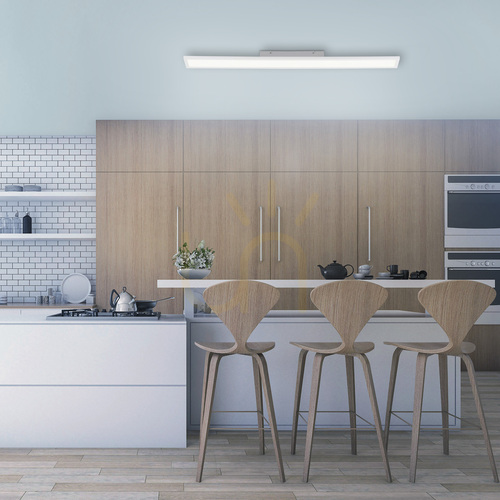
A compact square hall is happy with one generous fitting in the centre. A long, narrow corridor is not: a single light in the middle leaves the front door and the far end in gloom. Two or three identical flush lights at even spacing, or one long linear fitting along the corridor, give a steady line of light and make the space read shorter. If the hall turns a corner or opens into a lobby, give each zone its own fitting.
Hallway and landing together
Ceiling lights for the hallway and landing are often chosen as a pair, and it pays to match them – same finish, same colour temperature, ideally the same family of fittings. The landing light is usually wired for two-way switching, so it can be turned on from the bottom and the top of the stairs. On the stairs themselves you want even light on every tread, so avoid fittings with tight spot beams that leave dark bands across the steps.
Diffusers, finishes and light sources
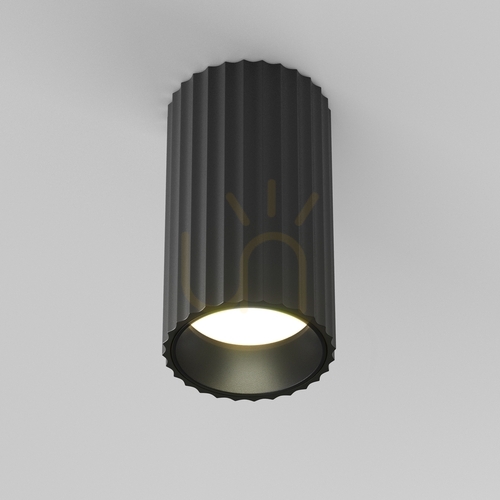
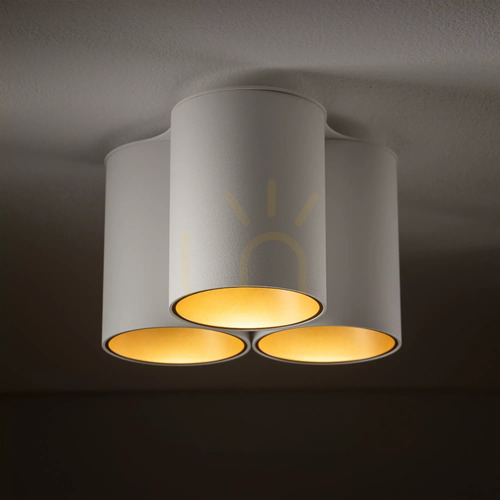
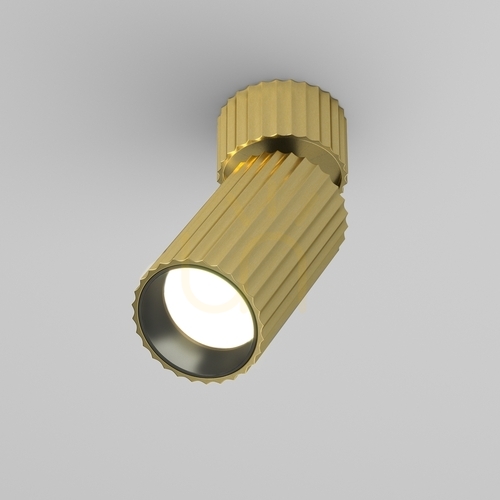
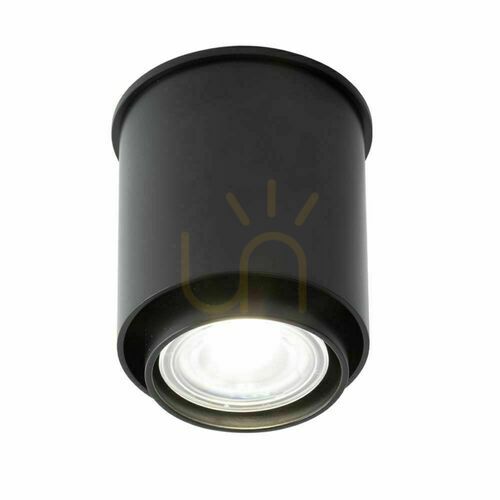
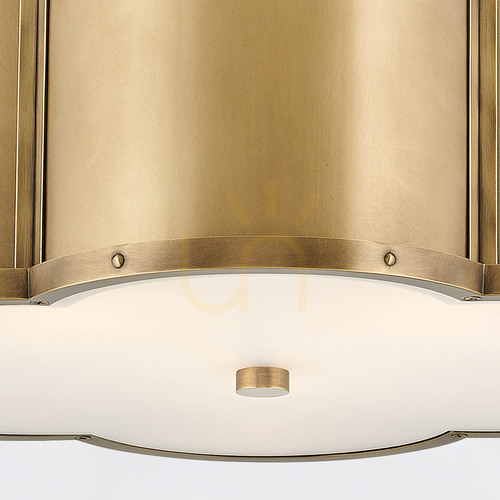
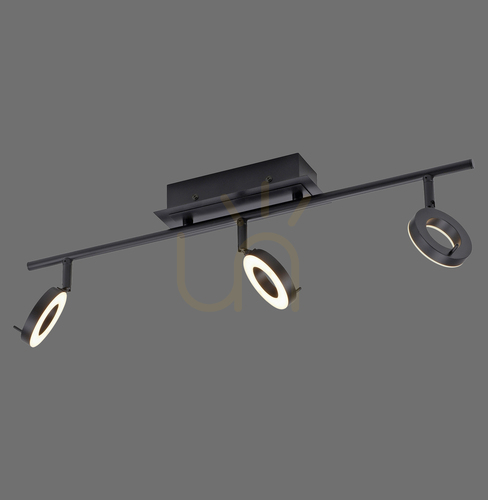
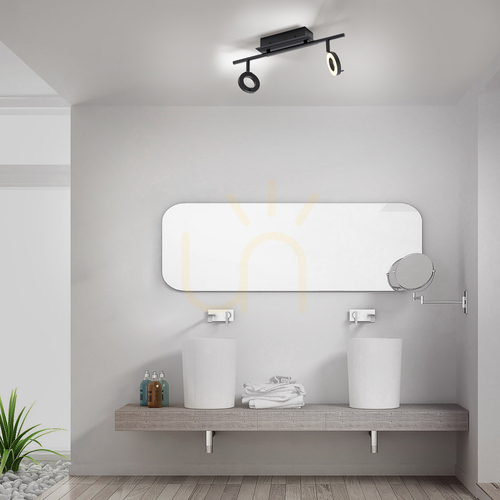
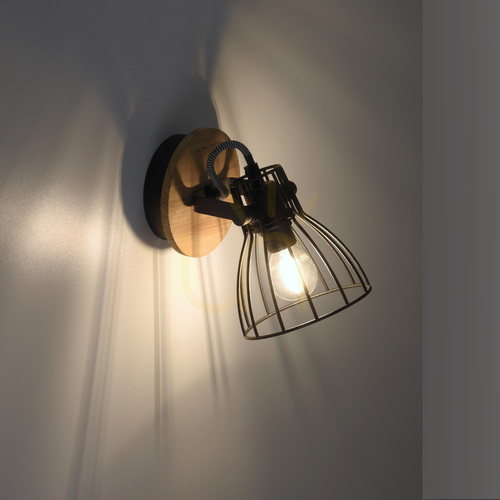
An opal glass or frosted acrylic diffuser spreads light most evenly and hides the bulb, which matters when people look straight up at the fitting from a short distance. Clear glass and exposed bulbs look striking but tend to glare. Multi-spot fittings with adjustable heads can pick out a coat rack or artwork, though they leave darker patches between the beams.
Integrated LED fittings tend to be the slimmest and need no bulb changes. Fittings with a lamp cap let you change brightness or colour later. Either way, check whether the fitting is dimmable if you would like a softer level at night.
Fitting, mistakes and cleaning
- Swapping a ceiling light is quick mechanically, but any work on the 230 V circuit should be done by a qualified electrician working to BS 7671.
- Choose a base wide enough to cover the old ceiling rose marks and the cable entry.
- Cool daylight bulbs in a windowless hall make it feel like a stairwell in an office block. Keep the colour consistent with the rooms that open off it.
- Light walls and a well-placed mirror bounce light around and are cheaper than an extra fitting.
- Diffusers gather dust and insects. Switch off at the wall, let the fitting cool, then wipe with a soft, barely damp cloth.
Hallway ceiling lights: common questions
What colour light is best for a hallway?
Warm white, around 2700–3000 K, for general light. It feels welcoming and matches living rooms. Near a mirror you can go a little cooler for truer colours.
What are lights that sit on the ceiling called?
Flush ceiling lights when they mount directly to the ceiling, semi-flush when they hang slightly below it, and downlights or spotlights when they are recessed into it.
What size ceiling light for a small hallway?
In a narrow hall a round flush fitting of about 25–35 cm usually looks right. Larger diameters suit square entrance halls.
Can I use the same lights for the hallway and landing?
Yes, and it usually looks better. Matching fittings and colour temperature make the staircase feel like one connected space.
Is a motion sensor ceiling light worth it in a hallway?
In a dark hall used at night, often yes. A PIR sensor reacts to body heat and will not see through walls. Keep an ordinary switch as well for longer tasks such as cleaning.
Are flush ceiling lights still in style?
Slim, round opal fittings and long linear designs suit contemporary interiors, while ribbed glass and brass finishes suit period homes. In a hallway, an even, glare-free light outlasts any trend.
For shapes, finishes and sizes without the hallway angle, browse flush ceiling lights. If you would rather the hall light itself switch on as you walk in, read up on ceiling lights with a motion sensor.