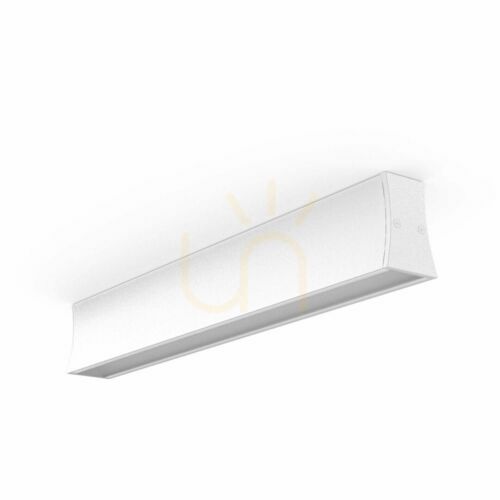
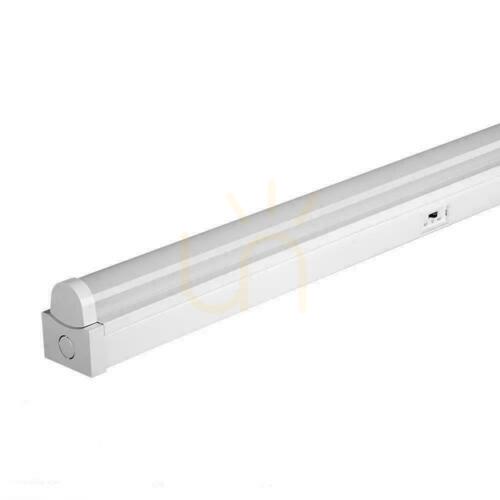
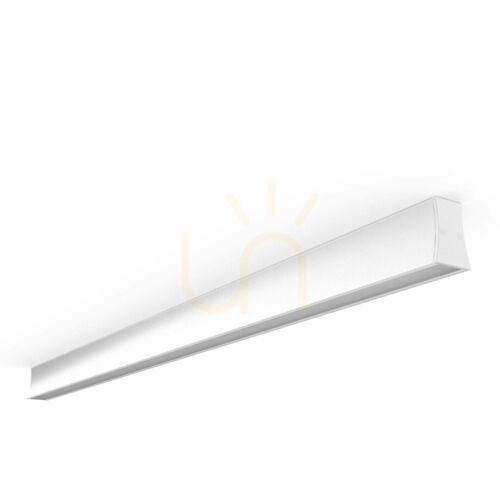
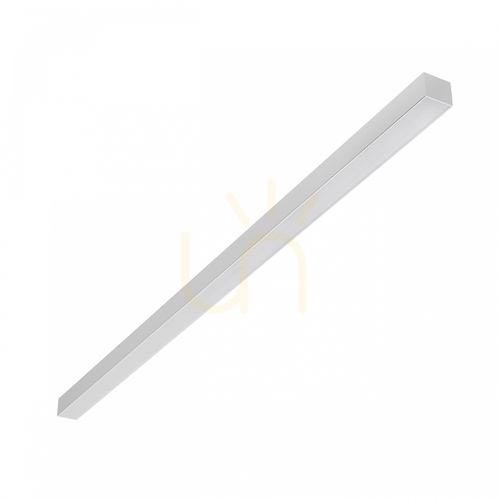
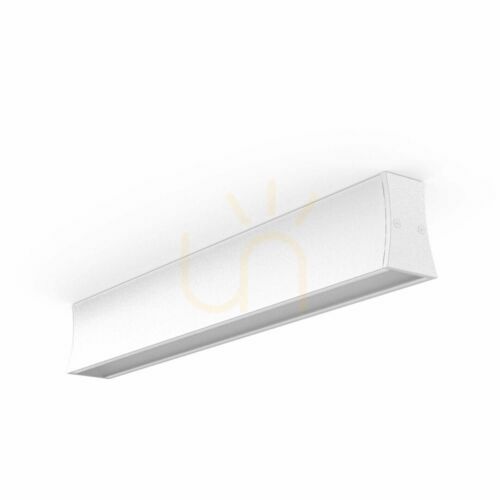
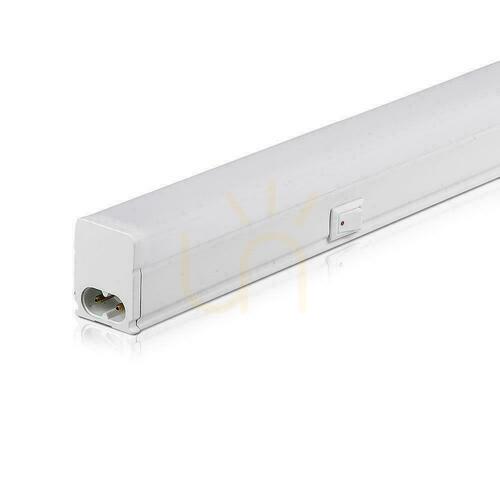
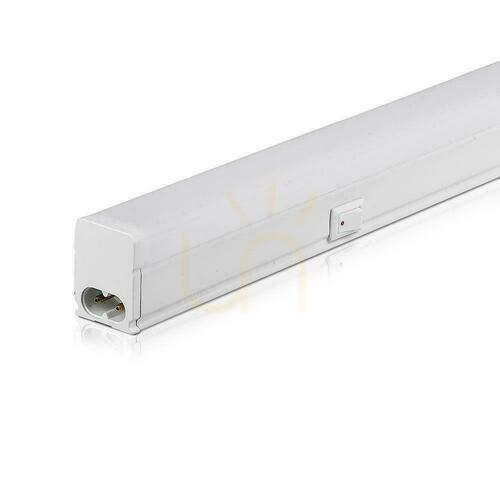
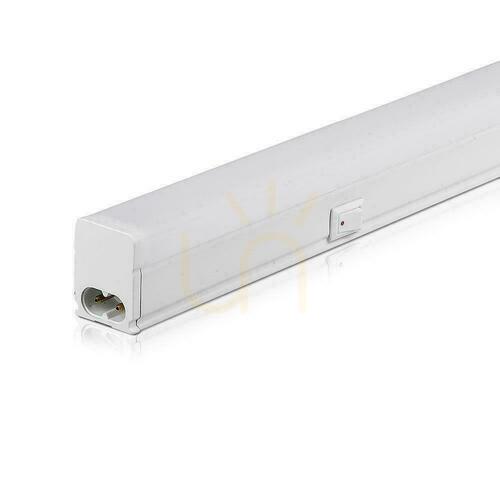
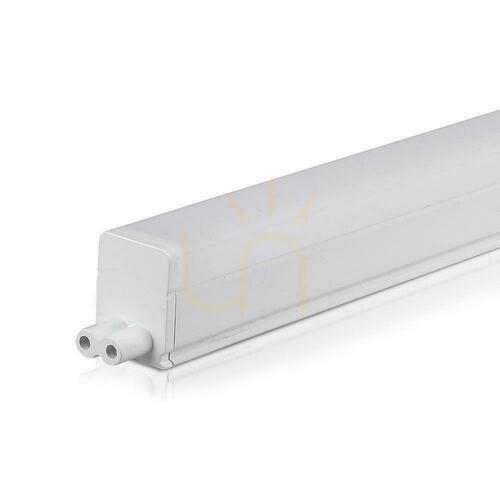
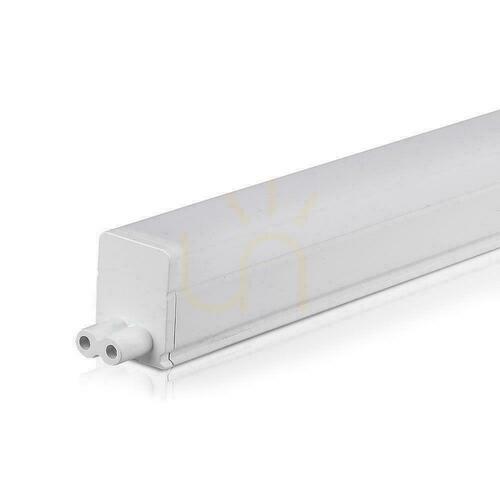
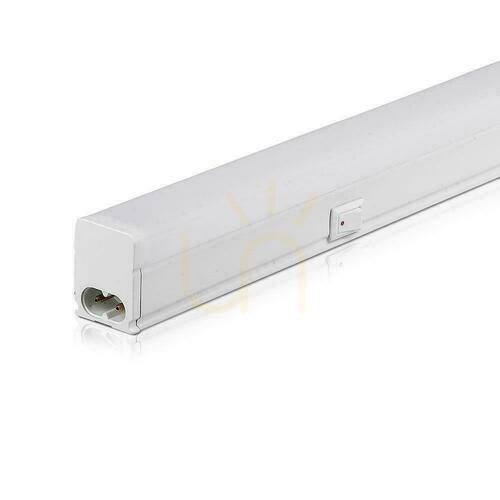
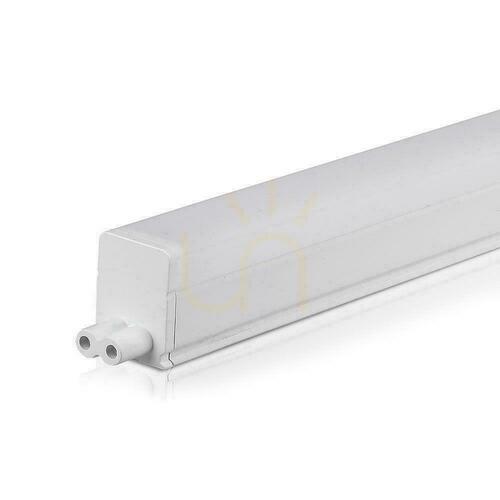
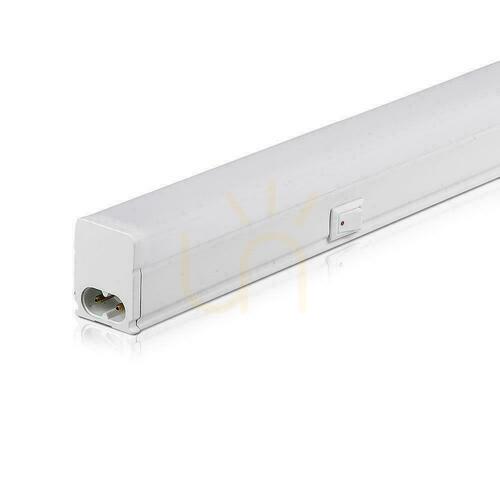
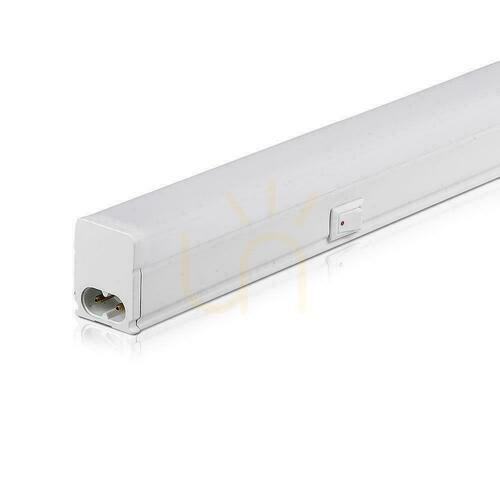
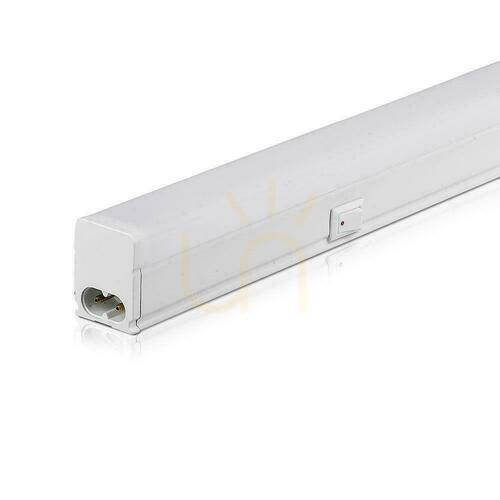
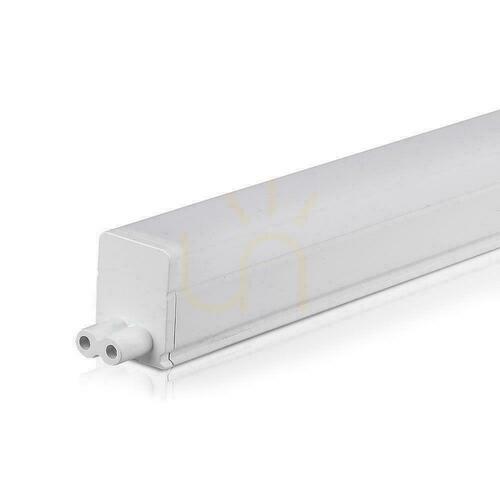
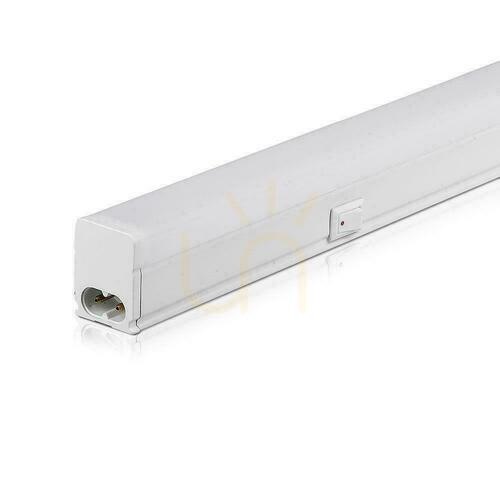
The best under cabinet lights for a kitchen are slim linear LED bars fixed beneath the wall units, close to the front edge, so the light lands squarely on the worktop instead of on the back of your head. A ceiling light, however bright, sits behind you while you chop; a light bar sits in front of you and wipes out that shadow.
Kitchen use asks more of a linear light than a hallway or wardrobe does. It has to be shallow enough to hide behind the lip of the cabinet, even enough not to show a row of dots in a glossy worktop, easy to switch with wet or floury hands, and happy with steam from the kettle and the odd splash near the sink.
What makes a linear light a kitchen light
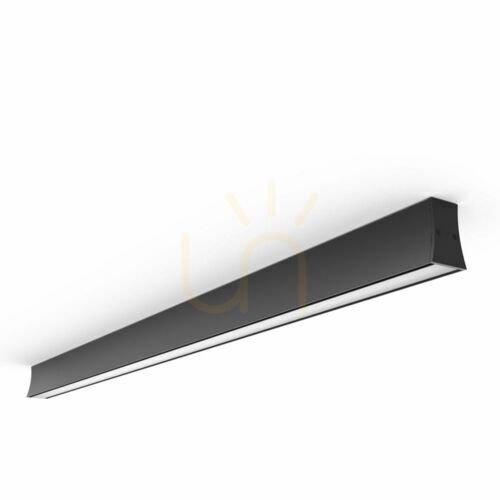
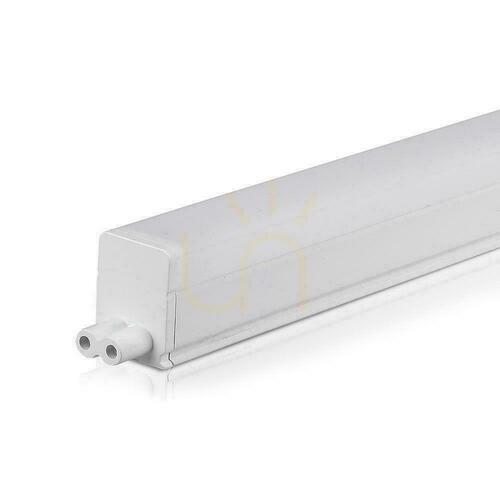
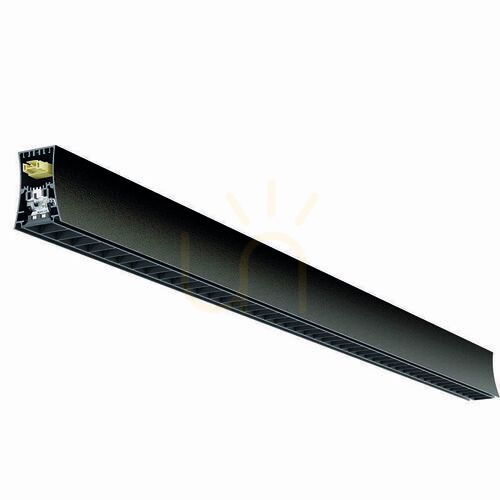
Most kitchen linear lights are aluminium bars with integrated LEDs behind an opal diffuser. The aluminium draws heat away from the LEDs, and the diffuser blends them into a single soft line. Around that typical design you will meet several variants:
-
mains (230–240 V) bars with a plug or for hard-wiring, often linkable end to end with short connectors,
-
low-voltage 12 V or 24 V bars that run from a separate driver tucked inside a cupboard,
-
aluminium profiles with LED tape, cut to the exact run of the units or recessed into a routed groove,
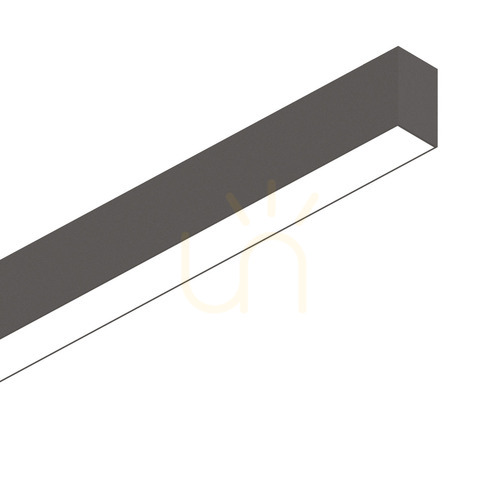
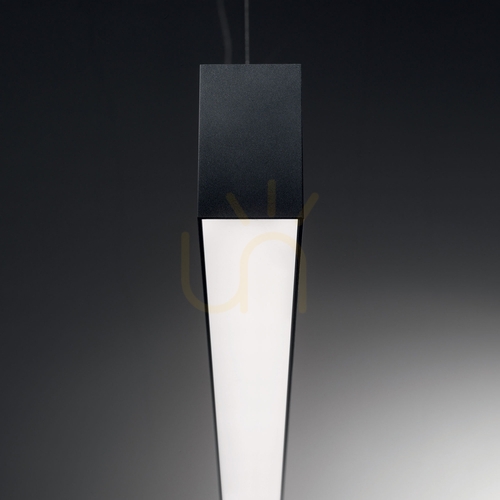
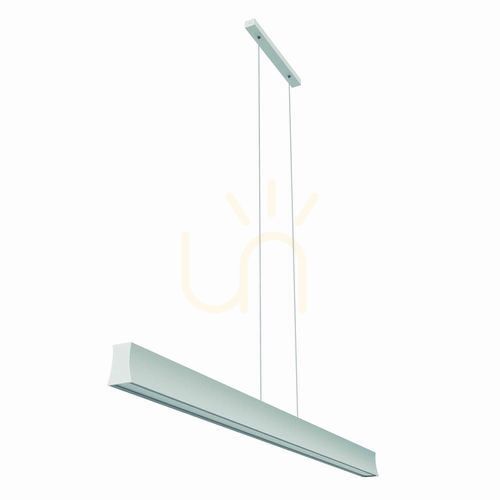
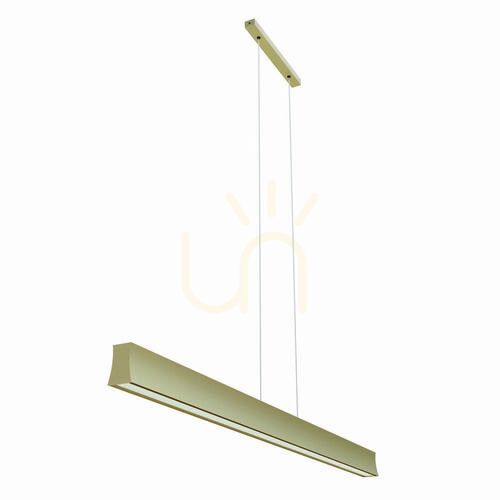
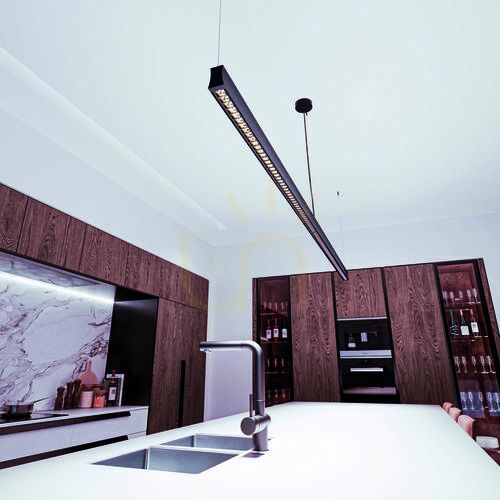
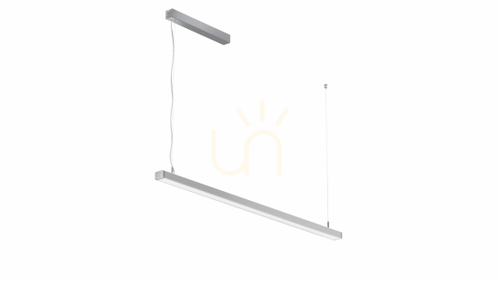
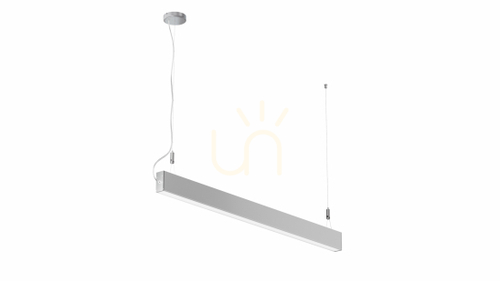
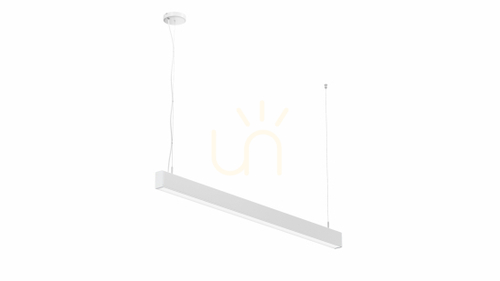
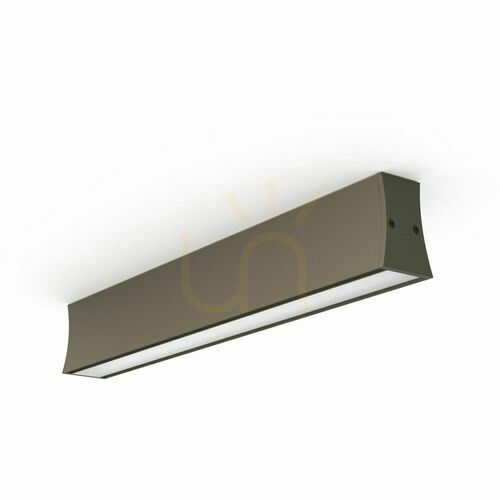
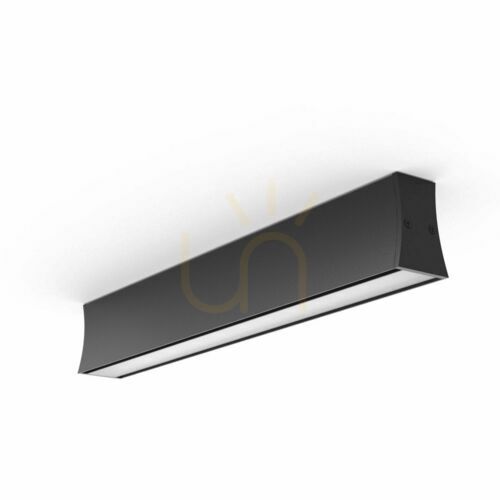
- slim surface-mounted or suspended linear fittings over an island or a kitchen without wall units.
All of them are task lighting. They light the place where you work; the room as a whole still needs downlights, a ceiling fitting or pendants.
Choosing the right under cabinet light
In UK kitchens the gap between worktop and wall units is usually around 450–500 mm. From that height a decent bar puts roughly 300–500 lux on the worktop, which is plenty for prep and reading a recipe. Typical values to compare:
| Spec |
Typical choice |
Why it matters |
| Light output |
300–500 lm per metre as a top-up, 800–1000 lm per metre as the main task light |
whether the worktop is bright without the ceiling lights on |
| Colour temperature |
3000 K warm white for open-plan kitchen-diners, 4000 K cool white for a working kitchen |
mood, and matching your other fittings |
| Colour rendering |
CRI 80 at least, CRI 90+ preferred |
food looks the colour it really is |
| Length |
about 70–80% of each unit’s width |
light reaching the corners of the worktop |
| Profile depth |
usually 8–25 mm |
staying hidden behind the cabinet lip |
| IP rating |
IP20 in dry zones, IP44 or higher over the sink |
safety around splashes and steam |
If you already have strong downlights over the worktop, a modest bar in a matching colour temperature is enough. If the bars will do the heavy lifting, aim for the top of the table and pick a dimmable version so they can double as evening mood lighting.
Mains or low voltage?
Mains bars are the simplest swap for old fittings: no driver to hide, plug-in versions that run from a socket above the worktop, and hard-wired versions that connect to the existing supply. The trade-off is a slightly chunkier body and, with linked bars, sometimes a switch on every bar.
Low-voltage systems are slimmer and easier to conceal. They need a driver rated for the total wattage of the bars plus a 10–20% margin, kept somewhere dry and ventilated, typically inside or on top of a wall unit. In many UK kitchens the lighting is fed from a fused spur; any new fixed wiring should be done by a qualified electrician to BS 7671.
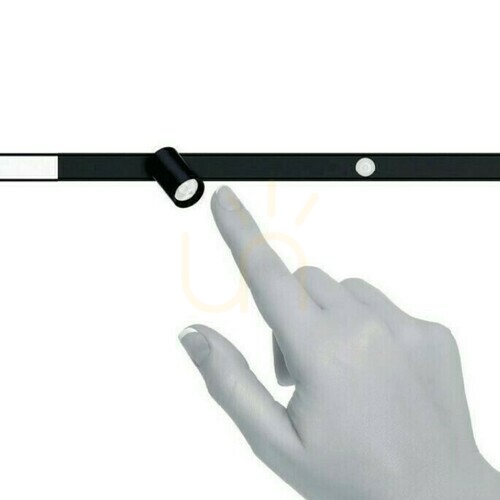
Switching options include a rocker on the bar itself, a touch pad (tap for on and off, hold to dim), a no-touch sensor that responds to a wave of the hand, a motion sensor, or a wall switch controlling the whole run.
Fitting tips
- Fix the bars near the front edge of the units. Mounted at the back, they light the splashback while the worktop stays dim.
- Degrease the underside before using adhesive pads; kitchen grease defeats double-sided tape surprisingly fast. Screws or clips last longer.
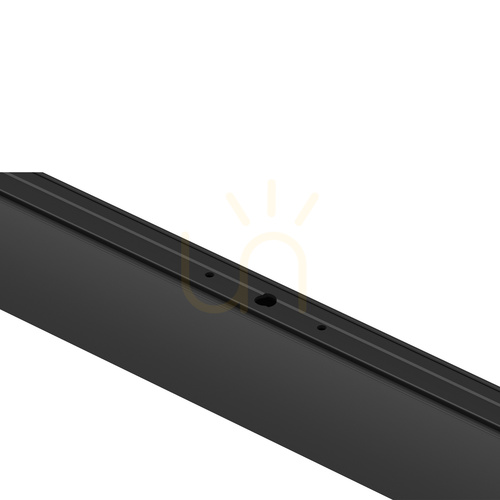
- Route cables along the back of the unit and through a small hole in its base to the socket or driver.
- In an L-shaped run, use corner connectors or short bars on both sides of the corner so it does not turn into a dark patch.
- Leave the space directly above the hob to the cooker hood, which has its own lights and copes with heat and grease.
Common mistakes and care
The classic mistake is a bare LED strip over a polished stone or quartz worktop: every diode shows up as a bright dot in the reflection. An opal diffuser or a dot-free COB strip cures it. The second is mixing colour temperatures, cool white under the units and warm white overhead, which makes the kitchen look patched together.
Integrated LEDs usually cannot be replaced, but they are typically rated for 25,000–50,000 hours. Wipe the diffuser with a soft, slightly damp cloth and a drop of mild washing-up liquid, always with the power off, and avoid abrasive cream cleaners that dull the plastic.
Under cabinet lighting FAQ
What are the best lights for under kitchen cabinets?
Linear LED bars with an opal diffuser, fixed near the front edge. They give an even line of light across the worktop, unlike puck lights, which leave bright pools with gaps in between.
Can I replace fluorescent under cabinet lighting with LED?
Yes. Old T5 fluorescent fittings can come out and mains LED bars of a similar length go in their place, usually on the same feed. You get instant full brightness, no flicker at start-up and far lower running costs. If the wiring itself changes, get an electrician to do it.
Should under cabinet lights be warm or cool white?
Match the rest of the kitchen. Warm white (3000 K) sits well with wood and open-plan living spaces; cool white (4000 K) feels crisper for serious cooking. What jars is a mix of the two.
What lights look good in a kitchen?
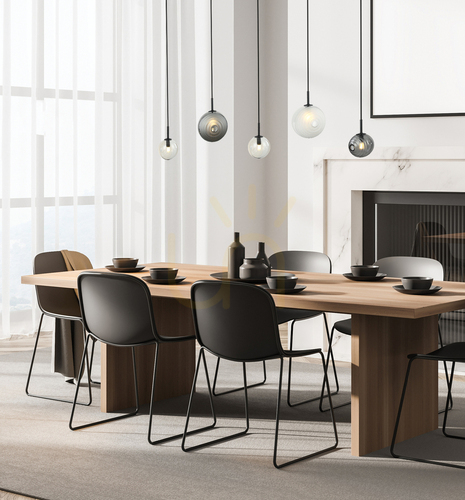
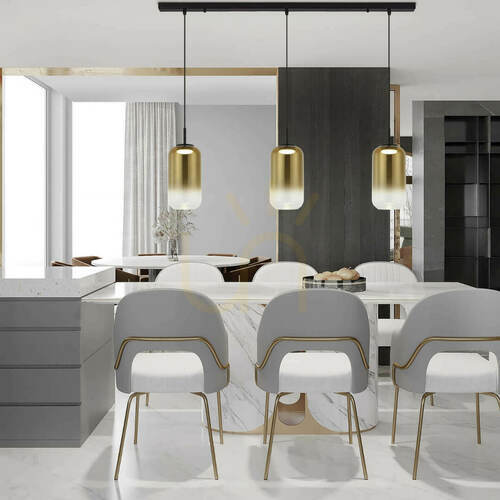
Layered lighting: downlights or a ceiling fitting for general light, under cabinet bars for the worktop, pendants over an island or table, and perhaps plinth or above-cabinet strips for a soft glow in the evening.
Are plug-in under cabinet lights any good?
For renters and quick upgrades, yes. A plug-in bar needs only a socket nearby, and the cable can be tidied along the underside of the units.
Do I need a dimmer?
Not for cooking, but a dimmable bar lets the worktop glow gently when the main lights are off, which works well in kitchen-diners.
For linear lighting beyond the kitchen, from wardrobes to desks and hallways, take a look at linear lights; the same rules on output, colour temperature and diffusers carry over.