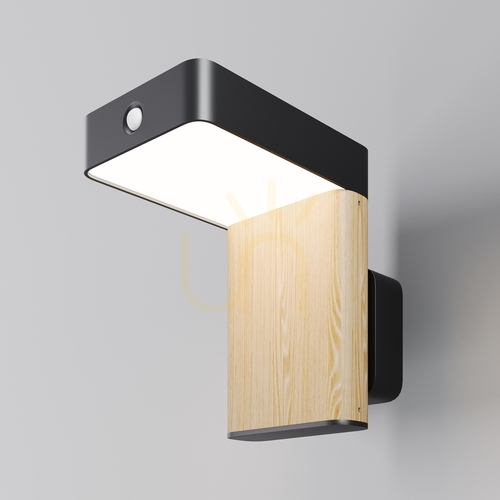
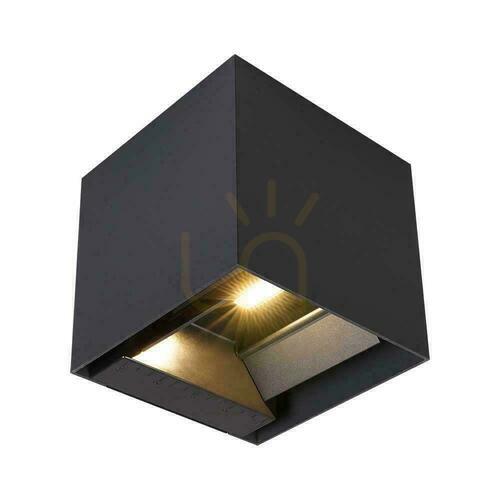
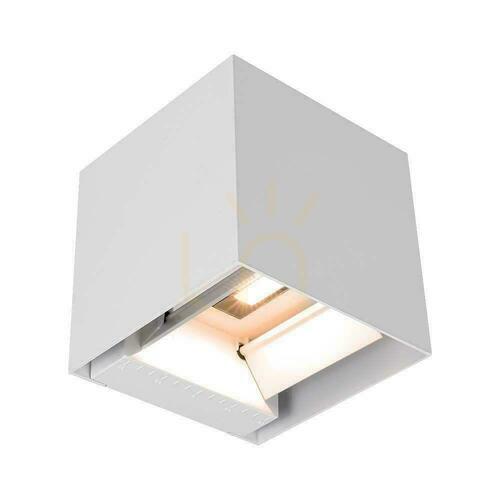
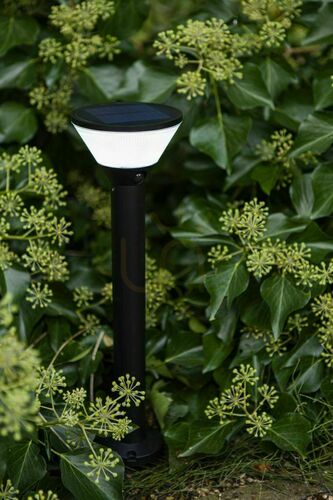
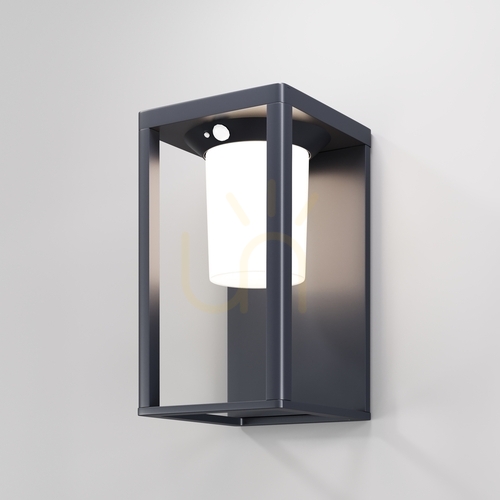
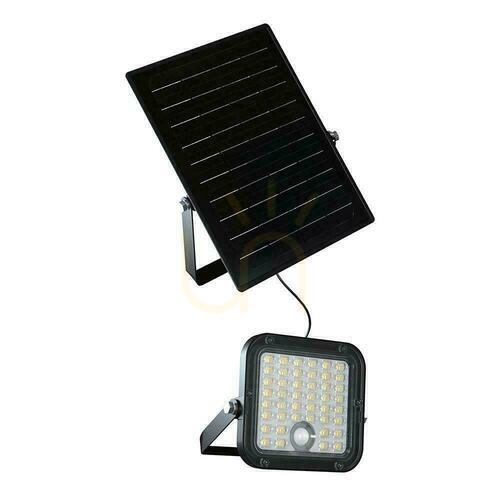
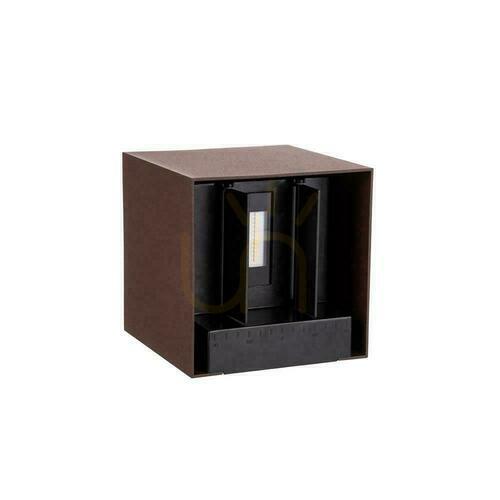
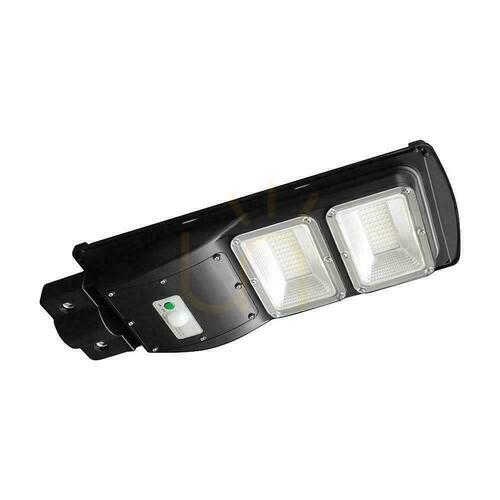
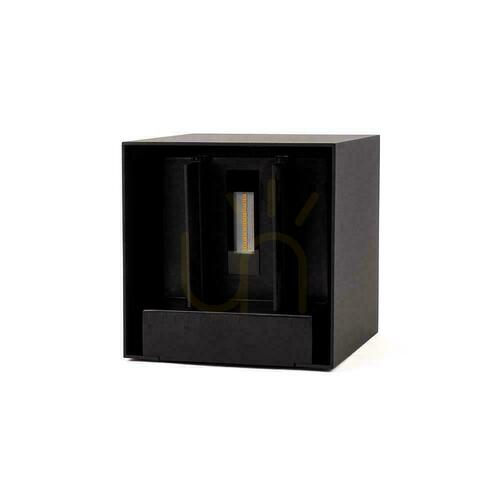
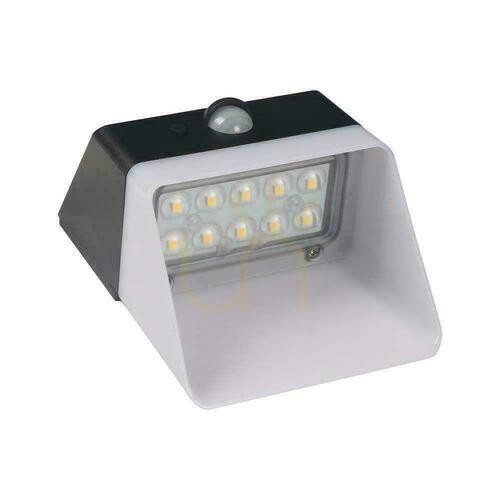
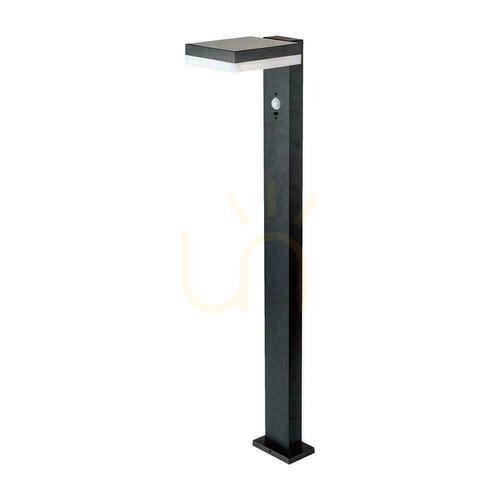
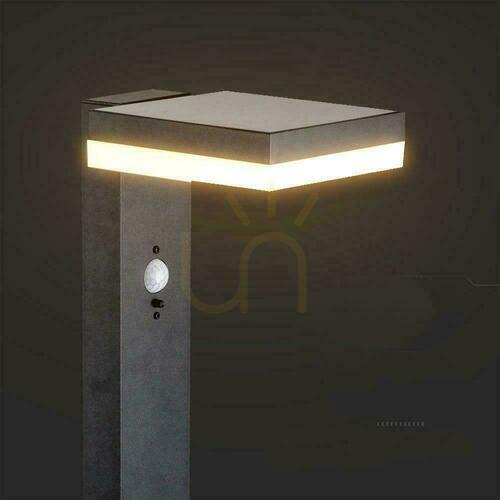
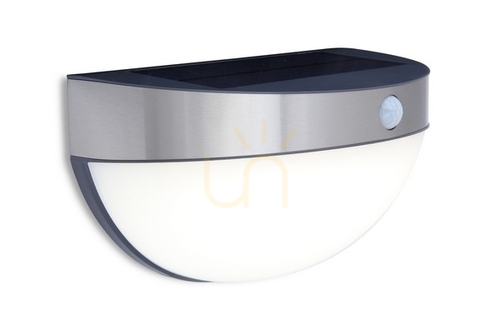
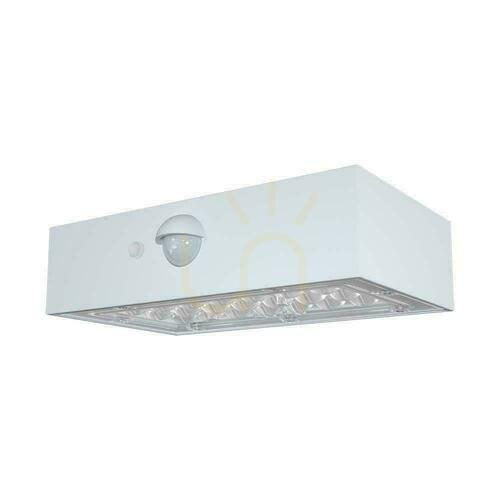
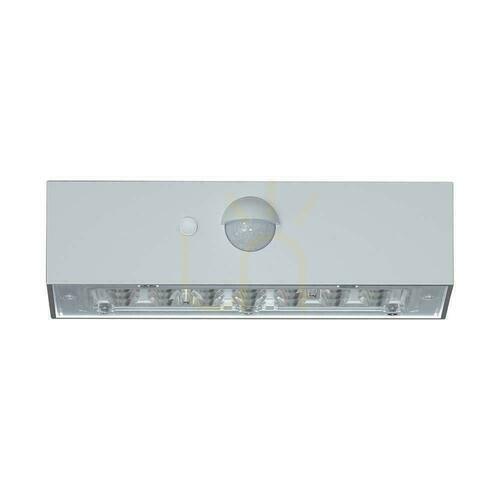
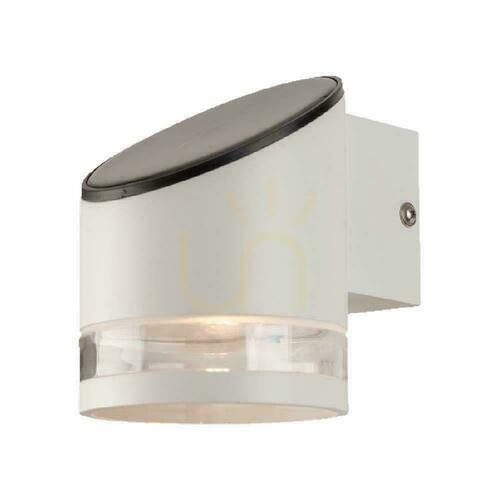
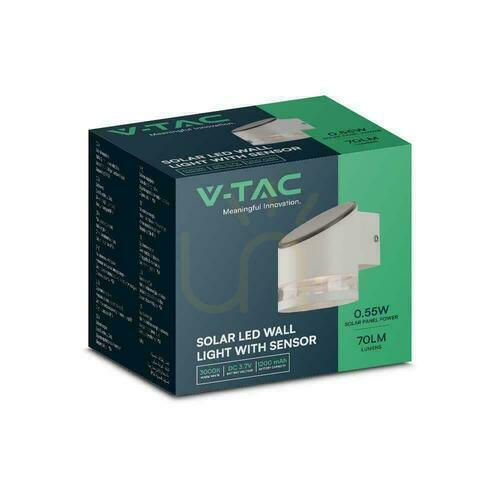
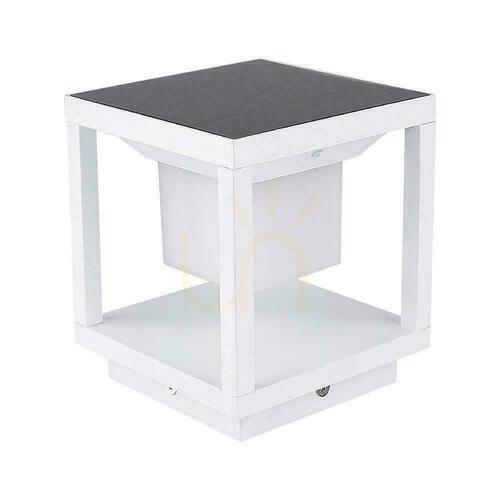
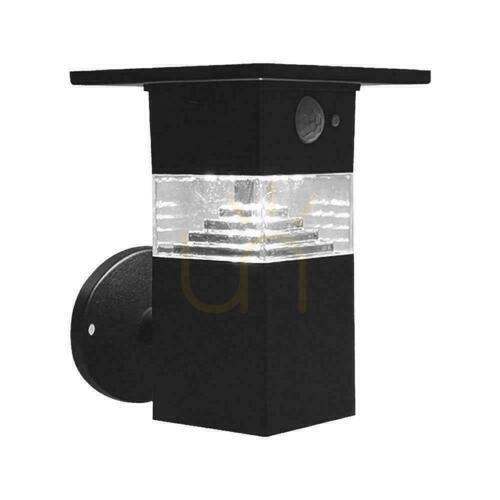
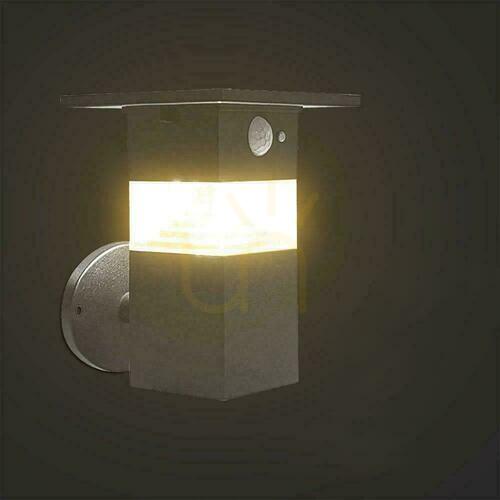
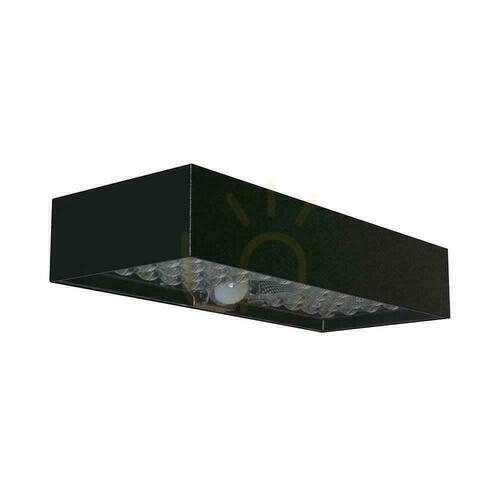
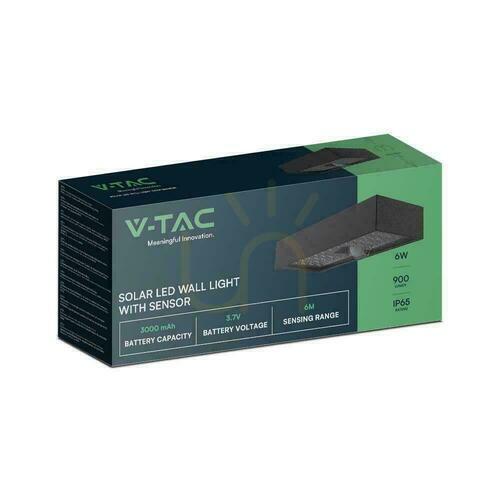
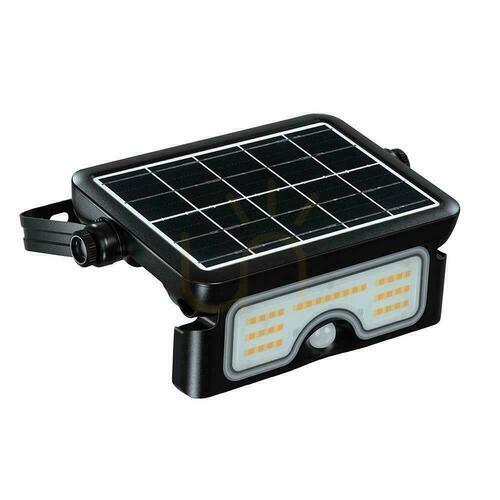
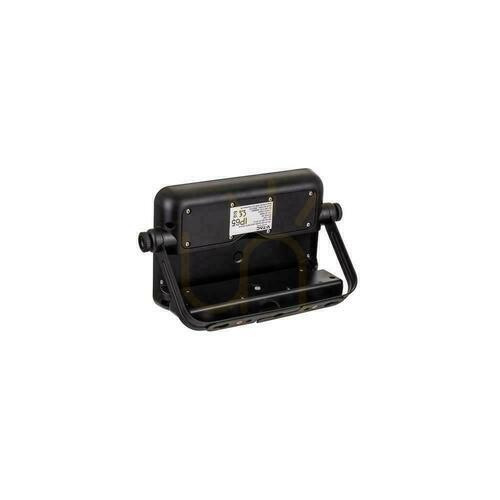
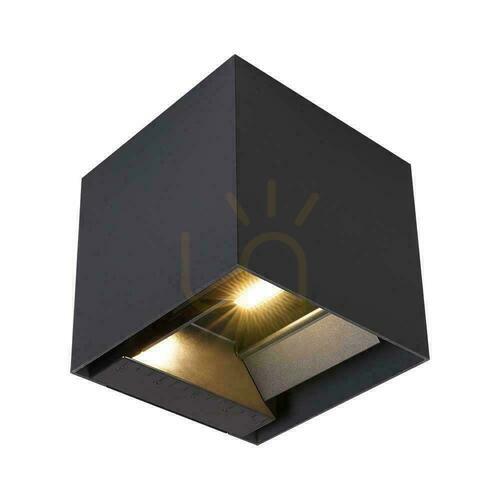
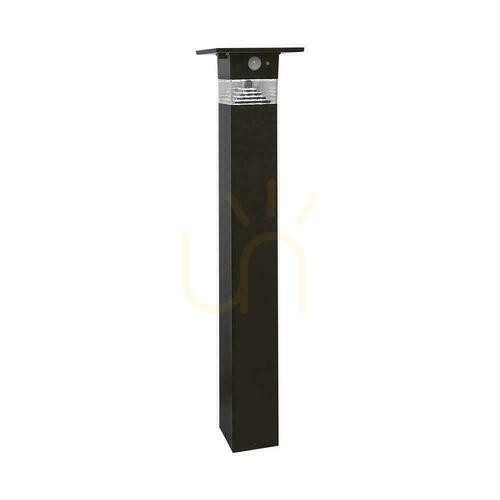
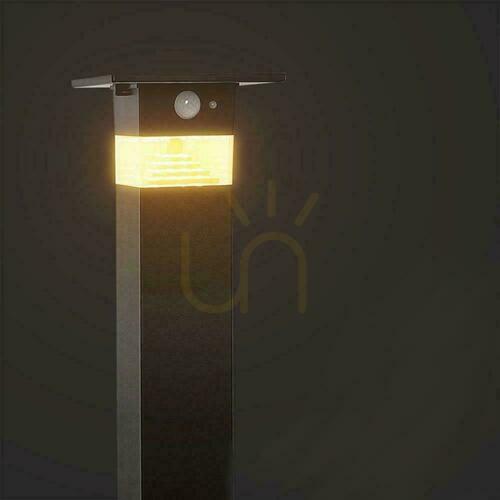
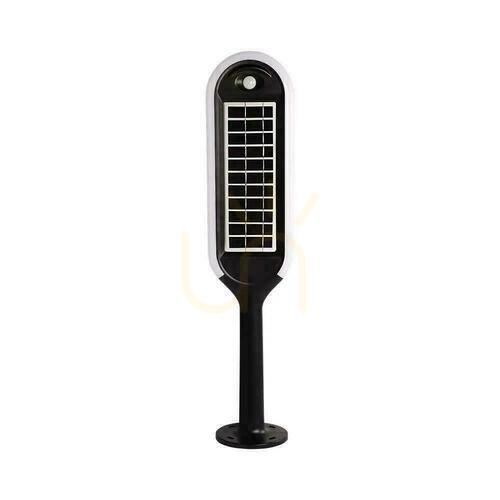
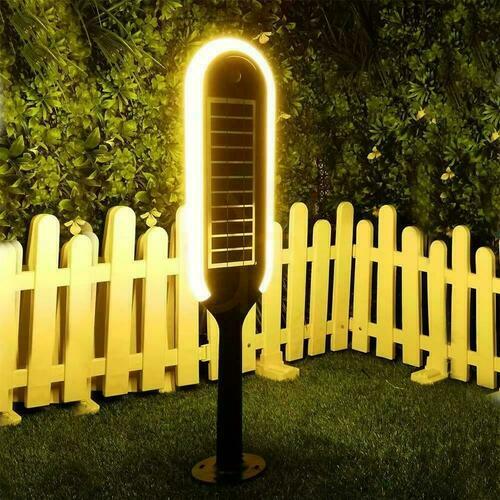
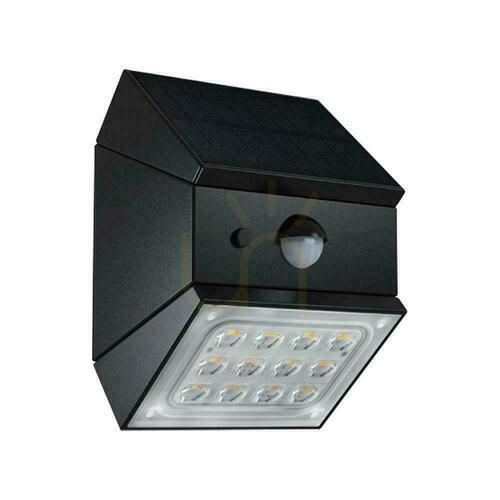
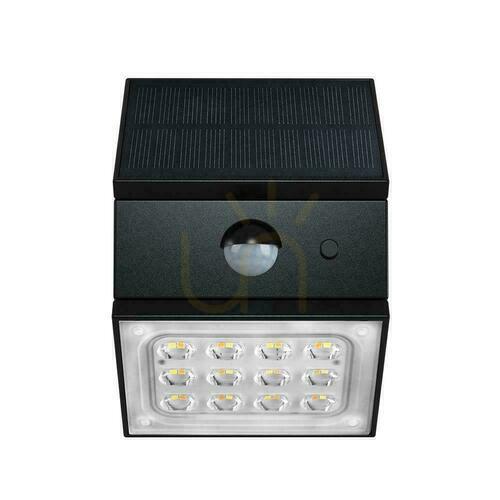
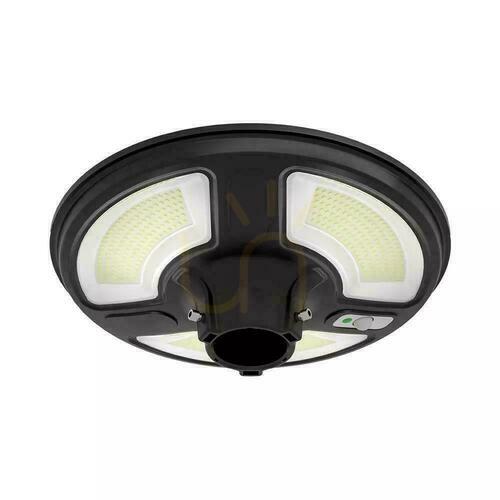
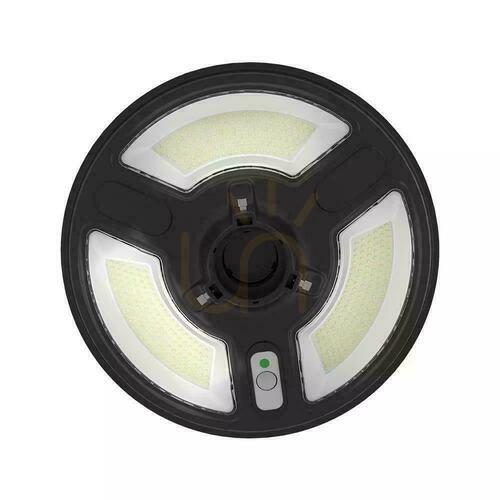
Solar security lights charge a built-in battery from their own panel during the day and switch to full brightness at night only when the PIR sensor picks up movement – someone at the back gate, a car pulling onto the drive, a visitor at the shed. That sensor is what makes a solar light useful for security: instead of spreading a winter day’s small harvest of energy across a long winter night of dim glow, it spends it on short bursts of proper light exactly when they are needed.
Because each activation lasts seconds rather than hours, a motion-triggered solar light can be several times brighter than a solar post light that stays on all night. There is no cable to run, no trench across the lawn and no electrician to book.
Do they actually work?
They work well when the panel gets real daylight and the light is asked to do a realistic job. A wireless solar light by the side passage, the bins or a detached garage will reliably flick on when you walk past. Where they disappoint is when a small integrated panel sits under the eaves on a north-facing wall, or when a single unit is expected to floodlight a long driveway through a grey British December, when London gets under eight hours of daylight and Scotland less.
The honest rule: the more often the light is triggered and the darker the spot where the panel sits, the bigger the panel and battery need to be.
How the sensor and the solar cell work together
Two sensors share the work. A dusk sensor keeps the light asleep in daylight. After dark, a passive infrared (PIR) sensor watches for moving heat – people, cars, and in most British gardens, foxes and cats. PIR is best at spotting movement across its field of view, a little slower with someone walking straight towards it, and it cannot see through glass. A few models use a microwave sensor instead, which also catches head-on movement but can see through thin fence panels and react to people on the pavement.
Typical lighting modes are:
-
motion only – dark until triggered, then full output for roughly 20–60 seconds;
-
dim plus motion – a low glow all night, jumping to full power when someone approaches;
-
constant low light – no motion response, and the hungriest setting for the battery.
Motion only is the setting that keeps a light going through winter.
What to compare before you buy
| Feature |
Typical range |
What it means for you |
| Brightness |
100–300 lm for a gate or path, 300–600 lm for a front door, 800–2000 lm for a driveway |
Very high figures on cheap lights are often optimistic; check battery capacity and panel size too |
| Detection range |
usually 5–12 m |
It should reach the point where people first come into view |
| Detection angle |
90–180°, often around 120° |
Wide for a drive or yard, narrow for a side passage |
| Battery |
lithium-ion 3.7 V, lithium iron phosphate (LiFePO4), NiMH 1.2 V in small lights |
LiFePO4 copes with more charge cycles; a replaceable battery adds years |
| Panel |
integrated, or separate on a 3–5 m lead |
Separate if the light has to go in shade |
| Weather rating |
IP44–IP65 |
IP65 for walls that take driving rain |
| Colour temperature |
3000 K warm, 4000 K neutral, 5000–6500 K cool |
Warm for porches and patios, cooler beside a CCTV camera |
Installing a solar security light
A drill, a screwdriver and a couple of wall plugs are usually all it takes. Mount wall units around 1.8–2.5 m high: higher covers more ground but misses small, close movement. Angle the sensor head slightly down towards the path people use, then walk the route after dark and adjust until the light triggers where you want it.
Point the panel south, or south-east to south-west, and check where shadows fall in winter, when the sun is low and a neighbour’s roof or an evergreen hedge can block it for weeks. A steeper tilt helps catch that low sun and lets rain wash the surface. Aim the light itself downwards so it does not shine into next door’s windows; persistent glare is a common cause of neighbour complaints.
Common problems and simple care
-
False triggers – swaying shrubs, passing traffic, a boiler flue or heat pump in the sensor’s view. Turn down the sensitivity or re-aim the head.
-
Short run time – usually a dirty or shaded panel. Wipe it with a damp cloth a few times a year, more often under trees.
-
Fading after a few seasons – a tired battery. Replace it with one of the same type and voltage if the light allows it.
Frequently asked questions
Are solar outdoor wall lights any good?
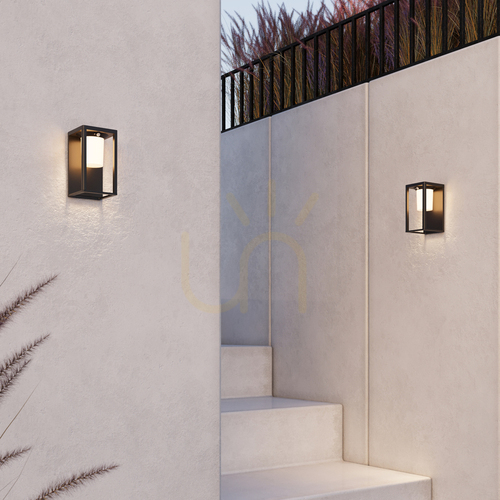
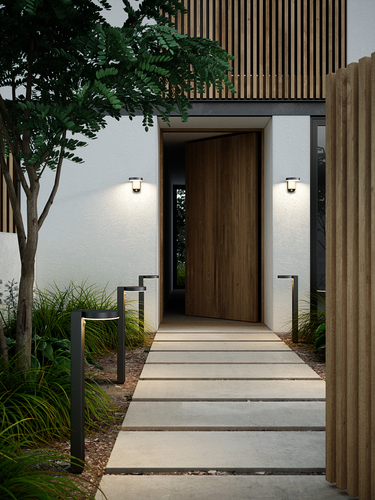
For entrances, sheds and side gates, yes – especially motion-sensing ones, which use energy only when someone is there. Decorative wall lights that stay on all night give much weaker light in winter.
What are the best solar lights for a long driveway?
Two or three motion-sensing lights spaced along the drive usually beat one large floodlight, because each sensor covers its own stretch. Look for 800 lm or more near the house and a separate panel for any unit that sits in shade. For a busy drive used many times a night, a mains-powered floodlight is the more dependable choice.
How bright should a solar security light be?
Around 300–600 lm is plenty at a front or back door. Driveways and yards need 800 lm and up.
Do solar security lights work in winter?
Yes, but with less in reserve. Panels charge on cloudy days at a fraction of their summer rate, and lithium batteries lose capacity in frost. Motion-only mode and a clean, south-facing panel make the biggest difference.
Are wireless solar security lights a real alternative to mains lights?
For outbuildings and spots far from a power supply, often yes. Where you want guaranteed brightness every night, a hard-wired light installed by a qualified electrician to BS 7671 is still the stronger option.
Why does my solar security light stay on?
Something keeps moving or giving off heat in its field of view, the sensitivity is set too high, or the light is switched to a constant mode.
More on lights powered by their own panel, with or without a sensor, is in outdoor solar lights. If your driveway needs more punch than solar can give, compare LED floodlights with a motion sensor.