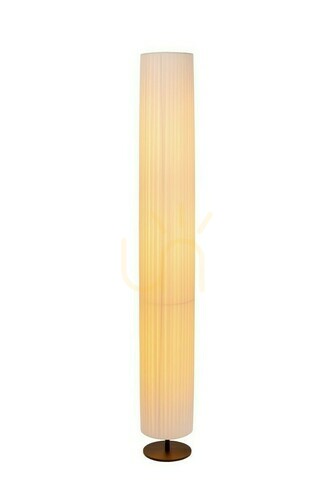
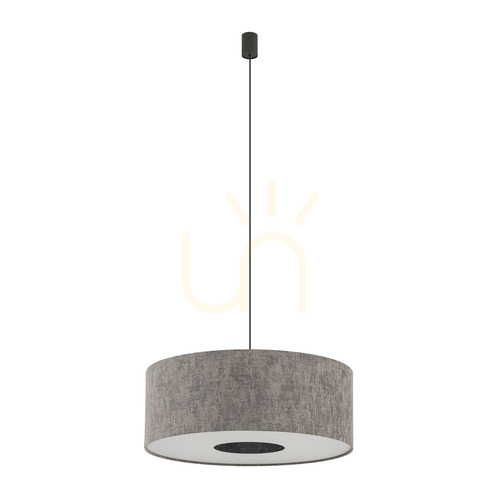
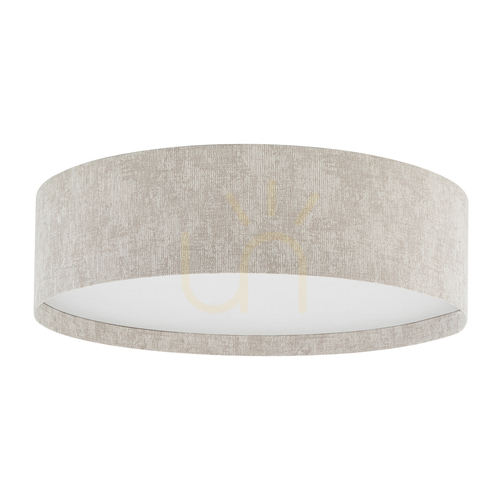
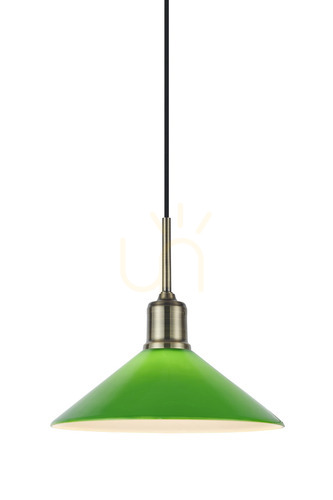
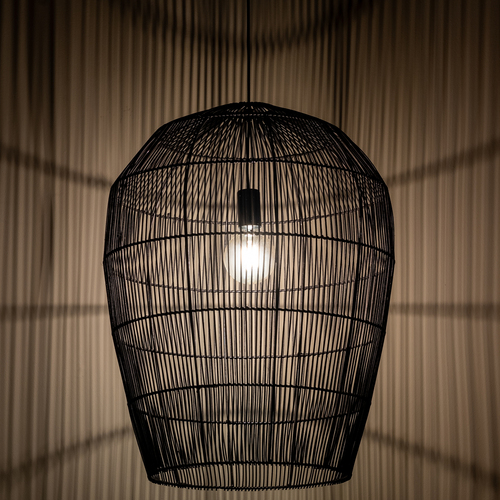
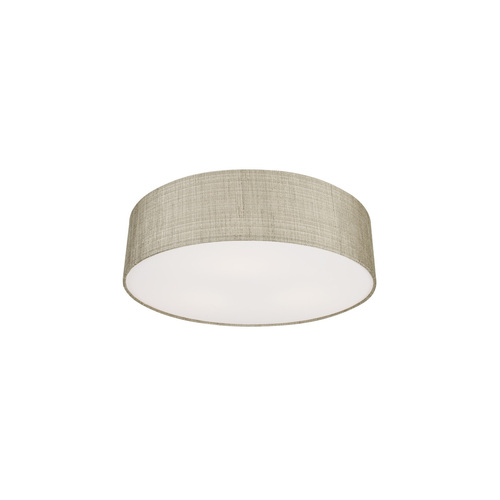
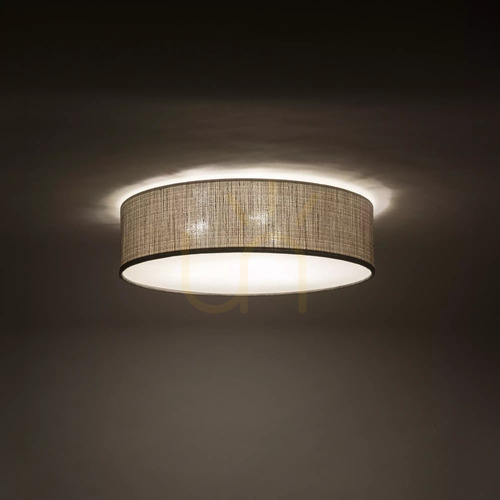
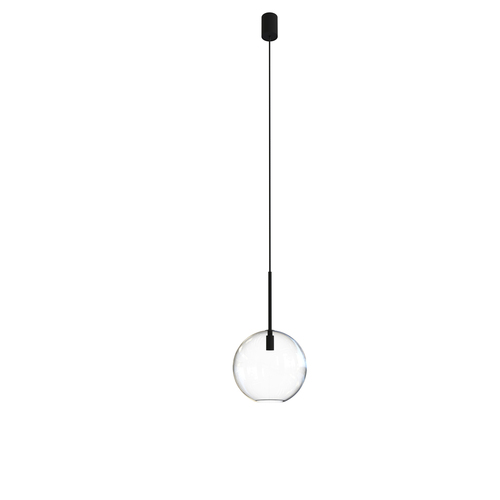
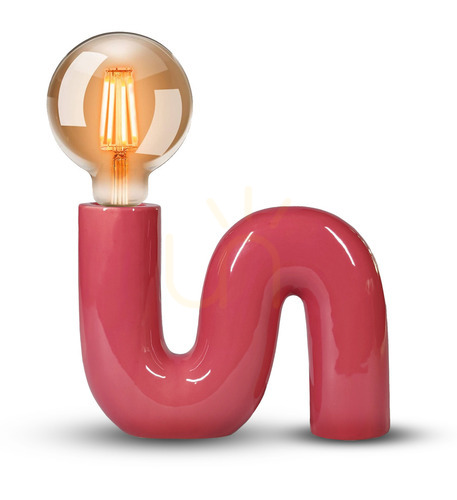
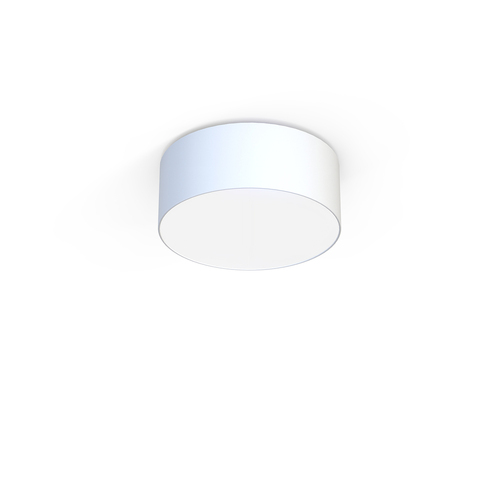
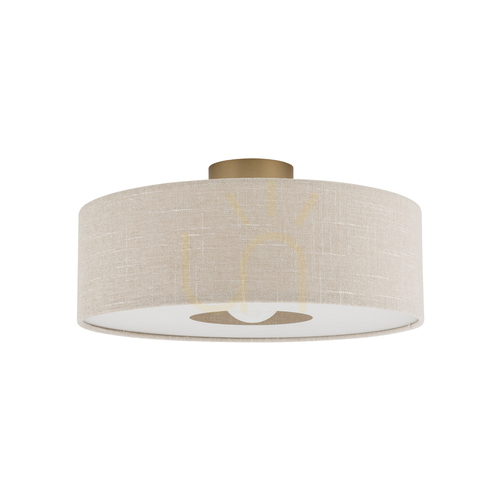
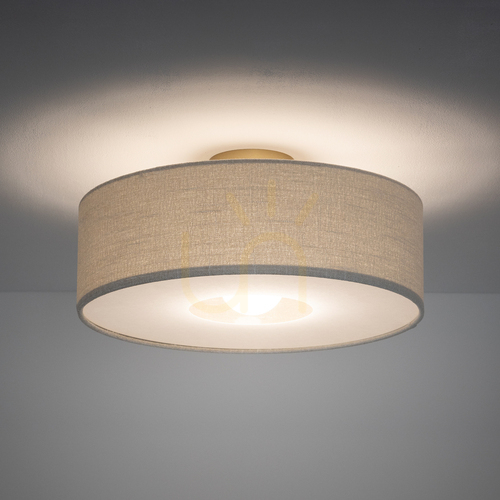
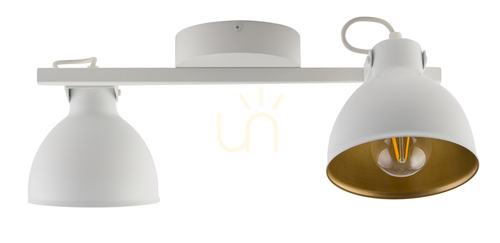
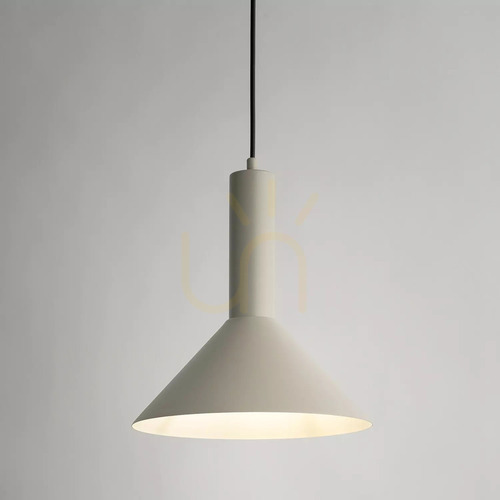
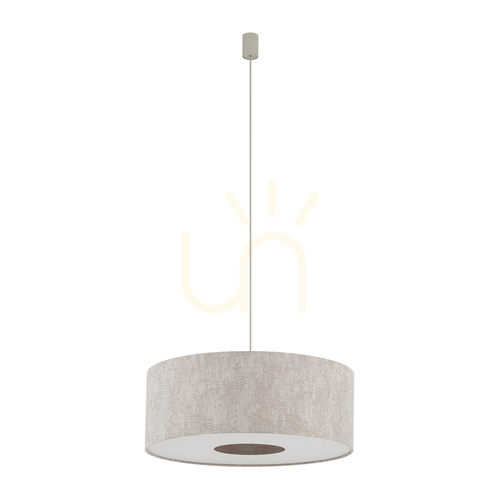
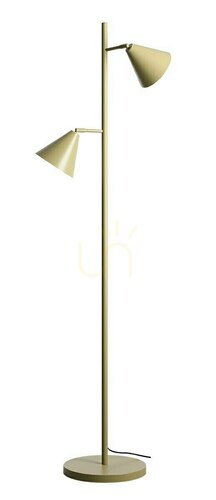
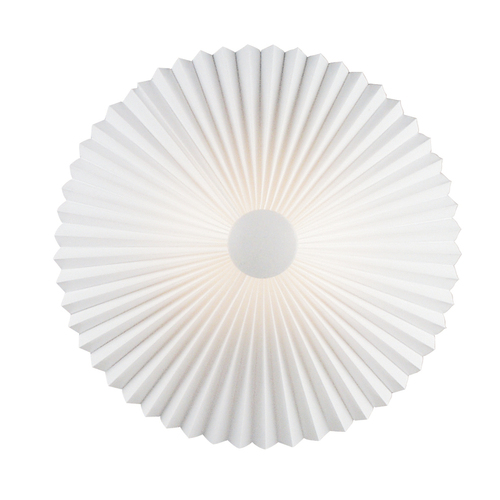
An E27 lamp takes a bulb with a 27 mm Edison screw cap – the fitting usually labelled ES in the UK. It is the most widespread bulb base in continental Europe, which means one practical thing for you: the light fitting stays, and the bulb inside it can be swapped for a warmer, brighter, dimmable or smart one whenever you like.
ES, E27 and the bayonet question
British homes grew up with the bayonet cap, B22 (often written BC), pushed in and twisted. Many lamps designed in Europe use the screw cap instead, and that is where most mix-ups start. E27 and ES are the same thing; SES, the small Edison screw, is E14 and turns up in candle bulbs and small wall lights. Before you order replacement bulbs, look at the old cap or at the label inside the lampholder – it will say E27 or ES, along with a maximum wattage.
Converters from B22 to E27 do exist, but they push the bulb further out of the shade and add another contact point. If you are choosing a new lamp anyway, it is simpler to keep one cap type per room and stock a single kind of spare.
Why a screw-in bulb is worth having
Fittings with built-in LED are slimmer, but their light colour and brightness are fixed for life, and a failed module often means replacing the whole fitting. An E27 lamp outlives its bulbs. Fancy a cosier living room in winter? Drop from 3000 K to 2700 K. Turning a spare room into a study? Fit a brighter 4000 K bulb with a colour rendering index of Ra 90 or more. Nothing else changes.
Which bulb shape suits which lamp
The cap is standard; the glass on top of it is not. Shape decides whether the bulb fits the shade and how it looks when it is on show.
| Shape |
Typical size |
Works best in |
| GLS (A60) |
about 60 mm wide, 105–110 mm tall |
table and floor lamps under a fabric shade |
| Globe G95 / G125 |
95 or 125 mm across |
bare-bulb pendants, wall lights with no shade |
| Teardrop ST64 filament |
64 mm wide, around 140 mm tall |
industrial and vintage pendants, open cages |
| Golfball / mini globe G45 |
45 mm across |
narrow glass shades, small bedside lamps |
| Reflector R63 / R80 |
63 or 80 mm across |
downward-facing pendants over a worktop |
Brightness is printed in lumens, and that is the figure to compare, not watts. As a guide, 470 lm matches an old 40 W bulb, around 806 lm a 60 W and about 1521 lm a 100 W. An LED doing the same job draws roughly 5 W, 8 W and 14 W respectively. For general room lighting, 800–1000 lm per fitting is a sensible starting point; a lounge lit by several lamps can share that out.
Where an E27 fitting earns its place
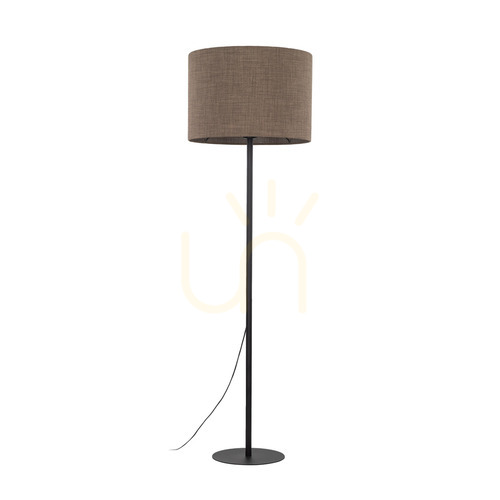
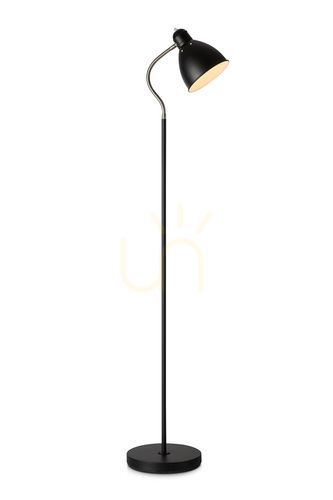
Table and floor lamps are the classic home for ES bulbs, because the shade hides a plain GLS and softens it. Over a dining table, a cluster of pendants with clear filament globes gives sparkle without glare if you keep the bulbs at 2200–2700 K. In a kitchen, a reflector or frosted bulb at 3000 K stops harsh shadows on the worktop. Bedrooms suit warm 2700 K bulbs on a dimmer – or smart bulbs on a schedule that dims towards bedtime.
Lamps with a plug simply go into a socket; UK plugs carry a fuse, usually 3 A for lighting. A ceiling pendant or a wall light wired into the mains is a job for a qualified electrician, working to BS 7671.
Common mistakes
- Putting a standard LED on a dimmer. Only bulbs marked dimmable will behave, and the dimmer itself should be rated for LED loads, or you will get flicker and buzzing.
- Ignoring the maximum wattage on the lampholder. It is a heat limit; an 8 W LED is well inside it, but a big halogen inside a paper shade is not.
- Buying a bulb that is too tall. Measure from the lampholder to the bottom edge of the shade before ordering a long teardrop.
- Changing a bulb while it is hot. Switch off, give it a few minutes and turn it gently by the glass.
E27 lamp questions
What is an E27 socket?
A lampholder with an internal thread about 27 mm across, made for Edison screw bulbs. In the UK it is called ES. You screw the bulb in clockwise until it seats against the centre contact.
Is E27 the same as A19?
No – they describe different things. E27 is the cap, A19 is an American name for the classic bulb shape, roughly what Europe calls A60. American bulbs also use a 26 mm E26 cap and are made for 120 V, so stick to bulbs sold for 230 V.
Is an E27 bulb LED?
It can be anything with that cap: LED, halogen, compact fluorescent or old incandescent. LED is by far the most common choice, and filament-style LEDs look much like the clear bulbs they replace.
What is the most powerful E27 bulb?
Household LED versions reach roughly 2000–2500 lm, about the same as an old 150 W incandescent. They are larger and run warmer, so check that the lamp's shade and wattage rating can take them.
Can I get a candle bulb with an E27 cap?
Yes. Candle bulbs come mostly with the small E14 cap, but E27 versions exist for chandeliers and wall lights with larger holders.
Are warm white E27 bulbs better for living rooms?
For most people, yes. 2700 K reads as cosy in the evening; 3000 K is a touch crisper and suits kitchens and hallways.
For more ideas by room and style, browse indoor lights. Planning spotlights rather than shaded lamps? Read up on GU10 light fittings too.