
How to Light Your Kitchen? Countertops, Islands, and Dining Areas – A Practical Guide
The kitchen is the room where lighting works the hardest. We chop, cook, read recipes, and more and more often, we also eat and gather around the kitchen island. A single light fixture in the center of the ceiling isn't enough to handle all these tasks—that's why a well-lit kitchen always relies on several layers of light. Here are some tips on how to light your countertop, kitchen island, and dining area, what color of light to choose, and when a track lighting system works best.

Table of Contents
- Three layers of light in the kitchen
- General lighting – ceiling lights, spotlights, or track lighting?
- Work surface lighting
- Lamps over the kitchen island
- Lamp over the table in the kitchen and kitchenette
- Lighting track for the kitchen
- What color and brightness of light for the kitchen?
- Common mistakes
- Under-cabinet lighting in practice
- Summary
Three layers of light in the kitchen
When designing kitchen lighting, it’s helpful to think of it as three independent circuits:
- General lighting – evenly illuminates the entire room and allows you to move around freely. This could be a ceiling light, recessed spotlights, or a track lighting system with spotlights.
- Task lighting —focused on the countertop, stovetop, and sink, i.e., where your hands and sharp tools are at work. Most commonly achieved with under-cabinet lighting.
- Mood and decorative lighting – pendant lights above an island or table, backlighting for display cabinets or plinths. It sets the mood and helps "dampen" the kitchen in the evening.
It's best to connect each layer to a separate switch. That way, in the morning you can turn on just the task light above the counter, and at dinnertime, just the lamp above the table.
General lighting—ceiling light, spotlights, or track lighting?
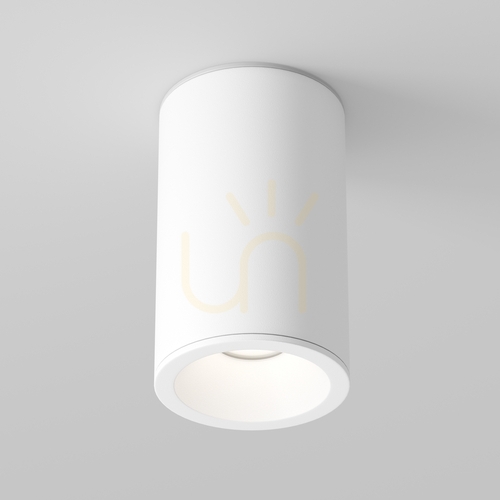
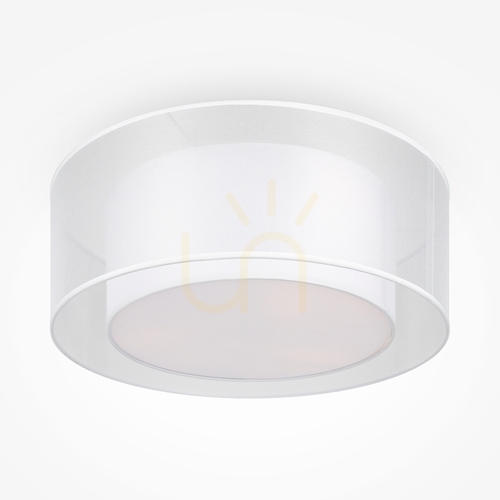
In kitchens with low ceilings (standard 2.5–2.7 m), recessed lights ( Flush Ceiling Lights ) and surface-mounted fixtures work best—they don’t restrict headroom and provide a wide, even distribution of light. In kitchens with suspended ceilings, recessed spotlights are popular, arranged along the work areas rather than just in the center of the room.
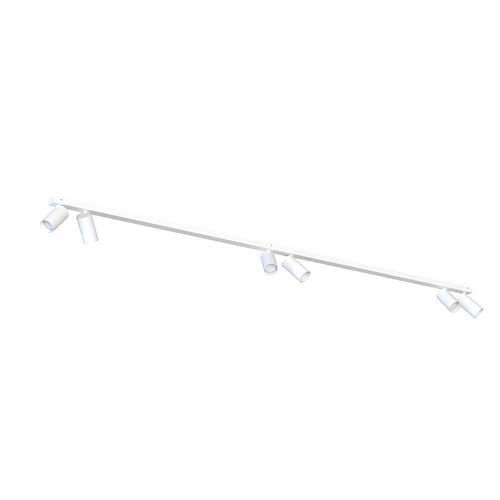
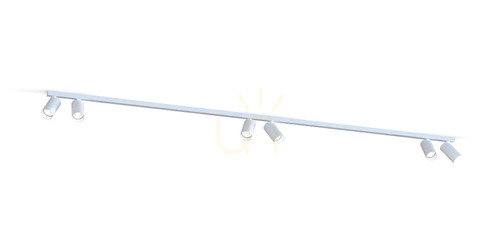
More and more often, the role of general lighting is being taken over by track lighting with movable spotlights. This solution is exceptionally practical: you can move the spotlights closer together, further apart, and rotate them exactly where you need the light—without having to drill into the walls or alter the wiring.




Work surface lighting
The countertop is an area where lighting is a matter of safety, not just aesthetics. When standing at the countertop, our backs block the light coming from the ceiling—which is why we always illuminate the work area with under-cabinet lighting, installed beneath the bottom edge of the wall cabinets.
A few practical tips:
- Run LED strips or strips along the entire work area, not just in a spot above the sink.
- Choose fixtures with a frosted diffuser—they diffuse the light and don’t create glare on the glossy countertop.
- The best color temperature above the countertop is neutral white (3500–4000 K) —it doesn’t distort the colors of food, which is important when cooking.
- In the area around the sink, look for fixtures with a higher protection rating (IP44).
Lights over the kitchen island
A kitchen island is the perfect setting for pendant lights —they are what most often define the character of the entire kitchen. How do you choose them?
- Suspension height: the shade should hang about 75–90 cm above the island countertop. A low-hanging lamp illuminates the countertop without dazzling people standing nearby.
- Number of lamps: for an island up to 1.5 m long, one larger lamp is sufficient. For longer islands, the classic arrangement of two or three identical pendants spaced 60–80 cm apart works well.
- Scale: the total diameter of the lampshades should not exceed approx. 2/3 of the island's length—this makes the composition look balanced.
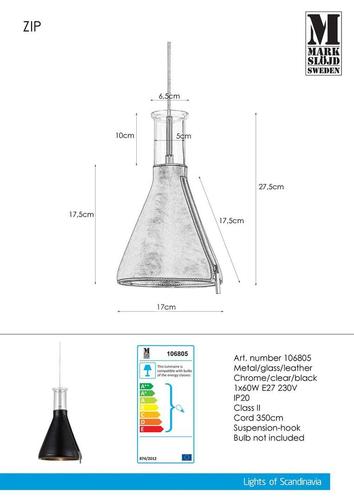


A lamp above the table in the kitchen and kitchenette
If there is a table in the kitchen or kitchenette, treat it as a separate zone. The pendant light above the table should hang slightly lower than the one above the island—about 60–80 cm above the tabletop —because we sit at the table, not stand. In the so-called. In an open-concept kitchen, where the dining area flows seamlessly into the work area, it looks great to use the same style of lighting fixtures over the island and over the table, for example. on a different scale or in a different quantity.
We cover lamp height and diameter selection in more detail in a separate guide on table lamps, and you can find ready-made suggestions in the category Dining room lamps.
Lighting track for the kitchen
Lighting tracks for the kitchen are currently one of the most popular solutions—and it’s no wonder. You can hang several spotlights from a single power source, and in systems with adapters, you can also hang lights over the island. When you rearrange the furniture, just move the light fixtures.
What should you look for?
- A single-phase track allows you to control all the fixtures together—in most kitchens, that’s enough.
- A three-phase track allows you to divide the fixtures into three independently switchable circuits, e.g. Separate task lighting and ambient lighting.
- Spotlights with a color temperature of 3000–4000 K and a high color rendering index (CRI ≥ 90) work best.


What color and brightness of light for the kitchen?
A neutral color temperature of 3000–4000 K works best in the kitchen: it is “clean” enough to work comfortably, yet it doesn’t turn the kitchen into a laboratory. Let’s leave very cold light (6000 K and above) for garages and workshops.
Approximate lighting requirements:
- entire room: approx. 200–300 lm per m²,
- work surface area: approx. 500 lumens per linear meter of countertop.
For example: a 10 m² kitchen requires a total of approx. 2,500–3,000 lumens of general lighting, i.e., for example. a 25–35 W LED ceiling light (the exact power consumption depends on the light source's efficiency in lm/W) or several track lights.
Common Mistakes
- A single light 3. fixture in the center of the ceiling —when standing at the counter, you’ll always be working in your own shadow.
- Mixing light colors —a warm pendant light over the
table next to cold spotlights above the
- counter can ruin even the most beautiful design. Stick to a single color within each zone.
- Lights hung too high above the island —they illuminate the ceiling and are glaring, instead of providing light for the countertop.
- No separate switches —this deprives the kitchen of half the possibilities that layered lighting offers.
Under-cabinet lighting in practice
Since countertop lighting determines how comfortable the workspace is, it’s worth knowing how to install it properly. You have two options:
- LED strip in an aluminum profile – the most flexible option: cut it to length and run it along the entire row of cabinets. Always install it in a profile with a frosted diffuser (bare LEDs reflect off the glossy countertop) and against the cabinet front, not the wall—this way, the light falls on the countertop rather than the backsplash itself.
- Under-cabinet linear fixtures – ready-made strips designed to be connected in a chain, simpler installation at the expense of less flexibility in length.
What to look for:
- Power supply: the strips operate at 12 or 24 V – a power supply with a capacity of approx. 20% of the stock, stored in an accessible, well-ventilated place (e.g. inside a cabinet, not recessed).
- Color temperature and CRI: 3500–4000 K and CRI ≥ 90 – accurate color rendering of products during cutting.
- Control: a touch switch or motion sensor under the cabinet turns on the light when you approach the countertop. Use a controller compatible with the strip for dimming.
- Sink and cooktop area: choose fixtures with a higher protection rating (IP44) that are resistant to steam and grease.
Summary
A well-lit kitchen consists of three layers of light: even general lighting, bright task lighting above the countertop, and mood lighting above the island or table. A neutral color temperature of 3000–4000 K, appropriately selected lumens, and separate switches for each zone account for 90% of the success. The remaining 10% are lamps that you simply like—and you’ll find plenty of them in the “ Lighting for the kitchen ” category.
Victoria


Maybe you will be interested in products from these categories?
Kitchen Lights, Pendant Lights, Flush Ceiling Lights, Track Lighting
Tags & Blog Categories