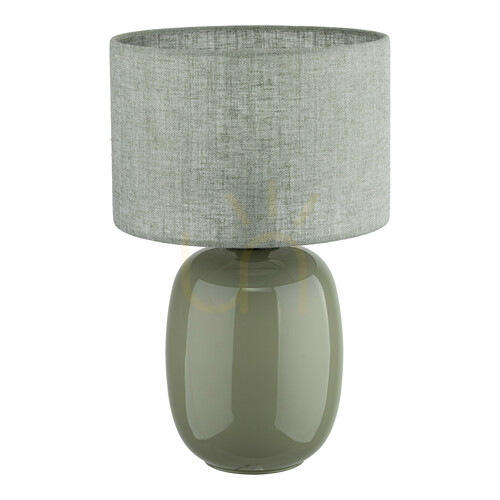
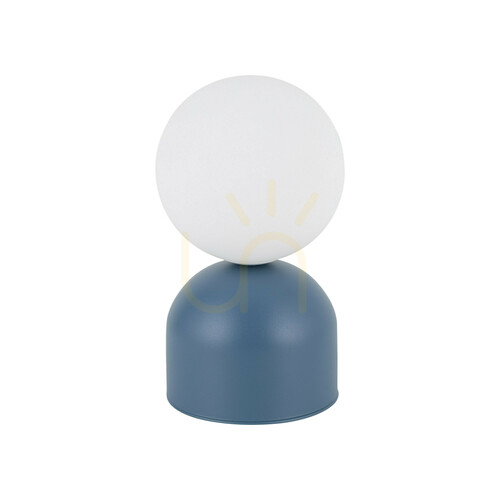
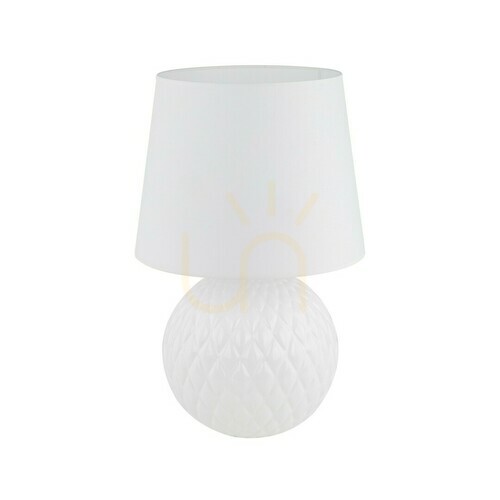
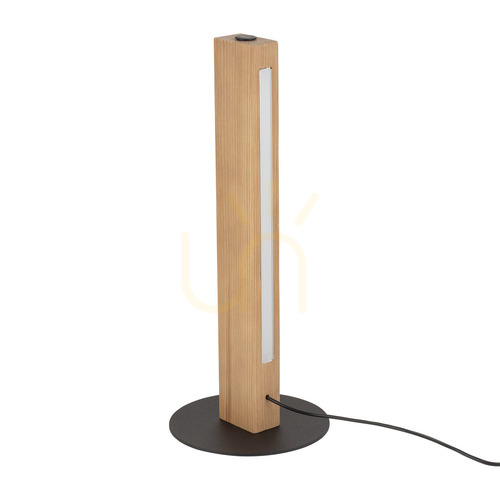
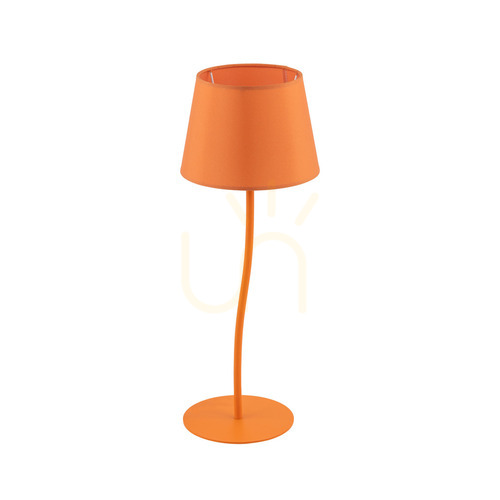
A bedside lamp bought for reading has a harder brief than one bought for atmosphere. It has to put usable light on a page held at chest height, keep the bulb out of your eyes while you look down at it, and switch off without you sitting up to hunt for it. Most bedside lamps do the third thing well and the first two badly.
How much light a page actually needs
Comfortable reading wants something in the region of 300–500 lux landing on the page. Beside a bed that is a much smaller lamp than the number suggests, because the shade sits only 40–50 cm from the book: roughly 400–600 lumens is generous, and 250 lumens is enough for a paperback in a small room. Wattage tells you almost nothing any more — a 6 W LED and a 40 W halogen can land in the same place. Read the lumen figure, then judge it against the distance.
The shade decides whether you can read at all
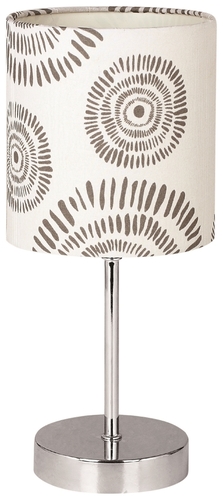
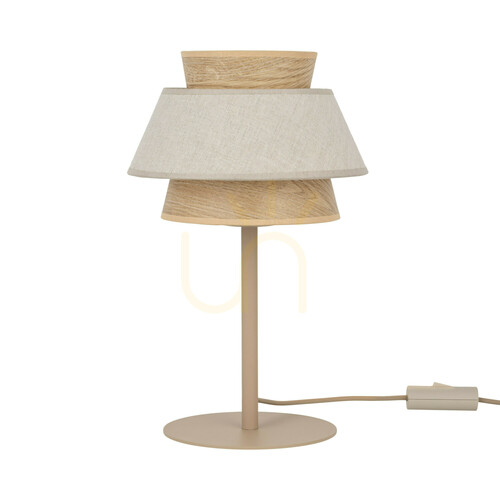
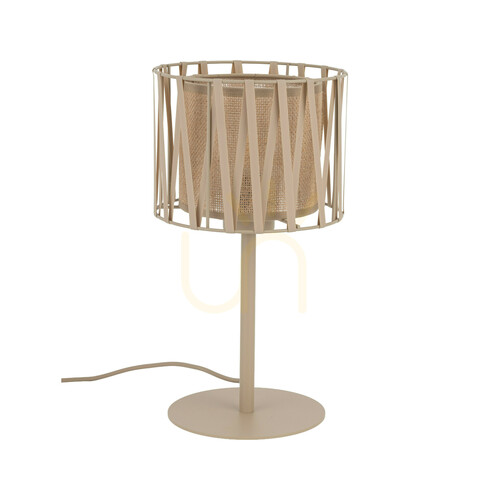
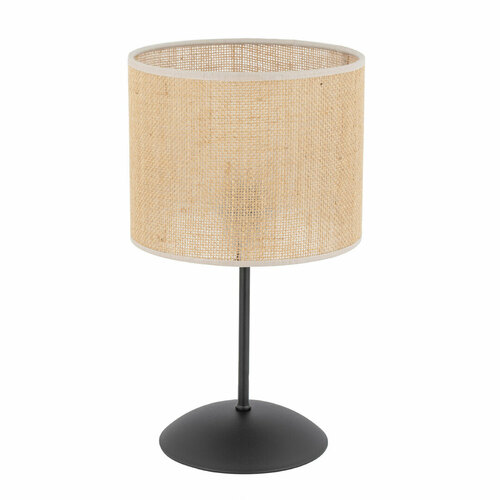
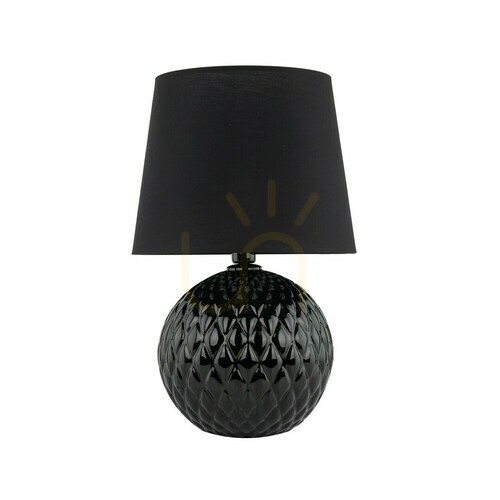
An open, translucent shade throws light in every direction, including straight into your eyes, so the page ends up dimmer than the glare in front of it. A shade that is opaque at the sides and open at the bottom pushes light down onto the book and keeps the source hidden. The measurement worth taking before you buy: sitting up against the headboard, the bottom edge of the shade should sit at about eye level or just below. For most people that is 55–70 cm above the mattress, which is why a tall, slim lamp often beats a wide squat one on the same nightstand.
Adjustable heads, swing arms and clips
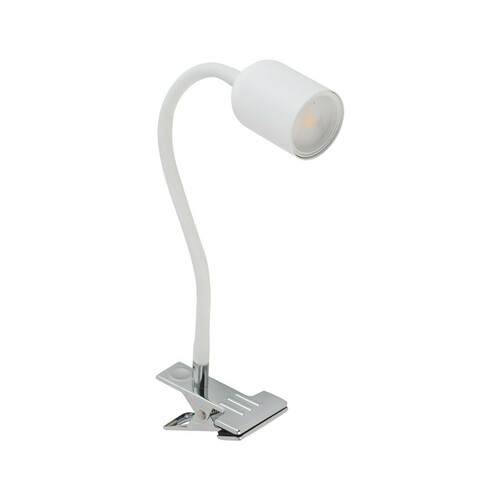
When the nightstand is already carrying a book, a phone and a glass of water, a lamp with a swing arm or a hinged head buys the surface back and aims the light rather than flooding the room. Clip-on and headboard-mounted reading lights go further still — nothing on the table at all, and the beam stays on your side of the bed. The trade-off is real: a directional head has to be re-aimed when you change position, and a clip needs a headboard or shelf edge it can genuinely grip.
Dimming, and the last half hour before sleep
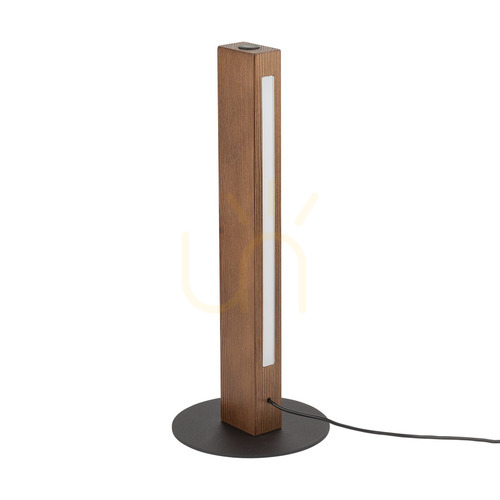
Reading light and falling-asleep light are not the same light, and a dimmer is what lets one lamp be both. Touch-dimmed bases cycle through brightness levels with a tap anywhere on the metalwork, which is the easiest control to work half-asleep; rotary and inline dimmers give finer steps but have to be found first. If the lamp takes a replaceable bulb, check the bulb is dimmable too — a standard non-dimmable LED on a dimmer circuit flickers, buzzes, or simply refuses to come on.
Warm light, and why it matters more here than anywhere else
A colour temperature of 2200–2700 K is the sensible default at the bedside. Cooler white light carries more short-wavelength blue, and blue is the part of the spectrum that most reliably pushes back the body's own wind-down signal — which is exactly the wrong thing to do to yourself over the last chapter of the evening. It is also why a desk lamp, tuned for alertness at 4000 K, makes a poor bedside lamp however good it looks. Lamps that switch between two or three colour temperatures are useful; after dark, use the warmest one.
Reading while someone else is asleep
On a shared bed the goal is a pool of light that stops at the middle of the mattress. That argues for a low, tightly shaded lamp or a clip light rather than anything that lights the whole headboard wall, and for a switch on the lamp itself rather than a wall switch by the door. Two matched lamps, one per side, each independently dimmable, is a calmer arrangement than one bright lamp shared across the bed.
Questions people ask
What is the best bedside lamp for reading in bed?
One that is tall enough to put the bottom of the shade near eye level when you are sitting up, opaque enough at the sides to hide the bulb, and dimmable. Style is a free choice after those three are satisfied.
Is a warm or cool bulb better for reading at night?
Warm. Cool white is easier to read fine print under, but at 22:00 the small gain in contrast is not worth the delay to sleep onset. Keep the cool light for a desk.
Where should the lamp go if the socket is behind the bed?
Measure the cable before ordering, not after. A bedside lamp with a short flex and a socket behind the headboard is the most common reason a lamp ends up on the wrong side of the table, facing the wrong way.
If you are furnishing the room rather than solving a reading problem, the wider bedside lamps range covers the same shapes without the emphasis on output and glare control.