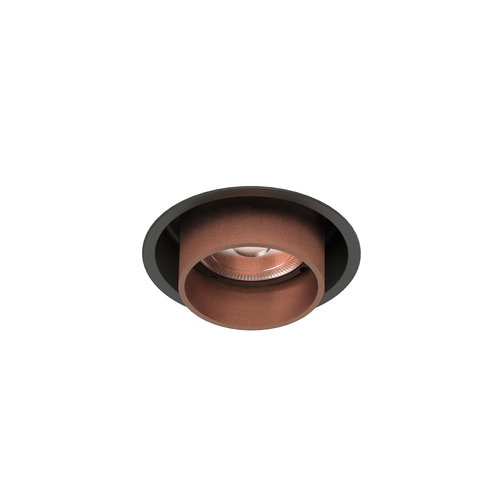
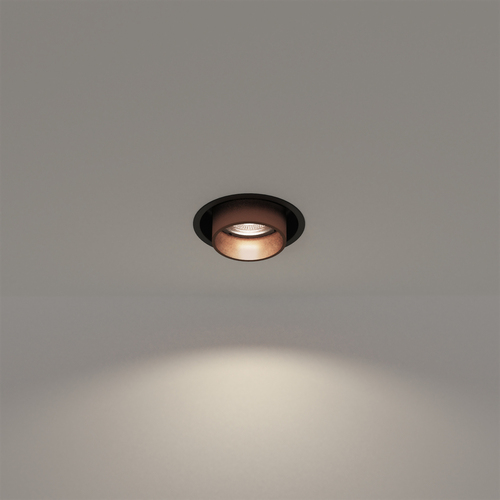
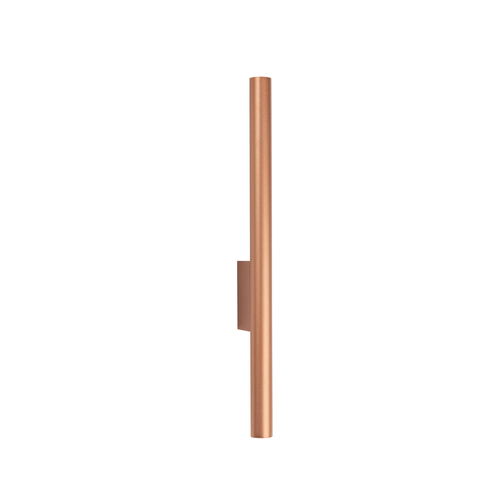
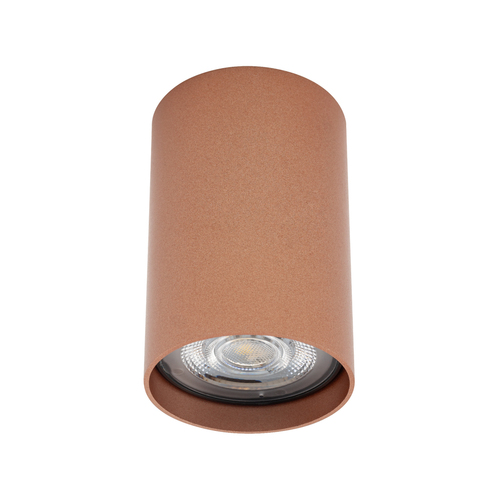
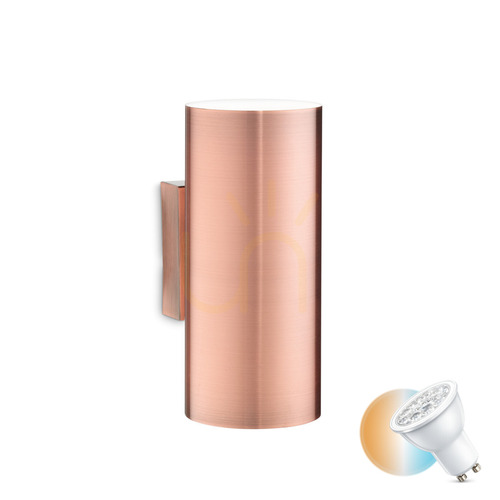
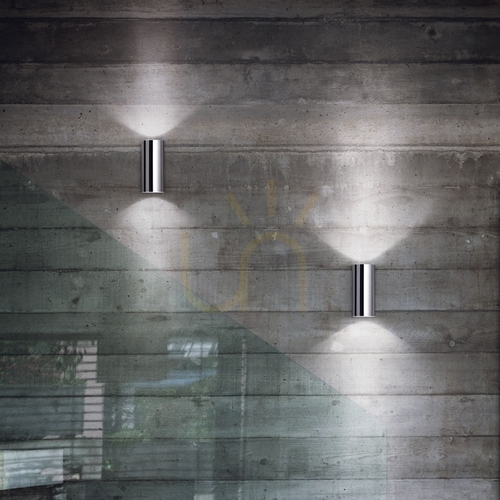
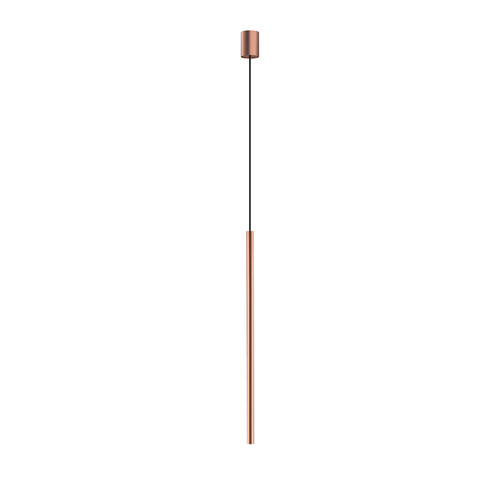
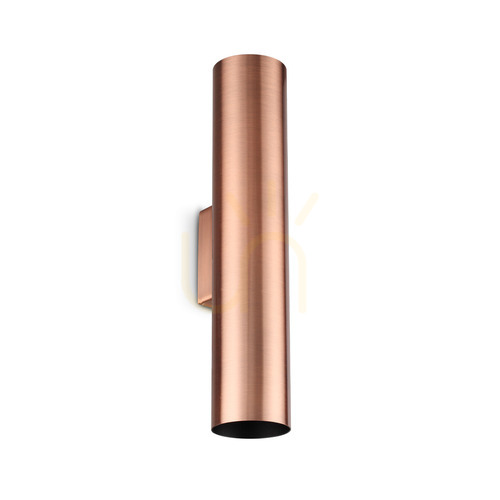
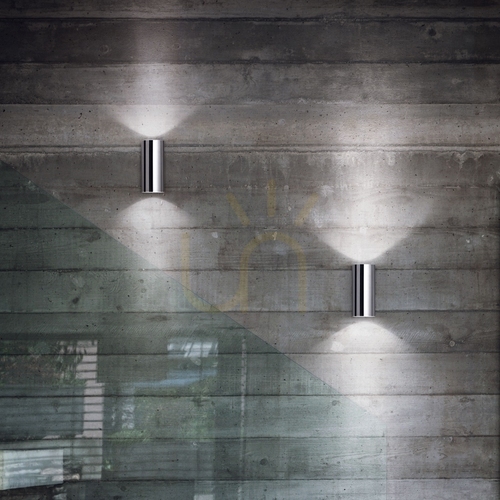
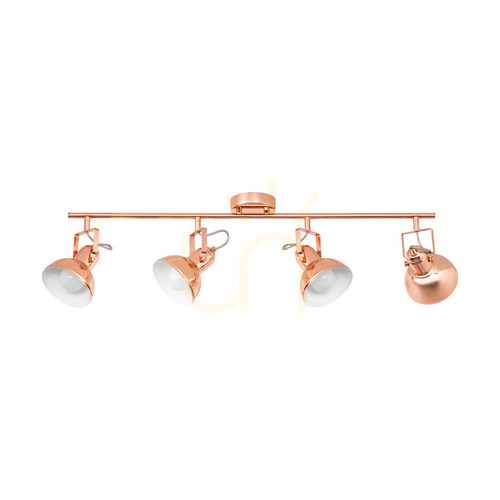
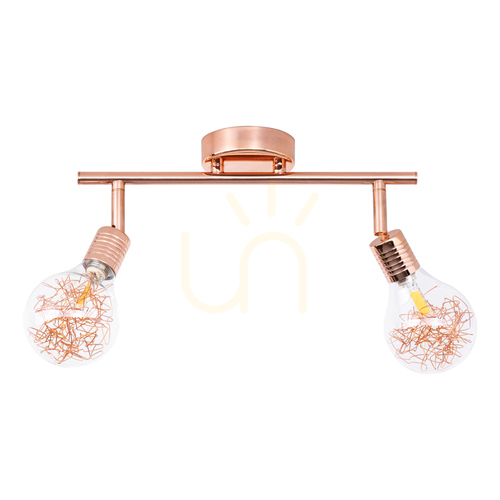
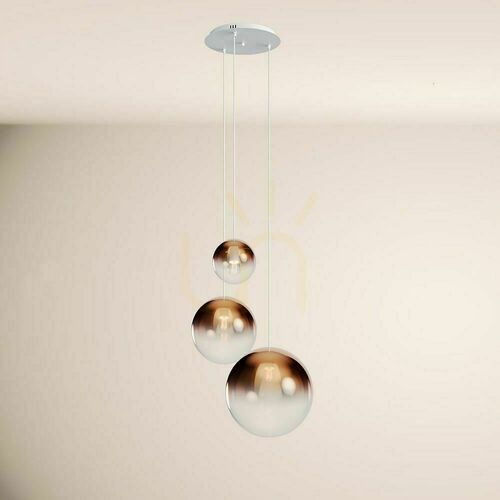
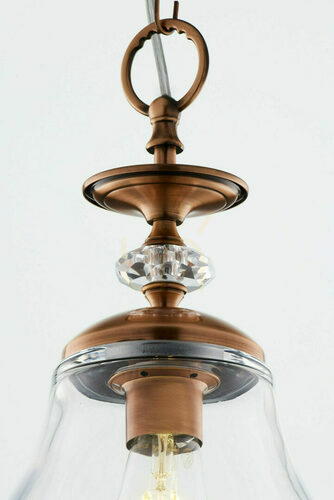
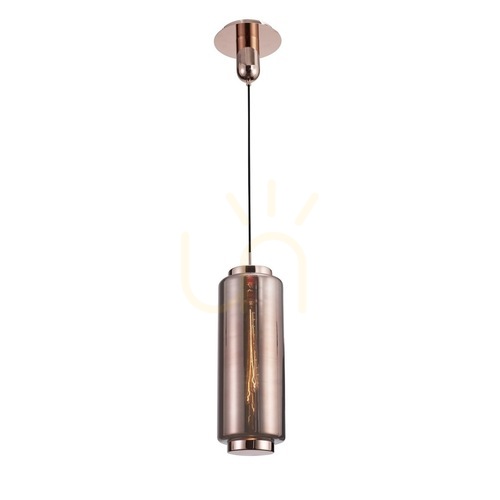
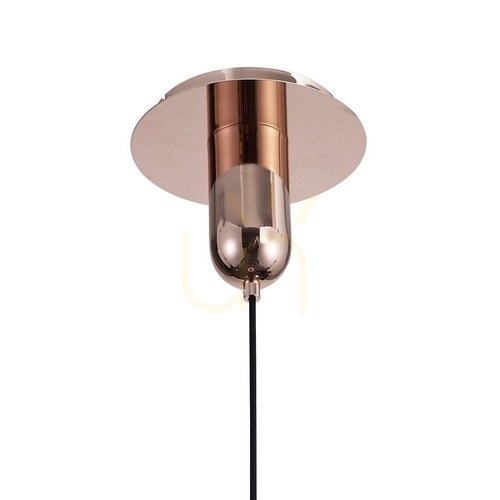
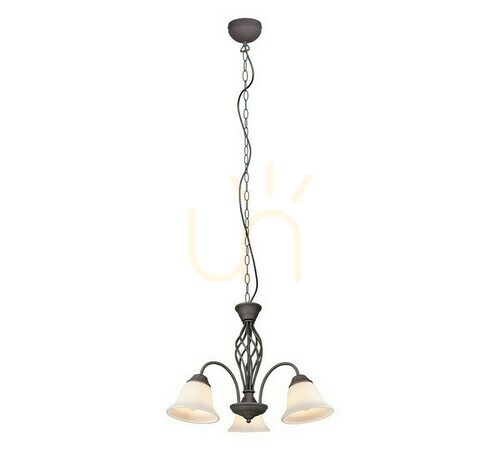
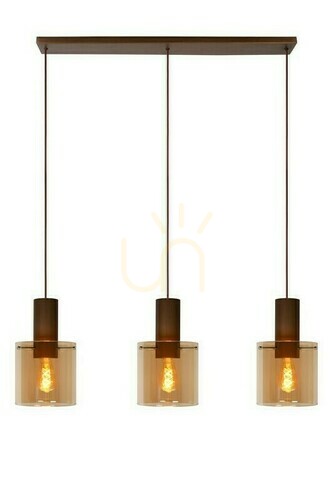
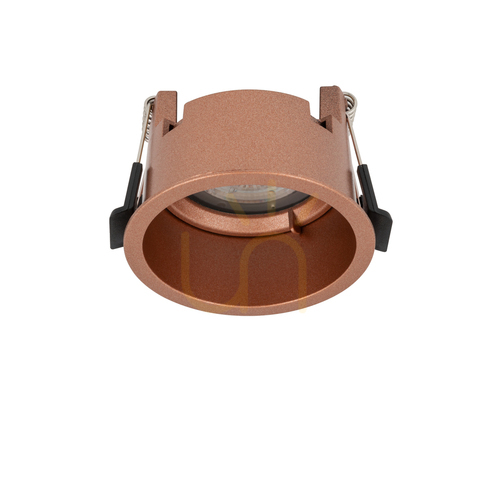
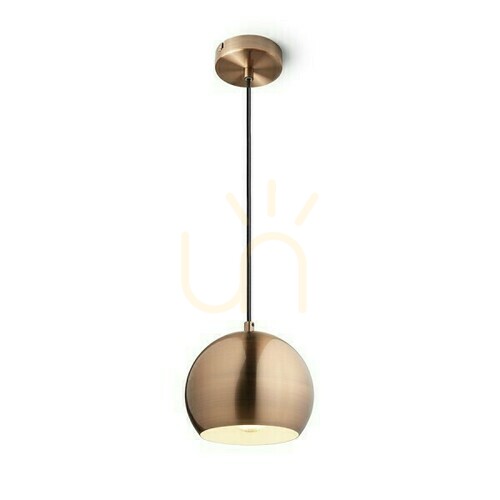
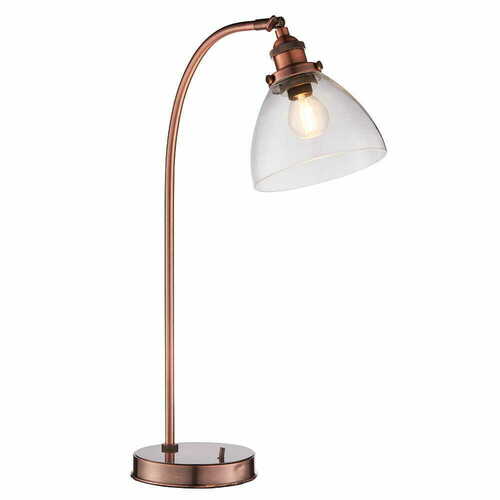
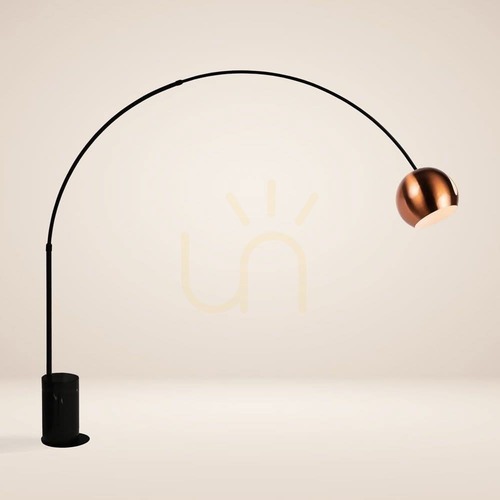
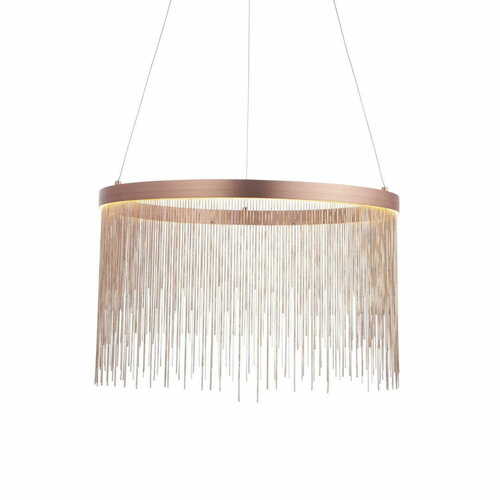
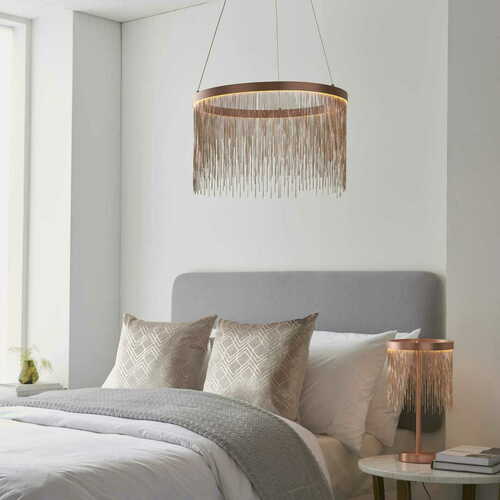
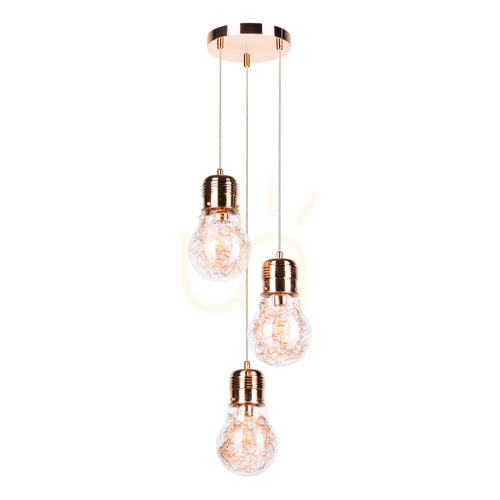
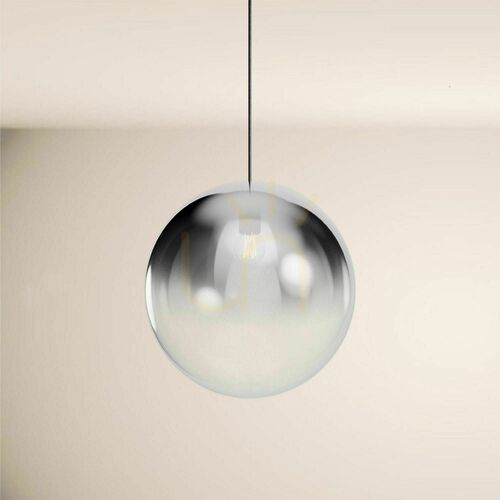
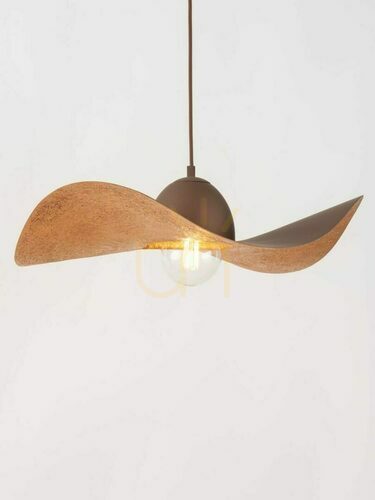
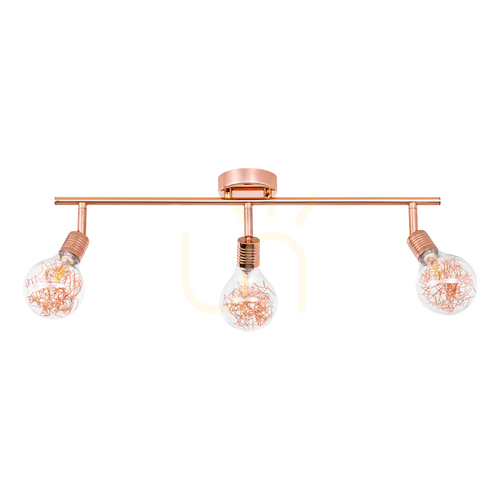
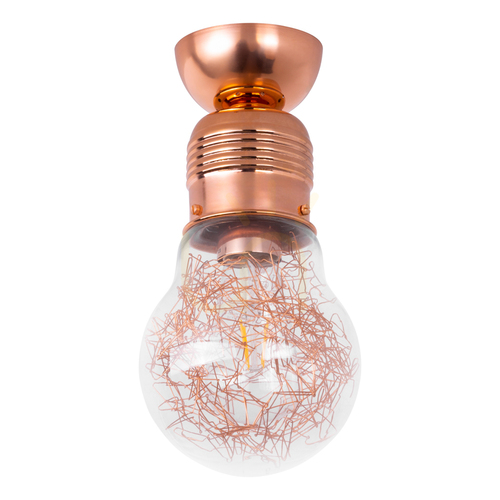
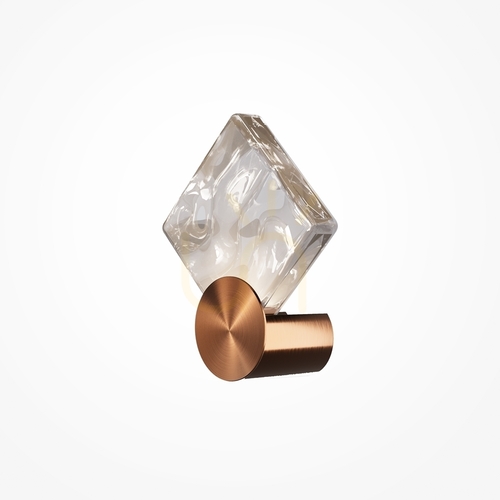
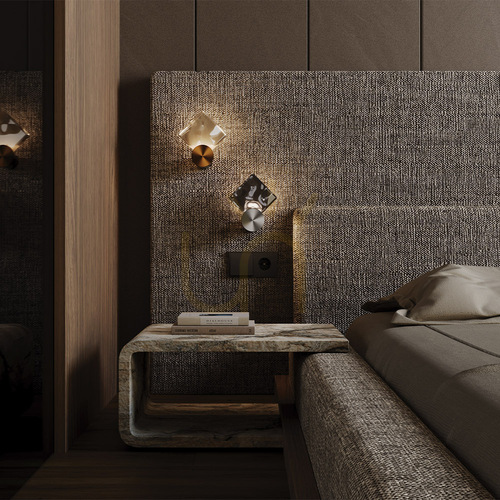
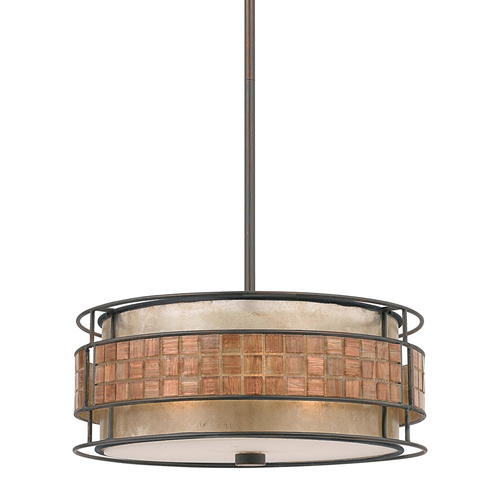
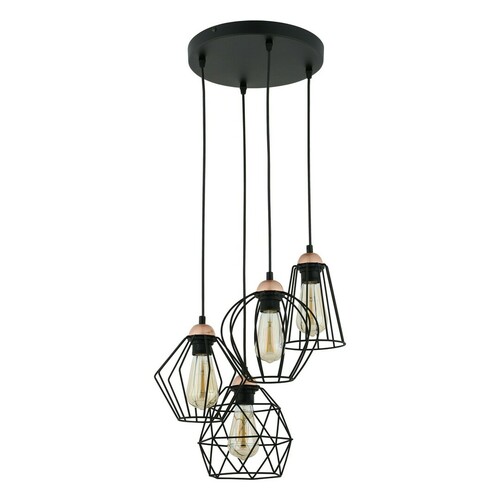
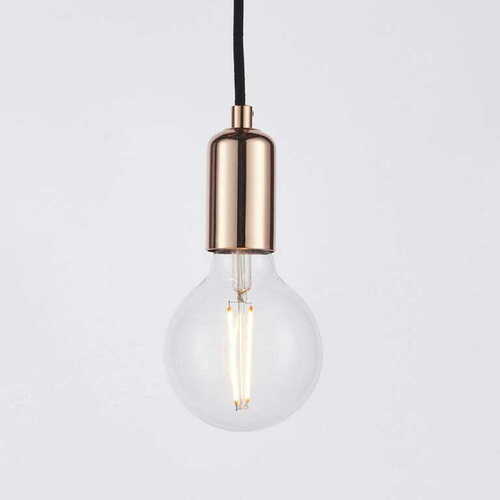
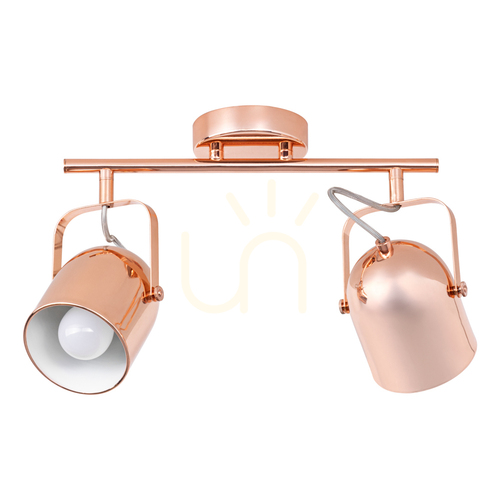
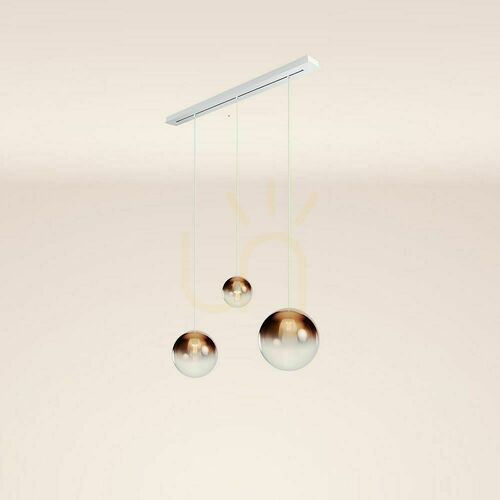
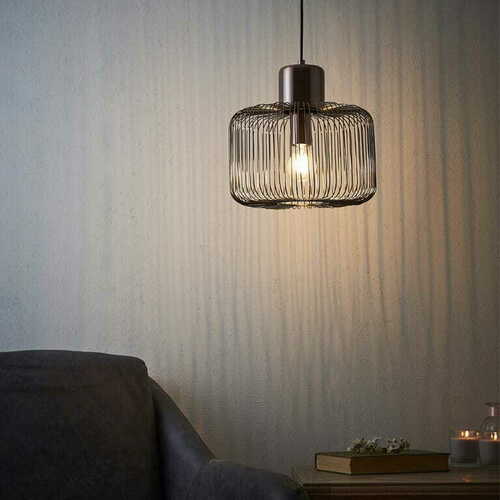
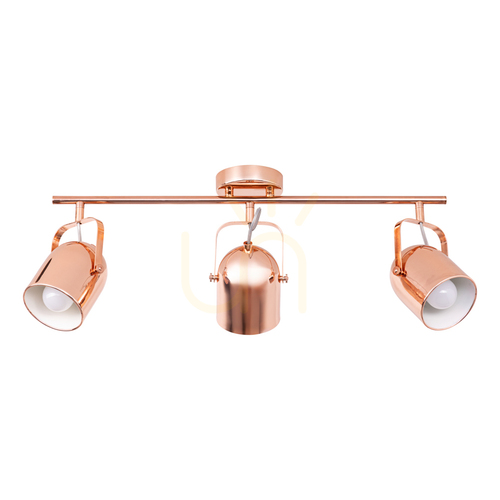
A copper lamp is any light whose shade, body, arm or base carries the reddish-orange tone of copper, from a pendant over the kitchen table to a reading lamp by the sofa. The metal does more than decorate: it bounces the bulb's glow back as a soft amber, so the light feels warmer than the same bulb under chrome or white.
That warmth is why copper turns up in so many British interiors, whether it's an industrial kitchen with exposed brick, a Victorian terrace with dark painted walls or a pared-back Scandinavian living room. What separates a lamp that still looks good in ten years from one that blotches is mostly the finish, so it pays to know what you are looking at.
Solid copper, plated or just copper-coloured?
"Copper" in a product name usually describes the colour rather than the metal. Most bodies are steel or aluminium with an electroplated copper layer, a powder coat or a tinted lacquer on top; glass shades are often metallised on the inside. Solid copper is soft and heavy, so you mostly meet it in hand-hammered shades and small-workshop pieces.
Neither is better as such, they just age differently. A lacquered or plated surface keeps its colour for years. Raw copper darkens to a deep brown and, in damp air, can develop a green patina. Some people buy raw copper precisely for that; others want the day-one shine to stay put.
Picking the right copper light for each room
Typical sizes and fittings differ by lamp type. The table gives the usual starting points for a UK home, where standard ceilings sit around 2.4 m.
| Lamp type |
Where it works |
Typical values |
Worth checking |
| Pendant |
over a dining table or kitchen island |
bottom of the shade 65–80 cm above the worktop or table |
copper-lined shades give warmer light, white-lined ones brighter task light |
| Flush or semi-flush ceiling light |
hallways, landings, low-ceilinged bedrooms |
drop under 30 cm keeps head height clear on a 2.4 m ceiling |
whether the canopy covers the existing ceiling rose |
| Table lamp |
bedside, console, desk |
E14, E27 or B22 bayonet cap; LED of around 4–8 W |
a weighted base and a switch you can reach without touching the shade |
| Floor lamp |
reading corner, beside the sofa |
usually 140–180 cm tall |
an adjustable arm or head for directing light onto a book |
| Wall light |
stairs, landings, either side of a mirror |
commonly fixed 150–180 cm above the floor |
whether it needs a hard-wired connection or plugs in |
| Bathroom fitting |
bathroom zones 1 and 2 |
IP44 or higher near the bath or shower |
lacquered finishes; raw copper discolours fast in steam |
Light colour and bulbs
Copper looks richest under warm white light of 2700–3000 K. Cooler 4000 K bulbs flatten the colour and make the metal look slightly grey. For open pendants and cage designs, a decorative filament LED keeps the vintage look without the glare. Metal shades get hot with old incandescent and halogen bulbs, whereas LEDs run far cooler, which matters for anything you might touch, like a table lamp shade.
A solid metal shade throws light downwards and leaves the ceiling dark. That suits a dining table, but a living room needs a second layer, so think about pairing a copper pendant with a floor lamp or wall lights in the same tone. Repeating the metal two or three times at different heights ties a room together better than one statement piece.
Finishes and how to look after them
Polished copper has a mirror shine and shows every fingerprint. Brushed copper, with fine parallel lines and a satin sheen, hides marks and suits busy kitchens. Antique, aged or burnished finishes arrive already darkened and look at home in period properties. Black or white shades with a copper lining are the go-to for industrial schemes.
Always switch off and let the lamp cool before cleaning. Lacquered and plated surfaces only need a soft, slightly damp cloth, then dry them straight away. Copper polish, lemon juice, vinegar and scouring pads are for raw copper only, because on lacquer they leave dull patches that cannot be buffed out.
Copper lamp questions
What does a copper lamp actually do for a room?
It shifts the mood towards warm. Copper reflects light with an orange-red cast, so a copper shade or lining makes the same bulb feel cosier, and even when off, the metal adds a warm accent against grey, white or dark walls.
Are copper lamps safe?
Yes, as long as the lamp carries a UKCA or CE mark and is installed correctly. Metal-bodied fittings are often Class I, which means the earth wire must be connected. New hard-wired lights should be fitted by a qualified electrician working to BS 7671.
Is a copper table lamp a good bedside choice?
It works well if you choose a shade that hides the bulb from your eyes when lying down. A fabric or opal glass shade on a copper base gives softer reading light than a bare metal dome.
How do I keep an antique copper lamp looking right?
Leave the darker tone alone; that is the finish. Dust it with a dry cloth and avoid polishes, which would strip the deliberate ageing back to bright metal. An older lamp with original wiring is worth having checked by an electrician before use.
What colours go with a copper lamp in a living room?
Deep greens, navy, charcoal and terracotta make copper glow; warm whites and natural wood keep it calm. Copper also sits comfortably next to black metal and works with brass if one of the two clearly leads.
Can I use a copper floor lamp for reading?
Choose one with an adjustable head and a shade that is light inside. A closed copper dome with a copper lining gives atmosphere but rather little usable light on a page.
Weighing copper against a yellower metal? More on gold lights. For lighting the home in any finish, see indoor lights.