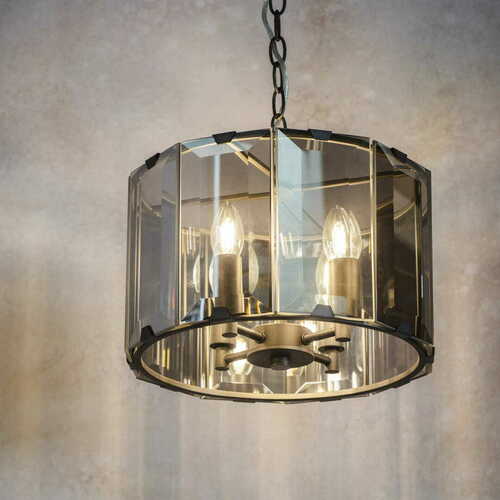
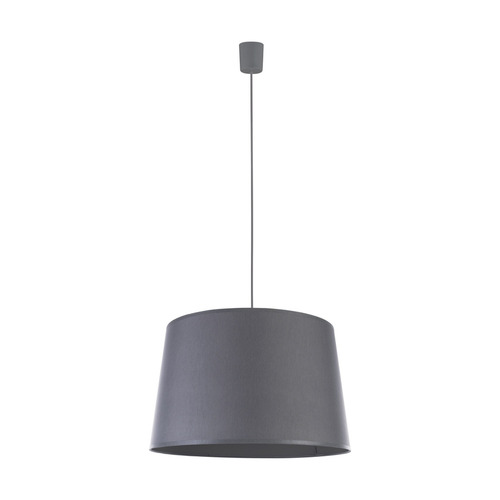
Grey pendant lamps - universal style and timeless elegance for any interior
Introduction
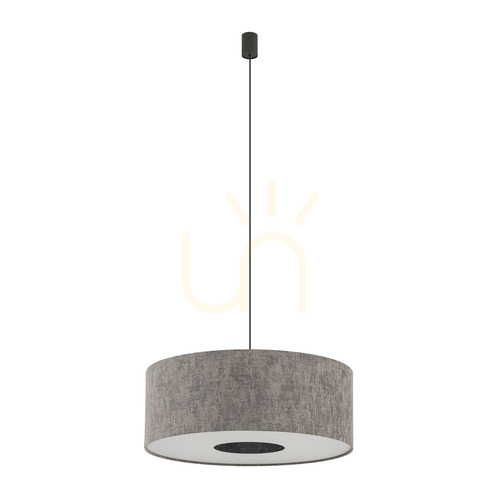
Gray light fixtures have had a strong place in interior design for years. The neutral character of the color creates the perfect background for form and light, while highlighting the texture of materials, from wood and stone to glass and metal. Grey pendant lamp can be decorative, but not overwhelming; it is an accent, not a dictate. It is thanks to this that gray pendant lamps are chosen by both lovers of minimalism and supporters of modern classic, japanese or loft style. In the following guide we show you how to consciously choose a model for the function and proportions of the room, how to plan to hang it over a table, island or sofa, as well as how to compose the light so that it is at the same time comfortable, economical and visually beautiful. A gray pendant lamp, properly matched to the light color and mounting height, can transform the perception of the entire space, giving it coherence and rhythm.
Why gray works in lighting
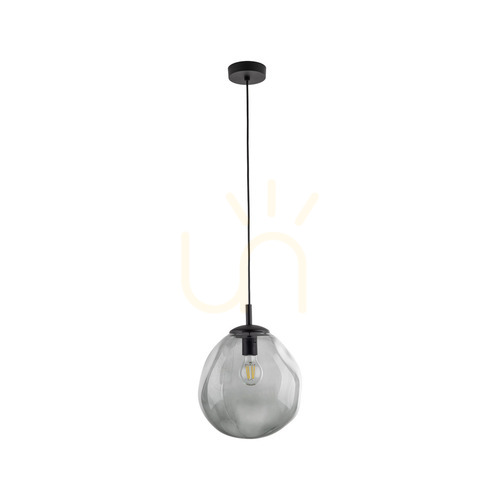
Gray is malleable. Accepts the proximity of other colors and materials, without fighting with them for priority. In white it adds depth, in black it lightens the contour, with green plants it blends naturally, and with navy blue it creates a sophisticated contrast. In lighting application, this means that the gray pendant lamp can either become a backdrop for the mood or its discreet enhancement. Matte finishes absorb some of the reflections and calm the composition, semi-glosses boost the plasticity of the light, and smoked glass diffuses the stream, slightly toning its intensity. When builders are looking for a single, safe choice for multiple rooms, a gray pendant lamp is the answer that works today and will remain relevant in a few seasons.
Style and character - from minimalism to loft
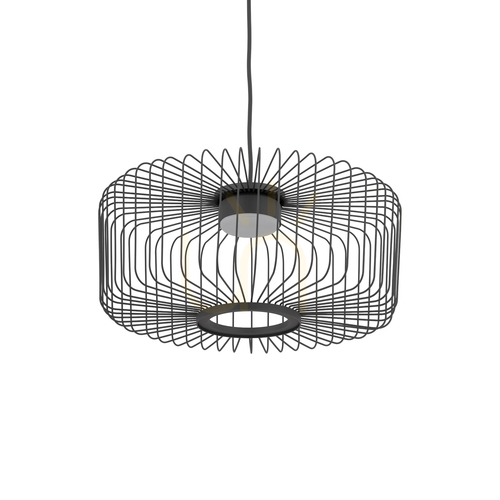
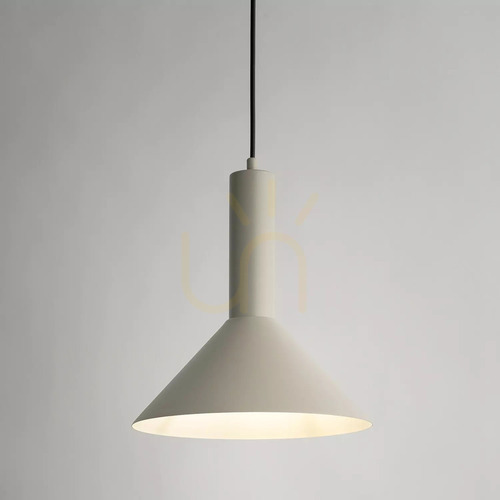
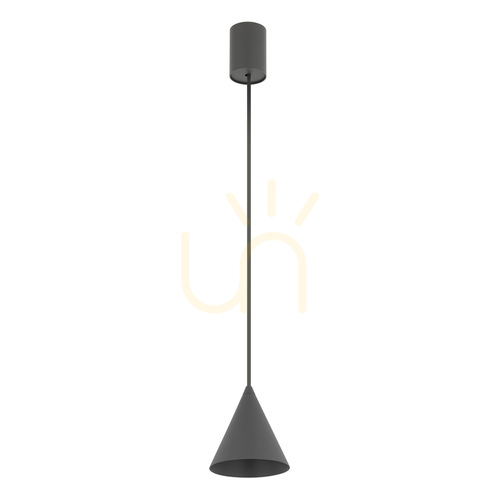
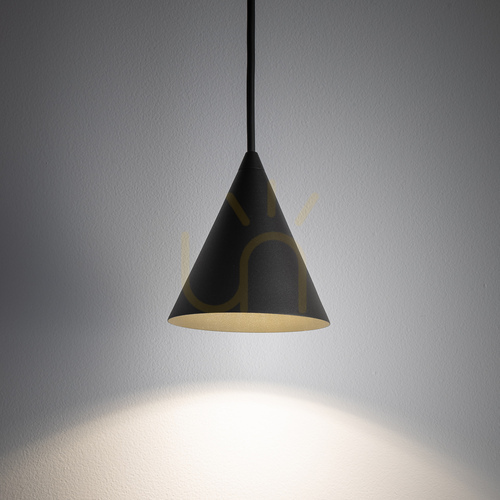
One of the biggest advantages of a gray fixture is its adaptability to many aesthetics. In minimalist layouts, cylinders and tubes suspended in rhythm work well, giving a clear, modern line over a countertop or island. In loft arrangements, a raw powder-coated metal lampshade or architectural concrete with soft milled edges is a good choice. In modern classic, shiny chrome or gold elements dialogue with the gray of the fabric lampshade, while in japanese, semi-matte finishes and organic curves of the lampshade emphasize the calm, balanced nature of the composition. This shows that purely decorative lamps and strictly functional solutions do not have to be mutually exclusive - a gray palette ties the whole thing together.
Selection for rooms - a practical guide
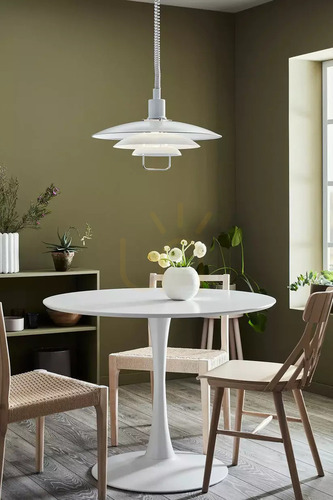
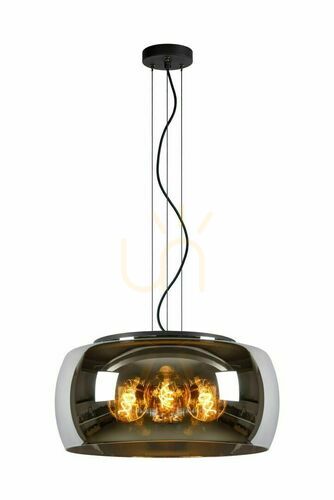
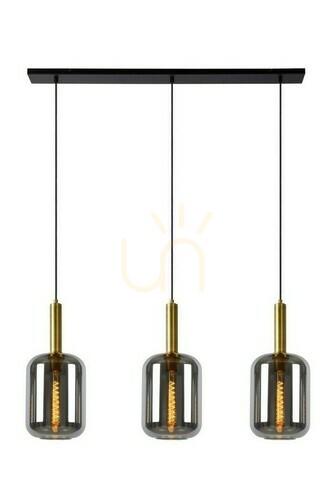
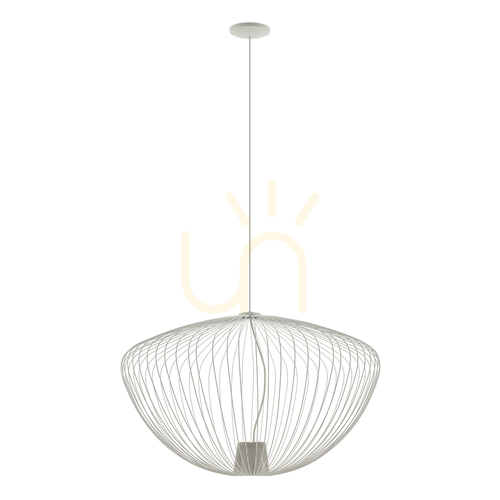
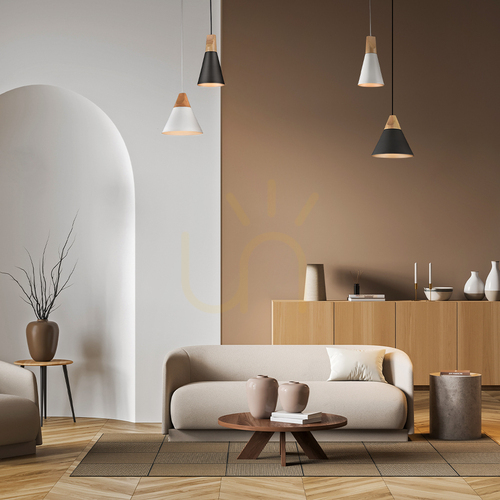
The living room requires varied light. The main gray pendant lamp above the coffee table marks the conversation and relaxation zone; if there is a reading nook in the same room, it is worth completing the layout with a floor lamp and wall lamp, keeping the finishes consistent. In the dining room, the priority is to illuminate the countertop evenly and not to dazzle the interlocutors. Here, a large gray pendant lamp with a soft hemispherical or oval profile often appears, hung low to create a pleasant capsule of light over meals. In the kitchen, function is key - a row of several small overhangs set at equal intervals or an elongated linear luminaire works well over an island. In the bedroom, symmetry and order are introduced by two overhangs by the bed, which free up space on the bedside table tops, while in the hallway, an elongated corridor gains rhythm from the repetition of smaller lampshades in the same color.
Proportion, scale and hanging height
The choice of lampshade size should be based on the size and geometry of the interior. Too small a fixture in a large room gets lost, too large overwhelms in a small space. In the dining room, a good starting point is a diameter that is about one-third the width of the table, and the lower edge of the lampshade located about seventy-eight centimeters above the tabletop. Above the kitchen island, the distances between the axes of several overhangs can be equaled to the width of the cooktops or sink, so that the light actually works in the areas of activity. In high interiors, it is worth using longer wires, which brings the lamp closer to the user and organizes the vertical space. When we plan a large gray pendant lamp in the living room, it is good to juxtapose it with a soft sofa and a rug, so that sound and light create a comfortable zone.
Materials and finishes - what to choose and why
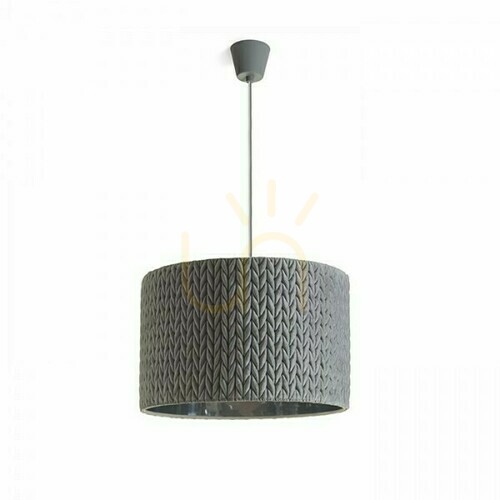
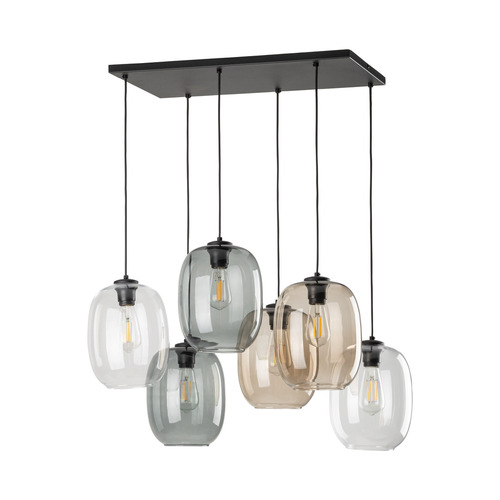
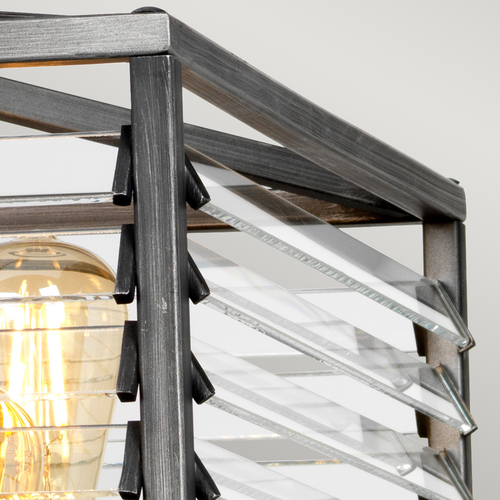
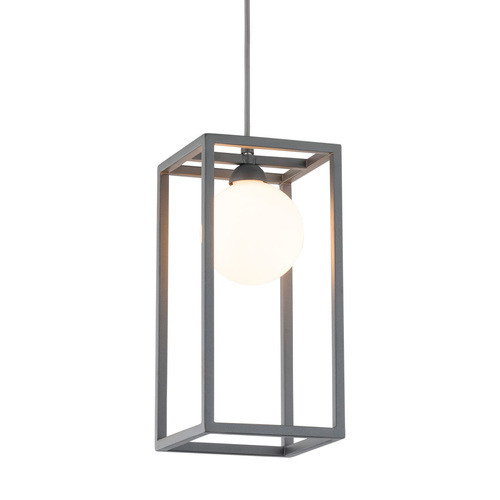
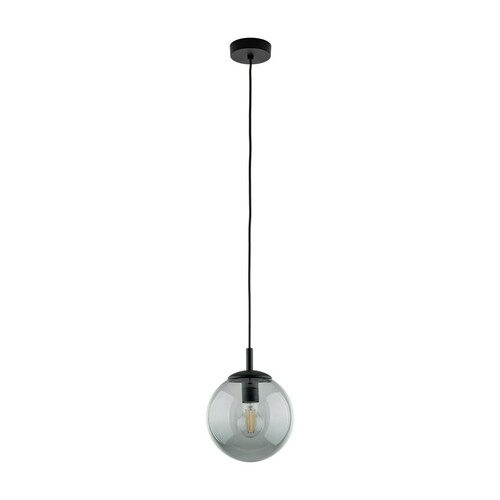
Powder-coated metal gives resistance and consistent color. The smoked glass creates a soft glow and subtly blurs the source, while the milk glass provides an even ball of light without point glare. Architectural concrete emphasizes the rawness of the loft, velour and fabric add coziness in the bedroom and living room. Wood in the details warms the composition, but in combination with gray it does not lose its modernity. The gray pendant lamp in semi-matte will work well in interiors with a lot of shiny surfaces, because it acts as a balancing filter. On the other hand, a soft sheen on the lampshade will add depth to the arrangement if the walls and furniture are matte.
Light color, CRI and dimming
The choice of light color determines the mood. Warm 2700-3000 K will like lounge areas and dining rooms, neutral 3000-3500 K will work well over the kitchen counter and in the study. It is worth paying attention to the color reproduction index - the higher it is, the more natural-looking the wood, fabrics and dishes are. Grey pendant lamp with high CRI LED source will show the stone drawing and delicacy of textures. If the luminaire works with a dimmer, a single lamp can generate morning functional light, afternoon neutral light and evening twilight that promotes tranquility. In such a configuration, gray pendant lamps become a tool for managing the rhythm of the day.
Installation and safety of use
Even the most beautiful luminaire requires correct installation. Power points are good to plan early so that the wire and rosette are not compromised. The suspension should be matched to the weight of the lampshade and the type of ceiling; for heavier luminaires, it is a good idea to use appropriate expansion bolts or chemical anchors. The wires should have a provision for height adjustment and be aesthetically concealed. If the lamp is above a table or island, it should not enter the field of view when talking. In wet rooms, you need to take into account the increased degree of protection, and in commercial spaces - the requirements of fire and health and safety regulations. A well-installed gray pendant lamp works safely and remains stable for years.
Maintenance and cleaning - simple habits
Gray surfaces are graceful to maintain because they hide fine dust and fingerprints better than glossy black or snowy white. Clean metal and glass with a soft, slightly damp cloth, avoiding aggressive detergents. Textile lampshades can be refreshed with a gentle vacuum or fabric roller, and velour can be combed with a soft brush following the direction of the bristles. Regularity is more important than intensity - short, systematic treatments preserve the color and texture of the lampshade for longer, so the gray pendant lamp still looks new.
Sustainable choice and long product life cycle
Neutral color scheme promotes longevity of design. As the fashion for extreme accents passes, the gray pendant lamp remains relevant, reducing the need for replacements and reducing the environmental footprint. It is worth choosing fixtures with a replaceable LED source, which makes it possible to repair instead of replacing the entire lamp. Durable materials and serviceable designs also work for the planet and the budget. If the functions of the rooms in the house change, the same fixture can move from the dining room to the study or from the living room to the bedroom, maintaining the visual coherence of the apartment.
The most common mistakes when choosing and how to avoid them
The first mistake is sometimes to ignore proportions. Too small a fixture over a large table diffuses light and looks random. The second - the wrong color and temperature of light in relation to the purpose of the room. The third - the lack of height adjustment, which makes it impossible to adapt the lamp to changing scenarios. The fourth - random mixing of finishes, making the fixture clash with furniture handles, woodwork or fixtures of other lamps. The solutions are simple: check the dimensions, choose LEDs with the right parameters, take care of adjustments and stick to a limited material palette.
Composing colors and textures around the lamp
Gray likes the company of warm and cool tones, but it feels best in consistent combinations. If the walls are light and matte, you can introduce a lampshade with a soft sheen. When the arrangement is dominated by stone or concrete, it is worth spicing up the scene with wood with clear grain, which will add life to the interior. Textiles - curtains, carpets, pillows - can repeat the shades of the lampshade or introduce a counterpoint. The gray pendant lamp then becomes the glue that keeps the dialogue of materials in check.
Light scenarios in practice
During the day we need functional light. In the evening we crave softness and peace. One luminaire can handle multiple roles if we use dimming and prudently planned source. Above the table, brighten the lamp during remote work and manual tasks, and at dinner time, dim it to a level that is conducive to conversation. In the living room, the TV area requires a soft background light, so the gray pendant lamp should give room to discreet accents elsewhere. Composing layers in this way makes it possible to create interiors that respond to the rhythm of the day without changing the design.
Case study - three different spaces
In a studio apartment with a room height of just over two and a half meters, the best solution turned out to be a compact, shallow hemisphere of milk glass in dove-colored. It provided a wide, non-glare light, and the gray color of the lampshade combined the white of the walls with the graphite sofa. In a detached house with an open kitchen and dining room, the investors chose a duo: above the island the rhythm of three slender tubes in cool gray, above the table one large gray pendant lamp with a fabric lampshade, which binds the whole and mutes the acoustics. In a design office with a concrete ceiling hangs a smoked glass sphere with a diameter of forty centimeters; when dimmed, it creates a mood conducive to presentations, and at full power it evenly illuminates the work table.
Descriptive FAQ - answers in continuous form
What light color should I choose for the dining room? Most often, a warm temperature in the 2700-3000 K range works well, because it highlights the colors of food and promotes conversation. What height of suspension above the tabletop will be comfortable? In practice, the range of seventy-eighty-something centimeters works well, but ultimately the height of the household members and the proportions of the table are decisive.. Does a gray lampshade darken a room? No, if the correct parameters of the source and transparency of the material are selected; smoked glass diffuses, and milky glass gives a uniform glow without point glare. Is one lamp enough in a living room? It is best to consider it as part of a system that also includes indirect and accent light. Will a gray pendant lamp work in a small room? Yes, especially in compact, shallow or openwork geometry versions that do not visually weigh down the interior.
Summary - versatility that does not bore
Gray pendant lamps combine pragmatism with aesthetics. They give you the freedom to combine materials, fit in with many styles and don't age as quickly as strong seasonal accents. The gray pendant lamp over the table builds a meeting scene, the gray pendant lamp in the living room organizes the space, and the gray pendant lamp in the bedroom becomes an ally for evening relaxation. When we need an expressive gesture, there is a large gray pendant lamp that introduces proportion and rhythm. It's a sensible choice as well as a beautiful one, and with the right LED sources, it's also economical and convenient for daily use.
Substantive addition 1 - gray light and ergonomics
Ergonomics of lighting is the arrangement of light points in such a way that the body and eyesight remain in comfort. The gray pendant lamp over the desk must not cause reflections on the screen, so it is a good idea to hang it off the axis of the monitor and use a milky source with a wide angle of light. In dining areas, the color temperature should be conducive to conversation and emphasize natural skin tones, so warm light often wins out over neutral light. When there is a projector in the living room, the gray pendant lamp when dimmed creates a subtle background that does not tire the eye. The height of the suspension should be considered a seasonally adjustable parameter, because in autumn and winter we use artificial light more often. In practice, users also appreciate luminaires with the ability to replace the source and service it, which extends the life of the product. The large gray pendant lamp remains the central protagonist of the table in this arrangement, while smaller overhangs support the kitchen and hallway, building a coherent narrative of the house.
Substantive addition 2 - gray light and ergonomics
Lighting ergonomics is about arranging light points in such a way that the body and eyesight remain in comfort. The gray pendant lamp over the desk must not cause reflections on the screen, so it is a good idea to hang it off the axis of the monitor and use a milky source with a wide angle of light. In dining areas, the color temperature should be conducive to conversation and emphasize natural skin tones, so warm light often wins out over neutral light. When there is a projector in the living room, the gray pendant lamp when dimmed creates a subtle background that does not tire the eye. The height of the suspension should be considered a seasonally adjustable parameter, because in autumn and winter we use artificial light more often. In practice, users also appreciate luminaires with the ability to replace the source and service it, which extends the life of the product. The large gray pendant lamp remains the central protagonist of the table in this arrangement, while smaller overhangs support the kitchen and hallway, building a coherent narrative of the house.