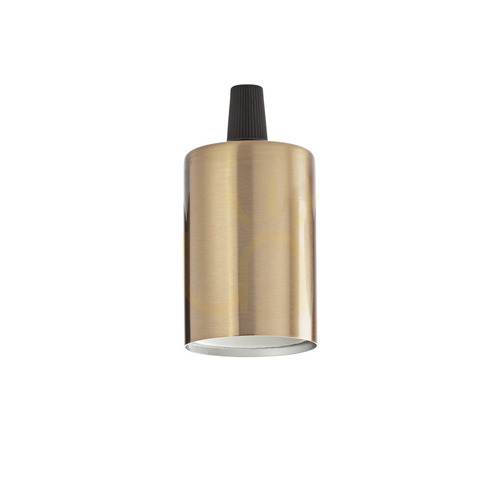
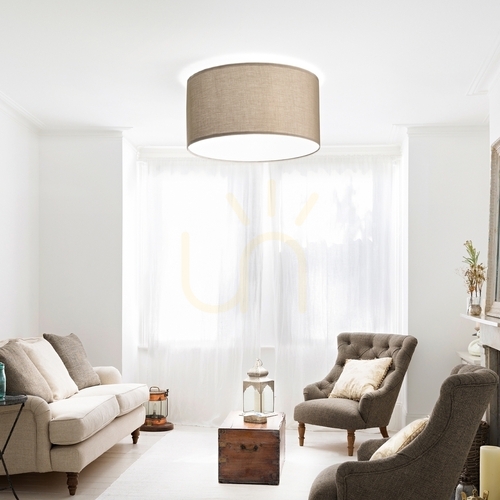
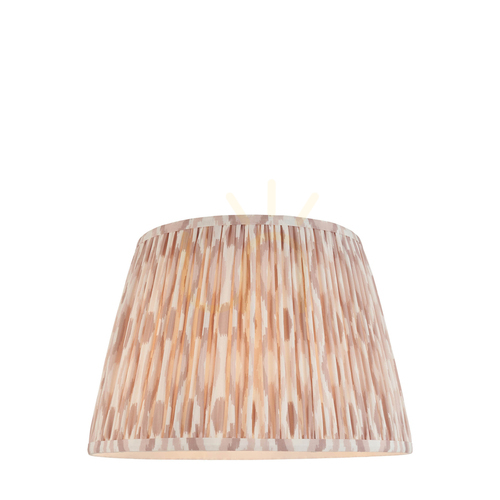
Push and twist, or screw in? In a British home the answer used to be bayonet cap almost every time, but more and more fittings, pendant kits and decorative filament bulbs arrive with the screw-in Edison cap. An E27 lamp holder is the socket for those bulbs: the large Edison Screw, ES for short, with a thread about 27 mm across. You need one when you build a pendant or a lamp from parts, swap a cracked holder in a continental fitting, or decide that the filament bulb you love deserves its own flex rather than an adaptor.
ES, BC and their small siblings
The two families of bulb holder behave differently. A bayonet holder takes a cap with two side pins that you push in and turn; a screw holder takes a cap that you turn into a threaded sleeve. Each comes in a large and a small size, and shades are made to suit one holder rather than all of them.
| Cap |
How the bulb goes in |
Where you usually meet it |
Shade fixing |
| BC (B22) |
push and twist, two pins |
traditional UK ceiling roses, pendants, table lamps |
ring on a bayonet holder; check the shade's fitter hole |
| SBC (B15) |
push and twist, smaller cap |
small table lamps, candle bulbs in older fittings |
small shades and clip-on shades |
| ES (E27) |
screw in, 27 mm thread |
continental and imported fittings, filament and globe bulbs |
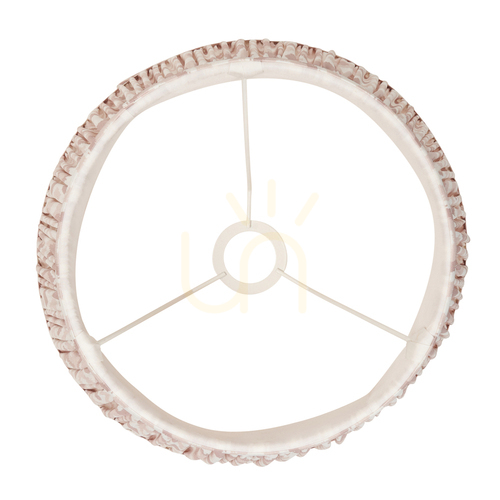
shade ring on a threaded skirt, fitter hole around 40–42 mm |
| SES (E14) |
screw in, 14 mm thread |
chandeliers, wall lights, candle bulbs |
smaller ring, smaller fitter hole |
A plug-in BC-to-ES adaptor works, but it adds length, so the bulb can hang below the shade and the whole thing looks improvised. Changing the holder itself is the tidier fix.
Threaded skirts, shade rings and fixings
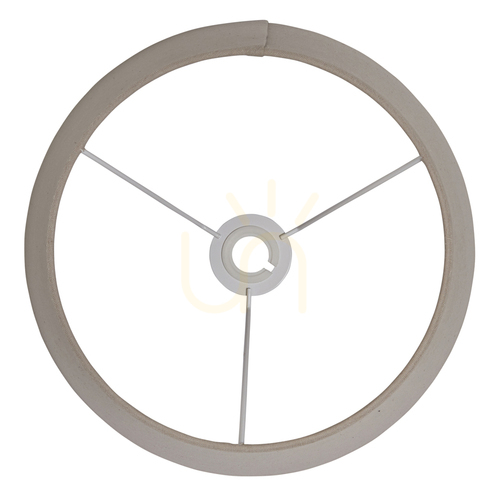
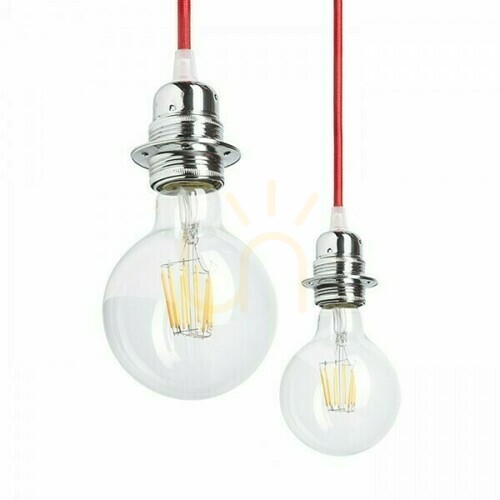
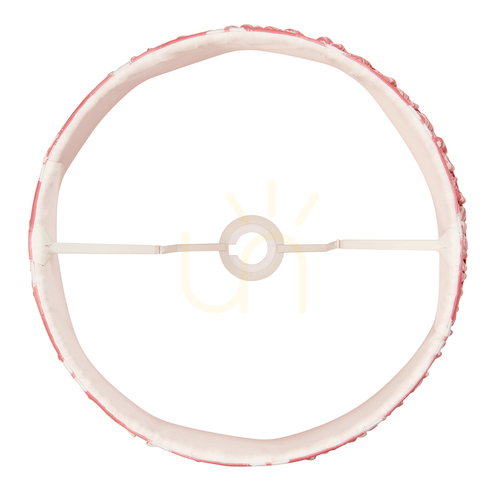
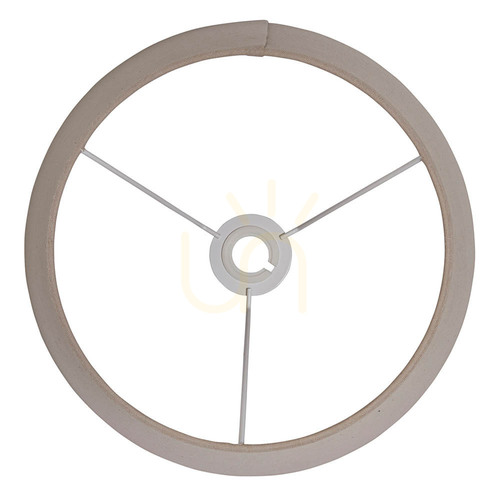
An ES holder with a threaded skirt takes a shade ring, and most holders are designed to use two: one above the shade and one below, clamping it in place. Plain, smooth-bodied holders are meant to sit inside a lamp base or a housing where the shade is fixed some other way. At the cable end, most E27 holders have a 10 mm threaded entry (M10x1) that screws onto a lamp arm, a threaded tube, a hook or a batten mount. Flat-based versions screw straight to a ceiling or wall and suit a loft, a garage or a cupboard under the stairs.
Materials and heat
Thermoplastic holders in white or black are the everyday choice and are perfectly happy with LED bulbs. Bakelite suits a vintage look with an exposed filament bulb. Porcelain or ceramic copes best with heat, which is why it is used with halogen and infrared heat lamps. Brass, aluminium and other metal holders are decorative but must be earthed. Every holder carries a maximum wattage and a temperature marking such as T140 or T210; a closed glass shade traps far more heat around the thread than an open one.
The holder does not shape the light; the bulb does. Choose by lumens rather than watts: about 600–800 lm replaces an old 60 W bulb. Warm white at 2700–3000 K suits living rooms, neutral 4000 K a workshop.
Wiring it safely
Brown (live) goes to the centre contact and blue (neutral) to the screw shell, so the thread you might brush while changing a bulb is not live. A cord grip in the holder or ceiling rose takes the weight of the lamp, never the terminals. On a metal holder, the green-and-yellow core of a three-core flex goes to the earth terminal. Anything connected to the fixed wiring should meet BS 7671, so leave that part to a qualified electrician and isolate the circuit first.
Things that catch people out
- Buying an ES shade ring for a BC holder, or the other way round: the threads and sizes do not match.
- Assuming every holder takes any bulb: switched and splitter holders are often rated only 2 A, fine for LED but not for a big halogen.
- Using an indoor holder on an open porch: outside you want IP44 at least, and IP65 where rain lands on it directly.
- Cleaning scorched or green contacts and carrying on: a damaged holder should be replaced.
Frequently asked questions
What is an E27 socket?
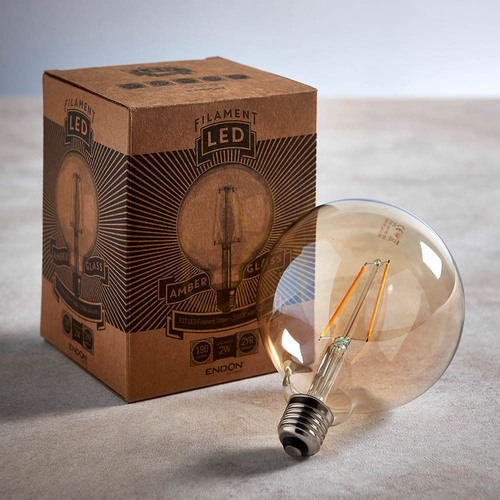
A screw-in socket with an Edison thread about 27 mm across, known in the UK as ES or Edison Screw. Standard LED bulbs, globes and most decorative filament bulbs use it.
What are the two types of bulb holders?
Screw and bayonet. Screw holders (ES and the smaller SES) take a cap that turns in; bayonet holders (BC and the smaller SBC) take a cap with two pins that you push and twist.
What is the part that holds a light bulb called?
A lampholder, or bulb holder. The metal end of the bulb itself is the cap.
What is the hole size for an E27 lampshade?
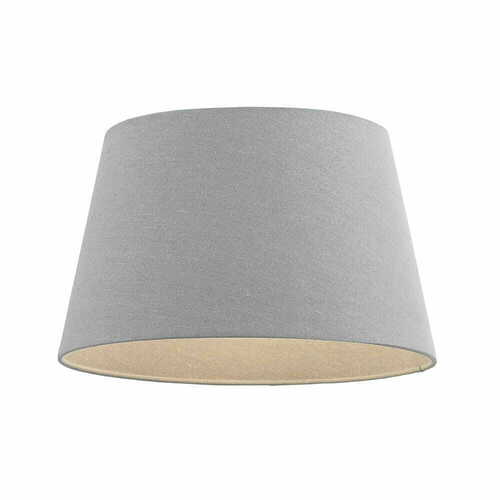
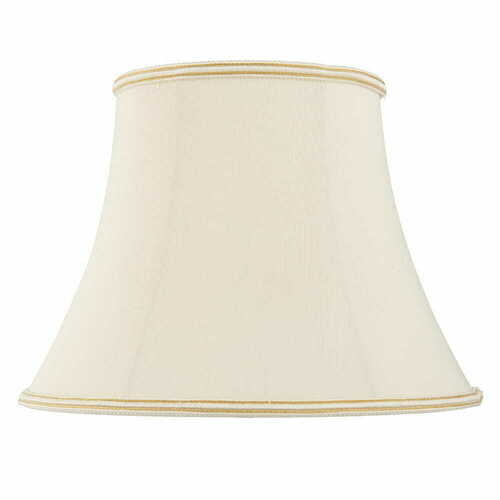
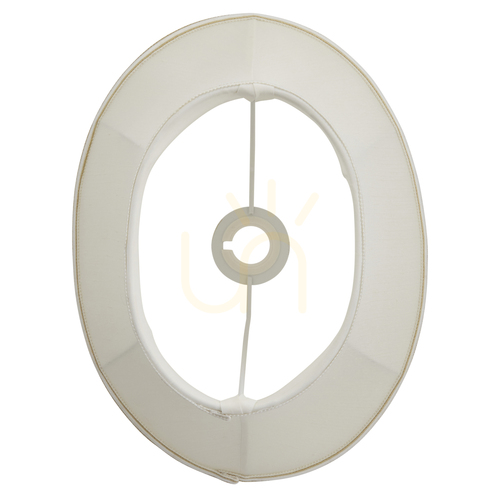
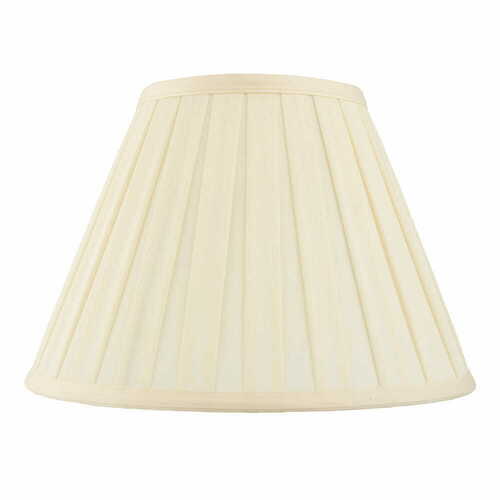
A shade made for an ES shade ring usually has a fitter hole of around 40–42 mm. A shade made for a smaller holder will not slip over an ES skirt.
Can I use an E27 lamp holder with a plug?
Yes. A holder on a flex with a plug makes a simple table or shelf lamp. A UK plug should carry a fuse matched to the flex, usually 3 A for a lamp.
Is E26 the same as E27?
Almost. E26 is the North American size and the threads usually fit each other, but E26 bulbs are made for 120 V. In a 230 V holder, always use a bulb rated for 230–240 V.
If you would rather start from a finished fitting, read about lamps with an E27 holder; for flex, ceiling roses and switches see lighting accessories.