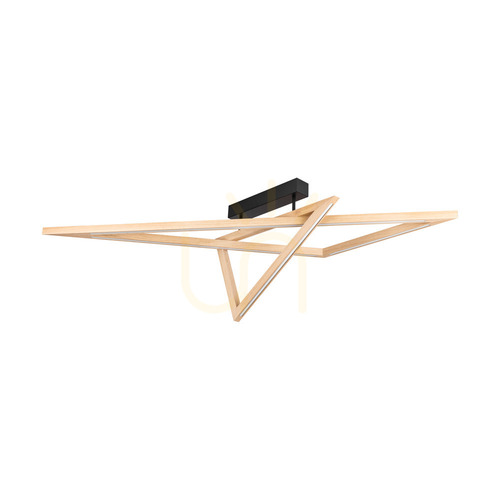
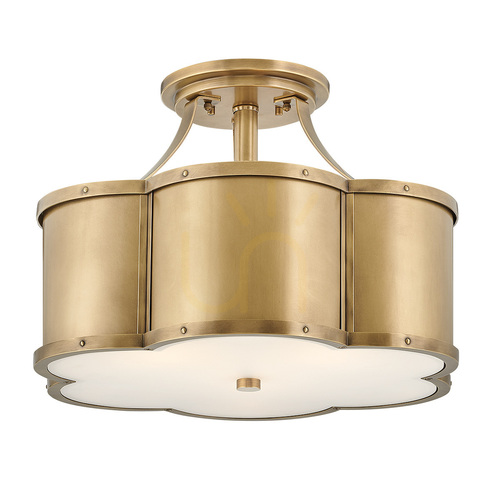
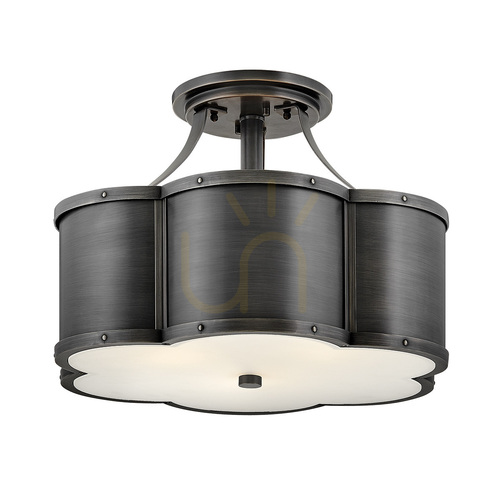
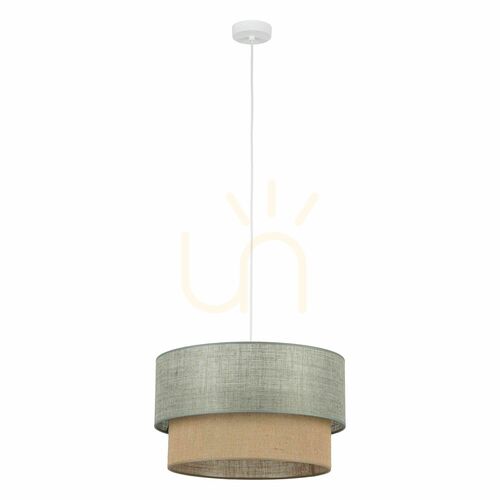
The best hallway ceiling lights spread soft, even light from the front door to the foot of the stairs without dazzling anyone stepping in from a dark street. In a hallway the shape of the space matters more than the wattage of one fitting: a tight entrance hall, a long corridor and a tall stairwell landing each call for a different kind of ceiling light.
Hall, corridor or landing: three different jobs
Most British homes funnel everything through the hall – coats, post, shoes, the route upstairs – and many halls have no window of their own. Ceilings in modern houses and flats usually sit at around 2.4 m, which rules out anything that hangs low. Victorian and Edwardian terraces often have taller ceilings and a stairwell that opens up to the landing above, which is where a pendant or lantern can come into its own.
-
Small entrance hall – a single flush or semi-flush fitting is usually enough, as long as it lights the area by the door and the mirror.
-
Long, narrow corridor – several smaller fittings or a row of downlights work better than one bright light in the middle, which leaves both ends gloomy.
-
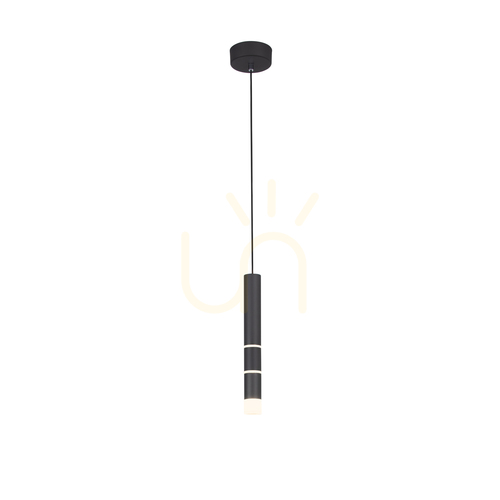
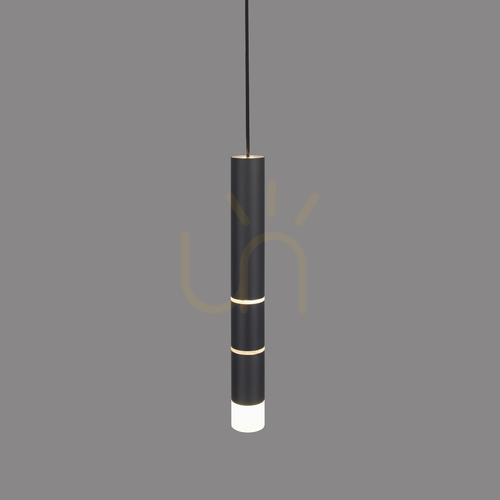
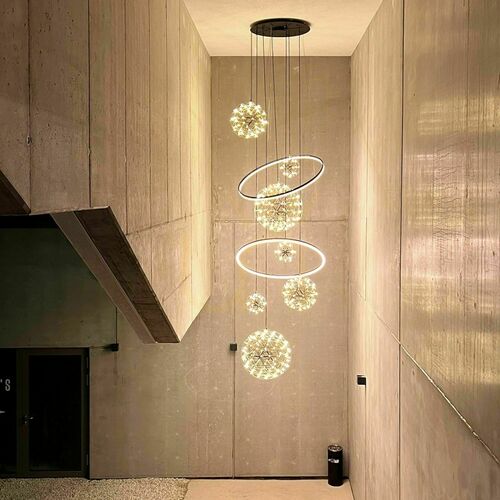
Stairwell and landing – a pendant on a longer drop fills the vertical space, backed up by lower light near the treads.
Flush, semi-flush, downlights or a pendant?
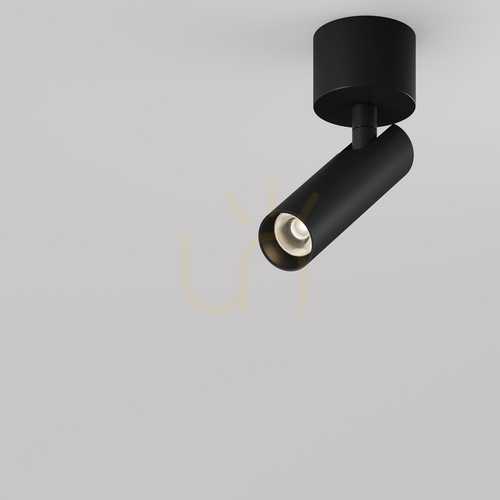
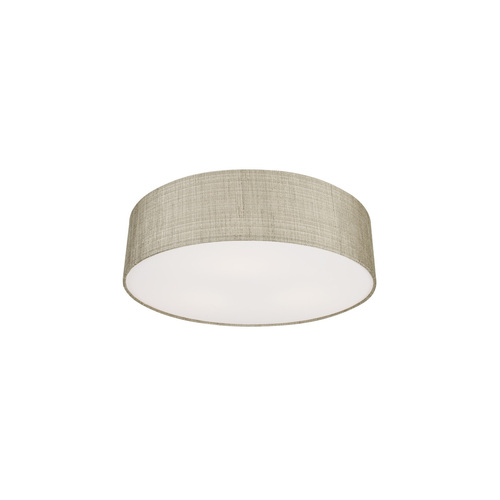
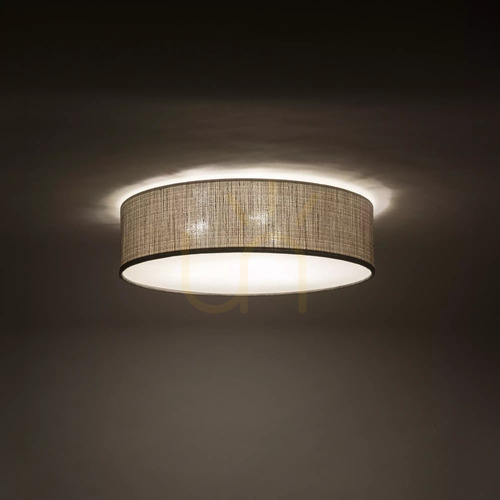
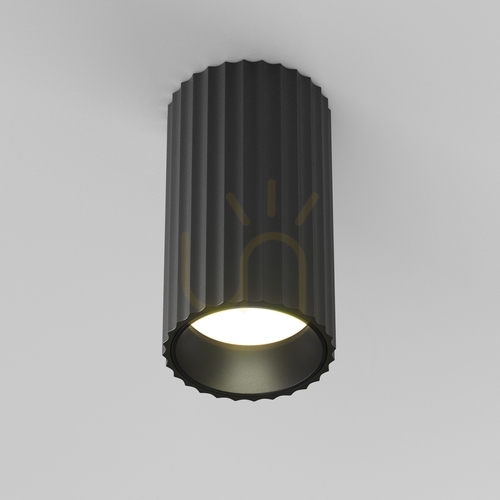
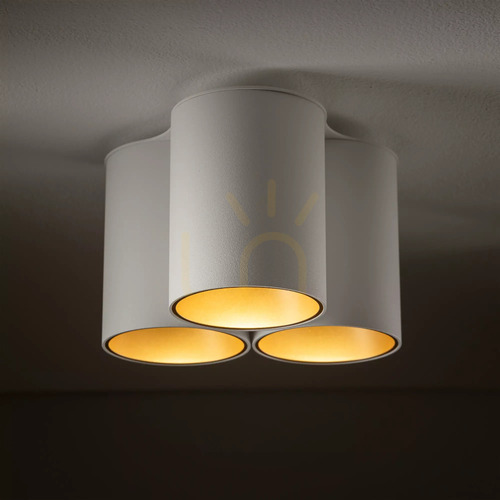
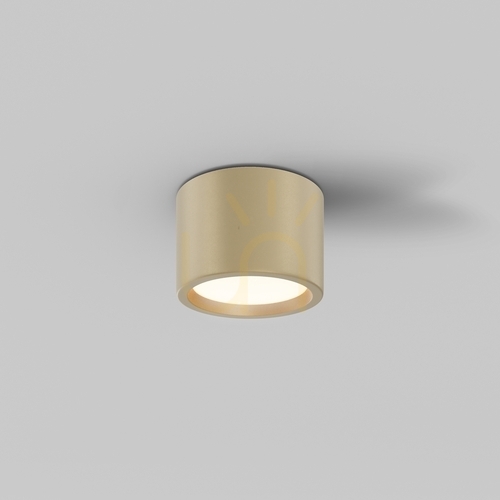
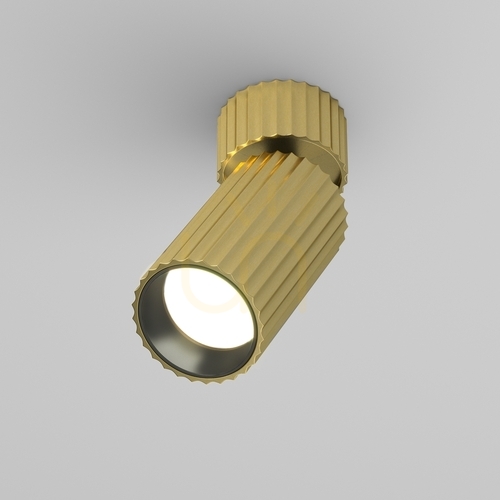
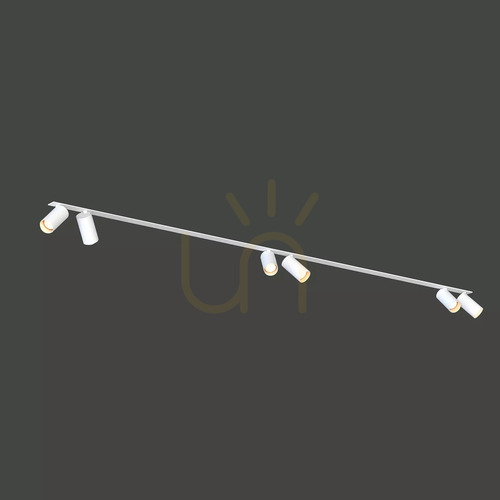
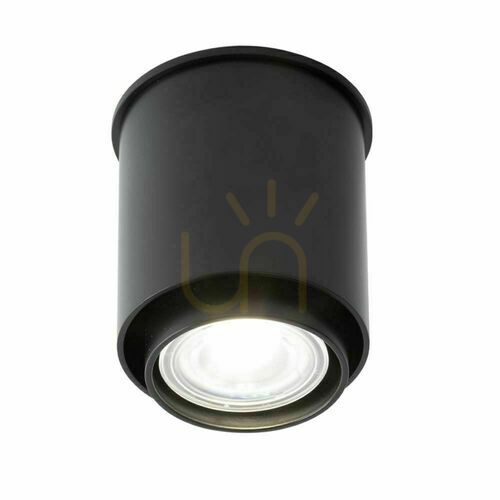
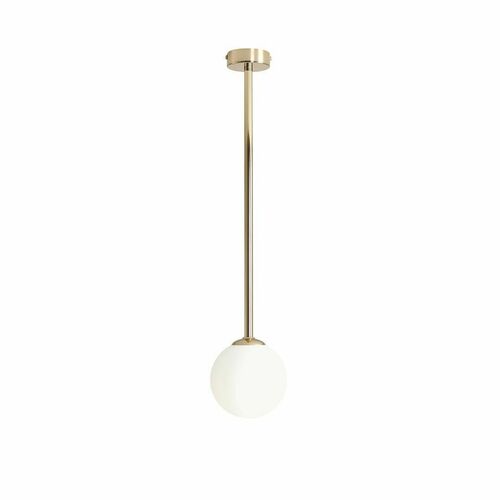
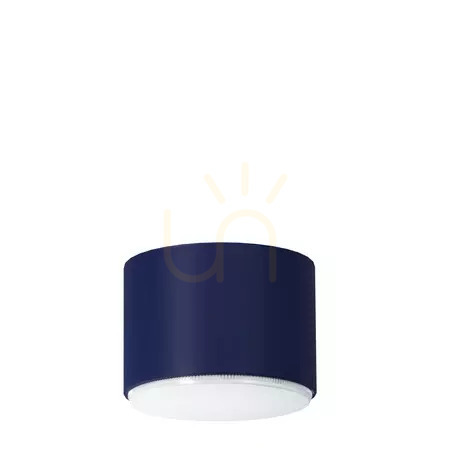
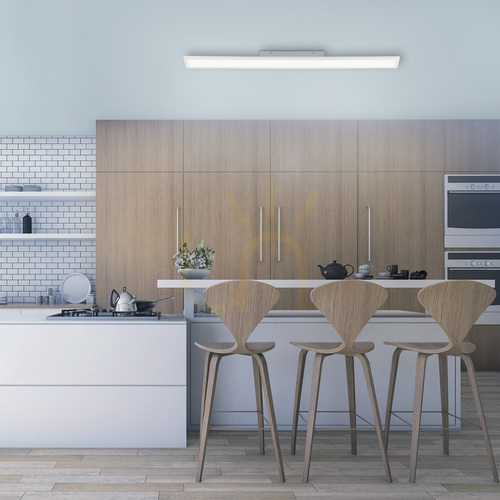
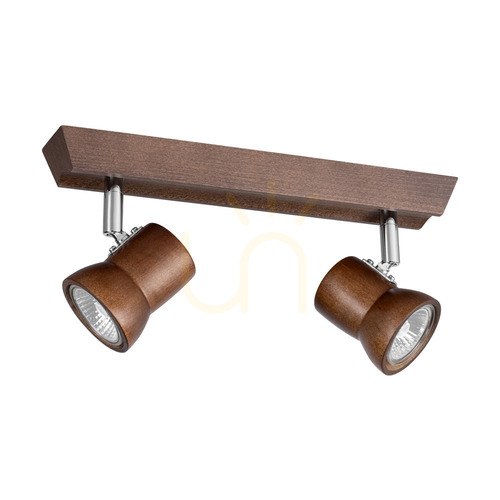
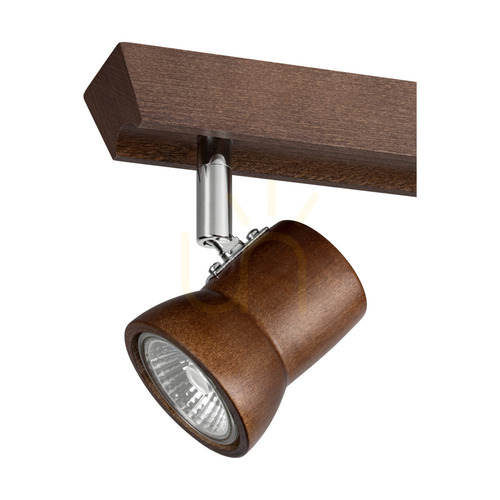
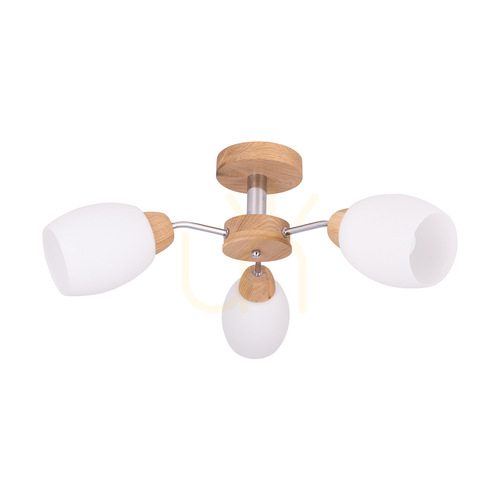
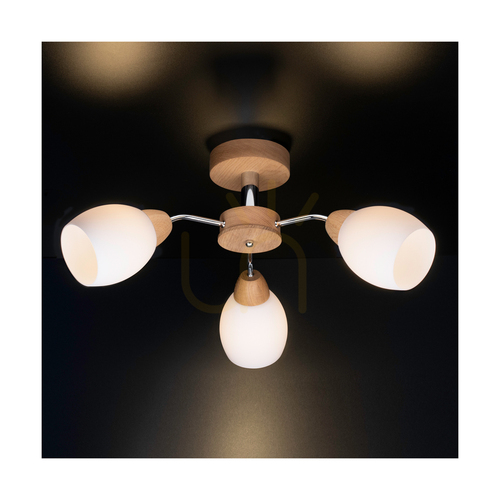
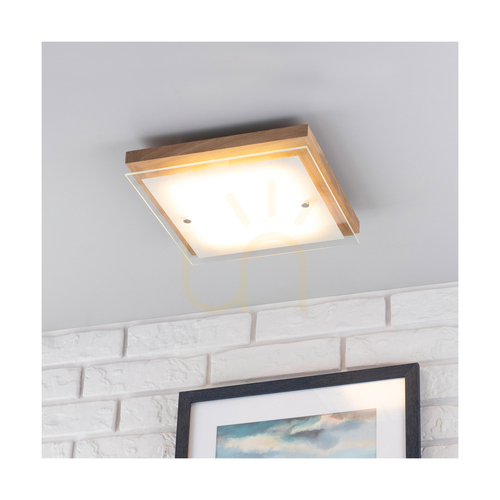
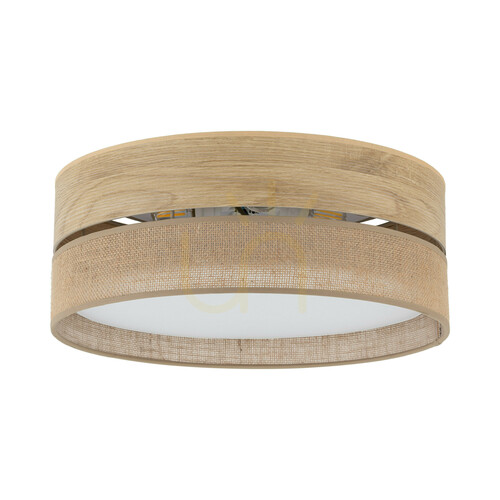
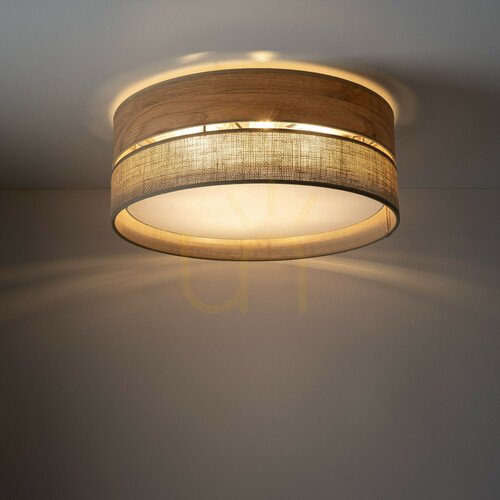
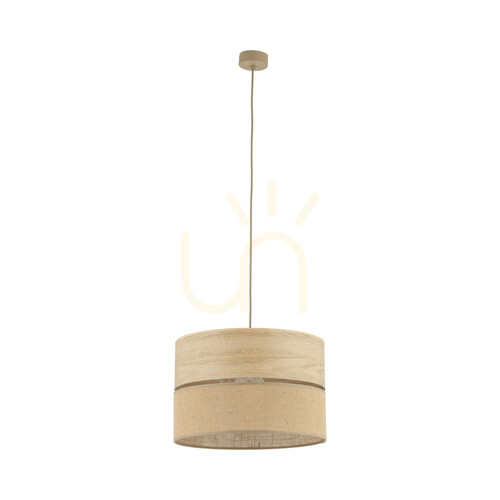
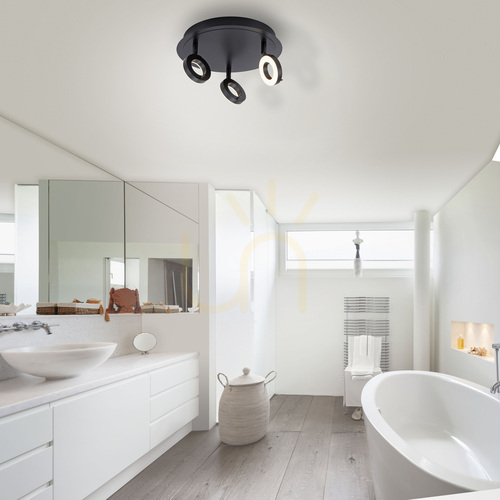
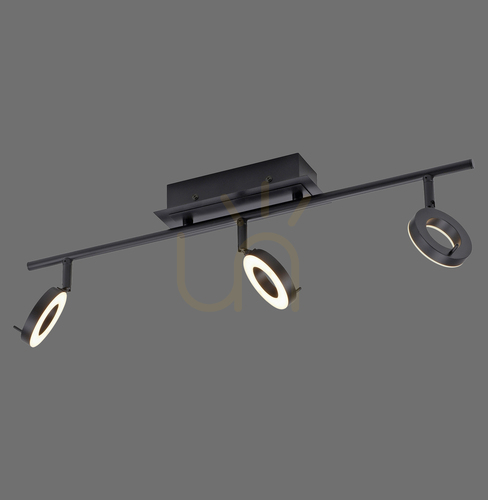
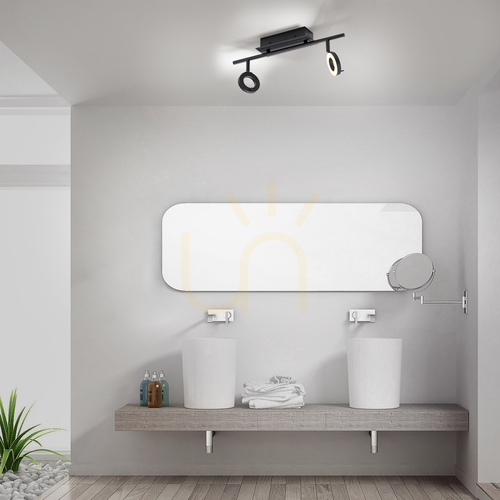
Flush ceiling lights sit tight to the ceiling and are the safe choice under 2.4 m. An opal or frosted diffuser spreads the light and hides the bulb from view, which matters because you walk straight towards the fitting. Semi-flush lights hang a little lower on a short stem and give a more decorative look when you have a few centimetres to spare. Spotlight bars with two to four adjustable heads let you aim light at the mirror, the coat hooks and the floor from a single ceiling point. Recessed downlights suit a plasterboard ceiling and keep a narrow hall visually clean. Pendants and lanterns belong where the ceiling is high; as a rule of thumb, keep at least about 2.1 m clear between the floor and the bottom of the shade.
How much light, and how to space it
Lighting guidance for circulation areas (EN 12464-1, written for workplaces) puts corridors at about 100 lux. At home that works out at roughly 100–150 lumens per square metre. A downlight with a 40° beam at a 2.4–2.5 m ceiling throws a pool of light about 2 m wide, so a spacing of 1.5–2 m keeps the pools overlapping.
| Space |
Total light output |
Typical set-up |
| entrance hall in a flat, 3–4 m² |
around 400–600 lm |
one flush light, 30–35 cm across |
| terrace hallway, about 1 m wide and 5 m long |
around 600–900 lm |
two flush lights or a bar with three spots |
| long corridor in a larger house |
around 1,000–1,800 lm |
a row of downlights every 1.5–2 m |
| stairwell with landing, open over two floors |
depends on the area |
pendant or lantern plus wall lights by the stairs |
For colour, warm white at 2700–3000 K feels welcoming and flatters wood floors and painted walls. Cooler 4000 K suits an office corridor or the spot where you check your outfit, but many people find it harsh in a home hallway.
Switching, sensors and installation
A hall and landing light is normally wired for two-way switching, so you can turn it on downstairs and off upstairs. Check this before you swap fittings, and keep the same arrangement. If there is only one ceiling rose halfway along a long corridor, a spotlight bar spreads the light further without chasing new cables into the walls.
Motion-sensor ceiling lights are handy in halls you pass through with your hands full or at night. LED sources reach full brightness instantly and cope well with frequent switching. Dimmable fittings need a compatible dimmer, otherwise the light may flicker or buzz.
Any work on mains wiring should be done by a qualified electrician and meet BS 7671. If the porch or vestibule gets damp air every time the door opens, a fitting rated IP44 is a sensible choice there.
Small things that make a big difference
Put the first fitting near the front door, not in the geometric centre of the hall. Light the walls as well as the floor – bright walls make a narrow corridor feel wider, and a run of separate pools of light makes a long one feel shorter. Avoid mixing warm and cool fittings in one space. Shallow bowl diffusers collect dust and insects over time, so wipe them now and then with the power off, using a dry or slightly damp cloth.
Hallway lighting questions
What is the best type of ceiling light for a hallway?
Under a standard 2.4 m ceiling, a flush or semi-flush fitting with a diffuser. In long corridors, several smaller lights or downlights; in tall stairwells, a pendant or lantern.
What lights look best in a hallway?
Fittings that echo the rest of the house – the finish of door handles, mirror frames or stair rods – rather than a one-off statement that clashes with everything around it.
What is the best lighting for a hallway?
Layered light: a ceiling fitting for general light, plus a wall light or spot by the mirror and low light near the stairs.
Which ceiling lights suit a small hallway?
Slim flush lights around 25–35 cm across, or a compact spotlight bar. Large drum shades and low pendants make a small hall feel cramped.
Do hallway and landing ceiling lights need to match?
They don't have to be identical, but the same finish and colour temperature tie the two floors together when you look up the stairs.
Can I use an unusual ceiling light in a hallway?
Yes, if the ceiling allows it. A sculptural flush light keeps headroom; save tall or wide pieces for a stairwell with height.
More on ceiling fittings for every room: ceiling lights. To light the stairs and mirror from the side as well, see hallway wall lights.