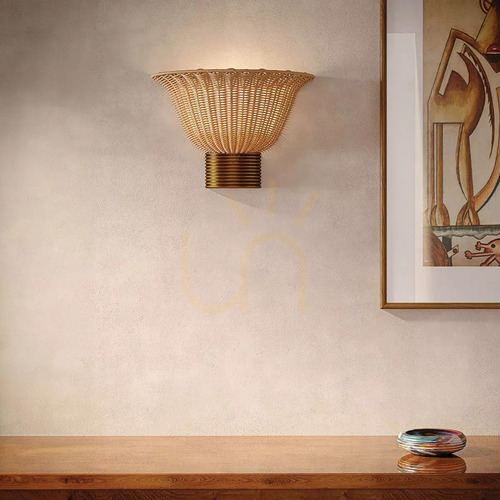
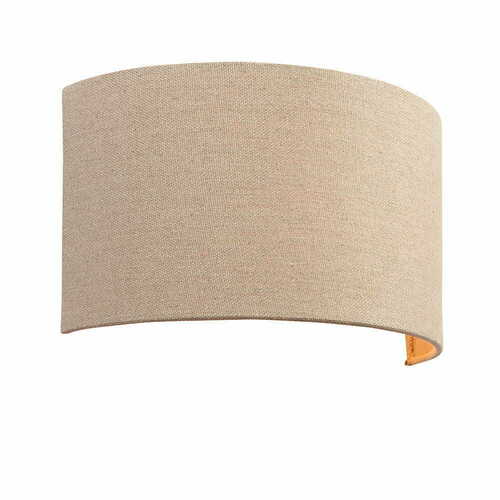
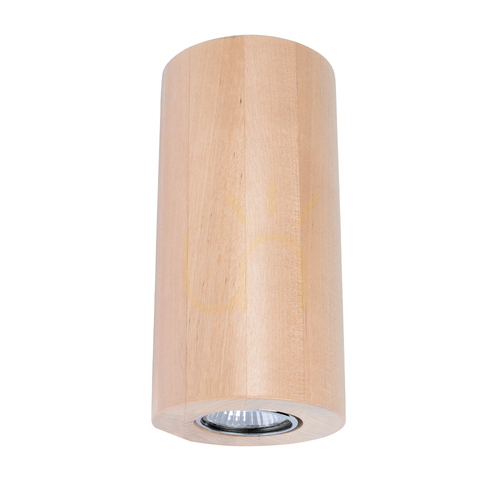
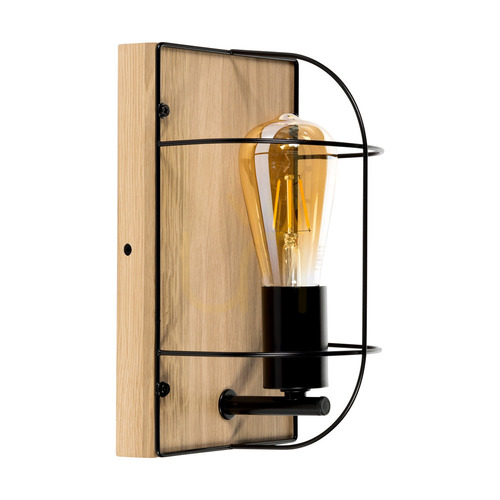
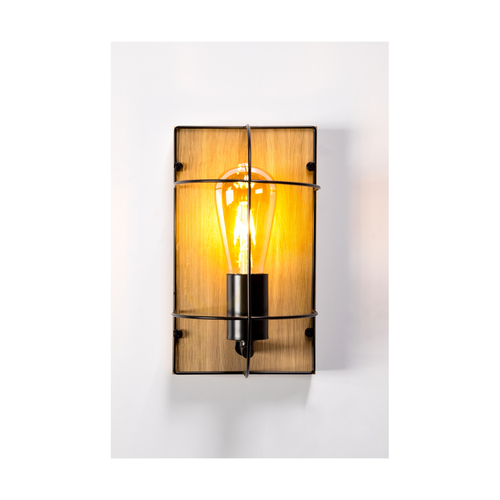
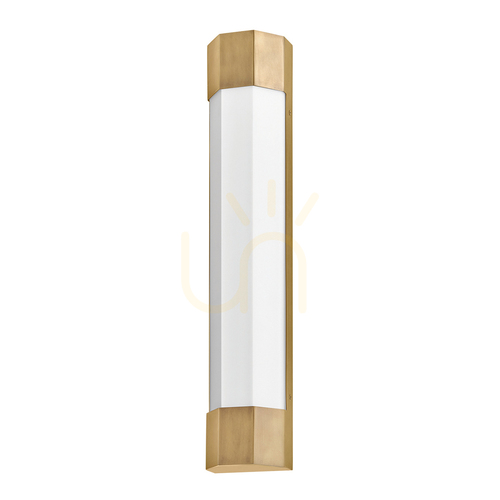
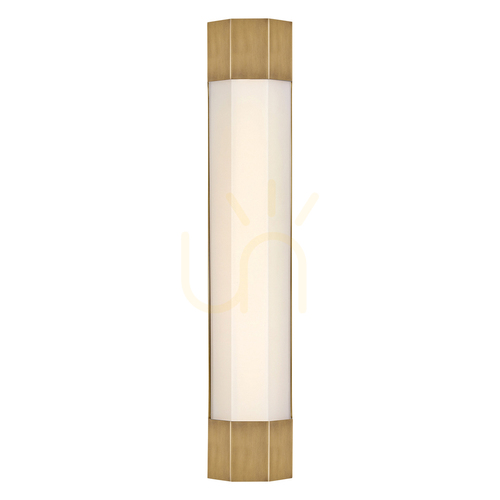
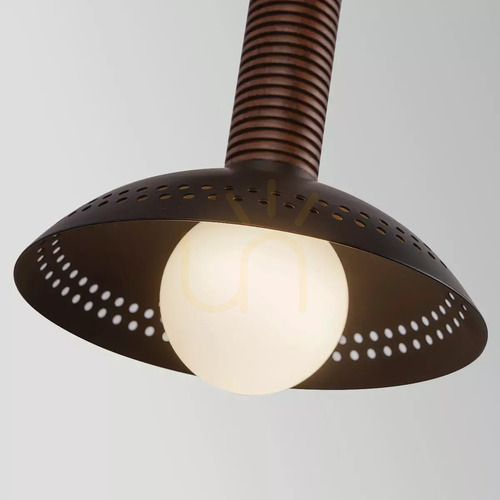
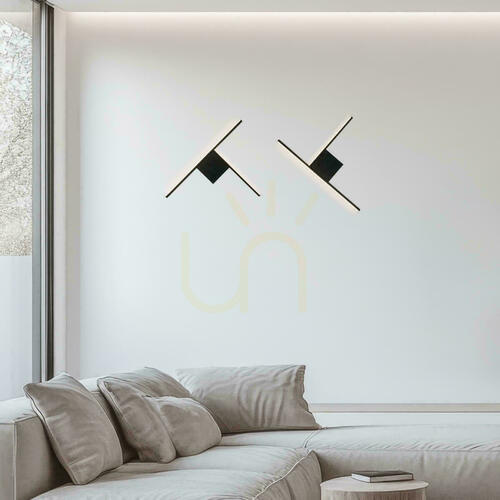
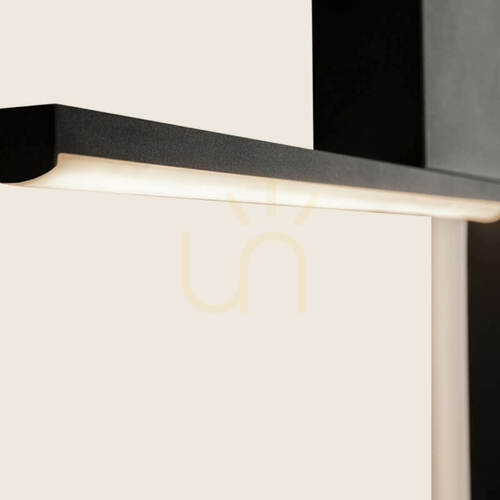
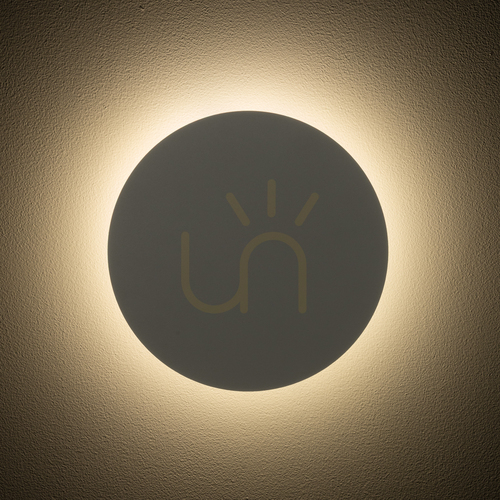
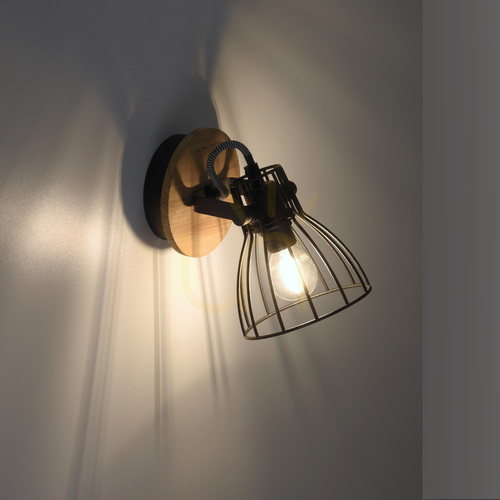
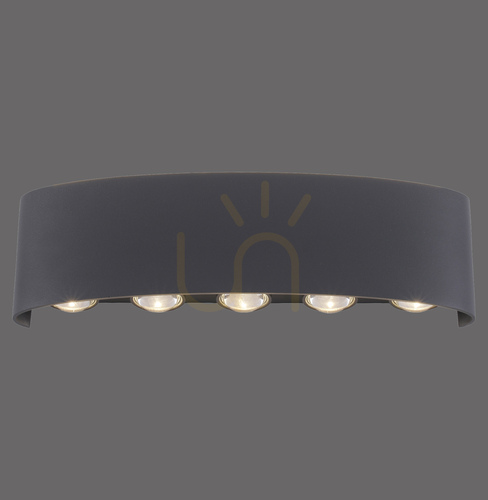
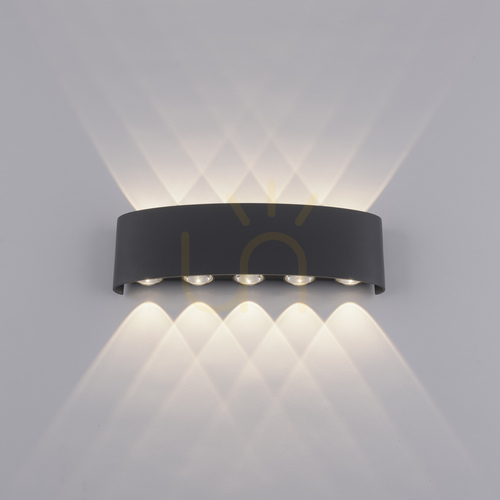
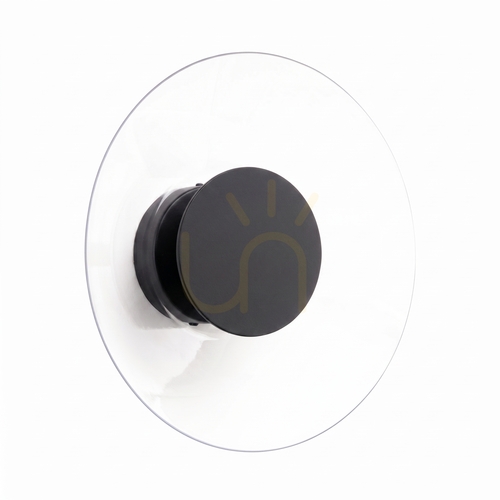
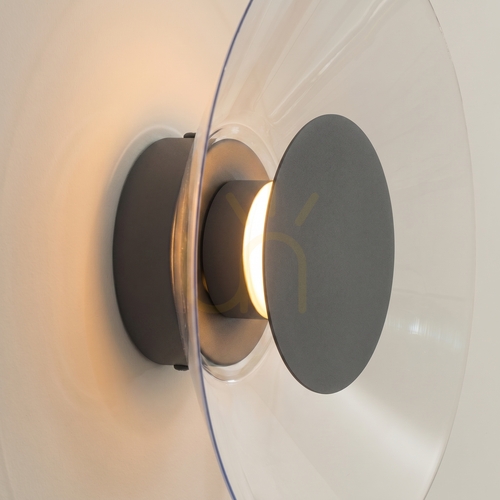
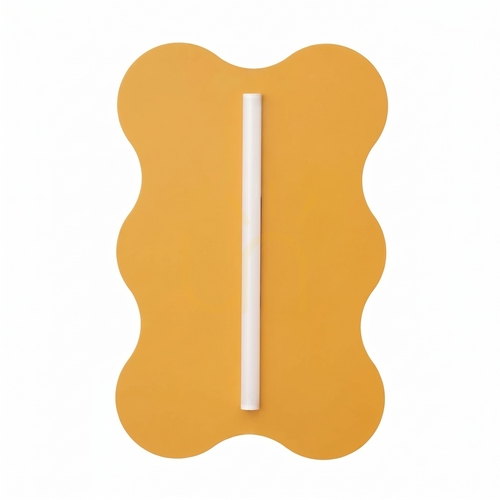
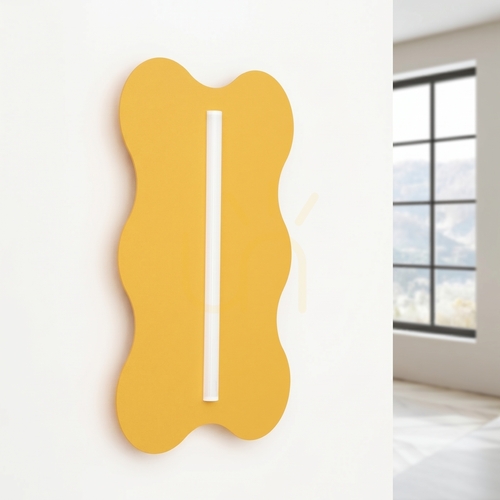
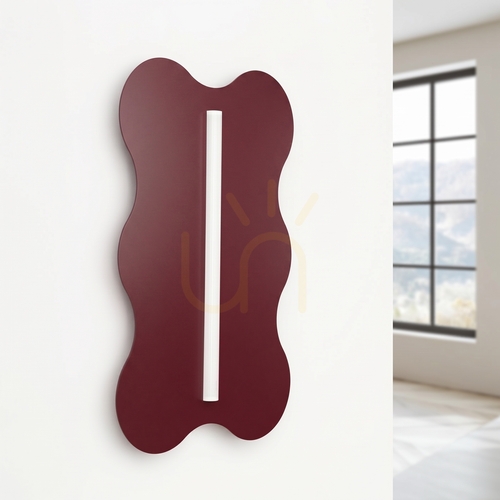
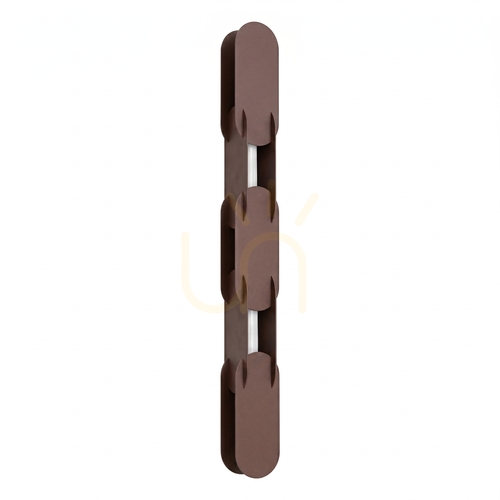
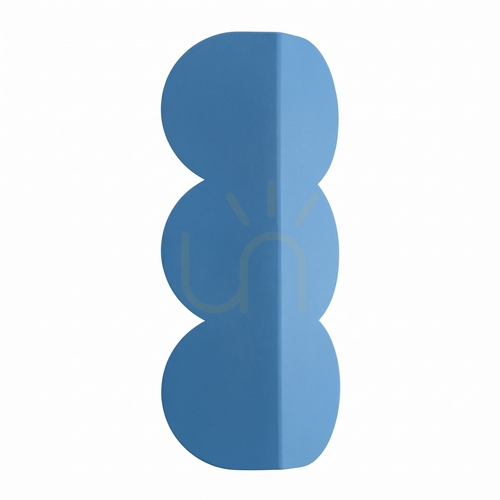
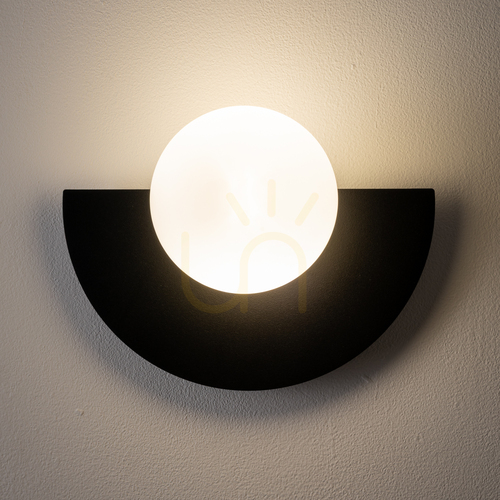
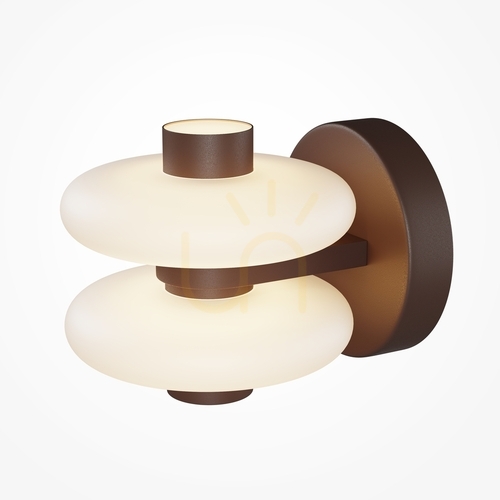
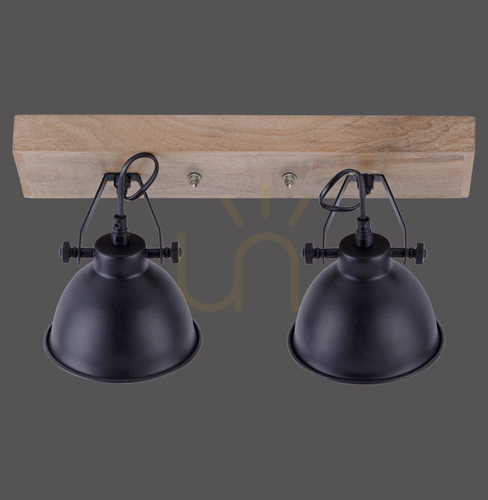
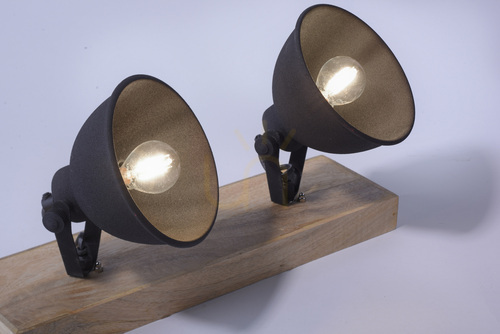
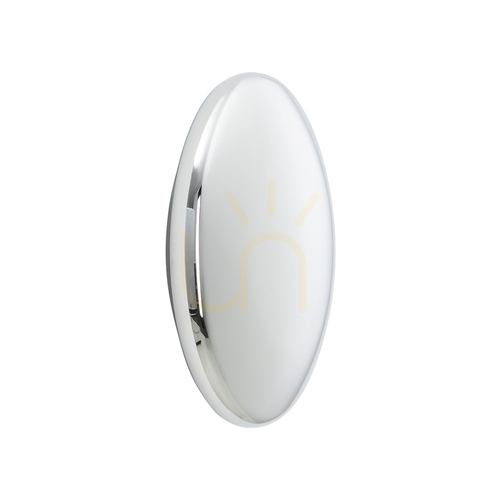
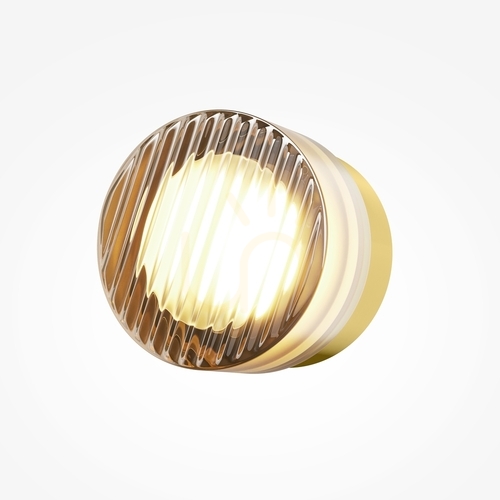
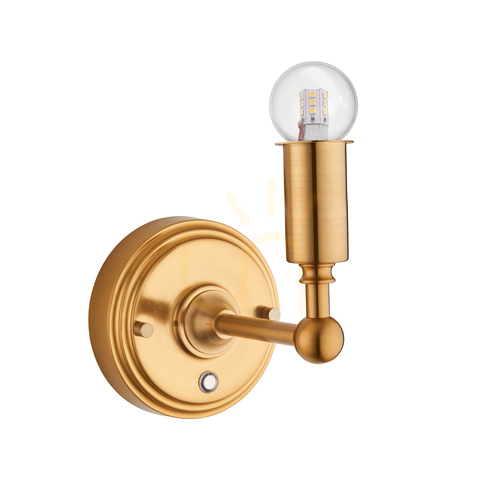
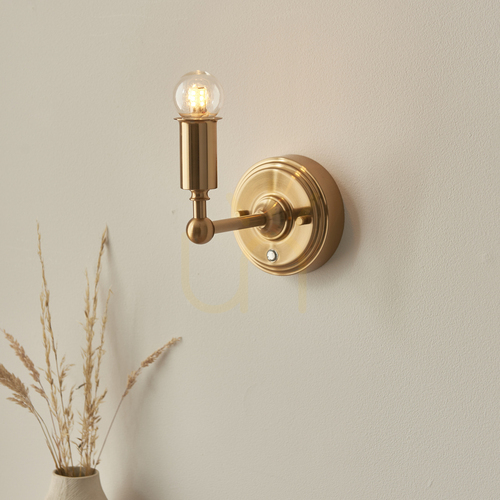
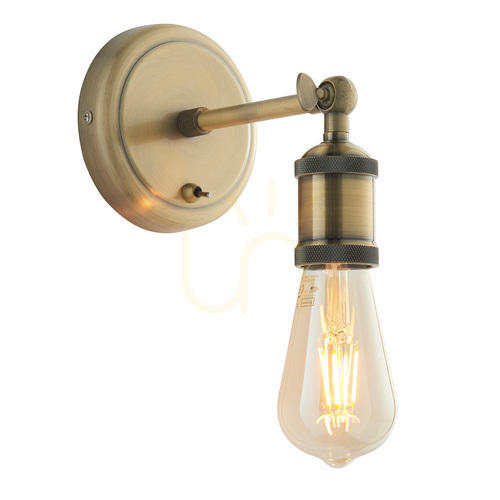
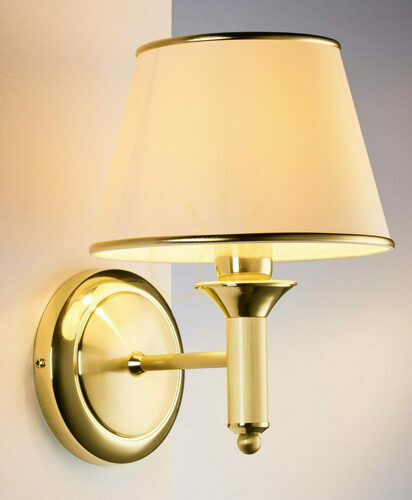
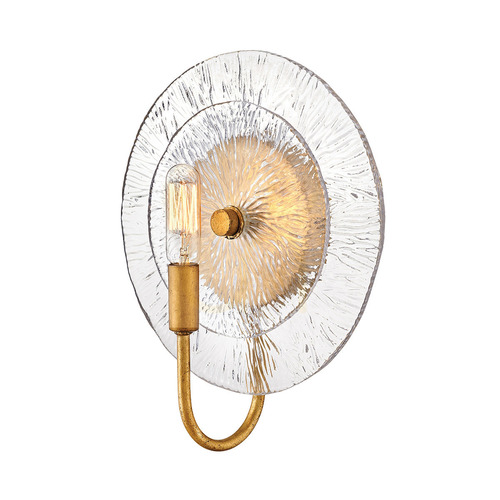
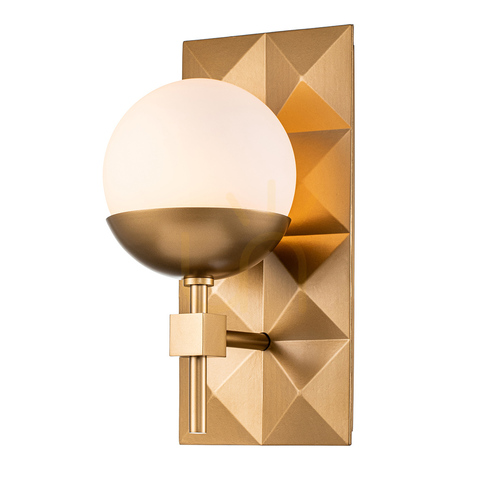
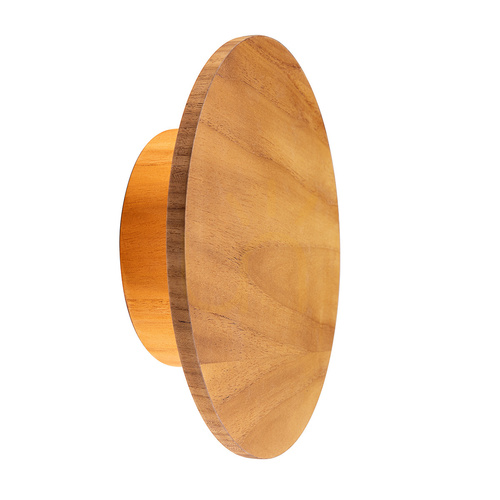
The best hallway wall lights are shallow, shielded fittings fixed at roughly 1.6–1.8 m and spaced every 2–3 metres, so they light the walls without catching your shoulder or shining in your eyes. In a typical British hall – narrow, often without a window, with the stairs rising straight off it – that side light does what a single pendant can't: it fills the corners, picks out the stairs and stops the space feeling like a corridor.
Hall, stairs and landing: one route, three jobs
In many terraced and semi-detached houses the hall, staircase and landing work as one continuous route. Wall lights tie them together. Downstairs they welcome you in and light the coat hooks and mirror; on the stairs they show the edge of each tread; on the landing they give a gentle light for night-time trips to the bathroom. Using the same fitting at the same height along that route looks calm and deliberate, while a mix of styles makes a small hall feel busy.
Because everyone squeezes past them, hallway wall lights live a tougher life than living-room ones. A fitting that sticks out 20 cm at shoulder height gets knocked by bags, buggies and coats until it works loose. Metal and powder-coated aluminium shrug that off; delicate glass arms are better kept for wider entrance halls.
Sizing up your hallway
| Space |
Typical approach |
Rule of thumb |
| Narrow hall, under 1 m wide |
flush or slim up-and-down fitting |
projection around 6–12 cm, fixed at 1.6–1.8 m |
| Long hall or corridor |
matching lights along one wall |
one every 2–3 m, the first near the front door |
| Staircase |
lights following the pitch of the stairs |
about 1.8 m above the nosing line, switched top and bottom |
| Landing |
soft, dimmable light |
150–300 lm per fitting, warm white |
| Mirror by the front door |
a pair either side at face height |
3000–4000 K, CRI 90 or above |
For brightness, BS EN 12464-1 asks for around 100 lux in circulation areas at work, which is a sensible target at home too. A wall light that only adds atmosphere next to a ceiling light needs 150–400 lumens; if the wall lights are your only light, think 400–800 lumens each. Pale, matt walls bounce that light around. Deep, dark paint soaks it up, so allow for an extra fitting.
Wiring, switching and renting
Hallways and landings usually need two-way switching so you can turn the lights on at the bottom of the stairs and off at the top; a third switch point needs an intermediate switch. New wall lights on the mains should be fitted by a qualified electrician working to BS 7671 – ideally one registered with a competent person scheme, who can also tell you whether to take a feed from the existing ceiling rose. Renting, or not ready to chase cables into the wall? A plug-in wall light with a neat cable cover and an inline switch gets you the look without any rewiring.
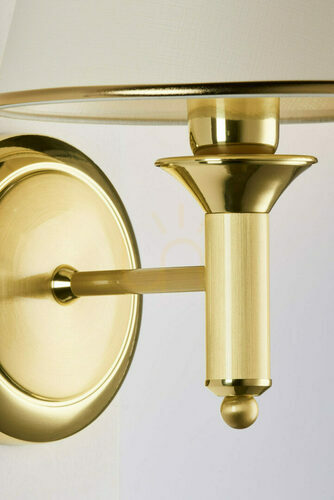
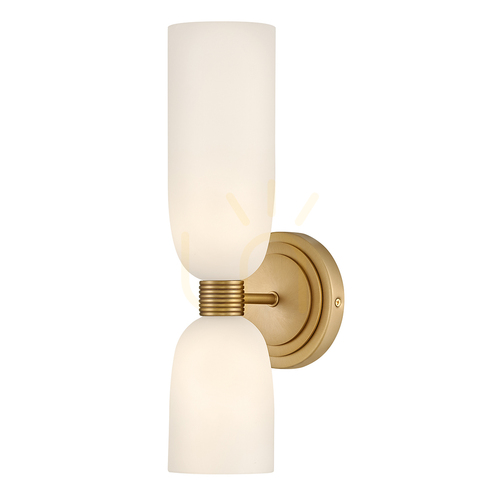
Style-wise, the hall sets the tone for the whole house. Brass and opal glass suit a period hall with a tiled floor and high ceilings, slim black or white fittings sit quietly in a newer home, and plain plaster wall lights can be painted to match the wall so only the light remains.
Common mistakes and care
-
Bare, bright bulbs: walking towards an exposed LED down a narrow hall is dazzling. Look for opal glass, a shade or a fitting that bounces light off the wall.
-
Cold light: 5000 K and above makes a windowless hall feel clinical. Most homes are happier with 2700–3000 K.
-
Uneven heights: a few centimetres out is obvious in a row of lights. Mark them with a laser level first.
-
Dust traps: open-topped uplighters collect dust and insects. Switch off and wipe them with a dry cloth every few weeks.
Hallway wall lights: your questions
What colour light is best for a hallway?
Warm white at 2700–3000 K suits most halls, especially ones that open into living space. If the hall has no window or you check your outfit in the mirror there, 3000–4000 K looks fresher without feeling cold.
What are wall lights called?
In the UK they are simply wall lights or wall fittings; sconce is the older and more American term, often used for decorative or candle-style designs. Flush wall lights sit tight to the wall, while up-and-down lights throw beams in both directions.
What is the best wall light for a small hallway?
A slim, enclosed fitting with diffused light and a projection of 10 cm or less. Up-and-down designs are particularly useful under low ceilings because they light the ceiling and make it seem higher.
How high should hallway wall lights be?
Around 1.6–1.8 m to the centre of the fitting, just above eye level. In a tall Victorian hall you can go up to about 2 m – just keep every light in the run at the same height.
Are low-level wall lights a good idea in a hallway?
They work well as a night-time guide on stairs and landings, set roughly 30 cm above the floor or step. They light where you put your feet but rarely replace the main wall or ceiling lights.
What are some good ideas for lighting a hallway?
Layer it: a ceiling light for general light, wall lights for atmosphere and to stretch a narrow space, a pair by the mirror, and a dimmer or sensor for late at night.
More on wall lights for other rooms and styles: wall lights. And if rewiring is off the table, see plug-in wall lights.