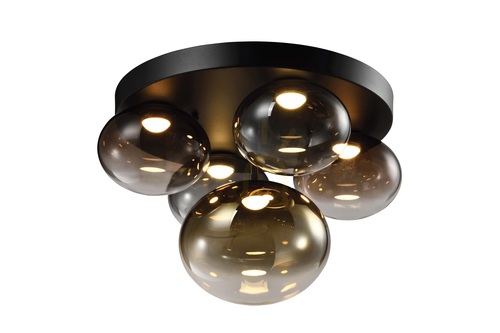
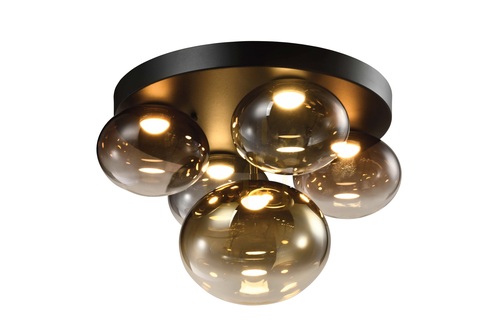
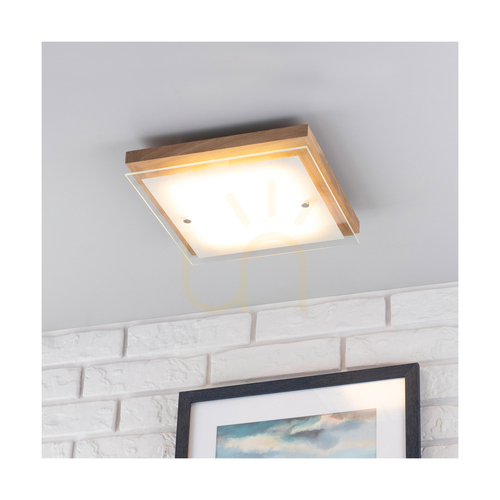
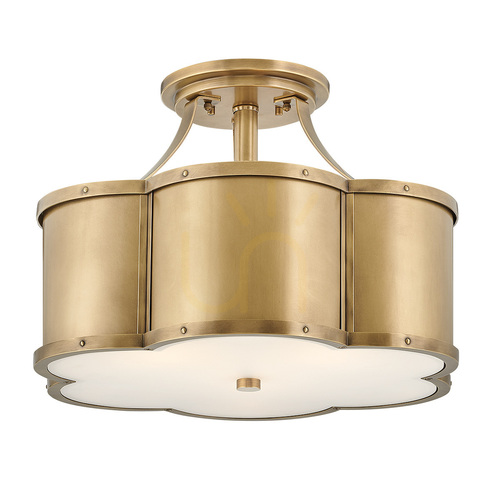
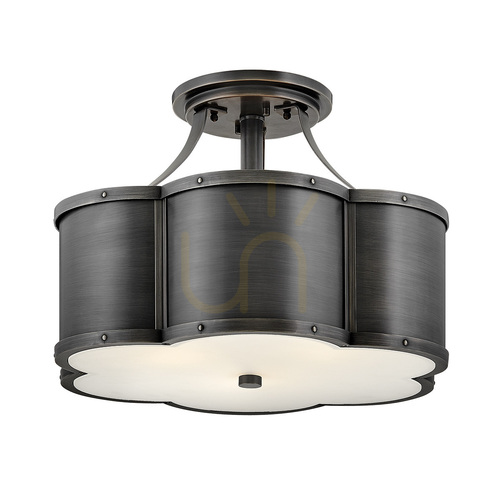
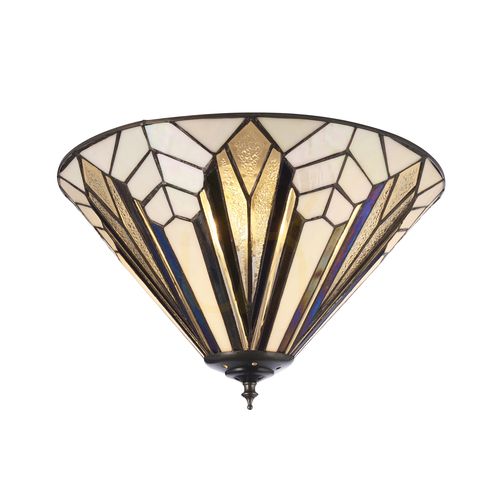
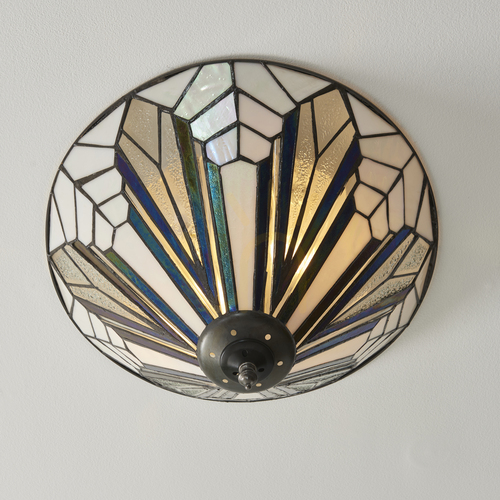
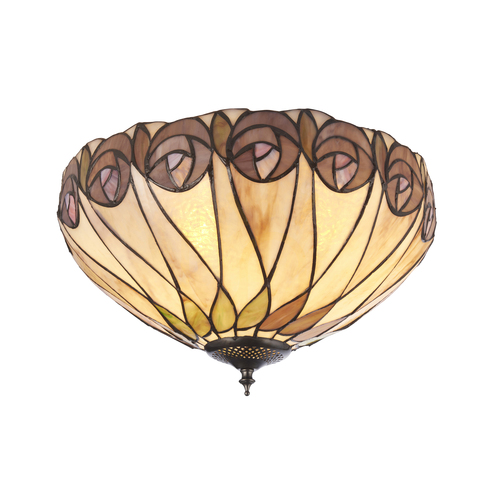
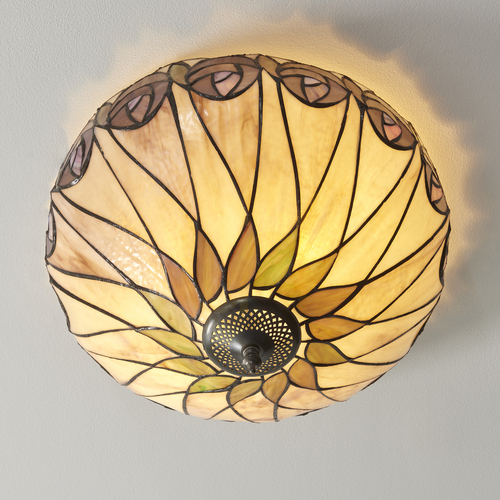
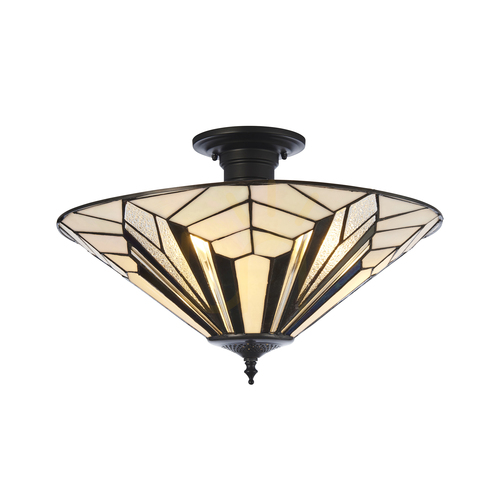
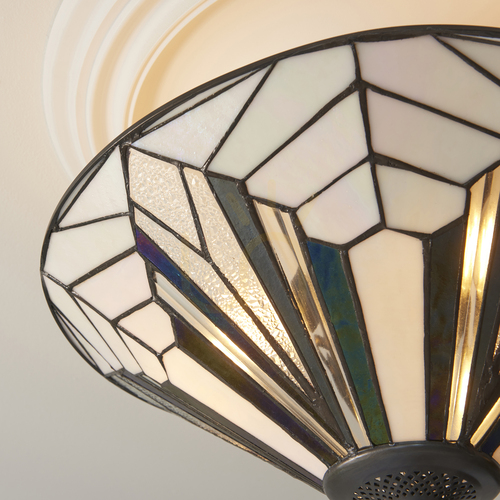
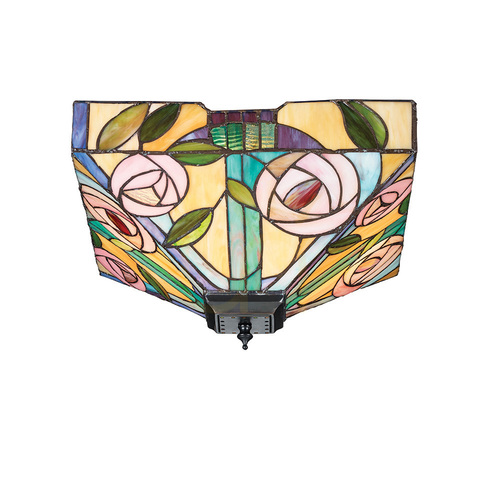
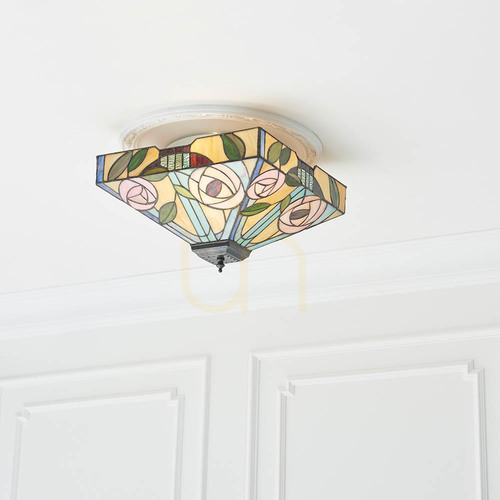
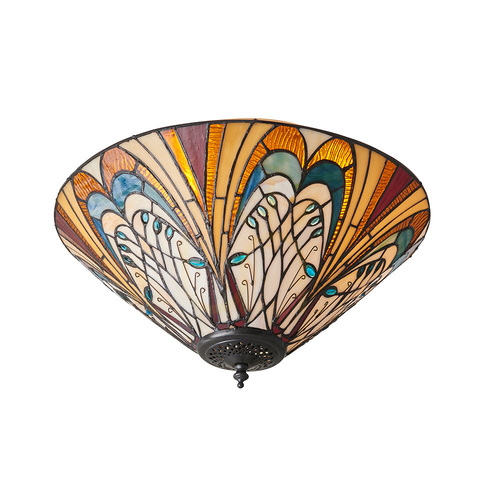
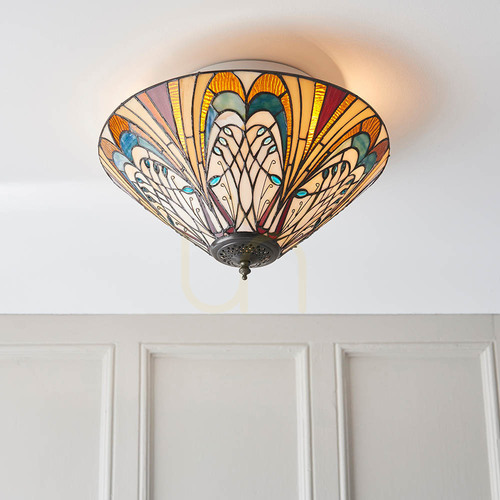
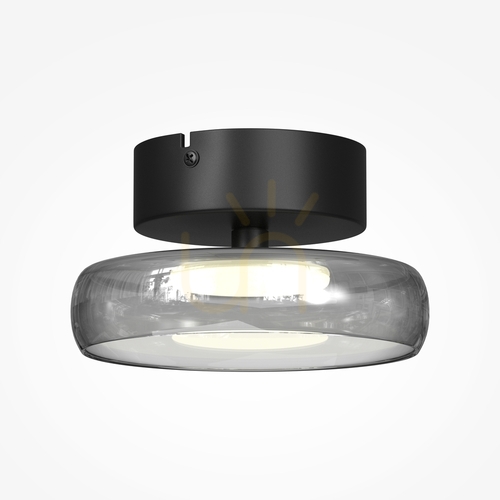
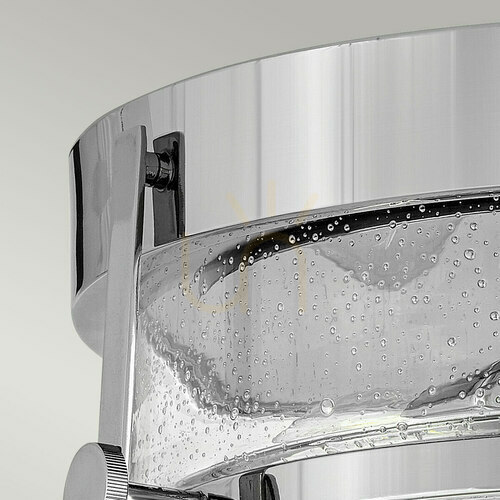
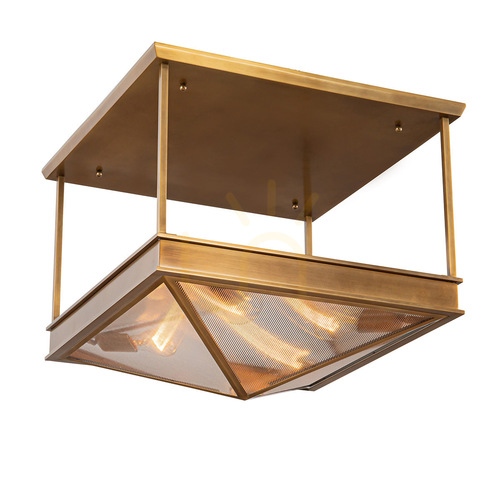
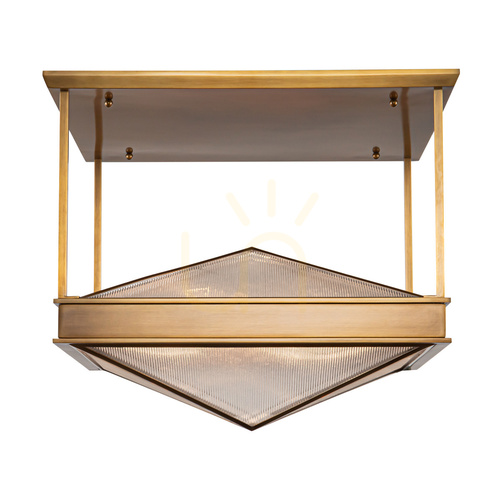
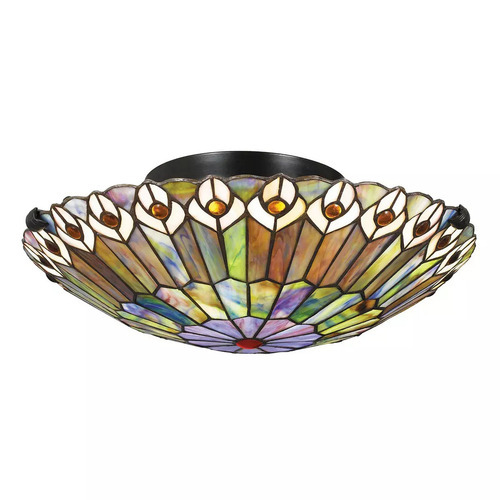
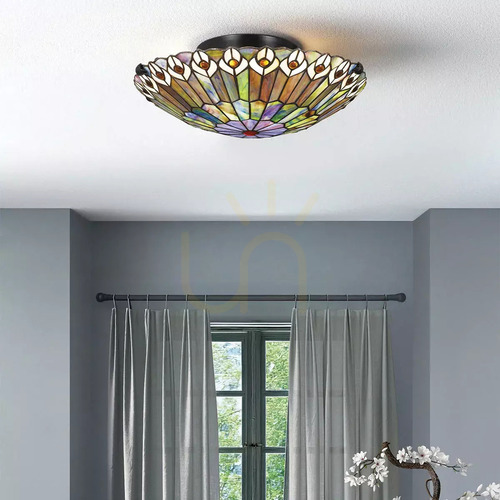
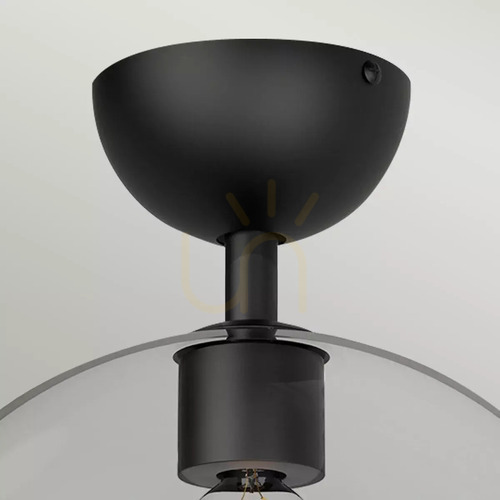
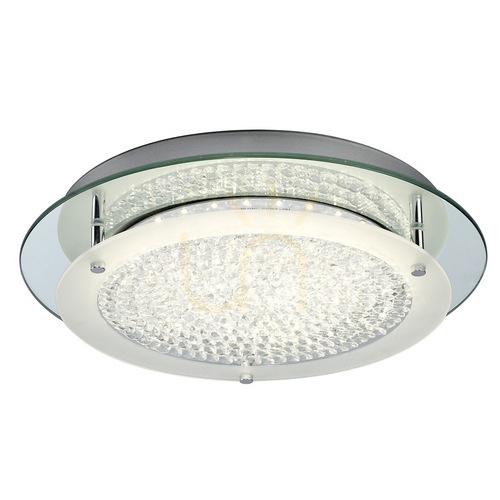
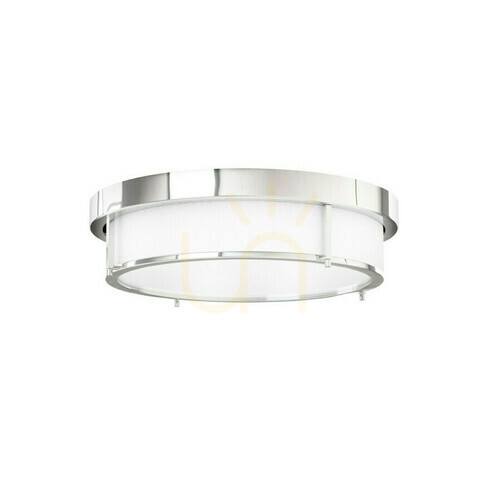
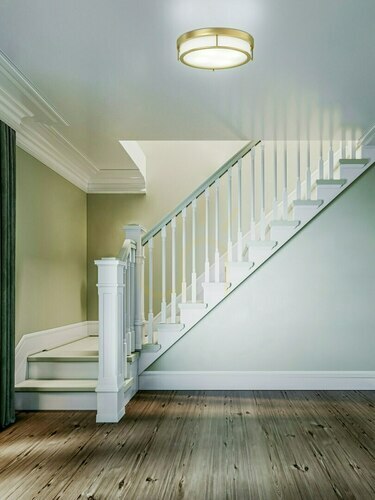
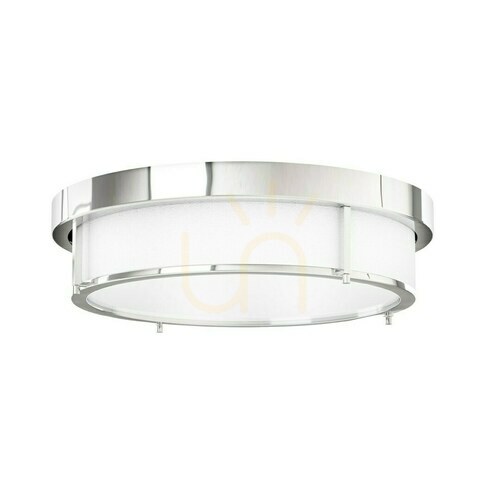
On a flush ceiling light the glass is not a shade hung around a lamp — it is the enclosure. It bolts to a metal base plate screwed to the ceiling, and everything else lives inside it: the lampholder or LED module, the wiring, and the air that cannot get out. That changes what you should be looking at. Not just how the glass looks lit, but how it comes off, what holds it up, and what the sealed volume behind it does to the light source.
The glass is the enclosure
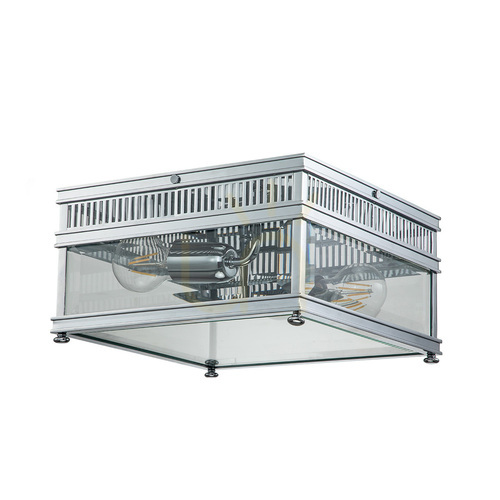
Because there is no gap between shade and ceiling, a flush glass fitting traps its own heat. Run an ordinary retrofit LED lamp in one and the driver electronics sit in still, warm air for hours — the light output holds up, but the lamp dies early. Use a lamp explicitly marked for enclosed luminaires, or buy an integrated-LED model where the manufacturer has designed the heat path through the base plate. The same enclosure is why a glass flush fitting near a bathroom or kitchen can carry an IP44 rating at all: the gasket between glass and plate is what earns it.
Getting the glass off again
You will take it down — to change a lamp, to clean it, to get a dead moth out. The three common systems are worth telling apart before you buy.
| Fixing |
How it comes off |
Watch for |
| Thumbscrews on the rim |
Loosen two or three screws, lower the glass |
Needs two hands overhead; screws work loose over years |
| Bayonet or twist-lock |
Quarter turn and it drops free |
Fast, but the glass is unsupported the instant it releases |
| Central finial |
Unscrew the knob through the middle |
The whole weight comes onto one thread |
None of these can be done one-handed on a ladder with a 4 kg piece of glass. Plan for that rather than discovering it.
Shallow drums, plates and near-flush domes
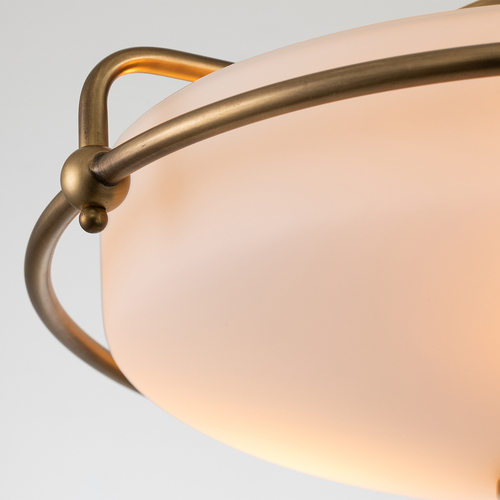
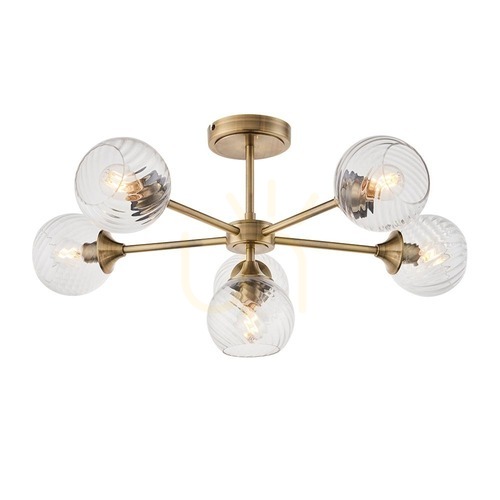
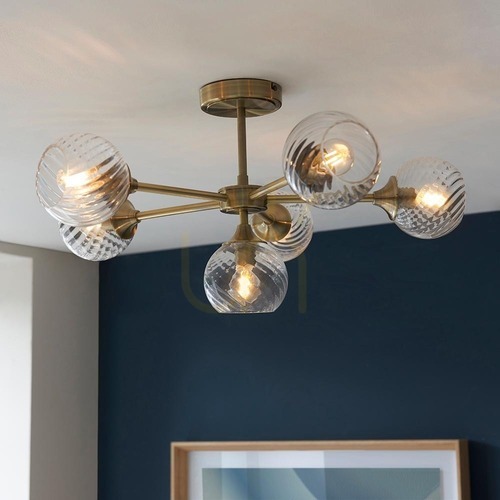
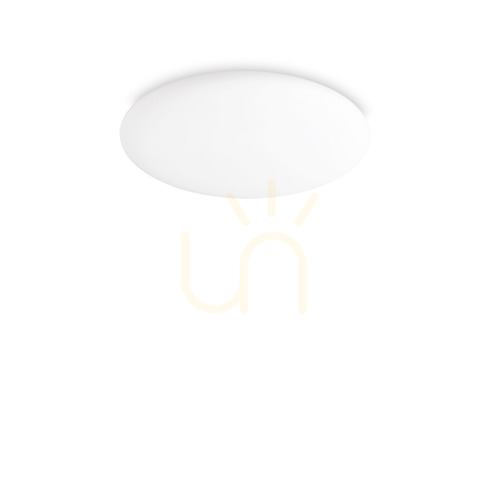
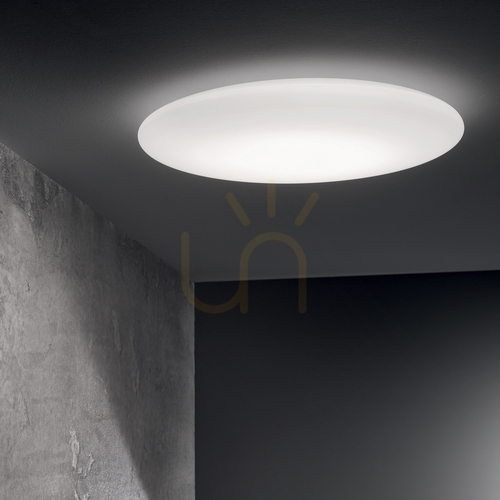
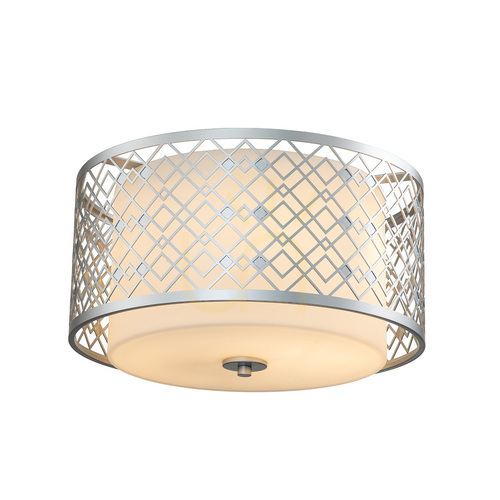
A shallow plate throws nearly all its light straight down and leaves the surrounding ceiling dark, which makes a low room feel lower. A drum of 10-15 cm depth spills a ring of light onto the ceiling and reads much better under 2.4 m. A near-flush dome sits between the two and hides the lamp best, because the extra depth keeps the source away from the glass face. Opal at any of these depths is the low-glare option; clear glass on a flush fitting puts a bare lamp directly overhead.
Weight, and what is actually holding it
A 40 cm glass diffuser is 3-5 kg, and all of it hangs from the base plate. Into concrete or timber that is a non-event. Into plasterboard it is not: a cavity fixing rated for the load, or better, a timber batten or noggin between the joists, is the difference between a fitting that stays up and a ceiling repair. Check the base plate diameter against your existing ceiling rose too — a small plate over an old, larger rose leaves a ring of unpainted plaster on show.
Frequently asked
Which glass gives the least glare on a flush fitting?
Opal, and the deeper the drum the better. The lamp is closest to the diffuser on a flush light, so the material has to do more work than on a pendant.
Can I put any LED lamp inside one?
Only a lamp rated for enclosed fittings. A sealed glass shade is the harshest thermal environment in the house.
How do I clean it without breaking it?
Isolate the circuit, let the glass cool completely, take it down over a bed or sofa rather than a tiled floor, wash in warm soapy water and dry fully before refitting.
Is glass too heavy for a plasterboard ceiling?
Not with the right fixing. What is too much is four wood screws straight into board with nothing behind it.
Where the seal around that glass has to earn an ingress rating, see bathroom flush ceiling lights.