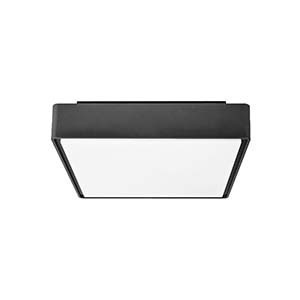
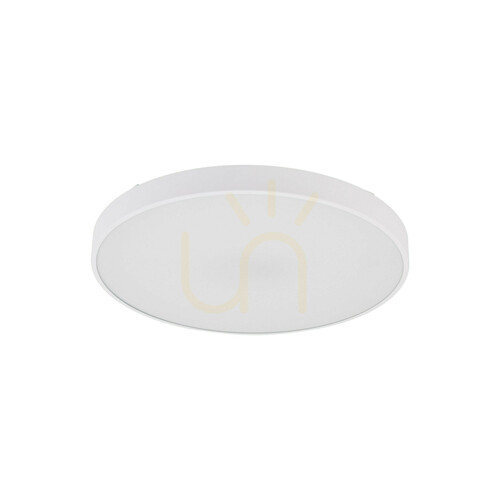
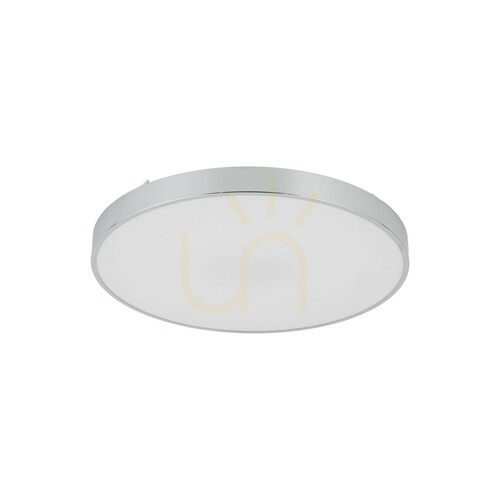
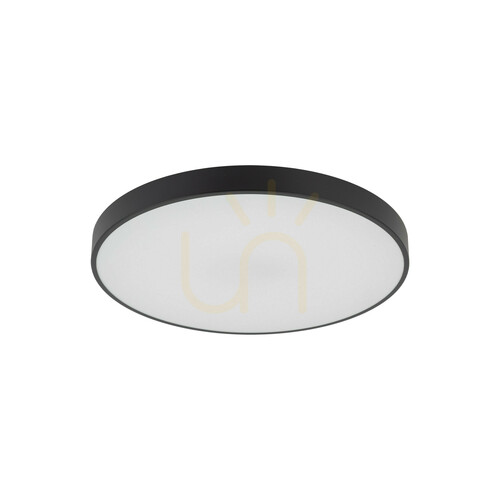
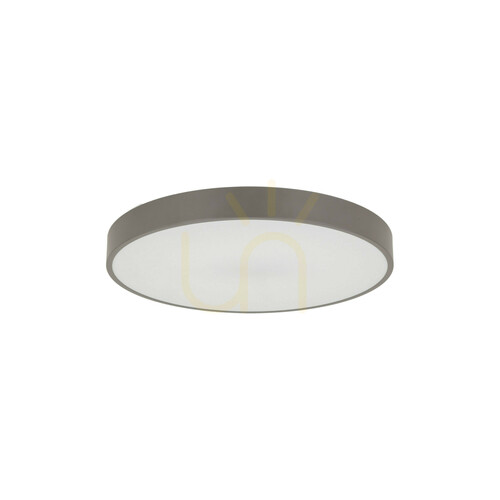
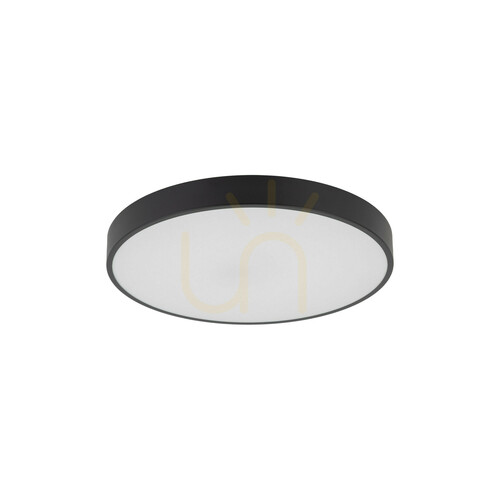
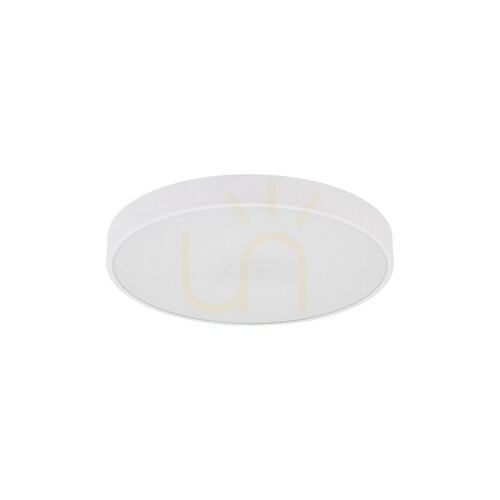
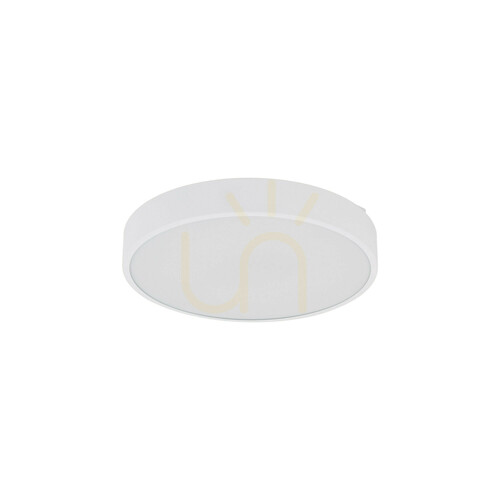
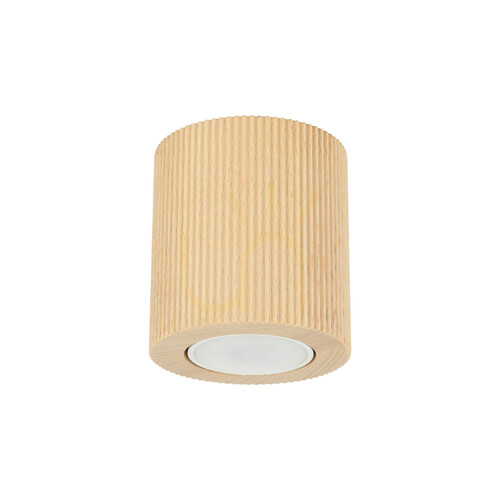
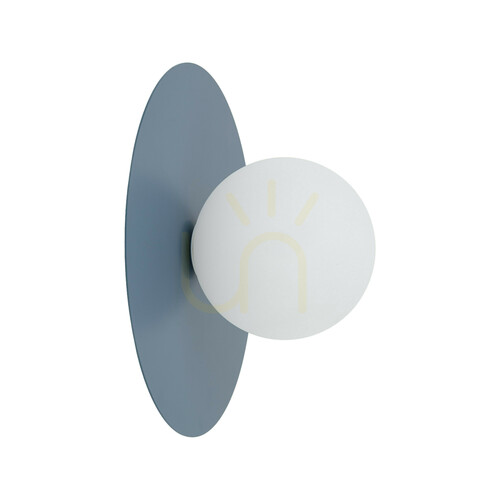
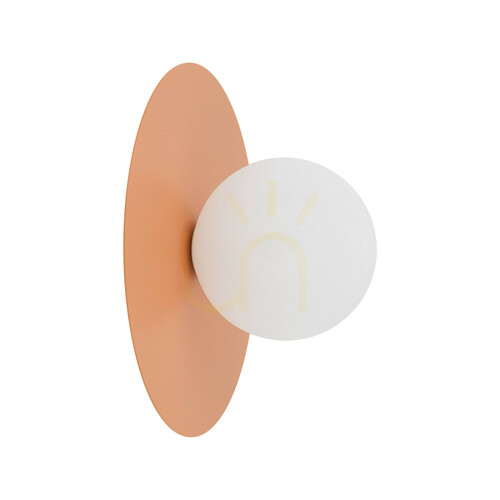
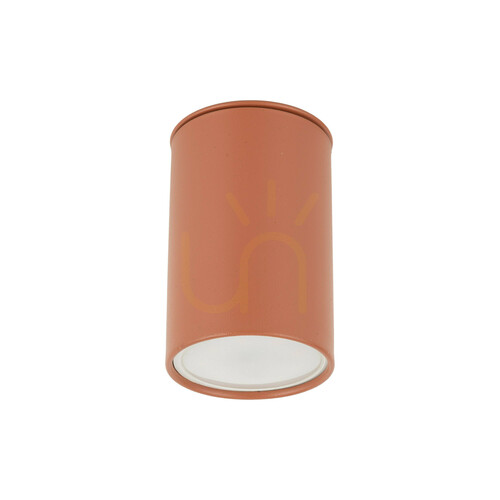
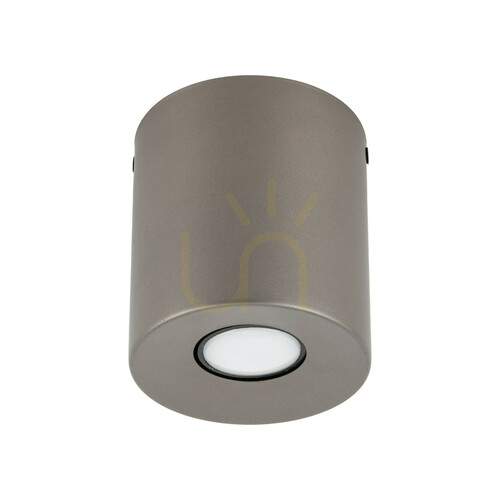
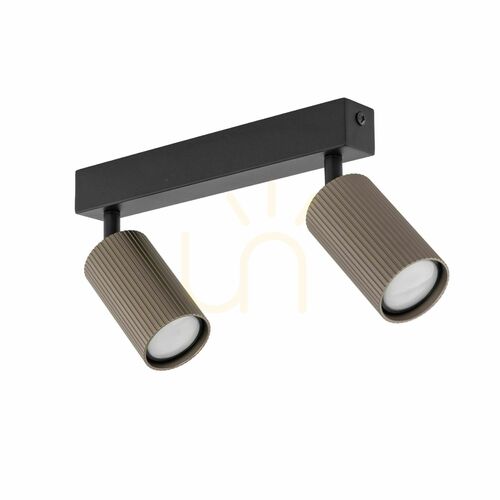
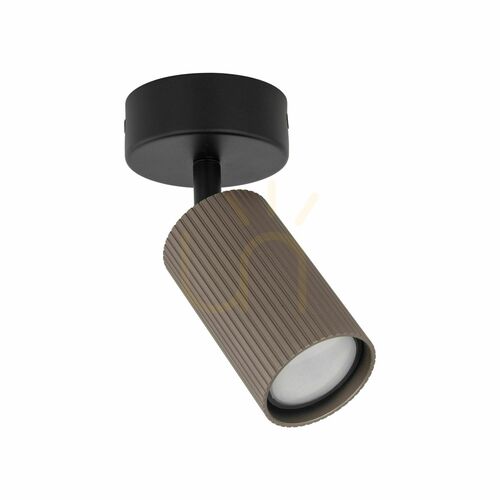
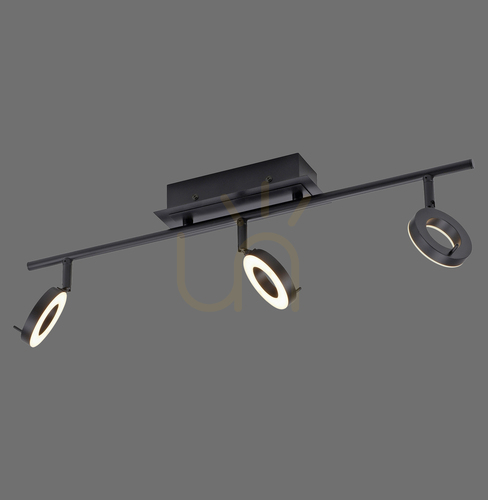
A bathroom is the one room where the ceiling fitting has to survive the conditions as well as light the space. A flush ceiling light sits hard against the plaster, out of reach of a raised towel or a shower door, and — because it is sealed rather than open — it is the format that copes best with warm, wet air. The trade-off is that everything about it, from the gasket to the lamp, is decided before it goes up.
Zones, and the IP number that goes with each
Bathroom wiring is split into zones by distance from water, and each zone sets a minimum ingress rating.
ZoneWhereMinimum rating
0Inside the bath or shower trayIP67, low voltage only
1Directly above the bath or tray, to 2.25 mIP45 in practice, IP65 if jets are used
20.6 m beyond zone 1, and around a basinIP44
Outside zonesThe rest of the roomNo rating required, IP20 acceptable
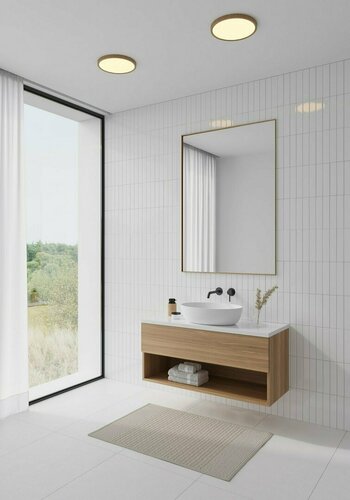
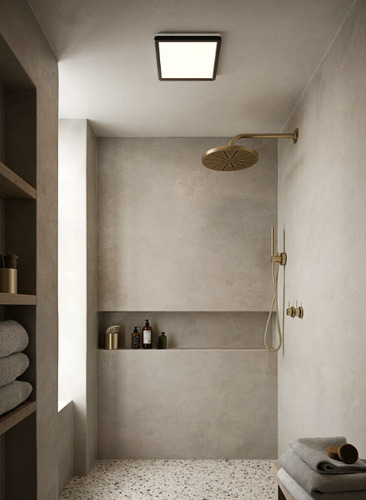
Most ceilings in a domestic bathroom fall in zone 1 or 2, so IP44 is the sensible floor and IP65 is what you want directly over a shower. A rating is only valid with the diffuser fitted and the seal intact — half-tightened, an IP65 fitting is an IP20 fitting.
Why flush wins over the bath
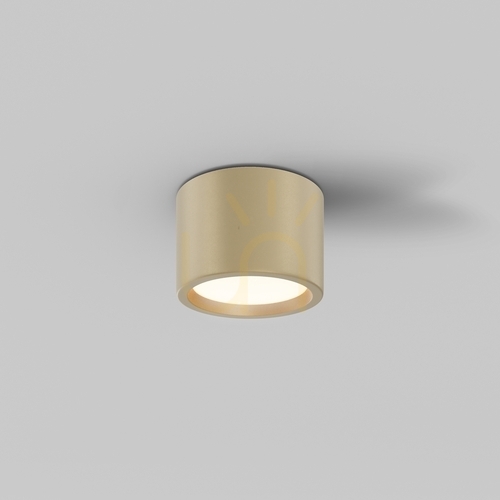
Anything that hangs is in the way. Over a bath the fitting must clear 2.25 m from the floor of the tub, and a pendant with a 30 cm drop eats that allowance in a room with a 2.4 m ceiling. A flush fitting projecting 60-110 mm leaves the zone comfortably and cannot be caught by a towel or a shower screen swinging open.
Condensation, sealed diffusers and heat
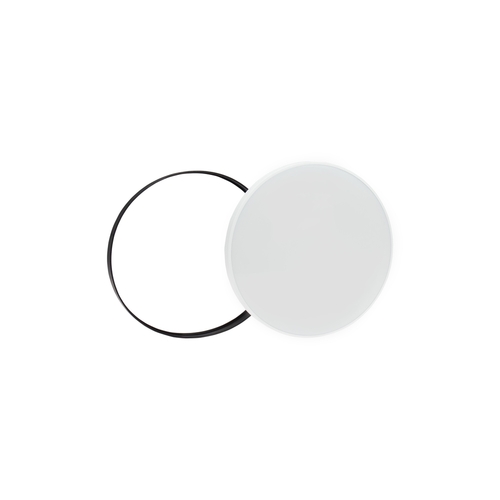
A sealed shade is a small closed volume above a room that fills with steam twice a day. Two things follow. First, use a lamp rated for enclosed fittings, or an integrated LED designed as one unit — an ordinary retrofit LED cooks its driver in a sealed drum and fails years early. Second, a little misting inside the diffuser after a hot shower is normal and clears; standing water is not, and means the gasket or the ceiling seal has gone.
Brightness and colour at the mirror
For a 4-6 m² bathroom, 1,200-1,800 lm from the ceiling covers general light. Colour temperature is a genuine choice here: 3000 K is kinder first thing in the morning, 4000 K is more accurate for shaving or make-up. If the room has no other fitting, 4000 K with a high colour rendering index is the safer single answer — and remember a ceiling light behind you throws your own shadow onto the mirror, which is why a mirror light exists at all.
Frequently asked
What IP rating do I need for a bathroom ceiling light?
IP44 anywhere in the room, IP65 if the fitting is directly above the shower or bath.
Do I need an electrician to fit one?
Replacing a fitting on an existing point is usually straightforward, but adding a new point in a bathroom is notifiable work in England and Wales and needs a competent person.
Can I use any LED lamp in a sealed bathroom fitting?
Only one marked as suitable for enclosed luminaires. Trapped heat is what kills the others.
Will an extractor fan running near it cause problems?
No — moving the damp air out is exactly what protects the fitting.
For the same sealed-diffuser logic in a room with grease rather than steam, see the kitchen flush ceiling lights.