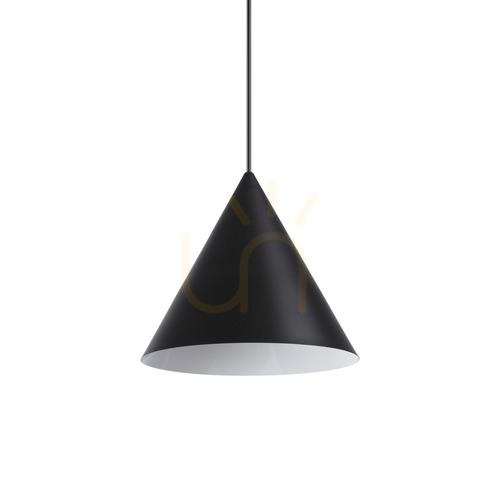
Black pendant lamps - timeless elegance and modern design
The introduction and meaning of black light dominant
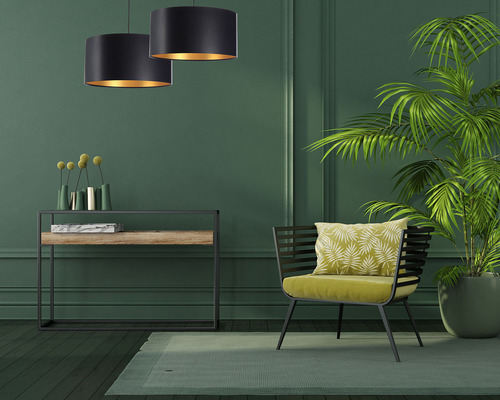
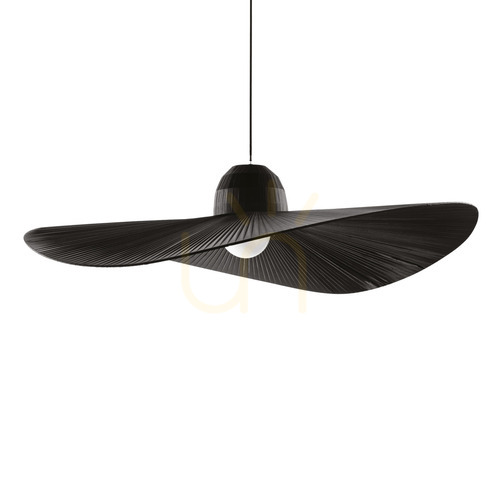
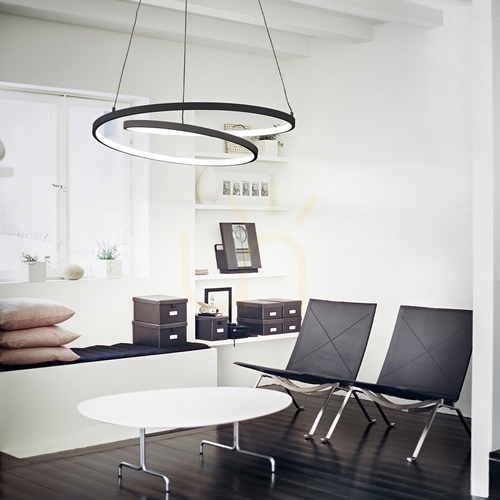
Black pendant lamps have attracted the attention of designers and users for years, because they combine discreet prestige with functionality. The depth of black organizes the composition, enhances contrasts and brings out the textures of walls, fabrics and woods. A well-designed black pendant lamp can become the center of gravity of the entire arrangement, but at the same time it does not overwhelm when you take care of the proportions and height of the suspension. In modern apartments, in classic apartments and in austere lofts, black pendant lamps provide task and mood light at the same time, and their timeless aesthetic makes them stand up well to changing fashions.
Why choose a black pendant lamp
Choosing a black pendant lamp is a decision for a durable, versatile accent. Black acts as a frame for the light: it emphasizes the shape of the lampshade, sharpens the suspension line and enhances the impression of order. The black pendant lamp does not betray minor dirt as quickly as bright fixtures, so it looks fresh in daily use. In rooms with a predominance of natural materials - oak, ash, stone - the black lampshade adds depth. In minimalist spaces, black outlines organize the solid. And in glamour, modern classic or japanese styles, it is the black pendant lamps that add weight to the composition and tone down the brilliance of brass or gold.
Where black pendant lamps work best
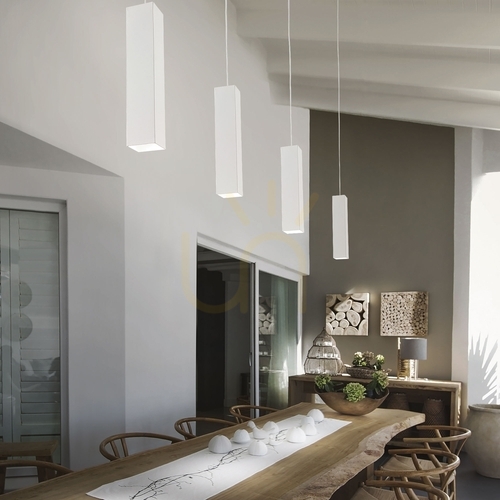
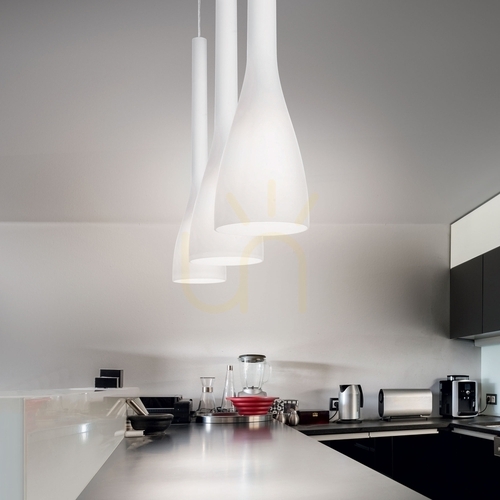
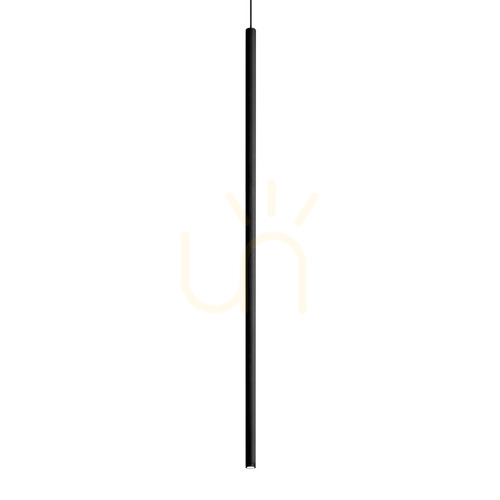
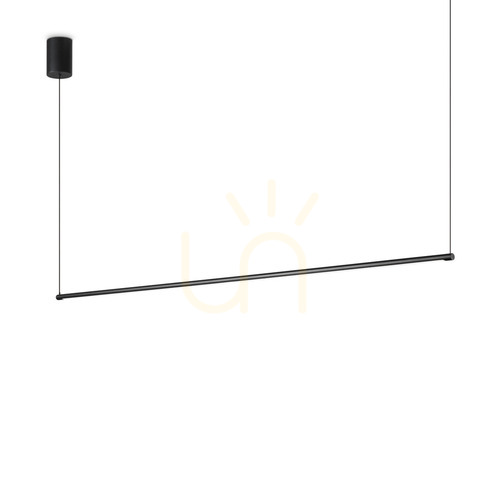
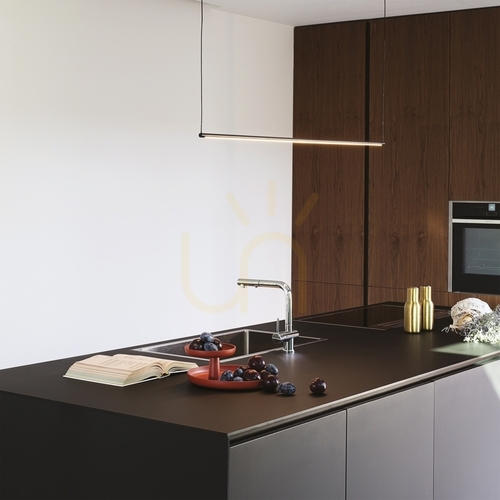
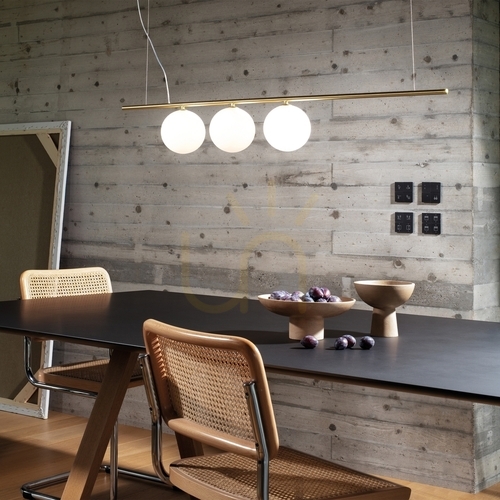
The most frequently chosen area is the dining room, because there the black lamp over the table acts as a scenery for daily meals and evening dinners. Over an oval or rectangular tabletop, a single, distinctive lampshade or a duo of smaller fixtures works well. In the kitchen, replace the black lamps over the table with a row of slender overhangs over the island to evenly illuminate the countertop and disperse shadows. In the living room, the focal point is the black pendant lamp suspended above the coffee table; it closes the lounge area and gives rhythm to the other light sources. In the bedroom, two subtle overhangs on the sides of the bed free up the table tops, while the black detailing of the fixture contrasts with the soft textiles.
Materials, finishes and textures
Black can be matte, satin, or in a refined sheen. Each finish works differently with light. Matte eliminates glare and calms the arrangement, satin softens reflections and highlights the roundness of the lampshade, and gloss acts like jewelry - it catches the glare spot-on and catches the eye. Powder-coated steel remains a classic, but smoked glass, ceramic and wood in duet with black metal are increasingly common. Such juxtapositions are great when black pendant lamps are to simultaneously warm up the interior and emphasize its modern character. In eco arrangements, a veneer lampshade in black juxtaposed with linen fabric and natural plants goes well.
Forms and styles - from minimalism to glamour
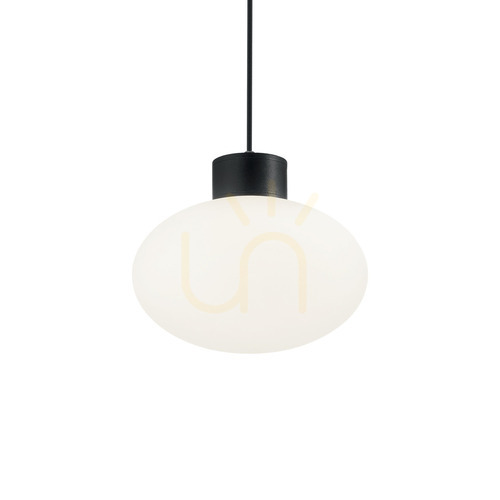
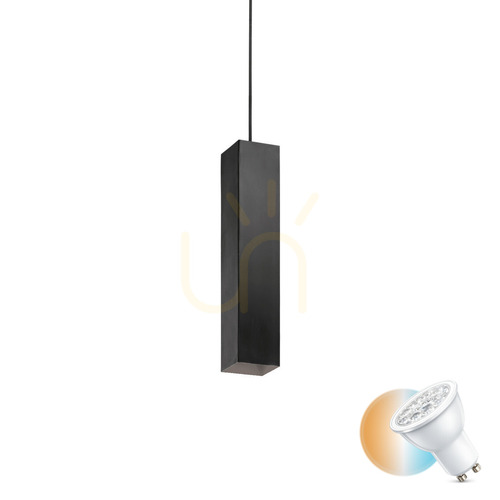
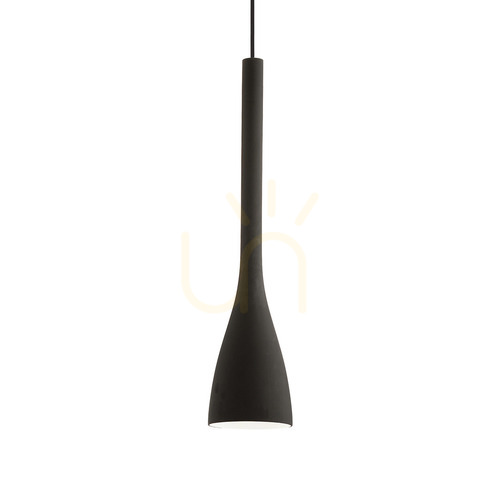
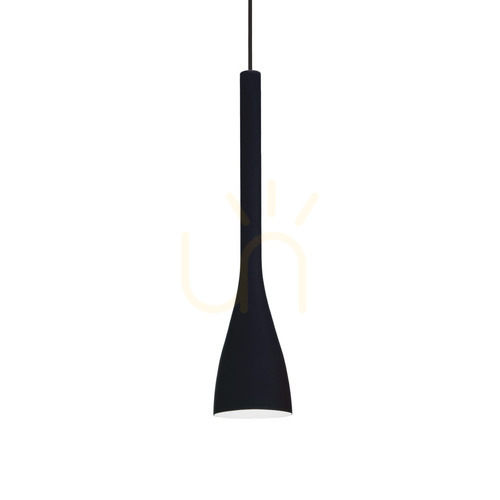
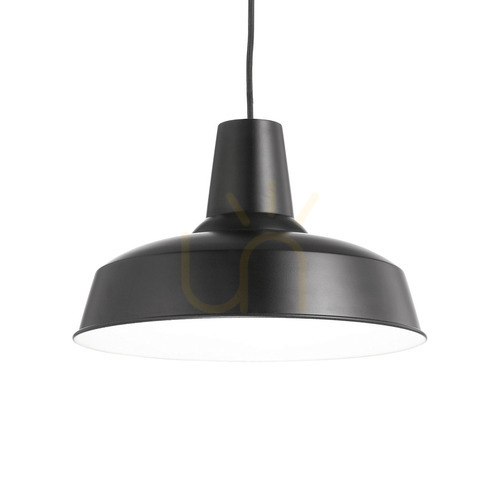
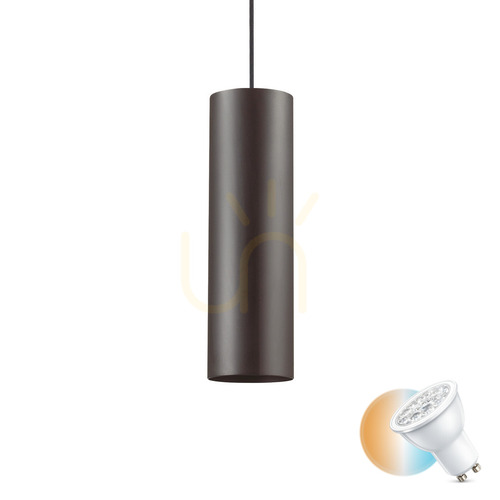
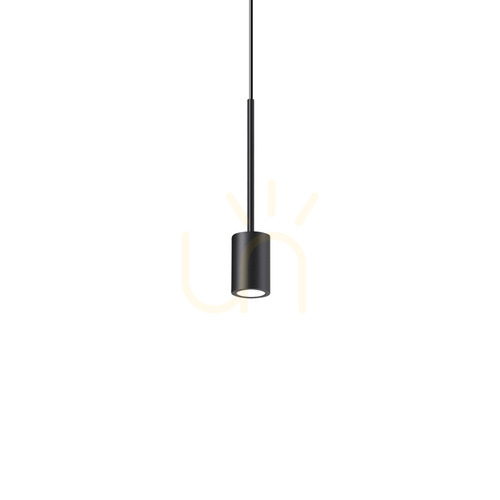
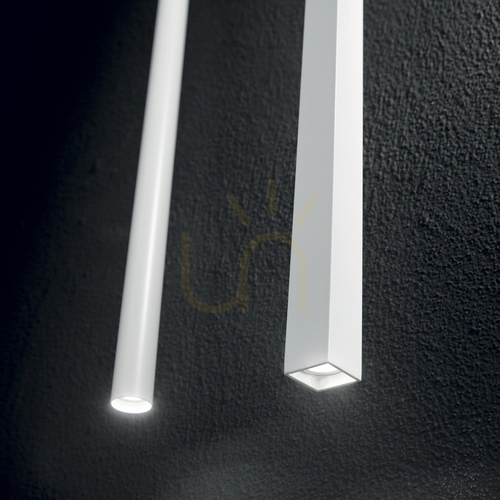
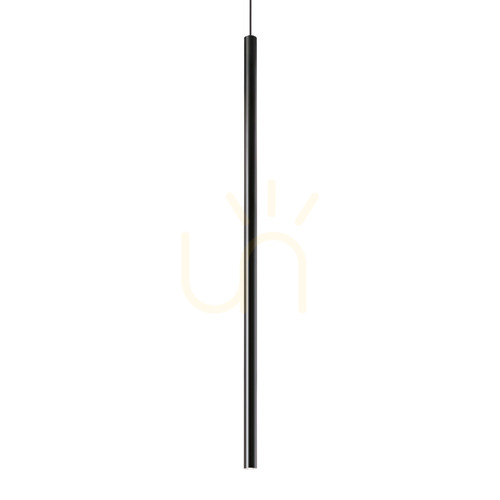
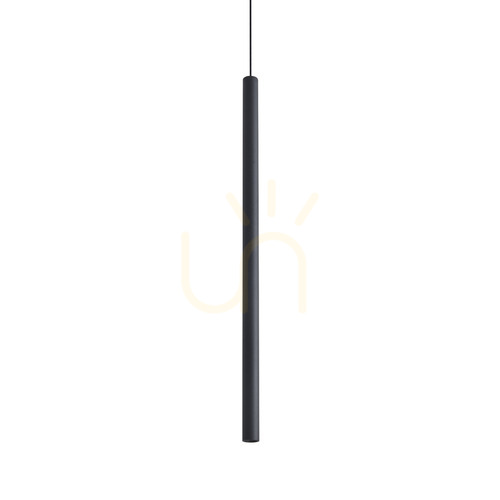
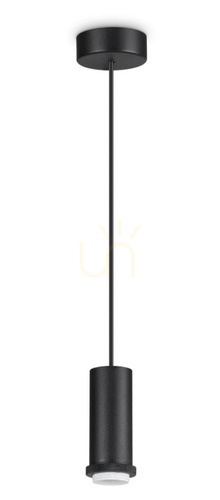
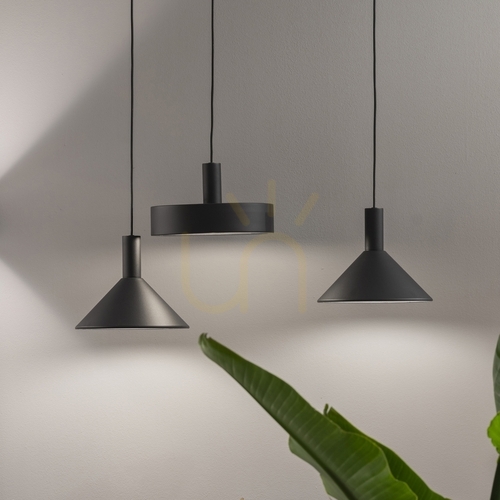
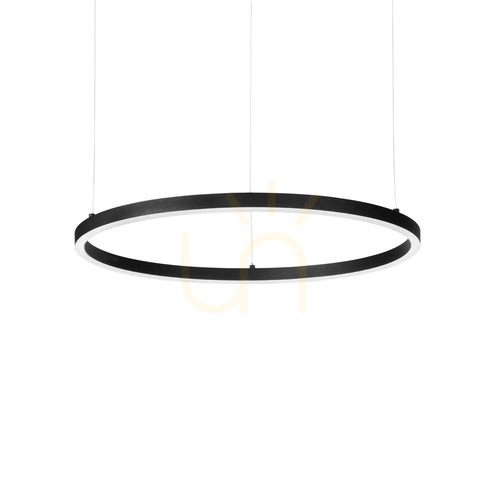
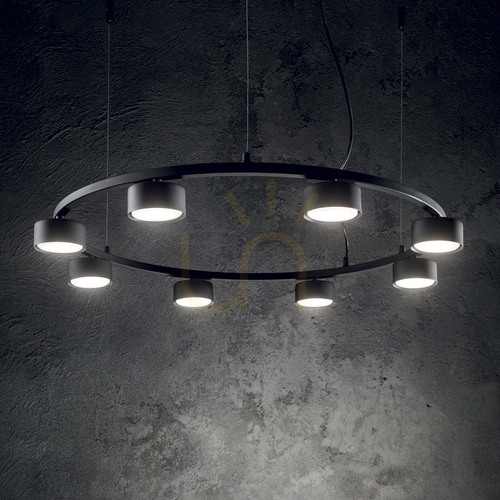
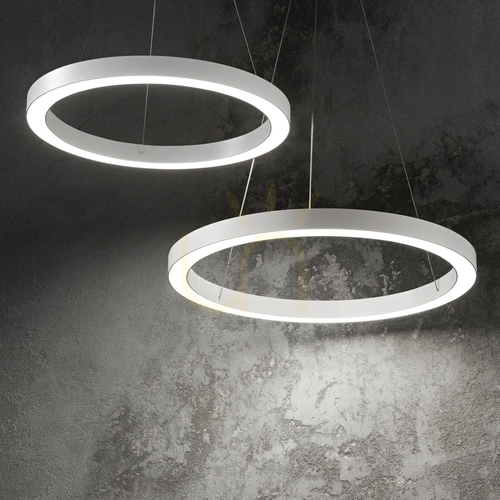
The market offers forms from geometric tubes to spherical lampshades and organic, sculptural shapes. Straight cylinders and cones create clean lines over the kitchen island. Spheres and hemispheres provide wide, gentle diffusion over the table. Openwork fixtures build a lace of shadow on the walls, which adds depth to the interior. In the industrial style, black pendant lamps have a raw frame and visible structural elements. In modern classic we will meet black frame with milk glass. Glamour often features black details accompanied by gold accents, which add glamour without excess.
Selecting the size and proportion for the room
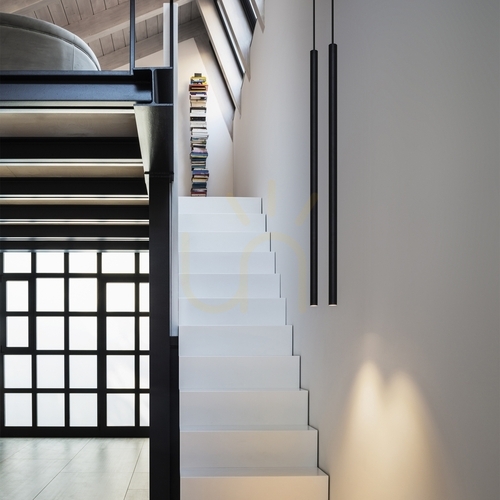
The scale of the fixture is crucial. A lamp that is too small will die, one that is too large will overwhelm. In a dining room, it is good practice to have a lampshade diameter that is roughly one-third the width of the tabletop. When the table is long, it is better to bet on two or three lampshades instead of one huge one. The black pendant lamp over the table should hang so that the lower edge is about seventy to eighty-five centimeters above the tabletop - a height that usually guarantees comfortable conversation and does not blind the. In spacious living rooms, tall wires emphasize vertical proportions and bring out the interior architecture.
Color and quality of light - how light plays with black
Black enhances edges and contrasts, so the color of light should be chosen according to the function of the zone. Warm light between 2700-3000K is better in rest areas. In the kitchen and office, neutral 3000-3500K improves the readability of details. High color rendering index preserves natural shades of foods and materials. Black pendant lamps work well with LED sources - they are energy efficient, do not heat the shade and allow dimming, which is useful in the evening when building the mood.
Ergonomics, installation and mounting height
It is a good idea to start the installation by simulating the mounting height. A piece of paper taped to a fishing line or a temporary hanger helps judge the proportions in the space. A black pendant lamp over an island should give an even light with no shadows projected by the user; it often helps to slightly shift the axis of the fixtures relative to the edge of the countertop. In the living room, it is a good idea to plug the overhang into a scene control system: daytime mode for reading, evening mode for talking, nighttime mode for relaxing. In the bedroom, two independent dimmers allow different light levels on both sides of the bed.
Mix of materials and colors - black lamp in dialogue with the interior
The black lampshade contrasts beautifully with light walls and wood, but plays just as interestingly with navy blue, bottle green and burgundy. If there are gold or brass details in the decor, the black setting will weigh down the composition and prevent the effect from being too decorative. In austere arrangements with concrete, the gloss black lamp gives a spotlight, while in soft, textile interiors the matte finish brings calmness. It is worth repeating the black accent in the handles, picture frames, and fixture strips to make the whole coherent.
LED sources and control - practice of use.
A modern black pendant lamp usually supports E27, GU10 LED bulbs or has an integrated module. Dimmable versions give you the freedom to create the mood. In a smart home, schedules are useful: lights brighter in the morning, warmer and dimmer in the evening. This is not only a convenience, but also a real savings. If you want soft diffusion, choose a milky LED source or a diffuser shade. When you prefer a sharper light pattern, opt for clear glass and a warm-colored filament bulb.
Care and durability of black fixtures
Maintaining black fixtures is easy. Regular, gentle wiping with a soft cloth removes dust and fingerprints. Clean mats without strong detergents so as not to gloss the surface. It is a good idea to polish the gloss with a microfiber, avoiding rough sponges. Wash smoked glass with lukewarm water and a little mild detergent, and preserve wooden elements with oil or wax. Thus cared for, the black pendant lamp retains its appearance for years and does not lose its color intensity.
Case studies - scenarios for home and business
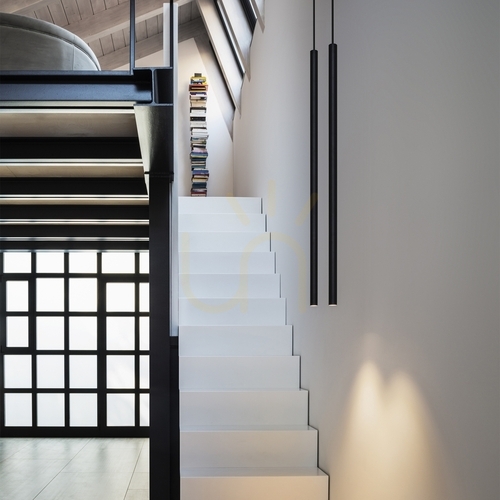
In a small studio, black pendant lamps over the bar carve out a mini dining room without building walls. In a large living room with an annex, three tubes over the island and one hemisphere over the table create a logical rhythm and lead the eye. In the restaurant, the black lamp over the table black in each booth sets an intimate zone, and over the bar a row of small shades builds a light wave. In the hotel lobby, a monumental overhang organizes the space and becomes a landmark for guests. Each of these scenarios is based on the same premise: light is meant to organize the space and reinforce the identity of the place.
The most common mistakes and how to avoid them
The most common mistake is that the scale of the fixture is too small in relation to the table or room. The second mistake is to hang too high - the light then escapes and the interlocutors get blinded. The third is the omission of regulation and dimming, which are standard today. Solutions? Choose black pendant lights with a thoughtful diameter, test the height before installation, and invest in simple controls. Also take care of the color rendering index and color temperature to match the function of the zone.
FAQ in prose form - answers without points
How to choose the size? Match the diameter to the countertop, and in long spaces choose some smaller fixtures. What color of light goes well with black? In relaxation areas warm, in work areas neutral. Is LED a necessity? It's a sensible choice because of its cost savings and dimming convenience. What about small interiors? Opt for slender overhangs and openwork lampshades. How to care? Gently, regularly, without aggressive agents. Does a black frame go with any style? Thanks to the versatility of black yes, as long as you take care of the consistency of materials and proportions.
Summary - black lamp as an investment in style and order.
Black pendant lamps combine aesthetics and ergonomics. They are like a well-tailored suit for the interior: they order the line, emphasize the assets, mask the imperfections. A well-chosen black pendant lamp works all day long - in the morning it increases energy and readability, in the evening it builds mood and pretends to be a candle flame. It's a style-safe and functional choice, because it's easy to refresh with a change in light color or suspension. If you are looking for a solution for years that will not go out of fashion and will resist heavy use, the black pendant lamp is the obvious answer.
Substantive extension: when the black lamp over the table becomes the axis of the composition, what matters is the rhythm, that is, the repetition of the form and the constant distance between the lampshades. If the countertop is expandable, it is better to choose an oblong fixture or a line of overhangs to ensure an even corridor of light in any configuration. It's worth thinking about diffusers that protect your eyes from glare and help you photograph food without harsh reflections. In a home office, a black pendant lamp should not reflect in the screen - so hang it so that the stream does not fall from the axis of vision.
In arrangements with a lot of glass, black frames and black pendant lamps stabilize the image and organize the perspective. In small apartments, it is black that defines the contours and allows you to precisely delineate the zones: cooking, eating and resting. In cafes, the warm light color and matte finish help shorten shadows under the eyes, while the even raster of the lampshades makes it easier for guests to find their seats. In hotels, dimming at night guides the eye at a lower luminance level, so that the lobby retains an atmospheric depth.
Technically, the darker the luminaire, the more important is the quality of the reflectors and the shape of the shade. If you want a pinpoint sheen over the countertop, choose narrow tubes; if a soft halo, hemispheres with a milky diffuser. Contemporary light sources with high CRI allow you to enjoy food and fabrics in natural colors, while simple wall or smart controllers provide a seamless switch between work and relaxation. Such pragmatism meets the poetry of materials: black, wood, velour and stone play together to create a modern but welcoming home.