Pink Pendant Lamps - a complete guide to modern interior design
Introduction - why pink works in interiors
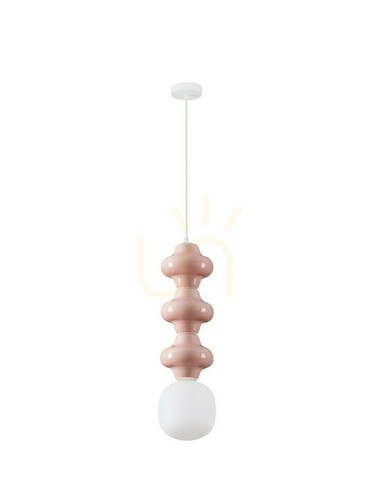
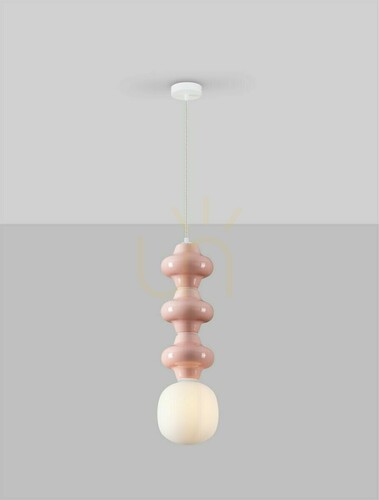
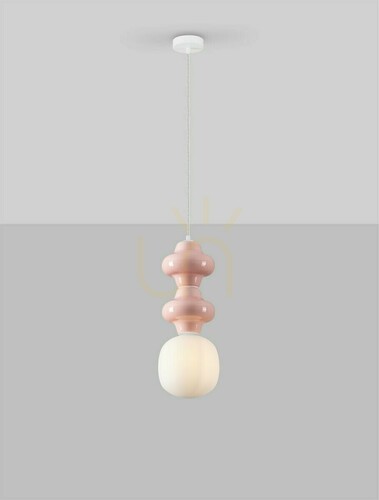
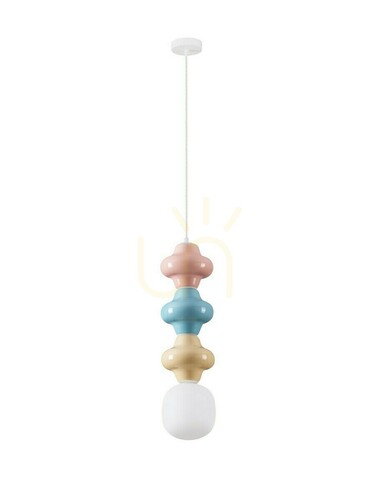
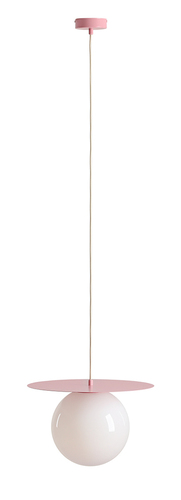
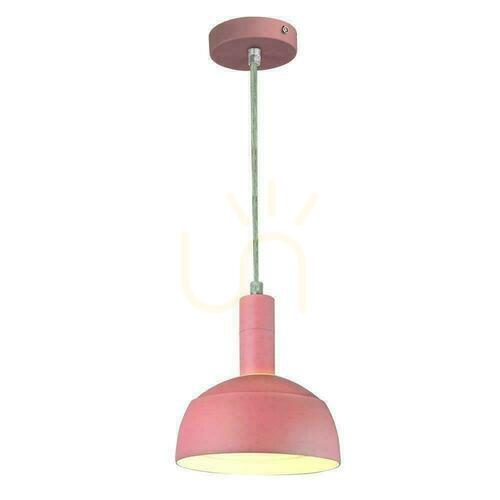
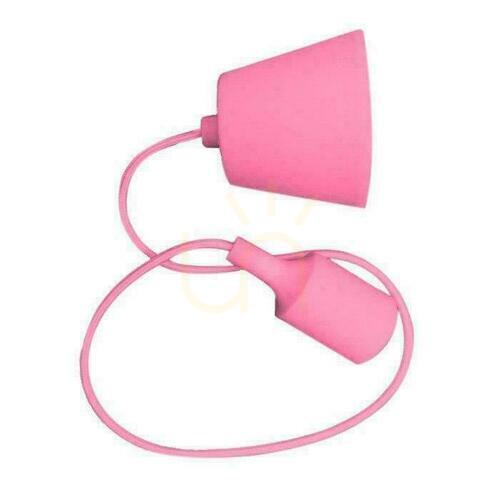
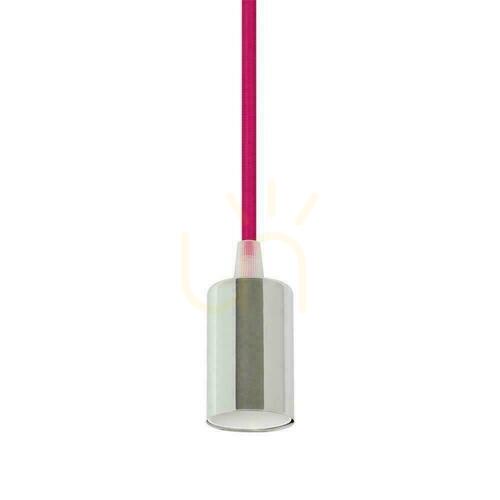
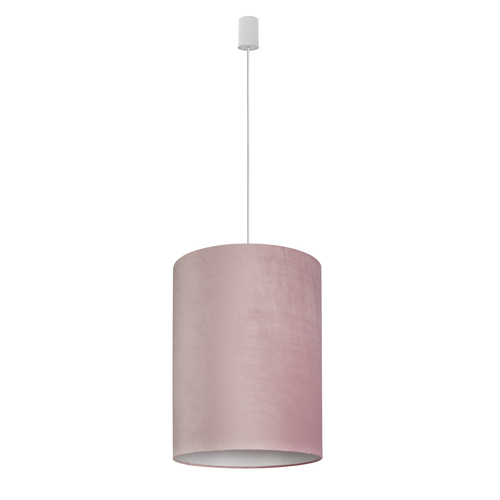
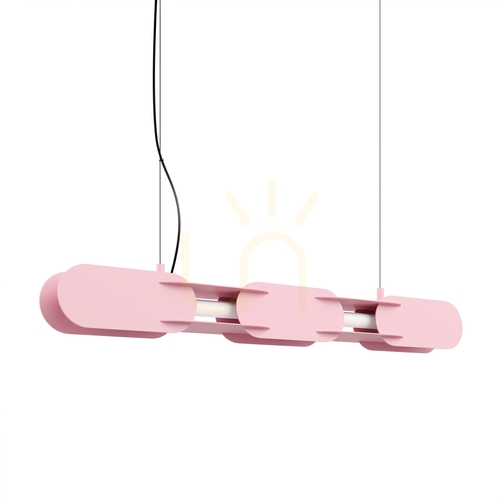
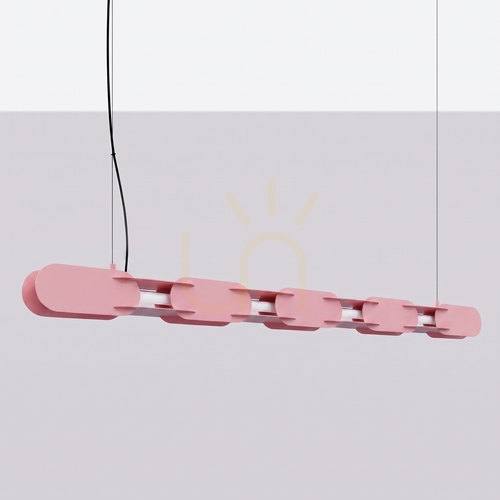
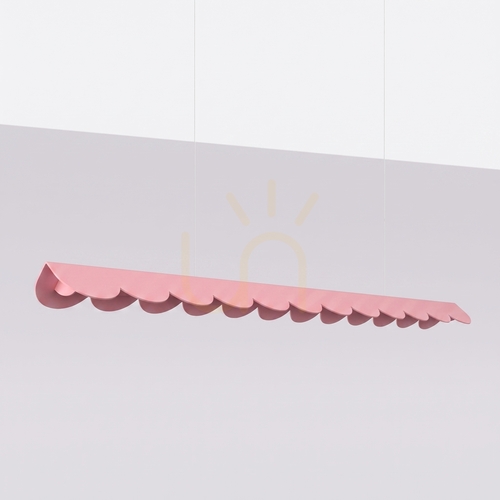
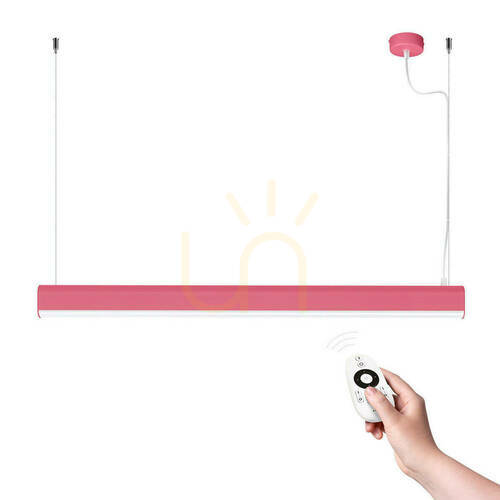
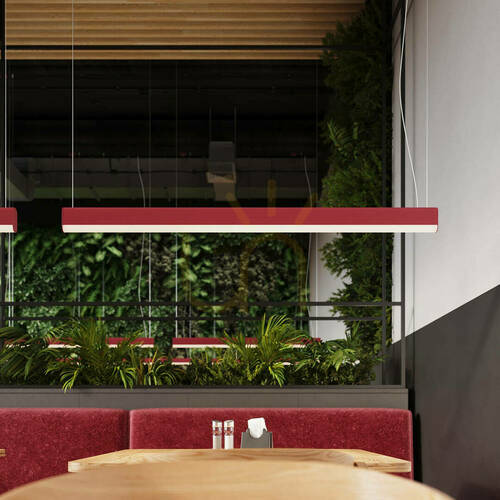
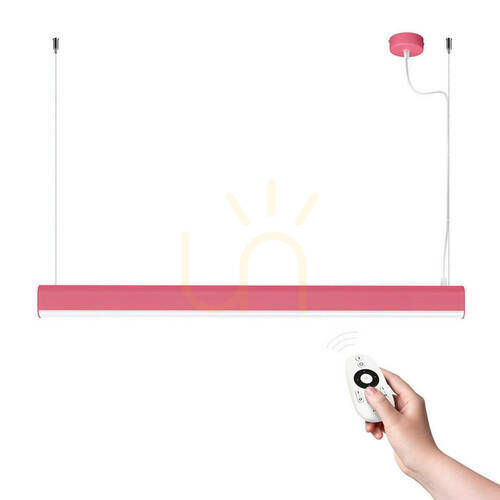
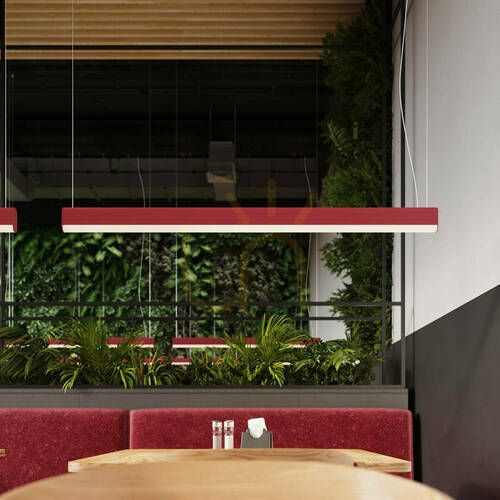
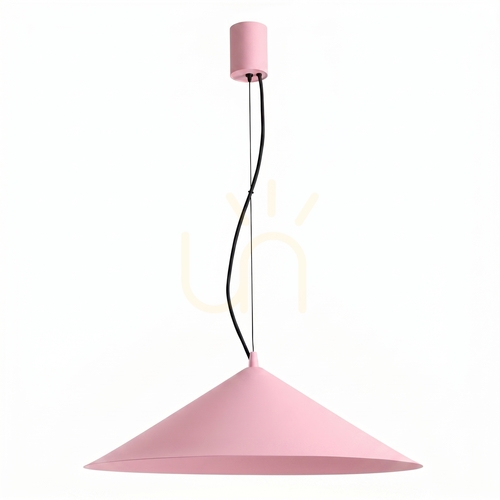
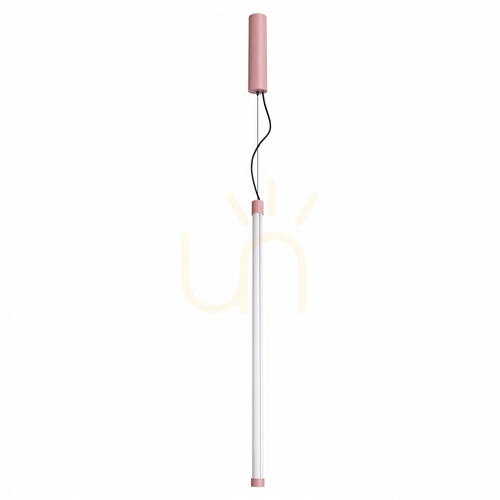
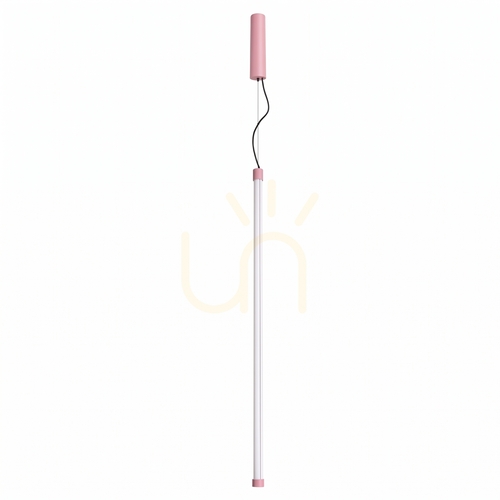
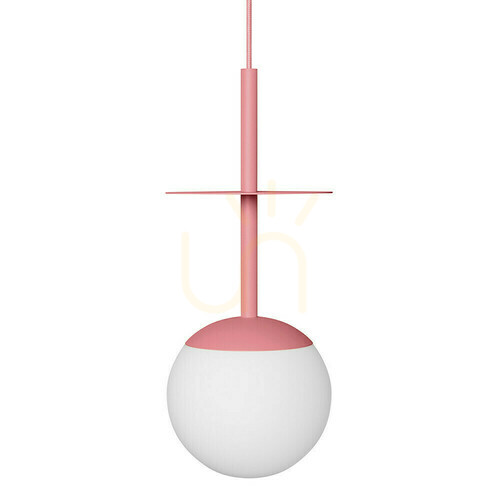
Pink pendant lamps are lighting decorations that can break monotony and give rooms a friendly energy. The color pink - from powdery to juicy fuchsia - has the ability to warm up an arrangement and set the mood. When the pink pendant lamp appears in the frame, we gain not only a functional light source, but also a strong style accent. pink pendant lamps distinguish the space in a soft and elegant way, without dominating the entire decor. In modern, minimalist apartments, the pink pendant lamp can act as the focal point of the composition, while in cozy, classic interiors it will subtly complement the decor.
Advantages and reasons for choice - comfort, mood, personalization.
Choosing a pink fixture is both an aesthetic and practical decision. First of all, pink pendant lamps bring a feeling of freshness and lightness - even a simple color scheme gains a touch of clarity. Secondly, pink is associated with warmth and peace: it promotes relaxation and integrates household members. Third, today's models offer a wide range of features - from dimming, to sling height adjustment, to LED modules with varying color temperatures. Thus, the pink pendant lamp can be fine-tuned for different roles: general, task or decorative light.
Where best to use - room mapping
- Living room: a pink pendant lamp over a coffee table or in the center of a lounge area creates a soft shade of light; combine it with standing lamps and wall sconces for layering.
- Dining room: pink pendant lamp over the table organizes the composition and supports conversation - light focused on the tabletop builds a cozy atmosphere for the meal.
- Kitchen: a row of 2-3 fixtures above the island (spaced 60-80 cm apart) provides even working lighting; powder pink blends well with wood and white.
- Bedroom: fabric pink lamp hanging over the bedside table or dressing table will replace the traditional lamp and introduce a soothing glow.
- Hallway/corridor: pastel pink warms the first frame of the house; one dominant improves orientation in space.
- Cabinet: soft pink breaks up sterility and helps create a friendly, creative working atmosphere.
Styles and materials - from glamour to Scandinavian minimalism
- Glamour: tinted glass, gold trim, crystal elements; a pink pendant lamp becomes the jewelry of the interior.
- Scandinavian: matte finishes, simple solids, natural wood; pink pendant lamps in powdered tones build balance.
- Modern/loft: metal, geometric lampshades, braided wires; more intense pink as counterpoint to concrete and black.
- Boho/natural: rattan, linen, plaids; soft light and organic textures coordinate with soft pink.
Materials vs. optical effect: glass (diffusion and shine), metal (directional light), fabric (soft glow), ceramic (plastic form and clear texture).
Light parameters - color, flux, CRI and angle
- Color temperature (K): 2700-3000 K for relaxation zones; 3500-4000 K for eating and table work..
- Flux (lm): living room atmospheric 600-1200 lm; table/dining room 900-1300 lm/frame; island 2-3 points of 800- 1100 lm each.
- CRI (Ra): ≥80 for everyday; ≥90 for accurate color rendering (fabrics, foods, graphics).
- Light angle: wide diffusion for general light, narrower angle for accents and tasks.
Selection of size and height - rules of proportion
- Shade diameter vs. tabletop: for a round table, 1/2-2/3 diameter; for a rectangular tabletop, consider two or three smaller diameter pink pendant lamps instead of one large one.
- Sling height: over the table usually 70-90 cm (from the tabletop); over the island 75-100 cm; in the communication higher, so as not to restrict the passage.
- Rhythm and spacing: over the island 60-80 cm between the axes of the lampshades - the light cones should meet without "holes" of luminance.
Types of pink pendant lamps - an overview of solutions.
- Single-point pink pendant lamp: universal, ideal over a table, island or bedroom.
- Multi-arm chandelier: a spectacular effect in high living rooms and halls.
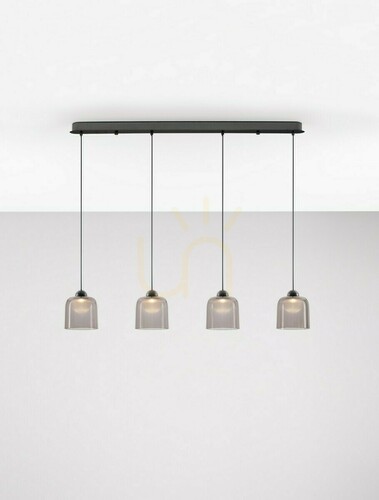
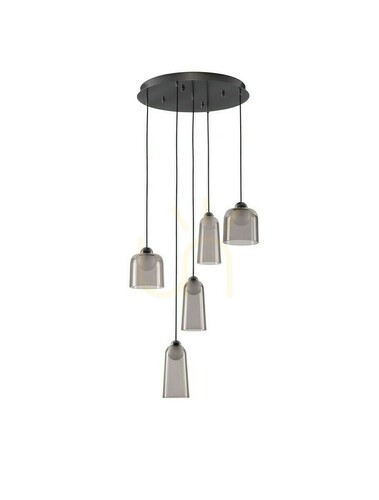
- "Spider": several lampshades at different lengths, dynamic installation over a long table.
- On chains/ropes: a great duo with loft and vintage style.
- Adjustable in height: flexible to fit scenes (meal/work/order).
Light sources - LED, dimming and compatibility
- LED: energy saving, long life, stable color.
- LED filament: decorative fiber drawing - for transparent lampshades.
- Milky/ opal: even glow in fabric and milky glass.
- Dimmers: select compatible luminaire + source; consider lighting scenes (evening/work/relaxation).
Installation and safety - an inspection shortcut
- Disconnect power supply and verify absence of voltage.
- Choose the right studs for the ceiling, check the load capacity.
- Guide wires in a gentle arc, close headliner evenly.
- In multi-point systems, level the lampshades and keep the spacing constant.
- In the vicinity of wet areas, verify required tightness and distances.
Care and durability - simple habits for years to come
- Lacquered metal and glass: wipe with a soft, slightly damp cloth; do not spray liquid directly on the fixture.
- Fabrics/woven fabrics: vacuum with a brush, avoid intense moisture; use mild fabric detergents.
- Seasonal inspection: tighten fixtures, inspect cable and sling; replace light sources before visual comfort decreases.
Trends - what plays first fiddle in pink lighting
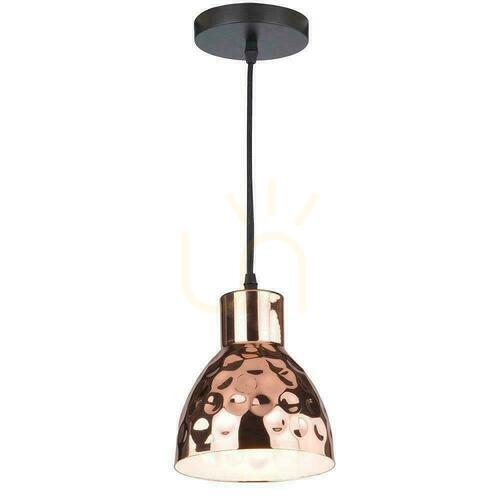
- Glam-pastel: pink + gold/copper, spherical shades, milky glass.
- Scandi-soft: matte, powder pink, simple solids and natural materials.
- Retro/neo-vintage: smoky pink, floral forms, groups of lampshades at different heights.
- Eco-boho: rattan in pink, linen lampshades, hand braids and soft light.
- Smart-light: integrated LEDs with color and dimming control, control from the application.
Case studies - three layouts in practice
- Dining room 12 m²: Ø40 cm pink pendant lamp, 1100-1300 lm, 3000-3500 K, 75-85 cm above the tabletop; for a 200×90 cm tabletop - two Ø30-32 cm fixtures spaced ~70 cm apart.
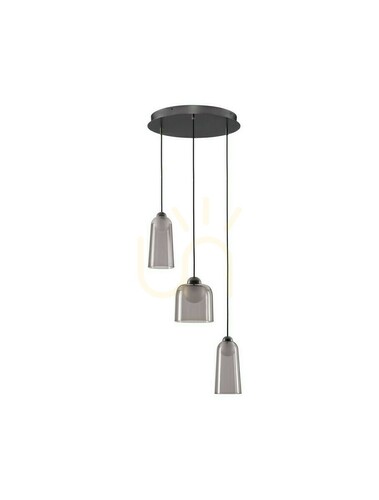
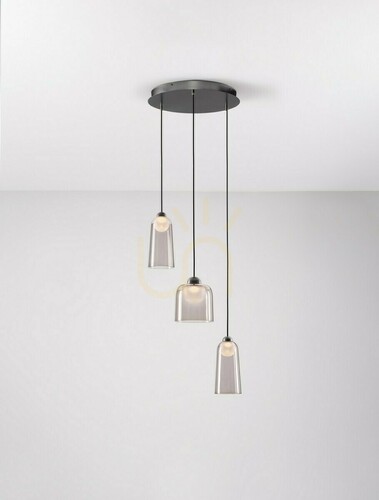
- Island 220×80 cm: three points of 900-1100 lm each, 3000-3500 K, spacing 65-75 cm; complete with under-cabinet strip 200-400 lm/mb.
- Living room 20 m²: central pink pendant lamp 800-1200 lm + two table lamps and a wall lamp - layered light without sharp contrasts.
The most common mistakes and quick corrections
- Pendant lamp hung too low - raise by 5-10 cm, the comfort of conversation and eye contact will improve.
- One fixture in a large living room - add side lamps, avoid the "cave effect".
- Chaotic CCT - maintain consistent color temperature within a scene.
- Too large shade in a small kitchen - choose two smaller pink pendant lamp or one up to 30 cm in diameter.
FAQ - questions and answers
- Do pink pendant lamps fit in small apartments? Yes - go for slender forms and glass; avoid oversize over a narrow table.
- What light color to choose for the dining room? Usually 3000-3500 K - it is conducive to conversation and presentation of dishes.
- How many points over a 200×90 cm island? Mostly three pink pendant lamp of 900-1100 lm each.
- Is the pink pendant lamp dimmable? Yes, if you choose a compatible source and controller.
- What to combine pink with? With white, beige, gray, gold/copper, green plants and smoked glass.
Summary - the essence of choice
Pink pendant lamps combine functionality with decorativeness. A properly selected pink pendant lamp - in terms of form, color and flux - becomes the natural center of the light scene and adds character to the interior. Pink, used consciously, acts as a soft filter: it warms, calms and highlights textures. Therefore, the pink pendant lamp is a choice that combines trend, convenience and timeless charm.
Annex - planner and lexicon
ANNEKS - step-by-step lighting planner:
1) Define the scenes: meal, work, evening relaxation.
2) Match the form of the lampshade to the task: diffusion (glass/fabric) vs directionality (metal).
3) Determine the flux (lm) and color (K) for each zone.
4) Design sling heights and spacing.
5) Verify compatibility of dimmers and LED sources.
6) Plan maintenance (resources, access to shades), warranty and service.
LEXICON: CRI - color fidelity; CCT - color temperature; lm - lumen; K - kelvin; diffuser - diffusing element; E27/E14/GU10 - source caps.