
Magic Garden - a practical guide - How to light up the garden?
A garden after dark can look magical - but only if the light is planned with a head. Otherwise, you end up with one strong lamp at the entrance, dark spots on the path and lighting that, instead of building a mood, simply glaring. The good news is that illuminating a garden doesn’t have to be either very expensive or complicated. All it takes is a few simple rules: Understand where the light is needed, choose the right color and skillfully lay out the light points.
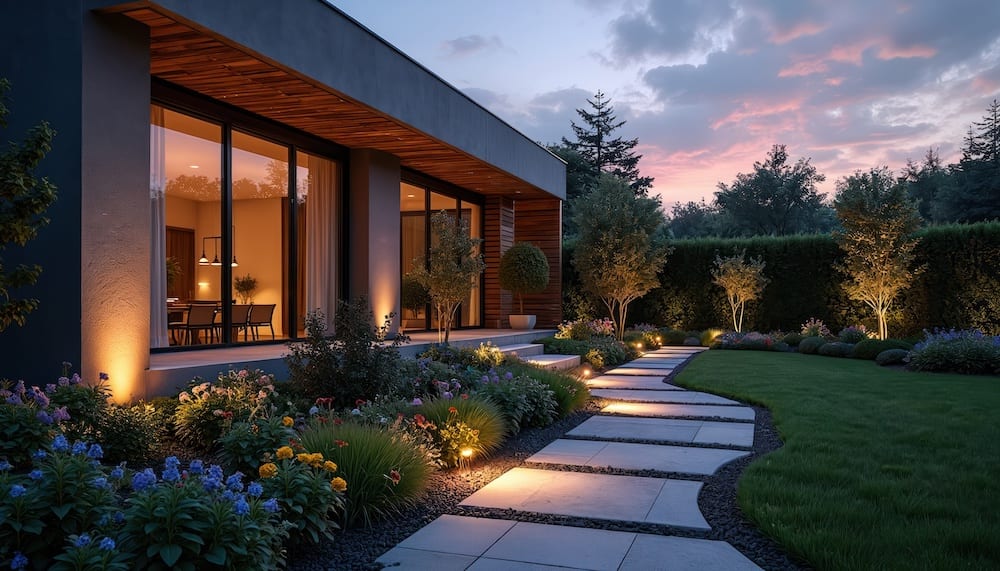
Garden lighting: function first, decoration second
Before you choose specific garden lights, it’s worth answering one question: what do you really want to light up your garden for? In most cases, it’s about three things at once. First - for safety: to walk the path, climb the stairs, open the gate or park in the driveway without stress. Secondly - about convenience: a terrace, gazebo, barbecue area or place for evening relaxation need light that is more “usable”. Third - about atmosphere, or accents: an illuminated tree, flower bed, wall, facade texture or pond can turn an ordinary garden into an impressive space.
The best effect comes from an approach in which most of the light is practical, and the rest works on aesthetics. It is this balance that makes the garden look natural and very impressive, even if the fixtures used are simple.
Layers of light, or the secret to a garden that looks good after dark
The most common mistake is to try to light the entire garden with one or two strong spots. Such an arrangement results in harsh shadows and areas that are completely dark, and it is often blinding in the process. It works much better to build lighting in layers: separately for communication, separately for utility zones and separately for decoration.
1. Communication layer (paths, stairs, entrances)
The communication layer is mainly paths, stairs and entrances. The light should be low and diffused, so that it leads and does not glare into the eyes.
2. Utility layer (terrace, gazebo, barbecue area)
The utility layer is the terrace and places where you actually do something - here you need more light, but still comfortable, warm and non-aggressive.
3. Decorative layer (plants, trees, details)
The decorative layer is to highlight what is most beautiful in the garden: plants, trees, architecture and details. It is the accents that do the “wow”, even if there are few of them.
Why do layers work better than “one strong lamp”?
Because the eye likes balance. When you have a few soft light sources in the garden, the space is clear but doesn’t look flat. In turn, one strong point creates contrasts: in one place it is bright, and two steps away it becomes completely dark. Layers allow you to illuminate what’s important, while leaving a pleasant softness in the garden.
What color of light for the garden to make it cozy?
In the garden, the color of light is of great importance. Lighting that is too cool can strip plants of their natural colors and make the space feel harsh. That’s why warm white is usually best: about 2700K in the relaxation and terrace area, and possibly 3000K in more utilitarian areas such as the entrance or driveway. Consistency is the key - when most of the garden has a similar color temperature, the whole looks harmonious and professional.
Where to place the lamps so that the garden is bright, but not “overexposed”?
Good placement of garden lamps often makes a bigger difference than the power of the fixtures alone. Paths and accesses are worth lighting regularly, with an even rhythm. A few softer spots work better than two very powerful lamps.
Stairs require special attention: this is one of those places where lighting is supposed to be primarily practical. Low-set fixtures that illuminate the steps work best.
As for plants, the nicest effect comes from directional lighting, i.e. a spotlight positioned so that the light goes “from the bottom up”. It’s just worth keeping an eye on the spotlight so that it doesn’t shine into the windows of the house or toward the neighbors.
What to pay attention to when choosing garden lamps?
In the garden, the equipment works in harsh conditions, so the resistance of the fixtures is very important. Under a canopy, solutions with a lower degree of protection will suffice, but in an open area it is better to choose lamps that are more sealed, resistant to rain, dust and splashes. If you are planning ground or overhead luminaires, these are some of the most challenging points of installation.
The second issue is the direction of light. For communication, lamps that give diffused light downward or sideways work well. For accents - spotlights and directional light.
Examples of garden lighting in our offer
1. Lighting of paths and driveway
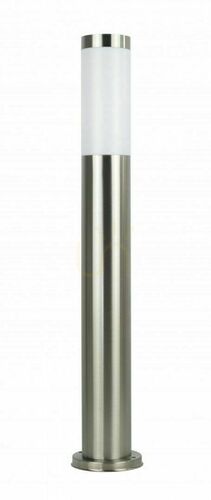
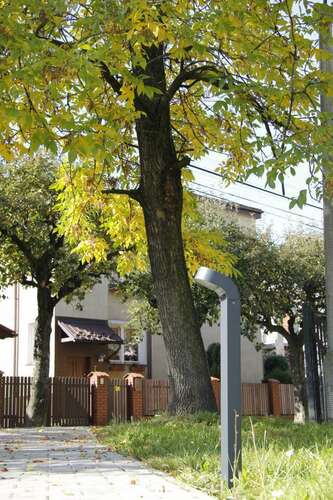
Paths and approaches look best when the light repeats in an even rhythm and gently guides the pavement. The most common choices are Lighting Posts and directional fixtures.



2. Outdoor Wall lamps - sconces for the facade and at the entrance
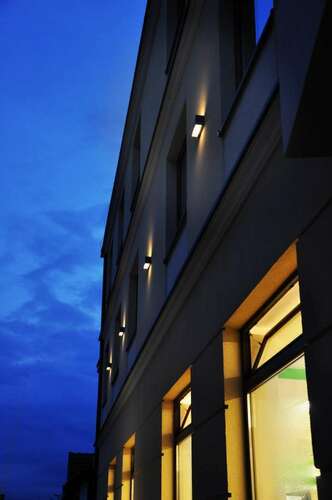
Wall sconces on the façade are great at the entrance to the house, at the terrace and near the utility door.


3. Outdoor floodlights and spots for plant illumination
Directional spotlights allow you to highlight the trunk of a tree, a crown, an interesting plant or a part of a bed and achieve a “scenery” effect in the garden.


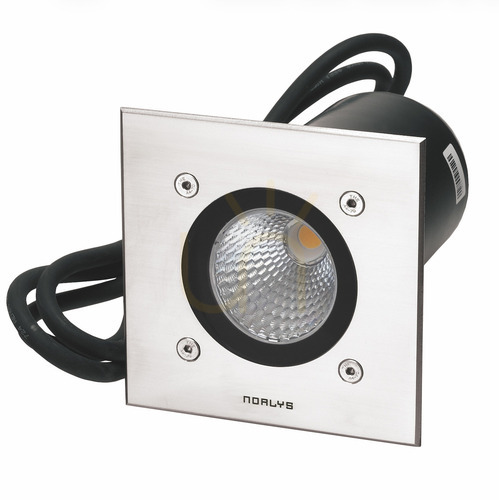
4. Overhead Lamps - Ground and overhead luminaires for accents
Ground luminaires work well where you want an accent “from below,” such as. By trees, walls or architectural details.


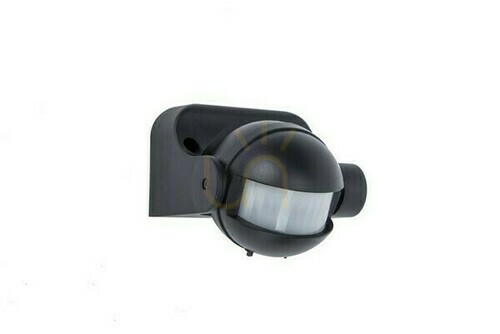
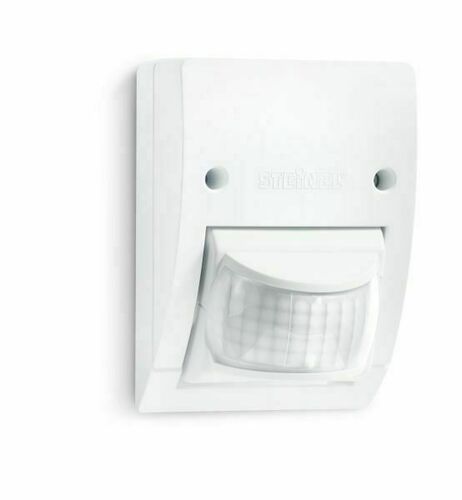
5. Motion and twilight sensors - control and automation
Automation makes the garden “work by itself”. Lights turn on after dark, turn off at a set time, and in security zones respond to movement.
Controls: a small addition that makes a huge difference
The simplest option is a twilight sensor that activates the light after sunset. Even better is the combination of twilight and timer, so that the lighting does not shine all night, but only until a selected time. In security-related areas (gate, driveway, entrance), a motion sensor works great.
The most common mistakes that make a garden look worse than it should
Many people overdo the power or mount the lamps too high. The effect is then the opposite of what is intended: the lighting dazzles, creates harsh shadows and tires the eyesight. Haphazard placement of light points and mixing different colors of light can also be a problem.
If you want to avoid disappointment, think of the garden as the interior of a house: function first, then atmosphere. Light is supposed to lead, emphasize and build mood - not be too harsh or dominant.
Bottom line: how to illuminate the garden so that the effect is really good?
The best garden lighting is the one you don’t notice as “lamps”, but as a pleasant space after dark. Start with paths and stairs, because it’s a safety issue. Then add a terrace and utility areas. Finally, choose a few accents: one tree, a section of a flower bed, an element of the facade. Stick to a warm light color and take care of the controls (twilight, timer, motion).
FAQ - the most common questions
How to illuminate the path in the garden?
An even rhythm of several softer points of light, positioned so that they illuminate the pavement rather than shine straight into your eyes, works best.
What color of light to choose for the garden?
The most versatile is warm white: about 2700K in the relaxation and terrace area, and 3000K in more usable areas, such as the entrance and driveway.
What is better: motion sensor or twilight sensor?
It depends on the zone. A dusk sensor works well for “climate” lighting, and a motion sensor for security areas (entrance, gate, driveway).
How to avoid glare in the garden?
Installing fixtures lower down, choosing lamps with diffused light and the right angle of illumination helps.
Przemek


Maybe you will be interested in products from these categories?
Outdoor Wall lamps, , Motion and twilight sensors, Outdoor Pendant Lights, Garden Ball Lights, Outdoor Lights, Outdoor Spot Lights
Tags & Blog Categories