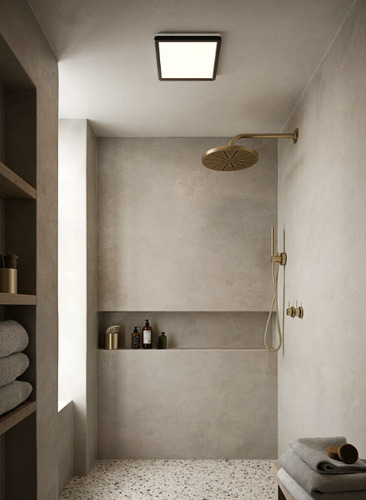
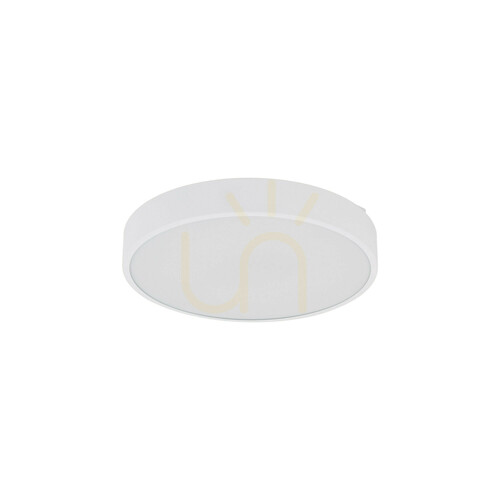
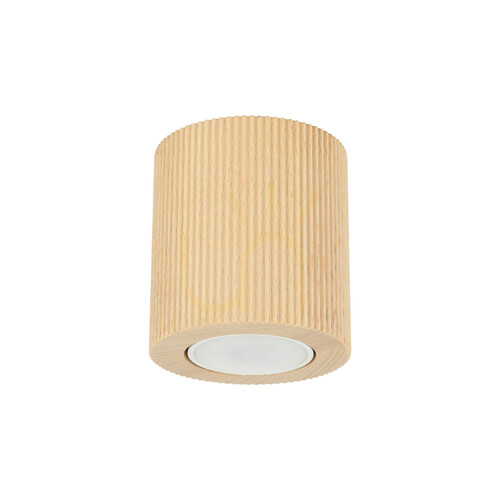
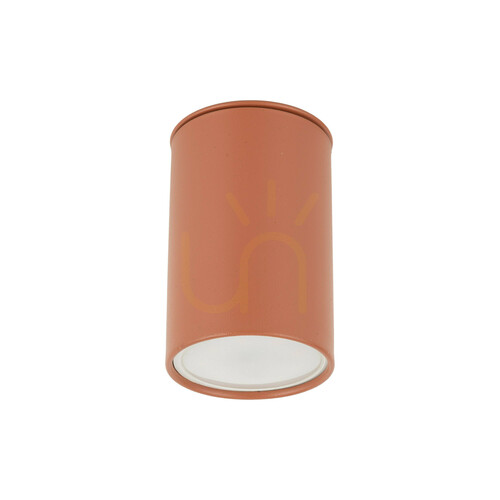
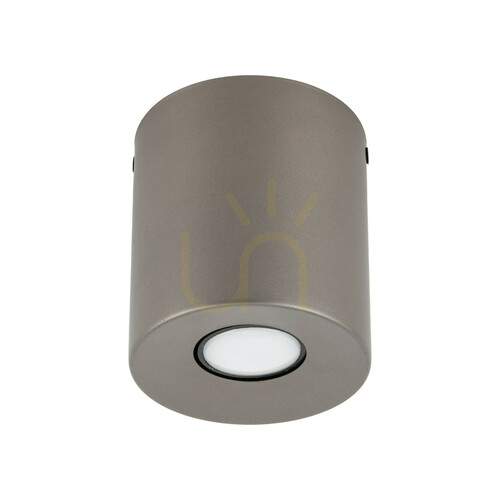
A bathroom ceiling fitting has to cope with steam and, more often than not, with installation in a plasterboard ceiling directly above a shower. The IP rating is not a detail here — it is the first thing to check.
IP rating by zone
| Where it goes |
Zone |
Minimum IP |
| Ceiling above the shower or bath |
1 |
IP65 |
| Within 60 cm of bath, basin or shower |
2 |
IP44 |
| The rest of the ceiling |
3 |
IP20 permitted |
In a bathroom under 6 m² almost everything is close to water — treating IP44 as the minimum for the whole ceiling is the simpler and safer approach.
Laying out downlights
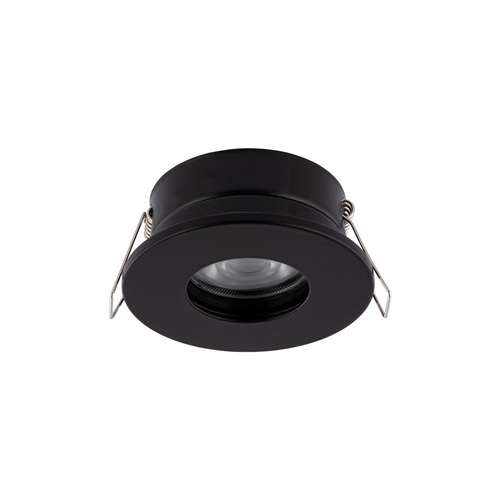
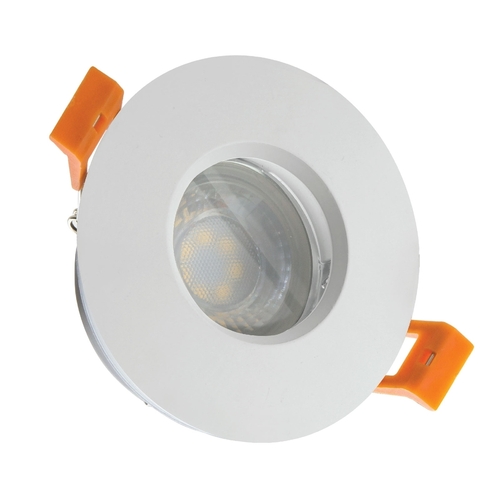
Four fittings at roughly 400 lm each, spaced 80–100 cm apart, cover a 5 m² bathroom. Do not place one directly above the mirror: it will throw a shadow across the face. Shift it 30–40 cm towards the middle of the room and light the mirror separately with wall lights.
GU10 or integrated LED
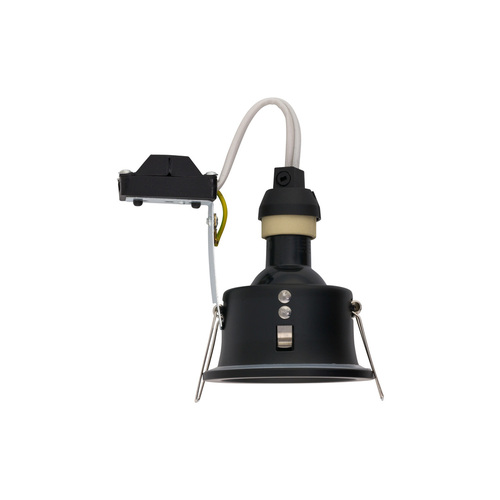
GU10 lets you swap the lamp and change colour temperature without removing the fitting — genuinely useful in a plasterboard ceiling. Integrated LED gives a shallower recess depth, which can be the deciding factor when the void above is tight.
Common questions
Do bathroom downlights need to be IP65?
Directly above the shower or bath, yes — that is zone 1. Elsewhere IP44 is sufficient.
How many downlights in a bathroom?
Four to six for a typical 5 m² room, evenly spaced, plus separate lighting at the mirror.
What colour temperature for a bathroom?
3000 K for general light, 3500–4000 K at the mirror where you need to judge skin tone accurately.
See also indoor wall lights and illuminated mirrors.