A hallway usually has the lowest ceiling in the house and no window at all. That combination makes it the one room where the fitting is chosen by its depth before its looks.
Rhythm beats brightness
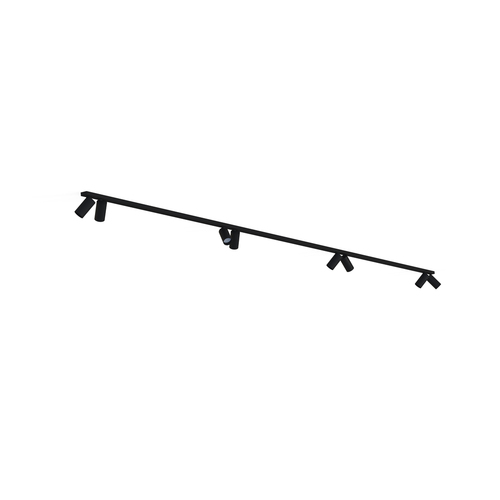
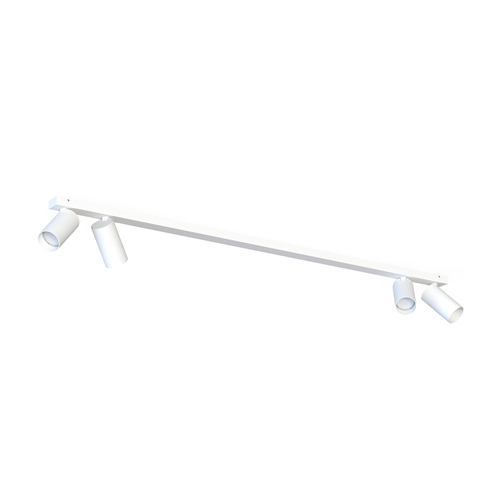
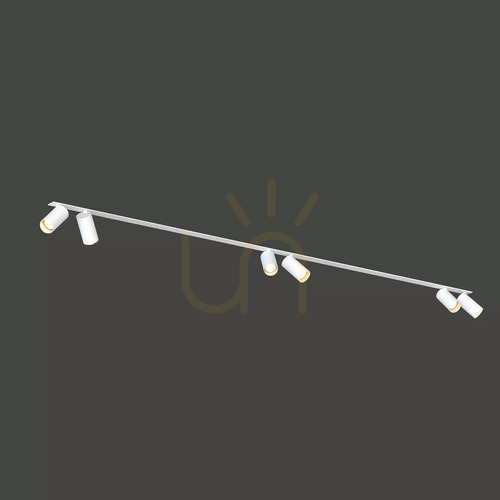
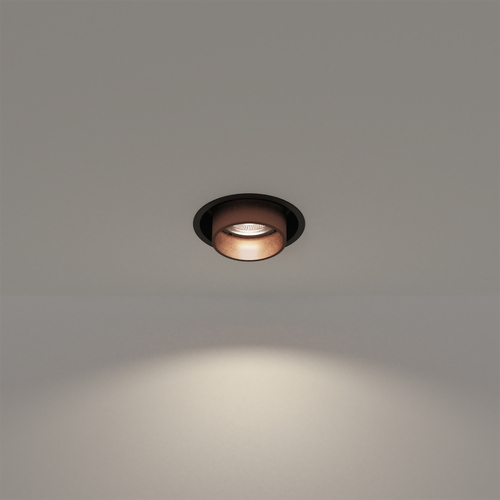
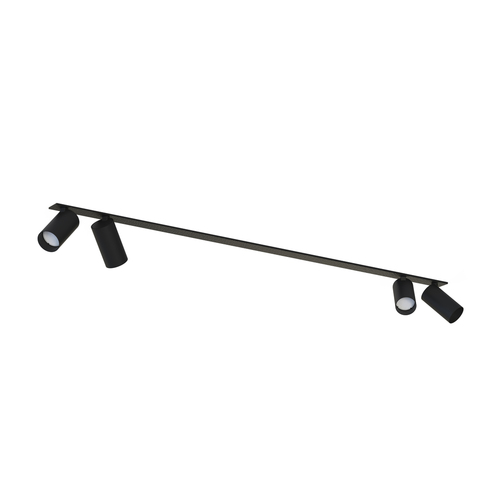
The rule that works: one fitting per 2–2.5 metres of length. In a five-metre hallway, two evenly spaced lights give light without dark ends. One powerful fitting in the middle always leaves shadows at the doors and casts unflattering light on the face.
Depth and width
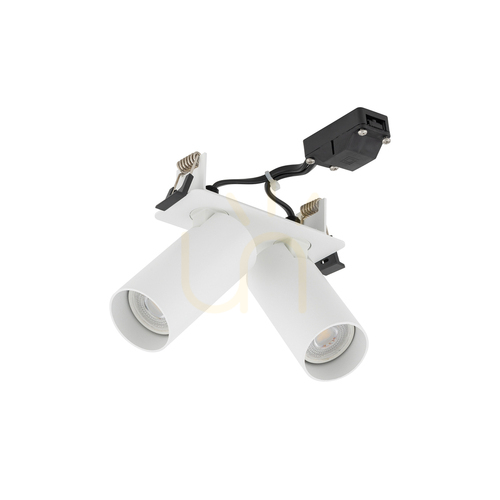
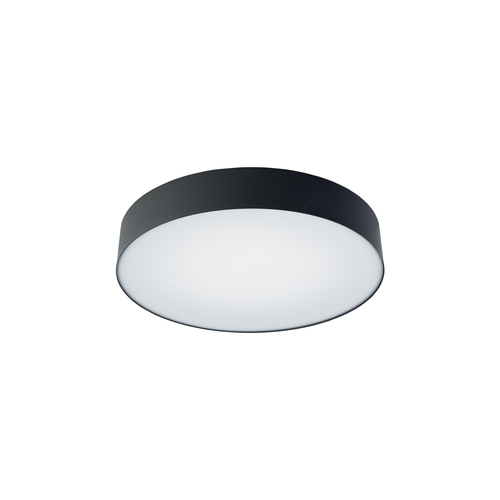
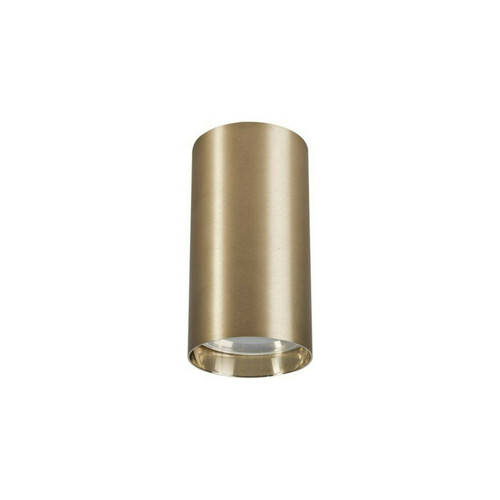
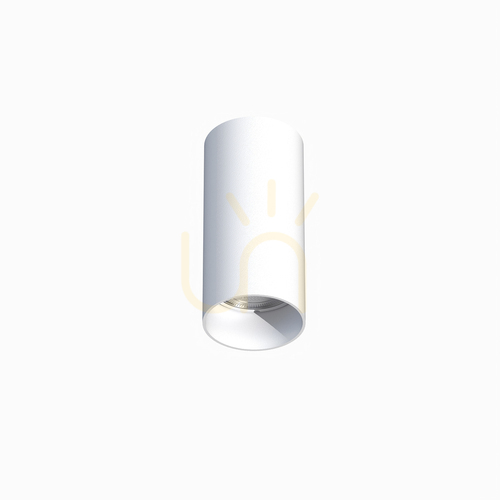
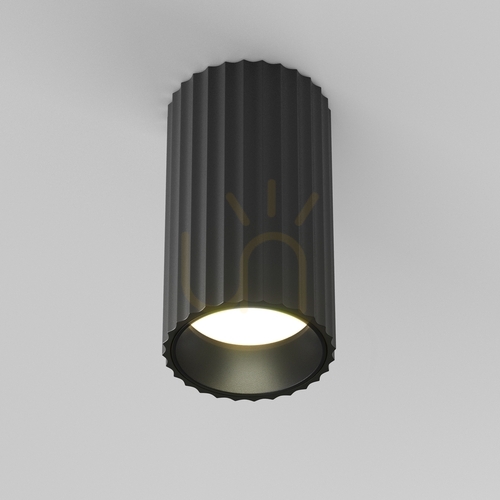
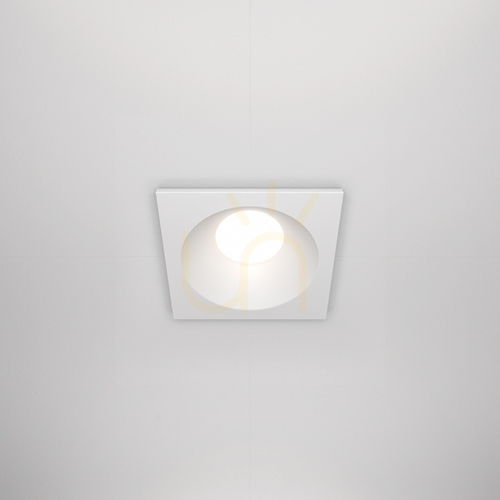
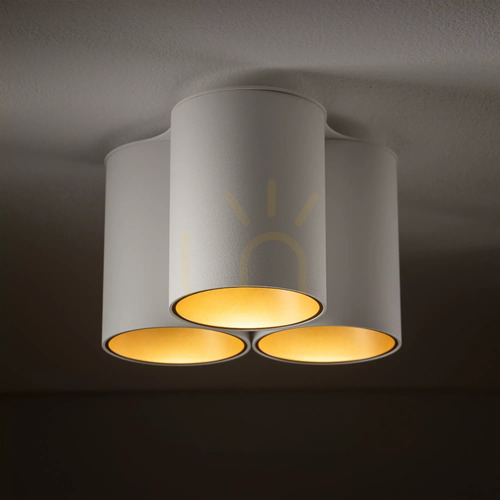
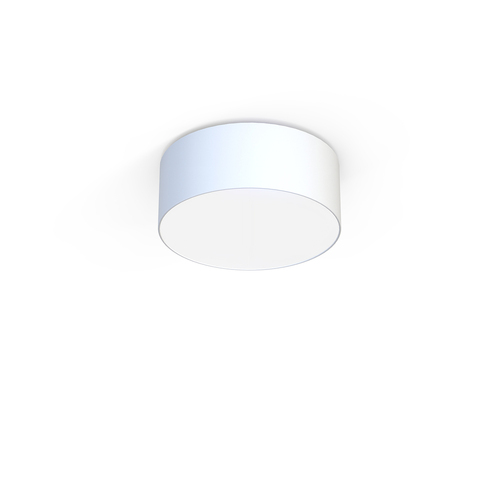
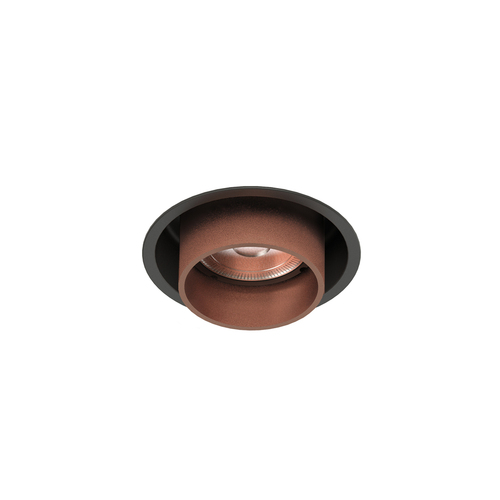
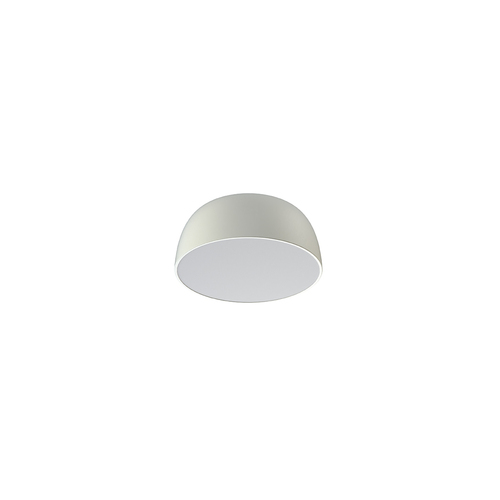
At 2.4 m of ceiling height every centimetre counts — look for flush fittings under 8 cm deep, or recessed ones if you have a suspended ceiling. Width should not exceed a third of the corridor width: in a 120 cm passage that means 40 cm at most.
Motion sensors
The hallway is the one place in a home where a sensor genuinely earns its keep, because you arrive with your hands full. Check the detection angle so it does not trigger on movement in the next room, and the hold time — under 60 seconds becomes irritating while you are taking off a coat.
Colour
3000 K. In a windowless space, cool light emphasises the absence of daylight and makes the hallway feel like a stairwell.
Common questions
How do you light a dark hallway?
Split the light across several points rather than one, aim some of it at the walls and ceiling, and stay warm at 3000 K.
What ceiling light for a low hallway?
A flush fitting under 8 cm deep, around 1000–1500 lm.
Are motion sensor lights worth it indoors?
In a hallway and entrance, yes. In rooms where people sit still, a sensor switches off at the worst moment.
See also indoor wall lights and all indoor lighting.