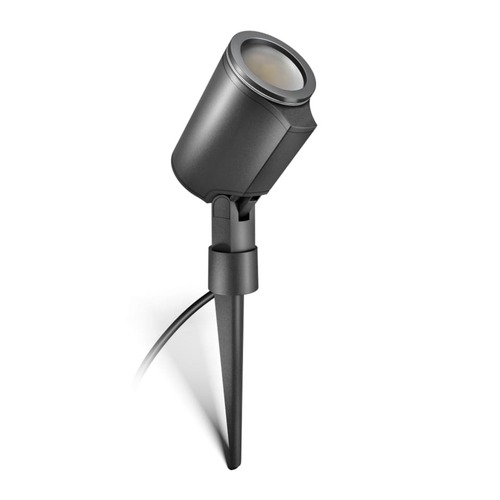
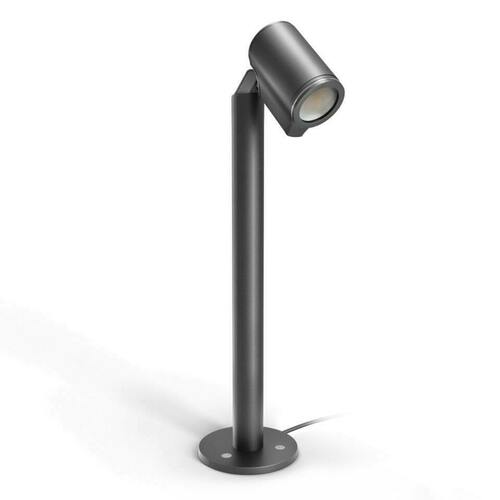
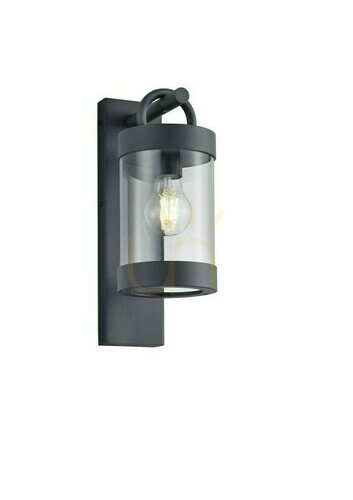
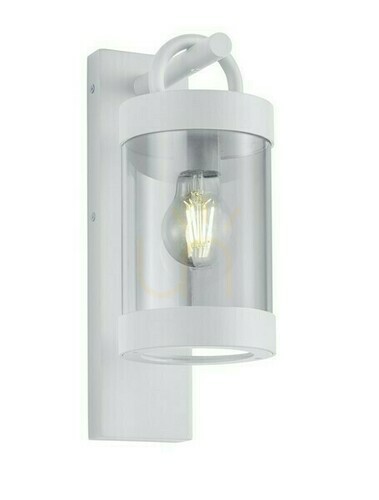
Dusk to dawn outdoor lights turn themselves on as daylight fades and off again when it returns. On a garden light, that means the path, porch or side gate is lit every evening at the right moment, with no switch to remember and no timer to reset when the clocks go back in October.
The work is done by a photocell, a small light sensor that reads the brightness around it. When the level drops below a set point, the light comes on. Because it follows the sky rather than a clock, it adjusts by itself from a dark December teatime to a late midsummer evening.
Dusk to dawn, PIR or timer?
All three automate outdoor lighting, but they do different jobs. A PIR (motion sensor) light stays off until someone walks past, then lights up for a minute or two. A plug-in or wired timer switches at fixed times, so it can leave you in the dark on a gloomy afternoon or burn in broad daylight in June. A dusk to dawn light gives steady, all-night light that tracks the seasons. It suits front doors, paths and drives where a constant glow helps you find your keys, deters opportunists and makes the house look lived in when you are away.
Many fittings blend these ideas. Some switch off after a chosen number of hours rather than at dawn. Others run dimmed through the night and brighten to full output when a PIR picks up movement. You will see the photocell in many garden formats:
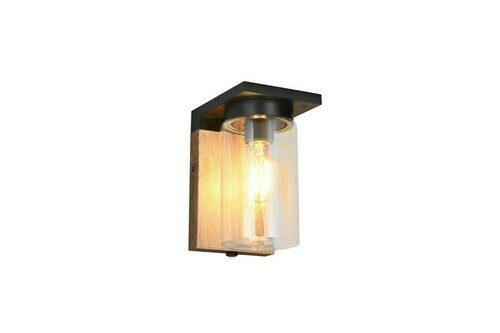
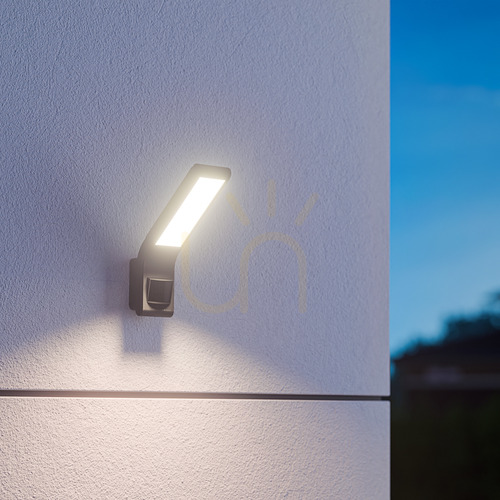
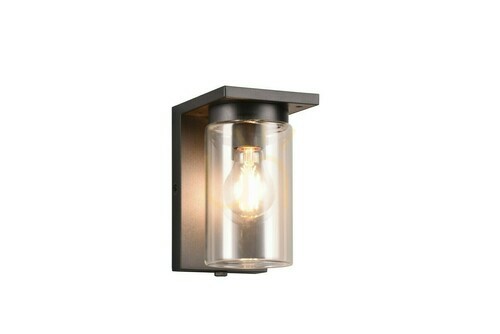
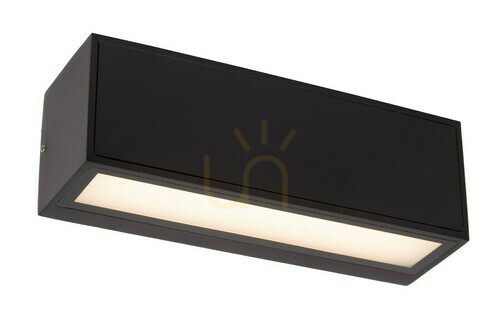
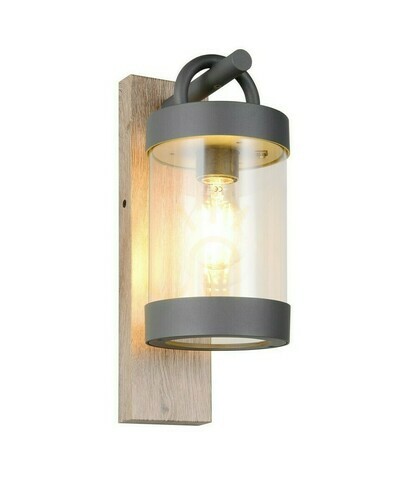
- wall lanterns and up-and-down lights beside the door or garage,
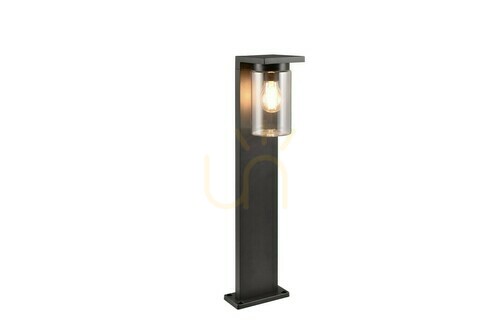
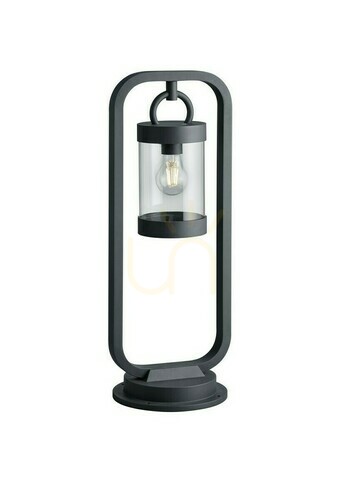
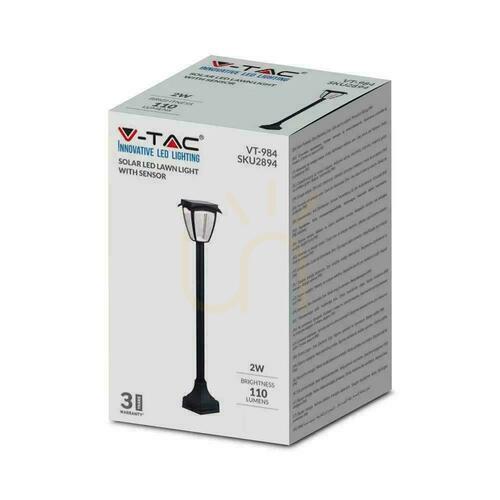
- bollards and low post lights along paths and borders,
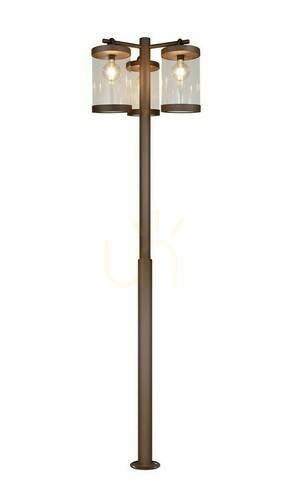
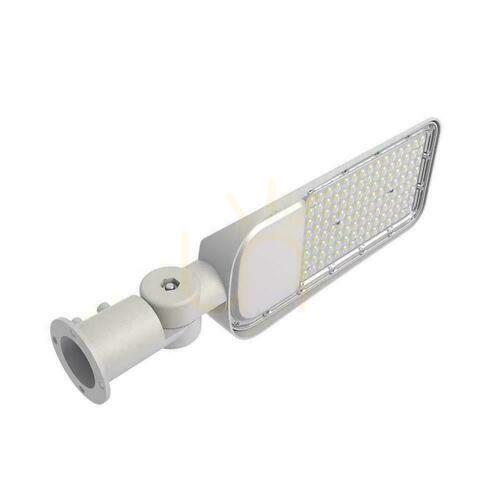
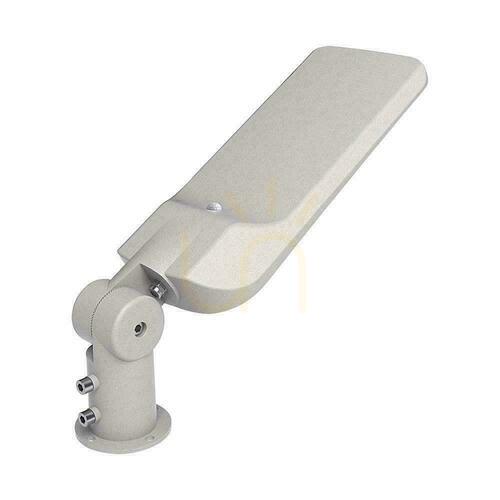
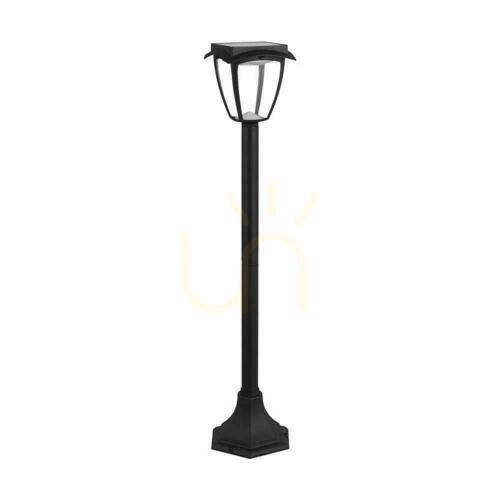
- taller lamp posts for drives and larger gardens,
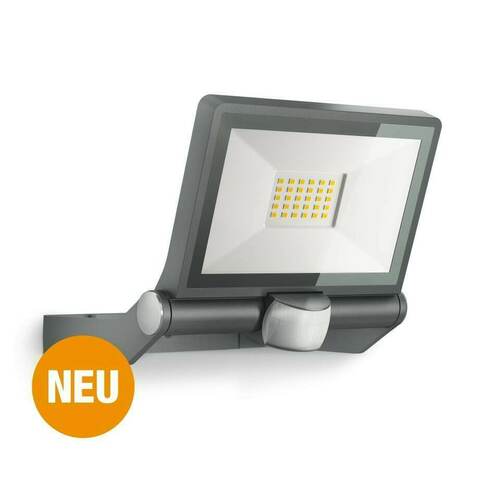
- floodlights for outbuildings and yards,
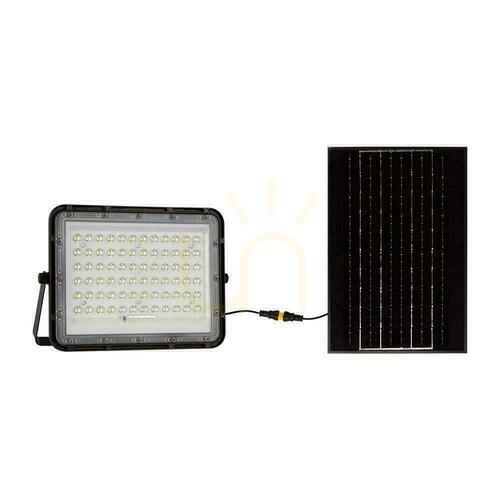
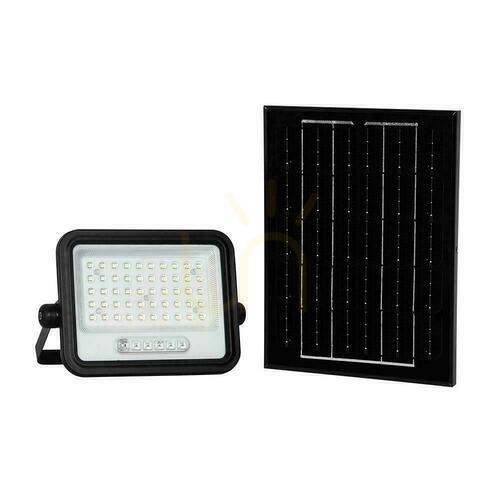
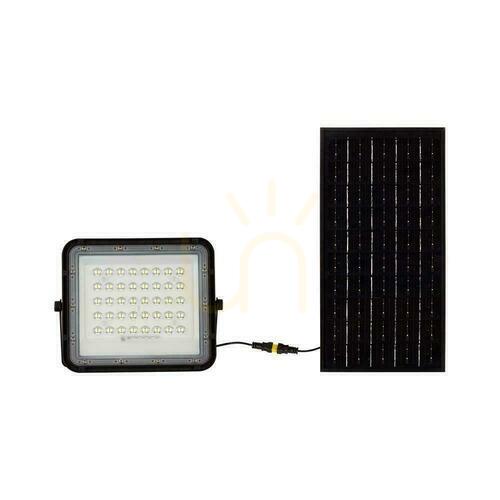
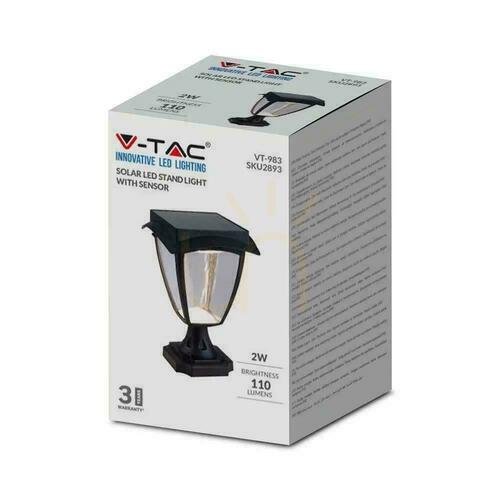
- solar lights, where a dusk sensor is almost always built in.
To add the feature to an existing fitting, there are E27 or B22 bulbs with a built-in photocell, or a separate dusk to dawn switch that an electrician wires in to control several lights at once.
Choosing the right light
A dusk to dawn light runs for thousands of hours a year, so pick sensible output rather than the brightest option on the shelf. Glare across a whole night is what tends to annoy neighbours.
| What to check |
Typical values |
Why it matters |
| Weatherproofing |
IP44 minimum, IP54–IP65 for exposed spots |
wind-driven rain is common in the UK; a post light in the open deserves IP65 |
| Switching level |
around 5–20 lux for wall lights, 20–70 lux for paths |
an adjustable dial helps near street lamps |
| Brightness |
path 100–300 lm, front door 400–800 lm, drive 800–1500 lm |
all-night light rarely needs the top figure |
| Colour temperature |
2700–3000 K by the house, 4000 K for a garage or workshop |
warm white feels friendlier and attracts fewer insects |
| Light source |
integrated LED or a standard E27/B22 lamp holder |
with a lamp holder, stay within the fitting's maximum wattage |
| Coastal location |
marine-grade stainless steel or coated aluminium |
salt air can pit and discolour ordinary finishes quickly |
Where to fit it
The photocell needs to see daylight, not artificial light. If it catches the glow of a street lamp, a bright window or the fitting's own beam, the light will switch erratically or flicker on and off at dusk. Point the sensor towards open sky, away from other lights. North- and east-facing walls tend to work best, since low evening sun does not dazzle the sensor there. Avoid deep porches and dense hedges, where it can be dark enough at midday to trigger the light.
Wall lights beside a door usually sit about 1.8–2 m above the ground; bollards are spaced a few metres apart along a path. Mains outdoor lighting should be installed by a qualified electrician to BS 7671, with RCD protection on the circuit. One practical point: a dusk to dawn fitting needs a permanent supply, so leave any wall switch feeding it switched on, or the sensor has no power to work with.
Troubleshooting and care
A light that stays on in daytime usually has a shaded or dirty sensor, or a threshold set too high. One that never comes on often sits near another light source. Flicker at dusk almost always means the sensor is seeing its own light. Wipe the sensor window a few times a year to clear dust, cobwebs and leaves, and clear snow in winter. On solar models, keep the panel clean too, or the battery will not charge enough to last the night.
Frequently asked questions
Are dusk to dawn outdoor lights worth it?
For entrances and paths, yes. You get reliable light every evening without thinking about it, and the running cost of a modest LED fitting is low. For spots you only pass occasionally, a PIR light may suit better.
Do dusk to dawn lights use a lot of electricity?
No. Across a year there are roughly 4000 hours of darkness in the UK, so a 6 W LED uses around 24 kWh, about a tenth of what an old 60 W incandescent bulb would have used over the same hours.
Is there an outdoor timer that can set dusk to dawn?
Yes. Some outdoor timers and smart plugs include a light sensor or calculate sunset from your location. A wired photocell switch does the same for a fixed installation and can control several lights.
What is the best outdoor dusk to dawn light?
The one that fits the spot: IP65 for exposed positions, warm white output in the 400–800 lm range for a front door, an adjustable sensor if street lighting is nearby, and a dimmed night mode if you want light all night without glare.
Are dusk to dawn lights waterproof?
Most wall and post fittings are rated for rain, not for immersion. IP44 handles splashing water under a canopy; IP65 resists jets of water and suits open walls and posts.
Why does my dusk to dawn light flicker?
The sensor is picking up the light it produces. Angle the sensor away from the beam or shield it so the fitting's own light cannot reach it.
For more on garden lighting in general, see outdoor lights. If you would rather light up only when someone approaches, read about outdoor lights with motion sensor.