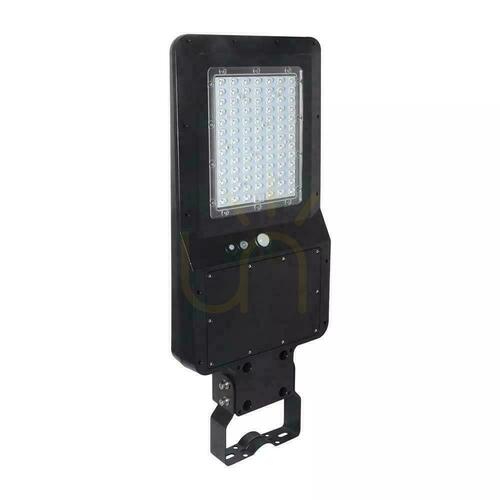
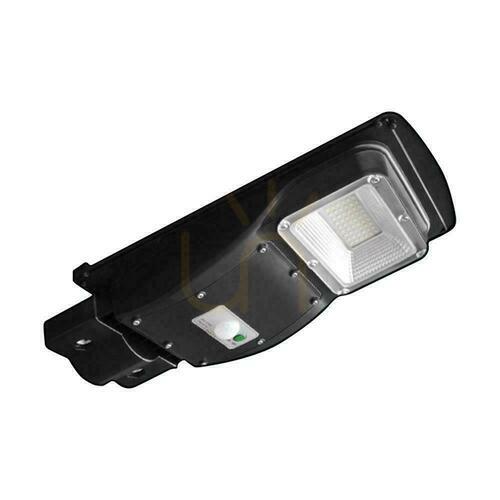
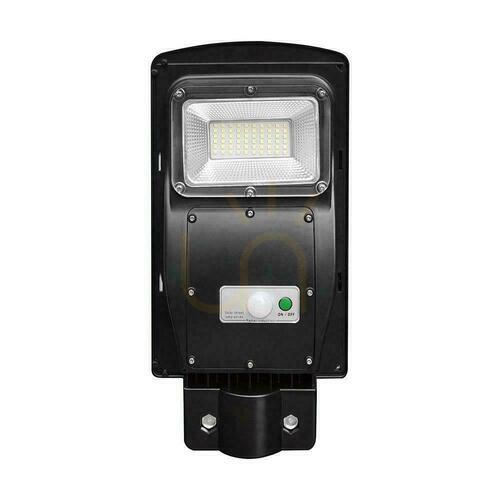
Solar garden lanterns charge themselves during the day and switch on at dusk, so you can put one on a path, a wall or a patio table without running a cable from the house. The trade-off is simple: a lantern only shines for as long as the day's sunshine lets it, so panel size, battery and position matter far more than the shape of the glass.
That matters in Britain more than in sunnier countries. A lantern that glows until dawn in June can manage a couple of hours in December, and a cheap one may not light at all after a week of grey skies. Choose with that in mind and solar lanterns earn their place; choose on looks alone and they tend to disappoint by autumn.
Decorative glow or real path lighting?
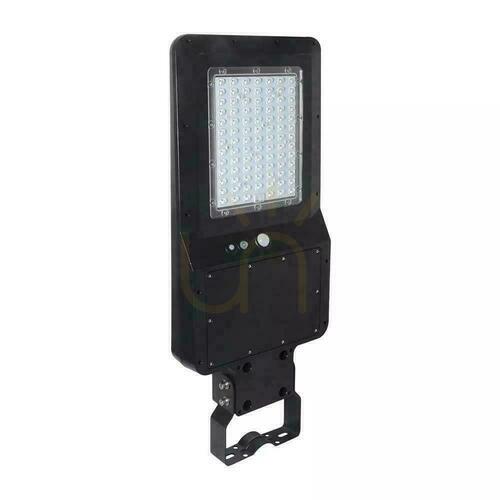
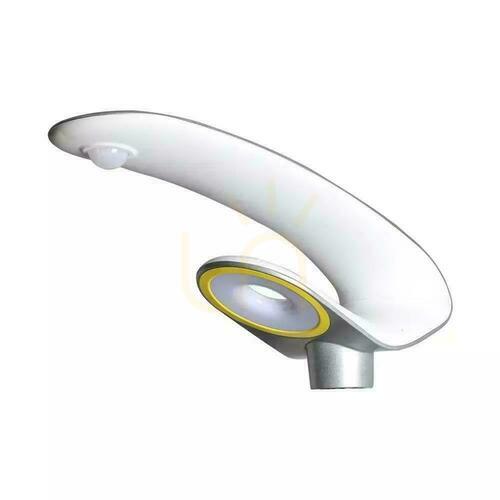
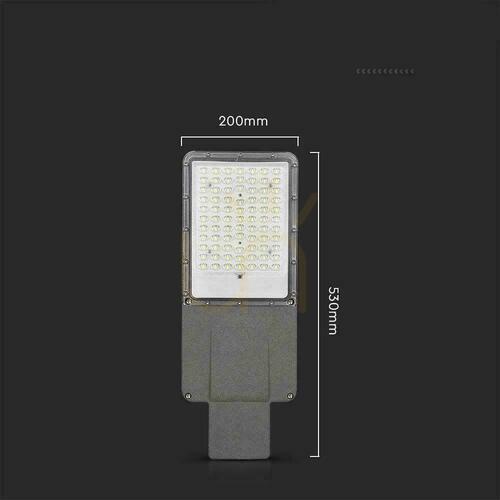
Most solar lanterns fall into one of two camps. Decorative lanterns – fisherman-style with a filament-effect bulb, Moroccan metalwork that throws patterned shadows, rattan-effect cages with a flickering LED candle – are about atmosphere. Post-top and standing lanterns are there to light a route, so they need more lumens, a bigger battery and better sealing. The two can look alike in a photo, but the specifications are worlds apart.
| Lantern type |
Typical height |
Light output |
Battery |
Summer run time |
| Table and hanging lanterns |
20–40 cm |
5–50 lm |
NiMH AA or AAA, 600–1200 mAh |
4–6 hours |
| Standing lanterns for doors and patios |
40–80 cm |
50–150 lm |
Li-ion, around 2000 mAh |
6–8 hours |
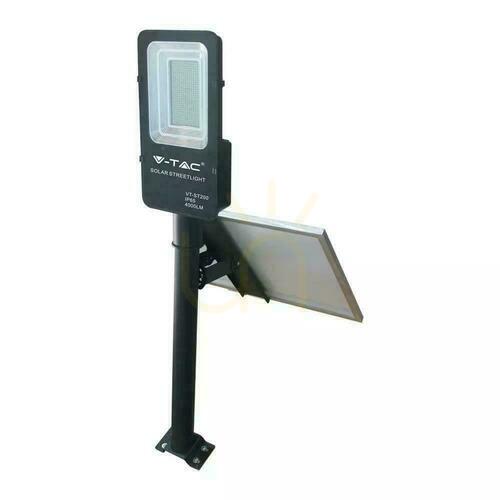
| Garden post lanterns |
80–150 cm |
100–400 lm |
Li-ion, 2000–4000 mAh |
6–10 hours |
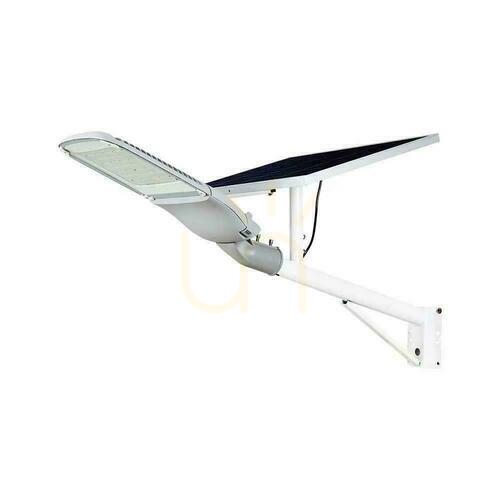
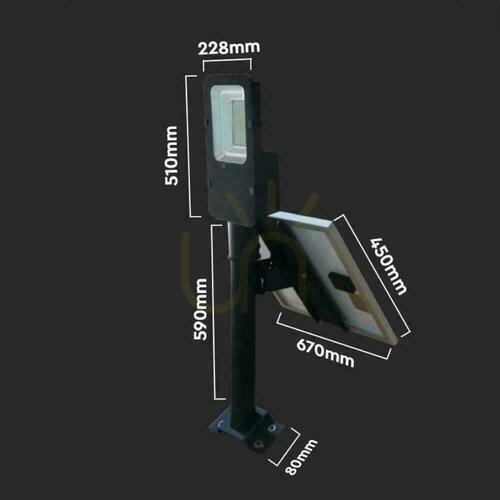
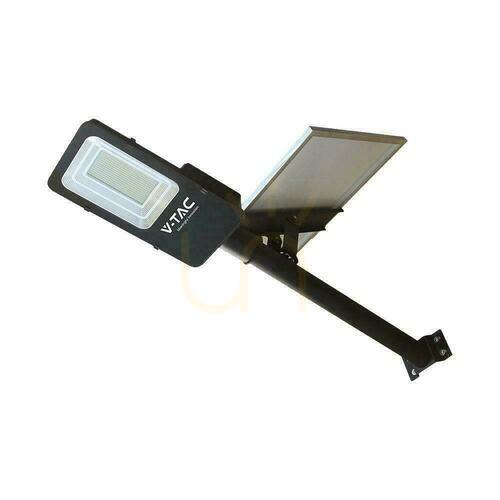
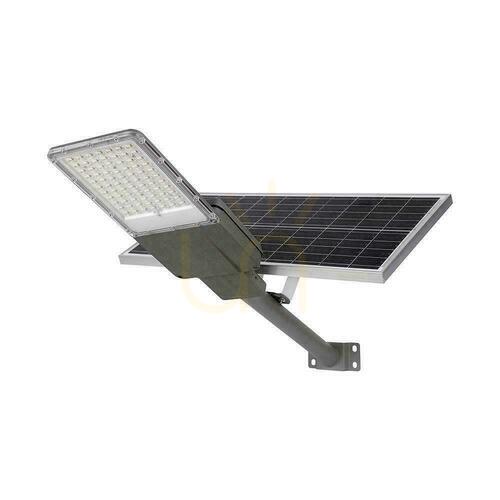
| Lanterns on tall poles |
2–4 m |
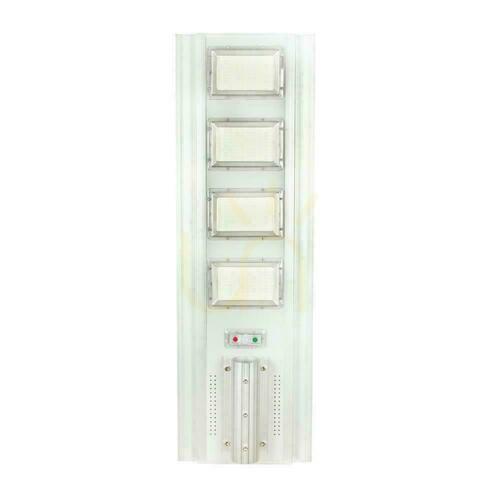
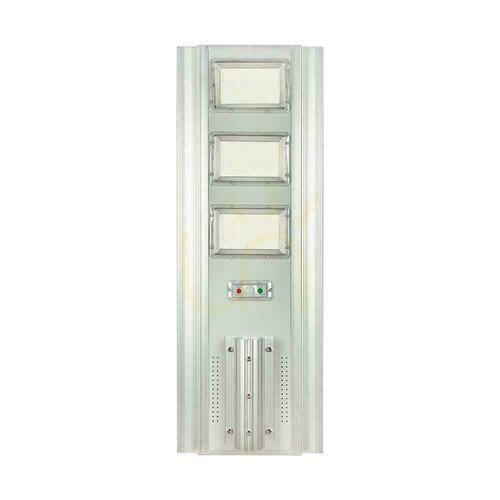
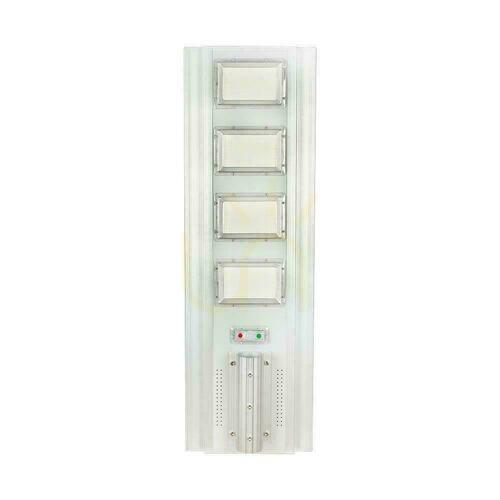
several hundred to over 1000 lm |
Li-ion or LiFePO4, separate panel |
all night, usually with a dimmed mode |
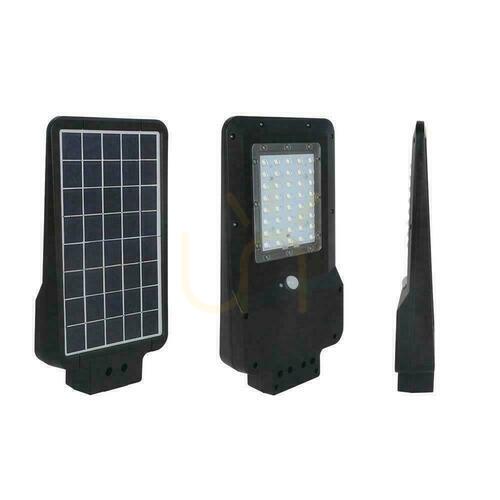
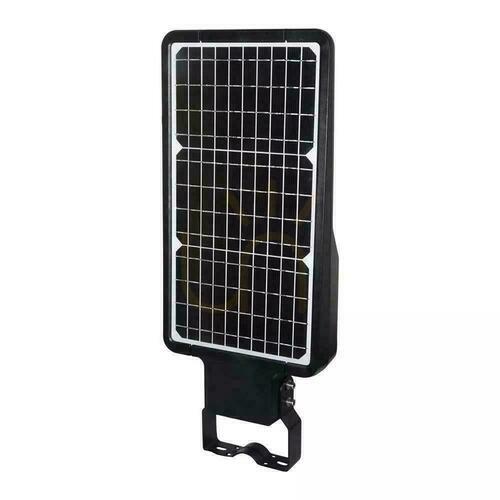
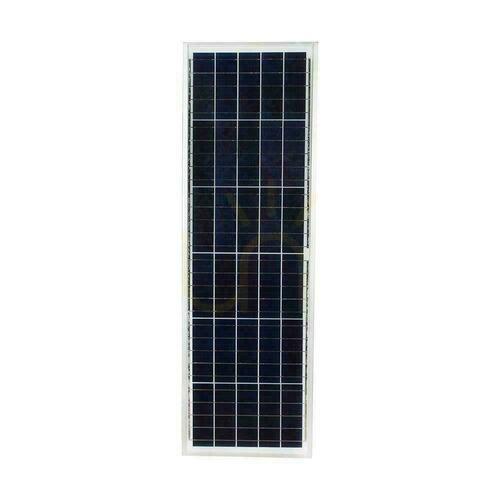
Three things to check on the spec sheet. Monocrystalline panels cope better with the diffuse light of an overcast British day than polycrystalline ones. Battery capacity in mAh only means something alongside voltage: a NiMH cell is 1.2 V and a lithium-ion cell 3.7 V, so 2000 mAh is a very different amount of energy in each. And for colour, warm white around 2700–3000 K suits a garden, while 4000 K reads more clearly by a gate or drive.
Where to put them
A full charge takes roughly 6–8 hours of direct sun. Face the panel south and watch for shade through the day – fences, eaves, hedges and the herbaceous border that will be waist-high by July. A lantern in dappled shade still works, just for less time. If the spot you have in mind is shaded, look for a lantern with a remote panel on a cable, so the light sits where you want it and the panel sits in the sun a few metres away.
-
Paths – taller lanterns spread light in a wider pool, so you need fewer of them. Stagger them on alternate sides.
-
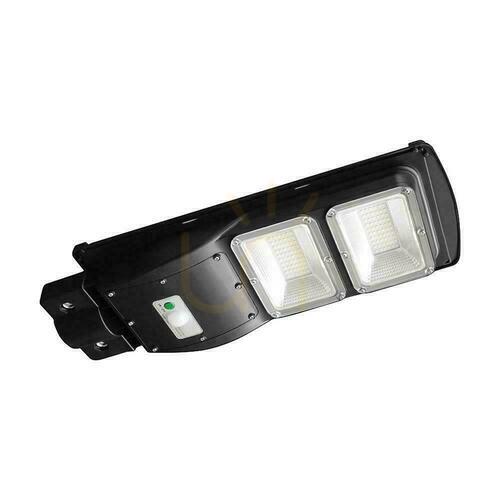
Front door and steps – go for a brighter lantern or one with a motion sensor that idles dim and brightens when someone approaches.
-
Covered patios and pergolas – a panel under a roof barely charges. Hang lanterns at the edge of the cover, or pick a remote-panel model; more on that in hanging solar lights.
Fitting and looking after them
Lighter lanterns come with a ground spike that pushes into the lawn by hand, so you can move them around as the garden changes. Sturdier ones sit on a base screwed into paving or concrete, and tall pole lanterns need a ground anchor or concrete footing because of wind load. There is no mains wiring, so no electrician is needed – the exception being hybrid models with a 230 V back-up supply, which should be connected by one.
Give the panel a wipe with a damp cloth every few weeks; dust, pollen and bird droppings cut charging more than you would think. Brush off snow, and check the panel surface hasn't turned cloudy or yellow, which is a sign of a cheap, non-UV-stable cover.
Frequently asked questions
What are the disadvantages of solar garden lanterns?
They are dimmer than mains lighting, their run time depends on the weather, and the battery wears out long before the rest of the lantern. For a front drive that must be lit every night of the year, mains is more reliable; for paths, borders and the patio, solar is a sensible, cable-free choice.
Do solar lanterns work in winter in the UK?
Yes, but for shorter spells. Midwinter sunshine is a fraction of midsummer's, so 2–4 hours is a realistic evening. A bigger monocrystalline panel tilted more steeply towards the low sun helps, as does a motion-sensor mode that only uses full power when needed.
Are solar garden lanterns waterproof?
Look at the IP rating. IP44 means protected against splashing from any direction, which is fine for a sheltered spot. IP65 means protected against water jets and is the better bet for an exposed garden that takes the full force of the weather.
Are large solar lanterns brighter?
Not automatically. Size of the glass says little; panel area, battery capacity and the lumen figure tell you how bright it will be and for how long. A big decorative lantern with a tiny panel can be dimmer than a modest post lantern.
Why has my solar lantern stopped working?
Check the on/off switch under the lid or in the base first – new lanterns often arrive switched off. After that, the usual suspects are a dirty panel, new shade, or a tired battery. Replace it with the same chemistry, voltage and size, never with a standard alkaline battery, which cannot be recharged.
Can I leave solar lanterns out all winter?
Sealed lanterns can stay out. If you won't use them in the darkest weeks, switch them off and store them somewhere dry like a shed or garage with the battery charged – it will last more seasons that way.
For mains-powered lanterns and other outdoor styles, see garden lanterns.